Australia and Mekong River Commision deepen cooperation to strengthen river monitoring and digital innovation in Lao PDR

mrcmekong.org

Australia and MRC deepen cooperation to strengthen river monitoring and digital innovation in Lao PDR

Share: 

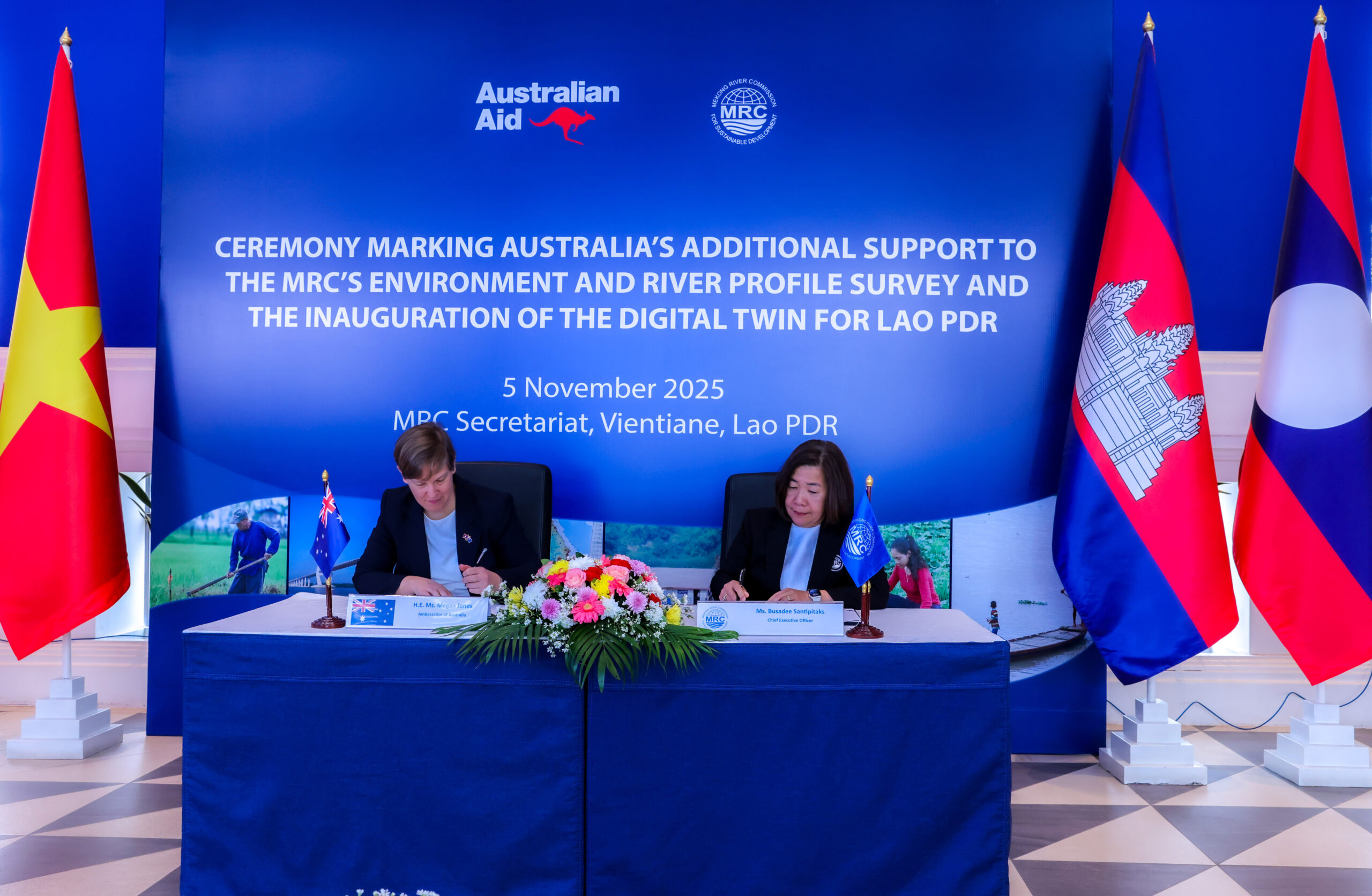
Vientiane, Lao PDR, 6 November 2025 – The Mekong River Commission (MRC) and the Government of Australia have reinforced their long-standing partnership through additional Australian support and the use of new digital innovations to enhance water monitoring and management in the Mekong region.

At a ceremony held today at the MRC Secretariat in Vientiane, Australia formalised an additional USD 1.71 million to support the MRC’s Environment and River Profile Survey, a key program that helps the MRC to enhance monitoring of river conditions, improve forecast changes, and better assess the health of the basin. This ensures the MRC can continue gathering and analysing data effectively that inform decisions on the river’s management and protection.

Australia’s support for the Environment and River Profile Survey builds on its core support to the MRC under the Mekong-Australia Partnership, which seeks to strengthen water security, economic resilience and sustainable growth in the sub-region. “Australia is proud to support this project as it will benefit the MRC, its member countries, and the river’s communities, economy, and environment” said H.E. Ms Megan Jones, Australian Ambassador to Lao PDR.

Joining the event was His Excellency Dr Linkham Douangsavanh, Minister of Agriculture and Environment of Lao PDR. Together with the MRC and Australia, he witnessed the formal launch of a new “Digital Twin” platform, a real-time modelling tool that integrates hydrological, meteorological and spatial data to help visualise how changes in rainfall, flow or land-use could affect communities and ecosystems.

“With this Digital Twin platform, we are giving our communities and partners a window into the river’s future,” said Dr Douangsavanh. “When we see what may come, we can plan better, respond faster and protect the peoples and their livelihoods and nature that depend so much on the Mekong.”

“Today we harness new digital capabilities and advanced capabilities so that we can ensure shared benefits for the sustainable development of the Mekong River Basin. The MRC is grateful for this timely support from Australia that has allowed this to happen,” said H.E. Ms Busadee Santipitaks, Chief Executive Officer of the MRC Secretariat.

About the Mekong River Commission

The MRC is an intergovernmental organisation established in 1995 to boost regional dialogue and cooperation in the Lower Mekong River Basin. Based on the Mekong Agreement among Cambodia, Lao PDR, Thailand, and Viet Nam, the MRC serves as both a regional platform for water diplomacy and a knowledge hub – to manage water resources and support sustainable development of the region.

Sào huyệt lừa đảo ở Đông Nam Á: Tội phạm Trung Quốc thống trị, gây thiệt hại hàng tỷ USD

vietnamfinance.com – 21/02/2025 08:30 (GMT+7)

(VNF) – Trong những năm gần đây, các hoạt động lừa đảo xuyên biên giới tại khu vực Đông Nam Á đã gia tăng mạnh mẽ, đặc biệt là những tổ chức lừa đảo có sự tham gia của các nhóm tội phạm Trung Quốc. Những tổ chức này không chỉ gây thiệt hại tài chính mà còn ảnh hưởng nghiêm trọng đến an ninh và trật tự xã hội của các quốc gia trong khu vực.

Các chiến dịch quốc tế nhằm đối phó với tình trạng này, bao gồm việc hồi hương hàng chục nghìn tội phạm lừa đảo về Trung Quốc, đã cho thấy sự tham gia của tội phạm nước này trong các vụ lừa đảo tại Đông Nam Á là rất lớn.

Theo một báo cáo mới đây của Trung tâm nghiên cứu chiến lược và quốc tế (CSIS, Mỹ), những hang ổ lừa đảo cắm rễ sau sự xuống dốc của lĩnh vực kinh doanh cờ bạc tại Đông Nam Á và gắn liền với các băng nhóm tội phạm người Trung Quốc.

Sau phong tỏa trong đại dịch Covid-19, nhiều khu casino và khách sạn bỏ trống đã biến thành các trung tâm lừa đảo qua mạng, nơi các nạn nhân buôn người bị chúng dụ dỗ và cưỡng ép đã lừa hàng tỷ USD từ nhiều người.

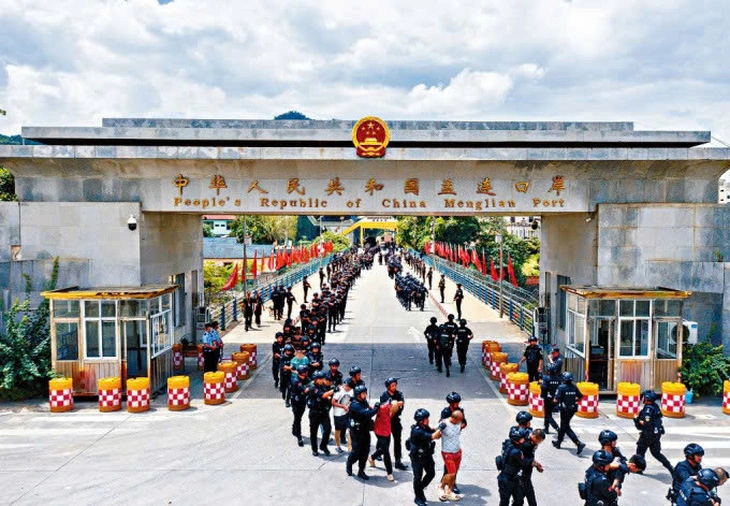
Các nghi phạm bị dẫn giải từ Myanmar về Trung Quốc tại cửa khẩu Mạnh Liên ở Vân Nam (Ảnh: XINHUA)

Tiếp tục đọc “Sào huyệt lừa đảo ở Đông Nam Á: Tội phạm Trung Quốc thống trị, gây thiệt hại hàng tỷ USD”

How Southeast Asia Became Scam Hub For China-Linked Syndicates

There is a human trafficking crisis in Southeast Asia. The UN estimates that 120,000 people have been trafficked to scam centres in Myanmar and another 100,000 in Cambodia. Many of them are brought through the border with Thailand. The victims are often forced to work as scammers, defrauding billions of dollars from unsuspecting targets across the world. These scam syndicates have been linked to the Chinese mafia as well as local rebels in Myanmar.

How do these scam centres operate? Who are the trafficking victims and how did they end up in this predicament? How is Thailand’s economy suffering from these trafficking networks, and what is being done to stamp them out? Insight investigates.

00:00 Introduction

01:22 Chinese victim in Myanmar’s scam factory

03:34 Why Southeast Asia is breeding ground for scams

06:23 High-profile kidnap of Chinese actor

07:52 Why war-torn Myanmar attracts scam kingpins

13:26 Changing demographic of trafficked victims 15:23 What happens inside scam centres

23:47 The voluntary scammers

25:21 How scams work

29:34 Romance gone wrong

34:49 China’s role in scam crackdown

37:21 What’s Thailand doing to fight scammers

Toxic runoff from Myanmar gold mines contaminates Thai rivers

Toxic runoff from unregulated mines in Myanmar has sparked health and environmental concerns, across the border in Thailand.

Thai authorities have detected levels of arsenic nearly five times above acceptable limits. Meanwhile, local fishermen and residents are complaining of falling incomes and expressing food safety concerns.

Al Jazeera’s Tony Cheng reports from Bangkok, Thailand.

Rare earth rush in Myanmar blamed for toxic river spillover into Thailand


Myanmar’s military rule is crippling hope for young people like never before

theconversation.com Published: March 12, 2025 5.03pm GMT

Myanmar has struggled with civil war, military rule and widespread poverty for much of the past seven decades. But the country’s youth have never faced threats to their survival and future as severe as today.

The military coup of February 2021 shattered the hopes of many young people in Myanmar who had envisioned a better and more stable future under their democratically elected leader, Aung San Suu Kyi.

As brutal crackdowns on peaceful protests unfolded, thousands of young people fled to the jungles to take up arms. Hundreds of thousands more joined the civil disobedience movement, abandoning their studies to protest military rule through demonstrations and strikes.

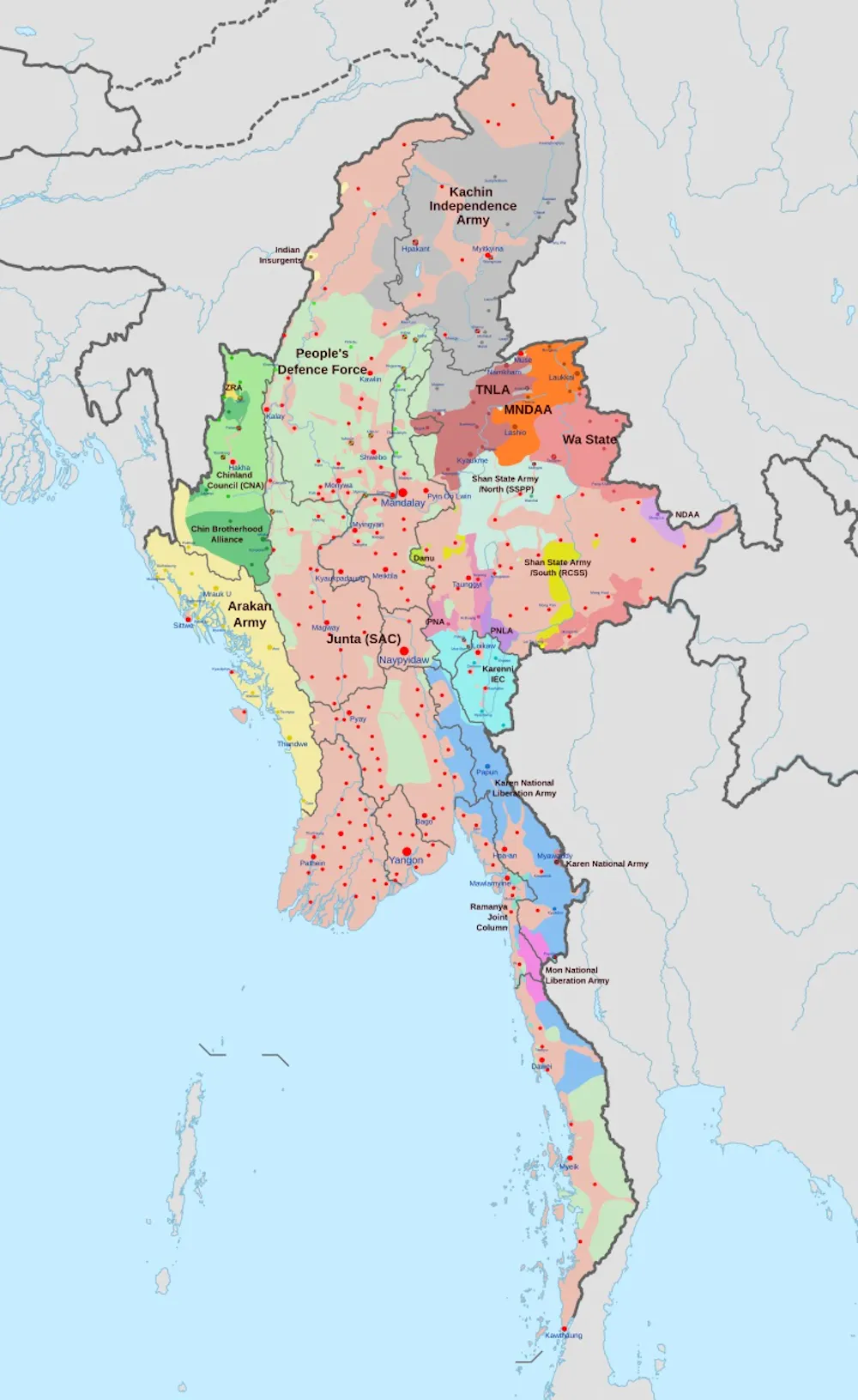
A map of Myanmar showing the military situation there as of February 4.
The military situation in Myanmar as of February 4 2025. Wikimedia Commons

Myanmar’s armed opposition has made significant gains over the past year, seizing vast territories from the military – though the latter still controls major cities like Naypyidaw, Yangon, and Mandalay.

Amid the surging violence, young people in Myanmar are finding themselves even more deprived of opportunities and increasingly forced into submission.

In February 2024, Myanmar’s junta declared mandatory military service for men aged 18 to 35 and women aged 18 to 27. Those who do not comply face up to five years in prison.

Tiếp tục đọc “Myanmar’s military rule is crippling hope for young people like never before”

Joint Statement on Armed Forces Day in Myanmar

MEDIA NOTE

US Department of StateOFFICE OF THE SPOKESPERSON

MARCH 26, 2022

Following is a joint statement on Armed Forces Day in Myanmar issued by the High Representative on behalf of the European Union and the Foreign Ministers of Albania, Australia, Bosnia and Herzegovina, Canada, Georgia, Iceland, Liechtenstein, Marshall Islands, the Federated States of Micronesia, Montenegro, New Zealand, North Macedonia, Norway, Palau, Republic of Korea, Serbia, Switzerland, Ukraine, the United Kingdom, and the United States.

Begin text: 

On Armed Forces Day, we remember those killed and displaced by violence over the last year, including at least 100 people killed on this day alone one year ago.

Some countries continue to supply lethal assistance to Myanmar’s military regime, enabling its violence and repression. We urge all countries to support the people of Myanmar by immediately stopping the sale or transfer of arms, military equipment, materiel, dual-use equipment, and technical assistance to Myanmar, in line with UN General Assembly Resolution A/RES/75/287.  We reiterate our call on the military to cease its violence and restore Myanmar’s path to democracy.

End text.

Mekong-Japan partnership strategy agreed at Tokyo summit

THE ASAHI SHIMBUN – October 9, 2018 at 15:45 JST

Photo/IllutrationJapanese Prime Minister Shinzo Abe, center, speaks at the 10th Mekong-Japan Summit Meeting held in the State Guest House in Tokyo’s Moto-Akasaka district on Oct. 9. (Pool)
Five Southeast Asian leaders joined Prime Minister Shinzo Abe at the State Guest House in Tokyo on Oct. 9 to adopt an agreement to strengthen ties between their nations and Japan.

The agreement, titled “Tokyo Strategy 2018,” was adopted by Cambodia, Laos, Myanmar, Thailand and Vietnam, as well as Japan, at the 10th Mekong-Japan Summit Meeting.

The document positions relations between Japan and the Mekong River region as a “strategic partnership,” and it describes “strengthening connectivity,” “raising human resources” and “environmental protection” as its pillars, with the aim of developing high-quality infrastructure. Tiếp tục đọc “Mekong-Japan partnership strategy agreed at Tokyo summit”

The Greater Mekong Subregion: Rural no more

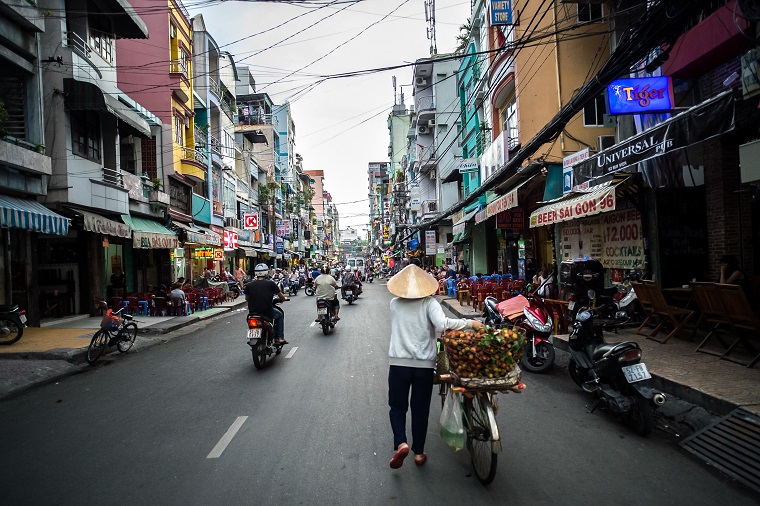
By 2030, more than 40% of the population in the Greater Mekong Subregion will be living in cities. Photo: ADB.By 2030, more than 40% of the population in the Greater Mekong Subregion will be living in cities. Photo: ADB.
greatermekong – The subregion is one of the least urbanized areas in the world, but its cities are growing and their economic impact is being felt. 

Urbanization levels in the Greater Mekong Subregion are low, ranging from 19.5% in Cambodia to 44.2% in Thailand. However, in all GMS countries, urban areas account for a much larger percentage of the gross domestic product (GDP)—at least half in most countries and about 75% in Thailand—than the share of its national populations.

Urbanization growth rates in the subregion range from 4.9% annually in Yunnan Province, People’s Republic of China (PRC) —six times the provincial population growth rate—to a low of 2.6% annually in Myanmar—1.7 times the national population growth rate. Tiếp tục đọc “The Greater Mekong Subregion: Rural no more”

$66b invested in Greater Mekong Sub-region: ADB official

VNN – Last update 14:39 | 14/03/2018

The Greater Mekong, including Vietnam, is expected to have a colossal US$66 billion poured in to strengthen regional economic co-operation in the next five years, said an Asian Development Bank (ADB) official on Tuesday.

$66b invested in Greater Mekong Sub-region: ADB official, vietnam economy, business news, vn news, vietnamnet bridge, english news, Vietnam news, news Vietnam, vietnamnet news, vn news, Vietnam net news, Vietnam latest news, Vietnam breaking news

Director of ADB’s division of regional co-operation and operations coordination in Southeast Asia Alfredo Perdiguero.

The money was upped by $2 billion compared to what ministers of the six Greater Mekong Sub-region (GMS) countries – Myanmar, Laos, Viet Nam, Cambodia, Thailand and China – agreed to in the action plan framework for 2018-2022 late last year. Tiếp tục đọc “$66b invested in Greater Mekong Sub-region: ADB official”

Economic Corridors in the Greater Mekong Subregion

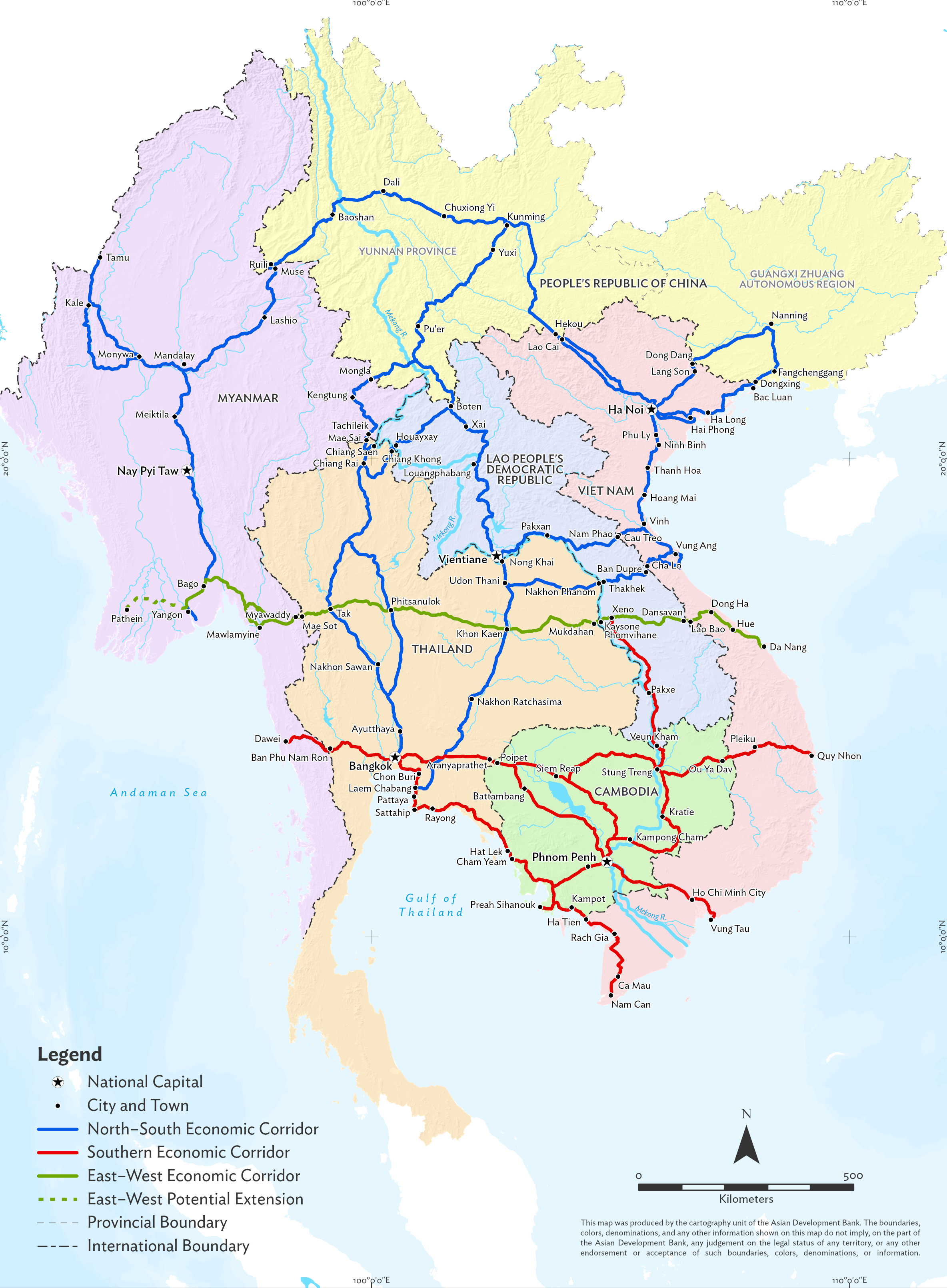
greatermekongEconomic corridors are areas, usually along major roadways, that host a variety of economic and social activities. This includes factories, tourism, trade, environmental protection activities and other aspects of the economy and social development of an area.

An economic corridor is much more complex than a mere road connecting two cities. It involves not only the development of infrastructure but also the crafting of laws and regulations that make it easier to do business, access markets, and conduct other activities that support trade and development in a comprehensive manner.

Tiếp tục đọc “Economic Corridors in the Greater Mekong Subregion”

Mở rộng vận tải xuyên biên giới Tiểu vùng sông Mekong

10:57 SA, 16/03/2018

(Chinhphu.vn) – Bản ghi nhớ “Thu hoạch sớm” được các nước Tiểu vùng Mekong mở rộng (Việt Nam, Campuchia, Trung Quốc, Lào, Thái Lan và Myanmar) cho phép triển khai có hiệu quả Giấy phép vận tải đường bộ GMS và Sổ theo dõi tạm nhập cho xe thương mại.


Các nước thành viên GMS ký Bản ghi nhớ thực hiện “Thu hoạch sớm” Hiệp định GMS. Ảnh: VGP/Phan Trang

Hội nghị Ủy ban Hỗn hợp lần thứ 6 thực hiện Hiệp định Tạo thuận lợi vận chuyển người và hàng hóa qua lại biên giới 6 nước Tiểu vùng Mekong mở rộng (Hiệp định GMS-CBTA) cấp Bộ trưởng diễn ra chiều qua (15/3) đã thông qua và ký kết Bản ghi nhớ thực hiện “Thu hoạch sớm” và chính thức thực hiện từ tháng 6/2018. Tiếp tục đọc “Mở rộng vận tải xuyên biên giới Tiểu vùng sông Mekong”

Eluding Censors, a Magazine Covers Southeast Asia’s Literary Scene

Minh Bui Jones looking at a previous issue of his magazine on the terrace of his house in Cambodia’s capital, Phnom Penh. CreditOmar Havana for The New York Times

HONG KONG — At Monument Books, a bookstore in Phnom Penh, Cambodia, the magazine racks are stacked with copies of The Economist and other titles from Britain, Australia, France and the United States.

But one top-selling magazine there was founded in Phnom Penh and takes its name — Mekong Review — from the mighty river that runs beside the city’s low-rise downtown.

Tiếp tục đọc “Eluding Censors, a Magazine Covers Southeast Asia’s Literary Scene”

Cứu dòng Mekong: Việt Nam nên tăng cường mua điện từ Lào?

Thủy điện không còn hấp dẫn và cơ hội của dòng Mekong

***

Cứu dòng Mekong: Việt Nam nên tăng cường mua điện từ Lào?

  19:50 | Thứ năm, 07/12/2017

Phát triển dựa vào dòng dòng Mekong, từ vấn đề và bài toán phát triển năng lượng của Lào hiện nay, theo các phân tích, Việt Nam có thể và nên đóng vai trò chủ động hơn nữa trong vấn đề phát triển thủy điện thượng nguồn sông Mekong.


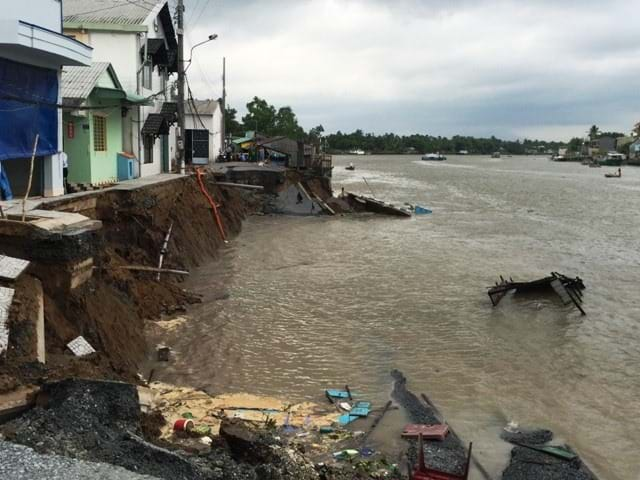
ĐBSCL hình thành là nhờ lượng phù sa của sông Mekong bồi đắp nên trong 6.000 năm qua. Việc xây thủy điện trên các dòng chính sông Mekong là một trong những nguyên nhân khiến ĐBSCL tăng sạt lở, dần “tan rã”. Ảnh: TL  Tiếp tục đọc “Cứu dòng Mekong: Việt Nam nên tăng cường mua điện từ Lào?”

India most corrupt Asian country, Vietnam second: Forbes

Business Standard

The article goes on to praise Prime Minister Narendra Modi for his ‘fight against corruption.

ANI  |  New Delhi  Last Updated at September 1, 2017 15:11 IST

India corruption

Image: Shutterstock
If the statistics furnished by the Transparency International (TI), an anti-corruption global civil society organisation, are anything to go by, India has a long way ahead to fulfil one of the many objectives as told by the current Indian government – defeating the malice of corruption.

A recent survey by the Transparency International states that India is the most corrupt country in Asia.

Depicting how pervasive the problem is across Asia, a list released by – Asia’s Five Most Corrupt Countries – says that India beats Vietnam, Thailand, Pakistan and Myanmar, when it comes to bribery rate.

The article, which rates India the highest in the list with 69 per cent bribery rate, describes India as: “In five of the six public services – schools, hospitals, ID documents, police, and utility services – more than half the respondents have had to pay a

The article goes on to praise Prime Minister for his ‘fight against corruption’.

“However, Prime Minister Narendra Modi’s fight against corruption has made a mark: 53 per cent of the people think he is going it fairly or very well. And it has led to people feeling empowered, as 63 per cent believe ordinary people can make a difference,” it adds.

India is closely followed by at 65 per cent bribery rate.

India’s neighbour, Pakistan, stands fourth in the list with 40 per cent bribery rate. The article describes the nation as: “In Pakistan, about three-fourths of respondents perceive most or all of the police to be corrupt. Of the people who encountered either the police or the courts, nearly seven in ten had to pay a Sadly, people don’t feel things can change-only a third think ordinary people can make a difference.”

The 18-month long survey by Transparency International was concluded after talking to more than 20,000 people in 16 countries, regions and territories in the Asia Pacific.

The Berlin-based corruption watchdog had put India at rank 76 out of 168 countries in its Corruption Perception Index last year.

The country’s 2015 corruption perception score remained the same as 2014’s – 38/100 – showing lack of improvement.

According to figures published in March, 2017, while citizens of Pakistan were the most likely of any country to be asked for bribes in law and order institutions, for India the police bribery rate was 54 per cent and for a low 12 per cent.

India had the highest bribery rates of all the countries surveyed for access to public schools (58 per cent) and healthcare (59 per cent).

(Only the headline and picture of this report may have been reworked by the Business Standard staff; the rest of the content is auto-generated from a syndicated feed.)

First Published: Fri, September 01 2017. 14:59 IST

Quốc lộ 9 – 4 kỳ

***

Ký ức đường số 9

27/04/2012 10:35 GMT+7

TT – Hiếm có một con đường nào trên đất nước này lại chứa đựng trong nó những cột mốc của lịch sử như quốc lộ số 9.

Một tuyến đường chỉ dài hơn 300 cây số, vắt ngang xứ Đông Dương chạy từ Đông Hà (thủ phủ tỉnh Quảng Trị) lên đến bờ đông sông Mekong (tỉnh Savannakhet, Lào) giáp biên giới Thái – Lào, nhưng lịch sử của cuộc kháng chiến vệ quốc hôm qua hay công cuộc mở cửa hội nhập hôm nay đều gắn bó mật thiết với nó.

Và nhiều sự kiện diễn ra trên tuyến đường này đang dự báo những tín hiệu khác…

Ký ức đường số 9 Phóng to
Chiếm căn cứ Đầu Mầu (3-1972) – Ảnh: Đoàn Công Tính

Tiếp tục đọc “Quốc lộ 9 – 4 kỳ”