(KTSG Online) – Thời gian qua, nhiều cán bộ cấp cao, trong đó có cả những cán bộ đang là Ủy viên Trung ương Đảng đã bị kỷ luật, bị cách các chức vụ trong Đảng, chính quyền, bị truy cứu trách nhiệm hình sự vì dính líu sai phạm nghiêm trọng trong quản lý đất đai, gây thất thoát tài sản Nhà nước.
Từ đầu năm 2022 đến nay, hàng loạt cựu quan chức địa phương bị đưa ra truy tố và xét xử với các tội danh liên quan đến sai phạm trong quản lý, sử dụng đất đai.
Không phải lần đầu tiên những vụ án như trên bị phanh phui nhưng dường như bài học vẫn chưa đủ sức răn đe khi những “lỗ hổng” về cơ chế chính sách vẫn tồn tại. Điều đáng nói là sau nhưng vụ án này để lại hệ lụy không nhỏ, ảnh hưởng xấu đến nền kinh tế, an ninh xã hội cũng như niềm tin của người dân.
Nhiều quan chức đã bất chấp pháp luật, liều lĩnh, câu kết, bắt tay nhau thành những liên minh bảo kê cho các doanh nghiệp sân sau thâu tóm đất công, biến đất công thành đất tư để trục lợi, gây thất thoát tài sản của Nhà nước lên tới hàng trăm, hàng ngàn tỉ đồng.
Cựu Bí thư Tỉnh ủy Bình Dương Trần Văn Nam được dẫn giải đến Tòa án – Ảnh: TTXVN
(KTSG) – Trước thông tin TPHCM thu hút nhân tài: 19 người vào làm việc, 14 người ra đi, ba năm qua không tuyển thêm được người nào, thực sự tôi không lấy làm lạ vì bản thân đã từng tham gia vào công việc này. Tôi bàn về nó với tư cách là người trong cuộc và kể những câu chuyện rời rạc để mọi người xâu chuỗi lại và tự rút ra kết luận thì tốt hơn.
Trọng dụng người tài của đất nước là con đường bền vững và đi xa nhất. Trong ảnh: Sinh viên chụp hình kỷ yếu tốt nghiệp đại học. Ảnh: THÀNH HOA
TTO – Báo cáo tổng kết 10 năm công tác phòng, chống tham nhũng, tiêu cực của Bộ Chính trị (2012 – 2022) nêu rõ đã có 37 cán bộ thuộc diện trung ương quản lý đã bị xử lý hình sự, trong đó từ đầu nhiệm kỳ XIII đến nay là 21 cán bộ.
Từ trái qua, trên xuống: các ông Đinh La Thăng, Nguyễn Bắc Son, Trương Minh Tuấn, Trần Văn Minh, Vũ Huy Hoàng, Nguyễn Văn Hiến, Nguyễn Đức Chung, Tất Thành Cang đã bị xử lý hình sự – Ảnh ghép: LÊ HIỆP
Thay mặt Bộ Chính trị, Thường trực Ban Bí thư Võ Văn Thưởng vừa ký báo cáo tổng kết 10 năm công tác phòng, chống tham nhũng, tiêu cực giai đoạn 2012 – 2022, nhiệm vụ giải pháp thời gian tới.
Sanna Marin became the youngest leader in the world when she took over as Finland’s Prime Minister in 2019.(Reuters: Remo Casilli)
When Finland’s Prime Minister, Sanna Marin, and Sweden’s leader, Magdalena Andersson, met for a key press conference in April, it became a defining moment for both countries.
For decades, Finland and Sweden had clung to their non-militarily-aligned status, pursuing close ties with Europe, while maintaining a cordial relationship with their eastern neighbour, Russia. But the war in Ukraine changed everything.
While Ms Marin refused to give any kind of timetable on the decision at the time, she hinted at the press conference that Finland’s bid would happen “quite fast”.
Trong những ngày liên tục có các lãnh đạo, nhân viên ngành y bị bắt, tôi nhận được nhiều lời động viên, an ủi và cả câu hỏi rằng, chỗ chúng tôi “có xao động gì không”.
Tôi không xao động, không bối rối vì những sự việc ấy xảy ra dễ hiểu. Nhiều nguyên nhân dẫn đến hành vi phạm pháp trong ngành đã được nói đến từ lâu. Có thể kể đến: Mức đãi ngộ thấp dẫn tới tham nhũng vặt để “tự cứu lấy mình”; Bổ nhiệm lãnh đạo không đủ rõ ràng, thậm chí không căn cứ vào chuyên môn, mở đường cho “yếu tố” đồng tiền xuất hiện; Những kẽ hở của pháp luật như mời chào người ta phạm luật, không khác gì cái bẫy.
Giá thuốc là một cái bẫy, một nguyên nhân dẫn đến tham nhũng trong ngành y, điều mà những người lăn lộn trong ngành sẽ thấy rõ.
If there was one common challenge to unite the Asia Pacific region, it would be corruption. From campaign pledges to media coverage to civil society forums, corruption dominates discussion. Yet despite all this talk, there’s little sign of action. Between Australia’s slipping scores and North Korea’s predictably disastrous performance, the 2015 index shows no significant improvement. Has Asia Pacific stalled in its efforts to fight corruption?
This year’s poor results demand that leaders revisit the genuineness of their efforts and propel the region beyond stagnation.
The public desire for change is huge. In India, Sri Lanka and elsewhere, we’ve seen a host of governments coming to power on anti-corruption platforms. As corruption continues to dominate media coverage across and beyond the region, increasing interest in the issue has sparked a raft of new research into both public and private sector corruption.
The bad
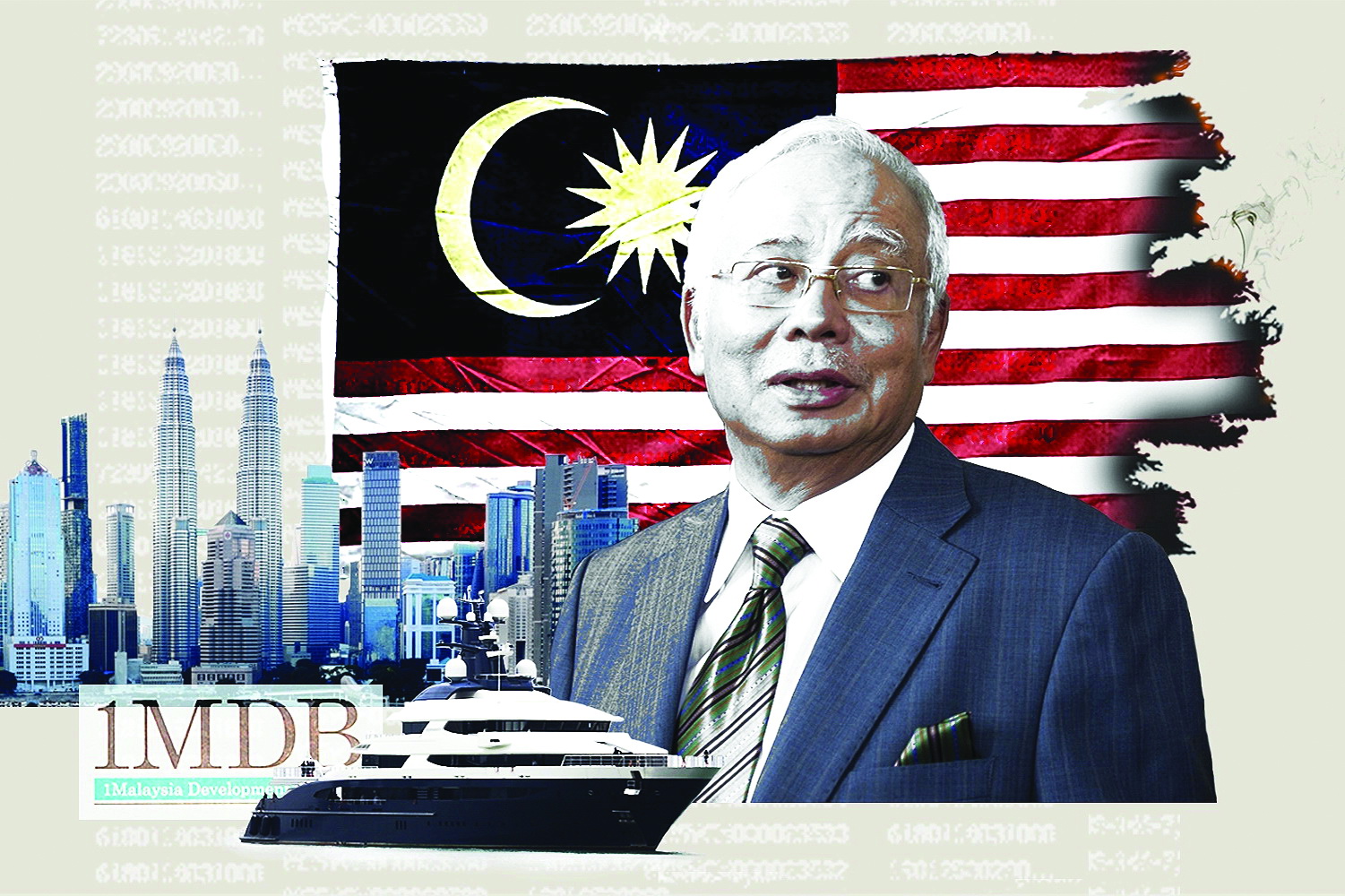
So why this picture of zero progress? Despite boastful efforts on petty corruption, Malaysia’s 1MBD scandal brought the crux of the challenge into sharp focus: is political leadership genuinely committed to fighting corruption throughout society? The Malaysian prime minister’s inability to answer questions on the US$700 million that made its way into his personal bank account is only the tip of the iceberg.
In India and Sri Lanka leaders are falling short of their bold promises, while governments in Bangladesh and Cambodia are exacerbating corruption by clamping down on civil society. In Afghanistan and Pakistan a failure to tackle corruption is feeding ongoing vicious conflicts, while China’s prosecutorial approach isn’t bringing sustainable remedy to the menace. This inability to tackle root causes holds true across the region – witness, for example, Australia’s dwindling score in recent years.
Malaysia’s 1MBD scandal brought the challenge into sharp focus: is political leadership genuinely committed to fighting corruption throughout society?
Reversing corruption is clearly not solely down to governments, but they’re the ones with the largest role and the power to create enabling environments for others. This year’s poor results demand that leaders revisit the genuineness of their efforts and propel the region beyond stagnation. They must fulfil promises, and ensure efforts aren’t undermined in practice. Anti-corruption commissions are a prime example here: while their creation across the region is commendable, ongoing political interference and inadequate resources has meant many are unable to fulfil their mandate. This has to be addressed.
Across Asia, the use of personal connections to get ahead is a common practice.
In addition to paying bribes for the services they need, people use their family or social contacts to skip the line or gain quicker and better access to schools and hospitals, and “speed up” government paperwork such as driver’s licenses or birth certificates..
How much you can increase the speed and quality of your service often depends on how much you can pay or who you know.
In the Global Corruption Barometer — Asia, we asked people about how and why they paid bribes or used personal connections when accessing public services across Asia.
In the wake of Russia’s attack on Ukraine, the international community is scrambling to deter President Vladimir Putin and his cronies – and to help end the military aggression as soon as possible.
Among other measures, European Union member countries, Canada, United Kingdom and the United States have all announced targeted sanctions against Kremlin-linked individuals and businesses – many of whom are suspected of large-scale corruption.
In a kleptocratic system such as today’s Russia, going after the elites can be meaningful. The vast wealth that Russian kleptocrats have amassed – and continue to enjoy – has helped President Putin tighten his grip on power, exert illicit influence over the affairs of other nations and embolden his geopolitical ambitions.
Despite the remarkable improvement of Vietnam’s cities and provinces to enhance competitiveness, many issues are remaining for them to lure in more investment.
Source: Vietnam Chamber of Commerce and Industry
Last week’s 2021 Provincial Competitiveness Index (PCI) report, released by the Vietnam Chamber of Commerce and Industry (VCCI), revealed that Quang Ninh, Haiphong, and Dong Thap were the most improved localities last year.
All three have facilitated business performance and boosted administrative reform in favour of private sector development.
In Quang Ninh, Viet Hung Industrial Park Development JSC was, for the first time, granted an investment certificate within only 24 hours.
“We are impressed by the administrative procedure reform of Quang Ninh and the strong direction of the provincial People’s Committee and relevant authorities to support investors,” said CEO Dao Phong Truc Dai.
The province has provided 1,600 online public services at levels three and four, and 555 procedures have been integrated into the national public services portal. The time for administrative procedures has been shortened, so the satisfaction of people and businesses improved significantly, reaching 99.7 per cent at the provincial level and 99.9 per cent at the district level.
Meanwhile, second-placed Haiphong was the leading city in attracting foreign direct investment (FDI) in 2021 with a total of $5.26 billion.
Tổng Bí thư cho biết, Bộ Chính trị, Ban Bí thư đã dành 3 ngày để kiểm điểm, tự phê bình và phê bình về sự lãnh đạo, chỉ đạo của tập thể và cá nhân từng ủy viên Bộ Chính trị, Ban Bí thư năm 2021.
Trong phát biểu khai mạc Hội nghị Trung ương 5 sáng 4/5, Tổng Bí thư Nguyễn Phú Trọng lưu ý một số nội dung quan trọng liên quan đến công tác xây dựng Đảng.
Cơ hội quý để học tập, chia sẻ lẫn nhau
Trong đó có việc kiểm điểm sự lãnh đạo, chỉ đạo của Bộ Chính trị, Ban Bí thư năm 2021 gắn với thực hiện Kết luận Hội nghị Trung ương 4 khoá XIII về xây dựng, chỉnh đốn Đảng và hệ thống chính trị.
Tổng Bí thư cho biết, trong tháng 1/2022, Bộ Chính trị, Ban Bí thư đã dành 3 ngày để tiến hành kiểm điểm, tự phê bình và phê bình về sự lãnh đạo, chỉ đạo của tập thể và cá nhân từng Ủy viên Bộ Chính trị, Ban Bí thư năm 2021 gắn với việc thực hiện Kết luận của Hội nghị Trung ương 4 khoá XIII về xây dựng, chỉnh đốn Đảng và hệ thống chính trị trong sạch, vững mạnh.
Về chuyện công bố danh tính các “daddy”, mời các bạn đọc Chương 18: Công lý công bình không phân biệttrong Bộ Huyền sử Bồ tát Đông Hải do Trần Đình Hoành và Phạm Thu Hương cùng viết.
PTH
LĐ – HOÀNG LÂM – Chủ nhật, 24/04/2022 16:16 (GMT+7)
Một đường dây cung cấp “Sugar baby” bị phát hiện, thực chất là một đường dây mại dâm với con số lên tới 1.500 “Sugar baby” tham gia.
Nữ sinh năm nhất cầm đầu đường dây mại dâm gồm 1500 “Sugar baby” vừa bị phát hiện ở TPHCM. Ảnh: CACC
Cơ quan công an cho biết, cầm đầu đường dây là một “tú bà” mới chỉ là sinh viên năm thứ nhất. Tú bà dùng mạng xã hội để giới thiệu những “Sugar baby” là những người đẹp, sinh viên tạo thành các nhóm kín để thu phí khách mua dâm.
1.500 “Sugar baby” là con số khó tin trong một đường dây. Và chỉ cần nhìn vào nguồn “cung” là đủ biết “cầu” cao như thế nào.
Zing – Chạy trường, một hiện tượng bất thường và sai trái, ngày càng được coi là “bình thường” trong tâm thức của nhiều cha mẹ Việt. Đó là “chuẩn mực xã hội” rất đáng quan ngại.
Giáo sư Dennis McCornac
Giáo sư Dennis McCornac hiện là giảng viên kinh tế của Đại học Loyola Maryland (Mỹ) và sắp chuyển sang công tác tại Đại học Georgetown (Doha, Qatar) trong mùa hè này. Ông có nhiều năm nghiên cứu về giáo dục Việt Nam, đặc biệt là đề tài tham nhũng trong lĩnh vực này. Ông từng giảng dạy trên 10 năm tại Nhật Bản và 8 năm tại Việt Nam. Ông nguyên là học giả Fulbright tại Việt Nam. Hiện nay, đề tài nghiên cứu chính của Giáo sư McCornac tập trung vào công nhân di trú tại Nhật Bản và giáo dục ở các nước đang phát triển.
Mỗi lần trở lại Việt Nam vào mùa hè, hình ảnh luôn khiến tôi nhớ nhất luôn là cảnh phụ huynh chờ đón con trước các điểm thi.
Cha mẹ ngồi bên ngoài cho đến khi con mình làm xong bài, bất kể trời nắng gay gắt hay mưa xối xả. Vẻ bồn chồn, lo âu và căng thẳng hiện rõ trên từng khuôn mặt của phụ huynh. Họ tán gẫu, làm quen với nhau, có người còn áp sát mặt vào cổng trường. Dường như, họ hy vọng nhác thấy chút hình ảnh của con mình trong đó.
The Ministry of Public Security’s Investigation Police Agency on April 8 launched criminal proceedings against and detained two other suspects for assisting Trinh Van Quyet, former Chairman of the FLC Group JSC, in manipulating the stock market.
VNA Friday, April 08, 2022 21:42
Functional forces seal and seize documents at the FLC headquarters. (Photo: VNA)
Hanoi (VNA) – The Ministry of Public Security’s Investigation Police Agency on April 8 launched criminal proceedings against and detained two other suspects for assisting Trinh Van Quyet, former Chairman of the FLC Group JSC, in manipulating the stock market.
This week, as Russia continues its invasion of Ukraine, we revisit this piece by Oliver Bullough from 2018. For decades, politicians have welcomed the super-rich with open arms. Now they’re finally having second thoughts. But is it too late?
While worker grievances about abuses and exploitation since 2015 have fallen on deaf ears with the renewal of a bilateral Vietnam-Saudi Arabia labour pact (2019-2024), a recent announcement from the official state media seems to appease recent bad publicity about labor export. It reveals an entrenched network of financial interests between recruitment companies and the Ministry of Foreign Affairs. The Security Agency has prosecuted some officials at the Consular Department level for accepting bribes to permit recruitment companies to organise commercial flights to bring overseas workers, who pay upwards of USD $3000 for the one-way flight and quarantine costs, to return to Vietnam. It’s not a coincidence that the corruption exposé happened after waves of social media and the UN special rapporteurs’ letter about human trafficking. Still, numerous worker complaints about Department of Overseas Labour (DOLAB) officials operating in the Vietnamese Embassy in Riyadh continue to fall on deaf ears.