Vietnam’s timber legality program not making a dent in risky wood imports – Việt Nam còn rất nhiều việc phải làm để ngăn chặn gỗ bất hợp pháp

Vietnam’s timber legality program not making a dent in risky wood imports

Mongabay – by Carolyn Cowan on 2 February 2022

  • Despite new regulations to clean up Vietnam’s timber sector, importers continue to bring large volumes of tropical hardwood into the country from deforestation hotspots in Africa and Asia for use in products sold domestically.
  • In 2018, Vietnam signed a Voluntary Partnership Agreement with the EU to eliminate illegal timber from the country’s supply chains and boost access to the strictly regulated European markets.
  • However, importers say the new legality requirements introduced in 2020 to verify the legitimacy of timber brought into the country are “too confusing,” and customs data indicate few signs of a reduction in high-risk timber imports from countries including Cambodia, Cameroon, Gabon, Laos and Papua New Guinea.
  • Although Vietnamese authorities are taking steps to improve the situation, meaningful change is expected to take time; a switch by domestic consumers to products that use sustainable, locally grown timber instead of imported tropical hardwoods could solve many underlying problems, experts say.

Tiếp tục đọc “Vietnam’s timber legality program not making a dent in risky wood imports – Việt Nam còn rất nhiều việc phải làm để ngăn chặn gỗ bất hợp pháp”

Việt Nam phải nhập khẩu 90% rong biển

Thứ bảy, ngày 17/12/2022 10:07 GMT+7

VTV.vnNhu cầu thị trường trong nước và xuất khẩu đối với các mặt hàng chế biến từ rong rất lớn nhưng nguồn nguyên liệu đủ chất lượng, phù hợp với yêu cầu của DN lại đang thiếu.

Nguồn lợi thủy sản đang dần cạn kiệt. Số lượng tàu thuyền ven bờ quá lớn cần phải giảm xuống, để đáp ứng yêu cầu của Ủy ban châu Âu EC về thẻ vàng thủy sản. Việc phát triển nuôi biển đang trở thành xu hướng tất yếu. Trong đó, việc khai thác và nuôi trồng rong biển được đánh giá có nhiều tiềm năng. Tuy nhiên, thực tế việc phát triển ngành rong biển ở các địa phương miền Trung còn khá nhiều bất cập.

Ở khu vực Trung Bộ được đánh giá có dư địa với tiềm năng phát triển rong biển khá lớn, kéo dài từ Quảng Ngãi đến Bình Thuận. Tuy nhiên, hiện khu vực này chưa phát triển xứng với tiềm năng như ở Phú Yên hiện diện tích trồng rong biển mới có 3,7ha, trong đó chủ yếu là rong nho.

Tiếp tục đọc “Việt Nam phải nhập khẩu 90% rong biển”

Lý do dệt may Việt lao đao, dệt may nhiều nước vẫn sống khỏe

11/05/2023 | 06:15 – TÚ UYÊN

(PLO)- Đã có khoảng 50% doanh nghiệp dệt may Việt Nam rời khỏi cuộc chơi do không xanh hóa chuỗi sản xuất và cung ứng.

Đơn hàng ngành dệt may Việt Nam sụt giảm rất mạnh trong thời gian gần đây. Ảnh: TÚ UYÊN

Số liệu thống kê từ Hiệp hội Dệt may Việt Nam (VITAS) cho thấy tổng kim ngạch xuất khẩu hàng dệt may trong ba tháng đầu năm nay chỉ đạt hơn 8,7 tỉ USD, giảm gần 19% so với cùng kỳ năm ngoái. Hiện ngành dệt may Việt Nam đang đối mặt với nhiều khó khăn khi lượng đơn hàng sụt giảm 30%-60% so với cùng kỳ.

Điều đáng chú ý là trong khi xuất khẩu dệt may Việt Nam sụt giảm mạnh khiến hàng loạt công ty lao đao thì dệt may một số nước vẫn “sống khỏe”.

Tiếp tục đọc “Lý do dệt may Việt lao đao, dệt may nhiều nước vẫn sống khỏe”

Xuất khẩu tiểu ngạch sang Trung Quốc – 3 bài

Xuất khẩu tiểu ngạch sang Trung Quốc: Bài 1 – Khi tiêu chuẩn thị trường thay đổi

Công thương – 23/04/2023 23:36 – Nhóm phóng viên kinh tế

Nếu trước đây việc xuất khẩu tiểu ngạch sang thị trường Trung Quốc khá dễ dàng thì gần đây thị trường này đã có nhiều thay đổi về tiêu chuẩn nhập khẩu.

Thị trường Trung Quốc rất thích quả vải Việt Nam

Tiếp tục đọc “Xuất khẩu tiểu ngạch sang Trung Quốc – 3 bài”

Kiện đòi nợ bảo hiểm xã hội: Văn minh phải đáo tụng đình

VŨ THỦY – K.Y. – 15/05/2023 20:02 GMT+7

TTCTKiện doanh nghiệp ra tòa để đồi nợ bảo hiểm xã hội là cách người lao động tự bảo vệ tài sản của mình hiệu quả nhất.

Những trường hợp doanh nghiệp nợ bảo hiểm xã hội của người lao động kéo dài, có khi lên tới hàng năm trời, không hề hiếm gặp. Người lao động tự bảo vệ mình như thế nào, và hệ thống công đoàn, tư pháp hiện tại hiệu quả tới đâu trong cuộc đi đòi công lý?

Công nhân Công ty Dệt may Gia Định đến trụ sở công ty yêu cầu trả nợ lương và BHXH. Ảnh: TUYẾT NGUYỄN

Mới tuần trước, 53 công nhân của Công ty cổ phần quốc tế Quang Điện ở Khu công nghệ cao, TP Thủ Đức, TP.HCM, đã nộp đơn khởi kiện yêu cầu Tòa án nhân dân TP Thủ Đức giải quyết yêu cầu thanh toán tiền lương, bảo hiểm xã hội, bảo hiểm y tế, và bảo hiểm tai nạn.

Tiếp tục đọc “Kiện đòi nợ bảo hiểm xã hội: Văn minh phải đáo tụng đình”

Pou Chen lays off 6,000 people in Vietnam and hires 20,000 in India

laconceria – 4 May 2023

Taking jobs away from Vietnam to give it to India. It seems to be the strategy of Pou Chen Corp, the largest global manufacturer of sporting shoes, which decided to cut 6,000 jobs from a Vietnam-based production site (in photo) and invest 280 million USD to build a new plant in India. The goal: to hire 20,000 people in the next 12 months. One year ago, Hong Fu Group had also planned to invest for a similar operation to that of Pou Chen.

Tiếp tục đọc “Pou Chen lays off 6,000 people in Vietnam and hires 20,000 in India”

Mỗi tuần một chuyện: Tre Campuchia thật là dẻo…

HUY THỌ – 13/05/2023 09:58 GMT+7

TTCTĐã hơn nửa đường SEA Games 32 trôi qua, và điều đọng lại lớn nhất trong tôi chính là chủ nhà!

Campuchia là một quốc gia nghèo trong khu vực Đông Nam Á. Tính thu nhập bình quân đầu người, trong khu vực họ chỉ đứng trên Myanmar và Đông Timor.

Ảnh: Inside The Games

Vậy mà lần đầu tiên tổ chức SEA Games, một sự kiện phải chăm sóc cả chục ngàn con người tham gia, chưa tính du khách, họ đã làm rất tốt. 

Tiếp tục đọc “Mỗi tuần một chuyện: Tre Campuchia thật là dẻo…”

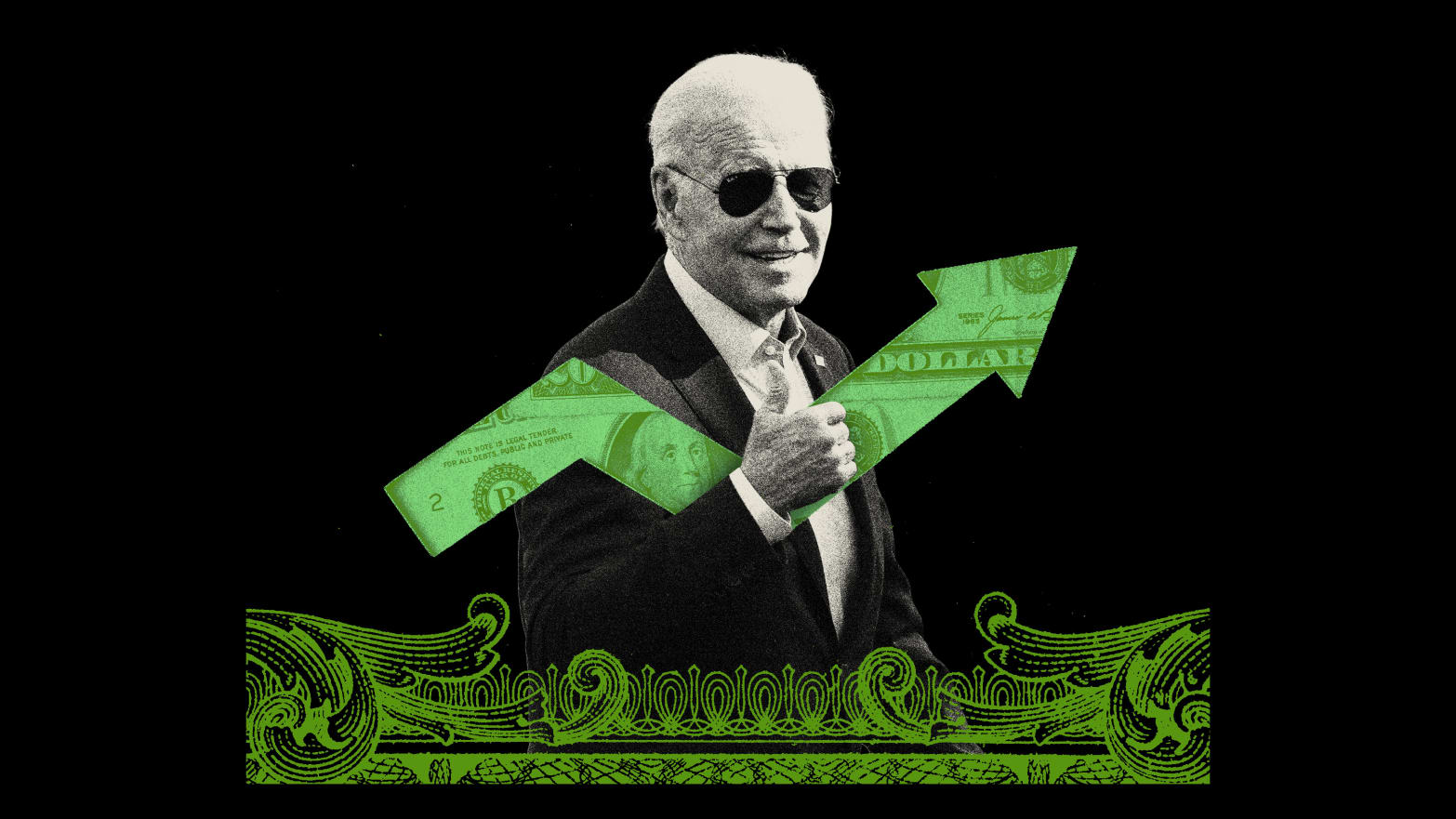
How Bidenomics Has Finally Defeated Reaganomics


TRICKLE DOWN IS DONE

Two years into his presidency, Joe Biden has revolutionized America’s economic policy—both home and abroad.

David Rothkopf, thedailybeast

Published May. 03, 2023 4:11AM ET 


The last thing many of us expected when Joe Biden became president was that he would be a revolutionary. But just over two years into Biden’s presidency, there is no doubt that he has done more to dramatically transform U.S. policy and thinking in more areas than any of his predecessors since Franklin Roosevelt. Tiếp tục đọc “How Bidenomics Has Finally Defeated Reaganomics”

Doanh nghiệp Việt và tình thế bất định

N.BÌNH – 01/05/2023 10:47 GMT+7

TTCT “Hãy quên đi những đơn hàng lớn ở thời điểm này, các doanh nghiệp đều nói đến thị trường ngách”.

Trong showroom chuyên về hàng nội thất nằm ở vị trí mặt tiền tại khu vực sầm uất và “nhà giàu” của TP Thủ Đức là phường Thảo Điền, ông Nguyễn Văn Sang, giám đốc Công ty cổ phần Xuất nhập khẩu hàng Việt (Viet Products) trầm ngâm nói: 

“Kinh doanh lâu năm, sống sót sau hai năm dịch COVID-19, vậy mà chưa bao giờ doanh nghiệp của tôi lại rơi vào trạng thái như bây giờ: đó là không thể xây dựng kế hoạch kinh doanh dài hơn 3 tháng!”.

Nhiều doanh nghiệp gặp khó về đơn hàng xuất khẩu đã tập trung kích cầu tiêu dùng ở thị trường nội địa nhưng không dễ dàng. Trong ảnh: Một cửa hàng nội và ngoại thất ở TP Thủ Đức (TP.HCM). Ảnh: Phương Quyên

Tiếp tục đọc “Doanh nghiệp Việt và tình thế bất định”

Thiết bị giám sát hành trình “hành” ngư dân – Rào cản gỡ “thẻ vàng” – 7 kỳ

Thiết bị giám sát hành trình “hành” ngư dân – Rào cản gỡ “thẻ vàng”

Kỳ 1: Thiết bị giám sát hành trình của VNPT trục trặc như cơm bữa

Trong khi 700 tàu cá ở Bình Định thiệt hại do thiết bị trục trặc thì ngư dân Quảng Ngãi còn bị bỏ rơi sau khi lắp thiết bị giám sát hành trình của VNPT.

Mỗi thiết bị giám sát hành trình tàu cá có giá lắp đặt lến tới 23 – 25 triệu đồng, nhưng nhà mạng lại thiếu trách nhiệm trong sửa chữa, bảo hành gây khó khăn cho ngư dân. Ảnh: Trung Chánh.

Thiết bị giám sát hành trình tàu cá là giải pháp tối quan trọng để chống đánh bắt hải sản bất hợp pháp, khắc phục thẻ vàng IUU. 

Thời gian qua, thực hiện chỉ đạo của Chính phủ, Bộ NN-PTNT, các địa phương, ngư dân đã tích cực hoàn thiện việc lắp đặt thiết bị giám sát hành trình để quản lý quy củ, chặt chẽ, chống đánh bắt bất hợp pháp.

Nhưng, qua điều tra của Báo Nông nghiệp Việt Nam tại một số địa phương ven biển cho thấy, ngư dân, chủ tàu cá, cơ quan quản lý tại địa phương đang phải chịu đựng những bất cập mà thiết bị giám sát hành trình gây ra, điều đó vô hình chung ngăn cản tiến trình và quyết tâm khắc phục thẻ vàng IUU của Việt Nam.

Tiếp tục đọc “Thiết bị giám sát hành trình “hành” ngư dân – Rào cản gỡ “thẻ vàng” – 7 kỳ”

World’s apparel and sneakers hub Vietnam struggles as US ban on Xinjiang cotton bites

reuters.com

By Francesco Guarascio and Khanh Vu

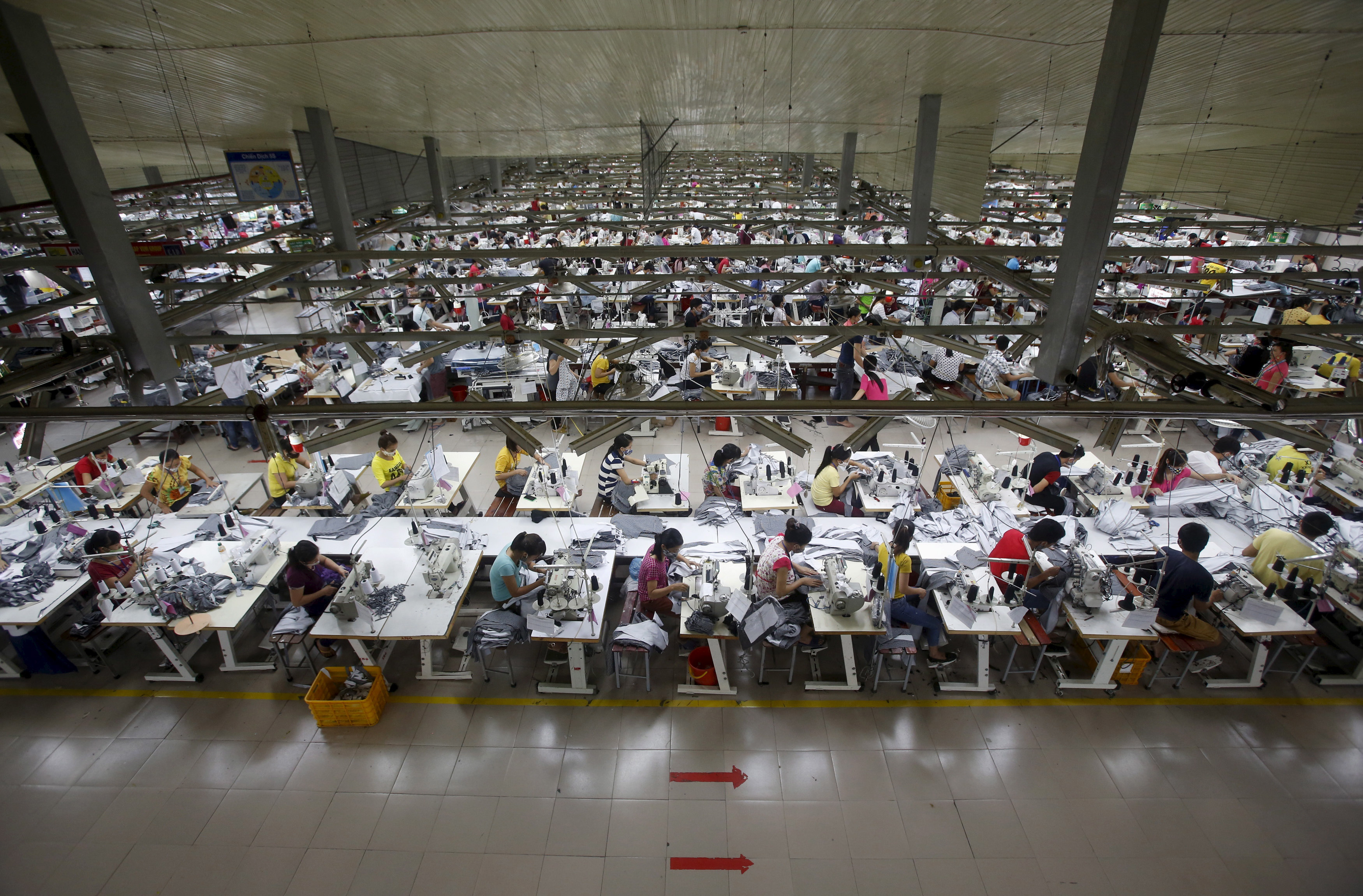
Labourers work at a garment factory in Bac Giang province, near Hanoi
Labourers work at a garment factory in Bac Giang province, near Hanoi October 21, 2015. Vietnam’s textiles and footwear would gain strongly from the TPP, after exports of $31 billion last year for brands such as Nike, Adidas, H&M, Gap, Zara, Armani and Lacoste. REUTERS/Kham
  • Summary
  • Companies
  • Vietnam apparel worst hit by U.S. curbs, data show
  • Apparel suppliers to big brands depend on Chinese input
  • Blow to apparel exports hurts Vietnam’s growth

HANOI, April 27 (Reuters) – Tighter U.S. rules to ban imports from China’s Xinjiang are compounding pressure on Vietnam’s apparel and footwear makers, hitting a sector that has already shed nearly 90,000 jobs since October in the global manufacturing hub as demand slowed.

Among garment exporters, Vietnam has faced the worst hit from the the Uyghur Forced Labor Protection Act (UFLPA), a Reuters review of official U.S. data showed. The law, in place since June, requires companies to prove that they do not use raw material or components produced with Xinjiang’s forced labor.

Advertisement · Scroll to continue

Report an ad

Tiếp tục đọc “World’s apparel and sneakers hub Vietnam struggles as US ban on Xinjiang cotton bites”

Remarks by US National Security Advisor Jake Sullivan on Renewing American Economic Leadership at the Brookings Institution

APRIL 27, 2023 whitehouse.gov

AS DELIVERED

I want to start by thanking all of you for indulging a National Security Advisor to discuss economics.

As most of you know, Secretary Yellen gave an important speech just down the street last week on our economic policy with respect to China.  Today I’d like to zoom out to our broader international economic policy, particularly as it relates to President Biden’s core commitment—indeed, to his daily direction to us—to more deeply integrate domestic policy and foreign policy.

After the Second World War, the United States led a fragmented world to build a new international economic order.  It lifted hundreds of millions of people out of poverty.  It sustained thrilling technological revolutions.  And it helped the United States and many other nations around the world achieve new levels of prosperity.

But the last few decades revealed cracks in those foundations.  A shifting global economy left many working Americans and their communities behind.
A financial crisis shook the middle class.  A pandemic exposed the fragility of our supply chains.  A changing climate threatened lives and livelihoods.  Russia’s invasion of Ukraine underscored the risks of overdependence.

So this moment demands that we forge a new consensus. 

That’s why the United States, under President Biden, is pursuing a modern industrial and innovation strategy—both at home and with partners around the world.  One that invests in the sources of our own economic and technological strength, that promotes diversified and resilient global supply chains, that sets high standards for everything from labor and the environment to trusted technology and good governance, and that deploys capital to deliver on public goods like climate and health. 

Now, the idea that a “new Washington consensus,” as some people have referred to it, is somehow America alone, or America and the West to the exclusion of others, is just flat wrong.

This strategy will build a fairer, more durable global economic order, for the benefit of ourselves and for people everywhere.

So today, what I want to do is lay out what we are endeavoring to do.  And I’ll start by defining the challenges as we see them—the challenges that we face.  To take them on, we’ve had to revisit some old assumptions.  Then I’ll walk through, step by step, how our approach is tailored to meeting those challenges.

When President Biden came into office more than two years ago, the country faced, from our perspective, four fundamental challenges.

First, America’s industrial base had been hollowed out.

The vision of public investment that had energized the American project in the postwar years—and indeed for much of our history—had faded.  It had given way to a set of ideas that championed tax cutting and deregulation, privatization over public action, and trade liberalization as an end in itself. 

There was one assumption at the heart of all of this policy: that markets always allocate capital productively and efficiently—no matter what our competitors did, no matter how big our shared challenges grew, and no matter how many guardrails we took down.

Now, no one—certainly not me—is discounting the power of markets. But in the name of oversimplified market efficiency, entire supply chains of strategic goods—along with the industries and jobs that made them—moved overseas.  And the postulate that deep trade liberalization would help America export goods, not jobs and capacity, was a promise made but not kept.  

Another embedded assumption was that the type of growth did not matter.  All growth was good growth.  So, various reforms combined and came together to privilege some sectors of the economy, like finance, while other essential sectors, like semiconductors and infrastructure, atrophied.  Our industrial capacity—which is crucial to any country’s ability to continue to innovate—took a real hit.  

The shocks of a global financial crisis and a global pandemic laid bare the limits of these prevailing assumptions.

The second challenge we faced was adapting to a new environment defined by geopolitical and security competition, with important economic impacts.

Much of the international economic policy of the last few decades had relied upon the premise that economic integration would make nations more responsible and open, and that the global order would be more peaceful and cooperative—that bringing countries into the rules-based order would incentivize them to adhere to its rules.

It didn’t turn out that way.  In some cases it did, and in lot of cases it did not.

By the time President Biden came into office, we had to contend with the reality that a large non-market economy had been integrated into the international economic order in a way that posed considerable challenges. 

The People’s Republic of China continued to subsidize at a massive scale both traditional industrial sectors, like steel, as well as key industries of the future, like clean energy, digital infrastructure, and advanced biotechnologies.  America didn’t just lose manufacturing—we eroded our competitiveness in critical technologies that would define the future.

Economic integration didn’t stop China from expanding its military ambitions in the region, or stop Russia from invading its democratic neighbors.  Neither country had become more responsible or cooperative.

Tiếp tục đọc “Remarks by US National Security Advisor Jake Sullivan on Renewing American Economic Leadership at the Brookings Institution”

Nhức nhối đất nông lâm trường ở Tây Nguyên – 2 bài

Nhức nhối đất nông lâm trường ở Tây Nguyên: [Bài 1] Dưới bóng ma ‘phát canh thu tô’ kiểu mới

NN – Thứ Ba 16/08/2022 , 10:41

Những hợp đồng khoán sản xuất thực chất vẫn theo kiểu phát canh thu tô ở tỉnh Đăk Lăk hệt như ‘bóng ma’ ám ảnh người nông dân nhận khoán suốt bao năm qua.

LTS: Doanh nghiệp ôm diện tích lớn đất đai màu mỡ nhưng hoạt động không hiệu quả, trong khi người dân liên kết nhận khoán phải chịu vô số các khoản thu. Mâu thuẫn, bất ổn đang ngày càng nhức nhối trên hàng vạn ha đất nông lâm trường ở Tây Nguyên.

Nông dân nhận khoán gánh hàng loạt các khoản thu ở Đăk Lăk. Ảnh: Minh Quý.
Tiếp tục đọc “Nhức nhối đất nông lâm trường ở Tây Nguyên – 2 bài”