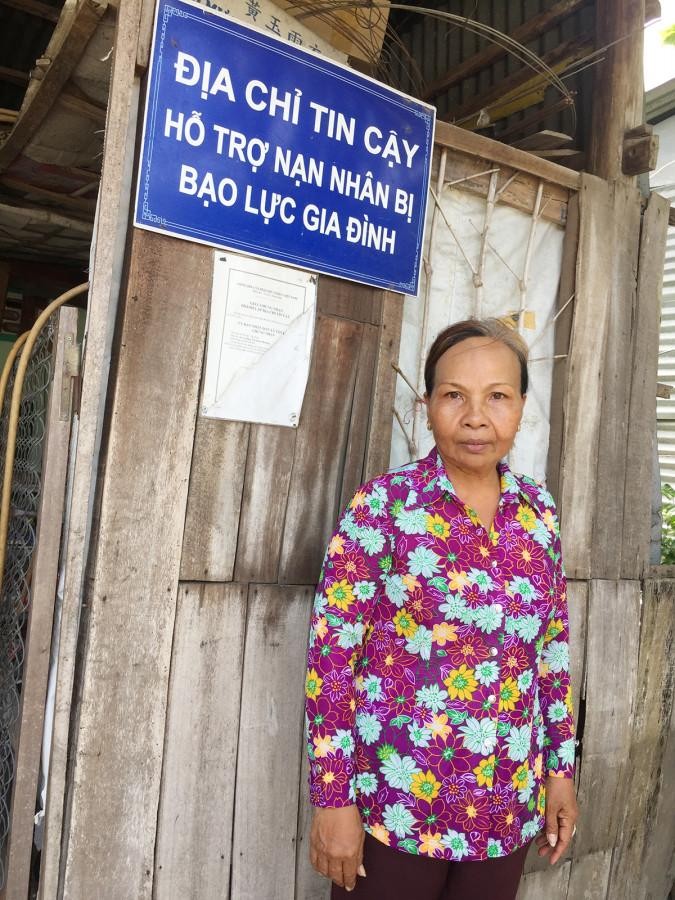
Ruth Thalía’s truth would cost her everything. On national television in Peru, the nineteen-year-old revealed her darkest secrets for a prize, only to be found dead just two months later. A game show called ‘The Value of the Truth’ launched in South America in 2012. In it, contestants must reveal the most shocking and intimate details about their own lives in front of their loved ones in exchange for a prize jackpot.
Thẻ: Bạo hành đối với phụ nữ – violence against women
‘Despair is settling in’: female suicides on rise in Taliban’s Afghanistan
Unofficial figures point to a mental health crisis amid severe restrictions on Afghan women’s lives
Zahra Nader and Zan Times reportersMon 28 Aug 2023 10.00 BST

First, her dreams of becoming a doctor were dashed by the Taliban’s ban on education. Then her family set up a forced marriage to her cousin, a heroin addict. Latifa* felt her future had been snatched away.
“I had two options: to marry an addict and live a life of misery or take my own life,” said the 18-year-old in a phone interview from her home in central Ghor province. “I chose the latter.”
It was not an isolated act of desperation. Since the Taliban took control of Afghanistan in the summer of 2021, there has been a disturbing surge in the number of women taking their own lives or attempting to do so, data collected from public hospitals and mental health clinics across a third of Afghanistan’s provinces shows.
Tiếp tục đọc “‘Despair is settling in’: female suicides on rise in Taliban’s Afghanistan”Từ cô bé osin ngủ gầm cầu thang đến CEO giúp phụ nữ bị bạo hành
Nhà sáng lập, CEO Doanh nghiệp Xã hội Hope Box Đặng Thị Hương từng phải rời vùng quê Lập Thạch, Vĩnh Phúc lên Hà Nội làm giúp việc từ khi 13 tuổi do hoàn cảnh gia đình khó khăn. Thế nhưng, chị không từ bỏ việc học mà miệt mài giành được học bổng Quản trị kinh doanh quốc tế của trường Box Hill Institute, thành phố Melbourne, Úc rồi thạc sĩ kinh doanh tại Đại học Công nghệ Swinburne.

Tiếp tục đọc “Từ cô bé osin ngủ gầm cầu thang đến CEO giúp phụ nữ bị bạo hành”
Taliban edicts suffocating women and girls in Afghanistan: UN experts
GENEVA (19 June 2023) – Relentless edicts issued by the Taliban since taking power in Afghanistan in August 2021 have severely restricted the rights of women and girls and suffocated every dimension of their lives, UN experts* said today.
“Women and girls in Afghanistan are experiencing severe discrimination that may amount to gender persecution – a crime against humanity – and be characterised as gender apartheid, as the de facto authorities appear to be governing by systemic discrimination with the intention to subject women and girls to total domination,” the experts said.
Tiếp tục đọc “Taliban edicts suffocating women and girls in Afghanistan: UN experts”It’s a Man’s World: Rape in Cambodia
It’s a Man’s World: Rape in Cambodia | REWIND
Al Jazeera English – 12 thg 12, 2016
We rewind to 2013 when 101 East travelled to Cambodia to talk with men who admit rape and violence against women. Have attitudes changed since then?
Gang rape hit the headlines in a big way after the brutal attack of a woman on a bus in India’s capital, Delhi in 2012. But research showed that gang rape was a problem not just in India but across Asia.
The normalisation of violence against women… is still a common pattern around the world. Tiếp tục đọc “It’s a Man’s World: Rape in Cambodia”
Ireland: A dark secret
Ireland: A dark secret | Between Us
Al Jazeera English – 29-12-2020
‘This could happen to any of us’: Graphic video of men stomping on a woman’s head shakes China to the core
‘This could happen to any of us’: Graphic video of men stomping on a woman’s head shakes China to the core
View In Browser      Nectar Gan Nectar Gan ‘This could happen to any of us’: Graphic video of men stomping on a woman’s head shakes China to the core  Tata, a 34-year-old in the Chinese city of Chengdu, was scrolling through her social media feed at her office desk on Friday afternoon when she came upon a harrowing video that shook her to the core. In surveillance footage, three women are shown sharing a meal in a barbeque restaurant when a man approaches their table and places his hand on the back of one of the women. The woman pushes him away, but the man refuses to back off and reaches out again for her face. As she pushes away his hand, the man slaps her and pushes her to the ground as she struggles to fend him off. Her friends try to help her, but they too are attacked by the man and his friends, who rush into the restaurant as the violence breaks out. The group of men then drag the first woman through the door by her hair, smashing her with bottles and chairs and repeatedly stomping on her head as she lays on the sidewalk, her clothes stained with blood. The video was so graphic and the assault so savage that Tata had to pause it midway. “Immediately I was filled with outrage and horror. I could totally empathize with her — the terror she must have felt in that moment,” she said, asking to only be referred to by her English name. “ And this could happen to any of us.” The shock and anger reverberated widely as the video spread like wildfire on Chinese social media. By the evening, the attack — which took place around 2:40 a.m. Friday in the northern city of Tangshan — had ignited a nationwide uproar, drawing hundreds of millions of views and dominating online discussions throughout the weekend. Many were appalled that a woman was so brutally beaten simply because she rejected a man’s sexual harassment. Others lashed out at the police for failing to take action until the incident went viral. Following the outcry, the Tangshan police issued a statement Friday saying they had identified the suspects and were “sparing no effort” to arrest them. By Saturday afternoon, all nine suspects involved in the assault had been apprehended, the police said, including four who had fled about 600 miles (965 kilometers) south to Jiangsu province. Two women were hospitalized with non-life-threatening injuries and were in stable condition, according to police. The attack also rekindled debate about violence against women and gender inequality in China, which critics contend remains a highly patriarchal society with pervasive misogyny despite growing awareness of gender issues among young women. “What happened at the Tangshan barbecue restaurant was not an isolated social incident, but part of systemic gender violence. We need to … acknowledge that we still live in an environment that supports, encourages, and drives men to engage in gender-based violence against women,” said a widely shared social media article. In recent years, a series of incidents of horrific violence against women have sparked outrage. Last year, a Tibetan vlogger died after her ex-husband set her on fire while she was live-streaming to her fans on social media. The ex-husband was sentenced to death in October. Earlier this year, a mother of eight was shown in a video chained by her neck in a shed in rural Jiangsu province. After repeated initial denials, authorities eventually admitted that she was a victim of human trafficking. “Of course we should take legal action to punish individual attackers and perpetrators. But without addressing systemic gender oppression, without changing the social norms that promote machismo and encourage violence, we’re just going to continue our anger in the next incident,” the social media article said. But such discussions did not appear to sit well with the Chinese government, which has long cracked down on China’s feminist movement by arresting and silencing activists and censoring online debates. The article, which was published on WeChat, along with other social media posts about gender issues, have been scrubbed from the internet. Weibo, China’s Twitter-like platform, said in a statement Saturday that it had blocked 992 accounts for breaches including “deliberately provoking gender confrontation” when discussing the Tangshan attack. Weibo’s official account shared some of the posts from the users they blocked, which included violent and derogatory language towards Chinese women. Other censored Weibo posts captured by CNN, however, were from users voicing concerns about violence against women and urging people to “keep speaking up.” Some state media reports initially downplayed the man’s act of sexual harassment as “trying to strike up a conversation,” drawing backlash from female readers. Authorities and state media have sought to portray the attack as an isolated event, shifting the focus away from gender issues to local gang violence. Five of the suspects had criminal records, ranging from offenses of illegal detainment to intentional harming of others, according to state-run China National Radio. On Sunday, Tangshan authorities launched a two-week campaign to crack down on organized crime. Lv Pin, a prominent Chinese feminist now based in New York, said by detaching the Tangshan attack from the lens of gender, the Chinese government is distancing itself from the responsibility it should take for failing to address the problems of gender inequality and violence in society. “When we talk about systematic problems, the responsibility should lie with the government. But now, the government is using its crackdown (on organized crime) to shore up its legitimacy. This type of campaign-style crackdown will not address the problem of gender violence,” she said. Feng Yuan, the founder of Beijing-based women’s rights advocacy group Equality, said to eliminate systematic gender violence, China should start with incorporating more content about gender equality in education. “It is not only about teaching kids slogans and abstract concepts, but showing them how to apply them in real life — such as showing mutual respect for one another,” she said. Law enforcement should also shed its passivity when it comes to dealing with cases involving gender violence, Feng said. “In many domestic violence cases, the police response was often perfunctory, while a large number of sexual assault cases were easily dismissed on the ground that there was not enough evidence,” she said. The relatively light punishment for gender violence has also failed to deter transgressors. Following the Tangshan attack, social media users recirculated state media reports on a similar incident that took place in 2020. In eastern Zhejiang province, a 25-year-old woman was beaten by a group of men till she passed out at a restaurant after she rejected a man’s sexual harassment. She was hospitalized for 15 days, while the men were detained for 10 to 13 days. No further charges were brought. Tata, the office worker in Chengdu, said the attack on the female diners in Tangshan showed that gender violence can happen to anyone. “Chinese women have long suffered from victim shaming in gender violence, but the girls who were assaulted in Tangshan are ‘perfect’ victims. They did not go out alone and they were not scantily clad,” she said, referring to accusations that are often leveled at victims of sexual assault in China. “All they did was try to protect themselves and their friends. But even though they did everything right, they were still subjected to such brutal violence — that’s what scares many of us.”Nectar Gan is China Reporter for CNN International in Hong Kong. She covers the changes taking place in China, and their impact on the world. |
Bạo lực gia đình ‘nở rộ’ mùa COVID-19
 |
| Đạo diễn Phạm Nhuệ Giang đã làm bộ phim “Sống gượng” về đề tài bạo lực gia đình. Đây là một cảnh trong phim |
TP – Theo thống kê của một số tổ chức tư vấn, hỗ trợ nạn nhân bị bạo hành, tình trạng bạo lực gia đình trong đại dịch COVID-19 có xu hướng tăng lên và nghiêm trọng hơn. Người bị bạo lực phần lớn là phụ nữ và trẻ em.
Những con số biết nói
Những ngày gần đây, dư luận xã hội đang xôn xao vì trường hợp một em bé 6 tuổi tử vong nghi do bị bạo hành. Theo báo cáo của UBND Quận Bắc Từ Liêm (Hà Nội), trong giờ học trực tuyến tối ngày 16/9, học sinh L.H.A, lớp 1A16, Trường Tiểu học Xuân Đỉnh vắng mặt, giáo viên liên hệ gia đình được báo tin cháu đã tử vong.
Giáo dục về sự Đồng Thuận (cho phép) liên quan đến tình dục và tự chủ cơ thể, thông qua các môn học khác nhau như thế nào
Edutopia.org: How to teach Consent across cirriculum
*Chú thích của người biên tập:
“ở bài viết này: khái niệm Đồng Thuận – consent nói về sự Đồng Thuận hay cho phép, đồng ý trong vấn đề tình dục và tự chủ của cơ thể, có thể gọi là sexual consent. Có rất nhiều định nghĩa khác nhau về consent trong các mối quan hệ. Có thể có các định nghĩa về mặt kỹ thuật, hay về mặt pháp lý và thường là phức tạp. Cơ bản nhất, sự Đồng Thuận là cần có sự giao tiếp giữa hai bên. Trong mối liên hệ về tình cảm, tình dục đó là bạn cần cho đối tác hay bạn tình hiểu được mối quan tâm của bạn, và đi đến quan hệ chỉ khi nào có sự Đồng Thuận và đồng thuận của cả hai người. Một điều rất quan trọng là, sự im lặng hoặc không có vẻ chống cự không có nghĩa là Đồng Thuận . Một người bị mất khả năng hành vi vì dùng chất cồn, rượu hoặc thuốc mê hay vì dùng bất cứ loại thuốc nào khác thì không thể đưa ra sự Đồng Thuận. Sự Đồng Thuận ở một việc (như chạm tay, ôm, hôn) không đồng nghĩa ám chỉ là Đồng Thuận cho hành động khác như tiến đến quan hệ tình dục . Khi không có sự Đồng Thuận – consent, có thể coi là bị cưỡng hiếp (rape) hay bị bạo hành, tấn công tình dục (sexual assault), bị quấy rối tinh dục (sexual harassment)
Tham khảo video ngắn của UNWomen để hiểu điều gì KHÔNG được coi là Đồng Thuận liên quan đến tình dục và tự chủ của cơ thể https://www.facebook.com/watch/?v=560361574760787
( Đào Thu Hằng chú thích)
Quyền tự chủ thân thể của phụ nữ – Có mà như không?
Chủ nhật, 09/05/2021 07:02 GMT+7
(PLVN) – Gần một nửa phụ nữ ở 57 nước đang phát triển không được quyền tự chủ thân thể – con số này được đưa ra trong Báo cáo Tình trạng dân số thế giới năm 2021 vừa được Bộ Nội vụ, Trung ương Đoàn và Quỹ Dân số Liên Hợp quốc (UNFPA) tại Việt Nam công bố. Việc không có quyền tự chủ thân thể không chỉ dừng lại ở những tổn hại sâu sắc tới từng cá nhân phụ nữ và trẻ em gái mà còn làm giảm năng suất kinh tế, suy giảm kỹ năng, gia tăng chi phí cho hệ thống y tế và tư pháp.
 Ảnh minh họa.
Tiếp tục đọc “Quyền tự chủ thân thể của phụ nữ – Có mà như không?”
Điều tra quốc gia về bạo lực với phụ nữ ở Việt Nam năm 2019
63 percent of Vietnamese women suffer domestic abuse
Indonesia’s Aceh enlists an all-female flogging squad to enforce Shariah law
A female flogging squad has enraged Indonesian activists. Authorities in the province say more women are committing “moral” offenses, which are punishable in Islamic-conservative Aceh by whipping or caning.

Aceh province on the northern tip of Indonesia’s Sumatra island follows Shariah law, an Islamic criminal code that includes “morality” offenses like gambling, adultery, drinking alcohol, and having gay or pre-marital sex.
Tiếp tục đọc “Indonesia’s Aceh enlists an all-female flogging squad to enforce Shariah law”
Hơn 1 triệu vụ ly hôn trong 10 năm gần đây có nguyên nhân là bạo lực gia đình
Theo số liệu do Bộ Văn hóa – Thể thao và Du lịch cung cấp thì trong 10 năm trở lại đây có 1.384.660 vụ án ly hôn Tòa án đã giải quyết, thì có 1.060.767 vụ xuất phát từ nguyên nhân bạo lực gia đình như: bị đánh đập, ngược đãi; vợ hoặc chồng nghiện ma túy, rượu chè, cờ bạc; ngoại tình (chiếm 76,6% các vụ án ly hôn).
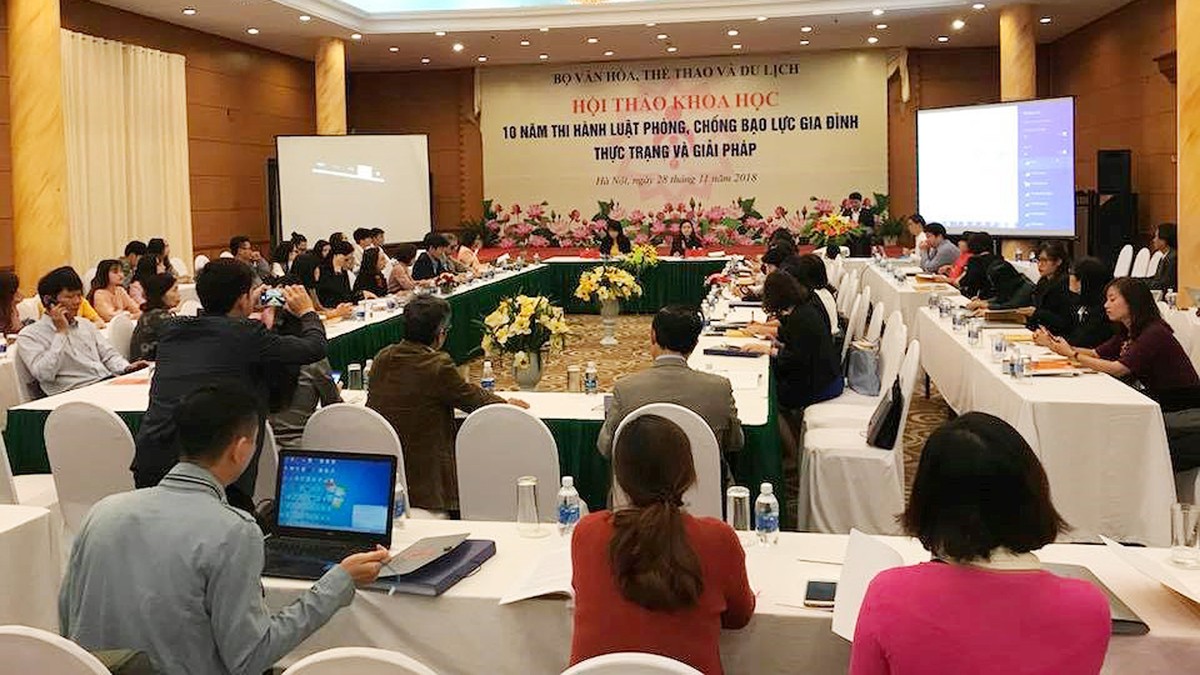
Sáng nay 28-11 tại Hà Nội, bộ Văn hóa – Thể thao và Du lịch tổ chức hội thảo khoa học “10 năm thi hành luật phòng, chống bạo lực gia đình thực trạng và giải pháp”. Tiếp tục đọc “Hơn 1 triệu vụ ly hôn trong 10 năm gần đây có nguyên nhân là bạo lực gia đình”
Vatican magazine condemns misuse of nuns in the church
 FILE – Bangladeshi Catholic nuns arrive to participate in a meeting with Pope Francis at the Church of the Holy Rosary in Dhaka, Bangladesh, Saturday, Dec. 2, 2017. (AP Photo/Aijaz Rahi)
A Vatican magazine has denounced the misuse of nuns who cook and clean for church officials with very little pay.
The monthly magazine “Women, Church, World” describes how nuns are often treated like servants. The magazine, part of the official Vatican daily newspaper L’Osservatore Romano, is written by women journalists and scholars.
Many nuns cook and clean for male church leaders and perform other household duties. Tiếp tục đọc “Vatican magazine condemns misuse of nuns in the church”
 CVD
CVD