Tóm tắt chính sách – Tiếp cận An sinh xã hội của người lao động nhập cư – Policy brief – Access to social protection of migrant workers

Nghiên cứu Tiếp cận An sinh xã hội (ASXH) của người lao động nhập cư tại một số khu vực đô thị do ActionAid Việt Nam (AAV) thực hiện năm (2012) đã chỉ ra nhu cầu cần thiết phải đổi mới các chính sách hiện nay về ASXH nhằm đảm bảo các quyền lợi cơ bản của người nhập cư tại các khu đô thị


Date published Thursday, April 24, 2014

Download full publication Tiếp tục đọc “Tóm tắt chính sách – Tiếp cận An sinh xã hội của người lao động nhập cư – Policy brief – Access to social protection of migrant workers” →

CSIS Southeast Asia Sit-Rep – Feb 25, 2016

CSIS Southeast Asia Sit-Rep

This issue includes a preview of key developments related to the South China Sea this year, analyses on the path forward for the peace process in southern Philippines and the recent U.S.-ASEAN Special Leaders’ Summit in Sunnylands, and much more. Links will take you to the full publications, multimedia, or to registration for upcoming programs when available. To jump to a section, select one of the following:

Tiếp tục đọc “CSIS Southeast Asia Sit-Rep – Feb 25, 2016” →

Who is in charge? A key question for human rights impact assessments

Damiano de Felice Co-Founder and Co-Director, Measuring Business & Human Rights

Co-authored by Sarah Zoen, Senior Advisor, Private Sector Department at Oxfam America.

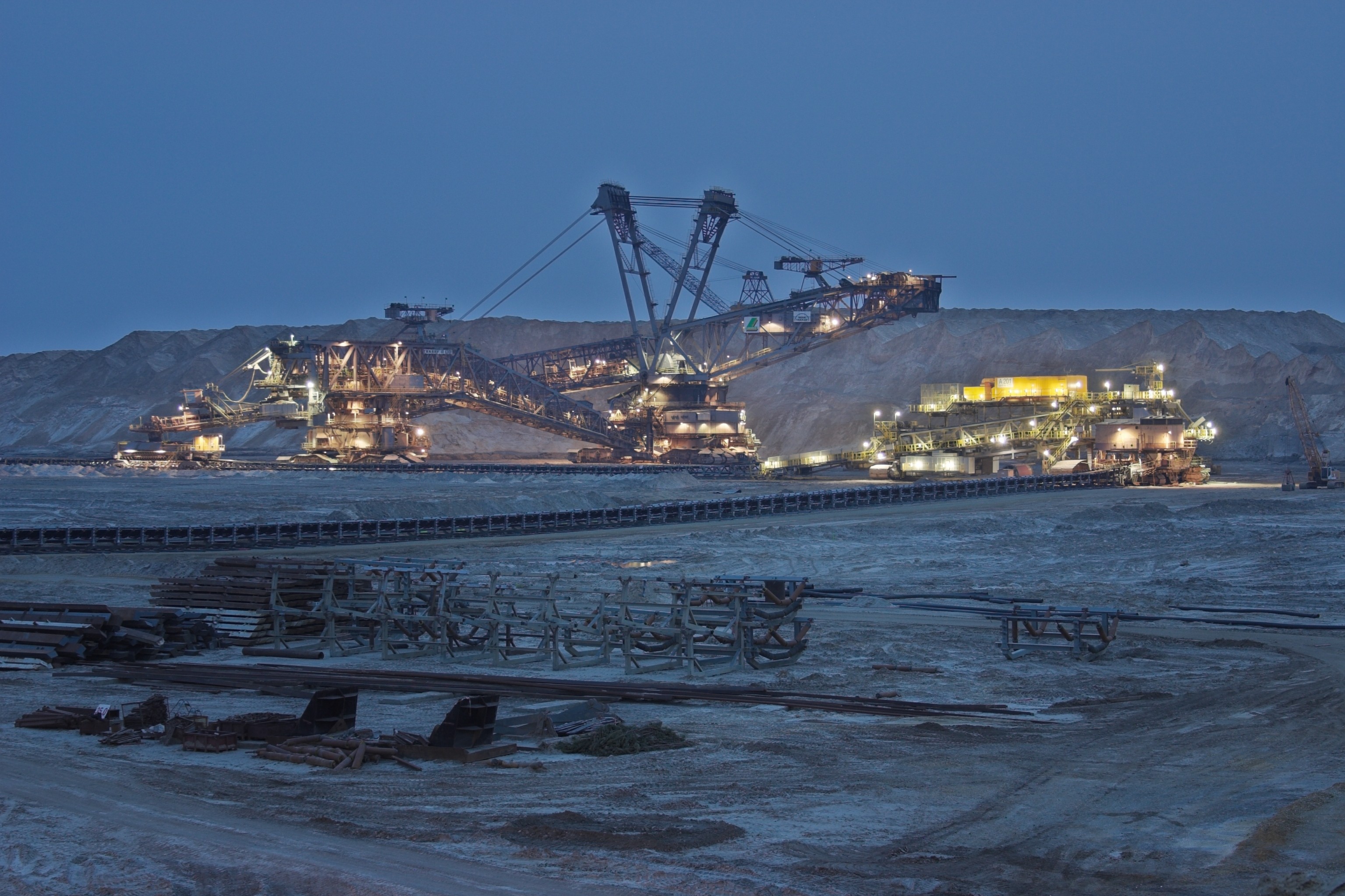
2016-02-24-1456332056-5228871-ExcavatorOpenPitMining.jpg
Photo by Rene Schwietzke (CC BY 2.0)

huffingtonpost – Numerous companies, non-governmental organizations (NGOs) and human rights practitioners have conducted human rights impact assessments in recent years. For instance, in 2012 Kuoni partnered with TwentyFifty Limited and Tourism Concern to assess its human rights impacts in Kenya. More recently, NomoGaia piloted a tool for evaluating the human rights implications of the Disi Water Conveyance Project in Jordan.

A Human Rights Impact Assessment (HRIA) is a process that identifies the potential and actual human rights impacts of a corporate project and recommends how to prevent, mitigate and/or address these impacts. HRIAs are different from Environmental Impact Assessments because of their holistic approach. Based on the inter-relatedness and indivisibility of human rights, they cover both environmental and social issues. HRIAs are different from Social Impact Assessments because their standards are anchored in binding national and international legal frameworks. This is important because these frameworks clearly identify duty-bearers and rights-holders. Tiếp tục đọc “Who is in charge? A key question for human rights impact assessments” →

Đưa dân trở lại rừng

09:16 AM – 02/03/2016 TN

Người dân về lại rừng nhưng cuộc sống vẫn nghèo nàn, lạc hậu - Ảnh: Khánh Hoan
Người dân về lại rừng nhưng cuộc sống vẫn nghèo nàn, lạc hậu – Ảnh: Khánh Hoan

36 năm trước, hàng chục hộ dân người Đan Lai ở xã Châu Khê (H.Con Cuông, Nghệ An) được đưa ra khỏi rừng để hội nhập với cuộc sống bên ngoài nhưng đến nay, họ lại được một dự án đưa trở lại rừng.

Do không quen với thế giới văn minh

Đan Lai là dân tộc ít người chỉ sinh sống tại một số điểm nằm sâu, biệt lập trong rừng ở H.Con Cuông. Tộc người này có những tập tục kỳ lạ như ngủ ngồi để phòng thú dữ, trẻ con vừa sinh ra phải được nhúng xuống suối để hòa nhập với tự nhiên… Sống biệt lập trong rừng thẳm, nên tộc người này còn duy trì các hủ tục lạc hậu, hôn nhân cận huyết, đe dọa sự tồn vong của giống nòi. Tiếp tục đọc “Đưa dân trở lại rừng” →

Bảo hiểm: Làm sao để dân tự nguyện?

01/03/2016 08:41 GMT+7

TTCT – Tính đến hết năm 2015, gần 77% người dân có thẻ bảo hiểm y tế, 23% đã tham gia bảo hiểm xã hội. Thực hiện Luật bảo hiểm xã hội sửa đổi, từ đầu năm nay mức đóng bảo hiểm xã hội đã tăng (thêm phần phụ cấp lương) và sẽ còn tăng tiếp cho đến năm 2018.

Bảo hiểm: Làm sao để dân tự nguyện?
Bệnh nhân vẫn luôn băn khoăn với chi trả của bảo hiểm -Nguyễn Khánh

Đây là một phần của lộ trình chống vỡ quỹ bảo hiểm xã hội mà cơ quan bảo hiểm đã nói đến rất nhiều trong khi xây dựng bộ luật này. Cơ quan bảo hiểm nỗ lực để tăng số người tham gia tự nguyện, nhưng xem ra đường đi còn rất chông gai… Tiếp tục đọc “Bảo hiểm: Làm sao để dân tự nguyện?” →

Greenpeace launches high tech investigation into radiation impacts of Fukushima disaster on Pacific Ocean

Press release – 25 February, 2016

greenpeace – Tokyo, 25 February 2016 – Greenpeace Japan today announced it is conducting an underwater investigation into radiation contamination from the Fukushima Daiichi nuclear plant into the Pacific Ocean. The survey will be conducted from a Japanese research vessel using a one of a kind Remotely Operated Vehicle (ROV), fitted with sensitive gamma radiation spectrometer and sediment sampler.

On the opening day of the investigation, Mr Naoto Kan, the former Prime Minister of Japan and leader at the time of the nuclear accident, joined the crew of the Greenpeace flagship, the Rainbow Warrior. As the country nears the fifth anniversary of the Fukushima disaster Mr. Kan called for a complete phase out of nuclear power.

“I once believed Japan’s advanced technology would prevent a nuclear accident like Chernobyl from happening in Japan. But it did not, and I was faced with the very real crisis of having to evacuate about 50 million people at risk from the Fukushima Daiichi nuclear accident. I have since changed my mind,” said Mr. Kan on board the Greenpeace ship, Rainbow Warrior. “We do not need to take such a big risk. Instead we should shift to safer and cheaper renewable energy with potential business opportunities for our future generations.”

Tokyo Electric Power Company (TEPCO) has produced over 1.4 million tonnes of radioactive contaminated water in an effort to cool the hundreds of tonnes of molten reactor fuel in Fukushima Daiichi reactor units 1, 2 and 3 [1]. In addition to the initial releases of liquid nuclear waste during the first weeks of the accident and the daily releases from the plant ever since, contamination  also flows from land, particularly the forests and mountains of Fukushima, and will continue to contaminate the Pacific Ocean for at least 300 years.(2)

“The Fukushima disaster is the single largest release of radioactivity into the marine environment in history. There is an urgent need to understand the impacts this contamination is having on the ocean, how radioactivity is both dispersing and concentrating and its implications,” said Shaun Burnie, Senior Nuclear Specialist with Greenpeace Germany.

“TEPCO failed to prevent a multiple reactor meltdown and five years later it’s still an ongoing disaster. It has no credible solution to the water crisis they created and is failing to prevent the further contamination of the Pacific Ocean.”

Tiếp tục đọc “Greenpeace launches high tech investigation into radiation impacts of Fukushima disaster on Pacific Ocean” →

Ngân hàng Thế giới: Khu vực tư nhân nên tham gia mạnh hơn vào ngành vận tải và kho vận – World Bank: Let Private Sector Help Vietnam’s Transport and Logistics

8 Tháng 1 Năm 2016

20150610081027-sieu-tau-jpg8_cpcr_SMAZ.jpg (660×306)

WB – Cần thu hút sự tham gia của doanh nghiệp tư nhân nhằm duy trì tăng trưởng mạnh trong quá trình chuyển đổi kinh tế

HÀ NỘI, ngày 08/01/2016 – Nền kinh tế Việt Nam cần những chiến lược mới để duy trì tốc độ tăng trưởng mạnh, và theo như một báo cáo mới công bố của Ngân hàng Thế giới thì chính phủ nên cộng tác chặt hơn với các doanh nghiệp xuất nhập khẩu và vận tải tư nhân để cải tiến dịch vụ kho vận.

Báo cáo Huy động tư nhân tham gia vào các giải pháp hoạch định, xây dựng chính sách giao thông vận tải, hậu cần của Việt Nam: Một số lựa chọn cho Việt Nam cho rằng nếu các cơ quan chịu trách nhiệm về lập kế hoạch và hoạch định chính sách thu hút sự tham gia của các bên trong ngành vận tải hàng hoá một cách có hệ thống sẽ giúp tăng cường năng lực cạnh tranh thương mại. Tiếp tục đọc “Ngân hàng Thế giới: Khu vực tư nhân nên tham gia mạnh hơn vào ngành vận tải và kho vận – World Bank: Let Private Sector Help Vietnam’s Transport and Logistics” →

Đà Nẵng ban hành quyết định ‘bảo vệ’ người bán dâm

03:00 PM – 01/03/2016 TN

TP.Đà Nẵng nhận định việc chăm sóc, bảo vệ khẩn cấp người bán dâm có nguy cơ bị xâm hại, lạm dụng tình dục sẽ góp phần đảm bảo trật tự xã hội - Ảnh minh họa từ Shutterstock
TP.Đà Nẵng nhận định việc chăm sóc, bảo vệ khẩn cấp người bán dâm có nguy cơ bị xâm hại, lạm dụng tình dục sẽ góp phần đảm bảo trật tự xã hội – Ảnh minh họa từ Shutterstock

Theo UBND TP.Đà Nẵng, việc tiếp nhận đối tượng người bán dâm có nguy cơ bị xâm hại, lạm dụng tình dục vào cơ sở bảo trợ xã hội không bị coi là xử lý vi phạm hành chính.

Thông tin đăng tải trên Cổng thông tin điện tử TP.Đà Nẵng ngày 29.2 cho biết UBND TP.Đà Nẵng vừa ban hành quyết định về việc cho phép tiếp nhận người bán dâm trên địa bàn TP có nguy cơ bị xâm hại, bị lạm dụng tình dục vào cơ sở bảo trợ xã hội để chăm sóc, bảo vệ khẩn cấp góp phần đảm bảo trật tự xã hội. Tiếp tục đọc “Đà Nẵng ban hành quyết định ‘bảo vệ’ người bán dâm” →

Vietnam’s Corruption Problem

THE DIPLOMAT

The country struggles to fight corruption as the public is kept in the dark about officials’ wealth.

By Dien Luong

February 29, 2016

The stony-faced corruption czar of Vietnam might not have expected that his political rhetoric aimed at defending the country’s anti-graft efforts would become the subject of such widespread ridicule and social satire over the past year.

In December 2014, Huynh Phong Tranh, chief of the Government Inspectorate, tried to put a positive spin on Vietnam’s poor ranking in an international standard gauge of government malfeasance by saying, “Corruption in Vietnam has reached a level of stability.” He was referring to the 2014 Transparency International’s Corruption Perceptions Index, which ranked Vietnam 119 out of 175 countries and territories; the country was ranked 116 in 2013 and 123 a year earlier. Its position has barely budged, moving to just 112 in 2015. Tiếp tục đọc “Vietnam’s Corruption Problem” →

Người đàn bà trong hoàng cung lặng gió

Mai An Nguyễn Anh Tuấn

                                           Truyện ngắn lịch sử

Huyền Trân khêu thêm ngọn bấc sắp lụi. Nàng làm việc đó theo thói quen, chứ thực ra, ánh sáng hay bóng tối trong dinh thất của nàng giờ đây cũng chẳng có ý nghĩa gì đáng kể. Đã từ lâu, Huyền Trân không đọc thêm một cuốn sách nào. Nàng cũng không làm thơ nữa. Nàng vật vờ như một cái bóng. Nước mắt đã khô kiệt. Vẻ u sầu quý phái cũng biến đi nhường cho vẻ hoang dại, vô hồn. Tiếp tục đọc “Người đàn bà trong hoàng cung lặng gió” →

Người Việt ở Đức tuần hành phản đối quân sự hóa Biển Đông

VE – Bất chấp thời tiết giá lạnh, đông đảo người Việt ở Frankfurt, Đức, mang theo quốc kỳ và biểu ngữ phản đối những động thái gây hấn gần đây của Trung Quốc trên Biển Đông.

Hôm qua, trước Tổng lãnh sự quán Trung Quốc tại thành phố Frankfurt đã diễn ra cuộc biểu tình của bà con người Việt và bạn bè quốc tế nhằm yêu cầu Trung Quốc chấm dứt ngay các hoạt động xây dựng và chiếm đóng trái phép tại Biển Đông.

Tiếp tục đọc “Người Việt ở Đức tuần hành phản đối quân sự hóa Biển Đông” →

“We might give them a few.” Did the US offer to drop atom bombs at Dien Bien Phu?

21 February 2016
Fredrik Logevall

Editor’s note: It was 1954, and the surrounded French garrison was facing defeat in what would become known as the First Indochina War. What happened next has been a source of controversy for decades. The author of a 2013 Pulitzer Prize-winning book on Vietnam gives his view, drawing on the array of materials that have slowly emerged.

thebulletin – It is one of the most tantalizing questions of the long and bloody struggle for Vietnam: Did US Secretary of State John Foster Dulles in the spring of 1954 offer French foreign minister Georges Bidault two atomic bombs for use against Viet Minh positions near the beleaguered French garrison at Dien Bien Phu in remote northwestern Vietnam? For decades historians have investigated the matter, with no consensus emerging. But what does the evidence actually say? The time is right for a fresh look.

At first glance, it might seem odd that the United States would even contemplate providing large-scale military aid to the French army; after all, what did America care if imperial France lost one of its colonies in remote Asia? But this was the depths of the Cold War. Anxious to prevent the “fall” of another Asian nation to communism soon after the so-called “loss of China” and a bloody three-year stalemated war against communist forces in Korea, the United States was willing to send weaponry to aid the French—even if there was considerable doubt among experts as to how committed Viet Minh leader Ho Chi Minh really was to advancing the cause of global communism. (“Isn’t he first and foremost a nationalist?” many analysts speculated.) Ultimately, the United States had gambled on staying with the imperial status quo and propping up a repressive French regime in Indochina, to the point that by early 1954 Washington covered the lion’s share of the cost of the war effort. Tiếp tục đọc ““We might give them a few.” Did the US offer to drop atom bombs at Dien Bien Phu?” →

Crisis Response: When Trees Stop Storms and Deserts in Asia

Five ways China’s overseas investments are impacting African forests

1. Most African timber exports go to China.

2. Investments have mixed impacts on local communities and environment.

3. Investment is mainly coming from harder-to-regulate small and medium enterprises.

4. Investments are moving upstream in the timber supply chain

5. African logging bans are ineffective thus far

qz.com – China’s investments in Africa have exploded in recent years, with outward foreign direct investment (OFDI) stock growing from $1 billion in 2004 to more than $ 30 billion in 2014. Investment in forests—particularly the timber sector—is no different. China’s overseas forest project investments grew from eight in 2007 to 84 in July of 2015. Today, Chinese forest investment can be found in 25 African countries.

Tiếp tục đọc “Five ways China’s overseas investments are impacting African forests” →

Từ bài học kinh tế đã qua nhìn về tương lai: Tám vấn đề cần được giải quyết

Vũ Quang Việt (*) Chủ Nhật,  28/2/2016, 08:06 (GMT+7)

(TBKTSG) – Như đã phân tích ở bài trước, chính sách phát triển lấy quốc doanh làm chủ đạo đã không mang lại những kết quả như mong muốn mà còn đưa đến nhiều hệ lụy khác về mặt kinh tế. Vậy phải làm gì để hóa giải?

Bài 1: Nhìn lại chủ trương lấy quốc doanh làm chủ đạo

Đầu tư quá sức để dành đưa đến tăng nợ nước ngoài

Nhìn chung, ta thấy dân chúng Việt Nam có tỷ lệ để dành khá cao so với nhiều nước khác (thường ở mức 30% GDP hay hơn), nhưng vẫn không đủ để đáp ứng với mức đầu tư quá đà cho tập đoàn kinh tế nhà nước để GDP tăng với tốc độ cao. Có năm như năm 2007 đầu tư lên tới 40% GDP. Đầu tư như thế tạo ra thất thoát, chỉ vỗ béo cho hệ thống tham nhũng, chứ không tăng được GDP tương ứng (xem biểu đồ 1).

Tiếp tục đọc “Từ bài học kinh tế đã qua nhìn về tương lai: Tám vấn đề cần được giải quyết” →