AS if communist China was not already doing enough to degrade the rest of the world’s quality of life for its own gain, recent news from South and Central America further reinforces the impression that its rapaciousness knows no bounds. China’s Southeast Asian neighbors, particularly the Philippines, are already familiar with the Red Menace’s greediness when it comes to marine resources, but on the other side of the world, a massive, well-organized, industrial-scale effort to carry out illegal fishing on both sides of Latin America is threatening to wipe out fish stocks for a dozen countries.
UN General Assembly Weighs ‘Interconnected Crises’
World leaders begin their annual addresses (NYT) to the UN General Assembly (UNGA) in New York today amid what the United Nations has described (Al Jazeera) as time of “complex and interconnected crises.” This year’s session will focus on the war in Ukraine and climate change. In addition, Western governments are expected to urge Iran to commit to rejoining the 2015 nuclear deal. The leaders of China, India, Ethiopia, and Russia will not attend. U.S. President Joe Biden will speak tomorrow.
The United States, African Union, and European Union (EU) will hold a conference today to discuss food insecurity and rising prices. On Thursday, the UN Security Council is due to hold a session on the topic of Ukraine and impunity. UN Secretary-General António Guterres said last week that he doesn’t expect dialogue (NPR) between Russian and Ukrainian delegations.
Teams of inspectors arrived this morning at the Central offices of PwC and KPMG to start reviewing the audit records of US-listed, China-based companies
The PCAOB has high standards and will perform a ‘very detailed’ inspection, which will take ‘as long as needed’, former SFC chairman says
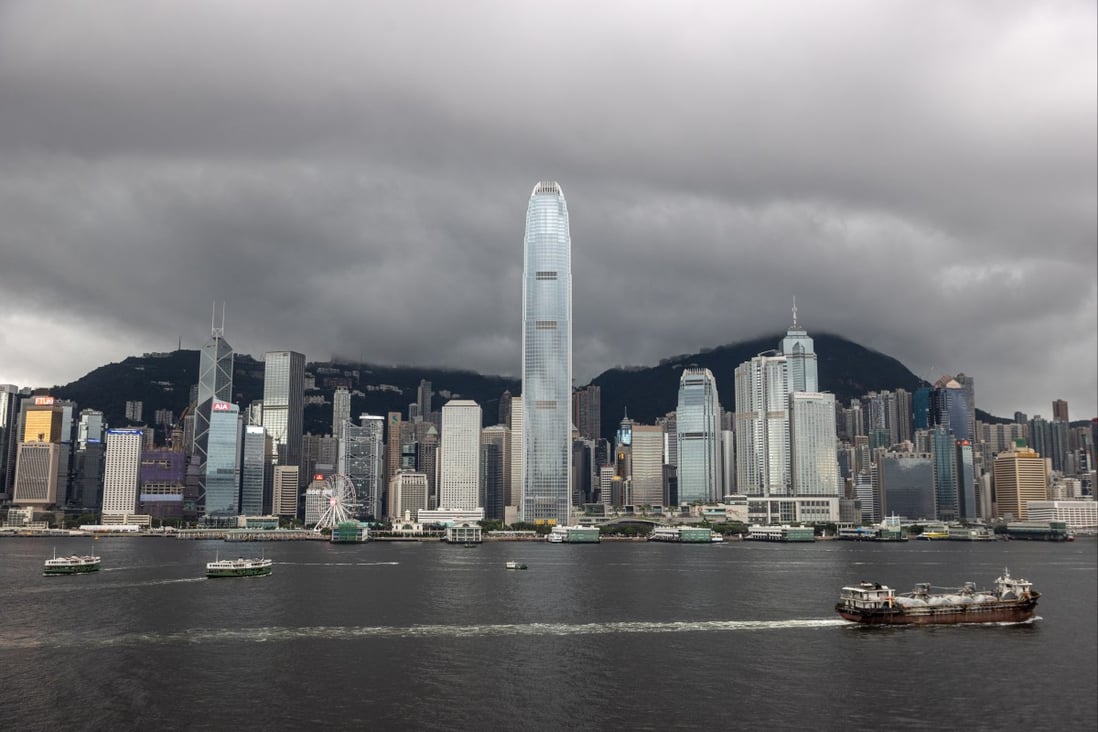
The Hong Kong island skyline, showing the Central business district, pictured on June 6, 2022. Photo: EPA-EFE
Teams of US audit inspectors arrived at the Central offices of accounting firms PwC and KPMG this morning to begin a historic review of the audit records of US-listed, China-based companies, two sources told the South China Morning Post.
The inspectors from the Public Company Accounting Oversight Board (PCAOB) arrived in Central on Monday morning to work at the Hong Kong offices of PwC in the Prince’s Building and Edinburgh Tower as well as KPMG’s office in the Prince’s Building, the sources said.
Both accounting firms have reserved rooms for the inspectors to perform their review. The two firms have also already prepared the paper and electronic audit materials of the selected clients named by the PCAOB.
LĐ – VƯƠNG TRẦN – Thứ hai, 12/09/2022 12:16 (GMT+7)
5 năm qua, toàn quốc xảy ra 17.055 vụ cháy làm chết 433 người, bị thương 790 người, thiệt hại tài sản ước tính trên 7 nghìn tỉ đồng và trên 7.500 ha rừng. Nguyên nhân chủ yếu là do sự cố về hệ thống, sự cố về thiết bị điện, chiếm khoảng 45%.
Hơn 17.000 vụ cháy, 433 người thiệt mạng
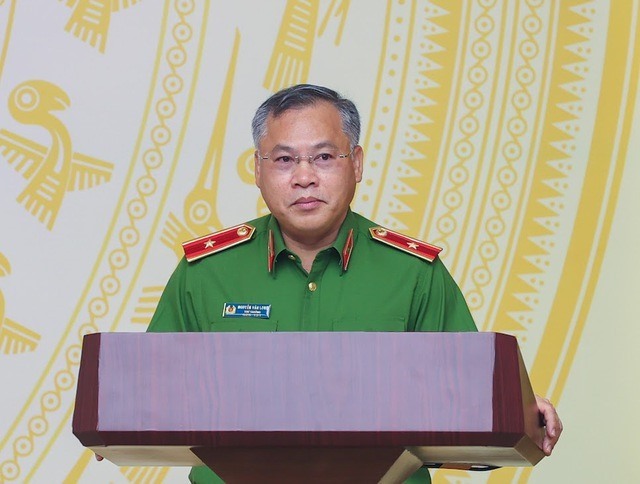
Tại Hội nghị về công tác phòng cháy, chữa cháy và sơ kết 5 năm thực hiện Nghị định 83/2017/NĐ-CP quy định công tác cứu nạn, cứu hộ của lực lượng phòng cháy, chữa cháy diễn ra sáng nay (12.9), Thiếu tướng Nguyễn Văn Long – Thứ trưởng Bộ Công an đã có báo cáo đánh giá về công tác này trong 5 năm qua.
Thiếu tướng Nguyễn Văn Long, Thứ trưởng Bộ Công an báo cáo đánh giá công tác phòng cháy, chữa cháy. Ảnh: Nhật Bắc
Surveying the Experts: China’s Approach to Taiwan, CSIS
As China’s recent unprecedented military exercises around Taiwan demonstrated, the Taiwan Strait is a major flashpoint that threatens to undermine regional and global stability. Yet crucial questions remain about the dynamics shaping the Taiwan Strait. What is China’s approach to Taiwan and how long is Beijing willing to wait for Taiwan’s unification? Will China use significant military force against Taiwan, and when? How does Beijing view the potential of U.S. intervention in a Taiwan contingency?
To shed light on these questions, ChinaPower polled 64 leading experts on the People’s Republic of China (PRC), Taiwan, and cross-Strait relations.1 The experts polled include 28 former high-level U.S. government (USG) officials from both Democrat and Republican administrations, as well as 23 former USG policy and intelligence analysts and 13 top experts from academia and think tanks.2 Responses were collected from August 10–September 8, 2022, amid the Fourth Taiwan Strait Crisis.
International efforts, such as the Paris Agreement, aim to reduce greenhouse gas emissions. But experts say countries aren’t doing enough to limit dangerous global warming.
Summary
Countries have debated how to combat climate change since the early 1990s. These negotiations have produced several important accords, including the Kyoto Protocol and the Paris Agreement.
Governments generally agree on the science behind climate change but have diverged on who is most responsible and how to set emissions-reduction goals.
Experts say the Paris Agreement is not enough to prevent the global average temperature from rising 1.5°C. When that happens, the world will suffer devastating consequences, such as heat waves and floods.
Over the last several decades, governments have collectively pledged to slow global warming. But despite intensified diplomacy, the world could soon face devastating consequences of climate change.
Through the Kyoto Protocol and the Paris Agreement, countries agreed to reduce greenhouse gas emissions, but the amount of carbon dioxide in the atmosphere keeps rising, heating the Earth at an alarming rate. Scientists warn that if this warming continues unabated, it could bring environmental catastrophe to much of the world, including staggering sea-level rise, record-breaking droughts and floods, and widespread species loss.
Dozens of countries made new commitments during a UN climate conference known as COP26 in November 2021. Still, experts, activists, and citizens remain concerned that these pledges are not ambitious enough.
What are the most important international agreements on climate change?
Biden Again Says U.S. Military Would Defend Taiwan
In an interview with 60 Minutes that aired yesterday, U.S. President Joe Biden said that if China were to invade Taiwan, U.S. military forces would come to the island’s defense. It is at least the fourth time (NBC) that Biden has publicly made comments appearing to contradict the U.S. policy of “strategic ambiguity” toward Taiwan, though the White House later said U.S. policy has not changed. The long-standing policy deliberately leaves unanswered the question of whether the United States would defend the island. China’s foreign ministry said it lodged a complaint (Reuters) with the United States. A ministry spokesperson said Beijing “will not tolerate any activities aimed at [Taiwan’s] secession.”
Indian Roots of the Term Speak of a History of Non-Violent Resistance
The first tree huggers were 294 men and 69 women belonging to the Bishnois branch of Hinduism, who, in 1730, died while trying to protect the trees in their village from being turned into the raw material for building a palace. They literally clung to the trees, while being slaughtered by the foresters. But their action led to a royal decree prohibiting the cutting of trees in any Bishnoi village.
Photo courtesy Waging NonviolenceThe Chipko movement (which means “to cling”) started in the 1970s when a group of peasant women in Northern India threw their arms around trees designated to be cut down.
Show the slightest bit of concern for the environment and you get labeled a tree hugger. That’s what poor Newt Gingrich has been dealing with recently, as the other presidential candidates attack his conservative credentials for having once appeared in an ad with Nancy Pelosi in support of renewable energy. Never mind that he has since called the ad the “biggest mistake” of his political career and talked about making Sarah Palin energy secretary. Gingrich will be haunted by the tree hugger label the rest of his life. He might as well grow his hair out, stop showering and start walking around barefoot.
But is that what a tree hugger really is? Just some dazed hippie who goes around giving hugs to trees as way to connect with nature. You might be shocked to learn the real origin of the term.
The first tree huggers were 294 men and 69 women belonging to the Bishnois branch of Hinduism, who, in 1730, died while trying to protect the trees in their village from being turned into the raw material for building a palace. They literally clung to the trees, while being slaughtered by the foresters. But their action led to a royal decree prohibiting the cutting of trees in any Bishnoi village. And now those villages are virtual wooded oases amidst an otherwise desert landscape. Not only that, the Bishnois inspired the Chipko movement (chipko means “to cling” in Hindi) that started in the 1970s, when a group of peasant women in the Himalayan hills of northern India threw their arms around trees designated to be cut down. Within a few years, this tactic, also known as tree satyagraha, had spread across India, ultimately forcing reforms in forestry and a moratorium on tree felling in Himalayan regions.
The writer is executive director of International Energy Agency
As the global energy crisis continues to hurt households, businesses and entire economies worldwide, it’s important to separate fact from fiction. There are three narratives in particular that I hear about the current situation that I think are wrong — in some cases dangerously so.
The first is that Moscow is winning the energy battle. Russia is undoubtedly a huge energy supplier and the increases in oil and gas prices triggered by its invasion of Ukraine have resulted in an uptick in its energy income for now. But its short-term revenue gain is more than offset by the loss of both trust and markets that it faces for many years to come. Moscow is doing itself long-term harm by alienating the EU, its biggest customer by far and a strategic partner. Russia’s place in the international energy system is changing fundamentally, and not to its advantage.
Hai ngày sau công bố điểm chuẩn, Hoàng Thu Giang (một nữ sinh tại Thái Bình) vẫn chưa thể vượt qua cú sốc “đầu đời” rằng mình đã trượt đại học dù em được 25 điểm và đăng ký 8 nguyện vọng.
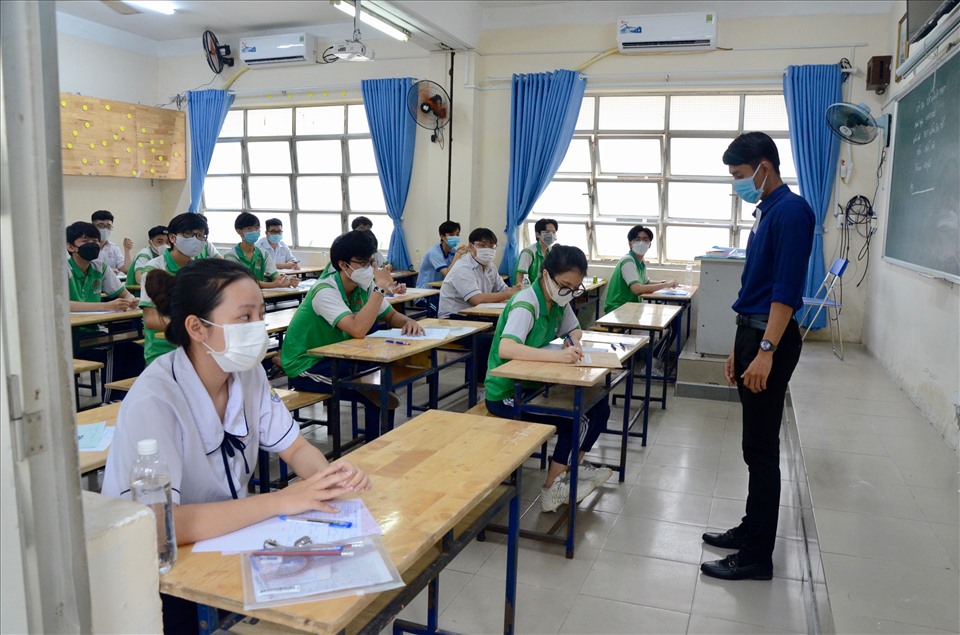
Thí sinh dự thi tốt nghiệp THPT năm 2021. Ảnh: Huyên Nguyễn
Điểm cao vẫn trượt đại học
Nhận kết quả điểm thi tốt nghiệp THPT, Hoàng Thu Giang khá vui mừng khi em được 25 điểm tổ hợp A00 (Toán, Lí, Hoá). Với mức điểm này, Giang tự tin đăng ký vào ngành Công nghệ thông tin và ngành Kinh tế. Em sắp xếp nguyện vọng ưu tiên hai nhóm ngành này có mức điểm tương đương điểm của mình năm trước, sau đó thêm nguyện vọng vào một số ngành “chống trượt” với mức điểm chuẩn năm ngoái thấp hơn điểm của Giang vài điểm.
“Sau khi nghiên cứu điểm chuẩn của năm 2020, em khá tự tin khi đăng ký nguyện vọng năm nay ở tổ hợp A00 vào các ngành Kinh tế, Công nghệ thông tin. Thế nhưng sau khi xem điểm chuẩn năm 2020, em mới tá hỏa vì cả 8 nguyện vọng của em đều trượt hết. Ngay cả ngành “chống trượt” cũng tăng gần 3 điểm so với năm ngoái”, Giang chia sẻ.
Giang kể thêm: “Em không thể tin nổi vào mắt mình khi chỉ thiếu 0,25 điểm để đỗ nguyện vọng số 8, còn nguyện vọng số 7 vào Quản trị Kinh doanh của Học viện Chính sách và Phát triển cũng tăng 3 điểm nên em cũng thiếu 0,5 điểm”, Giang nói.
The families of some 9/11 victims are still pursuing compensation from those complicit in the attacks – but is Sudan, already ravaged by years of US sanctions, really the right target?
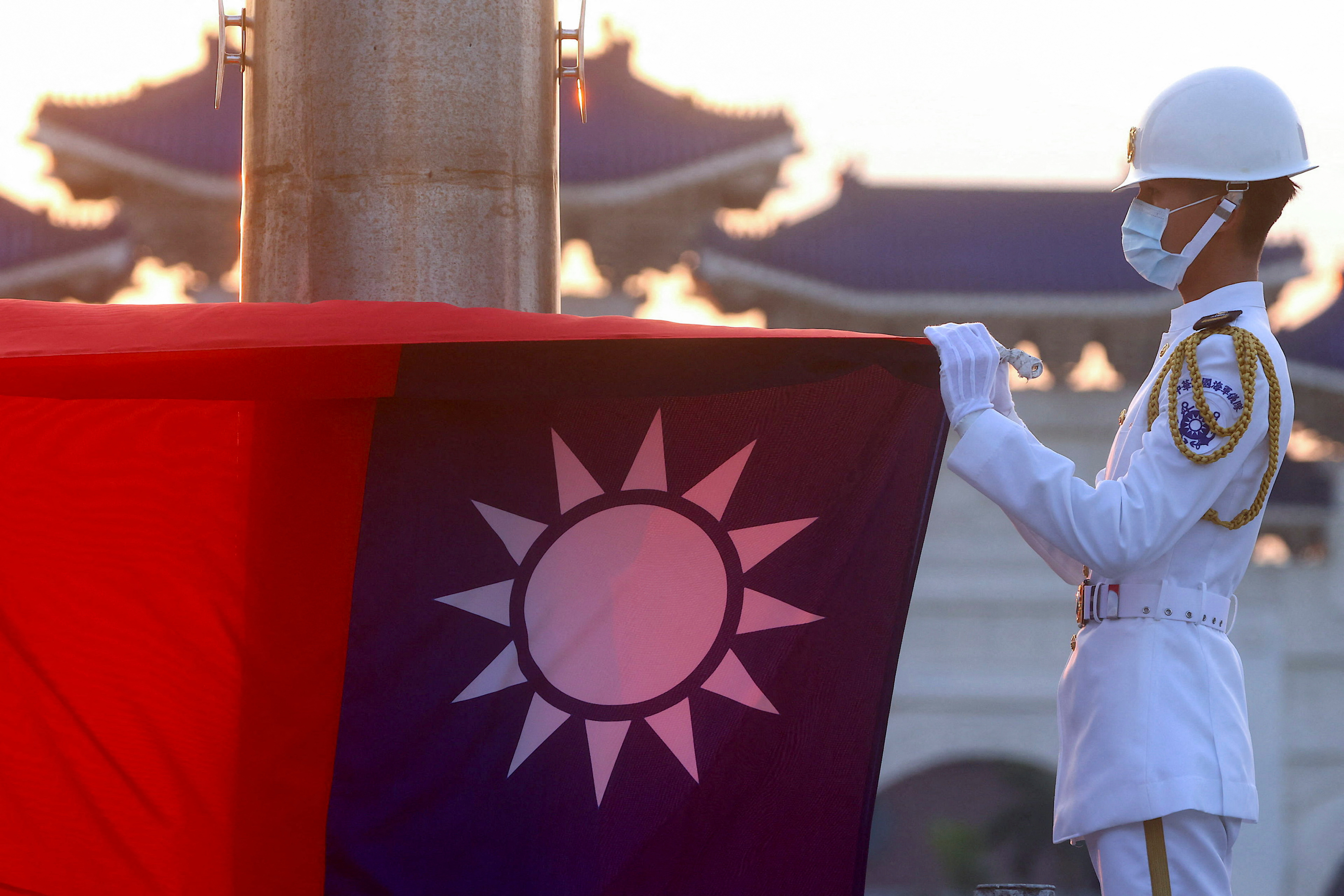
Honour guards lower the Taiwan flag during sunset hours at Liberty Square in Taipei, Taiwan, July 28, 2022. REUTERS/Ann Wang/File Photo
BEIJING, Sept 15 (Reuters) – China said on Thursday that it had lodged “solemn representations” with the United States, after a U.S. Senate panel advanced legislation that would enhance U.S. military support for Taiwan.
If the bill continues to go forward, it would affect U.S.-China relations, Mao Ning, a foreign ministry spokesperson, said at a regular media briefing.
TTCT – Cuộc bàn thảo về giáo dục gần đây của nhiều chuyên gia, nhà giáo, trí thức… đọng lại trong dư luận xã hội nỗi buồn về sự “lạc lối” của giáo dục nước nhà. Trong đó, đầu bảng là kiểu dạy và học chỉ để đi thi, lấy bằng mà “bộ đề thi” (giai đoạn 1988-1997) là một ví dụ.
“Sơ yếu lý lịch” bộ đề
Trong một lần trả lời phỏng vấn gần đây, GS Nguyễn Cảnh Toàn nhắc đến cụm từ “bộ đề thi” để nói về một giải pháp sai lầm lớn nhất mà Bộ Đại học và trung học chuyên nghiệp lúc đó (gọi tắt là Bộ ĐH) đã triển khai. “Tôi là một trong những người đã cảnh báo: ra bộ đề thi thì sẽ dẫn tới học tủ. Và học tủ thì mất tính sáng tạo, học tủ thì không còn quá trình nỗ lực nữa rồi, nghĩa là anh chỉ nhớ lấy một cái tủ rồi làm theo cái hình mẫu ấy. Thế nhưng Bộ ĐH không nghe” – ông nhớ lại.
TTCT – Không chỉ chuyên gia người Anh Howard Limbert mới còn nguyên vẹn ký ức lần đầu tiên đến Quảng Bình khảo sát hang động tròn 30 năm trước (TTCT số 10-2020). PGS Vũ Văn Phái, nguyên chủ nhiệm bộ môn địa mạo, khoa địa lý Trường ĐH Khoa học tự nhiên – ĐH Quốc gia Hà Nội, cũng nhớ rất nhiều kỷ niệm đẹp khi lần đầu gặp gỡ và sau đó đồng hành với nhóm ông Howard trong suốt 20 năm tiếp theo.
16/09/2022: Transparency International On Wednesday, news broke that the Russian government may have spent as much as US$300 million since 2014 on influencing elections and buying political influence abroad. Reportedly, some of the countries affected include Albania, Montenegro, Madagascar, possibly Ecuador and an unnamed country in Asia.
Image: Christopher Penler / ShutterstockThat same day, European Commission President Ursula von der Leyen highlighted “covert foreign influence and shady funding” by authoritarian regimes as a threat to democracy, specifically calling out China.
Most countries recognise the threat of foreign political finance. In fact, 70 per cent of countries around the world ban foreign-sponsored campaign donations. To wiggle around this ban and to disguise the origin of money, China and Russia have abused the global financial system’s loopholes – including anonymous shell companies. According to a 2020 study by the German Marshall Fund of the United States, both countries have increasingly relied on such means to sway elections and interfere in other democratic processes. Tiếp tục đọc “How the autocrats steal elections“→