The Biden-⁠Harris Administration’s National Security Strategy

OCTOBER 12, 2022

FACT SHEET: The Biden-⁠Harris Administration’s National Security Strategy

  1. HOME
  2. BRIEFING ROOM
  3. STATEMENTS AND RELEASES

Read the full strategy here

President Biden’s National Security Strategy outlines how the United States will advance our vital interests and pursue a free, open, prosperous, and secure world. We will leverage all elements of our national power to outcompete our strategic competitors; tackle shared challenges; and shape the rules of the road.

The Strategy is rooted in our national interests: to protect the security of the American people, to expand economic opportunity, and to realize and defend the democratic values at the heart of the American way of life. In pursuit of these objectives, we will:

  • Invest in the underlying sources and tools of American power and influence;
  • Build the strongest possible coalition of nations to enhance our collective influence to shape the global strategic environment and to solve shared challenges; and
  • Modernize and strengthen our military so it is equipped for the era of strategic competition.

COOPERATION IN THE AGE OF COMPETITION
In the early years of this decisive decade, the terms of geopolitical competition will be set while the window of opportunity to deal with shared challenges will narrow. We cannot compete successfully to shape the international order unless we have an affirmative plan to tackle shared challenges, and we cannot do that unless we recognize how heightened competition affects cooperation and act accordingly.

Strategic Competition. The most pressing strategic challenge we face as we pursue a free, open, prosperous, and secure world are from powers that layer authoritarian governance with a revisionist foreign policy.

  • We will effectively compete with the People’s Republic of China, which is the only competitor with both the intent and, increasingly, the capability to reshape the international order, while constraining a dangerous Russia.
  • Strategic competition is global, but we will avoid the temptation to view the world solely through a competitive lens, and engage countries on their own terms.

Shared Challenges. While this competition is underway, people all over the world are struggling to cope with the effects of shared challenges that cross borders—whether it is climate change, food insecurity, communicable diseases, or inflation. These shared challenges are not marginal issues that are secondary to geopolitics. They are at the very core of national and international security and must be treated as such.

  • We are building the strongest and broadest coalition of nations to enhance our collective capacity to solve these challenges and deliver for the American people and those around the world.
  • To preserve and increase international cooperation in an age of competition, we will pursue a dual-track approach. On one track, we will work with any country, including our competitors, willing to constructively address shared challenges within the rules-based international order and while working to strengthen international institutions. On the other track, we will deepen cooperation with democracies at the core of our coalition, creating a latticework of strong, resilient, and mutually reinforcing relationships that prove democracies can deliver for their people and the world.

INVESTING AT HOME
The Biden-Harris Administration has broken down the dividing line between domestic and foreign policy because our strength at home and abroad are inextricably linked. The challenges of our age, from strategic competition to climate change, require us to make investments that sharpen our competitive edge and bolster our resilience.

  • Our democracy is at the core of who we are and is a continuous work in progress. Our system of government enshrines the rule of law and strives to protect the equality and dignity of all individuals. As we strive to live up to our ideals, to reckon with and remedy our shortcomings, we will inspire others around the world to do the same.
  • We are complementing the innovative power of the private sector with a modern industrial strategy that makes strategic public investments in our workforce, strategic sectors, and supply chains, especially in critical and emerging technologies.
  • A powerful U.S. military helps advance and safeguard vital U.S. national interests by backstopping diplomacy, confronting aggression, deterring conflict, projecting strength, and protecting the American people and their economic interests. We are modernizing our military, pursuing advanced technologies, and investing in our defense workforce to best position America to defend our homeland, our allies, partners, and interests overseas, and our values across the globe.

OUR ENDURING LEADERSHIP
The United States will continue to lead with strength and purpose, leveraging our national advantages and the power of our alliances and partnerships. We have a tradition of transforming both domestic and foreign challenges into opportunities to spur reform and rejuvenation at home. The idea that we should compete with major autocratic powers to shape the international order enjoys broad support that is bipartisan at home and deepening abroad.

  • Our alliances and partnerships around the world are our most important strategic asset that we will deepen and modernize for the benefit of our national security.
  • We place a premium on growing the connective tissue on technology, trade and security between our democratic allies and partners in the Indo-Pacific and Europe because we recognize that they are mutually reinforcing and the fates of the two regions are intertwined.
  • We are charting new economic arrangements to deepen economic engagements with our partners and shaping the rules of the road to level the playing field and enable American workers and businesses—and those of partners and allies around the world—to thrive.
  • As we deepen our partnerships around the world, we will look for more democracy, not less, to shape the future. We recognize that while autocracy is at its core brittle, democracy’s inherent capacity to transparently course-correct enables resilience and progress.

AFFIRMATIVE ENGAGEMENT
The United States is a global power with global interests; we are stronger in each region because of our engagement in the others. We are pursuing an affirmative agenda to advance peace and security and to promote prosperity in every region.

  • As an Indo-Pacific power, the United States has a vital interest in realizing a region that is open, interconnected, prosperous, secure, and resilient. We are ambitious because we know that we and our allies and partners hold a common vision for the region’s future.
  • With a relationship rooted in shared democratic values, common interests, and historic ties, the transatlantic relationship is a vital platform on which many other elements of our foreign policy are built. To effectively pursue a common global agenda, we are broadening and deepening the transatlantic bond.
  • The Western Hemisphere directly impacts the United States more than any other region so we will continue to revive and deepen those partnerships to advance economic resilience, democratic stability, and citizen security.
  • A more integrated Middle East that empowers our allies and partners will advance regional peace and prosperity, while reducing the resource demands the region makes on the United States over the long term.
  • In Africa, the dynamism, innovation, and demographic growth of the region render it central to addressing complex global problems.

###

15 mln Vietnamese afflicted with mental illnesses: health ministry

VNE – By Le Nga   October 11, 2022 | 03:29 pm GMT+7

15 mln Vietnamese afflicted with mental illnesses: health ministry

A patient with depression is being treated at the National Institute of Mental Health in Hanoi. Photo by VnExpress/Thuy An

Around 15 million Vietnamese are afflicted with mental illnesses, with depression and anxiety taking the top spots, Deputy Health Minister Tran Van Thuan said.

At a Monday meeting to commemorate World Mental Health Day (Oct. 10), Thuan said around 14.9% of the Vietnamese population suffer mental illnesses. Most people in Vietnam associate mental illnesses with schizophrenia, while the condition actually only afflicts 0.47% of the population, he added.

Tiếp tục đọc “15 mln Vietnamese afflicted with mental illnesses: health ministry” →

Lịch sử hình thành và phát triển của hệ thống pháp luật Việt Nam

danluat.thuvienphapluat.vn

.

STTThời gianTên Bộ LuậtNội dung
1Thời LýBộ luật Hình thư– Đây được xem là bộ luật quốc gia thành văn đầu tiên trong lịch sử lập pháp nước nhà.- Hình thư gồm 3 quyển, trong đó bao gồm các quy định:  + Tổ chức của triều đình, quân đội và hệ thống quan lại.  + Biện pháp trừng trị đối với những hành vi nguy hiểm cho xã hội.  + Sở hữu và mua bán đất đai, tài sản, quy định về thuế…
2Thời TrầnQuốc triều hình luật– Kế thừa nội dung của Hình thư từ thời Lý và bổ sung và điều chỉnh nhất định về hình phạt, thủ tục tố tụng và chế độ tư hữu đất đai, tài sản.
3Thời vua Lê Thánh TôngBộ luật Hồng Đức– Bao gồm 722 điều, chia thành 12 chương, 6 quyển.- Trong đó, có các nội dung về hành chính, hình sự, dân sự, hôn nhân gia đình và tố tụng.- Đây được đánh giá là thành tựu có giá trị đặc biệt quan trọng trong lịch sử pháp luật Việt Nam.
4Thời NguyễnBộ luật Gia Long– Bao gồm 398 Điều, chia thành 22 quyển và 6 lĩnh vực.- Trong đó, có các nội dung quy định về:  + Tổ chức nhà nước và hệ thống quan lại.  + Tội danh và hình phạt.  + Quản lý dân cư và đất đai.  + Ngoại giao và nghi lễ cung đình.  + Tổ chức quân đội và quốc phòng.  + Xây dựng, bảo vệ đê điều, lăng tẩm.- Được đánh giá là một trong hai bộ luật tổng hợp có quy mô lớn và nội dung phong phú.
509/11/1946Hiến pháp 1946– Đây là bản án Hiến pháp đầu tiên của nước Cộng hòa xã hội chủ nghĩa Việt Nam sau khi chủ tịch Hồ Chí Minh công bố Bản Tuyên ngôn Độc lập.- Bản Hiến pháp này khẳng định quyền tự do dân chủ của dân tộc Việt Nam ta.- Bao gồm: 7 chương và 70 điều, trong đó có các nội dung quy định về:  + Chính thể.  + Nghĩa vụ quyền lợi của công dân.  + Cơ cấu tổ chức của Nghị viên nhân dân, Chính phủ, HĐND, Ủy ban hành chính và cơ quan tư pháp.Kể từ ngày 19/12/1946 – Ngày Toàn quốc kháng chiến, Nhà nước Việt Nam đã ban hành 479 văn bản pháp luật, trong đó có 243 sắc lệnh, 46 Thông tư và 12 văn bản khác.
601/01/1960Hiến pháp 1959– Bao gồm 10 chương và 112 Điều. Trong đó, có các nội dung chính quy định về:  + Chế độ chính trị, kinh tế và xã hội.  + Trách nhiệm và quyền hạn của các cơ quan nhà nước.  + Quyền và nghĩa vụ của mỗi công dân…Sau khi Hiến pháp 1959 được thông qua, hoạt động lập pháp của nước ta chỉ quan tâm đến lĩnh vực tổ chức bộ máy nhà nước, nghĩa vụ quân sự và pháp luật hình sự. Các lĩnh vực khác ít được quan tâm hơn.
719/12/1980Hiến pháp 1980– Hiến pháp này ra đời nhằm thể chế hóa đường lối chủ trưởng của Đảng Cộng sản Việt Nam trong giai đoạn mới. Đây là Hiến pháp của thời kỳ quá độ lên chủ nghĩa xã hội trong phạm vi cả nước.Bao gồm 12 chương và 147 Điều. Trong đó, có các nội dung chính quy định về:  + Chính trị, kinh tế, văn hóa và xã hội.  + Quyền và nghĩa vụ cơ bản của công dân.  + Cơ cấu tổ chức và nguyên tắc hoạt động của cơ quan nhà nước.Đáng lẽ sau khi Hiến pháp này thông qua thì hệ thống pháp luật Việt Nam có một khởi sắc mới, tuy nhiên, thực tế hoạt động xây dựng pháp luật sau khi bản Hiến pháp này được thông qua không có được khởi sắc cần thiết.Hoạt động lập pháp tập trung chủ yếu về các lĩnh vực tổ chức bộ máy nhà nước, pháp luật hình sự, lĩnh vực quân sự…
818/04/1992Hiến pháp 1992– Hiến pháp này khẳng định Nhà nước phát triển kinh tế hàng hóa nhiều thành phần theo cơ chế thị trường định hướng XHCN, Nhà nước ghi nhận quyền tự do kinh doanh của công dân.- Bao gồm 12 chương và 147 Điều. Trong đó, có các nội dung chính quy định về:  +Chế độ chính trị, kinh tế, văn hóa, xã hội, quốc phòng, an ninh.  + Quyền và nghĩa vụ cơ bản của công dân.  + Cơ cấu, nguyên tắc tổ chức và hoạt động của cơ quan nhà nước.  + Thể chế hóa mối quan hệ giữa Đảng lãnh đạo, nhân dân làm chủ.- Từ sau khi Hiến pháp 1992 được thông qua, hệ thống pháp luật Việt Nam có những bước phát triển nhảy vọt
907/01/2002Nghị quyết 51/2001/QH10(sửa đổi Hiến pháp 1992)Sau gần 10 năm thi hành, Hiến pháp 1992 bộc lộ nhiều thiếu sót và bất cập so với thực tế, Nghị quyết 51 ra đời với mục đích hoàn thiện Hiến pháp 1992.Khẳng định rõ Nhà nước Cộng hòa xã hội chủ nghĩa Việt Nam là Nhà nước pháp quyền xã hội chủ nghĩa của nhân dân, do nhân dân, vì nhân dân. Quyền lực nhà nước thống nhất, có sự phân công và phối hợp giữa các cơ quan nhà nước trong việc thực hiện quyền lập pháp, hành pháp, tư pháp.
1001/01/2014Hiến pháp 2013– Bao gồm 11 chương và 120 Điều, trong đó bao gồm các nội dung chính về:  + Chế độ chính trị, kinh tế, văn hóa, xã hội, bảo vệ môi trường, giáo dục.  + Quyền con người, quyền và nghĩa vụ cơ bản của công dân.  + Tổ chức bộ máy nhà nước.  + Bảo vệ Tổ quốc.- Hiến pháp 2013 ra đời đánh dấu bước hoàn thiện hoạt động lập pháp của nước nhà trong thời kỳ hội nhập và phát triển.>>> Xem chi tiết Phân tích toàn văn Hiến pháp 2013

Sự hình thành và vận động của hệ thống pháp luật

Tiếp tục đọc “Lịch sử hình thành và phát triển của hệ thống pháp luật Việt Nam” →

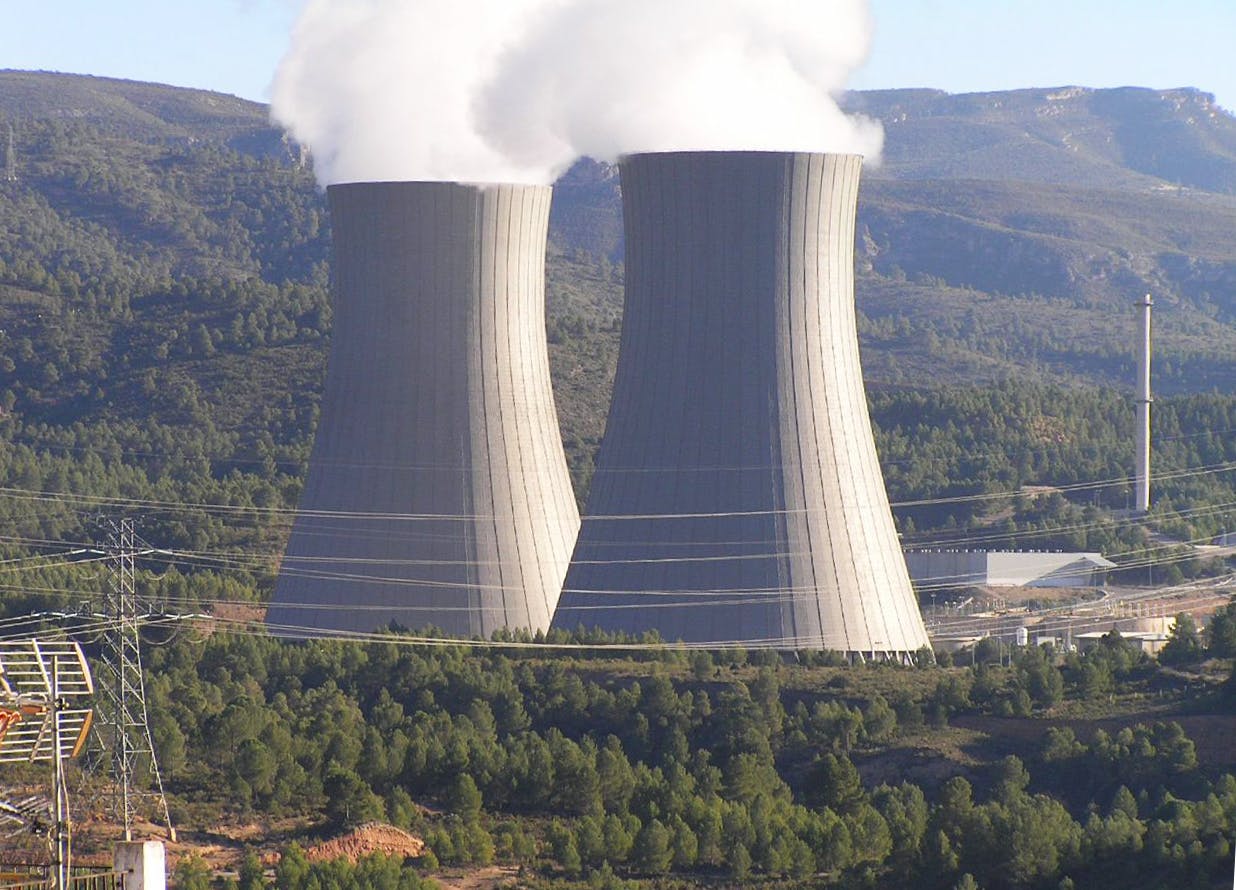
7 reasons why nuclear energy is not the answer to solve climate change

Cofrentes Nuclear Power Plant located about 2 kilometers southeast of Cofrentes, Spain
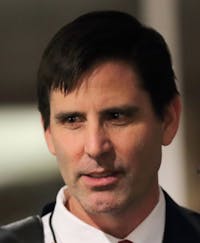
Mark Z. Jacobson

Mark Z. Jacobson

Professor of Civil and Environmental Engineering, Director, Atmosphere/Energy Program, Stanford University   

oneearth – There is a small group of scientists that have proposed replacing 100% of the world’s fossil fuel power plants with nuclear reactors as a way to solve climate change. Many others propose nuclear grow to satisfy up to 20 percent of all our energy (not just electricity) needs. They advocate that nuclear is a “clean” carbon-free source of power, but they don’t look at the human impacts of these scenarios. Let’s do the math…

Tiếp tục đọc “7 reasons why nuclear energy is not the answer to solve climate change” →

Council on Foreign Relations – Daily news brief Oct. 10, 2022

Top of the Agenda

Russian Missiles Strike Across Ukraine Following Bridge Attack

Russia launched (FT) its most extensive air strikes on Ukraine in months after a Russian bridge was bombed over the weekend. At least ten people were killed across Ukraine, including at least five people in the capital, Kyiv. Russian President Vladimir Putin called the strikes a retaliation for Ukraine’s “terrorist attack” on a bridge linking Russia to Crimea, the Ukrainian peninsula Moscow annexed in 2014. Ukraine has not claimed responsibility for the bridge attack.  The Russian strikes hit at least ten Ukrainian cities, targeting infrastructure and civilian areas. North Atlantic Treaty Organization (NATO) Secretary-General Jens Stoltenberg called the attacks (Reuters) “horrific and indiscriminate.” Meanwhile, Belarusian President Alexander Lukashenko said he ordered troops to deploy (Reuters) alongside Russian fighters near Ukraine.
Tiếp tục đọc “Council on Foreign Relations – Daily news brief Oct. 10, 2022” →

Jostling for jobs in South Korea, Vietnamese workers step on each other’s toes

VNE – By Kim Ngan   October 3, 2022 | 08:02 am GMT+7

Jostling for jobs in South Korea, Vietnamese workers step on each other's toes

Vietnamese laborers attend a meeting in Hanoi where they are prepared for working in South Korea, July 21, 2022. Photo by VnExpress/Hong ChieuBoth Hai in the northern-central Ha Tinh Province and Thang in Hanoi have the same dream: to go to South Korea to work.

But Thang is trying to achieve what he wants at Hai’s expense.

Hai is waiting anxiously for the South Korean government to lift its ban on workers from his home district, Cam Xuyen.

Cam Xuyen is one of eight districts in Vietnam whose residents cannot enter South Korea until the end of 2022.

Seoul slapped the bans after discovering many people from these districts are working illegally in South Korea.

Tiếp tục đọc “Jostling for jobs in South Korea, Vietnamese workers step on each other’s toes” →

Sapa: thấy dự án, không thấy giang sơn

 NĐT – 03:34 | Thứ bảy, 24/02/2018 0

Anh lái xe nghêu ngao hát: “Dù có đi bốn phương trời, mà vẫn ngỡ đang ở Nhổn…” lúc chúng tôi chạy tránh thị trấn Sapa để vượt đèo Ô Quy Hồ sang Bình Lư đi Sìn Hồ (Lai Châu). Không chỉ chúng tôi, những người từng yêu Sapa nay đều hầu như không còn ai muốn chui vào “đống bê tông lổn nhổn” ấy nữa, dù nó ngay trước mặt.

Nếu lấy mốc 1897 chính quyền Pháp mở cuộc điều tra dân số đầu tiên về các tộc người vùng núi cao, từ đó Sapa được phát hiện, tính đến nay tròn 120 năm. Tôi lên đó đầu những năm 90 thế kỷ trước, rồi còn vài lần nữa, nhưng không sao nhớ nổi chuyện mỗi lần, hơn 30 năm rồi còn gì.

Sapa có ba giá trị lớn: khí hậu, cảnh quan và cuộc sống người thiểu số. Ảnh: Thanh Vy

Tiếp tục đọc “Sapa: thấy dự án, không thấy giang sơn” →

How Russian timber bypasses U.S. sanctions by way of Vietnam

A new report says Russian birch wood is routed through Asia before being shipped to American stores

By Michael Tatarski

October 1, 2022 at 2:00 a.m. EDT Ư=WashingtonPost

HO CHI MINH CITY, Vietnam — Russian birch wood has continued to flow to American consumers, disguised as Asian products, despite U.S. economic sanctions imposed on Russia over its invasion of Ukraine, a new report says.

Are you on Telegram? Subscribe to our channel for the latest updates on Russia’s war in Ukraine.

The Environmental Investigation Agency (EIA), a nonprofit watchdog group based in Britain, has found that most birch products currently being exported from Vietnam to the United States originate in Russia. According to Vietnam customs data, roughly 40,000 cubic meters of birch wood is transported every month from Russia andChina into Vietnam, where it’s assembled into furniture and plywood.

Tiếp tục đọc “How Russian timber bypasses U.S. sanctions by way of Vietnam” →

Việt Nam trên đường đến thịnh vượng, đào đâu ra lao động trình độ cao?

Hiệu Minh –

Chủ Nhật, 11/09/2022

(KTSG) – Năm 2016 tôi đi 10 ngày thăm Trường Sa trên con tàu hiện đại KN490. Rỗi việc tôi hay lê la nói chuyện với mấy anh kỹ thuật trên tàu. Biết tôi thạo tiếng Anh và IT, các anh hỏi có thể giúp đọc menu của máy lạnh to đùng trên tàu, chứa rau và thịt cho 200 người ăn cả chục ngày, hay không. Chả hiểu sao ai động vào phím điều khiển nào đó làm cho máy lạnh tạo đá và tuyết đọng trong khi rau ở giữa khoang không có khí lạnh… Từ đó, tôi nghĩ mãi về lao động trình độ cao của xứ mình.

Hàng triệu người bôn ba khắp nơi, dù chịu khó làm ăn nhưng ngoại ngữ yếu, giao tiếp và khả năng suy luận còn hạn chế do khi học trong trường ít được tranh luận… nên thường chỉ làm công việc làng nhàng. Đó là chưa kể những khu công nghiệp với những nhà máy hiện đại mọc lên ngày càng nhiều, nhưng công nhân chẳng học được bao nhiêu, chỉ biết lắp ráp như robot.

Tiếp tục đọc “Việt Nam trên đường đến thịnh vượng, đào đâu ra lao động trình độ cao?” →

Thế giới khan hiếm năng lượng, Việt Nam kiếm tỉ USD nhờ viên nén gỗ

Chí Nhân 

12:01 – 27/09/2022   THANH NIÊN ONLINE

Mùa đông đang đến gần nhưng tình trạng khan hiếm năng lượng ở nhiều nước trên thế giới vẫn đang căng thẳng. Điều này giúp xuất khẩu sản phẩm viên nén gỗ Việt Nam hưởng lợi và tương lai có thể trở thành sản phẩm xuất khẩu tỉ USD.

Theo Tổng cục Lâm nghiệp (Bộ NN-PTNT), tính chung 8 tháng đầu năm 2022, giá trị xuất khẩu gỗ và sản phẩm gỗ ước tính đạt 11 tỉ USD, tăng 6,2% so với cùng kỳ năm 2021. Trong đó, xuất khẩu sản phẩm gỗ ước đạt 7,8 tỉ USD, giảm 3% so với cùng kỳ năm 2021. Riêng mặt hàng viên nén và dăm gỗ chớp được thời cơ khi EU, Nhật Bản và một số nước châu Á tìm kiếm nguồn nguyên liệu thay thế cho khí đốt. Giá viên nén, dăm gỗ đã tăng 150 – 200%, bù đắp cho sự sụt giảm của xuất khẩu gỗ và sản phẩm từ gỗ.

Thế giới khan hiếm năng lượng, Việt Nam kiếm tỉ USD nhờ viên nén gỗ - ảnh 1
Viên nén gỗ có tiềm năng lọt vào nhóm các mặt hàng nông lâm sản xuất khẩu có kim ngạch xuất khẩu trên 1 tỉ USDT.L

Tiếp tục đọc “Thế giới khan hiếm năng lượng, Việt Nam kiếm tỉ USD nhờ viên nén gỗ” →

Council on Foreign Relations – Daily news brief Oct. 7, 2022

Top of the Agenda

Human Rights Advocates From Belarus, Russia, and Ukraine Win Nobel Peace Prize

This year’s Nobel Peace Prize was awarded (AP) to jailed Belarusian rights activist Ales Bialiatski, the Russian rights group Memorial, and the Ukrainian rights group Center for Civil Liberties. Norwegian Nobel Committee Chair Berit Reiss-Andersen celebrated their work toward anti-militarism, the rule of law, and “peace and fraternity between nations.” Bialiatski founded the human rights organization Viasna and was jailed without trial following his participation in the 2020 protests against the reelection of Belarusian President Alexander Lukashenko. A Russian court shut down Memorial in December, and the Center for Civil Liberties has worked to document Russian war crimes against Ukrainian civilians. While Reiss-Andersen said the prize is not intended to send a message to Russian President Vladimir Putin, it is seen as an implicit rebuke of Russia’s continued onslaught on Ukraine (Reuters). 
Tiếp tục đọc “Council on Foreign Relations – Daily news brief Oct. 7, 2022” →

The Emperor is Wearing No Clothes: Beyond Hydrocarbons in the South China Sea


asiapacific.ca

Published:October 3, 2022 – Author: Tabitha Grace Mallory

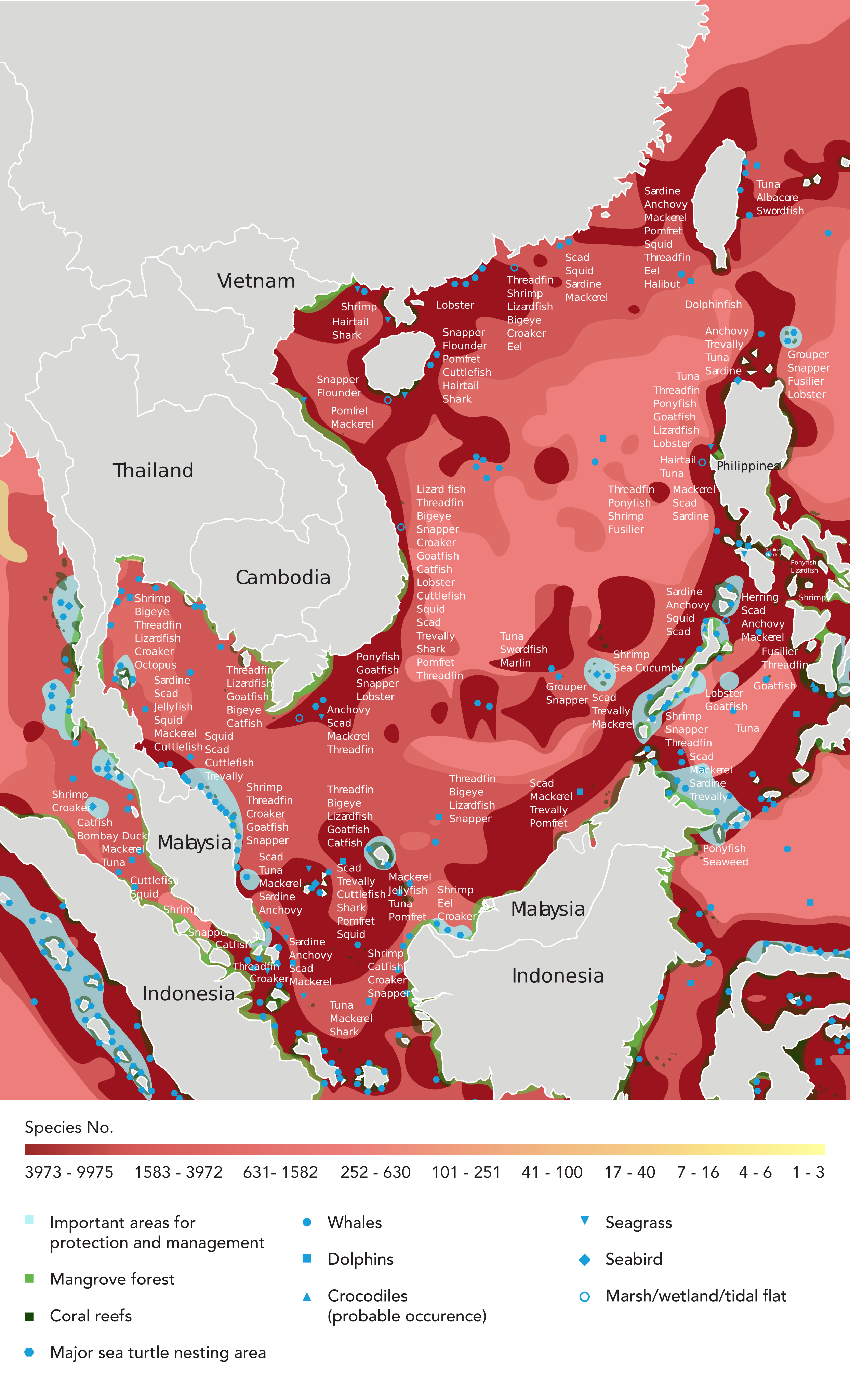
Feature Map: Biodiversity in the South China Sea

Read the full report

We need only call to mind the first half of 2022 for an array of the extreme, energy-related global challenges we all face. Around the world, local versions of climate change effects—the temperatures, wildfires, droughts, storms, flooding—underscore how important it is for us to transition away from our overdependence on fossil fuels. And our energy sources don’t just have environmental implications but security ones as well. The Russian invasion of Ukraine is the latest rendition of the resource curse. At the heart of it all, fossil fuels are what enabled and amplified the murderous narcissism we see in Vladimir Putin and created a country with an unbalanced and unhealthy domestic economy able to profoundly destabilize energy flows and prices around the world.

The South China Sea (SCS) brings together its own assortment of these complex challenges and factors. Competing security concerns, resource needs, and nationalisms shape the motivations of the claimants. Much of the attention and conflict has centred on the oil and gas in the seabed. Estimates of SCS hydrocarbon volumes vary; only some of these resources are proven reserves that have been confirmed and measured, and are actually recoverable. But even in more generous assessments, the SCS only provides us with a small percentage of the global total of oil and gas reserves, and even less of the overall energy mix if we include non-fossil-fuel energy sources.

Beyond hydrocarbons, in a two-way tie with the adjacent Coral Triangle, the SCS has the highest level of marine biodiversity in the world. SCS fisheries feed and employ millions of people in the region. It’s true that conflict over these living marine resources also drives the territorial disputes in the region, and a wide variety of human activity degrades the SCS ecosystem. Yet drilling for hydrocarbons in the SCS threatens this vulnerable marine habitat even more, while also clearly contributing to geopolitical and security tensions in the region—and to climate change.

Given how destabilizing oil and gas pursuits have been for the SCS since the 1970s, we might ask ourselves whether we want to keep drilling for fossil fuels there. Do the costs and risks outweigh the benefits?

Download this 21-page report (button above) from Dr. Tabitha Grace Mallory, an inaugural John H. McArthur Research Fellow, an initiative of the Asia Pacific Foundation of Canada, and the Founder of China Ocean Institute and Affiliate Professor, Jackson School of International Studies, University of Washington.

Below, explore the rich marine biodiversity of the South China Sea, one of the most hotly-contested maritime jurisdictions on the planet, in this original map created by the author and APF Canada graphic designer Chloe Fenemore, based on historical and contemporary maps cited in the full report.

Feature Map: Biodiversity in the South China Sea

https://www.asiapacific.ca/sites/default/files/Map%20of%20Biodiversity%20in%20the%20SCS.svg

Tabitha Grace Mallory

Tabitha Grace Mallory is the Founder of China Ocean Institute and Affiliate Professor, Jackson School of International Studies, University of Washington. Dr. Mallory specializes in Chinese foreign and environmental policy. She conducts research on China and global ocean governance and has published work on China’s fisheries and oceans policy.

Dr. Mallory is an inaugural John H. McArthur Research Fellow, an initiative of the Asia Pacific Foundation of Canada launched in 2021 to provide research opportunities for exceptional, mid-career scholars who are working on programs and research areas with direct relevance to Canada and Canada’s interests in Asia.

Nhiều cuộc biểu tình đòi các nước giàu bồi thường gây biến đổi khí hậu trước thềm COP27

Báo Pháp luật TP.HCM – 26/09/2022

Các cuộc biểu tình đòi những nước giàu bồi thường gây biến đổi khí hậu đã được tổ chức tại 450 địa điểm trên toàn thế giới trước thềm COP27.

Ngày 23-9, các nhà hoạt động trẻ vì khí hậu đã tổ chức cuộc biểu tình tại 450 địa điểm trên toàn thế giới để thể hiện sự quan ngại của họ về tác động nóng lên toàn cầu và yêu cầu tăng viện trợ cho các nước nghèo chịu hậu quả của biến đổi khí hậu, theo hãng tin AP.

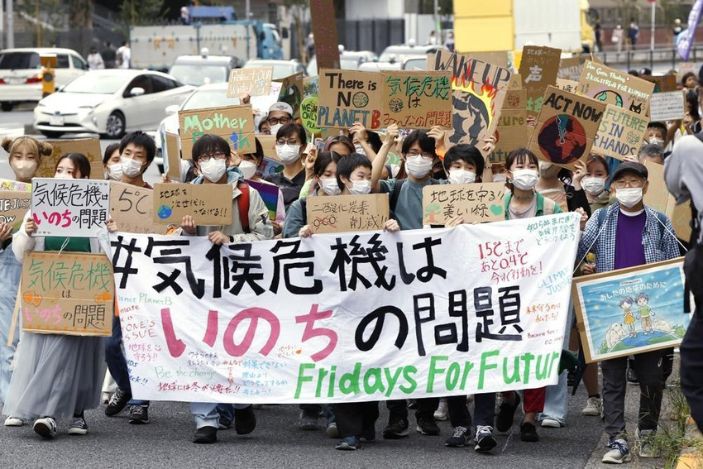
Những người biểu tình tập trung tại các tuyến đường ở những thành phố lớn như: Jakarta (Indonesia), Tokyo (Nhật), Rome (Ý), Berlin (Đức)… mang theo biểu ngữ và áp phích với các khẩu hiệu như “Chúng tôi lo lắng về cuộc khủng hoảng khí hậu”, “Vẫn chưa phải là quá muộn”,…

Các cuộc biểu tình trên được tổ chức bởi phong trào thanh niên “Ngày thứ Sáu vì tương lai” (Fridays for Future), lấy ý tưởng ​​từ nhà hoạt động môi trường trẻ tuổi người Thụy Điển – cô Greta Thunberg.

Cuộc biểu tình về khí hậu ở thủ đô Tokyo (Nhật) ngày 23-9, người biểu tình cầm biểu ngữ với nội dung “Khủng hoảng khí hậu và vấn đề sống còn”. Ảnh: AP

Tiếp tục đọc “Nhiều cuộc biểu tình đòi các nước giàu bồi thường gây biến đổi khí hậu trước thềm COP27” →

Climate change: how economists underestimated benefits of action for decades

theconversation.com

The costs of doing nothing vastly outweigh the costs of decarbonising a global economy which, since the Industrial Revolution, has been powered by fossil fuels. That may seem self-evident today, when catastrophic fires and floods offer daily reminders of how expensive continued inaction on climate change is. But 15 years ago, that insight was ground-breaking.

The 2006 Stern Review on the Economics of Climate Change, for which I was a senior economist, was the first time a G7 government had used economic analysis to spell out the case for urgently reducing greenhouse gas emissions. A decade and a half on, its conclusions and recommendations are as valid as ever.

Tiếp tục đọc “Climate change: how economists underestimated benefits of action for decades“ →