Hue’s silent memorial

Chuck Searcy: The article below is from Mark Bowyer’s blog — Mark who keeps a steady stream of cultural, historical, and anecdotal information flowing about Viet Nam today and in the past through his Rusty Compass travel guide.

Bowyer published this piece in 2009, it was forwarded yesterday by Manus Campbell on Veterans Day. It seems appropriate to pass along this somewhat obscure and unnoticed bit of Vietnamese history which Mark has investigated, information that he shares below, since it’s related to World War I and Vietnamese soldiers who died fighting with the allies in that conflict, which came to a bloody end in 1918.

(Insertion here: That war ended on Nov. 11th, 1918 at 11:00 a.m. on the 11th day of the 11th month, a day that was called Armistice Day to capture the worldwide sentiment that future wars should be avoided at all cost, and peace should ever replace war. The U.S. Congress changed Armistice Day to “Veterans Day” which many veterans appreciated, but since peace has remaind so elusive for the past hundred years there are many veterans — and I have joined those ranks now — advocating a return to the original name, Armistice Day, along with a commitment to peace and a pledge to not create any more veterans in perpetual wars that are unjustified, unnecessary, and which leave heartbreak, devastation, and instability behind. Viet Nam is a tragic example, though thankfully the country has undergone an impressive recovery during the past three decades.)

I have seen the monument in Huế many times, the one across from the Quốc Học National Huế High School facing the Perfume River, the famous school which graduated a number of notable revolutionaries including Hò Chí Minh. I had always passed the monument by with little notice, assuming it was another relic of the Nguyễn family’s royal rule, Việt Nam’s last imperial dynasty who were enthroned in the famous Citadel across the river. (The Citadel is remembered by most Americans more for the 1968 Tết Offensive than for the dynastic heritage of the site.)

It turns out the monument’s history, described below, is much more recent yet it is likely unknown by most Vietnamese and foreigners.

CS

Hue’s silent memorial

World War I monument, Hue Vietnam

By Mark Bowyer
0 Comment
25 Jun 2009

Not surprisingly, Vietnam is a nation of war memorials. What is surprising though is that Vietnam probably has fewer memorials than many countries that have suffered far less in war. On the banks of the Perfume River in the old imperial capital of Hue stands an unusual war memorial — and one that misses the upkeep and attention of the others. Tiếp tục đọc “Hue’s silent memorial”

Ngôi chùa kiến trúc Angkor đẹp bậc nhất ở Bạc Liêu

VNE – Thứ ba, 9/10/2018, 16:03 (GMT+7)

Chùa Xiêm Cán mang lối kiến trúc Angkor, là công trình tôn giáo độc đáo của vùng Nam Bộ.

Chùa Xiêm Cán là quần thể kiến trúc tôn giáo cổ và lớn bậc nhất khu vực đồng bằng sông Cửu Long. Chùa cách trung tâm thị xã Bạc Liêu khoảng 7 km về phía đông nam. Trong tiếng Khmer, chùa Xiêm Cán có nghĩa là “Sông sâu” (Kouphir Sakor Prekchrou).
Ngôi chùa kiến trúc Angkor đẹp bậc nhất ở Bạc Liêu

Khuôn viên chùa rộng hơn 4 ha, bao quanh là tường rào chạm khắc Rắn thần và nhiều hoa văn rực rỡ. Đây là ngôi chùa Phật giáo tiểu thừa được xây dựng theo lối kiến trúc Angkor đặc trưng của người Campuchia. Chánh điện của chùa thường quay về hướng đông vì người Khmer tin rằng con đường tu hành của Phật đi từ Tây sang Đông. Tiếp tục đọc “Ngôi chùa kiến trúc Angkor đẹp bậc nhất ở Bạc Liêu”

Bên trong ngôi nhà Xanh Liên Hợp Quốc tại Việt Nam được giải thưởng công trình xanh thế giới

 09:40 | 12/09/2018

Tiêu Dùng + Ngôi nhà Xanh LHQ (GOUNH) tại Việt Nam vừa được nhận Giải thưởng Công trình Xanh khu vực Châu Á-Thái Bình Dương. Vậy ngôi nhà này có gì đặc biệt?

Ngôi nhà Xanh LHQ (GOUNH) tại Việt Nam đã được nhận giải thưởng Lãnh đạo trong Thiết kế và Vận hành Bền vững, hạng mục dành cho trụ sở của tổ chức, do Hội đồng Công trình Xanh Thế giới (WorldGBC) trao tặng trong Lễ trao Giải thưởng Công trình Xanh khu vực Châu Á-Thái Bình Dương diễn ra tại Singapore hôm 6/9 vừa qua.

Tiếp tục đọc “Bên trong ngôi nhà Xanh Liên Hợp Quốc tại Việt Nam được giải thưởng công trình xanh thế giới”

Lay lắt thành cổ

SGGP 

Chưa có ngôi thành cổ nào ở Bình Định trải qua nhiều biến cố và thăng trầm như Thành Hoàng Đế. Có đoạn, tưởng như hàng trăm hécta thành cổ bị bụi đất vùi lấp, lãng quên; có lúc, dư luận bất bình khi nhìn di tích thành cổ bị bán cho doanh nghiệp kinh doanh…

Lay lắt thành cổ ảnh 1
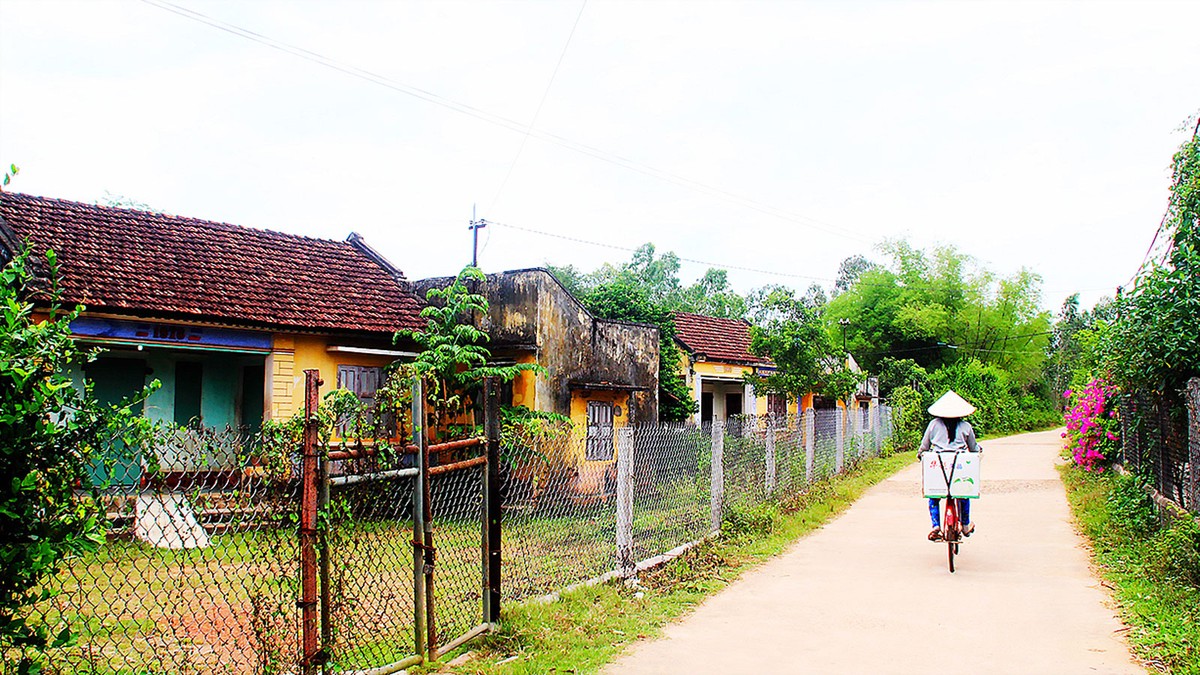
Những ngôi nhà đã xây dựng cách đây 50 năm nhưng không được sửa chữa, xây mới do vướng… di tích

Tiếp tục đọc “Lay lắt thành cổ”

Công trình Hiệu quả Năng lượng – Góc nhìn toàn diện: Thiết kế – Xây dựng – Vận hành

tapchikientruc.com.vn

Công trình cần được Thiết kế – Xây dựng – Vận hành như thế nào để đảm bảo tối ưu hóa tiện nghi cho người sử dụng trong khi vẫn hiệu quả về sử dụng tài nguyên (năng lượng, nước, vật liệu….) và giảm tác động đến môi trường? Điều này đòi hỏi sự tham gia của tất cả các bên ngay từ giai đoạn ban đầu trong quá trình hình thành đến khi kết thúc các dự án xây dựng.

Bộ Quy chuẩn Kỹ thuật Quốc gia về Công trình Hiệu quả năng lượng (QCVN 09:2017/BXD) do Bộ Xây dựng  ban hành năm 2018 là phiên bản cập nhật của QCVN 09:2013/BXD do thực trạng áp dụng những năm vừa qua còn ở mức rất thấp. Song song cập nhật, điều chỉnh trong hành lang pháp lý từ phía cơ quan nhà nước, mỗi dự án xây dựng cần có sự tham gia từ tất cả các bên tham gia (đơn vị đầu tư, nhà thầu, tư vấn, thi công xây dựng, vận hành….) ngay từ khâu hoạch địch mục tiêu bền vững cho đến khi thiết kế, vận hành và kết thúc vòng đời công trình để đạt được tiêu chí bền vững, hiệu quả năng lượng và tài nguyên. Tiếp tục đọc “Công trình Hiệu quả Năng lượng – Góc nhìn toàn diện: Thiết kế – Xây dựng – Vận hành”

Vẻ đẹp của ngôi đình 300 năm tuổi trước ngày bị ‘bức tử’

TPOTrước ngày bị chính quyền xã trùng tu bằng cách phá bỏ hoàn toàn, xây dựng mới bằng bê tông, biến một di tích có tuổi đời ngót nghét 3 thế kỷ thành một công trình… 1 ngày tuổi, công trình có niên đại ngót nghét 300 năm tuổi tại Lương Xá, xã Liên Bạt, huyện Ứng Hòa, Hà Nội, mang đậm dấu ấn kiến trúc thời Lê Trung Hưng được đánh giá có giá trị rất cao về mặt lịch sử và văn hoá.

Vẻ đẹp của ngôi đình 300 năm tuổi trước ngày bị 'bức tử'

Tiếp tục đọc “Vẻ đẹp của ngôi đình 300 năm tuổi trước ngày bị ‘bức tử’”

“Văn minh, hiện đại, nghĩa tình” – sao cứ phải “xóa sạch, giải tỏa trắng”?

NĐT – 12:07 | Thứ sáu, 06/07/2018 1

Như một nỗi ám ảnh, nhắc đến Thủ Thiêm là người ta nhớ đến câu “xóa sạch, giải tỏa trắng” đau đớn bật ra từ miệng những người dân bị giải tỏa, mất đất ở đây. Xây dựng đô thị mới, đồng ý. Nhưng sao cứ phải “xóa sạch, giải tỏa trắng” từ nhà dân tới đình, chùa, nhà thờ, tu viện? Tư duy đó ở đâu ra? Đằng sau nó là gì?
Một biển tuyên truyền cổ động ở quận 2. Nội dung tuyên truyền là vậy nhưng đối lập là cảnh đông đảo người dân ở dự án khu đô thị mới Thủ Thiêm cũng như các dự án gần đó gần 20 năm qua phải lặn lội khiếu kiện đất đai ra tận Trung ương mà chưa được giải quyết. Ảnh minh hoạ

Cứu lấy cái đẹp hiền hòa và khiêm nhường

NDT – 11:01 | Thứ ba, 05/06/2018

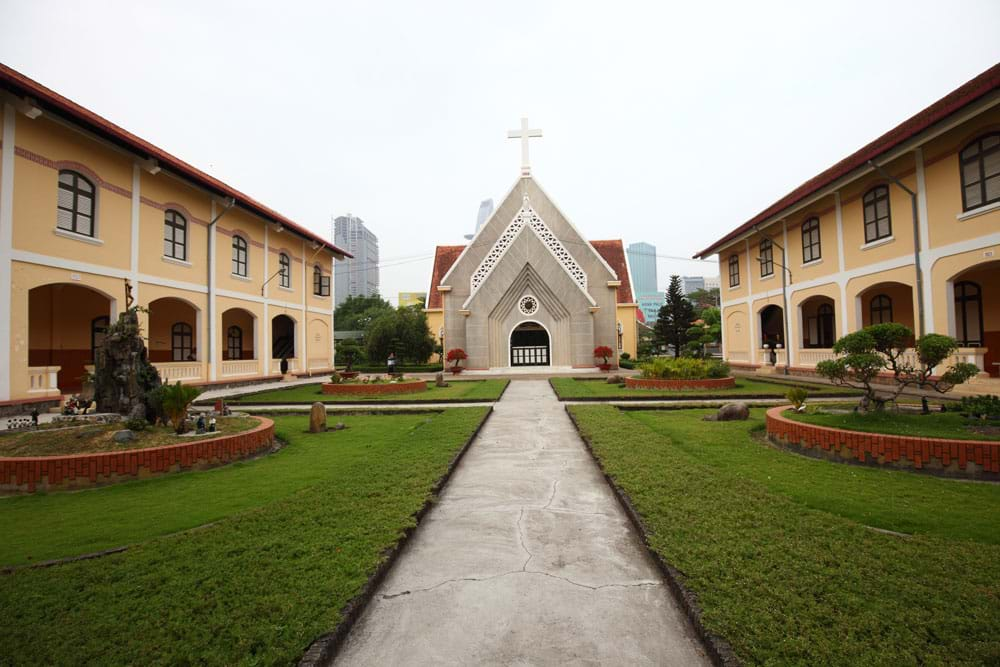
Những thông tin về nguy cơ nhà thờ và tu viện Dòng Mến Thánh Giá Thủ Thiêm bị đập bỏ để nhường chỗ cho những công trình xây dựng khu đô thị mới Thủ Thiêm khiến tôi tìm xem lại những hình ảnh về nhà thờ và tu viện nữ này. Xem rồi, bỗng nhận ra cái đẹp lạ lùng của tu viện.


Nhà nguyện và hai dãy nhà tập của Hội Dòng Mến Thánh Giá Thủ Thiêm. Ảnh: Quý Hòa Tiếp tục đọc “Cứu lấy cái đẹp hiền hòa và khiêm nhường”

La folie des grandeurs

vietnamnews Update: May, 06/2018 – 09:00
Painting of West Lake by Hanoi-based artist George Burchett.

by George Burchett*

Around the time Admiral Charles Rigault de Genouilly (1807-1873), under the orders of Emperor Napoleon III, fired the first canon shots of the Cochinchina campaign (1858-1862) to lay claim to what would become France’s colony of Indochina, Paris embarked on an epic renovation project directed by Baron Georges-Eugène Haussmann, also under the Emperor’s orders. The plan was to modernise Paris and get rid of insalubrious slums – breeding ground for diseases as well as popular discontent.  No doubt rich plunder from the colonies helped fund this – largely successful – imperial enterprise. Tiếp tục đọc “La folie des grandeurs”

Hội thảo Kiến trúc bền vững, Hà Nội 27.3.2018

Mình (Hằng) sẽ có mặt ở hội thảo, mong gặp các bạn và trao đổi tại hội thảo 


HỘI THẢO KIẾN TRÚC BỀN VỮNG, Hà Nội 27.3.2018

Trình diễn Mô phỏng công trình cho thiết kế trường học Điếc & Khiếm thính & Chia sẻ kinh nghiệm từ CHLB Đức

Nằm trong khuôn khổ của Chương trình Kiến trúc Bền vững – Trao đổi kiến thức về Ứng dụng Mô phỏng Hiệu năng công trình xây dựng giữa Việt Nam và CHLB Đức, Hội thảo Kiến trúc Bền vững được tổ chức nhằm chia sẻ nền tảng quan điểm, kinh nghiệm về kiến trúc bền vững từ chuyên gia kĩ sư khí hậu người đến từ CHLB Đức và Việt Nam.

Các hoạt động chính tại hội thảo bao gồm:

– Tham quan triển lãm thiết kế trường học Điếc & Khiếm thính và lắng nghe trình bày các kết quả mô phỏng hiệu năng công trình; – Giao lưu và thảo luận mở giữa các cá nhân, tổ chức quan tâm tới mô phỏng hiệu năng công trình và kĩ sư khí hậu đến từ hai quốc gia.

Thời gian: 13:30 – 17:00 thứ Ba ngày 27 tháng 03 năm 2018
Địa điểm: Phòng U204, tầng 2, nhà U, Trường ĐH Kiến trúc Hà Nội, Km 10, Nguyễn Trãi, Hà Đông, Hà Nội

DIỄN GIẢ HỘI THẢO KIẾN

Giáo sư Volkmar Bleicher với hơn 20 năm kinh nghiệm về mô phỏng hiệu năng công trình là CEO tập đoàn Transsolar – nằm trong danh sách các công ty hàng đầu thế giới về kỹ thuật công trình thích ứng khí hậu. Đồng thời ông là giáo sư giảng dạy tại ĐH Khoa học Ứng dụng HFT Stuttgart, CHLB Đức.
Tại Hội thảo Kiến trúc Bền vững diễn ra vào chiều thứ Ba ngày 27/03 sắp tới, Giáo sư sẽ chia sẻ những nền tảng quan điểm, kinh nghiệm về kĩ sư khí hậu và mô phỏng hiệu năng công trình xây dựng.

Nếu bạn muốn đăng ký tham gia hội thảo, hãy liên hệ hòm thư:
een.vn.vsse@gmail.com hoặc hotline: 024 6655 3445


A 170-year-old pagoda in HCM City

Last update 09:00 | 13/01/2018

Lying at the foot of Chanh Hung Bridge in District 8, HCMC, An Phu Pagoda with a history of more than 170 years is frequented by foreign tourists who want to explore its ancient and unique architecture.

Its history dates back to Nguyen Dynasty which ruled the country from 1802 until 1945. Construction of the pagoda was completed in 1847 by Venerable Thich Thanh Duc under the reign of King Tu Duc.

Due to the deteriorating structures, the pagoda underwent restoration in 1961 under Master Monk of Thich Tu Bach. Restoration work lasted until 2004.

One of the features of the pagoda that all wall surfaces and columns for the both exterior and interior are stunningly decorated with nearly 30 tons of broken porcelain pieces, including chipped plates, bowls and vases, making it the only porcelain pagoda in HCMC. Tiếp tục đọc “A 170-year-old pagoda in HCM City”

Ancient Chuong pagoda

Last update 23:26 | 17/12/2017

Chuong (Bell) pagoda in Nhan Duc village, Hung Yen province, guards a number of precious historical relics. It is part of the Pho Hien Special National Relic Site.

Built in the 15th century, Chuong pagoda has been upgraded twice, in 1702 and in 1711.

Tour guide Nguyen Thu Lien explains why the pagoda is often called Golden Bell Pagoda: “Legends say that in a huge flood thousands of years ago, a wood plank drifted to the region carrying a golden bell. Nhan Duc residents tried to bring the bell ashore but it wouldn’t move. When the monks of the pagoda came, they managed to bring the bell to the pagoda.” Tiếp tục đọc “Ancient Chuong pagoda”

Xich Dang Temple of Literature

Last update 15:16 | 11/12/2017

Built in 1832 in Xich Dang village, Hung Yen province, Xich Dang Temple of Literature hosted examinations and ceremonies to honor outstanding Confucians during feudal times.

It is one of 6 temples of literature that still exist today and the second oldest after the Temple of Literature in Hanoi. Thu Hoa has a story about this national cultural and historical relic.

Visiting Xich Dang Temple of Literature on a sunny day, Dao Thanh Thuy, who has lived in Germany for nearly 20 years, recalls her childhood memory: “We were born in Hanoi. My grandparents lived in Xich Dang village. When we visited them, we often climbed trees and over the gate of the temple and played around the bells. Previously, local people weaved mattresses here. The temple has been upgraded but its ancient beauty remains.” Tiếp tục đọc “Xich Dang Temple of Literature”

The architecture of resilience

Published on Monday, 04 December 2017

View of Chandigarh High Court from Secretariat. Photo by Eduardo Guiot.

ADB.org_Southern Meghalaya in far northeastern India is one of the wettest places on Earth, crisscrossed by fast-flowing rivers and mountain streams. Here bridges aren’t built – they’re grown, ensuring connectivity in a remote area.

Local tribes identified a species of Indian rubber tree with an incredibly strong root system that flourishes in this region. The roots of the ficus elastic grow on huge boulders along the riverbanks, or even in the middle of the rivers.

To make the roots grow in the right direction, local tribes use different techniques from simply pulling the roots to tying or twisting them, until over time the roots formed the desired architectural structure.

Root bridges, also used in Indonesia, are a great example of how green infrastructure can provide alternative solutions to deliver sustainable connectivity. The normal course in Meghalaya would have been a bridge, but that would have been difficult and expensive in such areas.

  Green infrastructure not yet core part of urban infrastructure planning

Unfortunately, this approach is the exception rather than the rule. Green infrastructure today falls short of being a part of urban infrastructure core planning and asset inventory. It lacks provisions for long-term maintenance and management, as is done for other essential services.

When I studied architecture and urban planning in Chandigarh, an Indian city designed in 1966 by the famous Swiss-French architect Le Corbusier, I realized that cities are like people. They have interlinked systems with dependencies on nature – land, air, and water. Tiếp tục đọc “The architecture of resilience”

Young architect shows her love for mountain people

Update: November, 26/2017 – 09:00
Busy: Besides building schools, domitaries, Nabe.Arc also organises community events for mountain children.

Viet Nam News Hồng Vân

Old, makeshift dormitories for ethnic students in the northern mountains were sometimes made by putting timber panels together. Now, these shacks are being replaced with stable buildings, made with solid construction materials – and love. The love comes from Lê Thu Huyền, the founder of  a four-year-old project called Nabe.Arc (Natural Beauty in Architecture).

The new dormitories are built on the campus of the few schools available, often behind or next to the classrooms. They have bunk beds and kitchens where students living far away can stay free of charge. New schools are also being built by Nabe.Arc. Tiếp tục đọc “Young architect shows her love for mountain people”