- Saigoneer
- Published on Monday, 18 June 2018 17:00
- Written by Khanh Tran. Top photo by Kevin Lee.
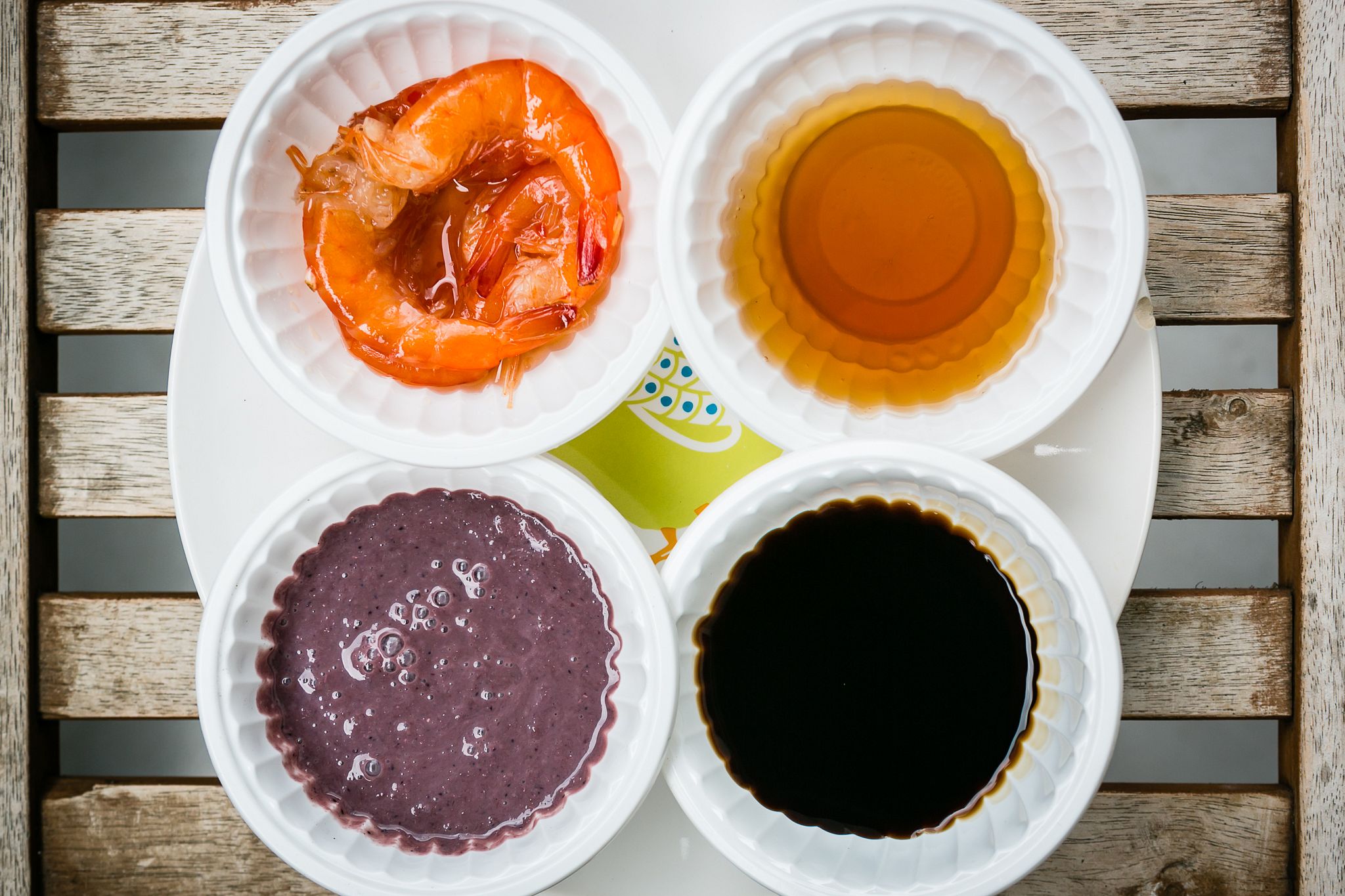
It is a well-known fact among Vietnamese that their home country has a rich portfolio of fermented food, from mắm chua (pickled shrimp) to mắm tôm (shrimp paste). Here is a comprehensive look into not only these funky condiments’ history, taste and production, but also the emerging food science behind them.
For thousands of years, Vietnamese cuisine has taken great pride in its arsenal of preserved foodstuffs. Indeed, the category constitutes some of the most essential elements of Vietnamese flavors — think nước tương (soy sauce), nước mắm (fish sauce) or mắm tôm (shrimp paste) — these are condiments that few dishes go without.
Nước Mắm (Fish Sauce)
Fish sauce is fiercely coveted by diners across Southeast Asia and even in smaller pockets across the continent as a whole. For example, in Japan it is known as shottsuru and widely used in nabemono, the nation’s version of a hotpot. Indeed, any self-confessed addict of Vietnamese cuisine must have a soft spot for the sauce. An iconic example was Anthony Bourdain imparting the flavors of Hanoian bún chả to former US President Barack Obama. It is incredibly versatile, useful to garnish any dish in its concentrated form and makes an exquisite broth on its own if diluted. Tiếp tục đọc “Shrimp Paste and Fish Sauce: A Brief Primer on Vietnam’s Dipping History” →




 Map
Map 

 CVD
CVD 