Viet Thanh Nguyen on 50 Years After Vietnam War

We mark 50 years since the end of the U.S. war on Vietnam with the acclaimed Vietnamese American writer Viet Thanh Nguyen. On April 30, 1975, North Vietnamese troops took control of the South Vietnamese capital of Saigon as video of U.S. personnel being airlifted out of the city were broadcast around the world. Some 3 million Vietnamese people were killed in the U.S. war, along with about 58,000 U.S. soldiers. Hundreds of thousands of Lao, Hmong and Cambodians also died, and the impact of the war is still being felt in Vietnam and the region.

Nguyen says while the Vietnam War was deeply divisive in the United States during the 1960s and ’70s, American interference in Southeast Asia goes back to President Woodrow Wilson in 1919, when he rejected Vietnamese demands for independence from France. “And from that mistake, we’ve had a series of mistakes over the past century, mostly revolving around the fact that the United States did not recognize Vietnamese self-determination,” says Nguyen.

We Are Here Because You Are There”: Viet Thanh Nguyen on How U.S. Foreign Policy Creates Refugees

Pulitzer Prize-winning Vietnamese American writer Viet Thanh Nguyen discusses why he chooses to use the term “refugee” in his books, and speaks about his own experience as a refugee. His new novel tells the story of a man who arrives in France as a refugee from Vietnam, and explores the main character’s questioning of ideology and different visions of liberation. Titled “The Committed,” the book is a sequel to “The Sympathizer,” which won the Pulitzer Prize for Fiction in 2016. Nguyen says his protagonist is “a man of two faces and two minds” whose ability to see beyond Cold War divisions makes him the perfect figure to satirize the facile stories people tell themselves about the world. “He’s always going beyond the surface binaries to look underneath.” Nguyen is the chair of English and professor of English and American studies and ethnicity at the University of Southern California. His other books include “The Refugees” and the edited collection “The Displaced: Refugee Writers on Refugee Lives.”

Viet Thanh Nguyen Interview: The Vietnam War Refugee Experience Behind The Sympathizer

Pulitzer Prize-winning author Viet Thanh Nguyen reflects on his childhood as a refugee in America, his writing career, and family: from the trauma of displacement to the healing found in fatherhood and literature. Nguyen shares how these experiences have shaped his life and work, from his novel The Sympathizer to his commentary on war, cultural identity, and American life.

00:00 Introduction to Viet Thanh Nguyen and The Sympathizer

00:49 Refugee journey, family separation, and overcoming trauma

03:43 Humor, cultural expectations, and Vietnamese Catholic roots 05:29 Cultural identity, rebellion, and hidden writing career

07:14 Family relationships, cultural silence, and lessons in parenting 09:35 Impact of fatherhood, learning from children, and rediscovering play

12:13 Art, personal identity, and American cultural values 14:49 Vietnamese American identity, racism, and vision for the future

17:27 Teaching about war, challenges of digital information overload

20:31 Apocalypse Now, self identity struggles, and power of storytelling

24:41 Vietnam War legacy, draft-era resistance vs. modern volunteer military

26:47 Family history, generational trauma, and refugee story from Vietnam

29:48 Writing, fatherhood, and healing

Vietnam: 50 Years of Forgetting

Al Jazeera English – 17-4-2025

The documentary, Vietnam: 50 Years of Forgetting, follows Vietnamese filmmaker Mai Huyen Chi as she sets out to trace the life and death of her grandfather, a war hero lost to history. What begins as a personal journey soon becomes a meditation on the burden of memory, the silence of survivors, and the complex legacies of war.

As she travels across Vietnam, collecting testimonies and fragments of remembrance, Chi is confronted with what has been left unspoken – in her family and in the fabric of a nation still shaped by conflict.

The film explores what it means to inherit a war you did not live through, and what is remembered when so much has been forgotten.

Letters from the great Frontline – Những Lá Thư Từ Tiền Tuyến Lớn

[See English translation below ]

Dưới đây mình chép lại một lá thư của liệt sĩ Đồng Thế Thức, gửi từ chiến trường (miền Nam) cho cha mẹ và gia đình ở miền Bắc trong thời gian kháng chiến chống Mỹ những năm 1970s.

Liệt sĩ Đồng Thế Thức là bác ruột của mình, bác là anh trai của mẹ. Bác Thức sinh năm 1942, lớn hơn mẹ 14 tuổi. Bác học xong cấp 3 là nhập ngũ. Theo mẹ kể lại, bác Thức hy sinh vào khoảng năm 1974 tại Tây Ninh. Bức thư này không ghi rõ ngày tháng, nhưng theo mẹ kể có lẽ bác viết tầm năm 1973. Trong thư bác nói về niềm tin ngày thống nhất đang rất gần rồi, “con sẽ trở về trên chuyến tàu Sài Gòn – Hà Nội”. Thêm nữa thời chiến, liên lạc rất khó khăn, cho nên có khi gửi thư cả vài năm mới đến được tay người nhà nên không biết chính xác thư viết khi nào. Đây là một bức thư hiếm hoi bác gửi về được tới gia đình trong những năm chiến đấu ở chiến trường miền Nam.

Lá thư này có đề địa chỉ là hòm thư. 86558YK – B11. Thời đó khi nói đến đi Bê (B) tức là đi vào chiến trường miền Nam. Từ năm 1960, các khu vực tác chiến quân sự có  tên gọi quy ước A là miền Bắc, B là miền Nam, C là Lào và Đ là Cam pu chia (sau đổi thành K). Tất cả cán bộ từ Bắc đi B đều phải đi theo những con đường tuyệt bí mật, không ai biết đường đi của ai. Hơn nữa, bác Thức đóng quân tại Tây Ninh, là nơi căn cứ của Trung Ương Cục Kháng Chiến Miền Nam, phải cực kỳ bí mật không thể biên thư tuỳ tiện để lộ tung tích. Những ai đi B là dù không nói, là biết không hẹn ngày trở về.

Trong thư có một số chữ bị mờ nhìn không còn rõ. Mình cố gắng chép lại để nguyên văn từng dấu chấm, phẩy, dấu cảm thán. Có một số câu đọc nghe có vẻ không hoàn chỉnh. Điều này có lẽ là do, như trong như bác nói, lá thư phải viết trong hoàn cảnh nhanh và rất vội để gửi cho người quen mang ra ngoài Bắc. Vì cơ hội này không hề dễ dàng gặp được trong chiến trường. Cho nên phải viết thật nhanh và vội, vì vậy có lẽ cũng rất nhiều hồi hộp và cảm xúc. 

Tiếp tục đọc “Letters from the great Frontline – Những Lá Thư Từ Tiền Tuyến Lớn”

Heaven & Earth (1993)

Wikipedia – Heaven & Earth is a 1993 American biographical war drama film written and directed by Oliver Stone, and starring Tommy Lee Jones, Haing S. Ngor, Joan Chen, and Hiep Thi Le. It is the third and final film in Stone’s Vietnam War trilogy, following Platoon (1986) and Born on the Fourth of July (1989).

The film was based on the books When Heaven and Earth Changed Places and Child of War, Woman of Peace, both authored by Le Ly Hayslip about her experiences during and after the Vietnam War. It received mixed reviews and performed poorly at the box office. Tiếp tục đọc “Heaven & Earth (1993)”

Tòa án buộc chính phủ Hàn Quốc bồi thường nạn nhân thảm sát Quảng Nam

VNE – Thứ sáu, 17/1/2025, 16:38 (GMT+7)

Tòa phúc thẩm Seoul giữ nguyên phán quyết, yêu cầu chính phủ bồi thường hơn 30 triệu won cho bà Nguyễn Thị Thanh mất gia đình trong vụ thảm sát Quảng Nam năm 1968.

Tòa án Trung tâm Quận Seoul trong phiên phúc thẩm hôm nay giữ nguyên phán quyết của tòa sơ thẩm, yêu cầu chính phủ Hàn Quốc bồi thường 30 triệu won (hơn 20.000 USD) và các khoản bồi thường thiệt hại do chậm trễ cho bà Nguyễn Thị Thanh, người mất gia đình trong vụ thảm sát do lữ đoàn thủy quân lục chiến số 2 của Hàn Quốc thực hiện hơn nửa thế kỷ trước.

Bà Thanh qua cuộc gọi video với những người ủng hộ bên ngoài tòa án ở Seoul, Hàn Quốc, ngày 17/1. Ảnh: Yonhap

Tiếp tục đọc “Tòa án buộc chính phủ Hàn Quốc bồi thường nạn nhân thảm sát Quảng Nam”

Giải mã cái chết của Lê Quang Tung và Hồ Tấn Quyền trong vụ đảo chính Ngô Đình Diệm (3 kỳ)

Bộ Tổng Tham mưu chế độ Sài Gòn năm 1972.

Giải mã cái chết của Lê Quang Tung và Hồ Tấn Quyền trong vụ đảo chính Ngô Đình Diệm

ANTG – Thứ Sáu, 17/03/2017, 16:45

Chính quyền ngụy tạo Việt Nam Cộng Hòa là những trang lịch sử hoen ố của đất nước. Vụ đảo chính Ngô Đình Diệm xảy ra tại Sài Gòn vào ngày 01-11-1963 càng làm vấy bẩn thêm cái chính quyền ô hợp, lai tạo bởi 2 chế độ ngoại xâm Mỹ – Pháp. Cuộc đảo chính này đã góp phần khẳng định chính quyền Việt Nam Cộng Hòa chỉ là một con cờ trong tay Mỹ.

Tiếp tục đọc “Giải mã cái chết của Lê Quang Tung và Hồ Tấn Quyền trong vụ đảo chính Ngô Đình Diệm (3 kỳ)”

Việt Nam tiếp tục hành trình đòi công lý cho các nạn nhân chất độc da cam/dioxin

Báo tin tức – Ngày đăng: 31/07/2024 – 11:37

“Mặc dù đã 3 lần bị tòa án Mỹ bác đơn kiện nhưng Hội Nạn nhân chất độc da cam/dioxin vẫn tiếp tục theo đuổi đến cùng vụ kiện, ở lần thứ 4 này, chúng tôi kiện các công ty sản xuất hóa chất Mỹ, buộc họ phải chịu trách nhiệm cho việc đã hỗ trợ quân đội Mỹ rải chất độc hóa học da cam/dioxin gây ra hậu quả nặng nề trong giai đoạn từ năm 1961 đến năm 1971”.

Đây là thông tin được Thiếu tướng Nguyễn Hồng Sơn, Phó Chủ tịch Hội Nạn nhân chất độc da cam/dioxin Việt Nam cho biết tại buổi giới thiệu Chương trình “Đi bộ đồng hành cùng nạn nhân da cam/dioxin”, ngày 30/7.

5.000 người đi bộ đồng hành vì nạn nhân độc da cam/dioxin Việt Nam nhân tháng hành động vì nạn nhân chất độc da cam/dioxin và kỷ niệm 62 năm ngày thảm họa da cam/dioxin ở Việt Nam 10/8/1961 – 10/8/2023. Ảnh minh họa: Thanh Vũ/TTXVN Tiếp tục đọc “Việt Nam tiếp tục hành trình đòi công lý cho các nạn nhân chất độc da cam/dioxin”

We Can Heal War’s Traumas; U.S. and Vietnam Show How

US Institute of Peace 50 years after a peace accord that wasn’t, one-time enemies salve a long war’s wounds.

Wednesday, March 1, 2023 / BY: USIP Staff PUBLICATION TYPE: Analysis and Commentary

This winter marks 50 years since U.S. and Vietnamese diplomats in Paris ceremoniously signed “peace accords” that did not end the Vietnam War, but that achieved America’s withdrawal from it. Thus, the accords permitted, a half-century later, what is now a durable American-Vietnamese reconciliation. In the face of seemingly intractable wars — in Ukraine, Afghanistan, the eastern Congo basin, Yemen or elsewhere — the growing U.S.-Vietnamese relationship shows that even a peace that seems impossible today can indeed be built for our children.

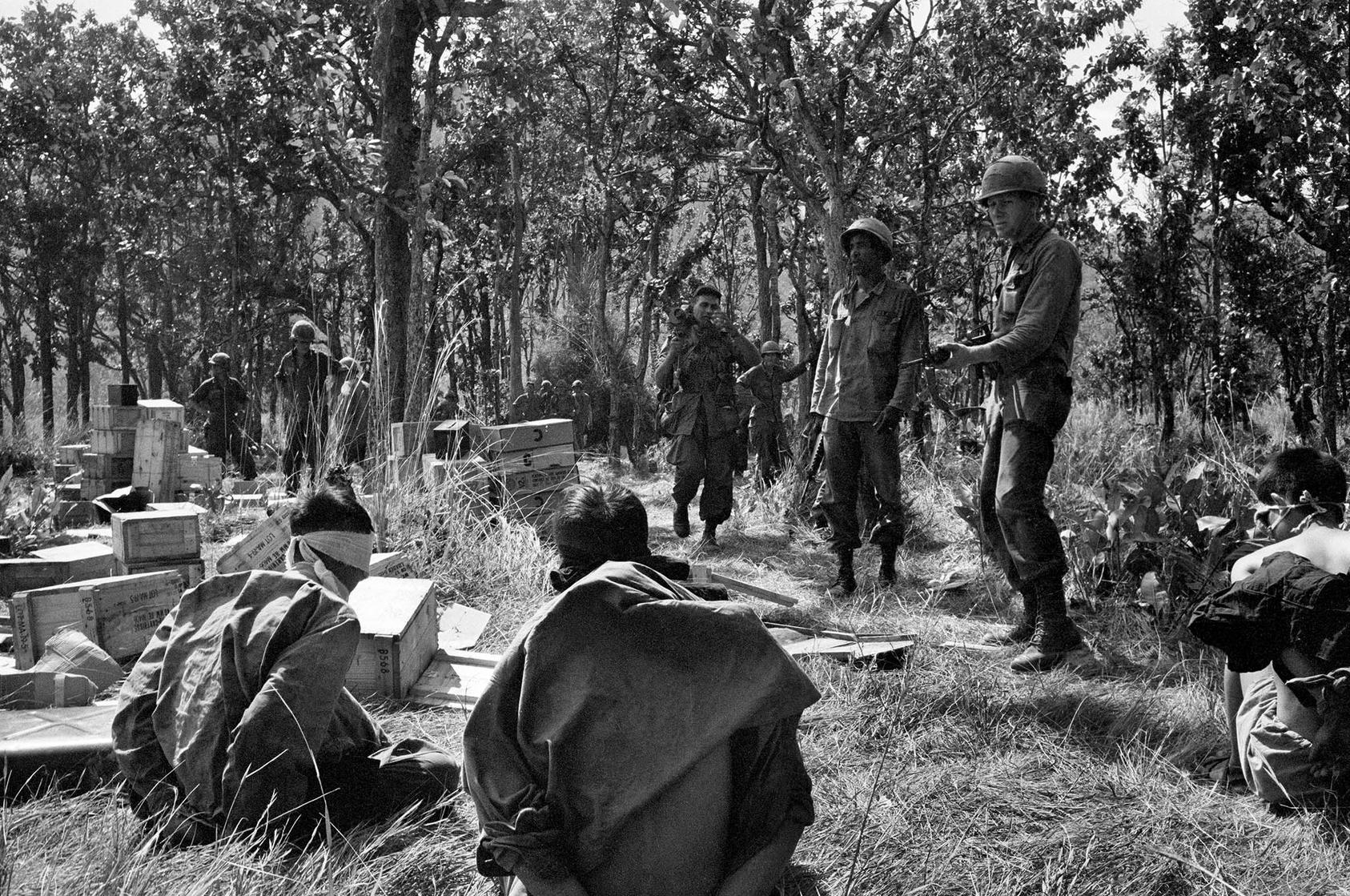
U.S. troops guard North Vietnamese prisoners in 1965, early in the Vietnam War. U.S. and Vietnamese veterans have led reconciliation work in decades since, notably in searching for remains of those killed in the war. (Neil Sheehan/The New York Times)
Tiếp tục đọc “We Can Heal War’s Traumas; U.S. and Vietnam Show How”

The US Office of Strategic Services (OSS) in Vietnam

1945: A War of Missed Opportunities 

The National WWII Museum July 15, 2020

In 1945, members of the American “Deer Team,” part of the OSS, worked with Vietnamese guerrilla fighters to throw Japanese troops out of Indochina. As the war ended, the people of Vietnam looked to the United States to support their dreams of independence.

For most of World War II, the United States considered Vietnam to be a relatively unimportant French colony to someday be reclaimed from the Japanese; but America showed little interest in enlisting Vietnamese aid in that effort. All this changed rapidly in March 1945. Though the Japanese had invaded Vietnam in 1940, they allowed French colonial authorities to retain power so long as they controlled the Vietnamese and maintained the colony as a supply base for the Emperor’s army fighting in China. However, this also allowed the French to maintain covert Allied intelligence networks that supplied information to Allied personnel aiding the Chinese in their war against Japan. By early 1945, however, the war in the Pacific had shifted in favor of the Allies and the Japanese became increasingly suspicious of French activities in Vietnam. As a result, on March 10, 1945, Japanese forces launched Operation Meigo, a swift military takeover that effectively ended French colonial rule of Vietnam.

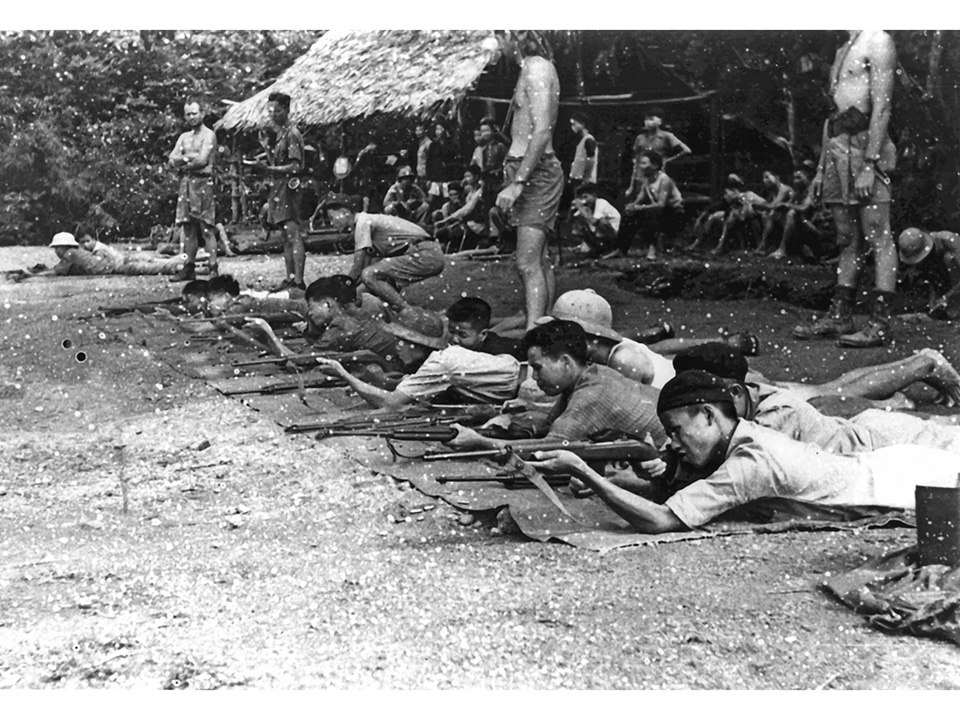
Members of the Deer Team providing instruction to the Vietnamese on use of the M-1 carbine, August 16, 1945. Photo by the National Archives and Records Administration. 

With the loss of French control over the colony during Meigo, Allied intelligence networks operating in Vietnam collapsed. One such group, known as the “GBT,” had been providing information on weather conditions, the movement of Japanese troop trains and naval vessels, and on escape routes for downed Allied airmen to the 14th US Air Force stationed in China. Up to this point the GBT refused to employ Vietnamese as agents because the French claimed they were untrustworthy and were only interested in acquiring weapons to fight the French, not the Japanese. With their normally busy wires now silent, native agents became necessary.

Both the GBT and the US Office of Strategic Services (the OSS) reached out to a Vietnamese man who had drawn positive attention from the 14th Air Force the previous year when he escorted a downed American pilot out of Vietnam and into China. OSS agent Charles Fenn tracked down the man in question—Ho Chi Minh—describing him as articulate and charismatic, and both open and friendly to Americans. Fenn was convinced Ho would be an excellent intelligence agent and the group he represented, the Viet Minh, would also be valuable assets in the war against Japan. Soon thereafter, Ho Chi Minh became OSS agent “Lucius.”

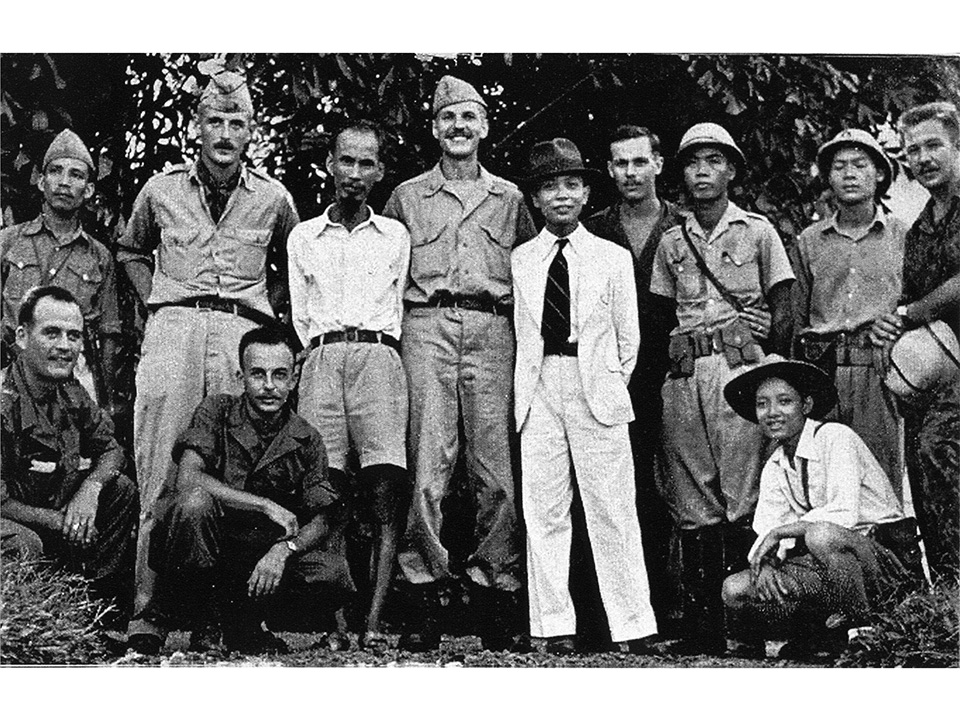
Members of the Deer Team and Viet Minh at training camp. Allison Thomas stands in the center and is flanked on his left by Vo Nguyen Giap and on his right by Ho Chi Minh. Photo by the National Archives and Records Administration. 

Tiếp tục đọc “The US Office of Strategic Services (OSS) in Vietnam”

Laos struggles with unexploded bombs 50 years after Paris Accords

asia.nikkei.com

Hidden dangers from another era hinder economic development

An unexploded cluster bomb dropped by the U.S. military half a century ago is unearthed in Kasi, northern Laos.

KOSUKE INOUE, Nikkei staff writerJanuary 28, 2023 11:01 JST

KASI, Laos — Five decades have elapsed since the signing of the Paris Peace Accords on Jan. 27, 1973 that led to the end of the Vietnam War. The long conflict devastated all of Indochina, and its aftermath continues to stymie the region’s economic development.

Early this month, specialists of the Laotian military detected unexploded ordnance (UXO) in the northern town of Kasi. The team of about 10 found one cluster bomb the size of a tennis ball and used a loudspeaker to warn residents while cordoning off nearby roads before disposing of the device.

Operations of this type continue.

Tiếp tục đọc “Laos struggles with unexploded bombs 50 years after Paris Accords”

US, Japan to help Vietnam with bomb, mine clearance

TT – Wednesday, April 05, 2023, 17:36 GMT+7

US, Japan to help Vietnam with bomb, mine clearance
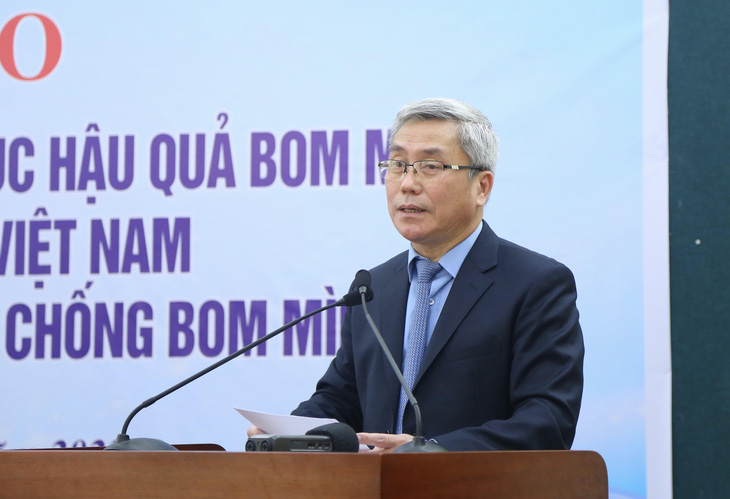
Colonel Nguyen Hanh Phuc, deputy general director of the Vietnam National Mine Action Center, speaks at a press briefing in Hanoi on April 4, 2023. Photo: Tong Giap / Tuoi Tre

The United States Department of Defense expressed its desire to send experts to Vietnam to help the Southeast Asian country conduct bomb and mine detection and clearance work, while Japan might donate special equipment worth over VND93 billion (US$4 million) to Vietnam.

Colonel Nguyen Hanh Phuc, deputy general director of the Vietnam National Mine Action Center, made this announcement at a press briefing on tackling post-war bomb and mine consequences in Hanoi on Tuesday.

Tiếp tục đọc “US, Japan to help Vietnam with bomb, mine clearance”

Nobel panel knew Kissinger Vietnam deal unlikely to bring peace, files show

theguardianAccords negotiated by Kissinger and Le Duc Tho in 1973 sealed US exit from war but were soon flouted by North and South Vietnam

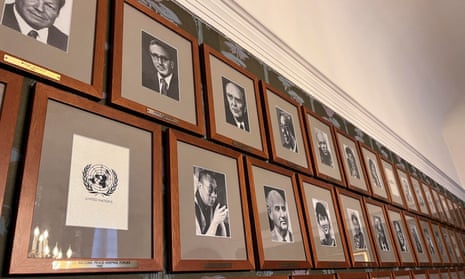
Portraits of Nobel peace prize laureates, including of Henry Kissinger, top second left, at the Norwegian Nobel Institute in Oslo.
Portraits of Nobel peace prize laureates, including of Henry Kissinger, top second left, at the Norwegian Nobel Institute in Oslo. Photograph: Gwladys Fouche/Reuters

Reuters in OsloWed 11 Jan 2023 17.28 GMT

The 1973 Nobel peace prize to top US diplomat Henry Kissinger and North Vietnam’s Le Duc Tho, among the most disputed in the award’s history, was given in the full knowledge the Vietnam war was unlikely to end any time soon, newly released papers show.

Nominations to the Peace prize remain secret for 50 years. On 1 January, documents about the prize awarded to Kissinger and Hanoi’s chief negotiator Tho were made available on request.

Tiếp tục đọc “Nobel panel knew Kissinger Vietnam deal unlikely to bring peace, files show”