Myanmar’s troubled history: Coups, military rule, and ethnic conflict

cfrThe 2021 coup returned Myanmar to military rule and shattered hopes for democratic progress in a Southeast Asian country beset by decades of conflict and repressive regimes.
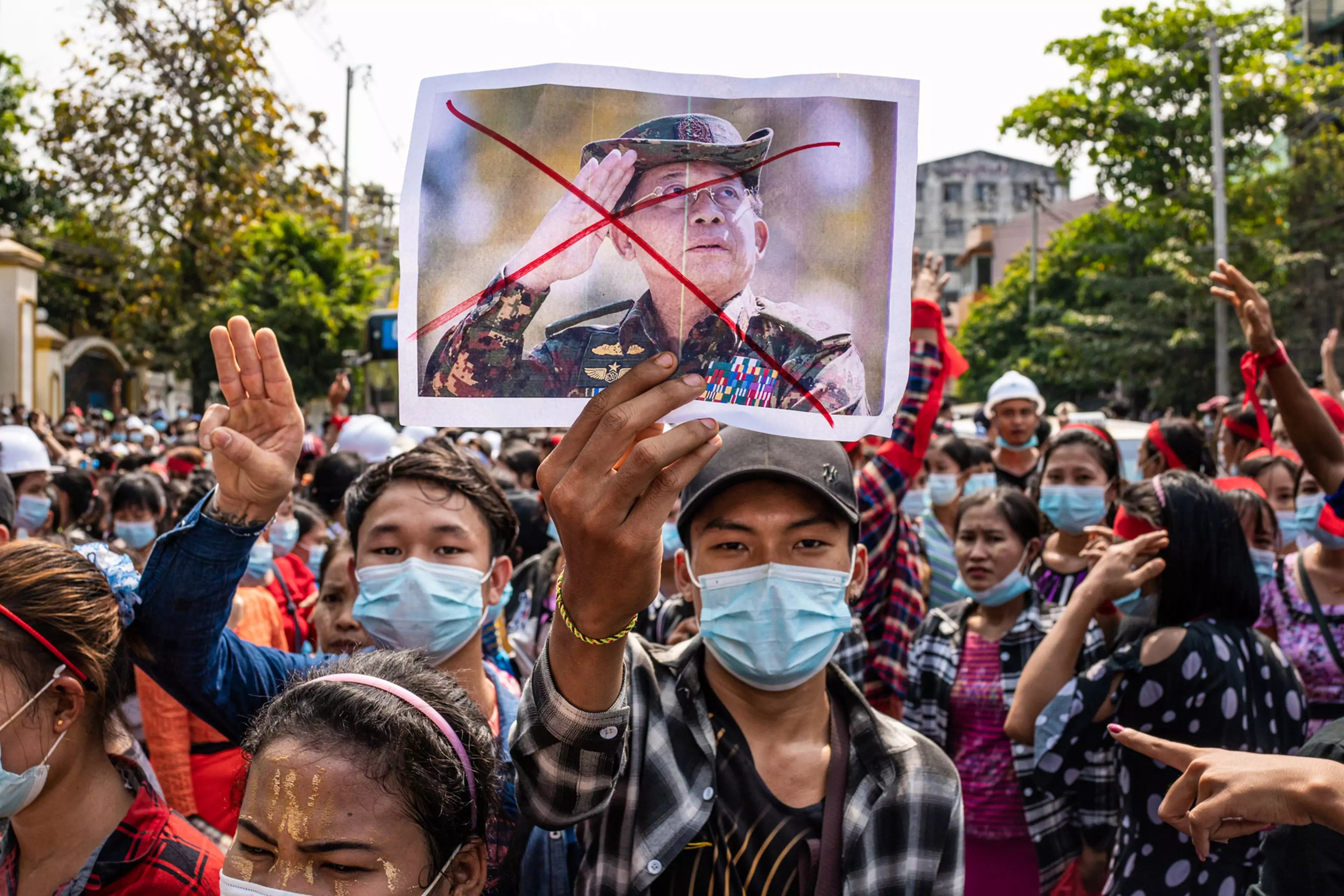
A protester holds an image of Senior General Min Aung Hlaing during an anti-coup march in February 2021.
A protester holds an image of Senior General Min Aung Hlaing during an anti-coup march in February 2021. Getty Images

WRITTEN BY Lindsay Maizland

Last updated January 31, 2022 11:00 am

Summary

  • Myanmar, also known as Burma, has suffered decades of repressive military rule, widespread poverty, and civil war with ethnic minority groups.
  • The transition away from full military rule starting in 2011 spurred hopes of democratic reforms. But the military maintained control over much of the government and began a campaign of ethnic cleansing against the Rohingya.
  • The military launched a coup in February 2021 and then cracked down on protests. The opposition formed a shadow government and fighting force, leading to a civil war and humanitarian crisis that could spill over Myanmar’s borders.

Tiếp tục đọc “Myanmar’s troubled history: Coups, military rule, and ethnic conflict”

A Peace That Couldn’t Last – Negotiating the Paris Accords on Vietnam

ADST – Signed on January 27, 1973, the Paris Peace Accords were intended to finally end the Vietnam War, which had cost the lives of thousands of American soldiers, not to mention the millions of Vietnamese civilians who were killed, injured, or displaced. Initially, the Accords were negotiated in secret by National Security Advisor Henry Kissinger and Le Duc Tho, the lead North Vietnamese negotiator. These secret negotiations took place over the course of five years in Paris, from 1968 to 1973, but it was only in the early 70’s that any real progress was made.

Tiếp tục đọc “A Peace That Couldn’t Last – Negotiating the Paris Accords on Vietnam”

Gần 19% diện tích cả nước ô nhiễm bom mìn, vật nổ

TT – 02/04/2018 16:07 GMT+7

Mức độ ô nhiễm bom mìn tại Việt Nam rất nghiêm trọng, bởi đã trải qua nhiều cuộc chiến tranh, hứng chịu hàng triệu tấn bom đạn.

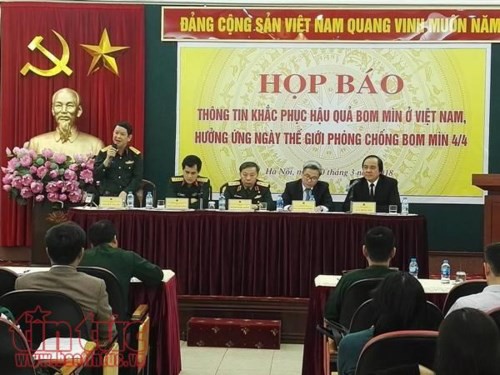
Gần 19% diện tích cả nước ô nhiễm bom mìn, vật nổ - Ảnh 1.

Quang cảnh họp báo

Theo báo cáo công bố hiện trạng tồn lưu ô nhiễm bom mìn, vật nổ sau chiến tranh, diện tích đất đai Việt Nam bị ô nhiễm bom mìn, vật nổ là trên 6,1 triệu ha, chiếm 18,71 % diện tích đất cả nước.

Tiếp tục đọc “Gần 19% diện tích cả nước ô nhiễm bom mìn, vật nổ”

Đã đến lúc nâng cấp quan hệ Việt – Mỹ?

sputnik14:48 18.02.2022

Đại sứ Hoa Kỳ Marc Evans Knapper - Sputnik Việt Nam, 1920, 18.02.2022

© Ảnh : Thống Nhất – TTXVN

Quan hệ Việt – Mỹ rất đặc biệt. Đại sứ Hoa Kỳ tại Việt Nam Marc Evans Knapper cho biết, đây là thời điểm thích hợp để nâng cấp quan hệ Đối tác chiến lược Hà Nội – Washington.

Ông Marc Evans Knapper nhấn mạnh, Mỹ đánh giá cao vai trò và hợp tác với Việt Nam trong 5 trọng tâm chiến lược Ấn Độ Dương – Thái Bình Dương mới mà chính quyền Biden – Harris đã thông qua.

Tiếp tục đọc “Đã đến lúc nâng cấp quan hệ Việt – Mỹ?”

2022 State of Southeast Asia Survey: Diverse Perspectives and Hard Realities

fulcrum.sg

PUBLISHED 16 FEB 2022

TERENCE CHONG

The US has gained ground against China in the contest for regional influence in Southeast Asia, according to the latest State of Southeast Asia Survey. ASEAN continues to be seen as ineffective in the eyes of respondents; at the same time, they are willing to give it credit when it is due.

The United States is gaining significant ground against China in the battle to win friends and influence countries, with respondents across Southeast Asia confident that Washington would be able to lead on issues such as championing free trade and upholding the rules-based regional order. 

A fresh reading of The State of Southeast Asia Survey also showed that pressing issues — the Covid-19 pandemic, unemployment and economic retraction as well as climate change – continue to be prioritised by respondents. In their view, however, ASEAN is seen as too slow and ineffective to cope with rapid developments.

Tiếp tục đọc “2022 State of Southeast Asia Survey: Diverse Perspectives and Hard Realities”

CSIS: Nhiều tàu hút cát để xây cảng nước sâu tại căn cứ Ream của Campuchia

Thanh Niên – Đông A –  22/01/2022 – 15:07

Trung tâm Nghiên cứu Chiến lược và Quốc tế (CSIS) ở Mỹ ngày 21.1 cho biết nhiều tàu hút cát đã được phát hiện ngoài khơi căn cứ hải quân Ream của Campuchia.

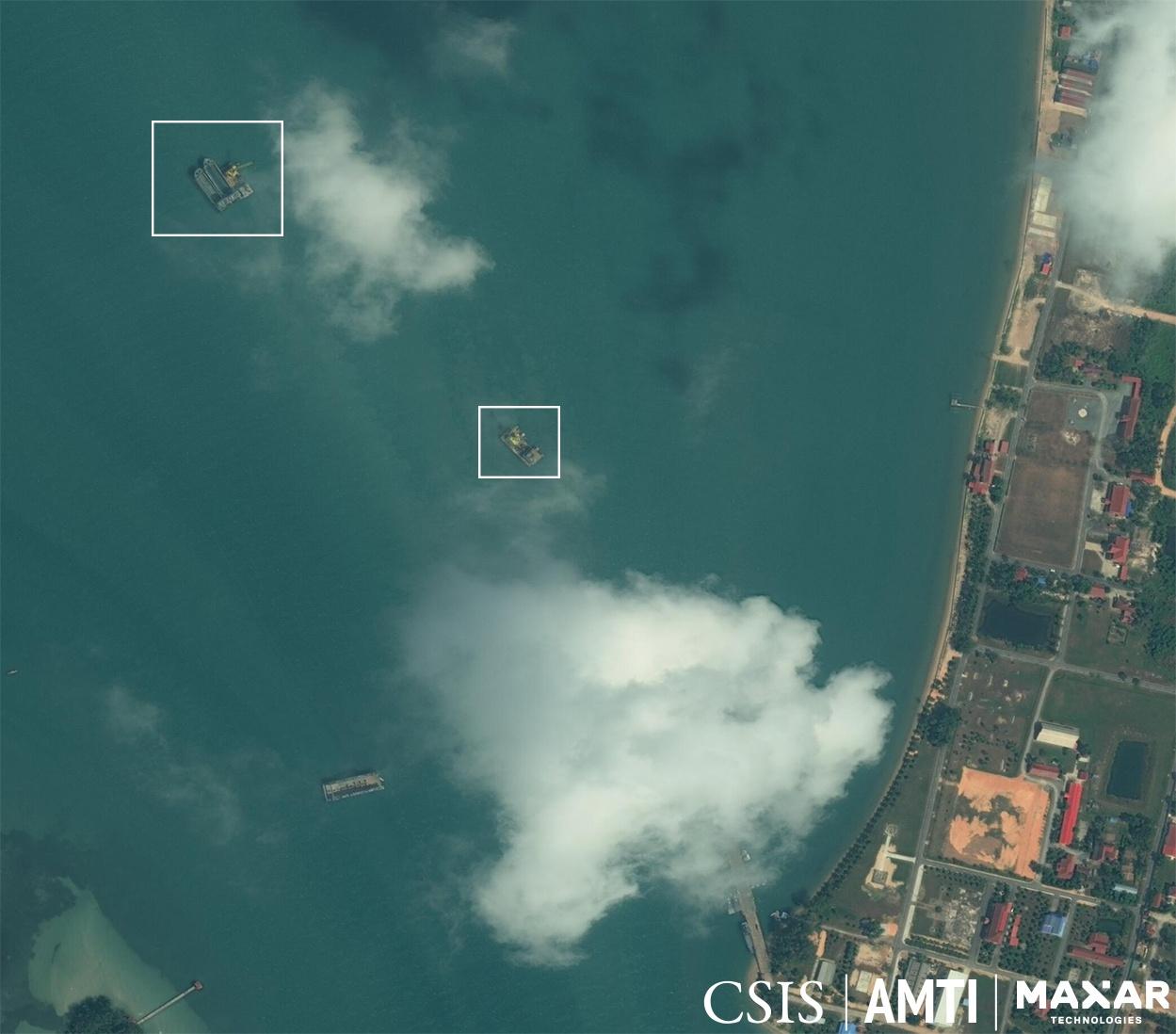
CSIS: Nhiều tàu hút cát để xây cảng nước sâu tại căn cứ Ream của Campuchia - ảnh 1
Ảnh vệ tinh ngày 16.1 cho thấy tàu hút cát hoạt động ngoài khơi căn cứ Ream của CampuchiaCHỤP MÀN HÌNH TWITTER

Reuters dẫn lại báo cáo Trung tâm Nghiên cứu Chiến lược và Quốc tế (CSIS) tại Mỹ đưa ra ngày 21.1 cho biết các tàu hút cát đã xuất hiện gần căn cứ Ream trong những bức ảnh chính phủ Campuchia công bố tháng này và ảnh vệ tinh thương mại.

Tiếp tục đọc “CSIS: Nhiều tàu hút cát để xây cảng nước sâu tại căn cứ Ream của Campuchia”

Tiểu đa phương ASEAN ở Biển Đông

TT – 17/01/2022 – 15:56

Cục diện cấu trúc an ninh ở Biển Đông dường như đã tiến triển sang một giai đoạn mới khi Indonesia, nơi đặt trụ sở của tổ chức ASEAN, quyết định thúc đẩy các hoạt động hợp tác an ninh hàng hải mang tính đa phương với các quốc gia trong khu vực.

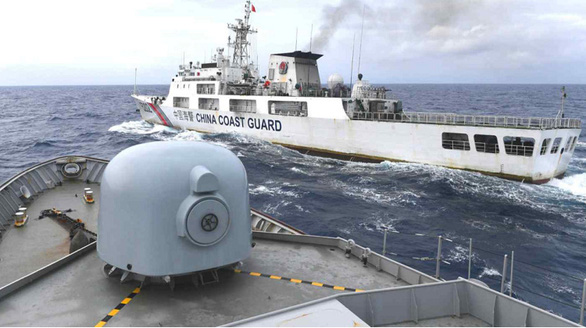
Tiểu đa phương ASEAN ở Biển Đông - Ảnh 1.

Một tàu hải cảnh Trung Quốc được nhìn từ tàu hải quân Indonesia đang trong cuộc tuần tra ở khu vực Biển Bắc Natuna – Ảnh: REUTERS

Điều này cũng trùng hợp với căng thẳng gần đây giữa Indonesia với Trung Quốc ở khu vực ngoài khơi quần đảo Natuna thuộc chủ quyền Indonesia.

Tiếp tục đọc “Tiểu đa phương ASEAN ở Biển Đông”

Đường đến Fulbright từ Mù Cang Chải

TTHành trình từ vùng cao Mù Cang Chải xa xôi đến FUV là cả một câu chuyện dài với nhiều cung bậc thăng trầm, đa dạng cảm xúc. 

Tủa cùng các bạn được cấp học bổng toàn phần (bao gồm học phí, nơi ở) cho năm học Đồng kiến tạo của ĐH này.

Tiếp tục đọc “Đường đến Fulbright từ Mù Cang Chải”

ASEAN and the new geopolitics of the Indo-Pacific

29 December 2021 Author: Amitav Acharya, American University

eastasiaforum.org

Southeast Asia is no stranger to strategic competition. But its ‘new geopolitics’ is different from those that existed during the Cold War.

China Premier Li Keqiang attends Southeast Asian leaders virtual summit Tuesday 26 October 2021 without Myanmar military leader Min Aung Hlaing after its top general failure of Myanmar's army to adhere to a peace road map it had agreed with the southeast Asian bloc following the coup in February.

In fighting communism, the United States extended its security umbrella to the region. This gave ASEAN members breathing space and allowed them to focus on economic growth and domestic stability. It also stimulated unity among Indonesia, Malaysia, Singapore, Thailand and the Philippines due to fear of being entangled in great power intervention. Aid and investment from Japan, a US ally and Asia’s then fastest rising economy, helped industrialise several Southeast Asian countries.

Now, China has displaced Japan as Asia’s largest economy and ASEAN’s largest trade partner. China’s GDP today is more than five times that of ASEAN’s combined. It spends five times more on defence. Unlike the Soviet Union, China is Southeast Asia’s immediate neighbour — a dragon breathing down its neck.

Tiếp tục đọc “ASEAN and the new geopolitics of the Indo-Pacific”

Has Washington’s Policy Toward Taiwan Crossed the Rubicon?

December 10, 2021  by Paul Heer, The National Interest

Testimony from officials in the State Department and Defense Department this week included subtle but important shifts in the U.S. policy toward Taiwan

The ground shifted under Washington’s policy toward Taiwan on December 8, a shift no less seismic for being subtle and semantic. During a hearing of the Senate Foreign Relations Committee, Assistant Secretary of Defense for Indo-Pacific Security Affairs Ely Ratner asserted that Taiwan is “a critical node within the first island chain (in the Western Pacific), anchoring a network of U.S. allies and partners … that is critical to the region’s security and critical to the defense of vital U.S. interests in the Indo-Pacific.”

Tiếp tục đọc “Has Washington’s Policy Toward Taiwan Crossed the Rubicon?”

India and Vietnam will define the future of Asia: Kurt Campbell

Japan to host next Quad summit in 2022, U.S. Indo-Pacific coordinator says

asia.nikkei.com

Kurt Campbell, the U.S. National Security Council Indo-Pacific coordinator speaks at the United States Institute of Peace on Nov. 19. (Screenshot)KEN MORIYASU, Nikkei Asia chief desk editorNovember 20, 2021 03:20 JST

NEW YORK — U.S. President Joe Biden’s administration views India and Vietnam as key countries to strengthen relations with, his Indo-Pacific point man said Friday.

India will be a key fulcrum player on the global stage in the 21st century, and successive American administrations have been united in that assessment, said Kurt Campbell, the National Security Council’s coordinator for the Indo-Pacific, at an event hosted by the Washington-based United States Institute of Peace.

“I’m very bullish about the future with India. I think we all recognize that the critical, crucial member in the Quad is India,” Campbell said, referring to the Quadrilateral Security Dialogue among the U.S., Japan, India and Australia.

->

Vietnam Airlines direct flight to US takes off next week

VNE – By Anh Minh, Doan Loan   November 16, 2021 | 07:25 pm GMT+7

Vietnam Airlines direct flight to US takes off next weekA Boeing 787-9 aircraft of Vietnam Airlines. Photo courtesy of Vietnam AirlinesNational flag carrier Vietnam Airlines will operate its first regular direct flight to the U.S. on November 28, achieving a dream conceived nearly two decades ago.

The flight will depart from HCMC in the evening and arrive at San Francisco 13 hours and 50 minutes later, CEO Le Hong Ha said at a press briefing Tuesday.

The return flight will leave San Francisco on the evening of November 29 (U.S. time) and arrive in HCMC on December 1, 16 hours and 40 minutes later.

Tiếp tục đọc “Vietnam Airlines direct flight to US takes off next week”

Tiếng nói chung của thế giới về Biển Đông

Biên Phòng – Thanh Trúc 26/09/2021 – 14:13

Mới đây, Mỹ và Australia đã tiến hành cuộc tham vấn thường niên theo cơ chế “2+2” lần thứ 31, trong đó nhấn mạnh tới những quan ngại về Biển Đông, cũng như đề cao việc thượng tôn luật pháp quốc tế, bao gồm Công ước Liên hợp quốc về Luật Biển năm 1982 (UNCLOS).

(Từ trái qua phải) Bộ trưởng Quốc phòng Australia Peter Dutton, Ngoại trưởng Australia Marise Payne, Ngoại trưởng Mỹ Anthony Blinken, Bộ trưởng Quốc phòng Mỹ Lloyd Austin trong cuộc gặp tại Thủ đô Washington, Mỹ trong tuần trước. Ảnh: REUTERS

Tiếp tục đọc “Tiếng nói chung của thế giới về Biển Đông”

Một số suy nghĩ mới về Hội nghị Giơ-ne-vơ năm 1954 về Đông Dương

NCQT – Ngày đăng: 13/09/2021 – 15:33

Tóm tắt: Hội nghị Giơ-ne-vơ 1954 về Đông Dương đã diễn ra cách đây 65 năm. Đã có rất nhiều công trình nghiên cứu khoa học trong và ngoài nước viết về sự kiện này. Tuy nhiên, vẫn còn những vấn đề cần được làm rõ. Trên cơ sở những tư liệu mới, một số nhà nghiên cứu ở nước ta đã đi đến những đánh giá mới về một số vấn đề.

i) Phải chăng không nên ký Hiệp định mà tiếp tục chiến đấu giải phóng hoàn toàn đất nước, vì lúc đó Mỹ không thể can thiệp;

ii) Phải chăng Việt Nam tham gia Hội nghị Giơ-ne-vơ trong thế bị động nên có những hạn chế;

iii) Trả lời phòng vấn báo Expressen, Thụy Điển cuối năm 1953 Hồ Chí Minh đã khẳng định: đàm phán chủ yếu giữa Việt Nam và Pháp. Tại sao ý kiến vô cùng sáng suốt, đúng đắn của Bác không được triển khai?

Đó là những nội dụng được trình bày trong tham luận.

Tác giả: GS. TS. Vũ Dương Huân (Học viện Ngoại giao)

Tiếp tục đọc “Một số suy nghĩ mới về Hội nghị Giơ-ne-vơ năm 1954 về Đông Dương”