Trừng phạt khắc nghiệt đối với trẻ em vi phạm pháp luật không ngăn chặn được tình hình tội phạm

UNICEF.org

Bài chia sẻ quan điểm – Độ tuổi tối thiểu chịu trách nhiệm hình sự của Youssouf Abdel-Jelil, Trưởng Đại diện UNICEF tại Việt Nam

Trừng phạt khắc nghiệt đối với trẻ em vi phạm pháp luật không ngăn chặn được tình hình tội phạm

UNICEF Việt Nam\Trương Việt Hùng

  • Ngôn ngữ tài liệu bằng:
  • English
  • Tiếng Việt

19 Tháng 6 2017

Độ tuổi chịu trách nhiệm hình sự của trẻ em là một chủ đề gây nhiều tranh cãi trên thế giới. Ở Việt Nam, vấn đề này đang được tranh luận trong quá trình sửa đổi bổ sung Bộ Luật Hình sự. Một số người tranh luận rằng phương thức tiếp cận “cứng rắn với tội phạm” là cần thiết để trừng phạt trẻ em nhằm phòng ngừa tình trạng phạm tội tiếp diễn.

Tuy nhiên, nghiên cứu quốc tế chỉ ra rằng do trẻ em còn đang trong giai đoạn phát triển, việc gán cho trẻ em và đối xử với trẻ em như những tội phạm ở độ tuổi nhỏ có thể tác động tiêu cực nghiêm trọng đến sự phát triển và khả năng cải tạo, phục hồi thành công của trẻ.

Đề xuất giảm độ tuổi tối thiểu chịu trách nhiệm hình sự không phù hợp với bằng chứng cho thấy não bộ của trẻ em còn chưa phát triển đầy đủ về cấu trúc và chức năng, có tác động đến khả năng ra quyết định và gia tăng xu hướng trẻ em có những hành vi liều lĩnh ở tuổi chưa thành niên. Khoa học cũng chỉ ra rằng trẻ em sẽ có khả năng “từ bỏ” được những hành vi này.

Nếu trẻ em có thể bị ảnh hưởng tiêu cực bởi những nhóm có ý đồ xấu dẫn đến vi phạm pháp luật, thì cũng có nghĩa là trẻ em có khả năng rất lớn ảnh hưởng tích cực để làm những việc tốt nếu trẻ em được đưa vào chương trình phục hồi, giáo dưỡng phù hợp thay vì bị trừng phạt một cách khắc nghiệt. 

Tiếp tục đọc “Trừng phạt khắc nghiệt đối với trẻ em vi phạm pháp luật không ngăn chặn được tình hình tội phạm”

Việt Nam dự kiến đón công dân thứ 100 triệu vào năm 2023

vietnamnet.vn

Dân số Việt Nam hiện ở mức hơn 99 triệu, lãnh đạo Tổng cục Dân số Bộ Y tế cho biết theo dự báo, nước ta sẽ đón chào công dân thứ 100 triệu vào năm 2023.

Thông tin do TS Phạm Vũ Hoàng, Phó Tổng cục trưởng Tổng cục Dân số, cho biết tại lễ ký kết biên bản ghi nhớ hợp tác lĩnh vực kế hoạch hóa gia đình (KHHGĐ) tại Việt Nam diễn ra ngày 28/11. Với quy mô hơn 99 triệu người, Việt Nam có tổng số dân đứng thứ 15 thế giới, thứ 8 châu Á và thứ 3 cộng đồng ASEAN. “Quy mô dân số lớn mang đến nhiều lợi thế nhưng cũng nhiều thách thức cho sự phát triển kinh tế xã hội”, ông nhận định.

Công dân thứ 90 triệu của Việt Nam chào đời ngày 1/11/2013. Từ đó đến nay, mỗi năm dân số nước ta tăng lên trung bình một triệu người.

Trong hơn một thập kỷ qua, nước ta đã duy trì mức sinh thay thế, trung bình mỗi bà mẹ có khoảng 2 con. Hiện số phụ nữ trong độ tuổi sinh đẻ 15-49 của nước ta là gần 25 triệu, tiếp tục tăng lên 26 triệu người vào năm 2030. 

Tiếp tục đọc “Việt Nam dự kiến đón công dân thứ 100 triệu vào năm 2023”

Những chuyến ly hương của người già Đồng bằng Sông Cửu Long

Tiasang – Võ Kiều Bảo Uyên, Nhung Nguyễn

Những biến đổi về môi trường, khí hậu đã đẩy người lớn tuổi ở Đồng bằng Sông Cửu Long (ĐBSCL) phải rời quê tìm đường mưu sinh.  

Bà Nguyễn Thị Áp (63 tuổi) tại chỗ ngủ của mình – một tầng hầm để xe ở chung cư nơi bà làm nhân viên vệ sinh. Ảnh: Thành Nguyễn

Chuyến rời quê đầu tiên trong đời bà Nguyễn Thị Áp* là khi bà đã bước qua tuổi 63. Sáng sớm một ngày tháng Bảy, người phụ nữ tóc bạc trắng xách giỏ quần áo, một mình ra lộ bắt xe đi khỏi quê nhà Chợ Mới, An Giang, tỉnh thượng nguồn ĐBSCL đến Thành phố Hồ Chí Minh (TP.HCM). Không chỉ mưu sinh, với bà, đó còn là một cuộc chạy trốn.

Khoản nợ hơn 100 triệu đồng tích tụ “từ ngày còn mần lúa”, lãi chồng lãi, cùng bệnh tim của người chồng đã đẩy bà Áp – gần như cả đời chỉ quen ruộng vườn – đến đô thị xa lạ tìm kiếm việc làm. Đích đến ban đầu trong kế hoạch của bà là Bình Dương, khu công nghiệp lớn nhất nước, nhưng những hàng xóm đi trước rỉ tai rằng nơi ấy chỉ có việc cho người trẻ. Cuối cùng, theo lời họ hàng chỉ, bà đặt cược vào TPHCM, nơi sẵn công việc làm thuê qua ngày.

“Ruộng đã bán. Con cái có gia đình riêng, và cũng khổ. Dì ở lại [quê] hết đời cũng không thể trả hết nợ”, bà Áp nói, không quên dặn người phỏng vấn giấu danh tính vì sợ chủ nợ nhận ra.

Tiếp tục đọc “Những chuyến ly hương của người già Đồng bằng Sông Cửu Long”

Bé 10 tuổi mất mạng sau khi cứu 4 em khỏi cháy nhà

vnexpress.net

Nhà cháy, Phú Quý đưa bốn đứa em ra ban công nhờ hàng xóm giải cứu rồi lại lao vào trong bế cậu em út nhưng mắc kẹt và tử vong trong đó.

Khoảng 4h chiều 23/7, người dân ấp 6, xã Vĩnh Lộc A, huyện Bình Chánh phát hiện ngôi nhà gia đình anh Nguyễn Vĩnh Phước đang thuê, bỗng nhiên bốc cháy. Mọi người hô hoán nhau chạy tới phá cửa, đập tường, dội nước dập lửa. Trong nhà, lúc đó có Nguyễn Đào Phú Quý (10 tuổi) cùng 5 đứa em nhỏ. Cậu bé kéo bốn đứa em ra lan can gác lửng và kêu mọi người cứu giúp còn mình tiếp tục lao vào trong nhà để cứu bé út gần một tuổi.

Trong lúc mọi người cố gắng đưa bốn em nhỏ xuống, một cậu bé sinh kế Quý nhất quyết cầm chặt sợi dây, đứng mãi ở lan can nhìn vào trong nhà, chờ anh trai với bé út xuống cùng. Người dân phải kéo mạnh tay mới đưa bé xuống đất an toàn.

Tiếp tục đọc “Bé 10 tuổi mất mạng sau khi cứu 4 em khỏi cháy nhà”

India & China Continue to Lead –as World Population Projected to Reach 8.0 Billion

ipsnews.net

Credit: Freepik

UNITED NATIONS, Jul 11 2022 (IPS) – India and China, two Asian nuclear powers who are also longstanding rivals embroiled in the geo-politics of the Indian Ocean region, have remained two of the world’s most populous nations accounting for over a billion people each.

But as the world’s population reaches the 8.0 billion mark, come November, India is projected to surpass China.

The current numbers stand at 1.44 billion people in China and 1.39 billion in India. But the numbers are expected to change as India races ahead of China. The US ranks third with over 335 million people. By the end of last yar, the world’s total population was approximately 7.9 billion.

According to a report in the New York Times July 9, China is going through a “demographic crisis”. With abortion and reproductive health heavily centered on the Chinese Communist Party, the CCP now wants women to have multiple children abandoning the country’s longstanding one-child policy.

Tiếp tục đọc “India & China Continue to Lead –as World Population Projected to Reach 8.0 Billion”

A brief lesson on Roe v. Wade

Washingtonpost.com

By Valerie Strauss

A crowd gathers outside the Supreme Court early on May 3 after a draft opinion was leaked, appearing to show that a majority of justices were ready to overturn the 1973 decision in Roe v. Wade. (Alex Brandon/AP)

Roe v. Wade, the historic 1973 Supreme Court decision that made abortion legal in the first trimester of a woman’s pregnancy, is in danger of being struck down by the conservative majority, according to news reports published Monday night.

According to this Washington Post article, a draft opinion published by Politico said that a majority of justices are ready to reverse the ruling — though until a decision has been formally announced, any vote that has been taken can be reconsidered. In any case, the leak itself was big news — an unprecedented breach of court protocol in modern times.

Supreme Court is ready to strike down Roe v. Wade, leaked draft shows

The following background on the case comes from the National Constitution Center, a nonprofit organization in Philadelphia with a congressional charter to disseminate information about the U.S. Constitution on a nonpartisan basis:

Tiếp tục đọc “A brief lesson on Roe v. Wade”

In New York City, Asians are the growing population

Plain English Version – October 19, 2021

There is a surge in the number of Asian residents across New York City. Photo Credit: Janice Chung for The New York Times.

It looked like the number of people living in New York City was shrinking. The 2020 census data would tell us how much.

Surprise! The city’s population actually grew by almost eight percent. Most of the population increase was Asian people. Today, people who call themselves Asian are sixteen percent of all the residents of New York City.

Tiếp tục đọc “In New York City, Asians are the growing population”

Former street kid became co-CEO of children’s rescue foundation

Update: March, 01/2022 – 08:38

|vietnamnews.vn

https://link.gov.vn/2o6WZa

Nhật Hồng & Bảo Hoa

HÀ NỘI — At 15 years old, Đỗ Duy Vị left his hometown to make a living on the streets of Hà Nội. Two decades later, he is now one of the Chief Executives of the foundation that rescued him. 

Vị might be one of many street kids that return to work at Blue Dragon, and one of the few that have spent more than ten years with the organisation, but his story has special significance as he has witnessed the growth of Blue Dragon even before it was established.

Đỗ Duy Vị with some of the children at the shelter. — Photo courtesy of Blue Dragon Children’s Foundation

Born to a family of farmers in Nam Định Province, Vị and his three other siblings stayed with their mother while their father often travelled to other provinces for work. 

Tiếp tục đọc “Former street kid became co-CEO of children’s rescue foundation”

Vietnam to make historic Women’s World Cup debut

vnexpress.net

By Quang Dung, Hoang An   February 6, 2022 | 05:24 pm GMT+7

Vietnam to make historic Women's World Cup debut

Vietnam players celebrate their win at the Women’s World Cup play-off with Chinese Taipei on February 6, 2022. Photo by Asian Football ConfederationVietnam will attend the 2023 Women’s World Cup for the very first time after a 2-1 victory in the play-off against Chinese Taipei on Sunday.

Playing in DY Patil Stadium in India, Vietnam opened the score in the seventh minute as Chuong Thi Kieu accurately headed the ball into the rival’s net after receiving a corner pass from Tuyet Dung.

The goal boosted the fighiting spirit of the Vietnamese women for the remainder of the match.

Tiếp tục đọc “Vietnam to make historic Women’s World Cup debut”

Dự thảo Luật Dân số: Giảm nhẹ gánh nặng gia đình?

TS – 21/12/2021 07:30 – Thu Quỳnh

Không ai tưởng tượng từ chỗ phải kiềm chế mức sinh, đến một thời điểm thì mức sinh ở một số khu vực của Việt Nam đã tiến tới gần như Nhật Bản và 21 tỉnh không đạt được mức sinh thay thế. Do đó, dự thảo luật Dân số đang đề xuất thưởng tiền, khen thưởng để phụ nữ sinh thêm con. Liệu điều đó sẽ giúp đảo ngược tình thế?


Gánh nặng chi tiêu cho giáo dục chủ yếu vẫn thuộc về các hộ gia đình. Ảnh: Laodong.  Tiếp tục đọc “Dự thảo Luật Dân số: Giảm nhẹ gánh nặng gia đình?”

‘Mỗi năm Việt Nam có khoảng 40.800 bé gái không được sinh’

bvpshn – 07/10/2020

'Mỗi năm Việt Nam có khoảng 40.800 bé gái không được sinh'

Theo bà Hà Thị Quỳnh Anh, Chuyên gia của Quỹ Dân số Liên hợp quốc UNFPA, báo cáo Dân số thế giới năm 2020 cho thấy, mỗi năm Việt Nam có khoảng 40.800 bé gái không được sinh.

Con số bà Quỳnh Anh đưa ra trong buổi tư vấn trực tuyến “Giảm thiểu mất cân bằng giới tính khi sinh” tại VnExpress vào ngày 6/10, được tính dựa trên sự khác biệt giữa con số ước tính trẻ em gái phải được sinh ra theo quy luật tự nhiên và số trẻ em gái thực tế được sinh ra trong một năm.

Theo ông Phạm Vũ Hoàng, Phó Tổng cục trưởng Tổng cục Dân số-Kế hoạch hóa gia đình, Bộ Y tế, tại Việt Nam, nguyên nhân cơ bản khiến tỷ lệ bé trai nhiều hơn bé gái là nền văn hóa truyền thống với tư tưởng Nho giáo đóng vai trò chủ đạo. Một trong những giá trị quan trọng của tư tưởng này là có con trai để nối dõi tông đường, thờ phụng tổ tiên, phụng dưỡng cha mẹ. Trả lời độc giả, Phó giáo sư, tiến sĩ Nguyễn Duy Ánh – Giám đốc Bệnh viện Phụ sản Hà Nội cho rằng, cả nam giới và nữ giới nên lựa chọn độ tuổi sinh con tốt nhất. Với nữ là từ 25-35 tuổi, nam từ 25 đến 50 tuổi. Dưới đây là nội dung buổi tư vấn:

Tiếp tục đọc “‘Mỗi năm Việt Nam có khoảng 40.800 bé gái không được sinh’”

20 years for Vietnam to become rich and strong


24/05/2021    06:00 GMT+7 vietnamnet

If developing countries do not make breakthroughs during the golden population period, they will find it difficult to overcome the middle-income trap to become developed countries.
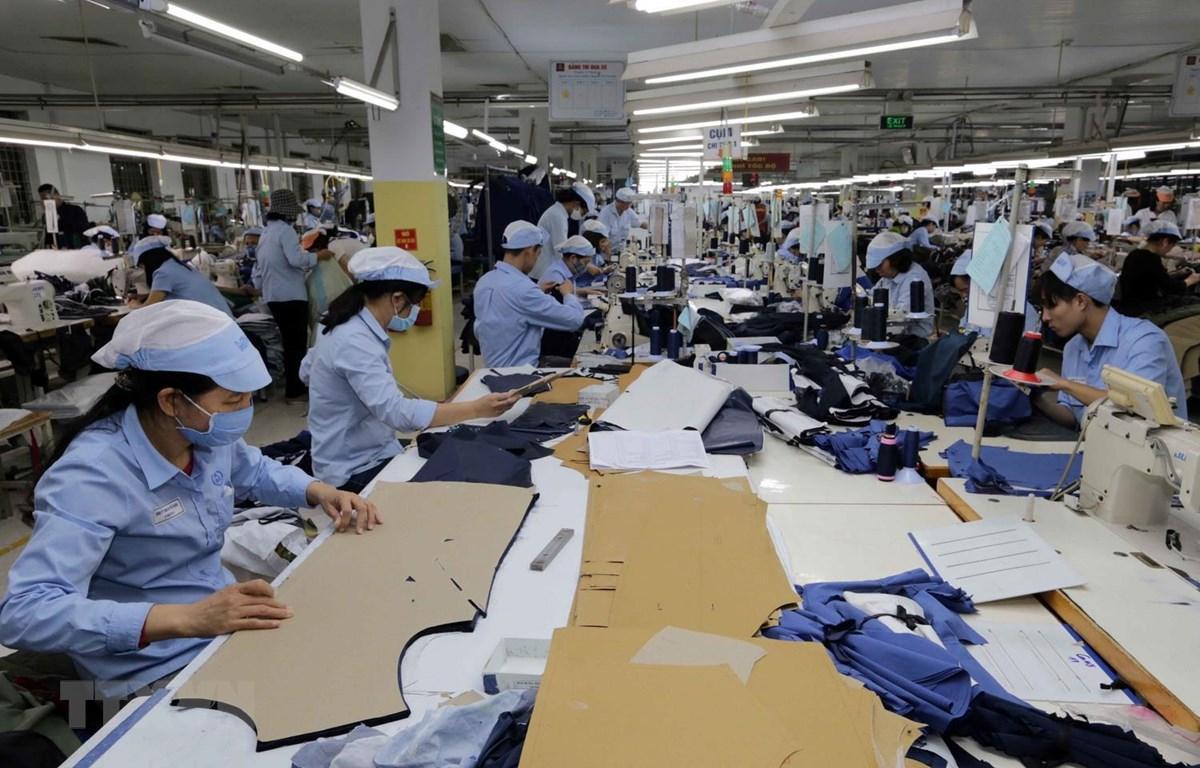
20 năm, gấp rút để trở nên giàu mạnh-1

According to China’s 2020 census results released on May 11, China’s population is rapidly aging, and the number of people of working age is decreasing. The number of people of working age (15-59 years old) is 894.38 million, accounting for 63.35% of the population, down 6.79% compared to 2010. The number of children aged 14 and under is 253.38 million, equivalent to 17.95% of the population and the number of people aged 65 and over is 190.64 million, accounting for 13.5% of the population.

According to criteria of the United Nations Population Fund (UNFPA), a country with a maximum proportion of children under 14 years old accounting for 30% and elderly people (aged 65 and over) less than 15% of the total population is considered to be in the golden population age.

Based on the criteria, China is still in the golden population period. However, as the number of people over 65 years old has increased rapidly, from 7% of the population in 2000 to 13.5% in 2020, China’s population aging trend is unlikely to reverse. Over the past four decades, China’s economy has grown thanks to an abundant workforce, but the country is on the way from labor surplus to labor shortage, at the fastest pace in history.

China has become a society of the elderly in just 20 years, much faster than France (140 years), Sweden (85 years), and the United States (72 years). The problem is that aging population occurs when China’s GDP per capita is only about $10,000/year, compared to over $30,000/year in developed countries. This is negatively affecting economic development and major national goals of China.

Since 2007 Vietnam has entered the golden population period and the current proportion of people of working age account for nearly 70% of the population, of which about half are young people, who are under 34 years old. However, according to the 2019 census, Vietnam’s population is aging at an unprecedented rate. In 2019, the country had 11.4 million people aged 60 and over, accounting for 11.86% of the total population and the aging index increased from 35.9% in 2009 to 48.8% in 2019. It is estimated that the number of people aged 65 and over will reach over 10% by 2026 and exceed 15% by 2039.

This will be the end of the golden population period in Vietnam.

Vietnam is now in the group of low-middle-income economies and has set a goal to become a high-middle-income country by 2030 and a high-income developed country by 2045.

Experts said that developing countries, if failing to make breakthrough in the golden population period, will find it difficult to overcome the middle-income trap and will never become developed countries.

The first 10 years of the golden population period have passed. It is forecasted that Vietnam’s population in the period 2030-2040 will likely be aging. Therefore, only the period from 2020-2030 is the optimal time, an extremely important opportunity for economic development.20 năm, gấp rút để trở nên giàu mạnh-2
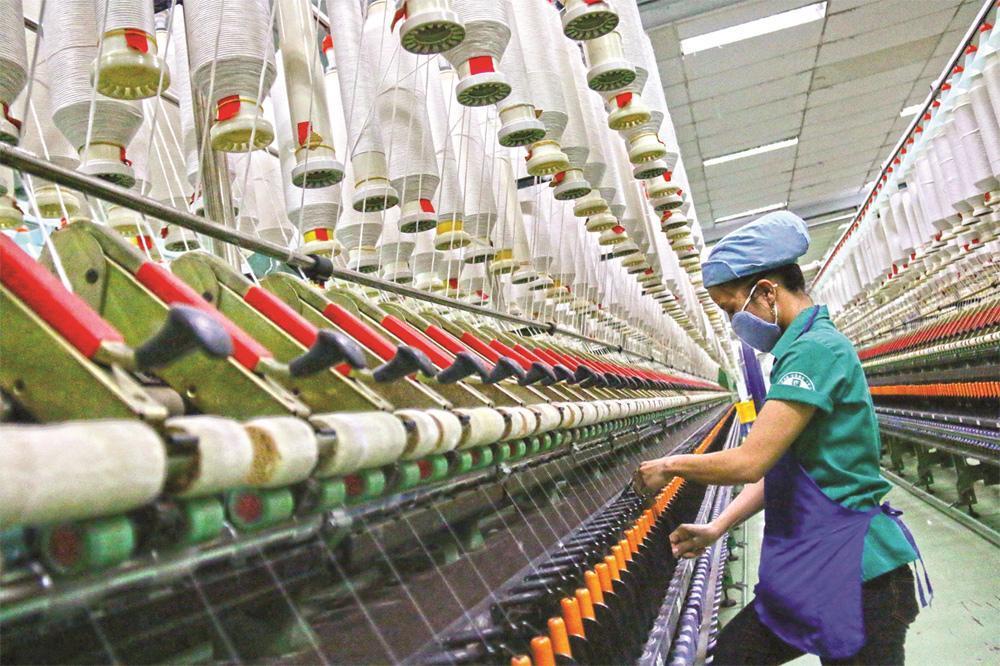
However, the golden population structure is only a possibility and an opportunity, not a guarantee for economic breakthroughs. It is important that people of working age must be able to work, have jobs and create high productivity.

Labor productivity of Vietnam is low compared to other countries in the region: 26 times lower than Singapore, 7 times lower than Malaysia, 4 times lower than China, 2 times lower than the Philippines, 3 times lower than Thailand. One of the main causes of low labor productivity is the poor qualifications and capacity of workers.

According to the Ministry of Labor, Invalids and Social Affairs, unskilled labor accounted for 39% of the total workforce in 2009, down to 36% in 2018. In 10 years, it only fell by 3%, so for a long time, the economy retained the structure of using cheap labor. Vietnam is lacking skilled workers, labor groups with technical expertise, managers, and innovators. These are the groups capable of leading the economy.

Compared with some countries in the region, the proportion of trained workers in Vietnam seems to be good, but the quality and qualifications are still a concern. Most of the recruited workers need to be retrained, and many people work in the wrong profession.

For the Human Development Index (HDI), a measure of population quality, published by the United Nations Development Program (UNDP), Vietnam ranked 117th out of 189 countries and territories in 2019. Vietnam has never entered the top 100 most developed countries, has not closed the gap with other countries in the world. In particular, labor productivity is still the weakest factor when it comes to population quality.

According to the Vietnam Chamber of Commerce and Industry (VCCI), nearly 70% of foreign-invested enterprises in Vietnam have difficulty in recruiting skilled technicians. With human resources for positions that require strategic and leadership thinking, it is even harder to find. They have to seek personnel from other countries. In addition to the lack of high-quality labor, the discipline of workers is still poor.

The 4.0 industrial revolution is taking place in the world and economic experts say that Vietnam needs to transit to a digital economy. Digital transformation will help increase labor productivity and help Vietnam make a breakthrough.

However, this process is facing many challenges. Most Vietnamese businesses still do not know how to start their digital transformation strategy. Small and medium-sized enterprises do not understand much about the concept of digital transformation. Most of them have not approached digital technologies, are not equipped with a business mindset on a digital platform, and lack a business strategy on a digital platform. The main reason is the lack of human resources in digital services.

Experts said that Japan and Germany were severely damaged in the second world war, but have risen strongly to become developed countries thanks to a skilled, well-trained workforce.

According to demographers, Vietnam’s golden population period will last for about 20 more years and will not return. Therefore, during this period, it is necessary to train a strong young workforce who are capable of changing the country’s economy. We need to make the most of this precious resource. In fact, the golden population opportunity does not automatically bring a positive impact, but it must be “held” to “create” a golden workforce, leading the country to fast and sustainable development.

It is necessary to have a good labor market management policy. There should be specific regulations to link training and vocational institutions with the market. The education system must be able to handle the provision of knowledge and professional skills for workers, so it can become a strong driving force of the economy, bringing Vietnam to a higher position in the global value chain.

Tran Thuy

Vietnam to enter aging population stage in 2026

Twenty percent of Vietnam’s population will be 60 years of age or older within the next 20 years, resulting ….

Aging in Vietnam: The elderly to account for 20.4% by 2050

It takes Vietnam only 20 years to transform from 7% to 14% of the population aged 65 and over.

ALMOST 10 MILLION CHILDREN MAY NEVER RETURN TO SCHOOL FOLLOWING COVID-19 LOCKDOWN


Buba*, 12, Yobe, Nigeria

New report from Save the Children warns of ‘unprecedented global education emergency’.

    • World is facing a hidden education emergency.
    • COVID-19 leaves estimated $77 billion gap in education spending for world’s poorest children.
    • Children in 12 countries are at extremely high risk of dropping out of school forever.
    • In another 28 countries children are at moderate or high risk of not going back to school.
    • Girls are at increased exposure to gender-based violence and risk of child marriage and teen pregnancy during school closures.
    • Save the Children calls for increased funding of education, including conversion of debt liabilities into investment in children.

Tiếp tục đọc “ALMOST 10 MILLION CHILDREN MAY NEVER RETURN TO SCHOOL FOLLOWING COVID-19 LOCKDOWN”

40,800 female births doomed in Vietnam every year

By Minh Nga   July 19, 2020 | 05:24 pm GMT+7 VNExpress

40,800 female births doomed in Vietnam every year

A newborn baby lies on a trolley at the Central Obstetrics Hospital in Hanoi. Photo by Reuters/Kham.

Every year, the long-standing preference for boys in Vietnam’s society terminates 40,800 baby girls before they are born, according to the United Nations Population Fund. Tiếp tục đọc “40,800 female births doomed in Vietnam every year”