English: Vietnam agriculture: government will & education needed
Sau những tiến bộ sâu sắc trong sản xuất và dịch vụ, hầu hết các nhà quan sát hiện nay tin rằng Việt Nam có vị trí tốt để đáp ứng mục tiêu chính của Tầm nhìn 2035 là đạt được mức thu nhập trung bình cao. Nhưng không có nghĩa là lợi ích nông nghiệp bền vững được đảm bảo và các quan chức nông nghiệp chủ chốt nhận ra điều này.
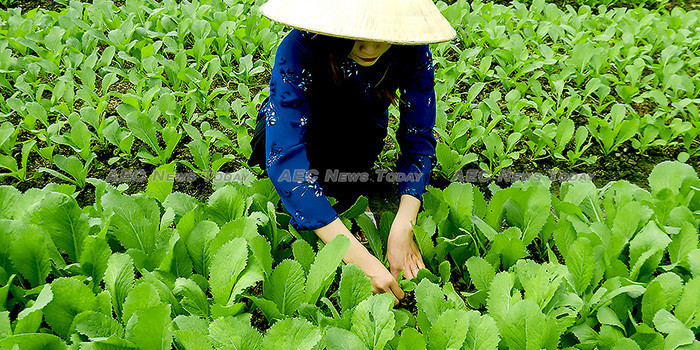
Năm 2013, chính phủ đưa ra chương trình tái cơ cấu nông nghiệp và sửa đổi Luật đất đai.
Các cơ quan quốc tế lớn, bao gồm Ngân hàng Phát triển Châu Á (ADB) và Ngân hàng Thế giới (WB) đã thúc giục cải cách trên diện rộng. Hành động cho đến nay đã bị hạn chế chủ yếu vì trồng trọt, chăn nuôi và sản xuất nuôi trồng thủy sản tiếp tục tăng.
Các nhà hoạch định chính sách của Việt Nam – nổi tiếng với chủ nghĩa bảo thủ của họ – coi cải cách triệt để là quá non nớt. Đây là một sai lầm nghiêm trọng.
Vào cuối thời chiến tranh Mỹ-Việt, nền nông nghiệp tại Việt Nam sử dụng khoảng 75% tổng lực lượng lao động và sản xuất khoảng 10 triệu tấn gạo, nguyên liệu chủ lực của đất nước. Phần lớn dân số Việt Nam với 50 triệu người bị suy dinh dưỡng đáng kể.
Phục hồi nông nghiệp chậm, bị chặn bởi các chính sách tập trung của chính phủ. Những nỗ lực cải cách chính thức thông qua Chỉ thị 100 năm 1981 đã giải phóng một phần thị trường nông sản. Chính phủ đã tăng tốc với đổi mới (renovation) vào năm 1986 và Luật đất đai năm 1988. Sau đó, chính phủ đã cấp quyền sử dụng đất cho các hộ gia đình và kích thích phản ứng mạnh mẽ từ nông dân. Tiếp tục đọc “Ngành Nông nghiệp Việt Nam: cần có ý chí của chính phủ và giáo dục” →



![African swine fever, which has hit the world's top pork producer, China, especially hard, originated in Africa before spreading to Asia and Europe [File: Kacper Pempel/Reuters]](https://www.aljazeera.com/mritems/imagecache/mbdxxlarge/mritems/Images/2019/10/30/aaf3e1d7582b462faca8fdd43b067b1e_18.jpg "African swine fever keeps spreading across Asia")