Vietnamese woman poised to claim title as world’s oldest living person

VNE – By Minh Nga   March 4, 2024 | 03:44 pm GMT+7

Trinh Thi Khong (R) and her daughter Do Thi Ninh at Ninh’s home in Dong Nai Province, February 2024. Photo by Dong Nai Province’s news portal

At 119, a woman living in the southern Dong Nai Province, could break the record for “World’s Oldest Living Person.”

Trinh Thi Khong’s birth year, documented in official records and acknowledged through congratulatory messages from both the president and local authorities, is 1905.

This makes Khong not only Vietnam’s eldest resident but also places her two years senior to Maria Branyas Morera of France, who is currently listed by Guinness World Records as the world’s oldest.

Tiếp tục đọc “Vietnamese woman poised to claim title as world’s oldest living person”

THE REALITY OF ELDERLY POVERTY IN VIETNAM

borgenproject.org

>> Vietnam’s ticking time-bomb of elderly poverty

Elderly Poverty in Vietnam
Elderly poverty in Vietnam is a significant issue considering that Vietnam currently has one of the highest rates of aging populations in the world. Right now, Vietnam is still a young country, despite the fact that its elderly population has increased from 4.9% in 1975 to 7.9% as of 2020. There is reason to have some concern over the aging population. Even just between 2009 and 2019, the elderly population older than the age of 60 increased by 2%. The World Bank has calculated that Vietnam could be the country that is aging fastest globally.

A Closer Look at Elderly Poverty in Vietnam

Tiếp tục đọc “THE REALITY OF ELDERLY POVERTY IN VIETNAM”

Kinh tế chăm sóc trong bối cảnh già hóa dân số nhanh: Cơ hội ở đâu?

Tiasang – 06062023 – THU QUỲNH

Chúng ta đã chuẩn bị được những gì cho ba thập niên tới khi mà Việt Nam có hơn 30 triệu người cao tuổi và chiếm khoảng 25% dân số cả nước? Liệu đây có hoàn toàn chỉ là thách thức?

Tiếp tục đọc “Kinh tế chăm sóc trong bối cảnh già hóa dân số nhanh: Cơ hội ở đâu?”

Ngành điều dưỡng cần thay chất, đổi lượng

Hoàng Minh – Thứ Tư, 5/04/2023

(KTSG) – Việt Nam đang tiến gần hơn đến thời kỳ già hóa dân số từ năm 2036. Hơn 23 triệu người đang ở độ tuổi trung niên (30-44) sẽ thành người già trong khi sự chuẩn bị cho tuổi già của nhóm người này, đặc biệt là ý thức và sự tích lũy tài chính, còn mờ nhạt chưa kể đến hệ thống an sinh xã hội chưa phát triển. Hệ thống chăm sóc y tế, điều trị bệnh cho người cao tuổi đối mặt với nhiều thách thức.

Điều dưỡng đang chăm sóc bệnh nhân tại một bệnh viện ở TPHCM. Ảnh: H.T

Tiếp tục đọc “Ngành điều dưỡng cần thay chất, đổi lượng”

Rút bảo hiểm một lần – Lương hưu chệch ‘đường ray’

VNE – Thứ hai, 20/3/2023, 00:00 (GMT+7)

Rút bảo hiểm một lần

Nguyễn Khắc Giang

Nguyễn Khắc Giang – Tiến sĩ Khoa học Chính trị

Lúc mới ra trường, tôi gửi tiền vào một quỹ lớn. Mức nộp tương đương 22% thu nhập mỗi tháng, tôi đóng 6% còn cơ quan góp 16%. Quỹ có số dư vào khoảng 36 tỷ USD, và số lượng khách hàng lên đến hàng chục triệu.

Tuy nhiên, quỹ lại không công bố báo cáo tài chính, và chỉ cho phép nhận vốn và lãi hàng tháng sau khi tôi bước qua tuổi nghỉ hưu. Nghĩa là tôi sẽ phải chờ khoảng 35 năm mới biết khoản đầu tư của mình hiệu quả ra sao. Quỹ cũng thường than thở về nguy cơ mất thanh khoản, vỡ quỹ, trong khi không có cam kết đáng kể về rủi ro trượt giá đồng tiền do lạm phát.

Nếu có cơ hội, theo bạn, tôi có nên rút khỏi quỹ hay không?

Tiếp tục đọc “Rút bảo hiểm một lần – Lương hưu chệch ‘đường ray’”

Những chuyến ly hương của người già Đồng bằng Sông Cửu Long

Tiasang – Võ Kiều Bảo Uyên, Nhung Nguyễn

Những biến đổi về môi trường, khí hậu đã đẩy người lớn tuổi ở Đồng bằng Sông Cửu Long (ĐBSCL) phải rời quê tìm đường mưu sinh.  

Bà Nguyễn Thị Áp (63 tuổi) tại chỗ ngủ của mình – một tầng hầm để xe ở chung cư nơi bà làm nhân viên vệ sinh. Ảnh: Thành Nguyễn

Chuyến rời quê đầu tiên trong đời bà Nguyễn Thị Áp* là khi bà đã bước qua tuổi 63. Sáng sớm một ngày tháng Bảy, người phụ nữ tóc bạc trắng xách giỏ quần áo, một mình ra lộ bắt xe đi khỏi quê nhà Chợ Mới, An Giang, tỉnh thượng nguồn ĐBSCL đến Thành phố Hồ Chí Minh (TP.HCM). Không chỉ mưu sinh, với bà, đó còn là một cuộc chạy trốn.

Khoản nợ hơn 100 triệu đồng tích tụ “từ ngày còn mần lúa”, lãi chồng lãi, cùng bệnh tim của người chồng đã đẩy bà Áp – gần như cả đời chỉ quen ruộng vườn – đến đô thị xa lạ tìm kiếm việc làm. Đích đến ban đầu trong kế hoạch của bà là Bình Dương, khu công nghiệp lớn nhất nước, nhưng những hàng xóm đi trước rỉ tai rằng nơi ấy chỉ có việc cho người trẻ. Cuối cùng, theo lời họ hàng chỉ, bà đặt cược vào TPHCM, nơi sẵn công việc làm thuê qua ngày.

“Ruộng đã bán. Con cái có gia đình riêng, và cũng khổ. Dì ở lại [quê] hết đời cũng không thể trả hết nợ”, bà Áp nói, không quên dặn người phỏng vấn giấu danh tính vì sợ chủ nợ nhận ra.

Tiếp tục đọc “Những chuyến ly hương của người già Đồng bằng Sông Cửu Long”

Elderly fleeing Mekong Delta as climate change hits

mekongeye – By Nhung Nguyen

28 November 2022 at 7:00 (Updated on 28 November 2022 at 15:02)

Vietnamese farmers flee the Delta for city jobs as climate change, droughts and creeping saltwater take a toll.

mekong delta

Tu Day, 58, and her husband, 63, in their small rented room in Ho Chi Minh City, Vietnam. The couple moved to the city in 2016 after environmental changes left their fish farm in the Mekong Delta unprofitable. PHOTO: Thanh Nguyen

HO CHI MINH CITY, VIETNAM – At 63, Nguyen Thi Ngoc landed her first full-time ‘company’ job as a security guard in Ho Chi Minh City. She had never been to a city before taking the job in early 2021, but the former farmer from the Mekong Delta in southern Vietnam was indifferent to the urban bustle of the country’s largest city.

“I came here to work, make some money, not to play around,” she said, while sitting outside the semi-abandoned housing complex she guarded. “In the past six months, the only place I have visited is the market.”

Tiếp tục đọc “Elderly fleeing Mekong Delta as climate change hits”

Tiêm vaccine COVID: Ưu tiên người già để giảm thiểu tử vong

TS – 04/09/2021 08:00 – Hoàng Xuân Trung – Nguyễn Ngọc Anh – Đào Nguyên Thắng

Trong điều kiện nguồn cung vaccine còn hạn chế, phương án tiêm ngay cho người già sẽ vừa đạt được mục tiêu giảm được thiệt hại sinh mạng, giảm số người nhập viện và tránh sụp đổ hệ thống y tế, nhờ đó nền kinh tế có thể sớm mở cửa.


Tiêm vaccine tại TP HCM. Ảnh: Trương Thanh Tùng. 

Việt Nam đang ở trong một tình thế lưỡng nan – nền kinh tế không chịu đựng nổi giãn cách quá lâu, nhưng nếu mở cửa thì nền y tế cũng không chịu đựng được số ca nhiễm tăng quá cao. Nếu y tế sụp đổ cũng sẽ dẫn tới sụp đổ kinh tế. Chúng ta đều biết, với biến chủng Delta, chiến lược kiểm soát COVID đưa số ca mắc về 0 là điều vô cùng khó khăn, nhất là khi số ca nhiễm của Việt Nam đã lên gần nửa triệu người. Việt Nam chưa chủ động được nguồn cung vaccine, vì vậy vấn đề quan trọng là tính toán chiến lược tiêm sao cho vừa giảm tối đa số ca tăng nặng và tử vong vừa nới lỏng giãn cách một cách sớm nhất có thể với một lượng vaccine khan hiếm. 

Tiếp tục đọc “Tiêm vaccine COVID: Ưu tiên người già để giảm thiểu tử vong”

20 years for Vietnam to become rich and strong


24/05/2021    06:00 GMT+7 vietnamnet

If developing countries do not make breakthroughs during the golden population period, they will find it difficult to overcome the middle-income trap to become developed countries.
20 năm, gấp rút để trở nên giàu mạnh-1

According to China’s 2020 census results released on May 11, China’s population is rapidly aging, and the number of people of working age is decreasing. The number of people of working age (15-59 years old) is 894.38 million, accounting for 63.35% of the population, down 6.79% compared to 2010. The number of children aged 14 and under is 253.38 million, equivalent to 17.95% of the population and the number of people aged 65 and over is 190.64 million, accounting for 13.5% of the population.

According to criteria of the United Nations Population Fund (UNFPA), a country with a maximum proportion of children under 14 years old accounting for 30% and elderly people (aged 65 and over) less than 15% of the total population is considered to be in the golden population age.

Based on the criteria, China is still in the golden population period. However, as the number of people over 65 years old has increased rapidly, from 7% of the population in 2000 to 13.5% in 2020, China’s population aging trend is unlikely to reverse. Over the past four decades, China’s economy has grown thanks to an abundant workforce, but the country is on the way from labor surplus to labor shortage, at the fastest pace in history.

China has become a society of the elderly in just 20 years, much faster than France (140 years), Sweden (85 years), and the United States (72 years). The problem is that aging population occurs when China’s GDP per capita is only about $10,000/year, compared to over $30,000/year in developed countries. This is negatively affecting economic development and major national goals of China.

Since 2007 Vietnam has entered the golden population period and the current proportion of people of working age account for nearly 70% of the population, of which about half are young people, who are under 34 years old. However, according to the 2019 census, Vietnam’s population is aging at an unprecedented rate. In 2019, the country had 11.4 million people aged 60 and over, accounting for 11.86% of the total population and the aging index increased from 35.9% in 2009 to 48.8% in 2019. It is estimated that the number of people aged 65 and over will reach over 10% by 2026 and exceed 15% by 2039.

This will be the end of the golden population period in Vietnam.

Vietnam is now in the group of low-middle-income economies and has set a goal to become a high-middle-income country by 2030 and a high-income developed country by 2045.

Experts said that developing countries, if failing to make breakthrough in the golden population period, will find it difficult to overcome the middle-income trap and will never become developed countries.

The first 10 years of the golden population period have passed. It is forecasted that Vietnam’s population in the period 2030-2040 will likely be aging. Therefore, only the period from 2020-2030 is the optimal time, an extremely important opportunity for economic development.20 năm, gấp rút để trở nên giàu mạnh-2
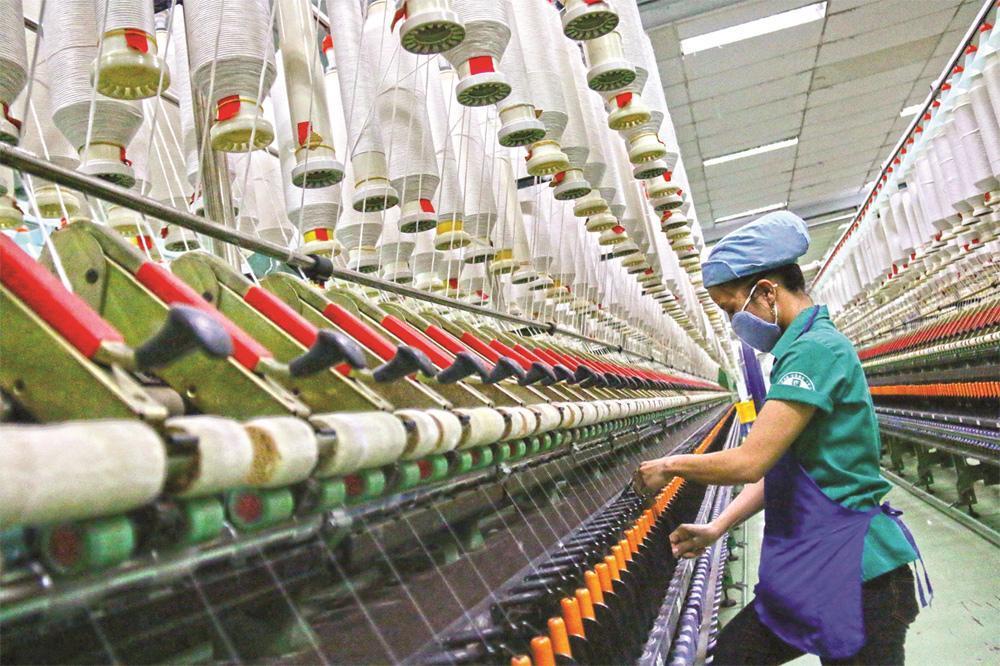
However, the golden population structure is only a possibility and an opportunity, not a guarantee for economic breakthroughs. It is important that people of working age must be able to work, have jobs and create high productivity.

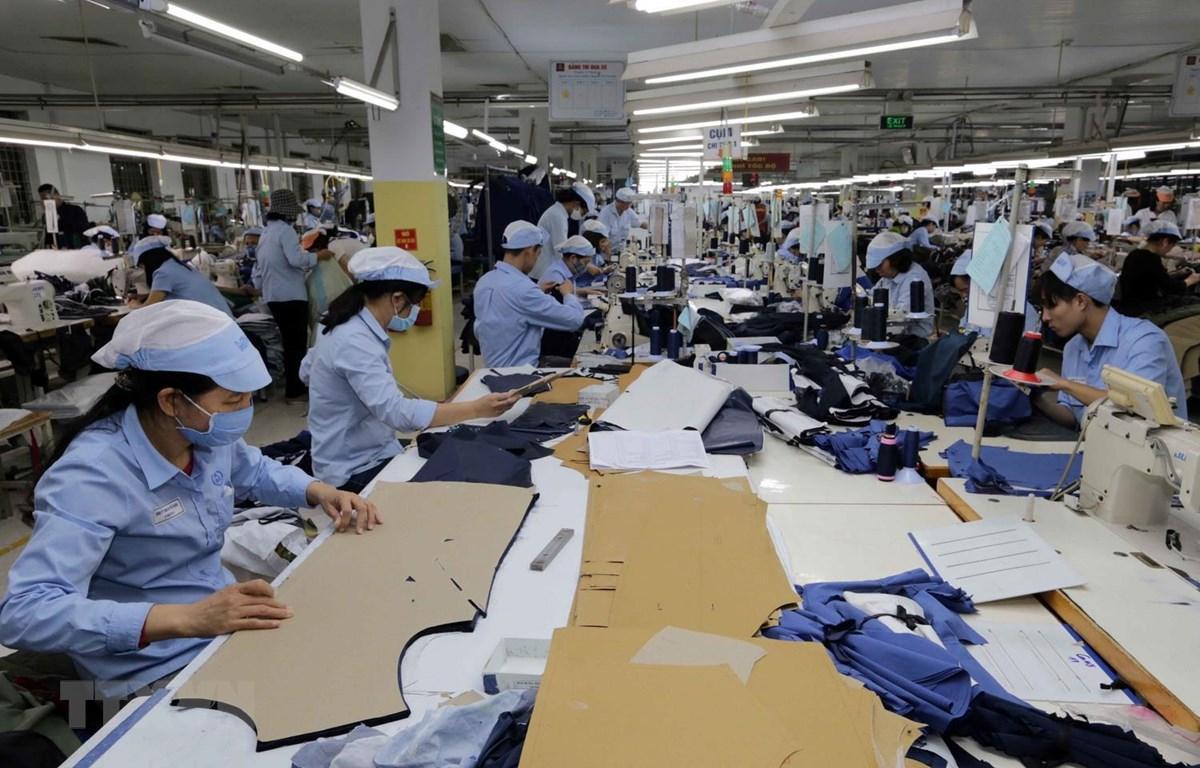
Labor productivity of Vietnam is low compared to other countries in the region: 26 times lower than Singapore, 7 times lower than Malaysia, 4 times lower than China, 2 times lower than the Philippines, 3 times lower than Thailand. One of the main causes of low labor productivity is the poor qualifications and capacity of workers.

According to the Ministry of Labor, Invalids and Social Affairs, unskilled labor accounted for 39% of the total workforce in 2009, down to 36% in 2018. In 10 years, it only fell by 3%, so for a long time, the economy retained the structure of using cheap labor. Vietnam is lacking skilled workers, labor groups with technical expertise, managers, and innovators. These are the groups capable of leading the economy.

Compared with some countries in the region, the proportion of trained workers in Vietnam seems to be good, but the quality and qualifications are still a concern. Most of the recruited workers need to be retrained, and many people work in the wrong profession.

For the Human Development Index (HDI), a measure of population quality, published by the United Nations Development Program (UNDP), Vietnam ranked 117th out of 189 countries and territories in 2019. Vietnam has never entered the top 100 most developed countries, has not closed the gap with other countries in the world. In particular, labor productivity is still the weakest factor when it comes to population quality.

According to the Vietnam Chamber of Commerce and Industry (VCCI), nearly 70% of foreign-invested enterprises in Vietnam have difficulty in recruiting skilled technicians. With human resources for positions that require strategic and leadership thinking, it is even harder to find. They have to seek personnel from other countries. In addition to the lack of high-quality labor, the discipline of workers is still poor.

The 4.0 industrial revolution is taking place in the world and economic experts say that Vietnam needs to transit to a digital economy. Digital transformation will help increase labor productivity and help Vietnam make a breakthrough.

However, this process is facing many challenges. Most Vietnamese businesses still do not know how to start their digital transformation strategy. Small and medium-sized enterprises do not understand much about the concept of digital transformation. Most of them have not approached digital technologies, are not equipped with a business mindset on a digital platform, and lack a business strategy on a digital platform. The main reason is the lack of human resources in digital services.

Experts said that Japan and Germany were severely damaged in the second world war, but have risen strongly to become developed countries thanks to a skilled, well-trained workforce.

According to demographers, Vietnam’s golden population period will last for about 20 more years and will not return. Therefore, during this period, it is necessary to train a strong young workforce who are capable of changing the country’s economy. We need to make the most of this precious resource. In fact, the golden population opportunity does not automatically bring a positive impact, but it must be “held” to “create” a golden workforce, leading the country to fast and sustainable development.

It is necessary to have a good labor market management policy. There should be specific regulations to link training and vocational institutions with the market. The education system must be able to handle the provision of knowledge and professional skills for workers, so it can become a strong driving force of the economy, bringing Vietnam to a higher position in the global value chain.

Tran Thuy

Vietnam to enter aging population stage in 2026

Twenty percent of Vietnam’s population will be 60 years of age or older within the next 20 years, resulting ….

Aging in Vietnam: The elderly to account for 20.4% by 2050

It takes Vietnam only 20 years to transform from 7% to 14% of the population aged 65 and over.

Volunteers help homeless people

vietnamnews – Update: September, 08/2019 – 08:48 – Trần Hoàng Nam

On a stormy Friday night, Nguyễn Thị Vân, 80 something, shivered in her worn out raincoat. Leaning against a wall on a quiet Hà Nội street, she wiped her dark and wrinkled face.

A group of young people approached her and gave her some food and a bottle of water.

“Charity food is so delicious and hot,” the woman said after eating for a while. “I long for it every Friday night. I just wonder why they are so kindhearted.”

A homeless woman keeps herself warm in worn-out clothes and sacks. VNS Photos Lê Hương
Tiếp tục đọc “Volunteers help homeless people”

Singapore đối mặt với suy thoái

Thái Hà Thứ Hai,  5/3/2018, 21:44 

(TBKTSG Online) – Hầu hết mọi người xem việc tăng thuế hàng hóa và dịch vụ lần đầu tiên trong thập kỷ ở Singapore là cần thiết, nhưng một số người cho rằng đó là dấu hiệu cho thấy đảo quốc này không có câu trả lời dài hạn cho “quả bom nhân khẩu học hẹn giờ” của họ.


Dân số già đang là “quả bom nhân khẩu hẹn giờ” của Singapore.

Người Hoa cho rằng vào dịp đầu năm mới Âm lịch, gạo đầy thùng là một dấu hiệu tốt cho cả năm. Chính phủ Singapore cũng tin vào điều đó khi Bộ trưởng tài chính Heng Swee Keat thông báo thuế hàng hóa và dịch vụ (GST) sẽ tăng từ 7% lên 9% từ năm 2021, lần đầu tiên trong thập kỷ có sự tăng thuế này, và cũng là lần đầu tiên họ công bố sự tăng thuế sớm như vậy. Tiếp tục đọc “Singapore đối mặt với suy thoái”

Old workers won’t steal jobs: experts

vietnamnews Update: November, 25/2017 – 09:00

Medical workers provide free health checkups for senior citizens. — VNA/VNS Photo
Viet Nam News HÀ NỘI — Statistics from countries whose senior citizens continue working show no increase in unemployment rate of young workers, an official of the United Nations Population Fund (UNFPA) in Việt Nam said. Tiếp tục đọc “Old workers won’t steal jobs: experts”

Quản lý giá biệt dược: Làm gì để thị trường thuốc không “nhảy múa”?” – 5 kỳ

***

Quản lý giá biệt dược: Làm gì để thị trường thuốc không “nhảy múa”?”

THÙY GIANG (VIETNAM+) Bản in

Những cửa hàng thuốc tư nhân san sát nhau trên tuyến phố Quán Sứ (Hà Nội). (Ảnh: TTVN/Vietnam+)

Tổng kết công tác khám chữa bệnh của Bộ Y tế trong năm 2015 cho thấy, các chỉ tiêu tổng hợp như số lần khám bệnh, số bệnh nhân nội trú, ngoại trú, số ngày điều trị nội, ngoại trú, số phẫu thuật, thủ thuật, chẩn đoán, xét nghiệm… đều tăng so với năm 2014, đạt bình quân 2,34 lượt khám/người/năm.

Như vậy, trong năm qua, mỗi người dân đạt bình quân có hơn 2 lần tới các cơ sở y tế khám chữa bệnh. Và mỗi năm, lượng thuốc được tiêu thụ trong khám chữa bệnh không hề nhỏ. Tiếp tục đọc “Quản lý giá biệt dược: Làm gì để thị trường thuốc không “nhảy múa”?” – 5 kỳ”

Việt Nam prepares to support aging population

vietnamnews

Update: September, 09/2017 – 09:00

The elderly population in Việt Nam. — VNS Infographic

HÀ NỘI —According to the World Health Organisation (WHO), Việt Nam is among the countries with the fastest aging rate in the world. This phenomenon has widespread and long-term impacts on the country, requiring comprehensive proactive policies for the elderly. Tiếp tục đọc “Việt Nam prepares to support aging population”

One man, 441 people, and a community for healthier hearts

MAY 16, 2017 |

PATH _ Bringing blood pressure monitoring services to the community is transforming access to chronic disease management in Vietnam.

An animated man leans forward on a chair.
“Most people [still don’t know] the risks and complications related to hypertension,” says Mr. Phu. “Some people might feel dizzy and have a headache. They come to me for a blood pressure check and are surprised when [they learn] they have high blood pressure levels. I then tell them to go to a health clinic to confirm the diagnosis.” Photo: PATH.

Tiếp tục đọc “One man, 441 people, and a community for healthier hearts”