Thủ tướng ra quy định mới, vạn gia đình nhẹ gánh tiền điện hàng tháng

Thủ tướng Chính phủ vừa ban hành Quyết định sửa đổi quy định về giá điện đối với dự án điện mặt trời trên mái nhà.

Thủ tướng Chính phủ ban hành Quyết định sửa đổi, bổ sung một số điều của Quyết định số 11/2017/QĐ-TTg ngày 11/4/2017 của Thủ tướng Chính phủ về cơ chế khuyến khích phát triển các dự án điện mặt trời tại Việt Nam. Trong đó, Quyết định sửa đổi quy định về giá điện đối với dự án điện mặt trời trên mái nhà.

Tiếp tục đọc “Thủ tướng ra quy định mới, vạn gia đình nhẹ gánh tiền điện hàng tháng”

Điều ước cho đất nước năm 2019

  1. Xóa ISDS trong các hiệp ước quốc tế.

ISDS là điều khoản cho phép một nhà đầu tư nước ngoài chống lại luật quốc gia chủ nhà (như luật Việt Nam) và kiện chính phủ quốc gia chủ nhà (như chính phủ Việt Nam) qua một hội đồng trọng tài quốc tế xét xử theo quy định của một hiệp nước đã có với Việt Nam (như CPTPP, Hiệp định thương mại EU-VN, và nhiều hiệp ước thương mại song phương đã ký). Tiếp tục đọc “Điều ước cho đất nước năm 2019”

India cancels plans for huge coal power stations as solar energy prices hit record low

India’s solar tariffs have literally been free falling in recent months’

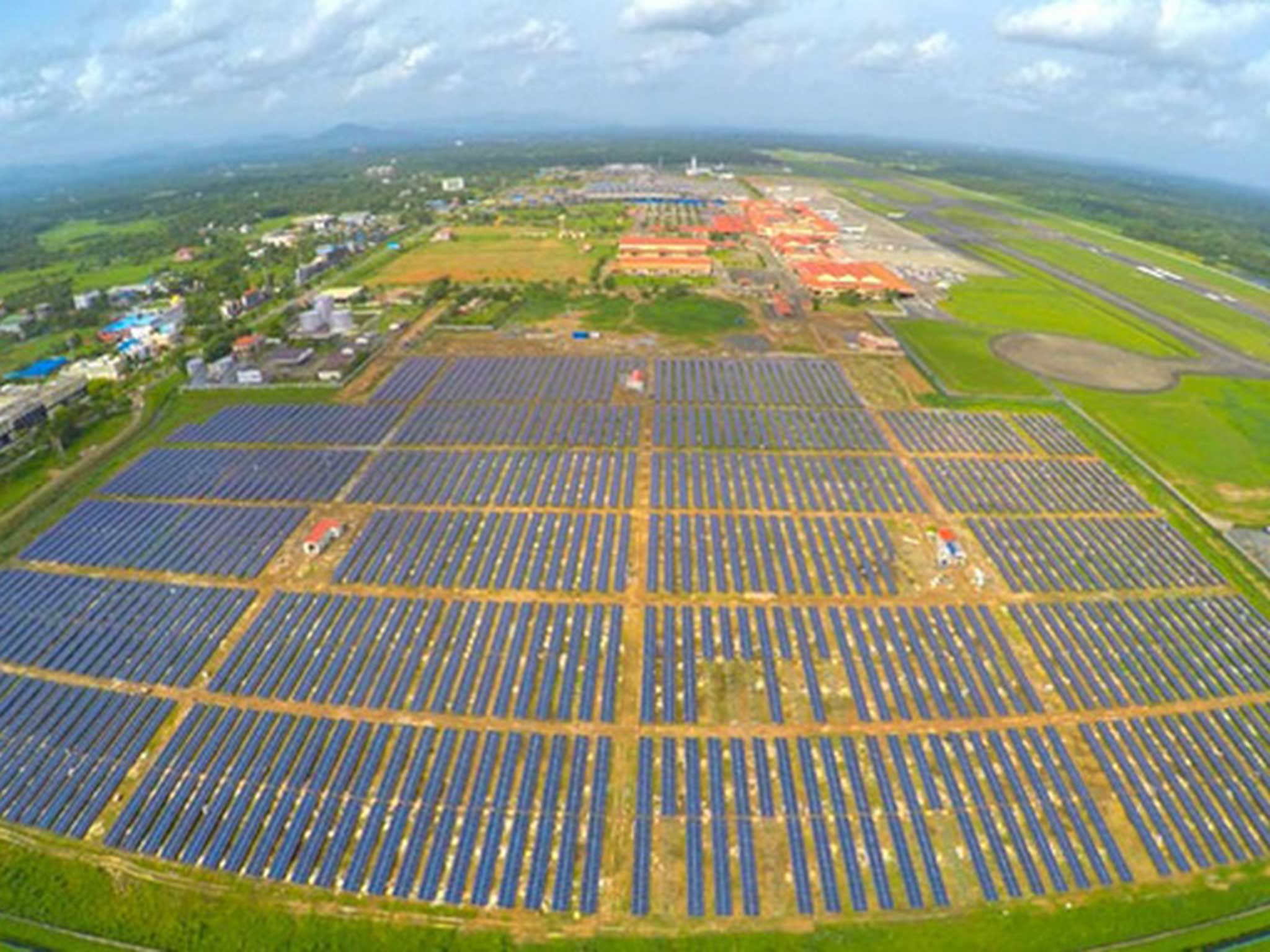
A field of solar panels at Cochin International Airport in southern India

A field of solar panels at Cochin International Airport in southern India ( CIAL )

India has cancelled plans to build nearly 14 gigawatts of coal-fired power stations – about the same as the total amount in the UK – with the price for solar electricity “free falling” to levels once considered impossible.

Analyst Tim Buckley said the shift away from the dirtiest fossil fuel and towards solar in India would have “profound” implications on global energy markets.

According to his article on the Institute for Energy Economics and Financial Analysis’s website, 13.7GW of planned coal power projects have been cancelled so far this month – in a stark indication of the pace of change.

China, Japan, & South Korea Lead Global Push To Expand Coal Plants

TĐH: Vietnam is No. 1 coal-plant finance recipient.

December 10th, 2018 by at Clean Technica

Despite countless warnings and mounting economic evidence to the contrary, countries continue to expand the number of new coal-fired power plants, a push which is currently being led by China, Japan, and South Korea, according to the latest figures from CoalSwarm released last week.

Dangerously, even as these three countries seek to transition their own economies away from coal-fired power and towards large-scale renewable energy sources — sources such as solar and offshore and onshore wind — they are also providing significant funding for overseas coal plants in developing nations.

Specifically, China’s public financial institutions have financed at least 26 gigawatts (GW) worth of coal plants overseas and may finance at least 42 GW in the future; Japan’s public financial institutions have financed at least 19 GW and might finance at least 11 GW more; while South Korea has financed at least 8 GW and might finance 9 GW more. Tiếp tục đọc “China, Japan, & South Korea Lead Global Push To Expand Coal Plants”

Coal assets stranded in Southeast Asia

Coal is now more expensive than renewable energy – and while this is good news for the climate, it’s bad news for developing countries who have invested in coal. Renato Redentor Constantino looks at how Japan and Korea are divesting, and the IMF’s opinion on stranded assets.

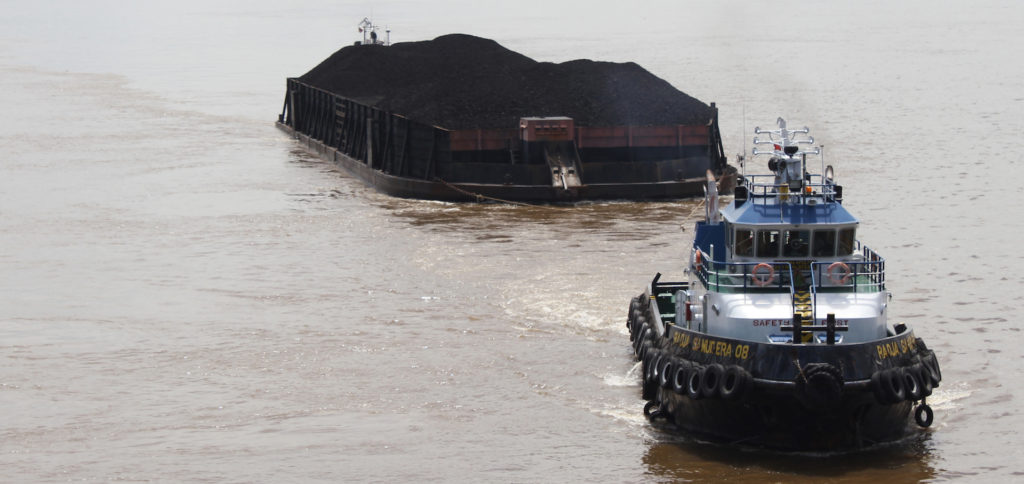
A barge from Samarinda coal mine on the Mahakam river, Indonesia

A barge transports coal on the Mahakam river, Indonesia: the country is subsidizing coal, despite its risks (Photo by Andrew Taylor/WDM, CC BY 2.0)

Countries in Southeast Asia who have invested in coal are finding themselves high and dry.

Because of competition from renewable energy, the Philippines is facing at least $21 billion in stranded coal plant assets, representing all new proposals in the pipeline. The figure represents over a fourth of the country’s national budget.

In Indonesia, 133 trillion Indonesian Rupiah is projected to be spent in 2021 to subsidize its thermal coal sector expansion, but the allocation can only delay, not prevent, what is taking place globally. Tiếp tục đọc “Coal assets stranded in Southeast Asia”

Không khai thác bể than sông Hồng bằng mọi giá

Baomoi.com

‘Không khai thác bể than sông Hồng bằng mọi giá’ là ý kiến chung của các chuyên gia, nhà quản lý tại Hội thảo ‘Đánh giá tiềm năng khai thác và sử dụng bể than sông Hồng’, tổ chức sáng ngày 4/12/2018.

Tiềm năng rất lớn…

Theo TS. Đào Văn Thịnh – Viện Địa chất và Môi trường, Tổng Hội Địa chất Việt Nam, bể than sông Hồng (BTSH) kéo dài khoảng 120 km từ thành phố Việt Trì, tỉnh Phú Thọ đến bờ biển vịnh Bắc Bộ, qua địa phận các tỉnh Hưng Yên, Thái Bình, Nam Định, Hải Dương, Hải Phòng và TP. Hà Nội. Khu vực tiềm năng có các vỉa than quy mô công nghiệp có thể khai thác vào khoảng 1.920 km2 thuộc địa bàn 3 tỉnh Hưng Yên, Thái Bình, Nam Định.

Theo các chuyên gia, việc khai thác BTSH là vấn đề rất lớn, phức tạp nên cần nghiên cứu kỹ lưỡng và thận trọng

TS. Thịnh dẫn số liệu từ kết quả Đề án điều tra, đánh giá tổng thể tài nguyên than phần đất liền BTSH được thực hiện theo Quyết định số 326/QĐ-TTg ngày 20/3/2012 của Thủ tướng Chính phủ cho biết, mục tiêu tài nguyên than cấp 333, 334a và 334b đạt 210 tỷ tấn trong đó tài nguyên cấp 333 đạt 10 tỷ tấn.

“Như vậy BTSH có tiềm năng tài nguyên than rất cao, Nếu tính đến độ sâu – 3.500m thì tổng tài nguyên than đạt 210 tỷ tấn, gấp 20 lần bể than Quảng Ninh” – ông Thịnh tính toán.

Bổ sung thông tin, GS.TS Trần Văn Trị – Tổng Hội địa chất Việt Nam – cho biết, theo các tài liệu địa chất, địa vật lý và khoan thăm dò từ năm 1961 đến nay (hiện lưu tại Tập đoàn Dầu khí Việt Nam, Tập đoàn Công nghiệp Than – Khoán sản Việt Nam và Tổng cục Địa chất và Khoáng sản Việt Nam) thì than ở đồng bằng sông Hồng có dạng vỉa hoặc thấu kính có bề dày thay đổi từ 0,3 – 10m. Nhãn hiệu than ở đây thuộc loại á-bitum (than mỡ) có chất lượng tốt với nhiệt lượng trung bình cao, khoảng 6.840cal/g; độ tro khoảng 13,26%; chất bốc khoảng 48,15% và lưu huỳnh ở mức 1,54%.

Đánh giá tiềm năng tài nguyên than của BTSH là rất lớn, song các chuyên gia cho rằng, điều kiện địa chất công trình và địa chất thủy văn của khu vực này khá phức tạp. Cụ thể, theo TS. Đào Văn Thịnh, trên phạm vi BTSH có các đứt gãy kiến tạo cỡ khu vực chạy qua và đa số là các đứt gãy đang hoạt động, đứt gãy sinh chấn, gồm: Đứt gẫy sông Hồng, sông Chảy, sông Lô và Vĩnh Ninh.

Tiếp tục đọc “Không khai thác bể than sông Hồng bằng mọi giá”

Vietnam to face power shortage by 2020

Last update 17:15 | 04/12/2018
Vietnam could face power shortages in the early 2020s. The shortages are likely to happen from 2020 to 2025.


The Electricity of Vietnam said to meet surging demand for power, the country needs 60,000MW of electricity by 2020; 96,500MW of electricity by 2025 and 129,500MW of electricity by 2030.

This means total installed capacity would have to increase by 6,000-7,000MW of electricity per year.

Experts say it is necessary to review electricity producing projects to ensure energy security.

They suggested that special treatment such as loan guarantee be offered to investors so that power projects could be soon built and operated.-VNA

7 cách để tăng tốc độ chuyển dịch sang năng lượng tái tạo tại Đông Nam Á

English: 7 ways to speed up Southeast Asia’s switch to renewable energy

Ở một khu vực với tiềm năng tự nhiên bao la cho năng lượng tái tạo, than đá vẫn là vua. Các nước Đông Nam Á làm thế nào để đẩy nhanh tốc độ chuyển dịch sang năng lượng sạch? Báo Eco-Business – Kinh doanh sinh thái đặt câu hỏi cho các chuyên gia.

solar rooftop installation in SamarResidents of Sulu-an, Guiuan Eastern Samar installed solar panels on top of their community store last April 16, 2018. Image: Glinly Alvero/ICSC
Bằng chứng đang trở nên khó chối cãi hơn. Năng lượng sạch có thể cung cấp 100% lượng điện cần cho xã hội. Công nghệ năng lượng tái tạo hiện tại đáng tin cậy 24 tiếng 1 ngày, mỗi ngày trong năm, và sự cố chấp của các ngành công nghiệp trong sử dụng than đá và các nguồn năng lượng ô nhiễm khác bởi nỗi sợ của sự không liên tục – điểm cho là bất lực của năng lượng tái tạo để đảm bảo cung cấp điện không gián đoạn – không còn quá quan trọng.

Vậy tại sao Đông Nam Á tiếp tục là người đi chậm trên toàn cầu trong việc triển khai năng lượng tái tạo?
Tiếp tục đọc “7 cách để tăng tốc độ chuyển dịch sang năng lượng tái tạo tại Đông Nam Á”

Oil and Gas Majors Need to Invest $20 Billion Yearly to Dominate in Renewables

Greentechmedia

That hypothetical amount would equate to “a massive boost for the market.”

Spending $20 billion per year on renewables would support 7 gigawatts of offshore wind annually.

Spending $20 billion per year on renewables would support 7 gigawatts of offshore wind annually Photo Credit: Shutterstock.com

‘Mắt thấy tai nghe’ từ Vĩnh Tân

  • 28 tháng 10 2018
Vĩnh Tân

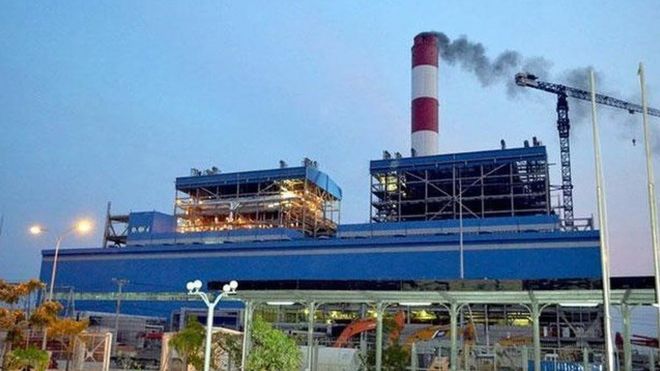
Báo InfoNet hồi tháng 7/2018 nói Chủ tịch UBND tỉnh Bình Thuận Nguyễn Ngọc Hai “kiến nghị xử lý tồn tại phức tạp ở Nhiệt điện Vĩnh Tân.” (Bản quyền hình ảnhINFONET)

Hệ lụy mà nhà máy nhiệt điện Vĩnh Tân gây ra cho người dân nơi đây đã được báo chí, mạng xã hội phản ánh gần như đầy đủ nên tôi không đi sâu về tác hại và sự thống khổ của người dân nơi đây. Cái mà tôi quan tâm là tình trạng ô nhiễm tro xỉ ở đây có thể chấm dứt được không và khi nào?

Tiếp tục đọc “‘Mắt thấy tai nghe’ từ Vĩnh Tân”

Asia-Pacific PV Demand Holds Steady, Offshore Wind Spikes

Greentechmedia

Wood Mackenzie unveils new forecast figures for renewables in the Asia-Pacific region.

Cumulative solar PV capacity in Asia-Pacific will increase by 60 percent by 2023.

Cumulative solar PV capacity in Asia-Pacific will increase by 60 percent by 2023.

The Asia-Pacific region is set to install 55 percent of all the world’s new PV in the next five years, new figures show.

The data, from Wood Mackenzie Power & Renewables, shows demand across the region holding steady over the next half decade, even though this year will see a dip in PV installation rates for the first time ever.
Tiếp tục đọc “Asia-Pacific PV Demand Holds Steady, Offshore Wind Spikes”

IPCC: Renewables to Supply 70%-85% of Electricity by 2050 to Avoid Worst Impacts of Climate Change

Greentechmedia

The United Nations confronts a future with “the slimmest of opportunities remaining to avoid unthinkable damage.”

Among the proposed changes: up to 97 percent of electricity from renewable sources by 2050.

Among the proposed changes: up to 97 percent of electricity from renewable sources by 2050.

Limiting global warming to 1.5°C will require extreme changes, including markedly increasing the percentage of electricity from renewables by mid-century, according to a Sunday report from the United Nations’ Intergovernmental Panel on Climate Change (IPCC).

The report, commissioned as part of the 2015 Paris climate agreement, presents a stark portrait of the future unless the world undertakes “rapid, fair-reaching and unprecedented changes in all aspects of society” in the next decade or so — changes that thus far have been difficult for decision-makers to agree on. Tiếp tục đọc “IPCC: Renewables to Supply 70%-85% of Electricity by 2050 to Avoid Worst Impacts of Climate Change”

Vietnam: An Up-and-Coming Clean Energy Leader?

Vietnam has a significant challenge ahead: power its remarkable economic growth with less polluting and more affordable clean energy.

This is no small task. According to the Vietnam Business Forum, the country’s current energy plan would increase coal use from 14 gigawatts (GW) to 55GW by 2030 and require 10 million tons of coal to be imported every year from 2017 onward. Tiếp tục đọc “Vietnam: An Up-and-Coming Clean Energy Leader?”

A Late Start: Renewable Energy Development In Vietnam

August 21st, 2018 by  CleanTeachnica


By Lars Blume, Green ID Vietnam

Vietnam is located on the Indochina peninsula in Southeast Asia. The country’s total length is 1,650 kilometers from the northernmost point to the southernmost point. Vietnam has a diverse topography consisting of hills, mountains, deltas, coastline, and continental shelf. The topography is lower from the Northwest to the Southeast. There are two major deltas with fertile arable land in Vietnam; the 16,700 sq km Red River Delta, locally known as the Northern Delta, and the 40,000 sq km Mekong River Delta, or the Southern Delta. The country has a long coastline of 3,260 km, running from Mong Cai in the North to Ha Tien in the Southwest. Tiếp tục đọc “A Late Start: Renewable Energy Development In Vietnam”

Governments and Philanthropies Announce South East Asia Energy Transition Partnership

Bloomberg.org

Today the Government of Canada’s Department of Environment and Climate Change, the French Development Agency (AFD), Germany’s Federal Ministry for the Environment, Nature Conservation and Nuclear Safety (BMU), the United Kingdom’s Department for Business, Energy and Industrial Strategy (BEIS), and global philanthropies announced the beginning of a new collaboration at the One Planet Summit in New York to accelerate the energy transition in partnership with countries in South East Asia.

South East Asian countries can ensure continued economic growth and prosperity, keep pace with the related growth in energy demand, and meet their Nationally Determined Contributions (NDCs) toward the Paris Agreement. The fall in the cost of renewable energy, the untapped renewable energy potential in South East Asia, and the lessons learned from increasing renewable energy penetration globally presents an opportunity for South East Asian countries to accelerate the energy transition and meet their Paris commitments. Tiếp tục đọc “Governments and Philanthropies Announce South East Asia Energy Transition Partnership”