
Posted by Wesley Shaw Fri
Trump is absolutely right. Where on earth would China have any wind farms~.🤣
Those satellite images from the BBC must be fake. That massive wind farm in Gansu Province visible from space must be a Hollywood set.🤡
Conversations on Vietnam Development

Posted by Wesley Shaw Fri
Trump is absolutely right. Where on earth would China have any wind farms~.🤣
Those satellite images from the BBC must be fake. That massive wind farm in Gansu Province visible from space must be a Hollywood set.🤡
visualcapitalist January 19, 2026

China dominates global rare earth mining, but undeveloped reserves elsewhere could reshape future supply chains.
Greenland holds an estimated 1.5 million metric tons of rare earth reserves despite having no commercial production.
U.S. President Donald Trump has once again put Greenland at the center of global attention.
His renewed threat to assert U.S. control over the Arctic territory has drawn sharp reactions from European leaders and Denmark, which governs Greenland as an autonomous territory.
While the island’s strategic location is often cited, another underlying motivation is increasingly tied to its vast mineral potential. In particular, Greenland’s rare earth reserves have become a focal point in a world racing to secure critical resources.
This visualization compares rare earth mine production and reserves across countries, placing Greenland’s untapped resources in a global context.
The data for this visualization comes from the U.S. Geological Survey (USGS), as of 2024.
China remains the backbone of the global rare earth market. In 2024, it produced roughly 270,000 metric tons, accounting for well over half of global output.
China also controls the largest reserves, estimated at 44 million metric tons. This combination of scale and integration gives Beijing significant leverage over industries ranging from electric vehicles to defense systems.
| Country | Reserves (Metric Tons) | Rare Earth Production 2024 (Metric Tons) |
|---|---|---|
| 🇨🇳 China | 44.0M | 270,000 |
| 🇧🇷 Brazil | 21.0M | 20 |
| 🇮🇳 India | 6.9M | 2,900 |
| 🇦🇺 Australia | 5.7M | 13,000 |
| 🇷🇺 Russia | 3.8M | 2,500 |
| 🇻🇳 Vietnam | 3.5M | 300 |
| 🇺🇸 United States | 1.9M | 45,000 |
| 🇬🇱 Greenland | 1.5M | 0 |
| 🇹🇿 Tanzania | 890K | 0 |
| 🇿🇦 South Africa | 860K | 0 |
| 🇨🇦 Canada | 830K | 0 |
| 🇹🇭 Thailand | 4.5K | 13,000 |
| 🇲🇲 Myanmar | 0 | 31,000 |
| 🇲🇬 Madagascar | 0 | 2,000 |
| 🇲🇾 Malaysia | 0 | 130 |
| 🇳🇬 Nigeria | 0 | 13,000 |
| 🌍 Other | 0 | 1,100 |
| 🌐 World total (rounded) | >90,000,000 | 390,000 |
Outside China, many countries with sizable reserves play only a minor role in production.
Brazil holds an estimated 21 million metric tons of rare earth reserves yet produces almost nothing today. India, Russia, and Vietnam show similar patterns.
Greenland’s estimated 1.5 million metric tons of rare earth reserves exceed those of countries like Canada and South Africa. Yet the island has never had commercial rare earth production.
Environmental protections, infrastructure constraints, and local political opposition have slowed development. Still, as supply chain security becomes a priority for major economies, Greenland’s position is becoming harder to ignore.
Trump’s interest in Greenland is driven by more than symbolism. Rare earths are essential for advanced manufacturing, clean energy technologies, and military hardware. With China firmly entrenched as the dominant supplier, policymakers in Washington are increasingly focused on alternative sources.
RMI.org By Carmela Chaney, Deborah Gordon, Colm Quinn
As the name suggests, liquefied natural gas (LNG) involves turning gas into liquid form — a process known as liquefaction. Liquefaction does not alter the chemical makeup of gas, which is comprised of mostly methane plus varying amounts of different impurities, but it does make it denser. This enables ships and other carriers to move more gas over oceans between locations that lack direct pipeline connectivity.
thebulletin.org By David A. Wargowski | August 6, 2025
 Photojournalist Yoshito Matsushige, in front of the first image he took at Miyuki-bashi Bridge, a little over two hours after the United States dropped a nuclear bomb on Hiroshima. He took a total of 5 images, the only recorded evidence of that day that changed history. (Photo by John van Hasselt/Corbis via Getty Images)Share
In the late morning hours of August 6, 1945, a single shutter clicked in Hiroshima and recorded what no camera had ever captured before, and none has again: the immediate, lived aftermath of a city annihilated by nuclear weapons.
Equipped with one camera and two rolls of film, totaling just 24 possible exposures, Yoshito Matsushige, then a 32-year-old photojournalist, ventured toward the city that morning to report for duty. Fires blocked access to his office, so he turned back and reached Miyuki Bridge (about 2,300 meters from ground zero) where he encountered the unfathomable: charred schoolgirls, civilians with melted skin, and a landscape of human agony.
He could barely bring himself to document it. But his five surviving images—the only known photographs of Hiroshima’s destruction on the day of the bombing itself—are among the most harrowing visual records of the nuclear age.
Tiếp tục đọc “The first photos of Hiroshima’s nuclear bomb toll”
PECC2 23/05/2025, 09:58 AM
Trong bối cảnh thế giới đang nỗ lực giảm phát thải khí nhà kính và chuyển dịch sang nền kinh tế carbon thấp, khí thiên nhiên hóa lỏng (LNG) thường được nhắc đến như một “nhiên liệu chuyển tiếp sạch”, thay thế cho than đá và dầu mỏ trong sản xuất điện. Tuy nhiên, mức độ “sạch” của LNG vẫn là một câu hỏi gây tranh cãi, không chỉ vì những con số phát thải CO₂ thấp hơn khi đốt, mà còn bởi các tác động khí hậu tiềm ẩn từ toàn bộ chuỗi cung ứng – đặc biệt là rò rỉ khí metan. Bài viết này sẽ phân tích toàn diện các khía cạnh phát thải của LNG so với các nhiên liệu hóa thạch khác, dựa trên đánh giá vòng đời khí thải (LCA), nhằm đưa ra góc nhìn cân bằng và thận trọng về vai trò thực sự của LNG trong quá trình chuyển đổi năng lượng.
1. Phát thải khí nhà kính: LNG so với than đá và dầu mỏ
Các nhà máy điện tuabin khí sử dụng LNG thải ra khí nhà kính (chủ yếu là CO₂) ít hơn đáng kể so với các nhà máy điện than và dầu, nếu xét trên mỗi kWh điện sản xuất. Theo ước tính trung bình của IPCC, một nhà máy điện chạy khí thiên nhiên phát thải khoảng 490 g CO₂ tương đương mỗi kWh, trong khi con số này với than đá khoảng 820 g CO₂e/kWh và dầu nhiên liệu khoảng 600 g CO₂e/kWh. Sự khác biệt này chủ yếu do khí tự nhiên có tỷ lệ hydro/carbon cao hơn, cho hiệu suất đốt cao và sinh ít CO₂ hơn so với than và dầu cho cùng một lượng nhiệt năng.
Tiếp tục đọc “KHÍ HOÁ LỎNG – LNG, CÓ PHẢI LÀ NHIÊN LIỆU “SẠCH”?”
IEEFA November 20, 2025 Amandine Denis-Ryan
In the early 2010s, the coal industry attracted a large wave of investment, banking on surging coal imports from China and India.
When this growth didn’t materialise, coal oversupply and depressed prices sent major companies bankrupt with significant value destruction for shareholders.
The LNG industry risks repeating the coal industry’s mistakes, as investment levels outstrip future demand, with potentially more severe consequences for the capital-intensive industry.
In the early 2010s, the coal industry was on the rise. Global trade had tripled between 1990 and 2011, with the 2000s experiencing “the largest growth in coal demand in history – greater than the previous four decades combined”. This growth was expected to accelerate after China and India entered the global coal import market (Figure 1). Between 2011 and 2012, global coal imports increased by 13% and coal prices doubled (Figure 2).
Tiếp tục đọc “Déjà vu? The global LNG industry risks repeating the coal bust of the 2010s”
1-11-2025 – Phạm Thu Trang
Tiasang – Làm thế nào để phát triển xanh đi liền với phát triển công bằng?
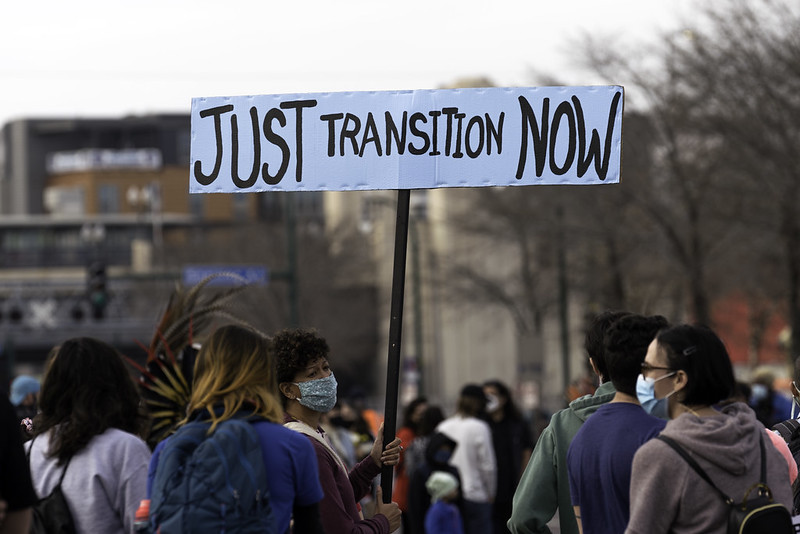
Cam kết đạt phát thải ròng bằng “0” vào năm 2050 và Thỏa thuận Đối tác Chuyển dịch Năng lượng Công bằng (JETP) với gói hỗ trợ trị giá 15,5 tỷ USD là những bước đi thể hiện rõ quyết tâm của Việt Nam tiến vào quỹ đạo phát triển xanh và bền vững.
Cho đến nay, phần lớn các thảo luận và chính sách vẫn xoay quanh ba trục chính: vốn đầu tư, công nghệ và khung pháp lý. Đây là những yếu tố nền tảng để thúc đẩy quá trình chuyển đổi năng lượng và hiện thực hóa tham vọng Net Zero. Tuy nhiên, có một khía cạnh quan trọng lại ít được chú ý đúng mức – đó là tác động xã hội.
Chuyển đổi năng lượng sẽ không chỉ tác động đến nền kinh tế, mà còn ảnh hưởng sâu rộng đến đời sống của người lao động, cộng đồng địa phương và các nhóm yếu thế. Nếu không được tính đến, những tác động này có thể tạo ra bất công mới, làm suy yếu đồng thuận xã hội.
Đó là lý do khái niệm Just Transition – Chuyển đổi công bằng – cần được đặt vào trung tâm của hành trình Net Zero.
Tiếp tục đọc “Hành trình Net Zero của Việt Nam: Một khoảng trống”thebulletin.org By Alice Saltini | December 22, 2025
 In November, 115 states voted in favor, eight voted against, and 44 abstained from voting on a resolution adopted by the General Assembly’s First Committee that examines the possible risks of integrating AI into nuclear weapons systems. Image: depositphotos
The United Nations rarely moves fast on disarmament. This year, though, it did something unusual. On November 6, the General Assembly’s First Committee, where states debate over questions of disarmament and international security, adopted a resolution that directly looks at the possible risks of integrating artificial intelligence into nuclear weapons systems, especially in nuclear command, control, and communications, known as NC3. Austria, El Salvador, Kazakhstan, Kiribati, Malta, and Mexico pushed the text, bringing into a formal setting a problem that has mostly lived in expert circles and informal dialogues.
With 115 states voting in favor, eight voting against, and 44 abstaining, support was broad. Nuclear-armed states and many of their allies voted against the resolution or chose to abstain. In contrast, the Global South and most non-nuclear-weapon states expressed strong support. This split reflects how each group views threats and what policies they prioritize. It also reveals how early and unsettled global thinking on AI in the nuclear field still is. Rather than seeing the outcome of the vote as a clear-cut failure or success, it may be best read as an initial test case. In other words, the resolution was an early attempt to translate a fast-moving technical debate into diplomatic language.
Tiếp tục đọc “Lessons from the UN’s first resolution on AI in nuclear command and control”
28-12-2025 – Hảo Linh – Trang Bùi
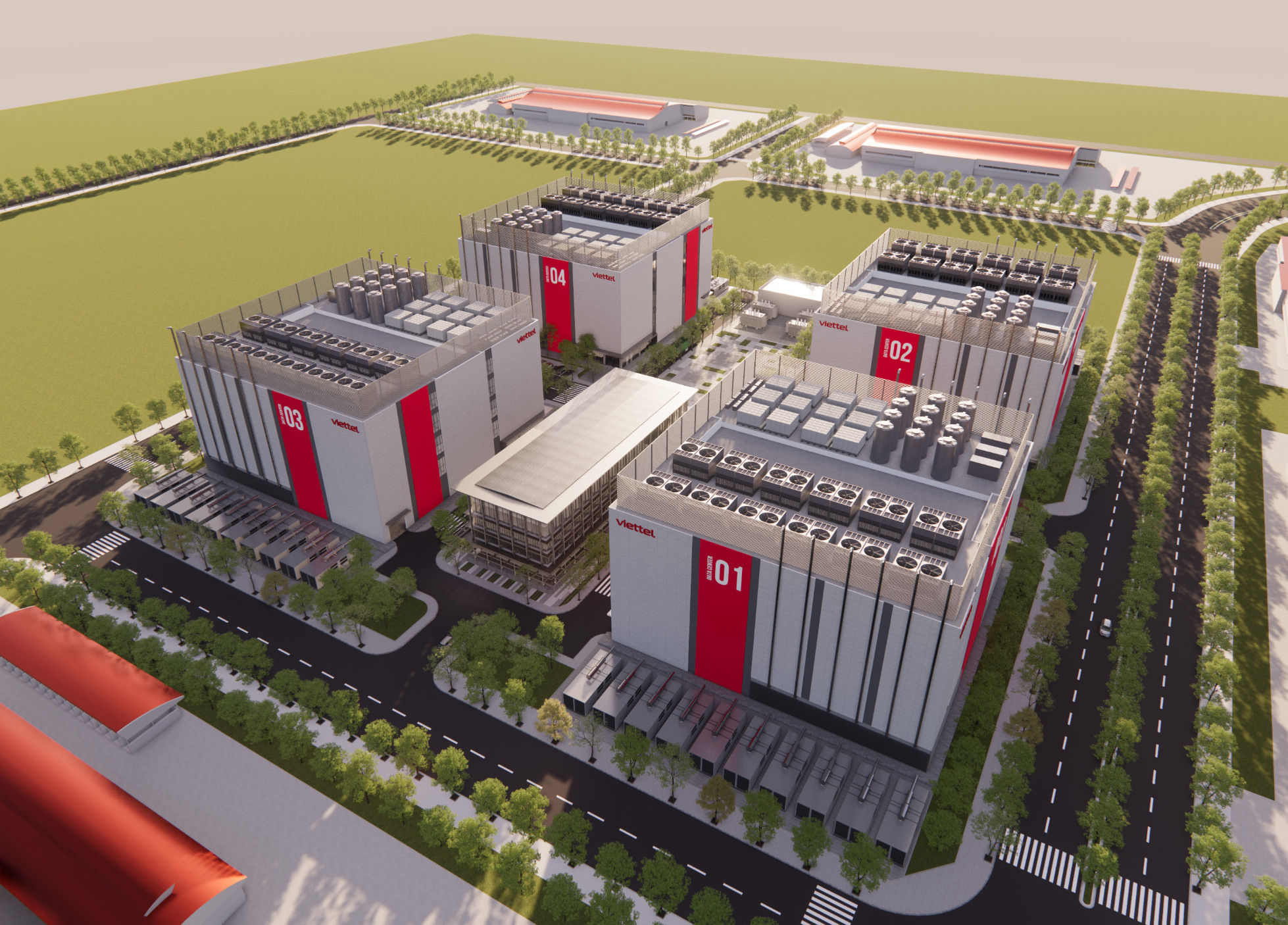
Tiasang – Việt Nam là một “miền đất hứa” trong mắt các nhà đầu tư để đặt trung tâm dữ liệu, nhưng chúng ta chưa sẵn sàng cả về tài nguyên và pháp lí để họ đổ bộ.
This five-part series explores how the acceleration of electric vehicle adoption could increase the demand for rubber—a commodity that has historically driven deforestation and land grabbing across the Mekong region. Experts say the EV transition will boost rubber demand, as EVs need specialized tires that can bear heavier vehicle weight and high torque.
This matters to the Mekong region. Our data analysis shows that Cambodia, Laos, Myanmar, Thailand, and Viet Nam together supply nearly 50% of the world’s natural rubber. About 70% of global rubber goes into tires. Without effective traceability in place, deforestation and land conflicts, many of which are ongoing and affecting the lives and livelihoods of local communities—are unlikely to be solved.
Part 1: Mekong’s ‘white gold’ rush amid a global EV boom
Part 2: Cash from rubber comes at the cost of Laos’ forests
Part 3: In Cambodia, our land became their rubber plantation
Part 4: Myanmar’s upland plantations worsen border floods
Part 5: Mekong’s push for responsible rubber and tire production
Story by Mekong Eye’s investigation team
This series was produced in partnership with Earth Journalism Network and the Pulitzer Center
Electric vehicles (EVs) are on the rise — from Bangkok to Hanoi to Vientiane — promising a cleaner future as part of the global shift to clean energy, with more than 17 million electric cars sold worldwide in 2024.
But there is still a cost to pay for these ‘green cars’. With their heavier battery weight and higher torque, EVs wear out their tires faster than gasoline-powered cars, and therefore consume more tires throughout their lifetime.
In every tire is natural rubber, the key raw material that ensures durability, elasticity and strength.
The growing demand for EV tires has had significant implications for the Mekong region — Cambodia, Laos, Myanmar, Thailand and Viet Nam — which produces about 50% of the world’s natural rubber and hosts major plants for multinational tire manufacturers and EV makers.
Reuters.com By Francesco Guarascio and Phuong Nguyen Updated December 8, 2025

HANOI, Dec 8 (Reuters) – Japan has dropped out of plans to build a major nuclear power plant in Vietnam because the time frame is too tight, Japanese ambassador Naoki Ito told Reuters, potentially complicating Vietnam’s long-term strategy to avoid new power shortages.
Vietnam, home to large manufacturing operations for multinationals including Samsung and Apple, has faced major power blackouts as demand from its huge industrial sector and expanding middle class often outpaces supplies, strained by increasingly frequent extreme weather, such as droughts and typhoons.
The Reuters Power Up newsletter provides everything you need to know about the global energy industry. Sign up here.
“The Japanese side is not in a position to implement the Ninh Thuan 2 project,” the ambassador to Vietnam said, referring to a plant with a planned capacity of 2 to 3.2 gigawatts. The project is part of Vietnam’s strategy to boost power generation capacity.
Tiếp tục đọc “Japan pulls out of Vietnam nuclear project, complicating Hanoi’s power plans”
On Oct. 13 of this year, the PRC state media outlet CPNN, reported that China is pulling ahead in advanced nuclear power technology development with the launch of the large-scale production “Hualong One” (also known as HPR1000). As it develops, China not only aims to tackle the transmission bottleneck in the south, but also to export to countries like Pakistan as the PRC’s “business card” to the world.
China’s dual goals of localization and export orientation have long defined its nuclear strategy. Led by state-owned giants such as the China National Nuclear Corporation (CNNC), Beijing has invested heavily in domestic innovation while aggressively expanding into overseas markets. Beijing has sought to expand its reactor sales to markets such as Argentina and the United Kingdom, while also securing control over upstream uranium resources. CNNC’s 2019 acquisition of Namibia’s Rössing Uranium Mine, one of the world’s largest open-pit uranium operations, underscored China’s growing dominance across the nuclear value.
Beijing’s policy support for state-owned enterprises has enabled it to build a vertically integrated nuclear industry, driving rapid advances in small modular reactors (SMRs), fourth-generation technologies, and nuclear fusion research (the Artificial Sun). Furthermore, intensifying US–China competition is reshaping global nuclear exports and deepening the geopolitical risks of dependence on Chinese nuclear systems.
Tiếp tục đọc “Nuclear energy: Where China is getting with small modular and fusion reactors”
fulcrm.sg Published 19 Nov 2025 Le Hong Hiep
In Vietnam, an impasse over feed-in-tariffs for renewable energy producers threatens foreign investors’ confidence in government policies

Afestering legal crisis is threatening to derail Vietnam’s energy development plans. 173 solar and wind projects, representing about US$13 billion in investments, are stuck in limbo due to ongoing disputes regarding their feed-in-tariffs (FITs) – the guaranteed payments that the government would pay for their contribution to the power grid. This situation raises concerns about Vietnam’s business environment and the consistency of its economic policy. If Vietnam does not resolve these disputes promptly, the country could face significant legal, financial, and reputational repercussions.
Between 2018 and 2021, Vietnam experienced a significant boom in renewable energy, primarily fuelled by the government’s commitment to offer attractive 20-year FITs to investors for projects that began commercial operations before designated deadlines. However, in 2023, an investigation by the Government Inspectorate found that many of these projects had not obtained their Construction Completion Acceptance (CCA) certificates before their Commercial Operation Date (COD). Following the inspection, the Ministry of Industry and Trade issued a new circular, effective June 2023, stipulating that renewable energy projects must obtain a CCA certificate before being recognised for COD. This effectively disqualified the affected projects from receiving the original FIT rates.
Tiếp tục đọc “Time for Vietnam to Resolve Its Renewable Energy Legal Quagmire”
VNE – 24-11-2025
“Nước lên rất nhanh, nhiều lúc tôi lo chết tới nơi. Năm 1993, lũ lịch sử mà nước mới vô sân, nhưng lần này lũ nhà tôi lên tới giáp mái”, cụ Chín (70 tuổi, xã Hòa Thịnh) kể lại những ngày dầm mình trong lũ lịch sử tháng 11 tại Đăk Lăk. Nhiều lần, cụ nghĩ sẽ không kịp nhìn mặt con cháu lần cuối.
Đăk Lăk bắt đầu mưa từ ngày 15/11 và kéo dài, nhưng cụ Chín không thấy lũ lên. Khu vực này thường xuyên ngập nhưng mực nước thấp nên tối 19/11, cụ đi ngủ sớm như mọi hôm.
19h, nước lớn bất ngờ đổ về thôn Phú Hữu và lên nhanh. Hai tiếng trước đó, thuỷ điện Sông Ba Hạ xả lũ vượt mức lịch sử, kéo dài đến 19h, nước dồn dập đổ xuống hạ du. Tối nửa chừng thức giấc, cụ Chín giật mình thấy nước đã lên tới chân giường, vội vàng sang nhà hàng xóm chạy lũ.
“Không ai nghĩ nước sẽ cao như lần này, vượt mức tưởng tượng”, cụ Chín nói.
Theo Cục Khí tượng Thủy văn (Bộ Nông nghiệp và Môi trường), hàng loạt sông ở Nam Trung Bộ cùng vượt đỉnh lũ lịch sử các ngày 15-21/11, nhiều nhất tại Đăk Lăk, gồm sông Kỳ Lộ vượt kỷ lục 2009 và sông Ba vượt 1993. Đỉnh lũ trên sông Ba tại trạm Phú Lâm có chu kỳ lặp lại ước tính 50 năm (tần suất hiếm).
Đăk Lăk là nơi mất mát lớn nhất với 63 người thiệt mạng, chiếm 70% cả nước (91 người), tính đến 23/11. Trong đợt lũ lịch sử năm 2009, Phú Yên cũ (nay thuộc Đăk Lăk) cũng là nơi hứng chịu thiệt hại nặng nề nhất với 72 người thiệt mạng, chiếm 67% toàn miền Trung.
Không có đê, hệ thống phòng lũ cơ bản của Đăk Lăk phụ thuộc vào các hồ chứa lũ dọc lưu vực sông Ba. Thế nhưng, lớp phòng thủ vốn mong manh gần như “bất lực” trước lũ lịch sử.

VNE – Thứ ba, 25/11/2025, 06:00 (GMT+7)
Cả đêm vật lộn với lũ, chị Nguyễn Thị Phương, 35 tuổi, thôn Mỹ Điền, xã Hòa Thịnh, một tay ôm đứa nhỏ, tay còn lại luồn qua mái ngói, kéo đứa lớn để không chìm trong nước.
“Có lúc tôi nghĩ chỉ giữ được đứa nhỏ”, người mẹ hai con nhớ lại đêm kinh hoàng từ tối 19/11 đến rạng sáng hôm sau. Chồng đi làm xa, ba mẹ con chị Phương sống trong căn nhà cấp 4 nằm dọc sông. Trước đó, chị nhận thông báo về mưa, lũ qua nhóm Zalo của khu dân cư. Chiều 19/11, điện mất, mạng Internet và sóng điện thoại chập chờn, khiến chị gần như không theo kịp các tin nhắn mới.
Cùng thời điểm, khu vực mưa rất lớn, thủy điện Sông Ba Hạ cách Hòa Thịnh gần 60 km xả lũ kỷ lục 16.100 m3/s. Lượng nước trong một giây đủ làm đầy khoảng 80 căn nhà rộng hơn 50 m2, cao tầm 4 m như của chị Phương. Tuy nhiên, chị không hình dung được mức độ nguy hiểm, chỉ kê đồ dễ hư lên cao hơn đầu gối và chuẩn bị thức ăn cho 1-2 ngày.
Chiều cùng ngày, nước bò vào phòng khách, ngập lút đồ đạc. Nghĩ nước sẽ rút như mọi năm, chị chưa quá lo. Nhưng càng về đêm, nước càng dâng nhanh. Gần nửa đêm, nước ngập qua bộ ghế phòng khách, chị vội bế hai con lên dầm nhà – phần khung sắt dưới mái ngói. Song đây vẫn chưa phải đỉnh lũ, dòng nước tiếp tục dâng, nhấn chìm cả phần khung.

 CVD
CVD 