A still image taken from a handout video made available by the Russian Defence Ministry press service shows a general view of the Chernobyl Nuclear Power Plant in Pripyat, Ukraine, 7 March 2022. Russian President Putin on 24 February 2022 announced a “special military operation against Ukraine”. Martial law has been introduced in Ukraine, and explosions are heard in many cities including Kyiv. [Handout photo/EPA/EFE]
Ukraine said on Wednesday (9 March) there was a danger of a radiation leak at the Chernobyl nuclear power station after electricity was cut off to the plant, but the UN nuclear watchdog saw “no critical impact on security”.
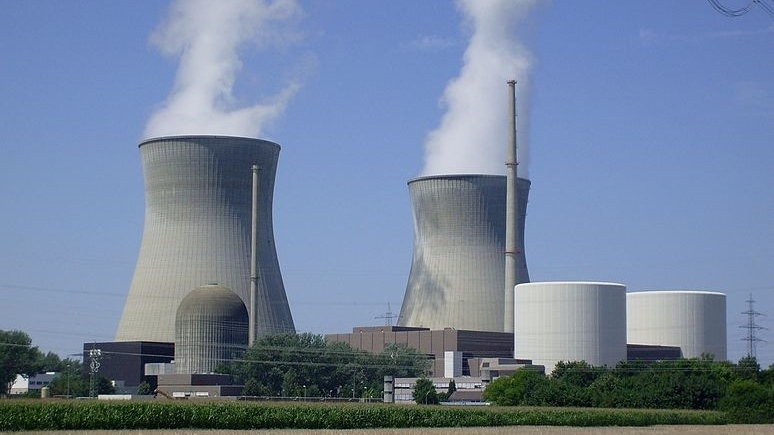
Zaporizhzhia nuclear power plant in southern Ukraine. The two tall smokestacks are at a coal-fired generating station about 3km beyond the nuclear plant. Photo credit: Ralf1969 via Wikimedia Commons.
As the Russian invasion of Ukraine began to unfold, Russia’s swift occupation of the Chernobyl reactor complex and the surrounding exclusion zone sparked widespread speculation and concern.[1] The concern was not limited to whether the occupation would cause further radioactive release from Chernobyl;[2] it also included possible Russian military action against other Ukrainian nuclear facilities. These fears were further accelerated when Russian forces shelled and apparently occupied the Zaporizhzhia nuclear power complex near Enerhodar, Ukraine.[3] There have also been reports of attacks on a former Radon disposal site near Kyiv.[4]
World leaders have expressed concerns, and the UN Security Council held an emergency meeting on Friday to discuss the issue. At the meeting, the US ambassador told the emergency session that the assault on the Zaporizhzhia nuclear power plant “represents a dire threat to the world.” [5] The IAEA’s Board of Governors passed a resolution that deplored the Russian invasion and urged Russia to allow Ukraine to continue to control its nuclear facilities. The board’s resolution was similar to a UN General Assembly resolution passed on March 3rd.[6] Despite the high levels of concern the reactors at Zaporizhzhia do not appear to have been damaged and there has been no reported radiation release from the facility.
Russian troops seize Europe’s largest nuclear power plant in southeastern Ukraine, after attack sparks fire.
Published On 4 Mar 20224 Mar 2022
Russian forces have captured Ukraine’s Zaporizhzhia nuclear power plant, the largest in Europe, according to regional officials.
Ukrainian authorities said on Friday Russian shelling had caused a fire at a building in the plant complex that was later put out. The blaze raised alarm from leaders worldwide of a potential massive disaster. Russia blamed the attack on Ukrainian saboteurs, calling it a “monstrous provocation”.
Here is what we know so far:
Where is it located?
The Zaporizhzhia nuclear power plant is located in the southern Ukraine steppe on the Dnieper River, some 550 kilometres (342 miles) southeast of Ukraine’s capital, Kyiv, and about 525km (325 miles) south of Chernobyl, the site of the world’s worst nuclear power plant accident in 1986, which has also now been seized by Russian forces.
The plant has a total capacity of about 6,000 megawatts, enough to power about roughly four million homes.
On Wednesday, residents carrying Ukrainian flags had blocked the road to the plant, in an apparent standoff with Russian forces.
What happened?
But on Friday Russian troops were accused of attacking the plant, in an assault Ukraine’s President Volodymyr Zelenskyy branded “nuclear terror” and said could endanger the continent.
A video feed from the plant showed shelling and smoke rising near a building at the plant compound.
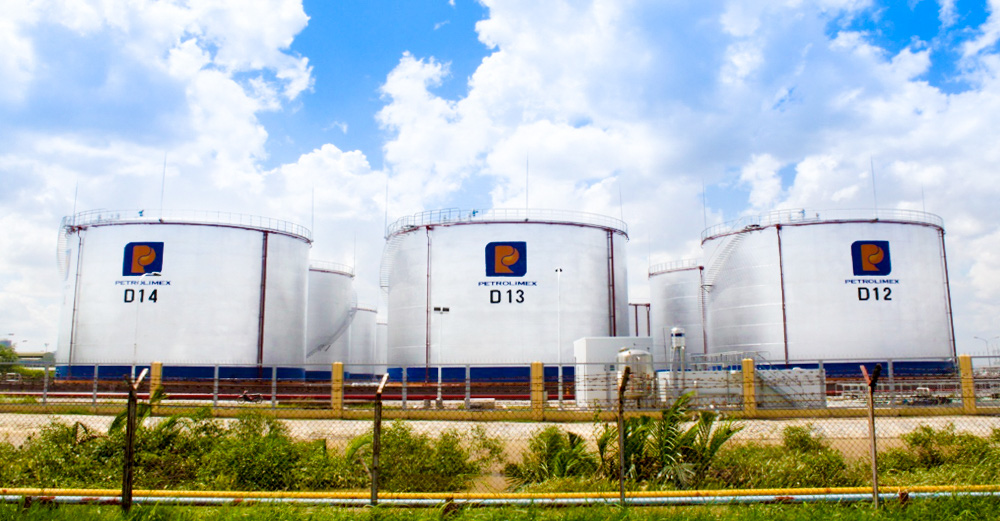
Kho xăng Nhà Bè là một trong những điểm lưu trữ xăng dầu theo dự trữ quốc gia – Ảnh: Petrolimex
Theo dự thảo về quyết định phê duyệt kế hoạch bán đấu giá xăng RON92 dự trữ quốc gia, lô hàng được bán đấu giá là hơn 101,9 triệu lít xăng RON92 đang được bảo quản tại 12 điểm kho dự trữ quốc gia gửi ở 3 doanh nghiệp là Tập đoàn Xăng dầu Việt Nam, Tổng công ty Dầu Việt Nam, Công ty cổ phần thương mại Dầu khí Đồng Tháp.
Mức giá khởi điểm bán đấu giá được quy định cho 1 lít xăng RON92 do Bộ Công thương đưa ra là 14.058 đồng/lít. Các chi phí liên quan đến việc bơm, rót lên phương tiện vận chuyển của bên mua, chi phí xuất hàng, chi phí vận chuyển và các khoản thuế, phí phải nộp của Nhà nước theo quy định là do bên mua hàng chi trả.
Bộ Công thương cũng cho rằng, mức giá khởi điểm tạm tính để xác định tiền đặt trước, còn giá khởi điểm bán đấu giá chính thức sẽ do Bộ Công thương quy định nhưng không thấp hơn giá khởi điểm tạm tính, được thông báo tới các đơn vị có đủ điều kiện, khả năng tài chính tham gia đấu giá trước khi tổ chức đấu giá.
Để tham gia đấu giá, đơn vị phải nộp trước 10% tổng giá trị tài sản và rút lại tiền đặt trước trong thời hạn trước 1 ngày kể từ ngày đấu giá. Việc đấu giá dự kiến sẽ diễn ra cuối tháng 2-2022.
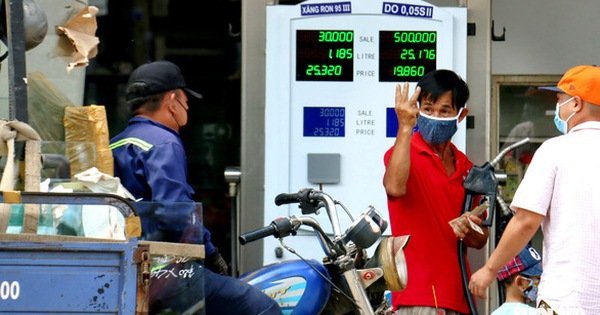
(KTSG Online) – Đáng buồn là chuyện khan hiếm xăng ở nhiều nơi tại TPHCM lại rơi vào đúng kịch bản đã được cảnh báo từ trước. Mấy ngày hôm nay, nhiều người tiêu dùng tại TPHCM gặp một hiện tượng mà báo Tuổi Trẻ gọi là “cây xăng ba ngón tay”. Báo này đăng ảnh một nhân viên bán xăng đưa ba ngón tay về phía khách hàng ngụ ý chỉ bán cho mỗi người 30.000 đồng tiền xăng! Bài báo nói thẳng: “cây xăng găm hàng”(*).
A retail electricity market would mark a step towards market liberalisation efforts that enable consumers to choose who they wish to buy electricity from. To realise such a market, Vietnam’s Law on Electricity, as well as related documents will require certain adjustments to accommodate purchase agreements and other tools.
Electricity market revamp on cards
The Electricity Regulatory Authority of Vietnam (ERAV) is finalising its report to the prime minister about planned direct power purchase agreements (DPPA) – a mechanism to allow renewable energy producers to sell electricity directly to end-users, as Nguyen Anh Tuan, director of the authority said on January 18.
The DPPA mechanism, if implemented, will be the first step in the development of the electricity retail market, allowing renewable energy generators with a capacity greater than 30MW to sell to customers for industrial production purposes. Parties can negotiate and agree on purchase and sale prices through long-term contracts if the scale of their deal is not exceeding 1,000MW.
Since 2012, the electricity market has contributed to increasing transparency in mobilising power plants, creating a competitive environment, enhancing the initiative of market participants, and gradually abolishing the monopoly in the industry.
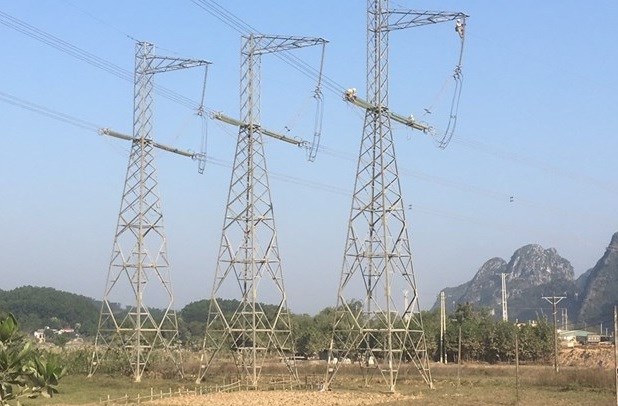
The Lao Government has given the green light for two private companies to carry out a feasibility study on the construction of a 220kV transmission line which would carry electricity from five dams in northern Laos to Vietnam.
If the study is approved, the line will transmit electricity from Nam Ou dams No.3, 4, 5, 6 and 7 through Luang Prabang and Phongsaly provinces to Vietnam.
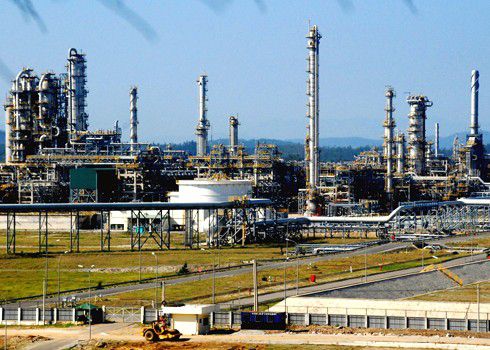
(KTSG Online) – Công ty TNHH Lọc hoá dầu Nghi Sơn (NSRP), nơi đảm bảo 30-35% nguồn cung xăng dầu trong nước, chỉ cắt giảm sản lượng 20% thì thị trường xăng dầu trong nước, nhất là khu vực miền Nam, đã lao đao từ tháng 1 đến nay. Tuy nhiên, hệ lụy của việc này không dừng ở việc thiếu xăng dầu cục bộ tại một số địa phương.
Công ty TNHH Lọc hoá dầu Nghi Sơn (NSRP)
Hệ lụy đầu tiên mà ai cũng nhìn thấy là NSRP đã gây sức ép thành công để Tập đoàn Dầu khí Việt Nam (PVN) và Chính phủ phải thực hiện cam kết hỗ trợ tài chính cho dự án Nhà máy lọc dầu Nghi Sơn, hay nói khác đi là bù lỗ cho dự án.
Investor–state disputes in the fossil fuel industry
By Lea Di Salvatore
Executive Summary
The fossil fuel industry is the most significant contributor to climate change. As the consequences of burning fossil fuels become increasingly evident, policy-makers across the globe are stepping up their efforts to curb emissions.These actions inevitably aim at curtailing fossil fuel activities. However, under current international investment law (IIL), foreign investments in fossil fuel projects are granted special protection and access to investor–state dispute settlement (ISDS). Through this system, investors can bring claims to international tribunals regarding regulatory measures adopted by a host state that they allege breach their investment privileges under IIL.
This report analyses the trends in investor–state disputes initiated by investors in the fossil fuel industry to understand the extent to which this industry relies on ISDS to protect its investments.The emerging picture is that the fossil fuel industry has been a pioneer of the ISDS system and has been using it extensively to protect its investments. This protection can hinder the development and implementation of measures to tackle climate change and can present a major obstacle for countries seeking to phase out fossil fuels.
The project will make an important contribution to the city’s garbage treatment.
The construction site of Thien Y waste-to-energy plant in Hanoi. Photo: Bao Minh
The Soc Son waste-to-energy project is located in Nam Son Waste Treatment Complex in Hanoi, the largest one in Vietnam, will become operational from January 20.
Incinerator No.3 with a capacity of handling 800 tons of solid refuse daily, will start the plant’s operation tomorrow.
According to a report published by the World Bank, Vietnam can develop 5-10GW of offshore wind power by 2030, generating about $60 billion in added value.
The policymakers of the latest draft of Vietnam’s mammoth Power Development Plan VIII see themselves confronted with additional wind and solar demand, as well as the scrutiny of a deputy prime minister, requiring the Ministry of Industry and Trade to remedy issues to meet the national goals of energy security and net zero emissions by 2050.
We start with a review of short-term issues in the oil, gas and electricity markets. Bassam Fattouh and Andreas Economou consider the outlook for oil demand over the next 12 months and discuss the ability of OPEC+ producers to manage a gradual increase in production to balance the market, even as demand growth is expected to soften. Their conclusion is that the oil price will remain within a $70-90 per barrel range, while refilling depleted storage will be a key issue. Price volatility, in light of considerable uncertainty about both supply and demand, as well as political responses to high prices will remain dominant issues in 2022. Anupama Sen, David Robinson and Rahmat Poudineh then discuss government responses to current electricity price volatility, using the UK and Spain as examples of different responses to providing protection for low-income consumers. They see the issue becoming increasingly relevant as the energy transition progresses and suggest that government intervention could become less and less effective unless energy policy is well designed. In a somewhat similar vein, Mike Fulwood and Jack Sharples consider the outlook for gas prices and supply to Europe and the implications for the global LNG market. Replenishing European storage will be a critical issue in 2022, with LNG supply, Asian demand and pipeline exports from Russia being key drivers to watch.
IRENA says green hydrogen could disrupt global trade and bilateral energy relations, reshaping the positioning of states with new hydrogen exporters and users emerging
Abu Dhabi, United Arab Emirates, 15 January 2022 – Rapid growth of the global hydrogen economy can bring significant geoeconomic and geopolitical shifts giving rise to a wave of new interdependencies, according to new analysis by the International Renewable Energy Agency (IRENA). Geopolitics of the Energy Transformation: The Hydrogen Factor sees hydrogen changing the geography of energy trade and regionalising energy relations, hinting at the emergence of new centres of geopolitical influence built on the production and use of hydrogen, as traditional oil and gas trade declines.
->
NLVN – 06:47 | 22/06/2021 – Nhân loại đã và đang đương đầu với thách thức thiếu nguồn năng lượng, các nguồn thủy năng, dầu, khí đang dần cạn kiệt, nguồn than trữ lượng khá hơn thì phải hạn chế sử dụng do phát thải khí nhà kính. Với Việt Nam chúng ta đang tìm cách chuyển dịch cơ cấu các nguồn năng lượng, trong đó giải pháp hợp lý được đa số thừa nhận là phối hợp năng lượng tái tạo với điện hạt nhân.
PGS, TS. BÙI HUY PHÙNG – HỘI ĐỒNG KHOA HỌC TẠP CHÍ NĂNG LƯỢNG VIỆT NAM
“Làm thế nào để hợp tác quốc tế trong lĩnh vực năng lượng thực sự hiệu quả?”, câu hỏi ấy khó trả lời hơn người ta tưởng bởi cho đến nay chúng ta vẫn chưa có một chính sách đột phá cho lĩnh vực này.
TS. Ayman Hawari, giám đốc Chương trình lò phản ứng hạt nhân của trường ĐH North Carolina (Mỹ) trao đổi với TS. Trần Chí Thành bên lò phản ứng PULSTAR của trường. Nguồn: North Carolina


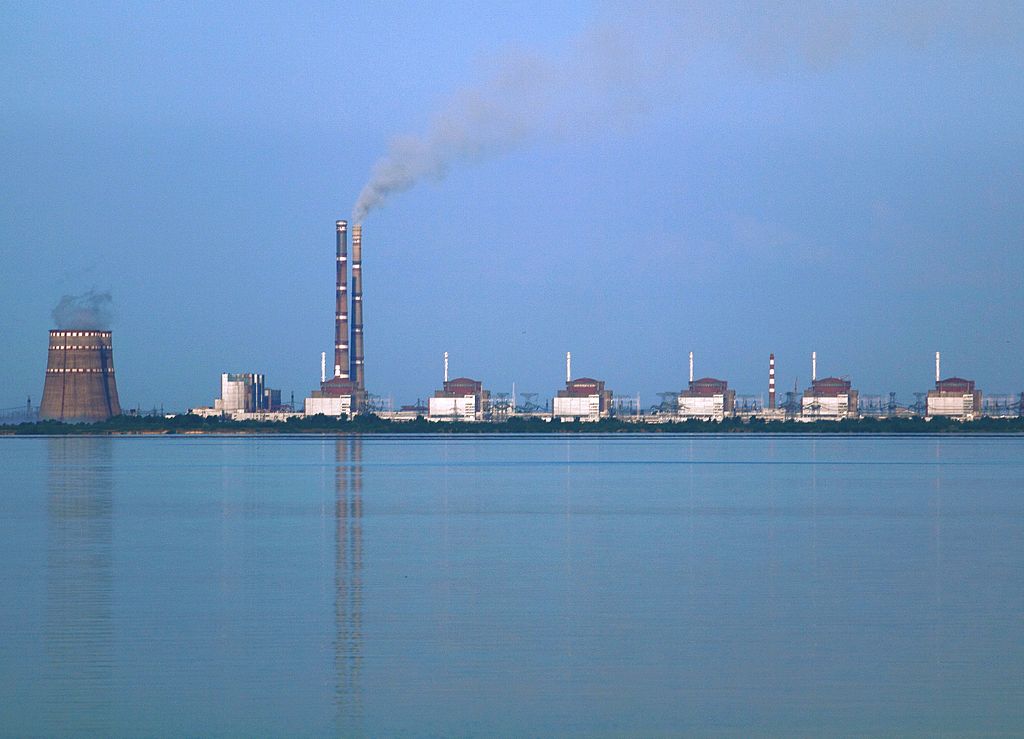 Zaporizhzhia nuclear power plant in southern Ukraine. The two tall smokestacks are at a coal-fired generating station about 3km beyond the nuclear plant. Photo credit: Ralf1969 via Wikimedia Commons.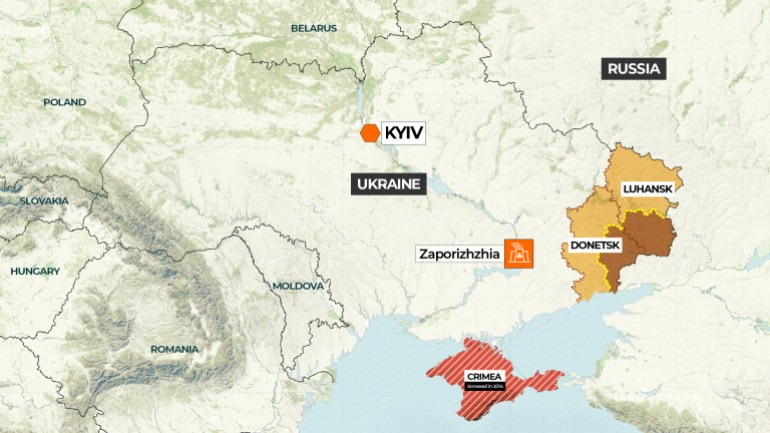



 CVD
CVD 