Environment minister urges water conservation in Vietnam

Tuoi Tre News

Updated : 03/23/2017 18:35 GMT + 7

Minister of Natural Resources and Environment Tran Hong Ha warned citizens at an event in northern Vietnam of the alarming scarcity of water, calling for the urgent conservation of water resources in the country.

A national campaign was organized in Bac Ninh Province on Wednesday morning to mark World Water Day, an event aimed at raising social awareness of water pollution and the importance of protecting resources.

The event was sponsored by Tuoi Tre (Youth) newspaper and Comfort, a Unilever brand in Vietnam.

Situated downstream of many major rivers, Vietnam faces significant challenges brought about by a lack of water resources, Minister Ha explained at the event.

“Two-thirds of the water in Vietnam’s rivers come from outside the territory,” the official pointed out, adding that the average volume in the country is about 3,600 cubic meters per person a year, compared to the global average of 4,000 cubic meters per person. Tiếp tục đọc “Environment minister urges water conservation in Vietnam”

Hungry wild elephants trash crops, property

vietnam news

Update: March, 24/2017 – 09:00

A wild elephant enters the field of a resident in the southern province of Đồng Nai. The reduced and degraded habitats in the province ave resulted in lack of food. – Photo vtv.vn

Viet Nam News ĐỒNG NAI Wild elephant habitats in the southern province of  Đồng Nai are being reduced and degraded, leading to a lack of food and more conflicts between animals and humans, according to local authorities.

Experts say the elephant requires a vast habitat but its living space has been shrunk due to human encroachment into the forest. Local foresters in Đồng Nai say the natural habitat for wild Asian elephants has shrunk from 50,000ha in the 1990s to 34,000ha in 2009. Tiếp tục đọc “Hungry wild elephants trash crops, property”

Letters from the Mekong: A Call for Strategic Basin-Wide Energy Planning in Laos

This issue brief—the third in Stimson’s “Letters from the Mekong” series — continues to challenge the prevailing narrative that the current rapid pace of dam construction on the Mekong River in mainland Southeast Asia will continue until the entire river is turned into a series of reservoirs. Certainly, the construction of even a few large dams will severely impact food security in the world’s most productive freshwater fishery and sharply reduce the delivery of nutrient-rich sediment needed to sustain agriculture, especially in Cambodia and Vietnam’s Mekong Delta. However, our team’s extensive research over a number of years, including site visits and meetings with regional policymakers, provides compelling evidence that not all of the planned dams will be built due to rising political and financial risks, including questions about the validity of current supply and demand projections in the greater Mekong region. As a consequence, we have concluded that it is not yet too late for the adoption of a new approach that optimizes the inescapable “nexus” tradeoffs among energy, export revenues, food security, and fresh water and protects the core ecology of the river system for the benefit of future generations.

In particular, through a continued examination of rising risks and local and regional responses to those risks, we believe that Laos and Cambodia will fall far short of current plans for more than 100 dams on the Mekong mainstream and tributaries. This reality will have particular implications for Laos, which seeks to become the “Battery of Southeast Asia” by setting the export of hydropower to regional markets as its top economic development priority.

In the case of Laos in particular, the reluctant recognition that its dream of damming the Mekong are in jeopardy may cause a reconsideration of its development policy options. Fewer Lao dams will mean that national revenue targets will not be met. Already the government has begun to make overtures for US and other donor assistance in managing the optimization of its hydropower resources. This is not surprising since Lao decision makers depend almost entirely on outside developers to build out its planned portfolio of dams under commercial build-own-operate-transfer (BOOT) concessions for export to neighboring countries. All of these dams are being constructed in a one-off, project-byproject manner with no prior input from the intergovernmental Mekong River Commission (MRC) or neighboring countries, and hence there is little practical opportunity for synergistic planning that could optimize the benefits of water usage on a basin-wide scale.

Because planners cannot see past the next project, it is impossible to determine to what extent the targets for the final power output of either Laos or the basin as a whole are achievable. Further, critical red lines of risk tolerance, particularly toward the environmental and social risks that impede dam construction, are unidentifiable because the government has little stake invested in the projects and derives few resources from the BOOT process to mitigate risk.

By 2020 roughly 30% of the Mekong basin’s power potential in Laos will be tapped by existing dams and those currently under construction. Beyond 2020 the prospect for completing the remaining 70 plus dams planned or under study by the Lao Ministry of Energy and Mines is unknowable. As Lao officials begin to realize they will not necessarily meet their development goals, there will still be time to transition to a basin-wide, strategic energy plan that meets projected revenue goals while minimizing impacts on key environmental flows through a combination of fewer dams and other non-hydropower sources of clean energy generation.

Watergrabbing A Story of Water

Al Jazeera

Historically the source of many conflicts, water grabbing is the control and theft of water resources by the powerful, often at the expense of local populations and ecosystems. It can result in dispossession, displacement and ecological destruction.

In an age of dwindling resources and climate change, water is increasingly being privatised.

It is now 24 years since the United Nations designated March 22 as World Water Day.

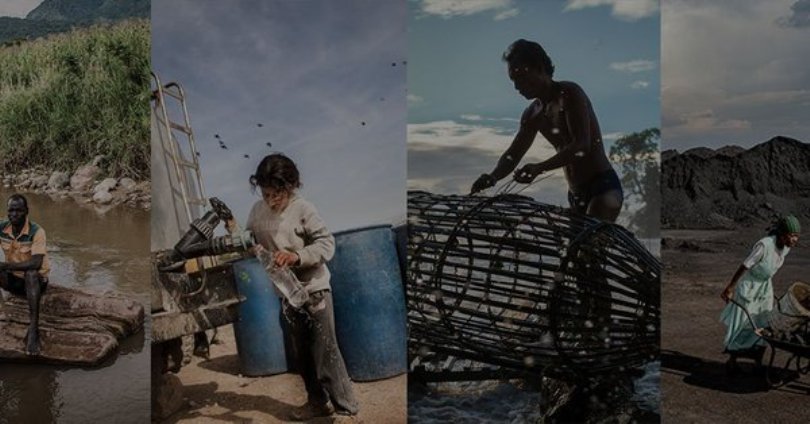
Al Jazeera looks at water grabbing in four parts of the globe, including large-scale damming in the Omo Valley in Ethiopia, the mining industry in South Africa, inequitable water practices in Palestine/Israel and the impact of dams on people living along the Mekong River in southeast Asia.

Tiếp tục đọc “Watergrabbing A Story of Water”

“Xanh hóa” bãi rác Đông Thạnh bằng công nghệ cao

– 63 ĐÔNG ANH 4:27 PM, 21/03/2017

Vườn mai, hoa kiểng được trồng tại bãi rác Đông Thạnh.

Cách đây khoảng 10 năm, nhắc tới bãi rác Đông Thạnh, người ta nghĩ tới ô nhiễm môi trường, là mùi hôi, là sự than phiền của người dân sống xung quanh bãi rác… Thế nhưng giờ đây, một màu xanh ngút ngàn đang phủ xanh bãi rác Đông Thạnh, khiến bất kỳ ai có dịp ghé thăm cũng phải ngỡ ngàng…

Tiếp tục đọc ““Xanh hóa” bãi rác Đông Thạnh bằng công nghệ cao”

Sơn Trà trở thành khu du lịch quốc gia: Bài toán giữa bảo tồn và phát triển?

LĐO HỮU LONG 6:15 AM, 21/03/2017

Voọc chà vá chân nâu tại bán đảo Sơn Trà làm hình ảnh nhận diện thành phố nhân sự kiện năm APEC 2017 tại Đà Nẵng. Ảnh: GreenViet.

Trung tâm Bảo tồn Đa dạng sinh học Nước Việt Xanh khuyến cáo, việc xây dựng các dự án trên bán đảo Sơn Trà ảnh hướng đến môi trường sống của loài vọoc chà vá chân nâu, đẩy loài voọc trước nguy cơ tuyệt chủng. Ngay từ bây giờ, chúng ta cần đẩy mạnh giáo dục da dạng sinh học ở cấp nhà trường và đặt bài toán cân đối giữa bảo tồn và phát triển…

Tiếp tục đọc “Sơn Trà trở thành khu du lịch quốc gia: Bài toán giữa bảo tồn và phát triển?”

Hãy ngừng ngay bê tông hóa Sơn Trà!

LĐO THÙY TRANG 3:8 PM, 20/03/2017

Hệ sinh thái động thực vật tại Sơn Trà đang ngày càng bị xâm hại nặng nề và táo tợn. Ảnh: Le Tuan.

Sau 3 ngày kể từ khi bị người dân phát hiện một phần bán đảo Sơn Trà (Đà Nẵng) bị cày ủi gần như thành đồi trọc để xây dựng biệt thự, khu nghĩ dưỡng, dự án sinh thái Biển Tiên Sa đã bị đình chỉ hoạt động. Thế nhưng, với nhiều người dân Đà Nẵng và các chuyên gia môi trường, họ mong muốn chính quyền địa phương có những quyết định mạnh mẽ hơn bởi sự xâm hại vào bán đảo Sơn Trà đang ngày càng nghiêm trọng và táo tợn.

Tiếp tục đọc “Hãy ngừng ngay bê tông hóa Sơn Trà!”

Urban Food Street – Chỉ cần nhìn là muốn ăn

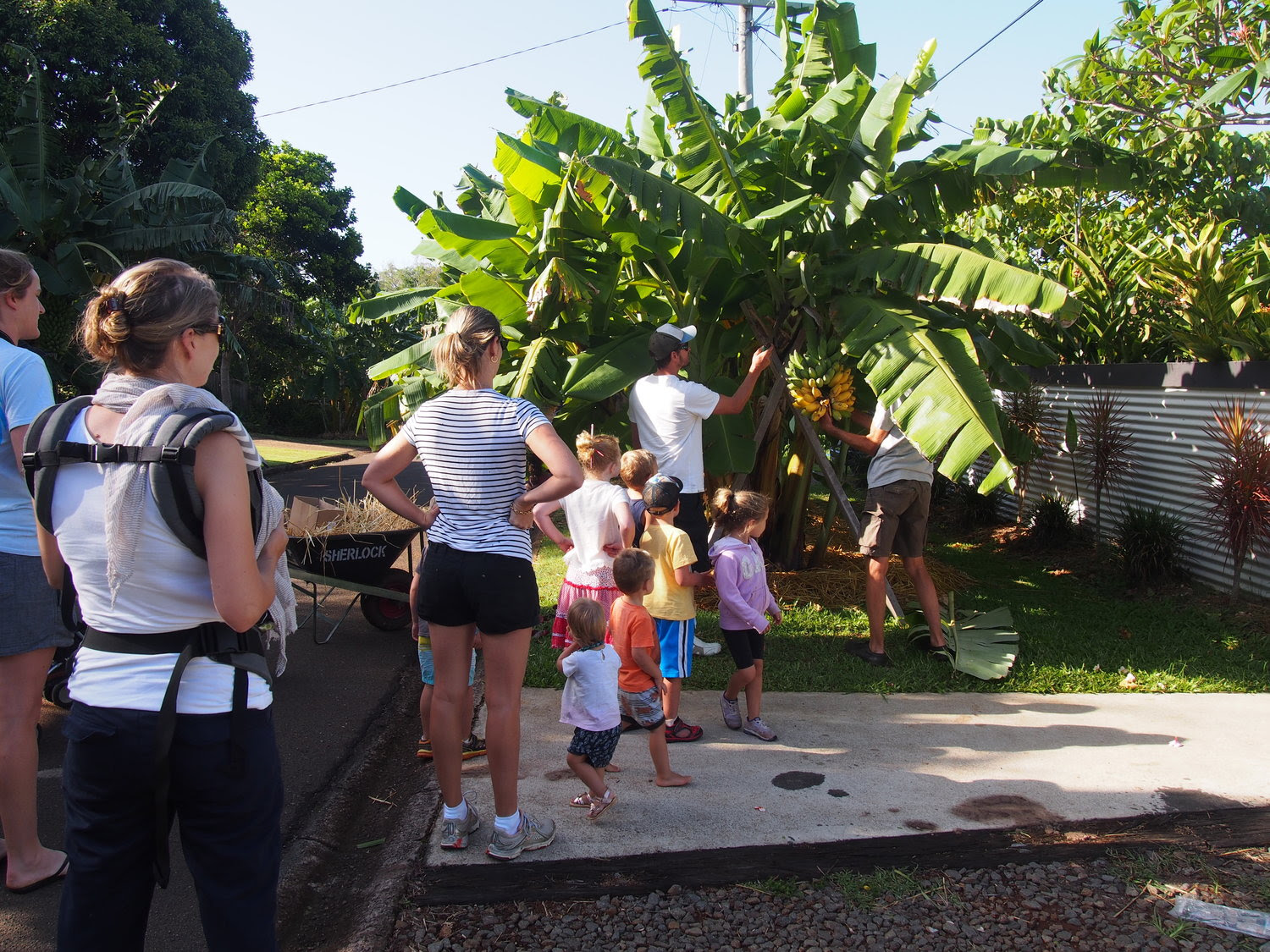
Tại một thị trấn nhỏ ở Queensland có một con đường đặc biệt , sở dĩ đặc biệt là bởi vì đây là con đường “ăn được”.

Đúng thế, chính là “ăn được”!

Trên con đường này hai bên đường khắp nơi đều có trồng các loại rau củ quả hữu cơ không ô nhiễm, tươi ngon và đầy dinh dưỡng. Chỉ cần cắn một miếng thôi bạn sẽ cảm nhận được cảm giác ngọt ngào mà không có bất cứ loại trái cây đắt tiền nào sánh bằng.


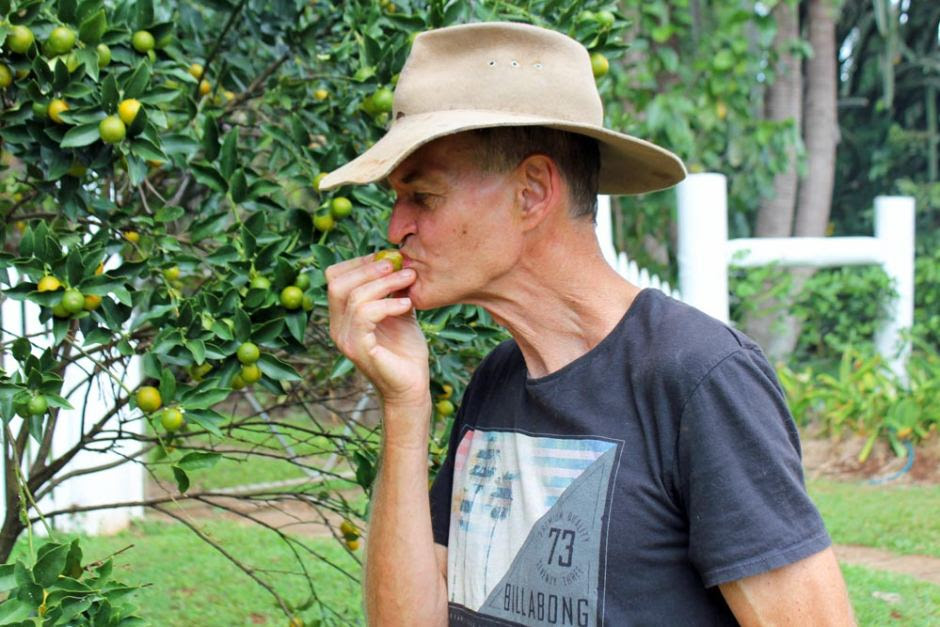
Bạn có thể hái một quả quýt nếu khát.


Tiếp tục đọc “Urban Food Street – Chỉ cần nhìn là muốn ăn”

Developer remains upbeat as Vietnam’s bauxite project logs $165mn loss

Read the original news

Báo Tuổi Trẻ English2 day(s) ago 4 readings

A bauxite megaproject in Vietnam’s Central Highlands has been making losses totaling VND3,696 billion (US$165 million) in the last three years, but the developer is unconcerned, believing that it will start generating profits in 2017.

Facebook Twitter 0 vote(s) Comment Save this news

A bauxite megaproject in Vietnam’s Central Highlands has been making losses totaling VND3,696 billion (US$165 million) in the last three years, but the developer is unconcerned, believing that it will start generating profits in 2017.

Vietnam currently has two major bauxite mining projects, Nhan Co in Dak Nong Province and Tan Rai in Lam Dong Province, both developed by Vinacomin, the country’s state-run coal and minerals giant.

Bauxite, an aluminum ore, is the world’s main source of aluminum.

Nguyen Van Bien, Vinacomin’s deputy general director, confirmed to Tuoi Tre (Youth) newspaper that the Tan Rai bauxite plant has been operating at a loss. Tiếp tục đọc “Developer remains upbeat as Vietnam’s bauxite project logs $165mn loss”

Chairman of northern Vietnam province intimidated for putting brakes on sand exploitation

Tuoi Tre News

Updated : 03/16/2017 16:45 GMT + 7

The chairman of the People’s Committee in the northern Vietnamese province of Quang Ninh has been the victim of threats since launching a campaign to end harmful sand exploitation in a local river.

Nguyen Tu Quynh, chairman of the provincial administration, has sent a letter notifying the prime minister that he and other officers had been threatened for ending a sand dredging project in the Cau River, an 83 kilometer long waterway snaking through Bac Ninh and Bac Giang Provinces.

Speaking with Tuoi Tre (Youth) newspaper on Wednesday, Chairman Quynh stated he had asked the Ministry of Public Security to carry out a comprehensive investigation into the investors behind the detrimental project. Tiếp tục đọc “Chairman of northern Vietnam province intimidated for putting brakes on sand exploitation”

Da Nang’s coastline suffers serious erosion

TUOI TRE NEWS

Updated : 03/11/2017 09:37 GMT + 7

Authorities in the central Vietnamese city of Da Nang are scratching their heads to figure out an effective measure to curb the increasingly serious erosion along the local coastline.

On Thursday morning, secretary of the municipal Party Committee Nguyen Xuan Anh and vice-chairman of the city’s administration Tran Van Mien led a team of officials to inspect the situation.

The erosion occurs in a stretch of several kilometers along the shoreline from Man Thai Ward, Son Tra District to Hoa Hai Ward, Ngu Hanh Son District.

Previously spanning about 100 meters wide, the beach running along Vo Nguyen Giap Street now measures only 40 meters in width due to the phenomenon. Tiếp tục đọc “Da Nang’s coastline suffers serious erosion”

Vietnam seizes 100 kgs of rhino horn from Kenya

ChannelNewsAisa

Posted 15 Mar 2017 01:03

Vietnam is a hot market for rhino horn, believed to have medicinal properties and is in high demand among the communist nation’s growing middle class.

The country is a popular transit point for illegal animal products, which often move from Africa through Vietnam to other parts of Asia. Tiếp tục đọc “Vietnam seizes 100 kgs of rhino horn from Kenya”

Túi nilông đã biến mất ở Cù Lao Chàm

26/02/2017 14:33 GMT+7

TTO – Câu chuyện những cư dân ở hòn đảo Cù Lao Chàm không sử dụng túi nilông một thời khiến nhiều người mắt tròn mắt dẹt ngạc nhiên.

Túi nilông đã biến mất ở Cù Lao Chàm
Tiểu thương chợ Tân Hiệp trên đảo Cù Lao Chàm sử dụng túi giấy để gói thực phẩm chứ không dùng túi nilông – Ảnh: Thanh Ba

Cho đến nay, phong trào ấy dần dà ăn sâu vào nếp nghĩ, lối sống của bà con trên đảo. Tiếp tục đọc “Túi nilông đã biến mất ở Cù Lao Chàm”

Cận cảnh đập thủy điện Xayaburi từ Lào

NĐT – 03/03/2017 – 10:59 AM

Chúng tôi đã có điều kiện tham quan đập thủy điện Xayaburi. Buổi tham quan dựa trên lời của Chính phủ Lào tại “Diễn đàn khu vực các bên liên quan về Nghiên cứu hội đồng và đập thủy điện Pak Beng”, vào cuối tháng 2 tại Luang Pra Bang. Người Đô Thị ghi nhận những hình ảnh về con đập mà cho đến nay vẫn còn gây nhiều tranh cãi trong cộng đồng các nước khu vực lẫn quốc tế.
Xayaburi

Tiếp tục đọc “Cận cảnh đập thủy điện Xayaburi từ Lào”

Vietnam seeks environmental protection help from foreign scientists

Tuoi Tre News

Updated : 03/09/2017 17:32 GMT + 7

Vietnam needs assistance from foreign scientists in its efforts to protect the environment, Minister of Natural Resources and Environment Tran Hong Ha remarked at an international conference on environmental pollution, restoration, and management on Wednesday.

Speaking to more than 200 experts from 25 nations and territories in Quy Nhon City, the capital of the south-central province of Binh Dinh, Minister Ha confirmed that Vietnam faces many environmental challenges, including rising pollution, decreasing biodiversity, limitations to environmental management, lack of forecasting capability, and insufficient resources to deal with environmental incidents. Tiếp tục đọc “Vietnam seeks environmental protection help from foreign scientists”