Scientists have found thriving communities of coastal creatures, including tiny crabs and anemones, living thousands of miles from their original home on plastic debris in the Great Pacific Garbage Patch – a 620,000 square mile swirl of trash in the ocean between California and Hawaii.
(TN&MT) – Từ đầu năm 2023 đến nay, trên địa bàn tỉnh Quảng Bình liên tiếp xảy ra các vụ chặt phá rừng nghiêm trọng. Đáng chú ý, trong số các đối tượng bị phát hiện có cả người nguyên là lãnh đạo chính quyền xã. Thực trạng này đang dấy lên hồi chuông cảnh báo về kỷ cương trong công tác bảo vệ, phát triển rừng tại Quảng Bình.
Liên tiếp các vụ phá rừng
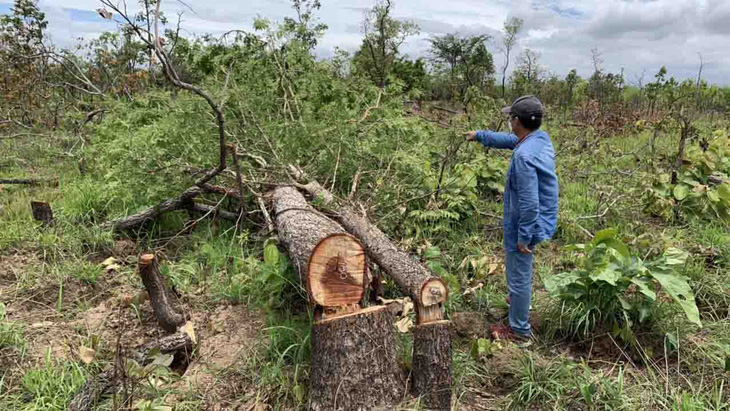
Khoảng giữa tháng 2/2023, nhiều diện tích rừng ở khu vực giáp ranh giữa xã Kim Hoá, Lê Hoá (Tuyên Hoá) và xã Hồng Hóa (Minh Hoá) bị chặt phá, xâm lấn đã bị phát hiện. Theo kết quả điều tra, xác minh của Hạt Kiểm lâm Tuyên Hóa, khu vực rừng bị phá hoại xảy ra tại khoảnh 3, 4, tiểu khu 56B, thuộc địa giới hành chính xã Kim Hóa (Tuyên Hóa). Diện tích thiệt hại hơn 3,4 ha, thuộc trạng thái rừng tự nhiên nghèo kiệt, quy hoạch sản xuất. Tổng khối lượng gỗ bị chặt phá hơn 136 m3.
Nhiều cây gỗ lớn bị đốn hạ tại khu vực giáp ranh giữa xã Kim Hoá, Lê Hoá (Tuyên Hoá) và xã Hồng Hóa (Minh Hoá). Ảnh: Baoquangbinh
Khu vực rừng bị phá hoại này đã được cấp có thẩm quyền giao và cấp giấy chứng nhận quyền sử dụng đất cho các chủ rừng là ông Phạm Văn Thuyết (SN 1963) và bà Đặng Thị Hướng (SN 1972), cùng trú tại thôn Kim Ninh, xã Kim Hóa (Tuyên Hóa), nhằm mục đích quản lý, bảo vệ.
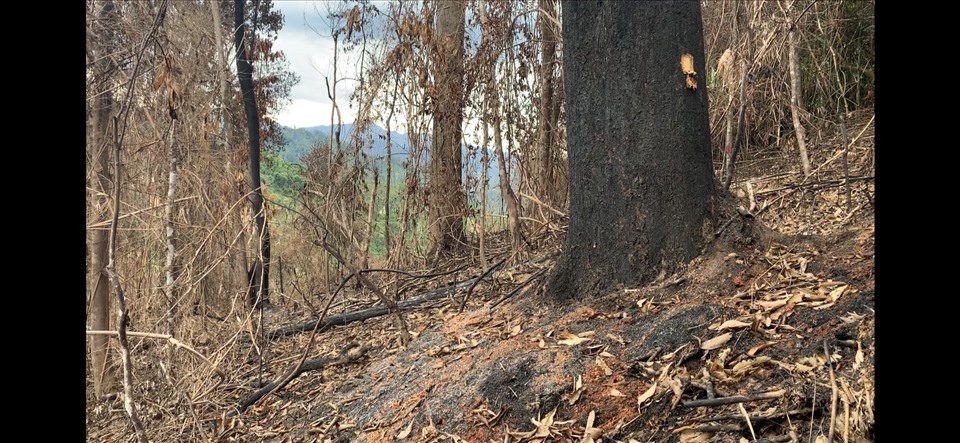
TTO – Tôi viết những dòng này trong tâm trạng xót xa khi báo chí đưa tin lại có thêm 382ha rừng ở xã Ya Tờ Mốt, huyện Ea Súp, Đắk Lắk bị lâm tặc tàn phá.
Hiện trường vụ phá gần 400ha rừng tại xã Ya Tờ Mốt, Ea Súp, Đắk Lắk – Ảnh: TÂM AN
382ha! Một con số không hề nhỏ chút nào! Một vụ phá rừng với diện tích khủng nhất tại địa phương.
Để phá được chừng ấy diện tích rừng, dù là rừng nghèo, “sản lượng gỗ thất thoát là không đáng kể vì rừng trồng và cây nhỏ, ít có giá trị về kinh tế” như một vị lãnh đạo Chi cục Kiểm lâm tỉnh từng nói, hẳn lâm tặc đã phải huy động một lực lượng lớn người, xe cộ và máy móc.
Chỉ riêng những âm thanh ghê rợn phát ra từ cưa máy, tiếng cây đổ ầm ầm cũng đủ khiến người yếu tim cảm thấy ớn lạnh.
Họ đã ra tay tàn sát những thân cây vô tội, rừng Ea Tờ Mốt đau đớn và tuyệt vọng trước sự bạo tàn của con người. Một cảnh tượng rùng rợn diễn ra trong suốt hai tuần nhưng lại như tàng hình trước tai mắt của chính quyền địa phương và lực lượng kiểm lâm.
Có phải do thời tiết xấu, đêm tối, địa hình phức tạp và cả dịch bệnh COVID-19 nữa đã cản trở “tầm nhìn”, diện “phủ sóng” của nhà chức trách?
Quảng Nam vừa được Chính phủ đồng ý thí điểm kinh doanh tín chỉ carbon (CO2). Đây là tín hiệu vui cả cho sự phát triển kinh tế lẫn công tác bảo vệ môi trường, bảo vệ rừng.
Một vụ đốt rừng để trồng rừng vừa xảy ra giữa tháng 5.2021 tại huyện Phước Sơn, Quảng Nam. Ảnh: Huy Kha
UBND Quảng Nam cho biết, Văn phòng Chính phủ vừa có Công văn gửi cho Bộ NN&PTNT và chính quyền tỉnh này về việc đồng ý cho phép Quảng Nam lập đề án thí điểm kinh doanh tín chỉ carbon.
Theo Bộ NN&PTNT, mỗi năm Việt Nam có thể bán ra thị trường thế giới 57 triệu tín chỉ carbon. Nếu được giá bán 5 USD/tín chỉ, thì mỗi năm Việt Nam có thể thu về hàng trăm triệu USD.
Trong đó, Quảng Nam với 628.000 ha rừng tự nhiên, mỗi năm có khả năng bán được 1 triệu tín chỉ carbon ra thị trường thế giới. Nếu thành công với đề án này thì bình quân mỗi năm tỉnh này sẽ thu được từ 5 triệu đến 10 triệu USD.
Nam Định ‘đổi thủy sản lấy công nghiệp’: [Bài 1] Thu hồi trắng gần 100ha đầm bãi làm kênh thoát nước khu công nghiệp
Gần 100ha đầm bãi nuôi trồng thuỷ sản của huyện Nghĩa Hưng bị thu hồi trắng làm kênh thoát nước thải khu công nghiệp. Nhiều hộ dân lo lắng mất kế sinh nhai.
Ông Vũ Đình Phú, xã Nghĩa Lợi (áo xanh), một trong số những hộ dân nhận được thông báo đơn phương chấm dứt hợp đồng thuê đầm bãi để làm Kênh thoát nước KCN rạng Đông.
LTS: Ngày 19/12/2018, UBND tỉnh Nam Định phê duyệt Quy hoạch Phát triển kinh tế thủy sản và Bảo vệ nguồn lợi thuỷ sản đến năm 2025, định hướng đến năm 2030 tại Quyết định số 2896. Tuy nhiên, chưa đầy 2 năm sau, ngày 10/7/2020, tỉnh Nam Định ban hành QĐ số 1645 về việc chấm dứt hiệu lực thi hành Quy hoạch nói trên. Người thay mặt UBND tỉnh ký ban hành cả hai Quyết định trên là ông Nguyễn Phùng Hoan, Phó chủ tịch UBND tỉnh Nam Định.
Đằng sau hai Quyết định này là số phận của hàng trăm hộ dân nuôi trồng thuỷ sản bị ảnh hưởng trực tiếp bởi họ đã đầu tư tiền bạc, công sức để khai phá, cải tạo vùng sình lầy, bãi triều hoang hoá… thành những đầm bãi trù phú, nhưng thời gian sử dụng chưa được bao lâu.
TTCT – Sống thong dong trên những ngôi nhà phao ngay giữa mùa nước lũ, người dân Tân Hóa (Quảng Bình) từ lâu đã là một hình mẫu về du lịch thích ứng với thời tiết.
Vùng Tân Hóa, Quảng Bình (Ảnh: Oxalis cung cấp)
Xã Tân Hóa, huyện Minh Hóa được coi là rốn lũ của Quảng Bình, nơi nước lụt có thể dâng đến 10m trong khu dân cư. Đa số những hình ảnh nước ngập mái nhà mà chúng ta thấy trên truyền thông vào những năm có lụt được chụp ở Tân Hóa.
Việt Nam, one of the EU’s main importer of forestry-based products is facing great challenges in adapting to these new policies from the EU.
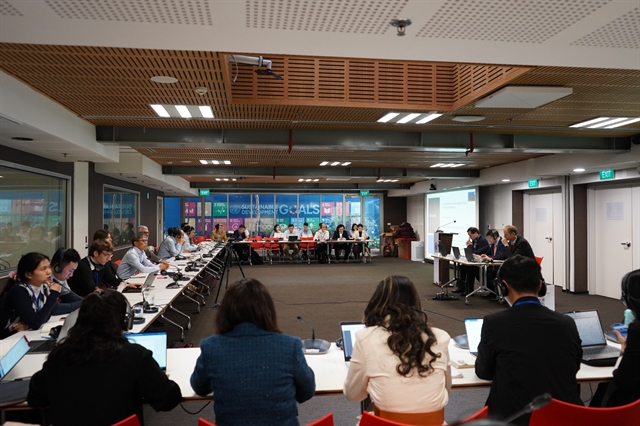
The workshop in Green One UN House in Hà Nội on Friday. — Photo courtesy of UNDP Việt Nam
HÀ NỘI — Around 90 per cent of deforestation in the world is currently provoked by the expansion of agricultural land, according to a report from the European Union.
This is one of the main reasons why the EU is enforcing regulations on trade in legal and “deforestation-free” commodities and products.
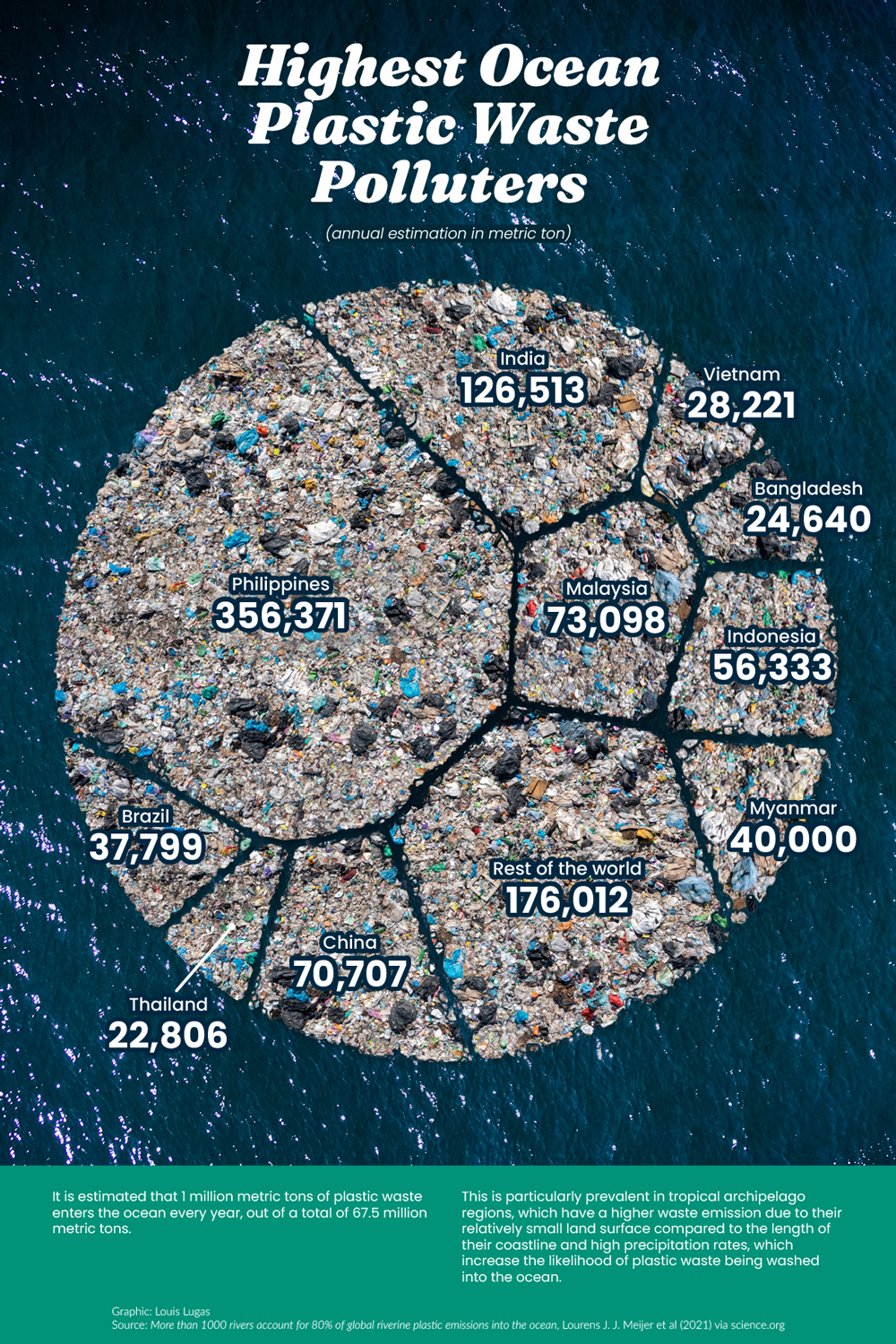
#1 Philippines #2 India #3 Malaysia #4 China #5 Indonesia #6 Myanmar #7 Brazil #8 Vietnam #9 Bangladesh #10 Thailand
Many high-income countries generate high amounts of plastic waste, but are either better at processing it or exporting it to other countries. Meanwhile, many of the middle-income and low-income countries that both demand plastics and receive bulk exports have yet to develop the infrastructure needed to process it.
Visualized: Ocean Plastic Waste Pollution By Country
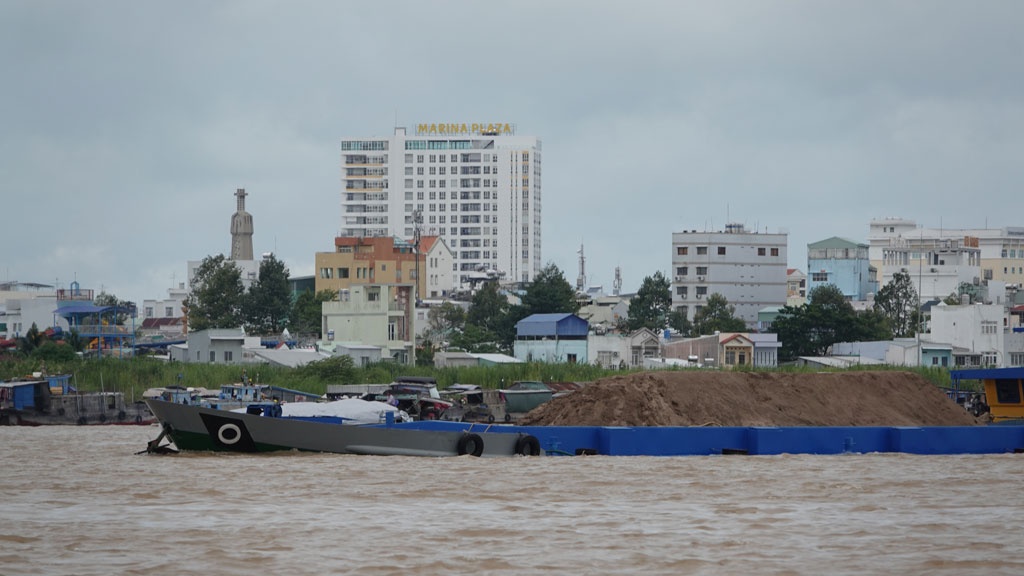
Ở Đồng bằng sông Cửu Long (ĐBSCL), chỉ riêng năm 2011, lượng cát khai thác là 50 triệu tấn, dẫn đến hệ lụy không có giặc ngoại xâm mà đất đai vẫn bị mất dần. Theo ước tính của Bộ NN-PTNT, mỗi năm ĐBSCL bị mất 500ha, chỉ vài chục năm sau, diện tích ĐBSCL sẽ mất đi một nữa.
Nhu cầu về cát cho xây dựng ở ĐBSCL hiện rất lớn, trong khi nguồn cát bồi đắp từ sông Mê Kông ngày một ít đi
ĐÌNH TUYỂN
Nguồn tài nguyên quý hiếm không thể tái sinh
Một “mỏ cát” thường được hình thành vài trăm năm, thậm chí cả ngàn năm, nên nhiều nhà khoa học cho rằng đây là loại tài nguyên không tái tạo vì khi nó bị mất đi thì rất khó và rất lâu mới hình thành một khối lượng cát giá trị khai thác.
Cát sa mạc hình thành do sự ma sát, bào mòn chủ yếu do gió nên bị tròn nhẵn, mất khả năng kết dính với các loại vữa xi măng nên gần như không sử dụng cho xây dựng, nhiều quốc gia có sa mạc như ở vùng Trung Đông vẫn phải nhập cát về xây dựng.
Sand is the foundation of human construction and a fundamental ingredient in concrete, asphalt, glass and other building materials.
But sand, like other natural resources, is limited and its ungoverned extraction is driving erosion, flooding, the salination of aquifers and the collapse of coastal defences.
The United Nations Environment Programme (UNEP) has partnered with Kenyan spoken word poet Beatrice Kariuki to shed light on the problems associated with sand mining, part of a wider push towards a zero waste world.
“We must redouble our efforts to build a circular economy, and take rubble to build structures anew,” Kariuki says in a new video. “Because without new thinking, the sands of time will run out.”
Sand is the second-most used resource on Earth, after water. It is often dredged from rivers, dug up along coastlines and mined. The 50 billion tonnes of sand thought to be extracted for construction every year is enough to build a nine-storey wall around the planet.
A 2022 report from UNEP, titled Sand and Sustainability: 10 Strategic Recommendations to Avert a Crisis, found that sand extraction is rising about 6 per cent annually, a rate it called unsustainable. The study outlined the scale of the problem and the lack of governance, calling for sand to be “recognized as a strategic resource” and for “its extraction and use… to be rethought.”
The report builds on UNEP research from 2019 that found increasing demand for sand, which saw a three-fold growth over 20 years, had caused river pollution and flooding, while also shrinking aquifers and deepening droughts.
UNEP has identified solutions to the problems linked to sand mining, including the creation of legal frameworks for sand extraction. There is also a need to develop a circular economy for sand and other building materials, accurately map and monitor sand resources, and restore ecosystems damaged by sand mining.
Recycling construction material from demolition sites and developing the potential of ore-sand are two simple ways to reduce the consumption of new sand, while contributing to global circular economy ambitions, the Sand and Sustainability report found. Ore-sand is a by-product of mineral processing designed for construction and industrial application that reduces the production of mine tailings and potentially provide an alternative source of sand.
To fight the pervasive impact of pollution on society, UNEP launched #BeatPollution, a strategy for rapid, large-scale and coordinated action against air, land and water pollution. The strategy highlights the impact of pollution on climate change, nature and biodiversity loss, and human health. Through science-based messaging, the campaign showcases how transitioning to a pollution-free planet is vital for future generations.
Để nâng công suất hoạt động của thuyền, ông Liêm cải tiến thân thuyền rộng lắp tấm pin năng lượng lớn, dùng thêm bộ phát điện chạy bằng sức nước.
Hơn hai tháng nay, “kỹ sư nông dân” Huỳnh Thiện Liêm (xã Trường Xuân, Tháp Mười, Đồng Tháp) đi sớm về khuya cùng cộng sự Huỳnh Văn Trăng và một số công nhân cải tiến chiếc thuyền du lịch chạy bằng năng lượng mặt trời. Ông từng giới thiệu mô hình thuyền tại hội chợ công nghệ Techmart 2015 ở Hà Nội khiến nhiều người chú ý, một số đơn vị đặt hàng để phục vụ du lịch.
Ông Liêm (áo xanh) cùng cộng sự liên tục cải tiến chiếc thuyền hoạt động hiệu quả hơn. Ảnh: Hoàng Phương.
Chiếc thuyền ban đầu hoạt động trên nguyên tắc tích trữ năng lượng từ ánh sáng mặt trời qua tấm pin rồi nạp vào bình ắc quy, giúp chạy khoảng 30 km liên tục trong 3 tiếng với vận tốc 8-12 km/giờ. Thuyền được đánh giá là phương tiện đầu tiên ở đồng bằng sông Cửu Long ứng dụng được năng lượng xanh để khai thác du lịch.
Khi thấy cô người mẫu Tây mặc váy dệt bằng sợi tơ dứa của mình trình diễn tại Thụy Sĩ, Nguyễn Văn Hạnh, Vũ Thị Liễu – đồng sáng lập Ecosoi mừng muốn phát khóc.
Người mẫu mặc trang phục dệt bằng sợi tơ dứa của Ecosoi. Ảnh: Nhân vật cung cấp.
Một bộ váy 5 – 6 triệu
Không mừng sao được khi các công ty may đang loay hoay tìm vùng nguyên liệu xanh và bền vững để đáp ứng nhu cầu xuất khẩu đi các thị trường khó tính như châu Âu, Nhật, trong khi đó Công ty CP Nghiên cứu sản xuất và Phát triển sợi (Ecosoi) mới thành lập đã tiên phong khai thác sợi từ lá dứa, biến rác phế phẩm nông nghiệp thành tài nguyên.
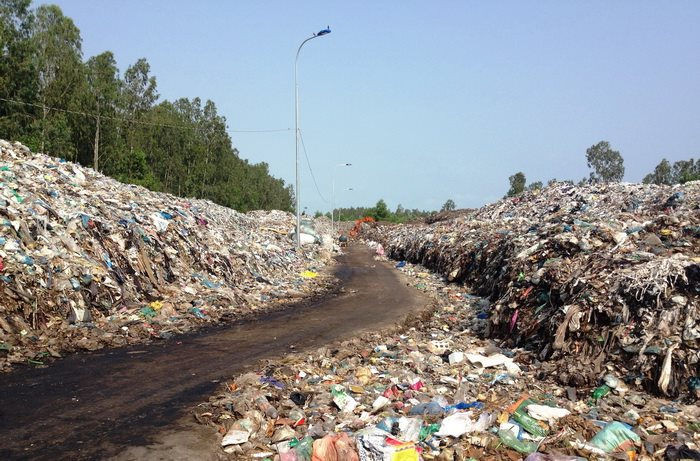
(TN&MT) – Theo thống kê của Tổng cục Môi trường (Bộ Tài nguyên và Môi trường – TN&MT), tại Việt Nam hiện có hơn 900 bãi chôn lấp chất thải sinh hoạt, trong đó chưa đến 20% bãi chôn lấp hợp vệ sinh. Tình trạng ô nhiễm môi trường từ hàng trăm bãi chôn lấp này là hiện hữu.
Vẫn khó xử lý, cải tạo
Trong hơn 900 bãi chôn lấp chất thải sinh hoạt, ngoài 20% bãi chôn lấp hợp vệ sinh, còn lại là các bãi chôn lấp không hợp vệ sinh hoặc các bãi tập kết chất thải cấp xã. Một số bãi rác này hiện đã “đóng cửa”.
Việt Nam có hơn hơn 900 bãi chôn lấp chất thải sinh hoạt, có nguy cơ gây ô nhiễm môi trường
A wave of recent closures of environment organizations in Vietnam, as well as the arrests of NGO leaders, reflects the difficult position that activists face in the one-party state.
Nonprofit organizations have an unclear legal status in the country, and are vulnerable to pressure from the state as well as from powerful private interests.
Though the communist-led government has at times recognized the value of NGOs as partners in implementing social and environmental programs, it has also attacked the concept of civil society as a threat to official ideology and morality.
Thuý, who helped run environmental programs at a nonprofit based in Ho Chi Minh City, had for weeks pondered quitting her job to pursue an advanced degree. The 24-year-old, who like all NGO workers interviewed for this story used a pseudonym due to fear of reprisals, was at a loss as to how to communicate her hard decision to her supervisors. While she felt it was time to move on, Thuý was grateful for the open-minded and dynamic working environment that had allowed her to grow tremendously.
Much to Thuý’s surprise, it was her supervisors who initiated a conversation about her career, advising her to be prepared to leave soon, because their organization was being told “from above” to shut down.
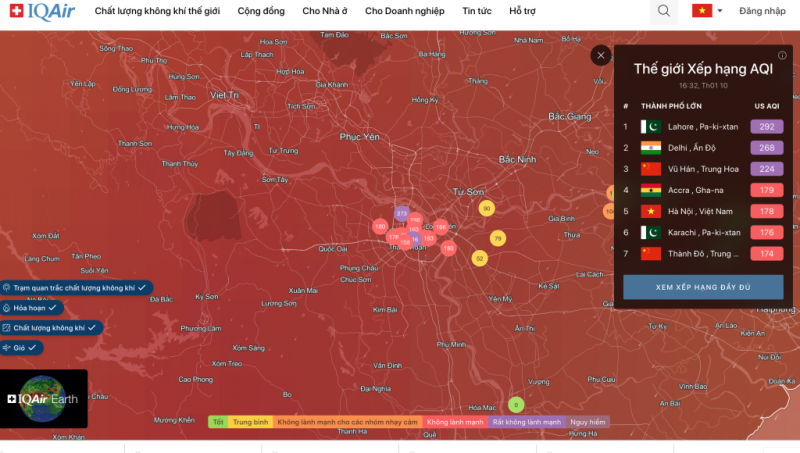
Chiều nay (10/1), trên trang IQAir, với chỉ số AQI trung bình 173 đơn vị, Hà Nội xếp thứ 5 trong 10 TP có chất lượng không khí kém nhất trên thế giới. Sáng nay, Hà Nội còn bị xếp thứ 4 với chất lượng không khí rất kém.
Trong ngày 10/1, chất lượng không khí ở nhiều nơi trên địa bàn Hà Nội rất kém. Toàn TP chìm trong sương mù. Dự báo, trạng thái này còn có thể kéo dài.
Các điểm có chỉ số AQI rất cao như Cầu Giấy 433, phố Phạm Tuấn Tài 305, Trường mầm non thực hành Hoa Sen 451, Thanh Xuân 318, Hoàn Kiếm 376. Cá biệt, Khu đô thị Time City lên tới con số 500.

.jpg)