Lộng hành “cát tặc” sông Hồng (4 kỳ)

Nhu cầu xây dựng tăng cao, việc khai thác cát trái phép đem lại lợi nhuận lớn. Vì vậy, với thủ đoạn bảo kê và lách luật tinh vi, cát tặc vẫn lộng hành không chỉ trên sông Hồng mà còn trên nhiều con sông khắp đất nước. Hành vi này không chỉ vi phạm pháp luật mà còn phá hoại môi trường, gây sạt lở nghiêm trọng và ảnh hưởng đến đời sống của người dân.

An An

***

Lộng hành “cát tặc” sông Hồng (Kỳ 1)

Những tháng cuối năm 2023, có nguồn tin cho chúng tôi biết: có tình trạng cát tặc diễn ra phức tạp, lộng hành trên sông Hồng. Quá trình tìm hiểu của nhóm phóng viên báo Thời Nay, thực tế vượt xa những thông tin ban đầu. Suốt dọc chiều dài sông Hồng từ Hà Nội ngược lên Vĩnh Phúc, xuất hiện nhiều điểm nóng hoạt động khai thác cát trái phép.

Thứ Năm, ngày 18/01/2024 – 15:20

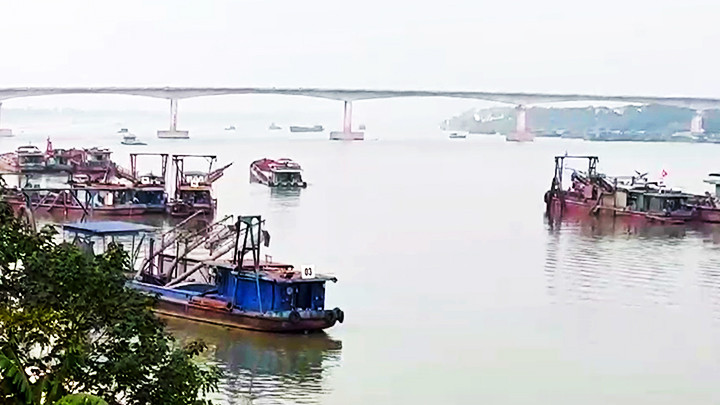
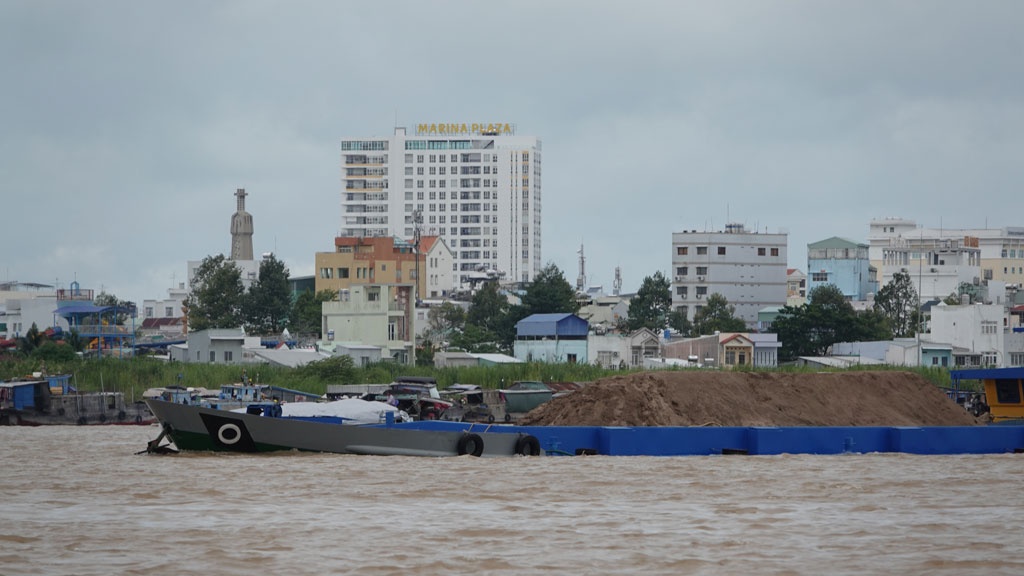
Các tàu khai thác cát trái phép tại khu vực cầu Vĩnh Thịnh (Vĩnh Phúc) lúc 11 giờ 15 phút ngày 24/12/2023.
Tiếp tục đọc “Lộng hành “cát tặc” sông Hồng (4 kỳ)”

‘Madness’: World leaders call for deep-sea mining moratorium at UN ocean summit

Mongabay.com Elizabeth Claire Alberts 11 Jun 2025 France

  • World leaders have renewed calls for a global moratorium on deep-sea mining at the 2025 U.N. Ocean Conference (UNOC) in Nice, France, as the U.S. moves to mine the deep sea in international waters under its own controversial authority.
  • Four additional countries have joined the coalition of nations calling for a moratorium, precautionary pause, or ban on deep-sea mining, bringing the total number to 37.
  • The U.S., which did not have an official delegation at UNOC, is pushing forward with its plans to mine in international waters — a decision that has drawn criticism from the international community.

Tiếp tục đọc “‘Madness’: World leaders call for deep-sea mining moratorium at UN ocean summit”

Thượng nguồn suối du lịch Đà Nẵng bị cày xới vì nạn khai thác cát trộm

tuoitre.vn THANH NGUYÊN

Tại khu vực thượng nguồn sông Cu Đê (Đà Nẵng), một đoạn sông Bắc đang bị những kẻ trộm cát cày xới, xâm hại đến cảnh quan và môi trường tự nhiên.

Thượng nguồn suối du lịch Đà Nẵng bị cày xới vì nạn khai thác cát trộm - Ảnh 1.
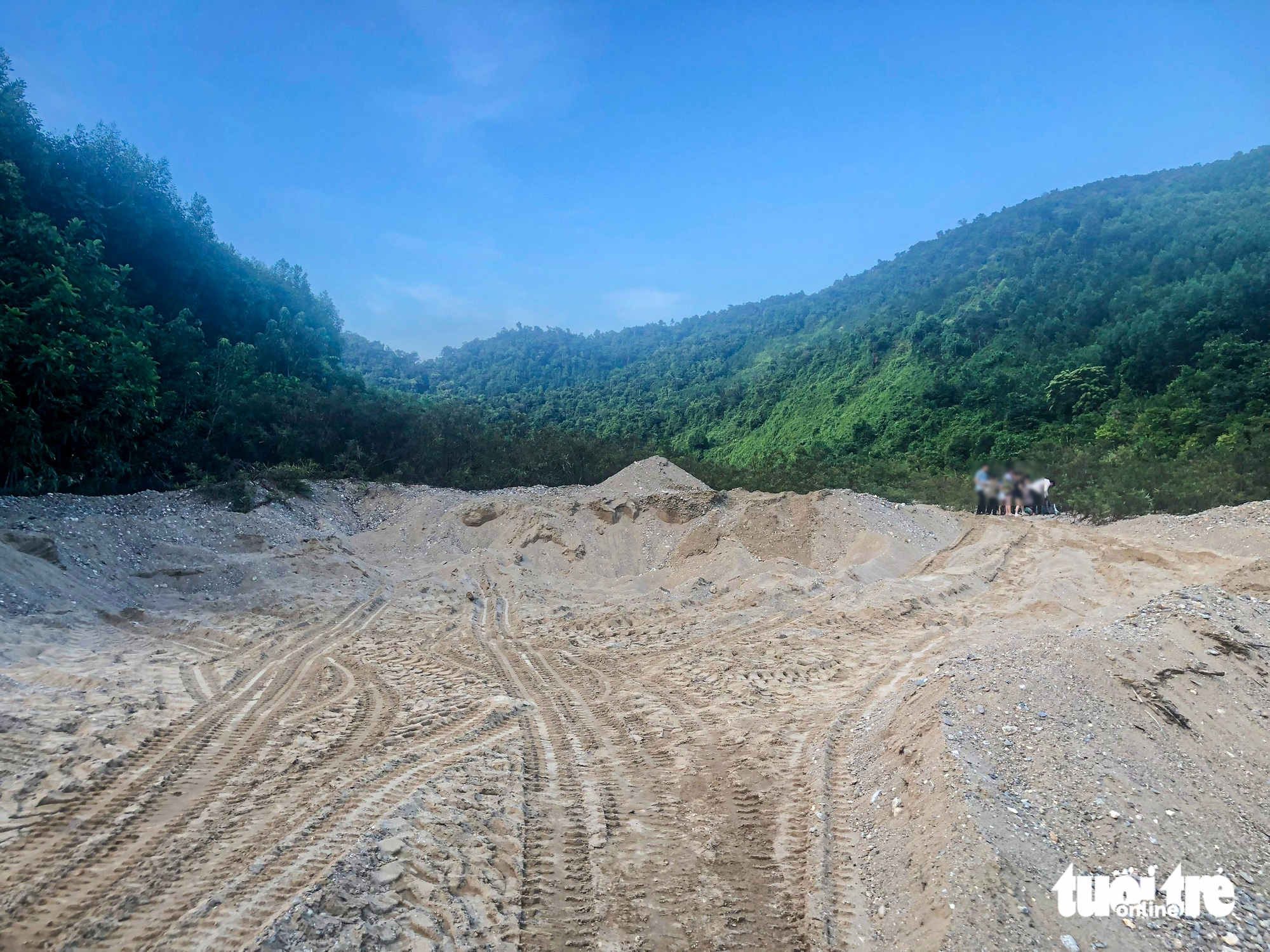
Hình ảnh tại hiện trường bãi khai thác cát trái phép ở một đoạn sông Bắc (xã Hòa Bắc, huyện Hòa Vang, Đà Nẵng) – Ảnh: THANH NGUYÊN

Xe múc, phương tiện âm thầm đào trộm cát

Xã Hòa Bắc (huyện Hòa Vang) đang được xây dựng thành điểm du lịch sinh thái ở Đà Nẵng với nhiều con suối trong lành. Vào mùa hè, dòng sông Cu Đê và những con suối nằm ở thượng nguồn như sông Bắc thu hút đông đảo người dân và du khách đến vui chơi, nghỉ mát.

Tuy nhiên, một đoạn sông Bắc đang bị “cày xới” bởi các đối tượng khai thác cát lậu.

00:01:44

Xe múc đào trộm cát trên thượng nguồn sông Cu Đê ở Đà Nẵng, chính quyền nói gì? – Video: THANH NGUYÊN

Theo ghi nhận của Tuổi Trẻ Online, tình trạng khai thác cát trái phép ở khu vực này đã diễn ra được một thời gian.

Trước đó vào tháng 8-2024, phóng viên ghi nhận nhiều người đã đưa máy móc, xe tải tiến về khu vực sông Bắc (phía trên vũng Bọt) để múc trộm cát.

Các hoạt động khai thác cát trái phép này thường diễn ra vào ban đêm hoặc rạng sáng để tránh bị lực lượng chức năng phát hiện.

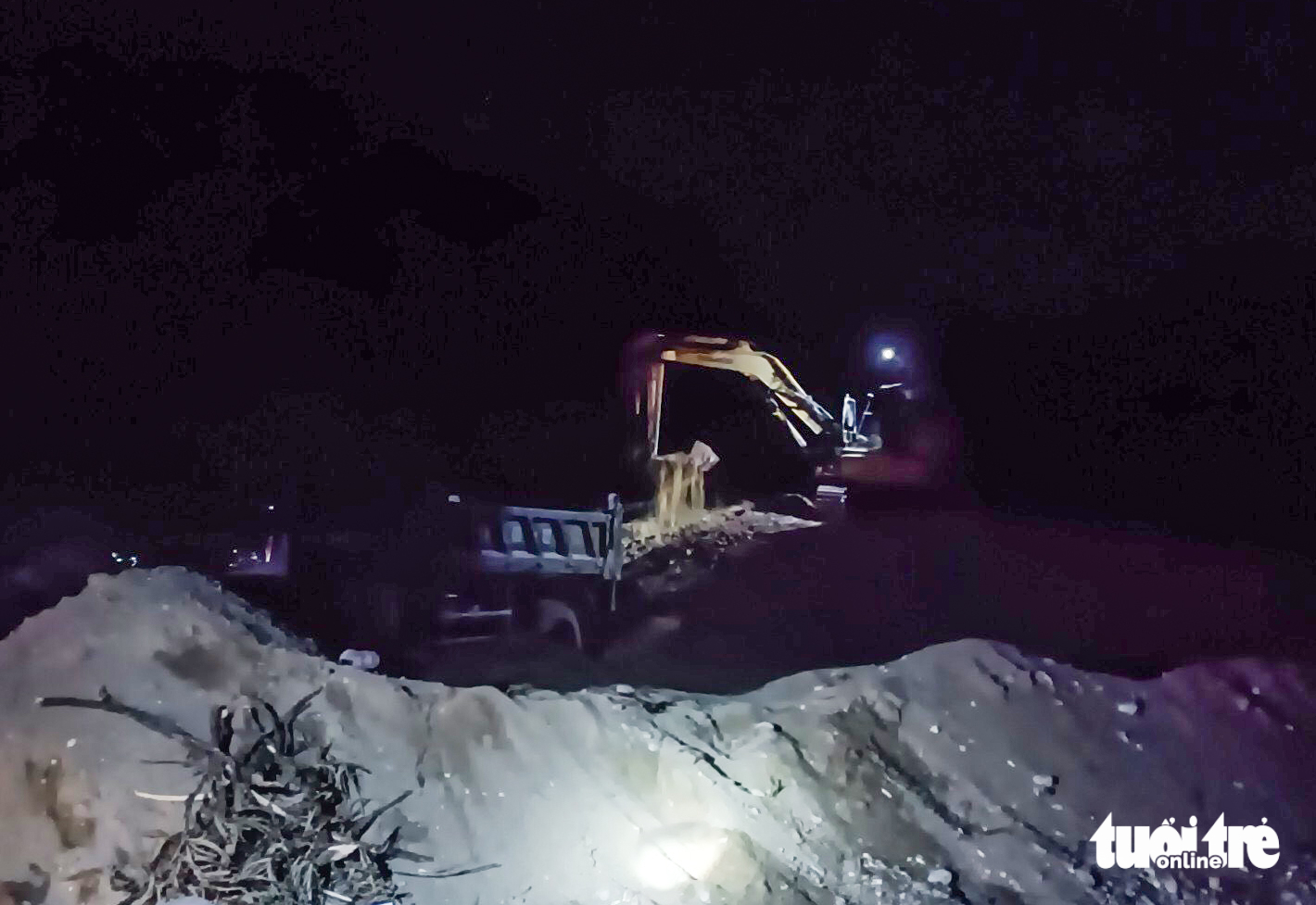
Theo ghi nhận, khoảng 22h, một người lái xe tải chở theo máy xúc tiếp cận đến điểm khai thác. Người này nhanh chóng xúc cát đổ đầy thùng xe tải dưới ánh sáng lờ mờ của chiếc đèn pin.

Đà Nẵng - Ảnh 2.
Hình ảnh khai thác cát trái phép trong đêm – Ảnh: THANH NGUYÊN

Trước khi chở cát rời đi, người này gom cát lại thành đống để thuận tiện cho việc khai thác lần tiếp theo.

Sau một thời gian, các hoạt động khai thác tạm ngưng khi nước suối dâng cao vào mùa mưa cuối năm 2024. Tuy nhiên, thời gian gần đây, việc khai thác cát trộm tái diễn ở khu vực này. Các đối tượng tiếp tục tuồn đi nhiều m3 cát, sỏi dọc bờ suối.

Hậu quả để lại là một đoạn bờ suối bị cày xới, biến dạng, nguy cơ làm thay đổi dòng chảy và tiềm ẩn nhiều nguy cơ sạt lở vào mùa mưa.

Tiếp tục đọc “Thượng nguồn suối du lịch Đà Nẵng bị cày xới vì nạn khai thác cát trộm”

Mining is growing rapidly – so are investor-state disputes

mining.com

As the mining industry grows, so do disputes, litigation

Stock image.

recent study by Charles River Associates (CRA) outlines some worrying trends for global mining as the industry continues to expand and push into new markets.   

The Toronto-based consultants, specialising in economic litigation found disputes between governments and investors involving mineral assets are growing rapidly – with 60% of all arbitrations over the last fifty years filed in the last decade. 

Tiếp tục đọc “Mining is growing rapidly – so are investor-state disputes”

Deep-sea mining for minerals: What is the issue?

IUCN.org

What is the issue?
Why is this important?
What can be done?
More information

  • Deep-sea mining is the process of retrieving mineral deposits from the deep seabed – the ocean below 200m.
  • Depleting terrestrial deposits and rising demand for metals mean deep-sea mining may begin soon, even thoughresearch suggests that it could destroy habitats and wipe out species.
  • Deep-sea mining should be halted until the criteria specified by IUCN are met, including the introduction of assessments, effective regulation and mitigation strategies.
  • Comprehensive studies are neededto improve our understanding of deep-sea ecosystems and the vital services they provide to people, such as food and carbon sequestration.

What is the issue?

Deep-sea mining is the process of extracting and often excavating mineral deposits from the deep seabed. The deep seabed is the seabed at ocean depths greater than 200m, and covers about two-thirds of the total seafloor. Research suggests deep-sea mining could severely harm marine biodiversity and ecosystems, but we still lack the knowledge and means to implement protections.

Despite this, there is growing interest in the mineral deposits of the seabed. This is said to be due to depleting terrestrial deposits of metals such as copper, nickel, aluminium, manganese, zinc, lithium and cobalt. Demand for these metals is also increasing to produce technologies like smartphones, wind turbines, solar panels and batteries.

featured image

ISA, 2021

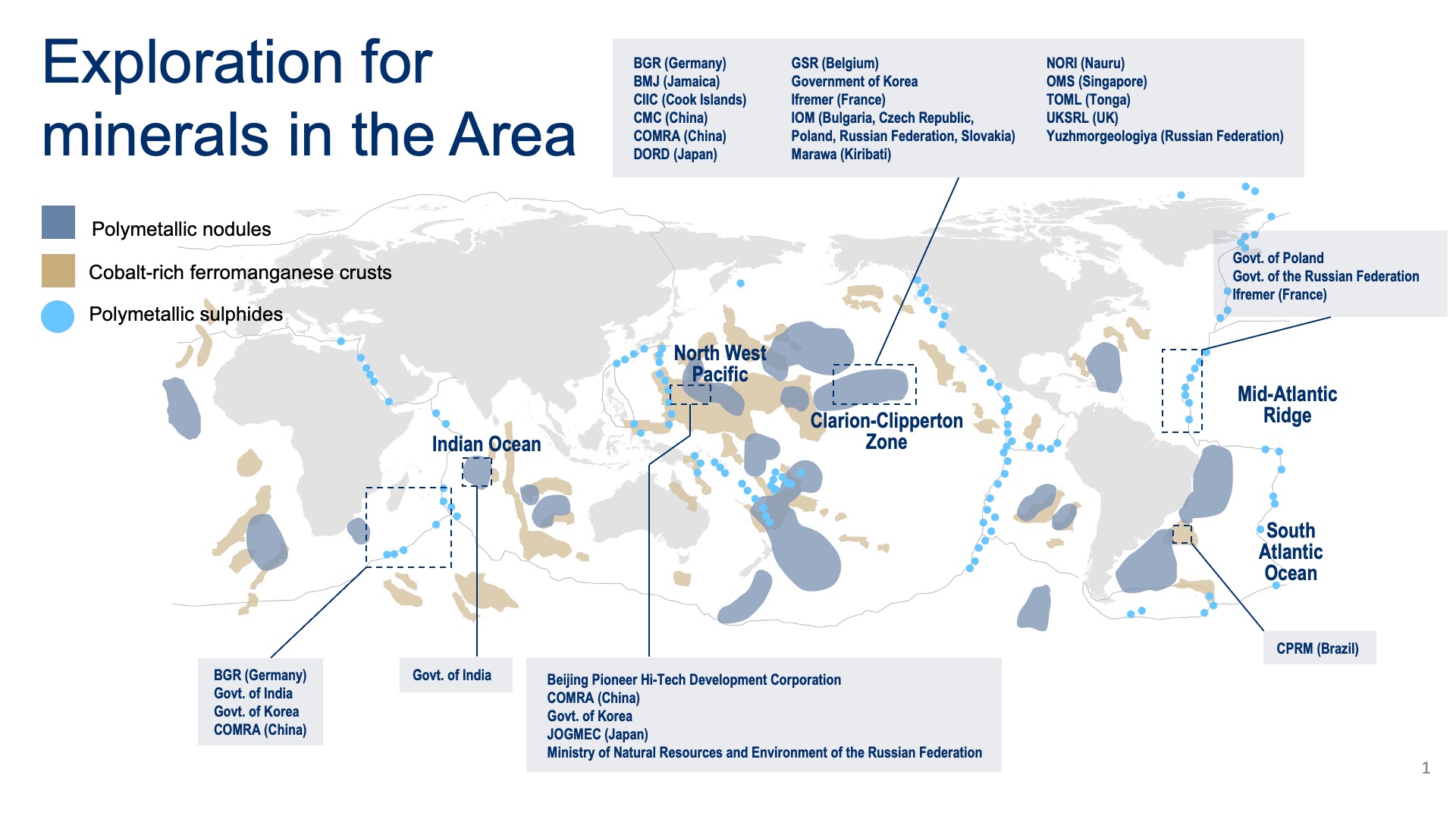
By May 2022, the International Seabed Authority (ISA), which regulates activities in the seabed beyond national jurisdiction (‘the Area’), had issued 31 contracts to explore deep-sea mineral deposits. More than 1.5 million km2 of international seabed, roughly the size of Mongolia, has been set aside for mineral exploration.

Tiếp tục đọc “Deep-sea mining for minerals: What is the issue?”

A Thirst for Sand:

The rising demand for sand to resume post-pandemic growth drives unregulated and illegal sand mining in the Mekong River, where people living along its banks have lost their houses and fortunes to severe erosion.

By Le Dinh Tuyen, Pratch Rujivanarom, Teng Yalirozy and Lay Sopheavotey

mekongeye.com

One October morning in Vietnam’s Dong Thap province, 72-year-old Nguyen Thi Cam sat on the banks of the Mekong River, staring at dredgers hoovering up sand in the distance.

“My house was over there before,” she said, pointing to a raft floating about 50 meters from the riverbank.

“After running away from erosion twice, the house is now located here,” she said of the old, dilapidated building by the river, where the shore was jagged and looked as if it could collapse at any time.

For more than a decade, sand mining had eaten away at the foundations of Cam’s old houses. A 25-hectare islet where she used to source corn and vegetables had disintegrated too.

The insatiable hunger for sand has intensified in the Mekong region – the home to Cambodia, Laos, Myanmar, Thailand and Vietnam – in the past decade due to urbanization and growing construction sectors that promise development in these countries.

Many expressways are planned or have been built, especially in Cambodia and Vietnam, where road networks are seen as the main source of investment. Infrastructure projects – ranging from airports and ports to railways – will likely be revived in the post-Covid-19 pandemic era for economic recovery.

The demand for real estate is strong in Thailand as the growing number of middle-class seek new houses and condominium units, while the sector remains one of the most profitable investment opportunities.

Tiếp tục đọc “A Thirst for Sand:”

Đồng bằng sông Cửu Long: Cát không phép chiếm 86% thị trường

congan.com.vn

Thứ Ba, 20/12/2022 16:59  | Nguyễn Nhân

(CATP) Ngày 19-12 tại TP.Cần Thơ, Tổ chức quốc tế về bảo tồn thiên nhiên Việt Nam (WWF – Việt Nam) phối hợp với Báo Nông nghiệp Việt Nam tổ chức tọa đàm với chủ đề “Quản lý cát bền vững ở ĐBSCL và giải pháp nào cho tình trạng khan hiếm cát dưới góc nhìn chuyên gia và truyền thông” với sự tham gia các nhà quản lý, chuyên gia, cơ quan báo, đài. Tại đây, nhiều chuyên gia cho rằng không nên khai thác “cát biển” để làm nguồn vật liệu thay thế, bởi như vậy là chúng ta đang “cắt đứt đôi chân” của mình.

40% Diện tích đồng bằng sẽ biến mất?

Vùng ĐBSCL là một trong những khu vực kinh tế trọng điểm của Việt Nam, đóng góp 31,37% GDP ngành nông nghiệp, 50% sản lượng lúa, 65% sản lượng nuôi trồng thủy sản, 70% sản lượng trái cây, 95% lượng gạo xuất khẩu và 60% sản lượng cá xuất khẩu. Tuy nhiên, nơi đây đang chịu tác động mạnh do biến đổi khí hậu cùng các hiện tượng cực đoan như: hạn hán, xâm nhập mặn, sạt lở. Tình trạng khai thác cát quá mức đã làm gia tăng sạt lở bờ sông, ảnh hưởng không nhỏ đến đời sống người dân đồng bằng. Do đó, việc quản lý khai thác cát một cách hiệu quả và bền vững cần những giải pháp căn cơ và lâu dài.

Tiếp tục đọc “Đồng bằng sông Cửu Long: Cát không phép chiếm 86% thị trường”

Nam Định ‘đổi thủy sản lấy công nghiệp’ – 4 bài

NN – Thứ Hai 27/03/2023 , 11:36 (GMT+7)

Nam Định ‘đổi thủy sản lấy công nghiệp’: [Bài 1] Thu hồi trắng gần 100ha đầm bãi làm kênh thoát nước khu công nghiệp

Gần 100ha đầm bãi nuôi trồng thuỷ sản của huyện Nghĩa Hưng bị thu hồi trắng làm kênh thoát nước thải khu công nghiệp. Nhiều hộ dân lo lắng mất kế sinh nhai.

Ông Vũ Đình Phú, xã Nghĩa Lợi (áo xanh), một trong số những hộ dân nhận được thông báo đơn phương chấm dứt hợp đồng thuê đầm bãi để làm Kênh thoát nước KCN rạng Đông.

LTS: Ngày 19/12/2018, UBND tỉnh Nam Định phê duyệt Quy hoạch Phát triển kinh tế thủy sản và Bảo vệ nguồn lợi thuỷ sản đến năm 2025, định hướng đến năm 2030 tại Quyết định số 2896. Tuy nhiên, chưa đầy 2 năm sau, ngày 10/7/2020, tỉnh Nam Định ban hành QĐ số 1645 về việc chấm dứt hiệu lực thi hành Quy hoạch nói trên. Người thay mặt UBND tỉnh ký ban hành cả hai Quyết định trên là ông Nguyễn Phùng Hoan, Phó chủ tịch UBND tỉnh Nam Định.

Đằng sau hai Quyết định này là số phận của hàng trăm hộ dân nuôi trồng thuỷ sản bị ảnh hưởng trực tiếp bởi họ đã đầu tư tiền bạc, công sức để khai phá, cải tạo vùng sình lầy, bãi triều hoang hoá… thành những đầm bãi trù phú, nhưng thời gian sử dụng chưa được bao lâu.

Tiếp tục đọc “Nam Định ‘đổi thủy sản lấy công nghiệp’ – 4 bài”

Giành giật ĐBSCL với ‘cát tặc’

Trúc Tùng – 31/10/2022 16:25 GMT+7

thanhnien.vn

Ở Đồng bằng sông Cửu Long (ĐBSCL), chỉ riêng năm 2011, lượng cát khai thác là 50 triệu tấn, dẫn đến hệ lụy không có giặc ngoại xâm mà đất đai vẫn bị mất dần. Theo ước tính của Bộ NN-PTNT, mỗi năm ĐBSCL bị mất 500ha, chỉ vài chục năm sau, diện tích ĐBSCL sẽ mất đi một nữa.

Nhu cầu về cát cho xây dựng ở ĐBSCL hiện rất lớn, trong khi nguồn cát bồi đắp từ sông Mê Kông ngày một ít đi
ĐÌNH TUYỂN

Nguồn tài nguyên quý hiếm không thể tái sinh

Một “mỏ cát” thường được hình thành vài trăm năm, thậm chí cả ngàn năm, nên nhiều nhà khoa học cho rằng đây là loại tài nguyên không tái tạo vì khi nó bị mất đi thì rất khó và rất lâu mới hình thành một khối lượng cát giá trị khai thác.

Cát sa mạc hình thành do sự ma sát, bào mòn chủ yếu do gió nên bị tròn nhẵn, mất khả năng kết dính với các loại vữa xi măng nên gần như không sử dụng cho xây dựng, nhiều quốc gia có sa mạc như ở vùng Trung Đông vẫn phải nhập cát về xây dựng.

Tiếp tục đọc “Giành giật ĐBSCL với ‘cát tặc’”

The problem with our dwindling sand reserves: Sand and Sustainability: 10 Strategic Recommendations to Avert a Crisis,

UNEP.org

Report from UNEP, titled Sand and Sustainability: 10 Strategic Recommendations to Avert a Crisis,

Sand is the foundation of human construction and a fundamental ingredient in concrete, asphalt, glass and other building materials.

But sand, like other natural resources, is limited and its ungoverned extraction is driving erosion, flooding, the salination of aquifers and the collapse of coastal defences.

The United Nations Environment Programme (UNEP) has partnered with Kenyan spoken word poet Beatrice Kariuki to shed light on the problems associated with sand mining, part of a wider push towards a zero waste world.

“We must redouble our efforts to build a circular economy, and take rubble to build structures anew,” Kariuki says in a new video. “Because without new thinking, the sands of time will run out.”

https://youtube.com/watch?v=4yzOGcDCX9o%3Fenablejsapi%3D1%26origin%3Dhttps%253A%252F%252Fwww.unep.org

Sand is the second-most used resource on Earth, after water. It is often dredged from rivers, dug up along coastlines and mined. The 50 billion tonnes of sand thought to be extracted for construction every year is enough to build a nine-storey wall around the planet.

A 2022 report from UNEP, titled Sand and Sustainability: 10 Strategic Recommendations to Avert a Crisis, found that sand extraction is rising about 6 per cent annually, a rate it called unsustainable. The study outlined the scale of the problem and the lack of governance, calling for sand to be “recognized as a strategic resource” and for “its extraction and use… to be rethought.”

The report builds on UNEP research from 2019 that found increasing demand for sand, which saw a three-fold growth over 20 years, had caused river pollution and flooding, while also shrinking aquifers and deepening droughts.

UNEP has identified solutions to the problems linked to sand mining, including the creation of legal frameworks for sand extraction. There is also a need to develop a circular economy for sand and other building materials, accurately map and monitor sand resources, and restore ecosystems damaged by sand mining.

Recycling construction material from demolition sites and developing the potential of ore-sand are two simple ways to reduce the consumption of new sand, while contributing to global circular economy ambitions, the Sand and Sustainability report found. Ore-sand is a by-product of mineral processing designed for construction and industrial application that reduces the production of mine tailings and potentially provide an alternative source of sand.

To fight the pervasive impact of pollution on society, UNEP launched #BeatPollution, a strategy for rapid, large-scale and coordinated action against air, land and water pollution. The strategy highlights the impact of pollution on climate change, nature and biodiversity loss, and human health. Through science-based messaging, the campaign showcases how transitioning to a pollution-free planet is vital for future generations.

The Mekong Delta is drowning in ‘sand debt’ – it urgently needs a sand budget

thethirdpole.net

With data on the flow of sand from the upstream Mekong and the amount being extracted, scientists can now calculate how much sand can be mined without further harm to Vietnam’s Mekong Delta

<img src="https://www.thethirdpole.net/content/uploads/2022/12/Dredged-sand-transported-in-Mekong-Delta_Alamy_HFPKCG-scaled.jpg&quot; alt="

Dredged sand is transported in the Mekong Delta, Vietnam. The Mekong Delta is sinking due to unsustainable sand mining and the impacts of upstream dams. (Image: Josef Kubes / Alamy)

“>

Dredged sand is transported in the Mekong Delta, Vietnam. The Mekong Delta is sinking due to unsustainable sand mining and the impacts of upstream dams. (Image: Josef Kubes / Alamy)

Marc Goichot

December 7, 2022

Many people will be familiar with the dread when your income no longer covers your expenses; when you’ve exhausted your savings and are sinking ever deeper into debt. In the Mekong Delta, a similar downward spiral is happening. But it’s not the delta’s finances that are draining away – it’s the sand that sustains it. Not its economic stability that is being undermined, but its very foundations.

The Mekong is literally drowning in ‘sand debt’: far more sand is being removed than is being replenished. Without a budget setting out how much sand can be extracted sustainably, this debt will turn into disaster.

If you only look at the headline figures, all seems well with Vietnam’s Mekong Delta and the connected Dong Nai Delta – home to a combined 40 million people, growing cities, thriving economies, and a major regional rice bowl and seafood source. But a closer look reveals some real cause for alarm. The Mekong Delta is sinking. Saltwater is intruding ever further inland. The water table is dropping. All these come with significant costs to communities and nature, as infrastructure, livelihoods and the survival of species are negatively affected.

house collapse due to Mekong delta erosion

RECOMMENDEDAs the Mekong delta washes away, homes and highways are being lost

Tiếp tục đọc “The Mekong Delta is drowning in ‘sand debt’ – it urgently needs a sand budget”

In Vietnam’s Mekong Delta, sand mining means lost homes and fortunes

mekongeyeResidents of the Mekong Delta are seeing houses tumble into rivers and livelihoods disappear due to erosion driven by sand mining

Local government workers use sandbags to fill in areas of subsidence along the Hau River in Chau Phu district, An Giang province, Vietnam (Image: Dinh Tuyen)

Dinh Tuyen – July 5, 2022

Editor’s note: In light of increasingly volatile seasons, the unquantified effects from hydropower, and continued sand mining, mainland Southeast Asia finds itself combating ever more mercurial sandbanks. For the highly populated Mekong Delta region of Vietnam, homes being washed away has become a regular facet of the wet season. But the effects of overdevelopment on the Mekong are felt across the Mekong basin. In Cambodia, the recent consequences have been stark: in May, Vannak Si and Bun Thoeun Srey Leak, both 12, died when a bank gave way in Kandal province, on the border with Vietnam. As the land beneath river-dwellers’ feet becomes ever more unstable, the sand mining and concrete industry defy solutions, as mainland Southeast Asia continues with breakneck development.

When a riverbank subsided and gave way four years ago, Tran Van Bi’s house collapsed into a river in Vietnam’s Mekong Delta. Everything his family had accumulated over 32 years was gone in an instant.

Tiếp tục đọc “In Vietnam’s Mekong Delta, sand mining means lost homes and fortunes”

Gold rush turns Vietnam forest into construction site

vnexpress.net

By Dac Thanh   July 7, 2022 | 08:13 am GMT+7

Bandits have set up camps and built tunnels to illegally extract gold inside a protection forest of Quang Nam Province.

Gold rush turns Vietnam forest into construction site

For around three months now, miners have rushed to the mountainous district of Phuoc Son in the central province to illegally extract gold.

Gold rush turns Vietnam forest into construction site

Miners set up tents and made a pond to pan for gold in a protected forest in Phuoc Son.

People living near the site said two Quang Nam residents had invested in machinery and hired locals to work at the mining site without permission.

Gold rush turns Vietnam forest into construction site

A tunnel that runs five meters deep at the mining site.

Gold rush turns Vietnam forest into construction site

Tiếp tục đọc “Gold rush turns Vietnam forest into construction site”