‘Years of economic mismanagement’: Why Sri Lanka has a fuel crisis 05:11
(CNN Business)In Sri Lanka, people queue for miles to fill a tank of fuel. In Bangladesh, shops shut at 8 p.m. to conserve energy. In India and Pakistan, power outages force schools to shut, businesses to close and residents to swelter without air conditioning through deadly heat waves in which temperatures top 100 degrees Fahrenheit (37 degrees Celsius).
These are just some of the more eye-catching scenes playing out in the Asia Pacific region, where various countries are facing their worst energy crisis in years — and grappling with the growing discontent and instability caused by knock-on increases in the cost of living.
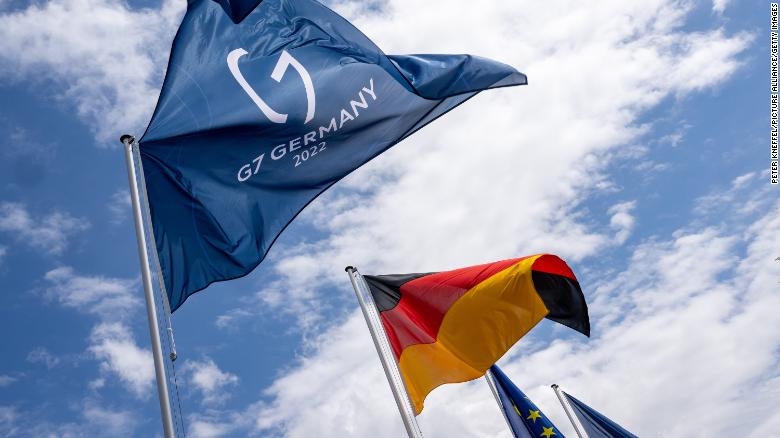
Flags representing the G7 Summit, Germany and the European Union fly ahead of the summit, scheduled to take place at Schloss Elmau in Germany’s Bavaria region from June 26 to 28.
(CNN)What a difference a year makes. Enormous challenges, some of them barely imaginable when the G7 leaders last met 12 months ago, are bearing down on the world’s most prosperous democratic nations as they prepare to meet in Germany.
Optimism was in the air at the Cornish beach resort of Carbis Bay in 2021 as the G7‘s presidents, prime ministers and chancellor met face-to-face for the first time since the Covid-19 pandemic began.
Together they vowed to “beat Covid-19 and build back better,” to “reinvigorate economies,” to “protect our planet” and to “strengthen partnerships.”
But global events have since overtaken their best efforts, and it is far from clear if they will be able to build on those goals this year. Russia’s unprompted invasion of Ukraine is a large and singular cloud, but other thunderheads are gathering too.
Over the next few days, the leaders of Japan, Canada, the United States, the United Kingdom, France, Italy, the European Union and host Germany will meet amid the seclusion of Bavaria’s luxurious Schloss Elmau retreat.
Andrew MullenDeputy Editor, Political Economy 25 June 2022
Dear Global Impact Readers,
Space, they say, is the final frontier. But how far does that frontier go and what’s out there?
China, has in recent years, accelerated all things space as part of its busy science programme we recapped a few weeks ago, from landing a rover on Mars to nearing completion of its Tiangong space station.
The International Centre for Settlement of Investment Disputes (ICSID) has published the2022 ICSID Rules and Regulationsfor resolving international investment disputes, which come into effect on July 1, 2022.
The updated rules for arbitration, mediation, conciliation, and fact-finding are the outcome of over 5 years of collaboration with State officials, legal counsel, adjudicators, businesses representatives, and civil society. They incorporate innovations designed to make ICSID cases more efficient for parties, to broaden access to ICSID’s facilities and services, and to ensure greater public transparency in the conduct and outcome of proceedings.
This is the first amendment to the ICSID rules since 2006, and the most extensive modernization of ICSID procedures in the Centre’s history.
Innovations introduced in the 2022 Rules and Regulations include:
Tom DannenbaumAssociate Professor of International Law, Tufts University
Alex De WaalResearch Professor and Executive Director of the World Peace Foundation at The Fletcher School, Tufts University
Daniel MaxwellHenry J. Leir Professor in Food Security, Friedman School of Nutrition Science and Policy, Tufts University
Disclosure statement
Alex de Waal is affiliated with the World Peace Foundation.
Daniel Maxwell receives funding from the US Agency for International Development (USAID) and the British Foreign, Commonwealth and Development Office (FCDO). He is a member of the Famine Review Committee for IPC analysis.
Tom Dannenbaum does not work for, consult, own shares in or receive funding from any company or organisation that would benefit from this article, and has disclosed no relevant affiliations beyond their academic appointment.
Partners
Tufts University provides funding as a founding partner of The Conversation US.
Republish our articles for free, online or in print, under Creative Commons licence.
______
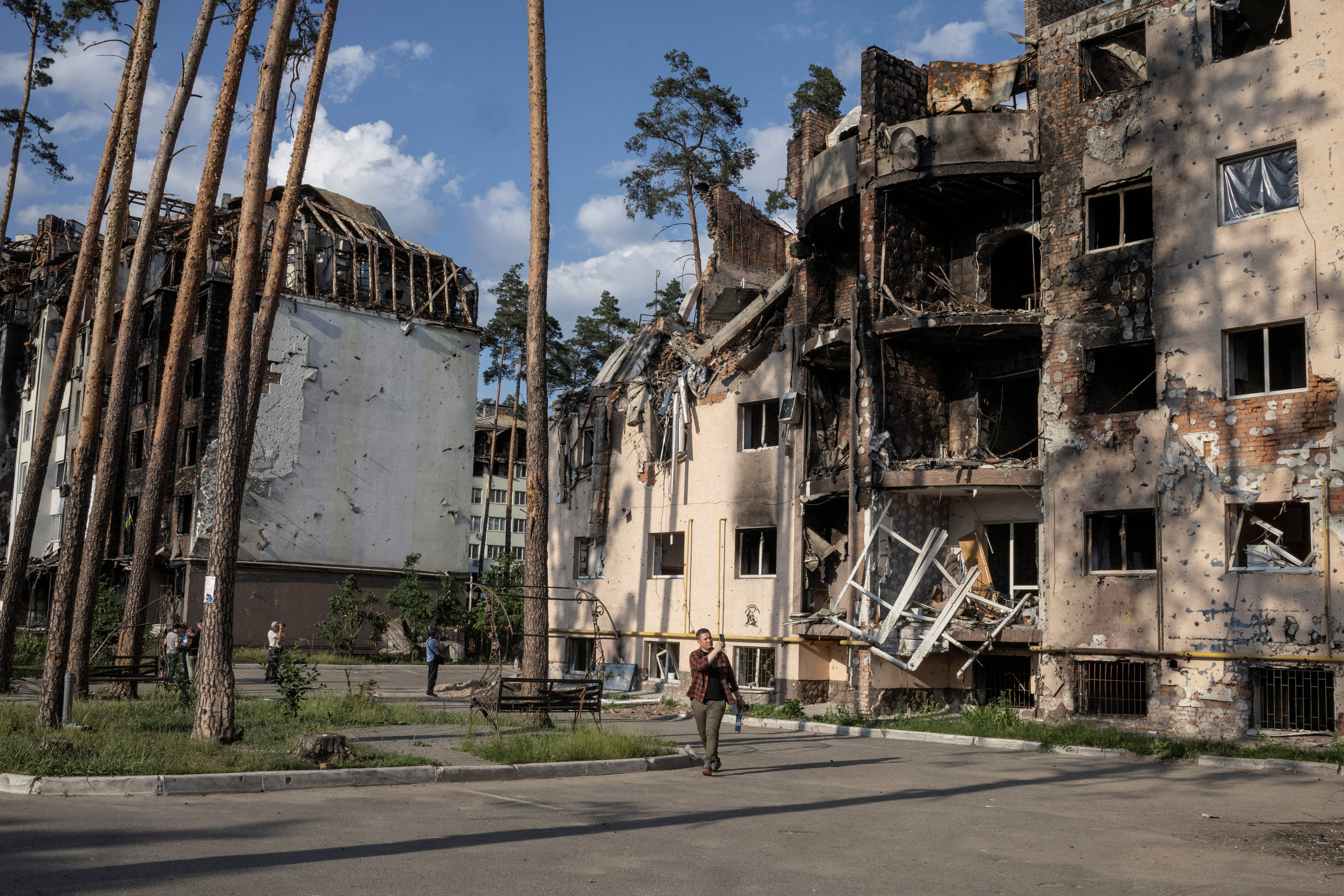
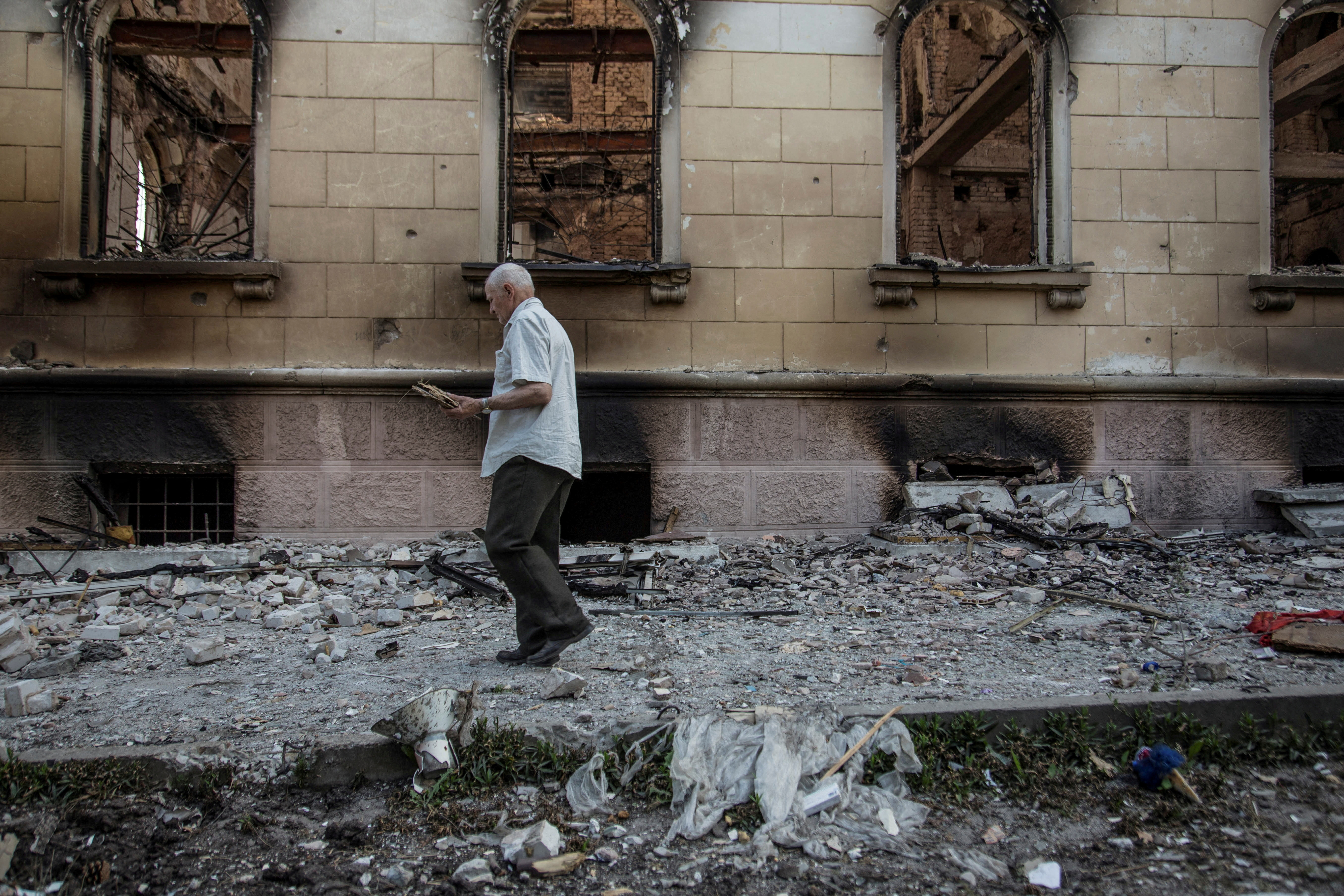
A hideous contradiction is playing out in war-torn Ukraine. Thousands of Ukrainians are starving in cities besieged by Russian forces. Meanwhile, the country’s grain stores are bursting with food, and the government is begging for international assistance to export Ukrainian grain to world markets.
Cooking, cleaning, laundry, childcare—domestic labor is essential labor in any society. In Vietnam, a rapidly growing middle class has produced skyrocketing demand for paid domestic workers—both live-in and hourly—particularly in large metropolises like Hanoi and Ho Chi Minh City, and domestic workers have become an important part of the gig economy.
The Quadrilateral grouping of Australia, India, Japan, and the United States (the Quad) has come a long way from its origins, establishing itself as a crucial pillar of the Indo-Pacific regional architecture and significantly shifting in tone and focus from its early iterations. Since its revival in 2017, the Quad has been elevated to a leader-level dialogue, it has begun issuing joint statements, and it has developed a new working-group structure to facilitate cooperation. It has also significantly broadened and deepened its agenda to include vaccines, climate change, critical and emerging technologies, infrastructure, cyber, and space.
These recent changes to the Quad raise several questions about its future trajectory. What are the drivers of engagement, the domestic support, and the bureaucratic capacity in the four countries to continue investing in the Quad? How well does the Quad’s new working-group structure function, and will the working groups be able to deliver tangible results? How has the Quad’s agenda evolved, and will it return to its initial focus on security challenges? Are the Quad countries open to cooperation with additional countries and, if so, what form will this take?
This paper analyzes these questions drawing on recent publications, official statements, and interviews with key experts and policymakers in the four countries. In doing so, it offers five key takeaways into the Quad as an evolving part of the Indo-Pacific architecture, as well as a vehicle for achieving the goals of its four member countries.
Since its revival in 2017, the Quad has been elevated to a leader-level dialogue, it has begun issuing joint statements, and it has developed a new working-group structure to facilitate cooperation
First, in terms of institutionalization and internal goals, there is little interest among the member countries in further institutionalizing the Quad by establishing a secretariat or adopting a charter. All four consider the flexible nature of the grouping to be an asset. At the same time, the Quad partners have increased their alignment on strategic issues and aim to continue doing so in the near future by solidifying ties within the grouping.
Skin-lightening products have exploded in their availability on major social media platforms where there are few rules about how they are promoted or sold. With some products containing potentially toxic ingredients, consumers could be at risk.
Written by:Jacqui Palumbo, CNN Editors: Meera Senthilingam, Eliza Anyangwe; Illustrations: Kathy Kim; Data journalist: Carlotta Dotta; Researchers: Elizabeth Yee, Jacqui Palumbo
Updated 20th June 2022
Editor’s note: This story is part of ‘White lies‘, a series by CNN’s As Equals investigating skin whitening practices worldwide to expose the underlying drivers of colorism, the industry that profits from it and the cost to individuals and communities. For information about how CNN As Equals is funded and more, check out our FAQs.
Once primarily sold in markets and beauty stores, skin-lightening products have exploded in their availability online and today, they are pervasive on every major social media platform.
On Facebook and Instagram, vendors hawk creams and serums that promise lighter skin yet offer scant information about the products themselves, while on YouTube and TikTok you can find thousands of tutorials by people promoting potent products or home remedies without qualifications that support their claims. On TikTok alone, the hashtag #skinwhitening has over 254 million views, while #skinlightening has another 62 million.
“Social media has become the most powerful tool right now for the sale of skin-lightening products,” says Dr. Anita Benson, Nigeria-based dermatologist and founder of the Embrace Melanin Initiative to combat colorism and harmful skin-lightening practices in Africa.
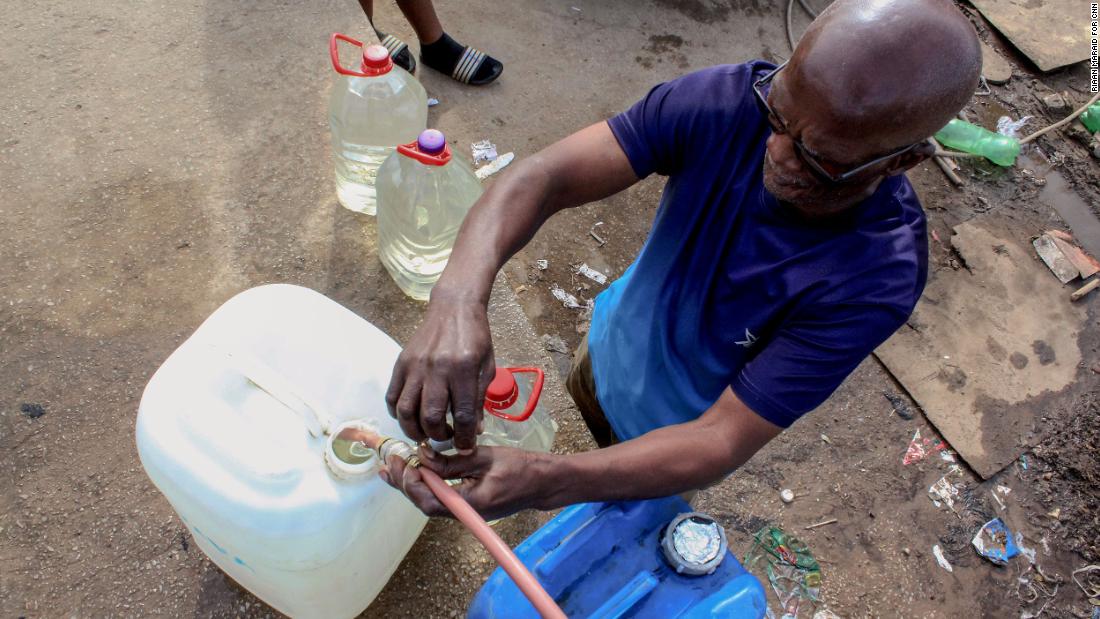
Leonard Matana. 69, filling up a plastic container with water at a communal tap in the township of Kwanobuhle in South Africa.
By Riaan Marais for CNN and Derek Van Dam, CNN Photographs by Samantha Reinders and Riaan Marais for CNN
Updated 0055 GMT (0855 HKT) June 21, 2022
(CNN)Every day, Morris Malambile loads his wheelbarrow full of empty plastic containers and pushes it from his home to the nearest running tap. It’s much further than the usual walk to the kitchen sink — just a little under a mile away — but it’s not the distance that bothers him.
It’s the bumpy road — which runs between tightly packed shanty dwellings and beige public-funded houses — that makes balancing containers filled with 70 liters of water on his return a pain.
“Home feels far when you are pushing 70 kilograms of water in a wheelbarrow,” said the 49-year-old resident from the impoverished South African township of Kwanobuhle.
PARIS/BERLIN/WASHINGTON, June 13 (Reuters) – Is it better to engage with Russian President Vladimir Putin over his invasion of Ukraine or to isolate him? Should Kyiv make concessions to end the war, or would that embolden the Kremlin? Are ramped up sanctions on Russia worth the collateral damage?
These are some of the questions testing the international alliance that swiftly rallied around Ukraine in the days after the Russian invasion but that, three months into the war, is straining, officials and diplomats told Reuters.
Michael Mandelbaum, Christian A. Herter professor emeritus of American foreign policy at Johns Hopkins University, sits down with James M. Lindsay to discuss the continuities and changes in U.S. foreign policy over the last two and a half centuries.
June 7, 2022 — 35:53 min
Host
James M. Lindsay
Senior Vice President, Director of Studies, and Maurice R. Greenberg Chair Full Bio
Michael Mandelbaum, Christian A. Herter professor emeritus of American foreign policy at Johns Hopkins University, sits down with James M. Lindsay to discuss the continuities and changes in U.S. foreign policy over the last two and a half centuries.
Nguyen hoang Linh; Tran Hong Viet; Loui Algren; Stefan Petrović; Jørgen Søndergård Hvid; Tabea Louisa Jaenicke; Kristian Mehl
Viet Nam Energy Outlook Report 2021 is a publication prepared by the Electricity and Renewable Energy Authority in Viet Nam (EREA) under the Ministry of Industry and Trade (MOIT) together with the Danish Energy Agency (DEA) and supported by the Danish Embassy in Ha Noi. Institute of Energy, Hanoi University of Science and Technology, Electric Power University, Ea Energy Analyses, Energy Modelling Lab and E4SMA has contributed to the work incl. operating the models.
Ngây ngất trong men say của trái phiếu doanh nghiệp (TPDN), nhà đầu tư, doanh nghiệp phát hành, doanh nghiệp phân phối lẫn đơn vị tư vấn đều thực hiện những cú bắt tay dưới gầm bàn.
Tàn dư của cú sốc trái phiếu doanh nghiệp Tân Hoàng Minh thật nặng nề. Thị trường trái phiếu khựng lại. Thị trường chứng khoán đỏ lửa. Doanh nghiệp hoang mang. Nhà đầu tư tháo chạy. Chính phủ quan tâm, lo lắng. Quốc hội đặt nhiều câu hỏi chất vấn. Trước sức ép từ nhiều phía, Bộ Tài chính đang tìm cách siết chặt thị trường này, cả cung lẫn cầu. Từ đây, một quả bom khác lớn hơn đang dần được kích hoạt: hiểm họa vỡ nợ chéo. Làm thế nào để kiểm soát rủi ro trái phiếu doanh nghiệp mà vẫn khuyến khích thị trường nợ phát triển đòi hỏi một cuộc cách mạng về cơ chế cho thị trường vốn.


 Andrew MullenDeputy Editor, Political Economy 25 June 2022


 We believe in the free flow of information





 CVD
CVD 