Escaping the clutches of sex trafficking in Thailand

Al Jazeera 30 July 2017

An Uzbek woman who was trafficked to Thailand and forced to sell sex shares the story of her escape.

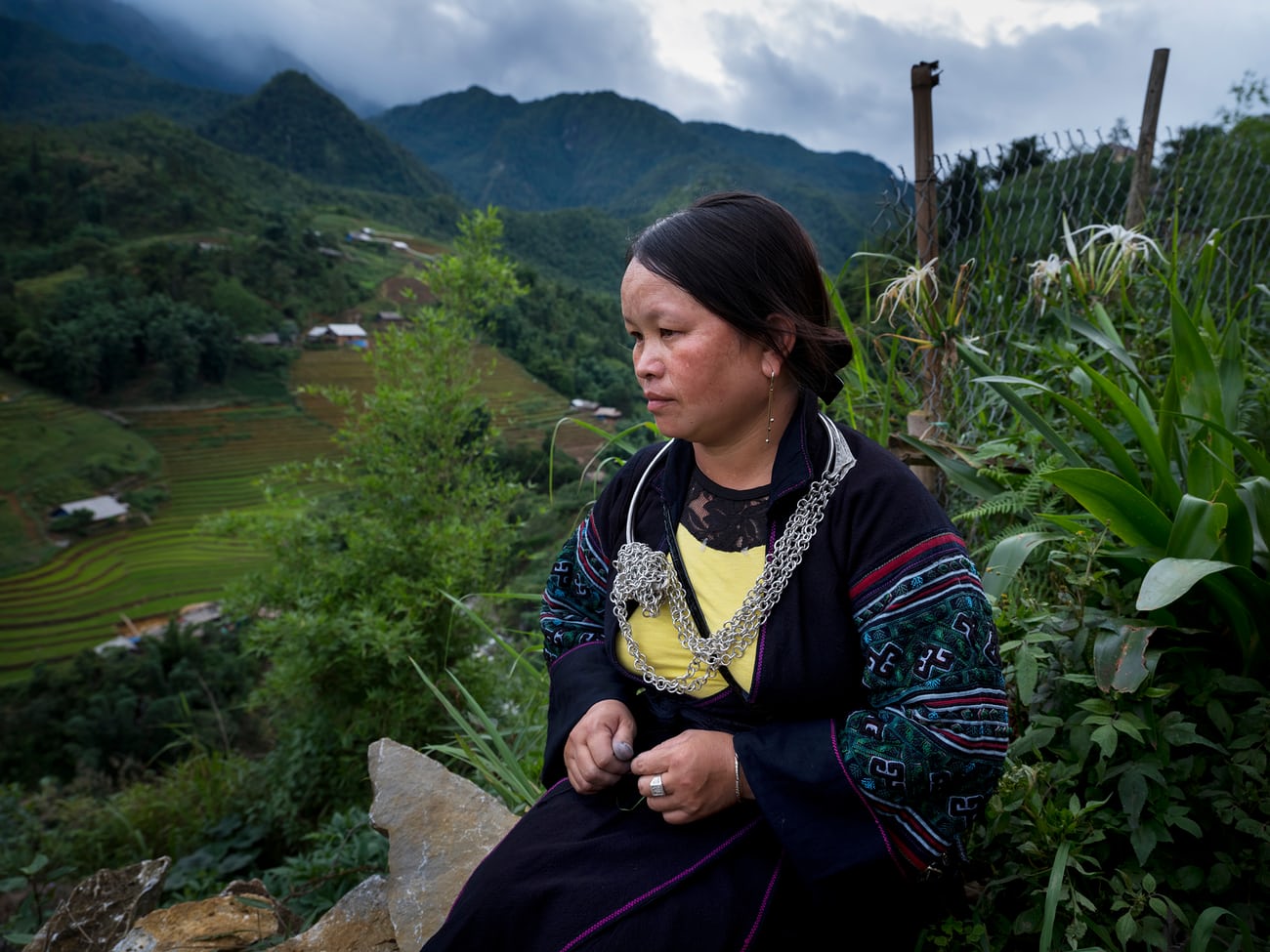
Sex trafficking victim in Thailand: ‘She caught me. I didn’t know what to do. She took my passport and I had to go back to work.’ [Paula Bronstein/Getty Images]

By

It’s nearly 10pm and Umida* is cooking dinner – a simple meal of rice and meat for the 11 members of her household who have been stuck inside the house all day due to Uzbekistan’s intense summer heat.

Since emerging as an independent nation in 1991, after nearly 200 years of Russian and then Soviet rule, Uzbekistan has slowly seen some economic progress. But poverty and unemployment remain high and many Uzbeks travel abroad for work. This leaves the men, women and children vulnerable to forced labour and sex trafficking. Tiếp tục đọc “Escaping the clutches of sex trafficking in Thailand”
Trafficking and exploitation in focus – ‘I hope you’re ready to get married’: in search of Vietnam’s kidnapped brides

‘I hope you’re ready to get married’: in search of Vietnam’s kidnapped brides

Phượng’s daughter was abducted from her village in Vietnam and sold into marriage in China. Could she track her down – starting with Facebook?

by

Early one morning last April, Phượng woke to find over 100 missed calls on her mobile phone, all of them from her eldest daughter, Lý. “Mum!” Lý screamed, when she called back. “Where have you been? Cẩm is missing!” Lý’s voice cracked with panic over her little sister’s disappearance. “She called me from the border and said she’d been tricked! She’s been sold!” Tiếp tục đọc “Trafficking and exploitation in focus – ‘I hope you’re ready to get married’: in search of Vietnam’s kidnapped brides”

Nạn buôn bán người ở Việt Nam – Báo cáo của Bộ Ngoại Giao Hoa Kỳ 2017

English: Trafficking in Persons Report 2017 

Chính phủ Việt Nam chưa đạt đầy đủ các tiêu chuẩn tối thiểu về xóa bỏ nạn buôn người; tuy nhiên, đã có những nỗ lực đáng kể. So sánh với kỳ báo cáo trước, chính phủ VN đã thể hiện nỗ lực ngày càng tăng; vì vậy, Việt Nam vẫn được duy trì ở nhóm 2.

Chính phủ thể hiện sự tăng thêm nỗ lực thông qua việc xác định các nạn nhân; mở rộng các chương trình đào tạo về chống buôn người và chiến dịch nhận thức cho các cán bộ thực thi pháp luật, cán bộ địa phương, thành viên của các nhóm có nguy cơ bị buôn bán; và ban hành hướng dẫn tới các bộ liên quan, lãnh đạo các tỉnh về kế hoạch hành động quốc gia chống nạn buôn người. Tuy nhiên, chính phủ đã không đạt được những tiêu chuẩn tối thiểu ở một số lĩnh vực chính. Nỗ lực chống nạn buôn người bị cản trở do thiếu sự hợp tác giữa các ngành, các cán bộ tỉnh chưa nắm rõ luật chống buôn bán người, thủ tục xác định nạn nhân, và thu thập dữ liệu chưa đầy đủ.
Tiếp tục đọc “Nạn buôn bán người ở Việt Nam – Báo cáo của Bộ Ngoại Giao Hoa Kỳ 2017”

Buôn bán người – Báo cáo về nạn buôn người năm 2017

English_Trafficking in Persons Report 2017 

CÁC LOẠI HÌNH NÔ LỆ THỜI HIỆN ĐẠI

Buôn bán mại dâm

Khi một người trưởng thành tham gia vào một hành vi tình dục mang tính thương mại như mại dâm, vì bị đe dọa bởi bạo lực, lừa gạt, ép buộc hay kết hợp các hình thức trên, thì người đó là nạn nhận của nạn buôn người. Trong những trường hợp như vậy, những người liên quan tới tuyển mộ, chứa chấp, lôi kéo, vận chuyển, cung cấp, sử dụng, bảo kê, gạ gẫm, hoặc nuôi dưỡng một người vì mục đích buôn bán mại dâm là những người phạm tội buôn bán mại dâm. Buôn bán mại dâm cũng có thể xảy ra dưới một hình thức cưỡng ép cụ thể, những cá nhân bị ép buộc tiếp tục bán dâm do phải chịu những khoản nợ trái pháp luật như chi phí vận chuyển, tuyển dụng, hoặc thậm chí việc “bán hàng” của họ – họ bị buộc phải trả hết trước khi được tự do. Ngay cả khi một người lúc đầu đồng ý tham gia mại dâm, vẫn là sai trái nếu sau khi chấp thuận, người đó phải làm việc dưới sự ép buộc bằng tinh thần hoặc vũ lực. Khi đó, họ (bất kể con trai hay con gái) là một nạn nhân của nạn buôn bán mại dâm và nên nhận được sự trợ giúp như đã nêu trong Nghị định thư Palermo và luật pháp hiện hành trong nước.

Buôn bán tình dục trẻ em Tiếp tục đọc “Buôn bán người – Báo cáo về nạn buôn người năm 2017”

Tiết học đầu tiên về phòng chống mua bán người dành cho học sinh cấp 3 tại Tây Ninh

IOM – Tây Ninh, 25/08/2016

Vào ngày 25/08 vừa qua, tiết học đầu tiên về phòng chống mua bán người đã được IOM Việt Nam phối hợp với Chi cục Phòng chống Tệ nạn xã hội (PCTNXH) tỉnh Tây Ninh thực hiện dành cho hơn 30 học sinh tại trường THPT Lê Hồng Phong.

Thông qua các hoạt động giáo dục sôi nổi như xem phim, kể chuyện theo tranh, thảo luận nhóm và thuyết trình, các em đã có một tiết học giáo dục công dân sinh động cùng tìm hiểu những biện pháp đề phòng để không trở thành nạn nhân bị mua bán người. Tiếp tục đọc “Tiết học đầu tiên về phòng chống mua bán người dành cho học sinh cấp 3 tại Tây Ninh”

Trafficking in Persons Report 2017

Date: 06/27/2017 Description: 2017 Trafficking in Person Report. - State Dept Image.“Human trafficking is one of the most tragic human rights issues of our time. It splinters families, distorts global markets, undermines the rule of law, and spurs other transnational criminal activity. It threatens public safety and national security.

“But worst of all, the crime robs human beings of their freedom and their dignity. That’s why we must pursue an end to the scourge of human trafficking.

“Today we take another key step towards that goal. The 2017 Trafficking in Persons Report highlights the successes achieved and the remaining challenges before us on this important global issue.” – Rex W. Tillerson, Secretary of State


The 2017 Trafficking in Persons Report is available in PDF and HTML formats. The PDF is available as a complete one-piece file and as individual sections for easier download. To view the PDF files, you will need to download, at no cost, the Adobe Acrobat Reader.

PDF Format

Trafficking in Persons Report 2017 — Complete Report (PDF)
Introductory Material (PDF)
Country Narratives: A-C (PDF)
Country Narratives: D-I (PDF)
Country Narratives: J-M (PDF)
Country Narratives: N-S (PDF)
Country Narratives: T-Z and Special Case (PDF)
Relevant International Conventions/Closing Material (PDF)

HTML Format

Letter From Secretary Tillerson
Letter From Ambassador Susan Coppedge
Victims’ Stories
Enhancing Criminal Accountability and Addressing Challenges in Prosecution Efforts
Countries That Are Not States Parties to the Protocol
Topics of Special Interest
What is Trafficking in Persons?
Child Soldiers Prevention Act List
Methodology
Global Law Enforcement Data
TVPA Minimum Standards
2017 TIP Report Heroes
Tier Placements
Country Narratives
Special Case
Relevant International Conventions
Stopping Human Trafficking, Sexual Exploitation, and Abuse by International Peacekeepers & Civilian Personnel
Multilateral Organizations Combating Trafficking in Persons
Glossary of Abbreviations
Photo Credits
A Closing Note

Remarks

06/27/17 Remarks at the 2017 Trafficking in Persons Report Launch Ceremony;  Secretary of State Rex W. Tillerson; Ben Franklin Room; Washington, DC
06/27/17 Briefing on the 2017 Trafficking in Persons Report;  Ambassador-at-Large Susan Coppedge, Office to Monitor and Combat Trafficking in Persons; Press Briefing Room; Washington, DC