Dalai Lama says successor will be born in ‘free world’ outside of China

Aljazeera.com

Tibetan spiritual leader says in a new book that his people’s aspiration for freedom cannot be indefinitely delayed.

The Dalai Lama offers blessings to his followers at his Himalayan residence in the northern hill town of Dharamshala, India, on December 20, 2024 [Priyanshu Singh/Reuters]

Published On 11 Mar 202511 Mar 2025

The Dalai Lama has said that his successor will be born in the “free world” outside of China.

In a new book released on Tuesday, the 89-year-old spiritual leader of Tibetan Buddhism says that he will be reincarnated outside of Tibet, which is an autonomous region of China.

“Since the purpose of a reincarnation is to carry on the work of the predecessor, the new Dalai Lama will be born in the free world so that the traditional mission of the Dalai Lama – that is, to be the voice for universal compassion, the spiritual leader of Tibetan Buddhism, and the symbol of Tibet embodying the aspirations of the Tibetan people – will continue,” the Dalai Lama, who fled Tibet for India in 1959, writes in Voice for the Voiceless.

China considers Tibet, which has alternated between independence and Chinese control over the centuries, as an integral part of the country and views movements advocating greater autonomy or independence as threats to its national sovereignty.

Beijing has labelled the current Dalai Lama, who was identified as the reincarnation of his predecessor at two years old, a “separatist” and insisted on the right to appoint his successor after his death.

The Dalai Lama, who stepped down as the political leader of the Tibetan government-in-exile in 2011 to focus on his spiritual role, has denied advocating Tibetan independence and argued for a “Middle Way” approach, which would grant the mainly Buddhist territory greater autonomy.

In his book, the Dalai Lama writes that he has received numerous petitions from people in and outside Tibet asking him to ensure that his lineage continues, and says that Tibetan people’s aspirations for freedom cannot be denied indefinitely.

“One clear lesson we know from history is this: If you keep people permanently unhappy, you cannot have a stable society,” he writes.

Source: Al Jazeera and news agencies

Vietnam with tireless efforts to ensure right to freedom of religion for all people

vietnamplus.vn

The Party and State of Vietnam always affirm that belief and religion are the spiritual needs of the people, which have been and will be coexisting with the nation, and followers of all religions are part of the great national unity bloc.

Vietnam with tireless efforts to ensure right to freedom of religion for all people hinh anh 1

Peace prayer at the annual Kate festival of the Cham ethnic minority people at Po Sah Inu Cham Tower relic site in Binh Thuan province (Photo: VNA)

Hanoi (VNA) – The Party and State of Vietnam always affirm that belief and religion are the spiritual needs of the people, which have been and will be coexisting with the nation, and followers of all religions are part of the great national unity bloc.

On April 4, the Cham Brahman people in the south central province of Binh Thuan celebrated one year since the Kate festival was included in the list of National Intangible Cultural Heritages under Decision No. 776/ QD-BVHTTDL, dated April 4, 2022, of the Ministry of Culture, Sports and Tourism.

Tiếp tục đọc “Vietnam with tireless efforts to ensure right to freedom of religion for all people”

Beliefs guide people to lead good lives

vietnamnews.vn August 03, 2023 – 07:34

Việt Nam, with a population of nearly 100 million, embraces a diverse culture with 54 ethnic groups, who have various beliefs and religions.

Việt Nam, with a population of nearly 100 million, embraces a diverse culture with 54 ethnic groups, who have various beliefs and religions.

A book published by the Institute for Religious Studies (IRS) defines that there are 16 religions recognised in the country including Buddhism, Catholics, Protestantism, Muslim, Cao Đài, and Hoà Hảo Buddhism.

Primary belief

But despite not following any specific religion, most of Vietnamese people instead honour and respect their ancestors and worship those family members who have passed.

In every home, you’ll find at least one altar dedicated to their ancestors despite the religion that the house owners follow.

“There is no official statistics, but I can say over 90 per cent of Vietnamese population worship their ancestors, which has existed for a long time,” Chu Văn Tuấn Director of the IRS told Việt Nam News. “This has always been the most popular religion here.”

Worshipping ancestors is the most popular belief in the country. VNS Photo Minh Phương

Tiếp tục đọc “Beliefs guide people to lead good lives”

Vietnam Freedom of the Net index 2022

Freedomhouse.org

Country Facts

A Obstacles to Access12/25
B Limits on Content6/35
C Violations of User Rights4/40

LAST YEAR’S SCORE & STATUS: Vietnam: 22/100 Not Free

Scores are based on a scale of 0 (least free) to 100 (most free). See the research methodology and report acknowledgements.

  • Global Freedom Score 19/100: Not Free
  • Internet Freedom Score: 22/100:  Not Free
  • Freedom in the World Status: Not Free
  • Networks Restricted: No
  • Social Media Blocked: No
  • Websites Blocked: Yes
  • Pro-government Commentators: Yes
  • Users Arrested: Yes

OVERVIEW

Internet freedom remained restricted in Vietnam, as the government enforced stringent controls over the country’s online environment. Though the government did not disrupt connectivity or throttle Facebook servers as it had done previously, the state continued mandating that companies remove content and imposed draconian criminal sentences for online expression. A COVID-19 surge in late 2021 propelled government surveillance, and authorities have also sought to expand control over content on social media platforms.

Vietnam is a one-party state, dominated for decades by the ruling Communist Party of Vietnam (CPV). Although some independent candidates are technically allowed to run in legislative elections, most are banned in practice. Freedom of expression, religious freedom, and civil society activism are tightly restricted. Judicial independence is absent.

Key Developments, June 1, 2021 – May 31, 2022

  • Government officials ordered international social media companies to remove thousands of pieces of content, particularly targeting criticism of the authorities (see B2).
  • New regulations tightened content restrictions on websites that host advertisements and increased administrative fines on companies found to be hosting online speech that authorities deem illegal (see B3, B6, and C2).
  • Authorities imposed prison sentences on human rights defenders and everyday internet users for their online activities, including a ten-year sentence issued to activist Trịnh Bá Phương (see C3).
  • The expansion of government-run COVID-19 apps and the creation of a central database for new identification cards have raised privacy concerns (see C5).

A Obstacles to Access

A1 0-6 pts

Do infrastructural limitations restrict access to the internet or the speed and quality of internet connections? 4 6

The internet penetration rate was 71 percent by the end of 2021, according to data from the Ministry of Infomation and Communications (MIC).1 Mobile broadband has played a significant role in increasing access to faster internet service. As of May 2022, the median mobile download speed stood at 35.29 megabits per second (Mbps) while the upload speed stood at 16.89 Mbps according to Ookla’s Speedtest Global Index. The median fixed broadband download speed was 71.79 Mbps and upload speed was 67.20 Mbps.2 Market data aggregator Statista estimated smartphone penetration at 61.37 percent as of May 2021.3 Fixed broadband remains a relatively small market segment.

As of December 2021, 4G signal covered 99.8 percent of Vietnam’s territory, while 5G had been tested in 16 provinces, according to the MIC.4

Disruptions to international internet cables took place repeatedly during the coverage period when the country was in full or partial lockdowns due to COVID-19 outbreaks.5 In February 2022, three undersea cables—the Intra-Asia, Asia-America Gateway, and Asia-Pacific Gateway cables—were disrupted at the same time, seriously affecting internet users nationwide.6 The cables are pivotal for connectivity to the international internet.

A2 0-3 pts

Is access to the internet prohibitively expensive or beyond the reach of certain segments of the population for geographical, social, or other reasons? 2 3

Tiếp tục đọc “Vietnam Freedom of the Net index 2022”

Vietnam protests against US State Department’s adding Vietnam to religious freedom Special Watch List

Addition of Vietnam to US religious freedom watch list based on inaccurate info

By Vu Anh   December 15, 2022 | 09:20 pm GMT+7 VNExpress

Addition of Vietnam to US religious freedom watch list based on inaccurate info

Deputy spokeswoman for the Ministry of Foreign Affairs Pham Thu Hang. Photo courtesy of the Ministry of Foreign AffairsThe government says the U.S. decision to put Vietnam on a Special Watch List regarding religious freedom was based on inaccurate information.

Tiếp tục đọc “Vietnam protests against US State Department’s adding Vietnam to religious freedom Special Watch List”

Why Salman Rushdie’s ‘The Satanic Verses’ remains so controversial decades after its publication

theconvesrsation.com

Author Salman Rushdie is in the hospital with serious injuries after being stabbed by a man at an arts festival in New York State on Aug. 12, 2022. The following article was published on the 30th anniversary of the release of The Satanic Verses.

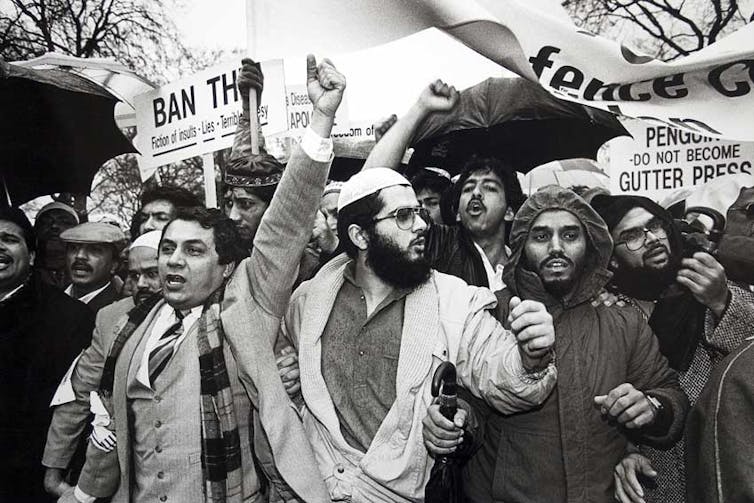
One of the most controversial books in recent literary history, Salman Rushdie’s “The Satanic Verses,” was published three decades ago this month and almost immediately set off angry demonstrations all over the world, some of them violent.

A year later, in 1989, Iran’s supreme leader, the Ayatollah Khomeiniissued a fatwa, or religious ruling, ordering Muslims to kill the author. Born in India to a Muslim family, but by then a British citizen living in the U.K., Rushdie was forced to go into protective hiding for the greater part of a decade.

Angry demonstrators protest against the book in 1989. Robert CromaCC BY-NC-SA

What was – and still is – behind this outrage?

Our mission is to share knowledge and inform decisions.

About us

The controversy

The book, “Satanic Verses,” goes to the heart of Muslim religious beliefs when Rushdie, in dream sequences, challenges and sometimes seems to mock some of its most sensitive tenets.

Muslims believe that the Prophet Muhammed was visited by the angel Gibreel – Gabriel in English – who, over a 22 year period, recited God’s words to him. In turn, Muhammed repeated the words to his followers. These words were eventually written down and became the verses and chapters of the Quran.

Tiếp tục đọc Why Salman Rushdie’s ‘The Satanic Verses’ remains so controversial decades after its publication

Về ‘bức tường ngăn cách’ giữa nhà nước và tôn giáo ở Mỹ

1 thế giới – 09/03/2018, 16:40

Không phải ngẫu nhiên mà Tự do tín ngưỡng được đặt lên hàng đầu của vấn đề nhân quyền trong lịch sử nước Mỹ. Nó không phải xuất phát từ sự đàn áp tôn giáo của các lực lượng vô thần thế tục, mà xuất phát từ sự loại trừ lẫn nhau của các tôn giáo.

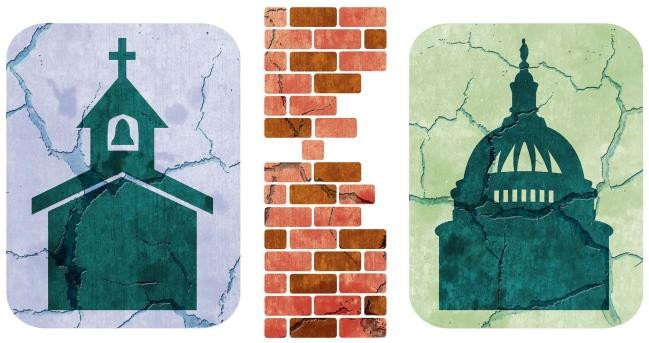
Mục đích của điều khoản thiết lập trong Tu chính án thứ nhất Hiến pháp Hoa Kỳ là tạo ra một bức tường ngăn cách giữa nhà thờ và nhà nước – Ảnh: Internet

Thời thuộc địa, nhiều nhóm dân cư theo các tôn giáo khác nhau phải chạy trốn khỏi sự bức hiếp của nhà thờ Anh giáo, đến lượt họ sau khi có lãnh thổ lại không chấp nhận những cộng đồng khác tôn giáo với mình. Đó là bản chất thiếu khoan dung của nhiều tôn giáo.

Tiếp tục đọc “Về ‘bức tường ngăn cách’ giữa nhà nước và tôn giáo ở Mỹ”

Tà đạo ở Điện Biên và âm mưu lập “Nhà nước cộng hòa dân chủ Mông” bất thành

Thứ Hai, 05:31, 05/10/2020

VOV.VNMột số điểm nhóm theo “Giê sùa” đã công khai cầu nguyện, mong muốn chúa “Giê sùa” về phù hộ, dẫn dắt để có được “Nhà nước Mông”.

Điện Biên là tỉnh có vị trí chiến lược quan trọng về quốc phòng, an ninh phía Tây Bắc của Tổ quốc, biên giới dài hơn 455km, tiếp giáp với Lào và Trung Quốc. Đặc biệt, ở địa phương này, người Mông chiếm số đông với hơn 38%, tiếp sau là người Thái chiếm hơn 35%. Người Kinh chỉ chiếm 17,3%. 

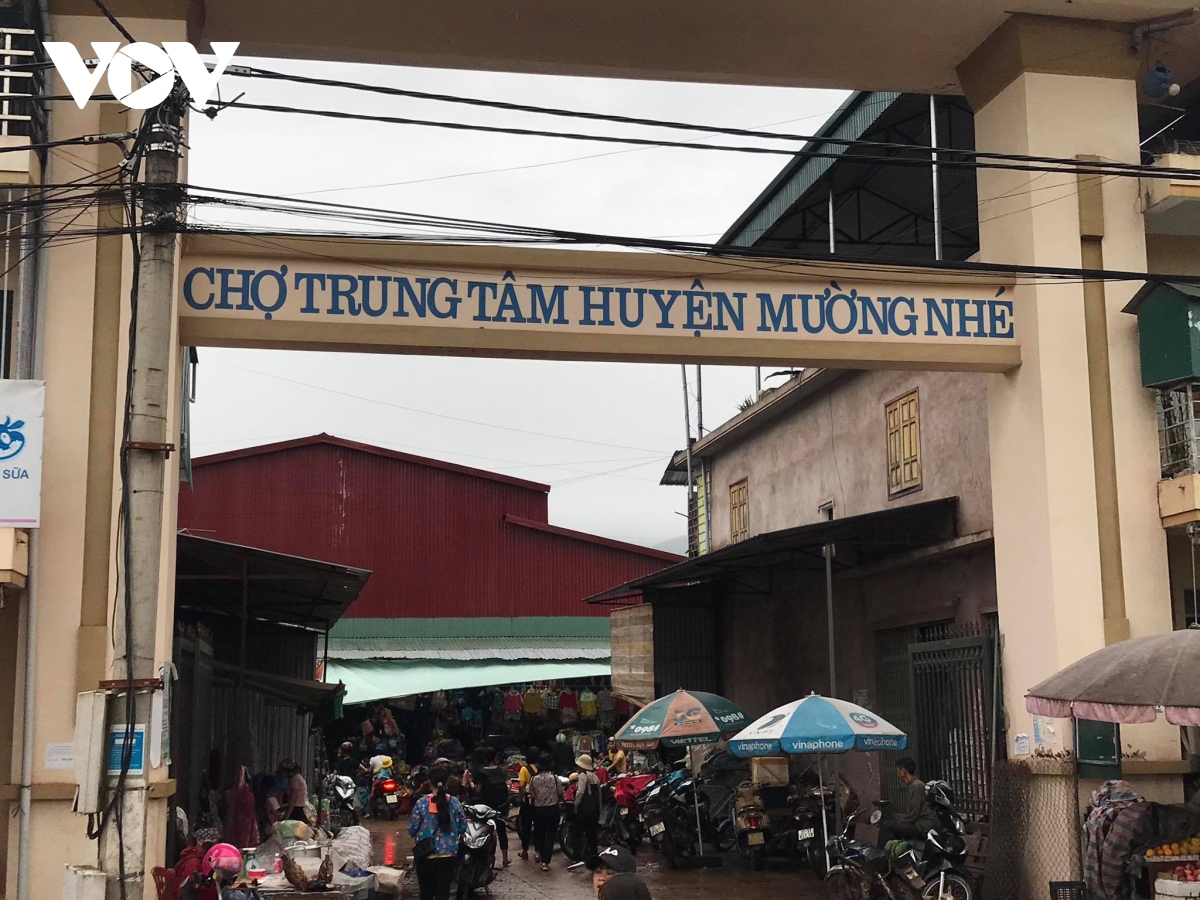
Điện Biên vẫn là tỉnh nghèo, kinh tế chậm phát triển. Trong ảnh là chợ trung tâm huyện Mường Nhé, tỉnh Điện Biên.

Với vị trí chiến lược, những năm qua, tỉnh Điện Biên luôn được Đảng, Nhà nước quan tâm đầu tư bằng nhiều nguồn, nhiều dự án để giúp phát triển kinh tế – xã hội, giữ vững an ninh quốc phòng. Tuy nhiên, Điện Biên vẫn là tỉnh nghèo, kinh tế chậm phát triển, đời sống một bộ phận nhân dân còn rất nhiều khó khăn, cùng với đặc điểm tự nhiên của tỉnh nên những năm qua, các thế lực thù địch, phần tử xấu triệt để lợi dụng để kích động, tuyên truyền, lôi kéo nhân dân tham gia hoạt động ly khai, tự trị, tuyên truyền đạo trái pháp luật…  

Tiếp tục đọc “Tà đạo ở Điện Biên và âm mưu lập “Nhà nước cộng hòa dân chủ Mông” bất thành”

Tại sao con người bị hấp dẫn vào các nhóm cuồng tín – Why do people join cults?


TKhi Jim Jones thành lập Đền Hội Chúng vào năm 1955, mấy ai đoán được cái kết bi thương của nó. Phong trào tôn giáo tiến bộ này trở nên nổi tiếng và được những chính trị gia lừng lẫy ở San Francisco ủng hộ. Năm 1977, khị bị phát hiện về chuyện tẩy não và lạm dụng, Jones đã di cư cùng hàng trăm tín đồ và thành lập căn cứ tại Jonestown, Guyana (Nam Mỹ). Dù được tả như một thiên đường, nhưng nơi đây chẳng khác gì nhà tù, và khi một Nghị sĩ Mỹ đến đây để tìm hiểu, John đã thực hiện kế hoạch cuối cùng. 18 tháng 11, 1978, 909 người bao gồm đàn ông, phụ nữ và trẻ em đã chết sau khị bị ép uống thuốc độc tự tử. Hình ảnh kinh hoàng đó được biến thành từ lóng cho tư tưởng độc tôn giáo phái. “Họ đã uống như nước ngọt.”

Ngày nay, trên thế giới có hàng trăm giáo phái. Có hai điều bạn cần nhớ về chúng. Thứ nhất, không phải tất cả giáo phái là tôn giáo. Có giáo phái vì chính trị, để trị liệu, để cải thiện bạn thân, hay nhiều mục đích khác. Mặt khác, không phải tất cả tôn giáo là giáo phái. Vậy giáo phái thật sự là gì, và vì sao mọi người lại tham gia? Nói chung, giáo phái là một nhóm hoặc phong trào, mà trong đó mọi người chia sẻ một tư tưởng cực đoan, thường tư tưởng đó thuộc về giáo chủ. Vài giáo phái có kết cục chết chóc như Jonestown hay Heaven’s Gate, một giáo phái kết thúc với vụ thảm sát của 39 người năm 1997, phần lớn khác đều có những điểm chung. Một giáo phái thường yêu cầu các tín đồ phải rất tận tâm, họ duy trì một hệ phân cấp thứ bậc nghiêm ngặt để phân loại những tín đồ,  và họ tuyển tín đồ sau khi tuyển chọn kĩ càng. Họ nói rằng học thuyết của họ có thể trả lời cho những câu hỏi hóc búa của cuộc sống, cùng với cách thức để thay đổi một hội viên mới thành một tín đồ đích thực. Và quan trọng nhất, họ dùng nhiều hệ thống tác động và kiểm soát để làm các tín đồ vâng lời, và họ không cho phép bất đồng nội bộ hay người ngoài vào giám sát. Có thể bạn thắc mắc liệu những điều này có xuất hiện trong các tôn giáo. Thật ra, từ “cultus” được dùng để chỉ những người thờ phụng những vị thần nhất định bằng cách thực hiện nghi lễ và xây dựng đền thờ, Nhưng qua thời gian, từ này ám chỉ sự cống hiến quá mức. Nhiều tôn giáo bắt nguồn từ giáo phái, nhưng chúng dần lồng ghép vào xã hội khi chúng phát triển. Giáo phái thời nay thì ngược lại, cố tách biệt hội viên khỏi xã hội. Tiếp tục đọc “Tại sao con người bị hấp dẫn vào các nhóm cuồng tín – Why do people join cults?”

Mastermind of “corpse-in-concrete” case sentenced to death

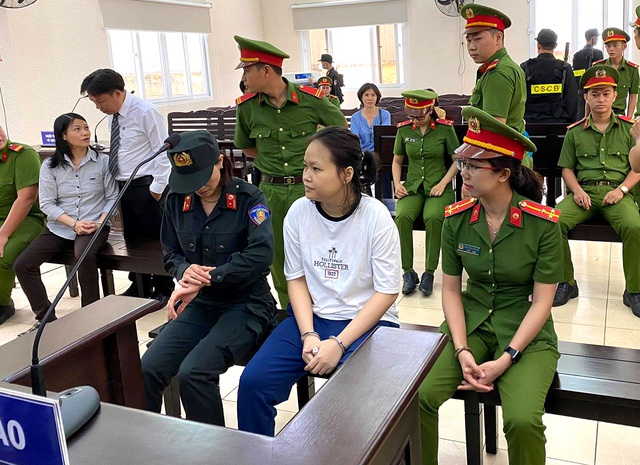
Update: July, 03/2020 – 16:19|vietnamnewsPhạm Thị Thiên Hà (centre) in court on Friday morning. — Photo dantri.com.vn

BÌNH DƯƠNG — A woman who murdered two men and encased their bodies in concrete has been sentenced to death.  

Phạm Thị Thiên Hà followed a controversial religious cult but took its practices to extreme measures, insisting members fasted for up to two weeks at a time and cut all ties with their families.

Tiếp tục đọc “Mastermind of “corpse-in-concrete” case sentenced to death”

Đừng lợi dụng tôn giáo làm điều trái đời, ngược đạo

Làm thất bại chiến lược “diễn biến hòa bình”

Đừng lợi dụng tôn giáo làm điều trái đời, ngược đạo

QĐND – Những năm qua, với sự quan tâm của Đảng, Nhà nước, các tôn giáo ở Việt Nam đã phát triển mạnh mẽ, đóng góp to lớn vào công cuộc xây dựng và phát triển đất nước. Tuy nhiên, bên cạnh những chức sắc, tín đồ chân chính tu hành đúng giáo lý, giáo luật; còn có một số người lợi dụng tôn giáo để thực hiện những hành vi đi ngược với giáo lý của tôn giáo và đạo lý của dân tộc Việt Nam, trái với quy định của pháp luật. Hành vi của số người này đã làm mất thanh danh của tôn giáo, gây bức xúc trong xã hội.

Tiếp tục đọc “Đừng lợi dụng tôn giáo làm điều trái đời, ngược đạo”

Báo Chí Thời Ngô Đình Diệm, Vũ Bằng

thuvienhoasen – 24/12/2012
1963 – 2013 
NĂM MƯƠI NĂM NHÌN LẠI 
TẬP MỘT (1/3) 
Tuyển tập của 99 tác giả 
và những lời Phê phán của 100 Chứng nhân 
về chế độ Ngô Đình Diệm
Nhà xuất bản Thiện Tri Thức Publications 2013
TẬP MỘT ● TẬP HAI ● TẬP BA 

Chương Hai VÌ ĐÂU NÊN NỖI 
Đoạn trường ai có qua cầu mới hay…

26
BÁO CHÍ THỜI NGÔ ĐÌNH DIỆM 
Vũ Bằng
[Trích từ “BỐN MƯƠI NĂM NÓI LÁO” – Cơ sở Xuất Bản Sống Mới – Sài Gòn – 1969 (Trang 204 – 263)]


image056Lời Giới thiệu – Những ai đã đọc “Miếng Ngon Hà Nội”, “Thương Nhớ Mười Hai”, “Bốn Mươi Năm Nói Láo”, “Miếng Lạ Miền Nam”, … thì sẽ không cần phải đọc lời giới thiệu một nhà văn, nhà báo đã được sự nể trọng của các bạn đồng nghề, đồng nghiệp danh tiếng như Nguyễn Tuân, Thượng Sĩ, Lãng Nhân, Phùng Tất Đắc, Vũ Trọng Phụng, … về tài hoa văn chương cũng như về tư cách làm người của Vũ Bằng từ những năm trước Đệ Nhị Thế Chiến.

Đặc biệt về tác phẩm “Bốn Mươi Năm Nói Láo”, kể từ ngày được xuất bản cách đây hơn 40 năm, đã được coi như một hồi ký rất có giá trị văn học, sử học về một giai đoạn văn chươngbáo chí Việt Nam của một nhà văn lớn, một nhà báo trung thực, yêu nước thương nòi. Khi được hỏi ý kiến về việc tuyển chọn tác phẩm để xuất bản một “Tuyển Tập Vũ Bằng”, nhà văn Tô Hoài đã phát biểu: “Những tác phẩm văn học nào tìm thấy, nên in cả, không phải chọn. Đơn giản vì Vũ Bằng là nhà văn lớn.” Tiếp tục đọc “Báo Chí Thời Ngô Đình Diệm, Vũ Bằng”

Thập giá và Lưỡi gươm – Người Công giáo, trọng tâm của cuộc di cư

(Trích từ tác phẩm “Thập giá và Lưỡi gươm”,  linh mục Trần Tam Tỉnh)
Xem Mục lục tác phẩm ở cuối bài

Ấn bản 1978 của nhà xuất bản Trẻ

Chương II

BINH THÁNH GIÁ, NẠN NHÂN CỦA ĐẠO QUÂN THÁNH GIÁ

(tiếp theo)

7 – NGƯỜI CÔNG GIÁO, TRỌNG TÂM CỦA CUỘC DI CƯ

Muốn có một cái nhìn tổng hợp về cuộc chạy trốn của người Việt Nam những năm 1954-1956, chỉ cần phân tích các tỉ số những thành phần di cư là có ngay. Sau khi quân Pháp vĩnh viễn ra đi năm 1955, số người di cư lên tới 860.000, trong đó có 250.000 [*] là công giáo. Những thành phần còn lại là ai? Họ là 2% [**] của dân số không công giáo, đã «chọn tìm tự do». Tiếp tục đọc “Thập giá và Lưỡi gươm – Người Công giáo, trọng tâm của cuộc di cư”