Gia Lai: Làng hiếu học ở Rbai

11/03/2022 10:22 | TTXVN 

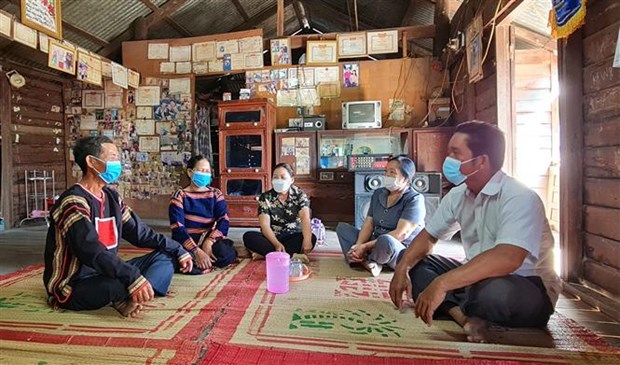
Làng Rbai, xã Ia Piar, huyện Phú Thiện (tỉnh Gia Lai), ngôi làng có 90% là người đồng bào dân tộc thiểu số nhưng nổi tiếng khắp vùng là ngôi làng hiếu học. Mặc cho cảnh đói nghèo bủa vây lấy đời sống người dân, nhưng họ vẫn đồng lòng cho con cái theo học cái chữ. Cũng bởi lẽ vậy, làng Rbai có rất nhiều người con hiện là cán bộ, công chức, viên chức, đại biểu quốc hội đã và đang đóng góp xây dựng quê hương ngày càng vững mạnh.

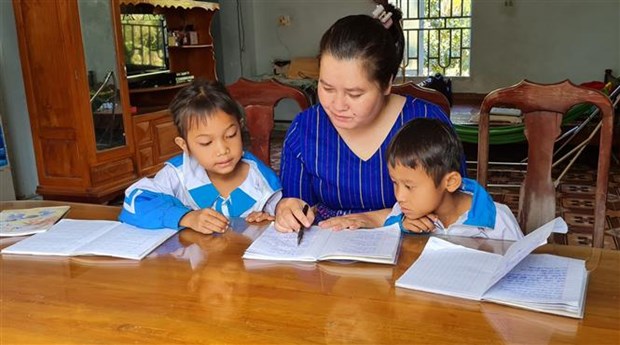
Làng hiếu học ở Gia Lai, 90% là người dân tộc thiểu số, nhưng có 3 thạc sỹ, có cả đại biểu Quốc hội - Ảnh 1.

Gia đình ông Nay Trơ là một trong những điển hình tiêu biểu của gia đình hiếu học trong làng với 8 đứa con đều đã tốt nghiệp đại học, cao đẳng. Ảnh: Hồng Điệp – TTXVN

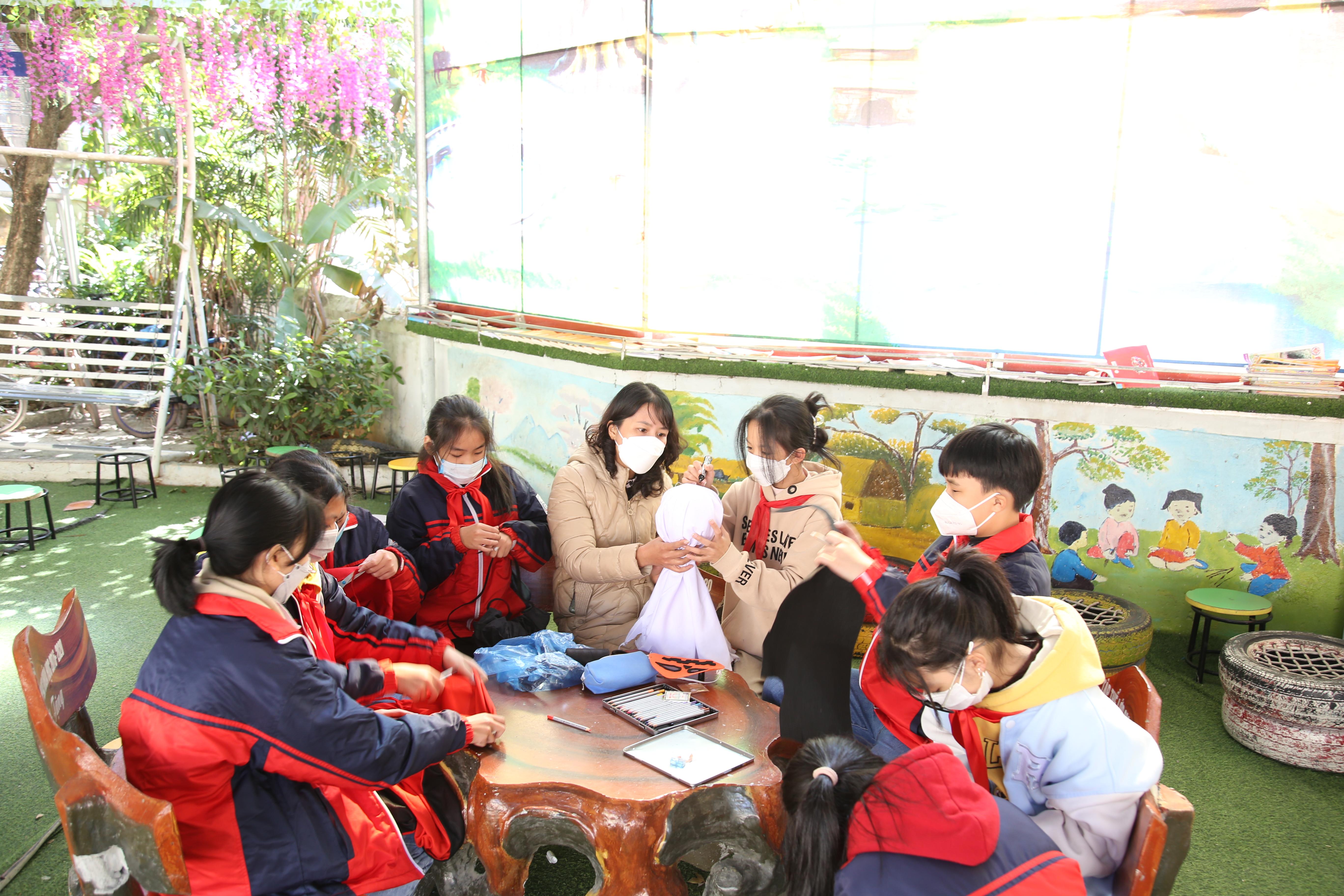
Làng hiếu học ở Gia Lai, 90% là người dân tộc thiểu số, nhưng có 3 thạc sỹ, có cả đại biểu Quốc hội - Ảnh 3.

Truyền thống hiếu học được người dân làng Rbai, xã Ia Piar, huyện Phú Thiện (Gia Lai) lưu truyền từ nhiều đời nay. Ảnh: Hồng Điệp – TTXVN.

Ảnh: Hồng Điệp – TTXVN

Thuyền năng lượng mặt trời cải tiến của nông dân Đồng Tháp

vnexpress.net

Để nâng công suất hoạt động của thuyền, ông Liêm cải tiến thân thuyền rộng lắp tấm pin năng lượng lớn, dùng thêm bộ phát điện chạy bằng sức nước.

Hơn hai tháng nay, “kỹ sư nông dân” Huỳnh Thiện Liêm (xã Trường Xuân, Tháp Mười, Đồng Tháp) đi sớm về khuya cùng cộng sự Huỳnh Văn Trăng và một số công nhân cải tiến chiếc thuyền du lịch chạy bằng năng lượng mặt trời. Ông từng giới thiệu mô hình thuyền tại hội chợ công nghệ Techmart 2015 ở Hà Nội khiến nhiều người chú ý, một số đơn vị đặt hàng để phục vụ du lịch.

thuyen-nang-luong-mat-troi-cai-tien-cua-nong-dan-dong-thap
Ông Liêm (áo xanh) cùng cộng sự liên tục cải tiến chiếc thuyền hoạt động hiệu quả hơn. Ảnh: Hoàng Phương.

Chiếc thuyền ban đầu hoạt động trên nguyên tắc tích trữ năng lượng từ ánh sáng mặt trời qua tấm pin rồi nạp vào bình ắc quy, giúp chạy khoảng 30 km liên tục trong 3 tiếng với vận tốc 8-12 km/giờ. Thuyền được đánh giá là phương tiện đầu tiên ở đồng bằng sông Cửu Long ứng dụng được năng lượng xanh để khai thác du lịch.

Tiếp tục đọc “Thuyền năng lượng mặt trời cải tiến của nông dân Đồng Tháp” →

Cô giáo ‘nuôi’ tiếng Anh ở vùng biên

Vũ Thơ – 18/11/2021 11:22 GMT+7

TN – 20 năm gắn bó với các trường học vùng biên giới , cô giáo Bành Ngọc Thủy đã kiên trì dạy hàng nghìn học sinh dân tộc thiểu số biết tiếng Anh, có em trở thành học sinh giỏi quốc gia.

Giúp học sinh dân tộc đoạt giải quốc gia

Cô Bành Ngọc Thủy (40 tuổi, TT.Lộc Bình, H.Lộc Bình, Lạng Sơn) là giáo viên Trường THCS TT.Lộc Bình. Suốt 20 năm qua, cô đã kiên trì đến các trường vùng khó khăn của huyện biên giới này để dạy tiếng Anh cho học sinh, giúp các em theo kịp các bạn miền xuôi. Trong 5 năm học vừa qua, trong công tác ôn luyện đội tuyển học sinh giỏi môn tiếng Anh, cô đã đóng góp cho ngành giáo dục địa phương với thành tích 43 học sinh đoạt giải cấp huyện, 18 em đoạt giải cấp tỉnh, 3 em đoạt giải quốc gia môn tiếng Anh trên internet – IOE gồm: Lương Ngọc Diệp (dân tộc Tày), Dương Tùng Sơn và Đàm Thị Anh Thư (dân tộc Nùng).

Cô Bành Ngọc Thủy trong một buổi dạy tiếng Anh cho học sinh
V.T

Tiếp tục đọc “Cô giáo ‘nuôi’ tiếng Anh ở vùng biên” →

Migration, kids’ education and the future of the Mekong Delta

vnexpress.net

February 7, 2022 | 10:05 am GMT+7 Truong Chi Hung

Bang was my schoolmate back in middle school. After finishing ninth grade he dropped out though his results were the second best in the entire school.

At the time Uncle Sau, his father, said his family had plenty of farmlands, and so there was no need to study, and staying at home and farming was enough for him to live a healthy life.

At the age of 16 Bang just did as he was told by the adults. A few years later he became his family’s breadwinner. He was by himself taking care of two hectares of lands and growing three crops a year, and so there was never a shortage of food.

Then he got married, had children and built a family like all others in my hometown.

People in the Mekong Delta have a saying: “Barrels can be used to measure rice but no one uses barrels to measure letters,” meaning food and clothing are always top priority, but getting an education, while nice, is not an imperative.

Tiếp tục đọc “Migration, kids’ education and the future of the Mekong Delta” →

Ký túc xá vùng biên – Ngôi nhà thứ hai của 64 học sinh dân tộc Đan Lai

VNN – 26/12/2022   09:38 (GMT+07:00)

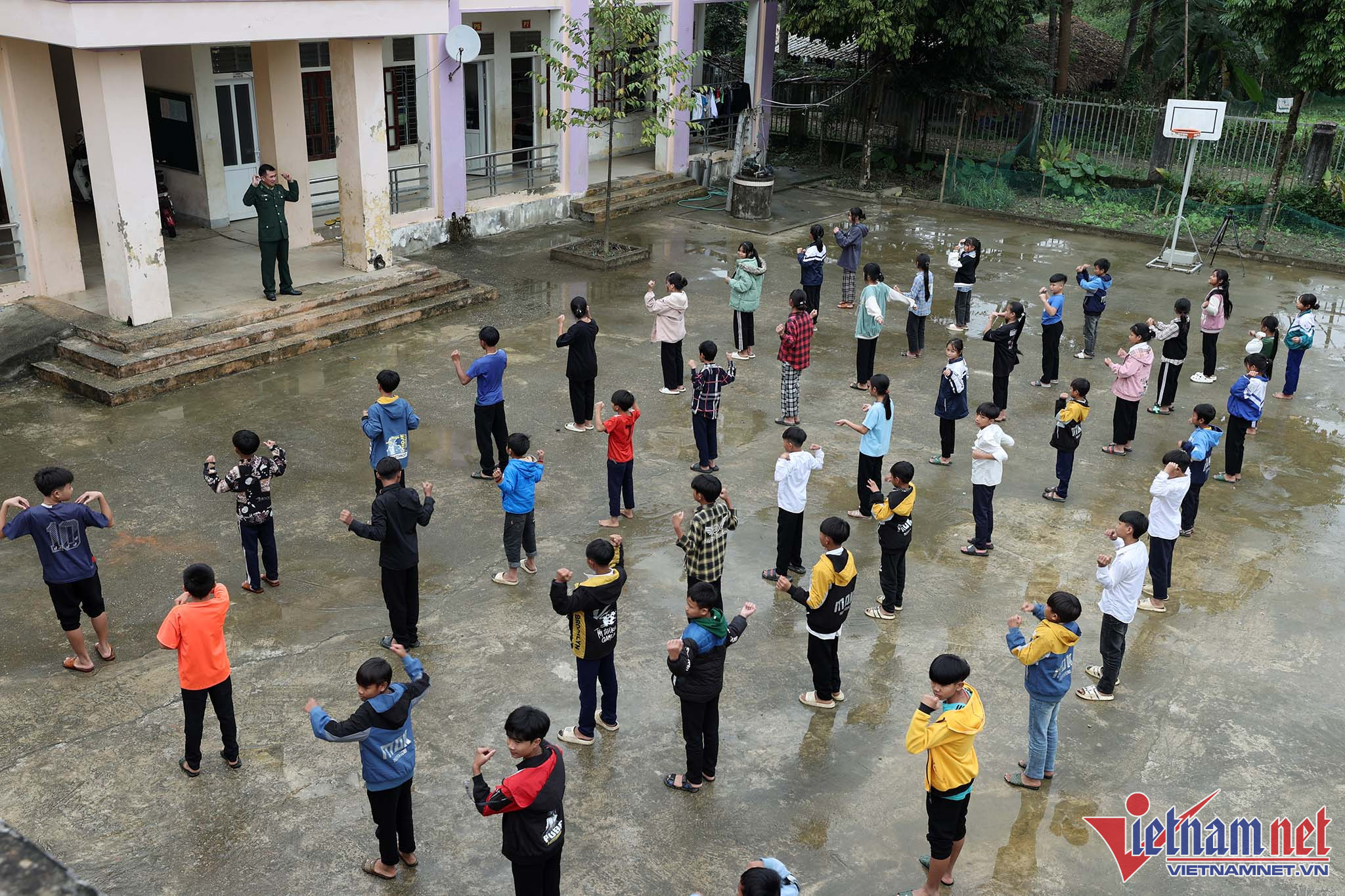
Đã 3 năm nay, tổ công tác đặc biệt gồm 3 cán bộ, chiến sĩ Đồn Biên phòng Môn Sơn nhận nhiệm vụ chăm sóc, rèn rũa kỹ năng sống cho 64 học sinh người dân tộc Đan Lai tại ký túc xá do trường THCS Môn Sơn phối hợp với Bộ đội Biên phòng phối hợp tổ chức.

Các cán bộ chiến sĩ Đồn Biên phòng Môn Sơn luôn duy trì một số chế độ, giờ giấc trong ngày, tuần cho các học sinh người Đan Lai. Phối hợp chặt chẽ với Nhà trường hướng dẫn cho các học sinh học tập, ôn luyện bài cũ tại khu nội trú. 

Tiếp tục đọc “Ký túc xá vùng biên – Ngôi nhà thứ hai của 64 học sinh dân tộc Đan Lai” →

Bóng đá Nhật: Vào đại học để thành ngôi sao

HUY ĐĂNG 18/02/2023 20:12 GMT+7

TTCT – Hầu hết những cầu thủ trẻ trên khắp thế giới khát khao tìm được một bản hợp đồng chuyên nghiệp ngay từ độ tuổi U18. Nhưng Kaoru Mitoma ngược lại, anh đã từ chối cơ hội sớm đổi đời để vào đại học…

Chính xác hơn, tiền vệ người Nhật chỉ tạm hoãn hành trình cầu thủ chuyên nghiệp. Anh chọn con đường giống như bao cầu thủ chuyên nghiệp khác của Nhật.

Mitoma được xem là một trong những cầu thủ rê bóng hay nhất Premier League hiện tại.  Ảnh: REUTERS
Mitoma được xem là một trong những cầu thủ rê bóng hay nhất Premier League hiện tại. Ảnh: REUTERS

Tiếp tục đọc “Bóng đá Nhật: Vào đại học để thành ngôi sao” →

Artificial Intelligence and education: Guidance for policy-makers

See UNESCO full report, here

SHORT SUMMARY

AI and education: Promise and implications

Artificial Intelligence (AI) has the potential to address some of the biggest challenges in education today, innovate teaching and learning practices, and ultimately accelerate the progress towards SDG 4. However, these rapid technological developments inevitably bring multiple risks and challenges, which have so far outpaced policy debates and regulatory frameworks. This publication offers guidance for policy-makers on how best to leverage the opportunities and address the risks, presented by the growing connection between AI and education. It starts with the essentials of AI: definitions, techniques and technologies. It continues with a detailed analysis of the emerging trends and implications of AI for teaching and learning, including how we can ensure the ethical, inclusive and equitable use of AI in education, how education can prepare humans to live and work with AI, and how AI can be applied to enhance education. It finally introduces the challenges of harnessing AI to achieve SDG 4 and offers concrete actionable recommendations for policy-makers to plan policies and programmes for local contexts.

How Vietnam opened new doors for deaf children

world bank – NOVEMBER 17, 2022

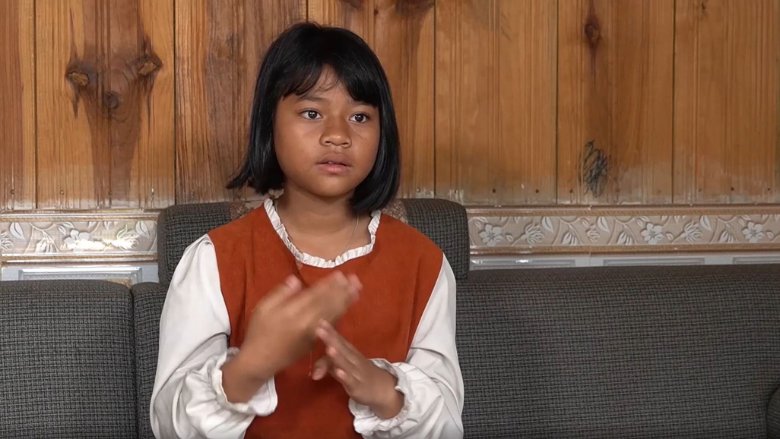
Portrait of Ly Et
Ly-Et was enrolled in a school accommodating deaf children. The headmaster remembers her arrival.

STORY HIGHLIGHTS

  • The Quality Improvement of Primary Education for Deaf Children Project developed new sign language gestures and trained deaf teachers, mentors, and caregivers.
  • Expanded sign language facilitated the integration of deaf children in Vietnam into the mainstream and special education.
  • The success of the project makes it suitable for expansion around the country and to older students.

Lo Mu Du Ly-Et was born in 2010 to deaf parents belonging to the Cil (K’ho) ethnic group in the central highland province of Lam Dong in Vietnam.  Ly-Et’s parents’ deafness was considered a burden to their families, but they overcame that stigma, raised a family together, and wanted their child to have opportunities that had been unavailable to them.  

Tiếp tục đọc “How Vietnam opened new doors for deaf children” →

Mong people struggle in poor-equipped Dak Nong night classes

| dtinews.vn | October 07, 2022 09:10 PM

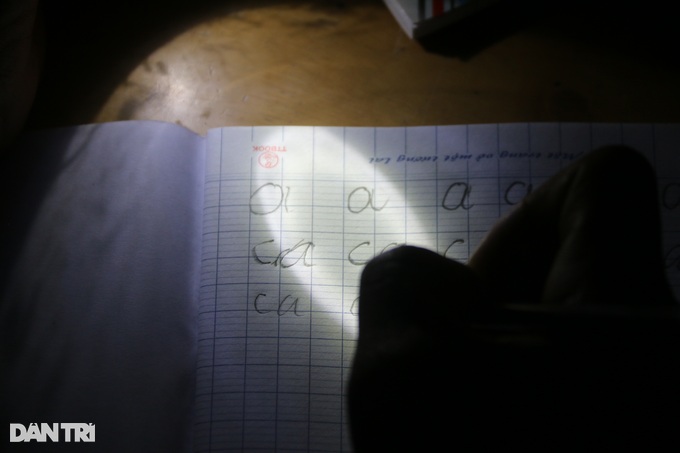
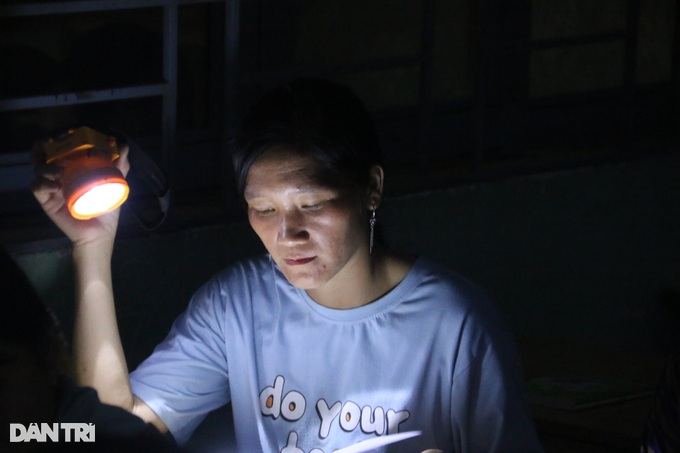
Giang Thi So slowly wrote down some new words in a small notebook under her classmate’s weak light torchlight. After travelling 20 kilometres and studying for over an hour, her own torch had already run out of battery.

Giang Thi So learns to write at the evening class in Dak Nong Province

“It has been raining for some days and there was no sunlight so I couldn’t charge it,” she said. “We don’t have access to the electricity grid so we depend on solar power.”

So is attending an illiteracy course organised by authorities for the Mong Ethnic Group in Dak R’mang Commune, Dak Glong District in the central highlands province of Dak Nong. The class is held every Friday evening at 7 pm in the classroom of a local primary school. The students are all adults who mostly farm.

Tiếp tục đọc “Mong people struggle in poor-equipped Dak Nong night classes” →

In Ho Chi Minh City, teachers use summer break to prepare Braille books for visually impaired students

TT – Wednesday, October 12, 2022, 12:29 GMT+7

In Ho Chi Minh City, teachers use summer break to prepare Braille books for visually impaired students
Teachers of Nguyen Dinh Chieu Special School for the Visually Impaired in Ho Chi Minh City have made Braille textbooks for their students during the last three months. Photo: Ngoc Phuong – Pho Huong / Tuoi Tre

Instead of having a normal summer break, teachers at Nguyen Dinh Chieu Special School for the Visually Impaired in Ho Chi Minh City used their free time to prepare Braille books for a new curriculum for blind students.

Tiếp tục đọc “In Ho Chi Minh City, teachers use summer break to prepare Braille books for visually impaired students” →

RMIT Vietnam sees first blind Chevening scholarship recipient

The Saigon Times – October 10, 2022

Nguyen Thanh Vinh, RMIT Vietnam’s first blind Chevening scholarship recipient – PHOTO: RMIT UNIVERSITY (VIETNAM)

HCMC – Nguyen Thanh Vinh, despite his visual impairment, has received a Chevening scholarship to do a master’s degree in Special Education in the UK.

As Vinh graduated from RMIT University Vietnam with the support of the Dream Wings Scholarship that the school offers to disadvantaged students, he realized that the difficulties in high school were not due to his own abilities, but instead to the lack of effective communication and understanding between teachers and students.

Tiếp tục đọc “RMIT Vietnam sees first blind Chevening scholarship recipient” →

Ô “chủng tộc” trong hồ sơ tuyển sinh

ANH QUÂN 29/11/2022 06:49 GMT+7

TTCT – Không giống các đại học hàng đầu trên thế giới, đại học ở Mỹ không đơn thuần chọn sinh viên xuất sắc nhất mà cân đối cả từ hoạt động ngoại khóa, tài sản gia đình đến sắc tộc. Yếu tố cuối này được cho là không công bằng, và điều này có thể sẽ thay đổi.

Ô chủng tộc trong hồ sơ tuyển sinh - Ảnh 1.

Ảnh: Mark Peterson/Corbis/Getty Images

Tiếp tục đọc “Ô “chủng tộc” trong hồ sơ tuyển sinh” →

THE LAW AFFECTING CIVIL SOCIETY IN ASIA: Developments and Challenges for Nonprofit and Civil Society Organizations

The International Center for Not-for-Profit Law

DOWNLOAD full report here

The Paradox of Asia and the Scope of this Report
Asia presents a paradox. Many of the more than forty countries in this vast region aren home to vibrant civil society sectors, engaged in everything from social services to advocacy to mutual benefit activities and other pursuits that fall within the definitions of non-profit or charitable activity. Yet in many countries of Asia, government regulatory controls on civil society are restrictive or highly restrictive. Indeed, based on reports from countries as diverse as India, China, Thailand and Vietnam, among many others, the legal operating environment is becoming more restrictive, particularly for advocacy and other groups engaged in independent civil society activity.

This report is an overview of the regulatory environment affecting civil society and civil society organizations (CSOs)2 across Asia, focusing on a number of countries and key themes. These themes include: general constitutional and legal frameworks; types of organizational forms of CSOs; establishment requirements; registration and incorporation requirements; termination and dissolution procedures; state supervisory requirements; legal treatment of foreign organizations; and rules related to funding sources, including cross-border philanthropy and economic activities. While this report may make reference to any country in Asia, it focuses predominantly on Afghanistan, Kazakhstan, Kyrgyzstan, Tajikistan, Turkmenistan and Uzbekistan (Central Asia); Bangladesh, Bhutan, India, Nepal, Pakistan and Sri Lanka (South Asia); Cambodia, Indonesia, Laos, Malaysia, Myanmar, Philippines, Singapore, Thailand and Vietnam
(Southeast Asia); China, Hong Kong, Japan, Mongolia and South Korea (East Asia); and Fiji (Pacific).

This report is intended to identify key trends in the regulation of civil society and CSOs across Asia. As readers will note, it is not a detailed study of each country, and not all issues are covered for each country. For more detail, we invite readers to consult other

Nên thừa nhận chế định kết hợp dân sự giữa hai người cùng giới tính

lapphap.vn

Bài viết đăng tải trên ấn phẩm Nghiên cứu lập pháp số 7(263), tháng 4/2014) – TS. CAO VŨ MINH – Đại học Luật TP. Hồ Chí Minh.

1. Đi tìm lời giải cho quy định “cấm kết hôn giữa những người cùng giới tính”

Trong rất nhiều nội dung cần sửa đổi của Luật Hôn nhân và gia đình (Luật HNVGĐ) thì vấn đề hôn nhân giữa những người cùng giới tính (NCGT) đang nhận được quan tâm sâu sắc của toàn xã hội. Vấn đề nên hay không nên thừa nhận hôn nhân đồng giới (HNĐG) đang phát sinh những quan điểm trái chiều nhau. Hiện nay có hai quan điểm chủ đạo: i) không nên công nhận HNĐG vì điều này trái với quy luật tự nhiên của cuộc sống; ii) nên công nhận HNĐG vì mọi người sinh ra là bình đẳng bất kể người đó có xu hướng tính dục và bản dạng giới như thế nào.

Liên quan đến vấn đề giới tính trong kết hôn, Luật HNVGĐ hiện hành của nước ta quy định cấm kết hôn giữa những NCGT[1]. Như vậy, nếu đặt câu hỏi: “theo pháp luật Việt Nam, người đồng tính (NĐT) có quyền kết hôn hay không?” thì lời đáp sẽ rất đơn giản và rõ ràng: “có”. Tuy nhiên, nếu hỏi rằng: “NĐT có được kết hôn một cách tự nguyện, theo ý muốn thực sự, theo nhu cầu mang tính bản năng của họ không?” thì câu trả lời sẽ là ngược lại. Thực ra, quy định cấm kết hôn “giữa những NCGT” không nhằm riêng vào NĐT[2]. Tuy vậy, việc cấm kết hôn giữa những NCGT đã hạn chế hầu như tất cả những khả năng kết hôn mà NĐT có nhu cầu.

NĐT bị hấp dẫn về mặt giới tính bởi NCGT với họ và thường có nhu cầu quan hệ tình dục với người cùng giới. Với thiên hướng tình dục này, có bốn khả năng kết hôn có thể đặt ra với NĐT.

Trường hợp thứ nhất: kết hôn giữa NĐT nam với NĐT nữ (kết hôn khác giới tính giữa hai NĐT). Trường hợp này không có nhiều khả năng xảy ra trên thực tế vì xu hướng tình dục của hai người này không hướng vào nhau.

Tiếp tục đọc “Nên thừa nhận chế định kết hợp dân sự giữa hai người cùng giới tính” →

Harvard and Yale law schools ditch U.S. News & World Report’s rankings: “Profoundly flawed”

BY AIMEE PICCHI

NOVEMBER 16, 2022 / 4:47 PM / MONEYWATCH

Officials at Yale’s and Harvard’s law schools said Wednesday the institutions will no longer participate in U.S. News & World Report’s annual rankings of the top law schools. An official at Yale Law School called the methodology behind the influential listing “profoundly flawed.”

Yale Law School Dean Heather K. Gerken, who made the announcement in a blog post, said the rankings discourage universities from admitting low-income students and supporting those who wish to pursue careers in public service. Tuition and housing at Yale Law School — whose alumni include former President Bill Clinton and four of the current Supreme Court justices — run nearly $97,000 per year. Tuition and living expenses for Harvard Law School are more than $107,000 annually.

Tiếp tục đọc “Harvard and Yale law schools ditch U.S. News & World Report’s rankings: “Profoundly flawed”” →