, Hironori Kato baDepartment of Architecture and Civil Engineering, City University of Hong Kong, Tat Chee Avenue, Kowloon, Hong KongbDepartment of Civil Engineering, The University of Tokyo, 7-3-1, Hongo, Bunkyo-ku, Tokyo, 113-8656 Japan
Highlights • We examine the relationship between airport rail links and metropolitan productivity. • Cities with airport rail links are more productive than those without airport rail links. • Cities with shorter access time enabled by airport rail links are more productive. • Airport rail links should be discussed as a catalyst for wider economic development.
Thông Tấn Xã VN Baotintuc.vn Thứ Ba, 11/06/2013 21:15 |
Nghi Xuân – mảnh đất địa linh nhân kiệt, từ xa xưa đã sản sinh ra bao nhân tài cho đất nước, được ví là “cái nôi” văn hóa của quê hương Hà Tĩnh. Trên mảnh đất này, nhiều loại hình văn nghệ dân gian xuất phát từ lao động, sinh hoạt của nhân dân như: ca Trù, trò Kiều (có nơi gọi là chèo Kiều), hò Nghẹt… nhưng tiêu biểu nhất là trò Kiều vì nó đã đi vào lòng người và được nhân dân mến mộ từ bao đời nay.
Một cảnh diễn trò Kiều.
Theo ông Nguyễn Ban, hậu duệ chi ất đời thứ VI của Đại thi hào Nguyễn Du, nguyên trưởng phòng Văn hóa thông tin (cũ) huyện Nghi Xuân, người đã tốn nhiều công sức để khôi phục lại trò Kiều: Sau khi có Truyện Kiều, khoảng nửa thế kỷ sau, các loại hình văn nghệ dân gian dựa trên Truyện Kiều bắt đầu xuất hiện. Khoảng cuối thế kỷ XIX, ở vùng Bắc Nghệ An, Truyện Kiều được chuyển thể sang trò Kiều – sự kết hợp giữa hát tuồng và hát chèo Kiều kết hợp với diễn xuất, làm trò và các làn điệu khác như: dân ca, ví Dặm Nghệ Tĩnh, ca Huế, ca Trù…
Satellite images show how data centers are changing America’s landscape
Business insider
Data centers across the street from residential housing are not an uncommon scene in Virginia.
There are over a thousand planned or existing data centers across the US, according to a BI investigation.
Major tech companies are racing to construct even more as the AI boom continues. But at what cost?
Satellite images show where these facilities are cropping up and why they’re a nuisance to many.
Build, baby, build. That’s the mantra behind the AI boom sweeping America.
This year, alone, Amazon, Meta, Microsoft, and Google are projected to spend about $320 billion in capex, mostly for AI infrastructure, according to an analysis of financial statements by Business Insider.
At the heart of this AI infrastructure growth are data centers that house the specialized hardware and high-speed networking equipment, driving the intensive computations behind large language models. However, AI needs more.
Because AI learns by processing increasingly large amounts of data, improving it requires more computational power, which in turn necessitates more data centers.
A BI investigation found 1,240 data centers across America are already built or approved for construction by the end of 2024.
In Vietnam, an impasse over feed-in-tariffs for renewable energy producers threatens foreign investors’ confidence in government policies
Afestering legal crisis is threatening to derail Vietnam’s energy development plans. 173 solar and wind projects, representing about US$13 billion in investments, are stuck in limbo due to ongoing disputes regarding their feed-in-tariffs (FITs) – the guaranteed payments that the government would pay for their contribution to the power grid. This situation raises concerns about Vietnam’s business environment and the consistency of its economic policy. If Vietnam does not resolve these disputes promptly, the country could face significant legal, financial, and reputational repercussions.
Between 2018 and 2021, Vietnam experienced a significant boom in renewable energy, primarily fuelled by the government’s commitment to offer attractive 20-year FITs to investors for projects that began commercial operations before designated deadlines. However, in 2023, an investigation by the Government Inspectorate found that many of these projects had not obtained their Construction Completion Acceptance (CCA) certificates before their Commercial Operation Date (COD). Following the inspection, the Ministry of Industry and Trade issued a new circular, effective June 2023, stipulating that renewable energy projects must obtain a CCA certificate before being recognised for COD. This effectively disqualified the affected projects from receiving the original FIT rates.
Qua trận lũ lụt lịch sử tại các tỉnh miền Trung lại dấy lên câu chuyện thủy điện xả lũ. Thế giới đã giải bài toán này bằng những công cụ tài chính sòng phẳng và chế tài hình sự nghiêm khắc.
Hãy hình dung giả định phòng điều khiển của một nhà máy thủy điện với không khí căng như dây đàn. Mực nước trong hồ đang nhích dần lên từng centimet. Bên ngoài, mưa vẫn xối xả. Trên bàn điều khiển là văn bản chỉ đạo của Ban chỉ huy phòng chống thiên tai: “Vận hành xả lũ với lưu lượng từ 0 đến 5.000 m³/s”.
Đây chính là lúc tư duy “đánh đu” xuất hiện. Với chủ đầu tư, nước trong hồ là tiền. Mỗi mét khối nước xả qua đập tràn thay vì chạy qua tuabin là một khoản doanh thu bị dòng nước cuốn trôi vĩnh viễn. Nếu xả sớm để đón lũ theo kịch bản an toàn nhất, nhưng sau đó mưa dừng và lũ không về, nhà máy sẽ đối mặt với rủi ro kép: mất nước để phát điện cho mùa khô năm sau và tuabin bị mài mòn nhanh chóng do phải vận hành ở cột nước thấp.
Vì tiếc rẻ “vàng trắng” và vì mệnh lệnh hành chính cho phép một biên độ quá rộng (từ 0 đến 5.000), người vận hành thường chọn cách “câu giờ”. Họ xả cầm chừng, “nhỏ giọt” 200-300 m³/s vào buổi sáng với hy vọng cơn mưa sẽ ngớt. Đó là một ván cược với thiên nhiên.
Chúng ta chỉ nghĩ đến vài hồ thủy điện vĩ đại khi xả đập, nhưng không biết rằng xả đập và tạo lũ chính là tội của hàng nghìn con đập tư nhân nhỏ mà không ai để ý và quản lý.
PTH
Âu, Mỹ rộ xu hướng phá bỏ đập thủy điện cứu môi trường
Đã đến lúc phải tính tới dừng phát triển thủy điện
***
Âu, Mỹ rộ xu hướng phá bỏ đập thủy điện cứu môi trường
Trong khi nhiều nước đang phát triển ở châu Á và châu Phi đầu tư xây dựng vô số đập thủy điện trên sông, các chính phủ ở châu Âu và Mỹ đã bắt đầu cho phá bỏ những công trình kiểu này.
Theo Viện Trái đất thuộc Đại học Columbia (Mỹ), động thái trái ngược của các quốc gia phát triển ở Âu, Mỹ diễn ra sau khi có nhiều nghiên cứu đánh giá về tác hại của các đập thủy điện với môi trường, hệ sinh thái và những cộng đồng dân cư xung quanh.
danviet.vn Tư Giang Thứ bảy, ngày 22/11/2025 08:03 GMT+7
Cần phân biệt rõ ràng: Thủy điện không tạo ra lũ, nhưng cách vận hành hồ chứa có thể khiến lũ nặng hơn hoặc nhẹ đi. Và mùa lũ năm nay ở miền Trung đã phơi bày những giới hạn rất nghiêm trọng của cách vận hành ấy.
Thủy điện trong tâm lũ miền Trung
Những ngày vừa qua, dải đất từ Quảng Trị đến Khánh Hòa trải qua một đợt lũ mà nhiều cán bộ phòng chống thiên tai phải gọi là “nghiệt ngã nhất trong nhiều năm”.
Mưa lớn trên diện rộng, nước dồn về nhanh, thủy triều dâng, hàng loạt con sông vượt báo động 3; riêng sông Ba tại trạm Củng Sơn đã vượt đỉnh lũ lịch sử năm 1993 tới 1,09 mét.
Hơn 52.000 ngôi nhà tại 128 xã, phường chìm sâu trong nước, nhiều khu dân cư bị chia cắt trong nhiều ngày, lực lượng cứu hộ không thể tiếp cận, nhiều nơi nguy cơ thiếu lương thực rất rõ rệt.
Trong lúc đó, người dân hạ du nhìn thấy những cửa xả trắng xóa mở hết công suất và đặt câu hỏi mà năm nào mùa mưa bão cũng lặp lại: “Nếu thủy điện không xả, có lũ lớn như thế này không?”.
Lực lượng tỉnh Đắk Lắk ưu tiên đưa người già, phụ nữ và trẻ em ra khỏi vùng nguy trước. Ảnh Công Nam
Câu hỏi ấy có thể hiểu được, nhưng nó chỉ là bề nổi của một câu chuyện phức tạp hơn nhiều. Những trận mưa năm nay không phải mưa lớn bình thường, chúng là một dạng mưa cực đoan, vượt qua mọi kịch bản lịch sử.
Và hệ thống thủy điện – vốn được kỳ vọng là tấm lá chắn của hạ du – đã bước vào trận chiến này với một chiếc khiên quá mỏng.
Ông Nguyễn Đức Phú, Tổng Giám đốc Công ty Thủy điện Sông Ba Hạ, khẳng định trên báo chí, việc xả hoàn toàn nằm trong quy trình và nếu không xả kịp thời thì “hồ sẽ mất an toàn, kéo theo thảm họa lớn hơn cho toàn bộ vùng hạ du”.
Về mặt kỹ thuật, điều đó đúng khi lưu lượng về quá lớn, hồ không có quyền lựa chọn giữa “xả” và “không xả”, mà chỉ có lựa chọn giữa “xả có kiểm soát” và “vỡ đập”.
Nhưng nói vậy không có nghĩa là trách nhiệm được phủi sạch. Bởi điểm then chốt không nằm ở thời điểm xả mà nằm ở tình trạng của hồ trước khi lũ đến. Nhiều hồ trong khu vực giữ mực nước cao suốt thời gian dài đầu mùa mưa. Riêng Sông Ba Hạ duy trì mức hơn 102–105m trước khi mưa lớn xuất hiện. Khi đó, dung tích phòng lũ gần như bằng không.
Hồ chứa không đón được lũ thì lũ sẽ đè hồ, và hồ bắt buộc phải đẩy nước xuống hạ du gần tương đương lượng nước về. Đó là lỗi vận hành mang tính hệ thống, không thể chỉ quy về kỹ thuật viên trực ca.
Một nghịch lý nữa là người dân luôn được nghe cụm từ “xả đúng quy trình”, nhưng thông tin cảnh báo lại không đến được với họ, hoặc có đến thì cũng muộn… Nhiều người chỉ kịp thấy nước lên đến bậc cửa, rồi đến chân giường, rồi đến nửa mái nhà mà không biết hồ đã bắt đầu xả từ bao giờ, xả bao nhiêu, nước còn lên bao nhiêu nữa.
Một quy trình đúng trên giấy nhưng không đến được tay người dân thì không thể coi là đúng trong thực tế. Trong thời đại mà dữ liệu có thể cập nhật theo phút, việc hạ du mù mờ thông tin đến mức không kịp trở tay là điều khó chấp nhận.
Đặt trong bối cảnh ấy, không thể chỉ trích thủy điện một chiều, nhưng cũng không thể bênh vực thủy điện bằng cách đổ hết lên trời, lên mưa và lên “tình huống bất khả kháng”.
Cần phân biệt rõ ràng: Thủy điện không tạo ra lũ, nhưng cách vận hành hồ chứa có thể khiến lũ nặng hơn hoặc nhẹ đi. Và mùa lũ năm nay đã phơi bày những giới hạn rất nghiêm trọng của cách vận hành ấy.
Tuy vậy, cũng phải nhìn nhận công bằng rằng các hồ vẫn thực hiện được một phần nhiệm vụ cắt lũ. Sông Ba Hạ báo cáo đã cắt được 93 triệu m³ trong 19 giờ đầu và thêm 53 triệu m³ trong ngày tiếp theo.
Nếu toàn bộ lượng nước khổng lồ ấy lao thẳng xuống hạ du theo địa hình dốc – đặc trưng của miền Trung – thì mức độ tàn phá sẽ còn lớn hơn nhiều.
Cần tư duy mới để vận hành hồ chứa
Không thể vì một trận xả lũ cực đại mà phủ nhận vai trò điều tiết của hồ chứa; càng không thể quên rằng hồ còn giữ nước cho mùa khô – điều tối quan trọng với Tây Nguyên và Nam Trung Bộ, nơi hạn hán ngày càng khốc liệt.
Nhưng tất cả những điều đó chỉ đúng khi hồ được vận hành bằng một tư duy mới, phù hợp với một kiểu khí hậu đã bước sang giai đoạn bất định. Không thể giữ nước cao quanh năm chỉ để tối ưu hóa phát điện mà hy sinh dung tích phòng lũ; cũng không thể trông chờ vào các kịch bản lịch sử trong khi thực tế đang vượt ra khỏi mọi số liệu quá khứ.
Bối cảnh thiệt hại nặng nề buộc Chính phủ phải hành động khẩn cấp. Trong công điện ngày 21/11, Thủ tướng đã yêu cầu các tỉnh rà soát toàn bộ quy trình vận hành hồ chứa; đồng thời phân bổ ngay 700 tỷ đồng hỗ trợ bốn tỉnh bị thiệt hại nặng nhất: Khánh Hòa 200 tỷ, Lâm Đồng 200 tỷ, Gia Lai 150 tỷ, Đắk Lắk 150 tỷ.
Quy mô hỗ trợ lớn cho thấy mức độ phá hủy của lũvượt khỏi khả năng tự khắc phục của từng địa phương. Đây không chỉ là hỗ trợ tài chính trước mắt, mà là lời cảnh tỉnh rằng hệ thống ứng phó thiên tai hiện nay chưa đủ mạnh để chống đỡ trước các đợt mưa cực đoan.
Trận lũ này vì thế cần được xem như một dấu mốc quan trọng để nhìn lại toàn bộ hệ thống quản trị hồ chứa.
Phòng lũ phải là nhiệm vụ trung tâm, không thể đứng sau mục tiêu phát điện; mực nước hồ trước mùa mưa phải được hạ xuống theo một ngưỡng bắt buộc; dự báo khí tượng phải gắn chặt với vận hành hồ theo thời gian thực; cảnh báo xả lũ phải tới được từng thôn, từng buôn, từng hộ dân; và dung tích phòng lũ phải được tính toán lại theo mô hình khí hậu mới.
Thủy điện không phải “tội đồ” khi lũ lụt miền Trung năm nay quá khắc nghiệt và khó đoán định. Nhưng nếu cách vận hành, cách phối hợp và cách cảnh báo vẫn như cũ, mỗi trận lũ lớn sẽ lại biến thủy điện thành “nghi phạm quen mặt”, còn người dân hạ du vẫn là những người hứng chịu cuối cùng.
Và đó là điều một quốc gia hướng tới quản trị hiện đại, an toàn và phát triển bền vững có trách nhiệm không thể để lặp lại cho dân.
Sụt lún nghiệm trọng đang xảy ra tại TP.HCM thực tế đã được nghiên cứu và cảnh báo cách đây hơn 15 – 20 năm. Tuy nhiên, chính sách phát triển đô thị ở đây khi tính đến nguy cơ sụt lún vẫn xìu xìu ển ển.
TP.HCM đang ‘chìm dần’ và ‘chìm’ nhanh thứ 2 thế giới. Nếu Việt Nam tiếp tục chậm trễ trong quy hoạch và xây dựng, Việt Nam sẽ giống Indonesia khi phải di dời thủ đô do thành phố Jakarta đang chìm dần. Tương lai có thể tệ hơn khi TP.HCM bị lún nhiều gấp 4 lần Jakarta.
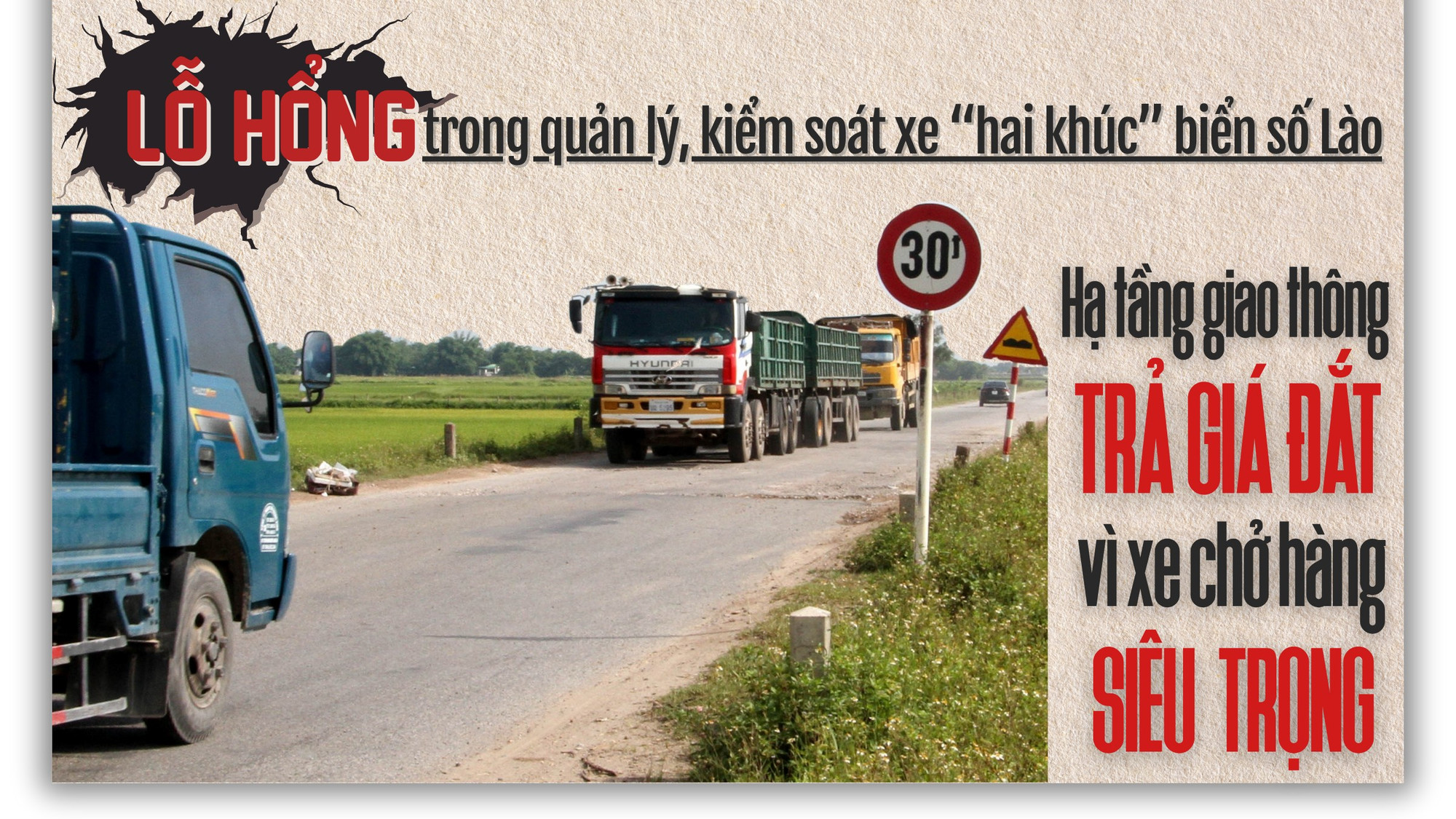
Việc ký kết Hiệp định tạo điều kiện thuận lợi cho phương tiện cơ giới đường bộ qua lại biên giới Việt Nam và Lào và Nghị định thư thực hiện Hiệp định trên vào năm 2010 giữa Chính phủ nước Cộng hòa xã hội chủ nghĩa Việt Nam và Chính phủ nước Cộng hòa Dân chủ nhân dân Lào đã mở ra cơ hội hợp tác giao thương phát triển kinh tế giữa Lào và Việt Nam; tạo tiền đề cho doanh nghiệp, người dân hai nước được tham gia vào hoạt động xuất, nhập khẩu hàng hóa qua lại với nhau.
Tuy nhiên, hiện nay công tác quản lý, kiểm soát các phương tiện xe ôtô kéo rơmoóc nhiều cụm trục còn gọi xe “hai khúc” biển số Lào tại các tỉnh Nghệ An, Hà Tĩnh đã bộc lộ những lỗ hổng, gây ra nhiều hệ quả tiêu cực đối với hạ tầng giao thông, sự công bằng cạnh tranh trong hoạt động kinh doanh vận tải.
Để làm rõ vấn đề này phóng viên Thông tấn xã Việt Nam có chùm bài phản ánh thực trạng trên.
[1/3]A logo on a Vinfast electric car and Vietnam’s national flag sticker at the ’80 Years Journey of Independence – Freedom – Happiness’ expo ahead of the country’s Independence Day celebration, at the National Exhibition Center in Hanoi, Vietnam, August 31, 2025. REUTERS/Athit Perawongmetha/File Photo Purchase Licensing Rights, opens new tab
Summary
Hanoi backs national champions with ‘preferential’ policies
Vingroup encouraged to bid for $70 billion railway, sources say
Central bank, finance ministry, Fitch flag financial risks
Chủ nhiệm Ủy ban Khoa học, Công nghệ và Môi trường của Quốc hội trực tiếp khảo sát thực trạng vụ cầu sông Lô ‘trơ móng, lộ cốt thép rỉ sét’.
Ngày 11.11, Đoàn khảo sát của Ủy ban Khoa học, Công nghệ và Môi trường của Quốc hội do bà Nguyễn Thanh Hải, Chủ nhiệm Ủy ban, làm việc tại tỉnh Phú Thọ về tình trạng xuống cấp cầu sông Lô.
Mục đích buổi làm việc nhằm thu thập thông tin thực tiễn, trực tiếp phục vụ công tác lập pháp của Quốc hội đang trong quá trình thẩm tra dự án luật Xây dựng (sửa đổi).
Chủ nhiệm Ủy ban Khoa học, Công nghệ và Môi trường của Quốc hội Nguyễn Thanh Hải (bìa phải) cùng đoàn công tác trực tiếp khảo sát thực trạng cầu sông Lô
A tunnel collapse opened up a sinkhole more than 18m deep along a Bangkok road early on Sept 24.
PHOTO: REUTERS Published Sep 25, 2025, 11:42 AM
BANGKOK – The Mass Rapid Transit Authority of Thailand (MRTA) has taken responsibility for the massive sinkhole dozens of metres deep in front of Vajira Hospital in Bangkok.
The location falls under Contract 1, which covers the design and construction of the tunnel and underground stations along the Taopoon-National Library section, involving a distance of 4.8km and worth 19.43 billion baht (S$778 million).
The contractor for this section is the CKST-PL joint venture, comprising CH Karnchang and Sino-Thai Engineering and Construction.
Such a simple query might seem trivial, but making it possible across billions of sessions requires immense scale. While OpenAI reveals little information about its operations, we’ve used the scraps we do have to estimate the impact of ChatGPT—and of the generative AI industry in general.
OpenAI’s actions also provide hints. As part of the United States’ Stargate Project, OpenAI will collaborate with other AI titans to build the largest data centers yet. And AI companies expect to need dozens of “Stargate-class” data centers to meet user demand.
Estimates of ChatGPT’s per-query energy consumption vary wildly. We used the figure of 0.34 watt-hours that OpenAI’s Sam Altman stated in a blog post without supporting evidence. It’s worth noting that some researchers say the smartest models can consume over 20 Wh for a complex query. We derived the number of queries per day from OpenAI’s usage statistics below. illustrations: Optics Lab
OpenAI says ChatGPT has 700 million weekly users and serves more than 2.5 billion queries per day. If an average query uses 0.34 Wh, that’s 850 megawatt-hours; enough to charge thousands of electric vehicles every day.
2.5 billion queries per day adds up to nearly 1 trillion queries each year—and ChatGPT could easily exceed that in 2025 if its user base continues to grow. One year’s energy consumption is roughly equivalent to powering 29,000 U.S homes for a year, nearly as many as in Jonesboro, Ark.
Though massive, ChatGPT is just a slice of generative AI. Many companies use OpenAI models through the API, and competitors like Google’s Gemini and Anthropic’s Claude are growing. A report from Schneider Electric Sustainability Research Institute puts the overall power draw at 15 terawatt-hours. Using the report’s per-query energy consumption figure of 2.9 Wh, we arrive at 5.1 trillion queries per year.
AI optimists expect the average queries per day to jump dramatically in the next five years. Based on a Schneider Electric estimate of overall energy use in 2030, the world could then see as many as 329 billion prompts per day—that’s about 38 queries per day per person alive on planet Earth. (That’s assuming a global population of 8.6 billion in 2030, which is the latest estimate from the United Nations.) As unrealistic as that may sound, it’s made plausible by plans to build AI agents that work independently and interact with other AI agents.
The Schneider Electric report estimates that all generative AI queries consume 15 TWh in 2025 and will use 347 TWh by 2030; that leaves 332 TWh of energy—and compute power—that will need to come online to support AI growth. That implies the construction of dozens of data centers along the lines of the Stargate Project, which plans to build the first ever 1-gigawatt facilities. Each of these facilities will theoretically consume 8.76 TWh per year—so 38 of these new campuses will account for the 332 TWh of new energy required.
While estimates for AI energy use in 2030 vary, most predict a dramatic jump in consumption. The gain in energy consumption will be driven mostly by AI inference (the power used when interacting with a model) instead of AI training. This number could be much lower or much higher than the Schneider Electric estimate used here, depending on the success of AI agents that can work together—and consume energy—independent of human input.
Chỉ trong 12 giờ, hai chiếc camera trí tuệ nhân tạo (AI) trên một con phố Hà Nội đã ghi nhận gần 1.800 vi phạm, chủ yếu là vượt đèn đỏ và không đội mũ bảo hiểm.
Con số này định lượng một sự thật mà chúng ta đều đã biết nhưng ít khi được thống kê đầy đủ: hành vi coi thường luật lệ của người tham gia giao thông – lựa chọn “khôn lỏi” trong một hệ thống mà xác suất bị phát hiện và xử phạt từ lâu đã quá thấp.
Trong bối cảnh đó, sự xuất hiện gần như đồng thời của hai chính sách mang tính bước ngoặt là Nghị định 168 với mức phạt tăng vọt, và việc thí điểm hệ thống camera AI đã mở ra cơ hội để tái lập trật tự và văn hóa tham gia giao thông. AI giờ đây không chỉ là công cụ hỗ trợ, mà chính là hạ tầng thiết yếu để những chế tài nghiêm khắc trở nên có hiệu lực.
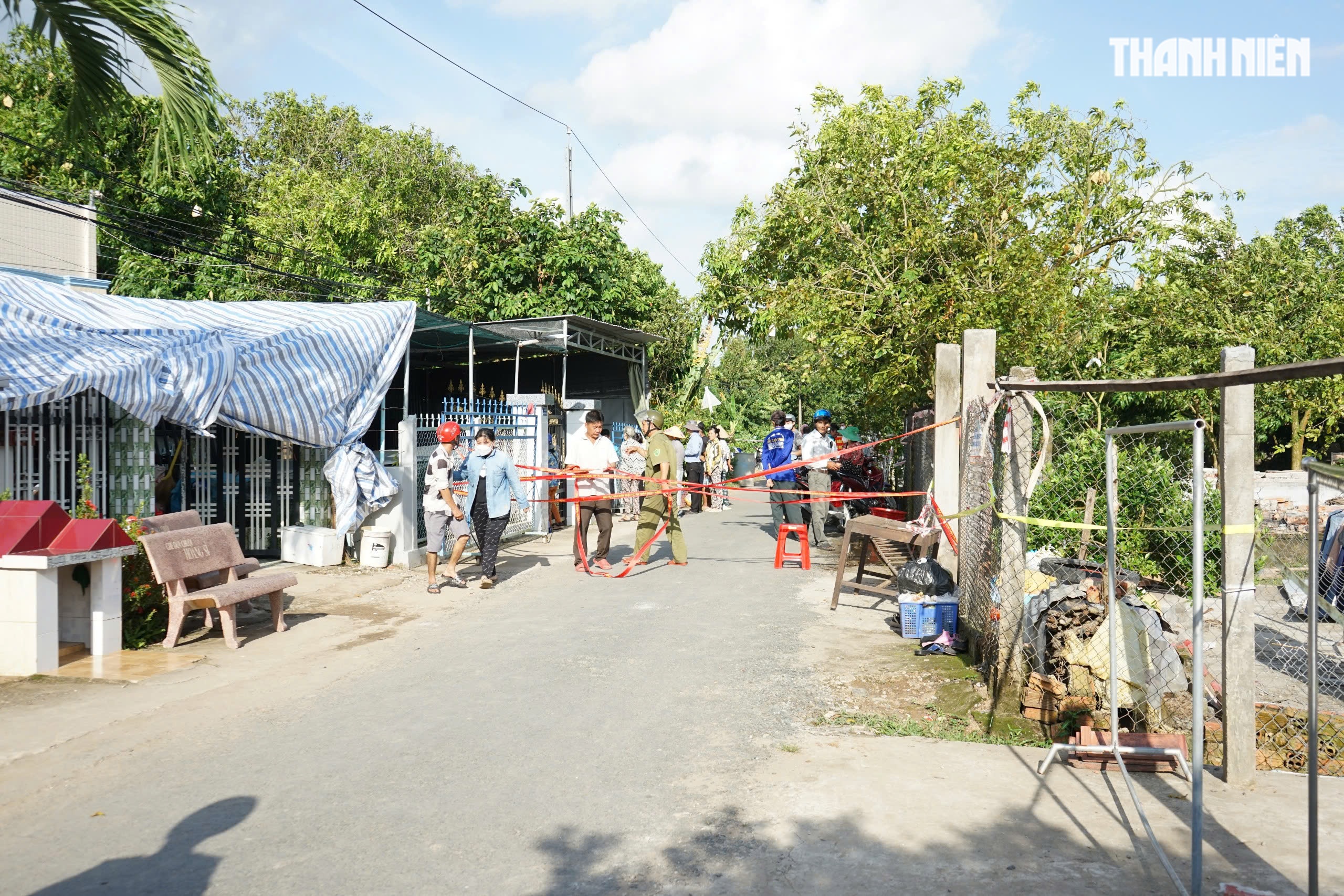
Nhiều ngôi nhà ở P.Cao Lãnh (Đồng Tháp) bị chìm xuống sông Tiền sau những vụ sạt lở gần đây. Chính quyền địa phương đang khẩn trương hỗ trợ người dân di dời đến nơi an toàn.
Ngày 24.9, tin từ UBND P.Cao Lãnh cho biết, chính quyền địa phương đang tiếp tục hỗ trợ người dân vùng sạt lở di dời đến nơi an toàn và tập trung khắc phục hậu quả.
Trước đó, rạng sáng 20.9, tại khóm Tân Tịch, P.Cao Lãnh, xảy ra sạt lở bờ sông Tiền một đoạn dài khoảng 100 m, ăn sâu vào đất liền khoảng 20 m, làm 7 ngôi nhà bị ảnh hưởng nghiêm trọng, gây thiệt hại hơn 2 tỉ đồng. Trong đó, có nhiều ngôi nhà gần như bị chìm hoàn toàn xuống sông.
Nguyên nhân ban đầu được xác định vị trí sạt lở nằm cặp sông Tiền và nằm trong khu vực sạt lở thường xuyên, cùng với ảnh hưởng của mưa lớn kết hợp với triều cường mùa lũ dâng cao dẫn đến xảy ra sạt lở.

.JPG)






 CVD
CVD 