VNE – Chủ nhật, 8/7/2018, 02:08 (GMT+7)
Chùa Bửu Long có khuôn viên rộng và không bao giờ thắp nhang, người dân chỉ đến cầu nguyện, tham quan.
Conversations on Vietnam Development
VNE – Chủ nhật, 8/7/2018, 02:08 (GMT+7)
Chùa Bửu Long có khuôn viên rộng và không bao giờ thắp nhang, người dân chỉ đến cầu nguyện, tham quan.
VNE – Thứ hai, 4/6/2018, 02:08 (GMT+7)
Được xây dựng từ năm 1935, Thánh đường Hồi giáo Jamia Al-Musulman là nơi các tín đồ đạo Hồi đến hành lễ tại Sài Gòn.
She was named by Forbes Vietnam as one of the 30 most influential under-thirty in the country.

Tan Thi Shu was born in 1986 in a poor H’Mong family in Sa Pa, a beautiful mountainous town in the northern province of Lao Cai.
Her family was in fact so poor it could only afford one meal a day. She started working at the age of 12, selling brocade fabric. A year later, like most of her peers, she became a peddler in Sa Pa.
Her mind was always teeming with unanswered questions: “Why are my parents so poor? Why am I different from the rest? Why can’t I go to school and have the same opportunities as others? Wherever I go, I can’t find anyone else who looks like me…”.
She recalls how self-conscious and miserable she felt when some children visiting Sa Pa made fun of her short stature and looks. Tiếp tục đọc “The peddler girl from Sa Pa who made it big”
Chủ Nhật, 16/03/2014 – 10:18
(Dân trí) – Một trong những nhà thờ công giáo được cho là xây dựng đầu tiên tại Việt Nam là nhà thờ Hội An. Qua tìm hiểu, chúng tôi xin cung cấp một số tư liệu để độc giả hiểu thêm về nhà thờ này, và đây cũng là một địa điểm thu hút du khách.
Kỳ 1: Người đầu tiên sáng tạo ra chữ Quốc ngữ
Đầu thế kỷ 17, Chúa Nguyễn cho phép những người nước ngoài đến làm ăn, buôn bán chính thức tại Hội An; trong đó các nhà buôn người Nhật và Hoa Kiều chiếm đại đa số. Năm 1614, chính quyền Nhật Bản thực hiện lệnh cấm đạo nên các giáo sĩ truyền đạo bỏ đi. Họ lên đường đến thương cảng Hội An. Tiếp tục đọc “Thăm nhà thờ công giáo đầu tiên tại Việt Nam”

By Tran Thuy Binh
Can Thanh, Vietnam, September 17, 2018
Despite knowing the damage she was causing, Nguyen Thi Vang still walks through the coral reef in the Tam Hai sea to collect seaweed for her daily meals. “When I walk, I heard its broken sound and I feel painful,” said Nguyen. “Yet I need seaweed.”
When seaweed dies it floats on the water. But due to high demand locals pick the seaweed while it is still alive, walking over and often breaking parts of the coral reef. While the harvest season traditionally starts in May, Nguyen and other locals collect earlier. “People from other communes come and if we do not harvest they will collect it all,” said Nguyen. Tiếp tục đọc “Community-based tourism and new livelihoods in Vietnam”
VNexpress International
There are days she earns nothing, but this rarity, a female motorbike taxi driver in Saigon, is all smiles.

Ehrin Macksey / Project Bly
The Red River valley in Vietnam has a long and rich artisanal history, and this was one of the reasons why Emperor Lý Thái Tổ picked Hanoi as the imperial capital in 1010. Hundreds of specialized craft villages, like Ha Thai surround Hanoi. After it was declared the capital, craftsmen from these villages began to establish workshops in what is now known as the Old Quarter. Today, each street in the Old Quarter is still known for a specific craft and linked to the village where it it originated.
Tiếp tục đọc “Discovering the Ancient Craft Villages of Vietnam”

Vietnam authorities have agreed to “look into” how the former Hmong royal family’s palace was handed over for use to a local culture department.
The decision came following angry demands by the family in the northern highlands’ Ha Giang Province.
Vuong Duy Bao, grandson of the last Hmong King, Vuong Chi Sinh (or Vuong Chi Thanh, 1886-1962), wrote a letter to Prime Minister Nguyen Xuan Phuc last month asking for the century-old palace to be returned to the family. Tiếp tục đọc “Probe ordered into handover of Hmong royal palace to gov’t department”

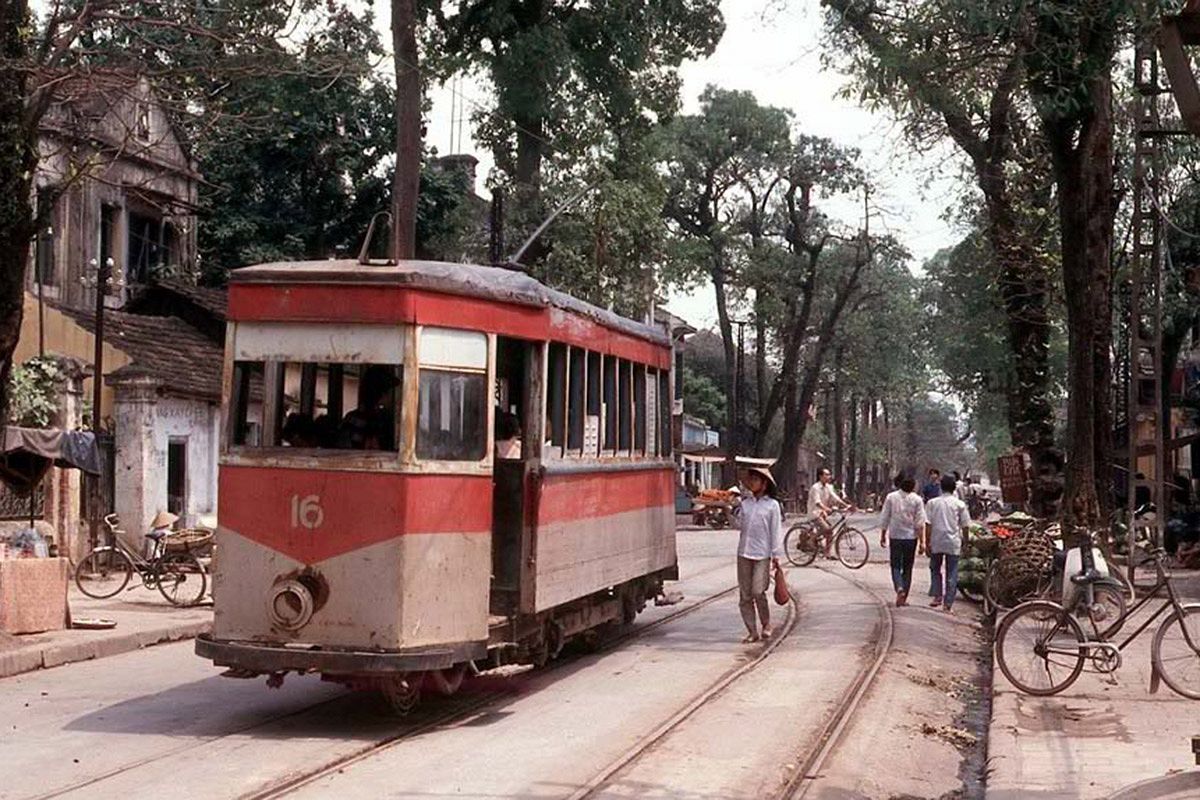
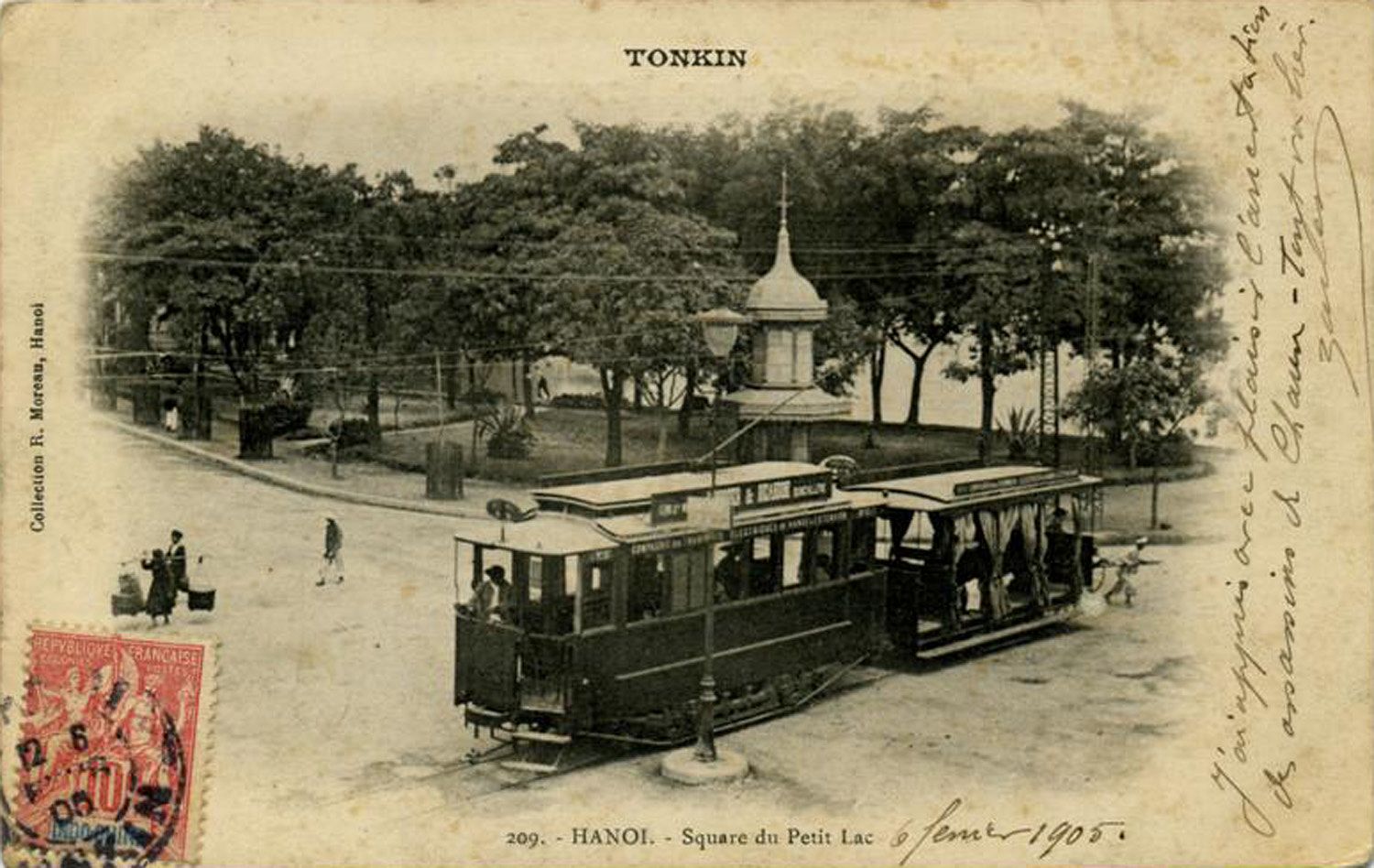
When they first drew up plans for a citywide tramway network in 1894, it seemed as though the Hanoi authorities would follow Saigon’s example by opting for steam traction. Yet, by the time government approval was forthcoming in 1899, advances in technology made it possible to construct the entire system as a state-of-the-art, one-meter gauge electric tramway.
In 1900, the Compagnie des Tramways Électriques d’Hanoï et Extensions (CTEH) was to set up to build the first two tramway lines, which were jointly inaugurated in November 1901.
Tiếp tục đọc “The History of Hanoi’s Lost Tramway Network”

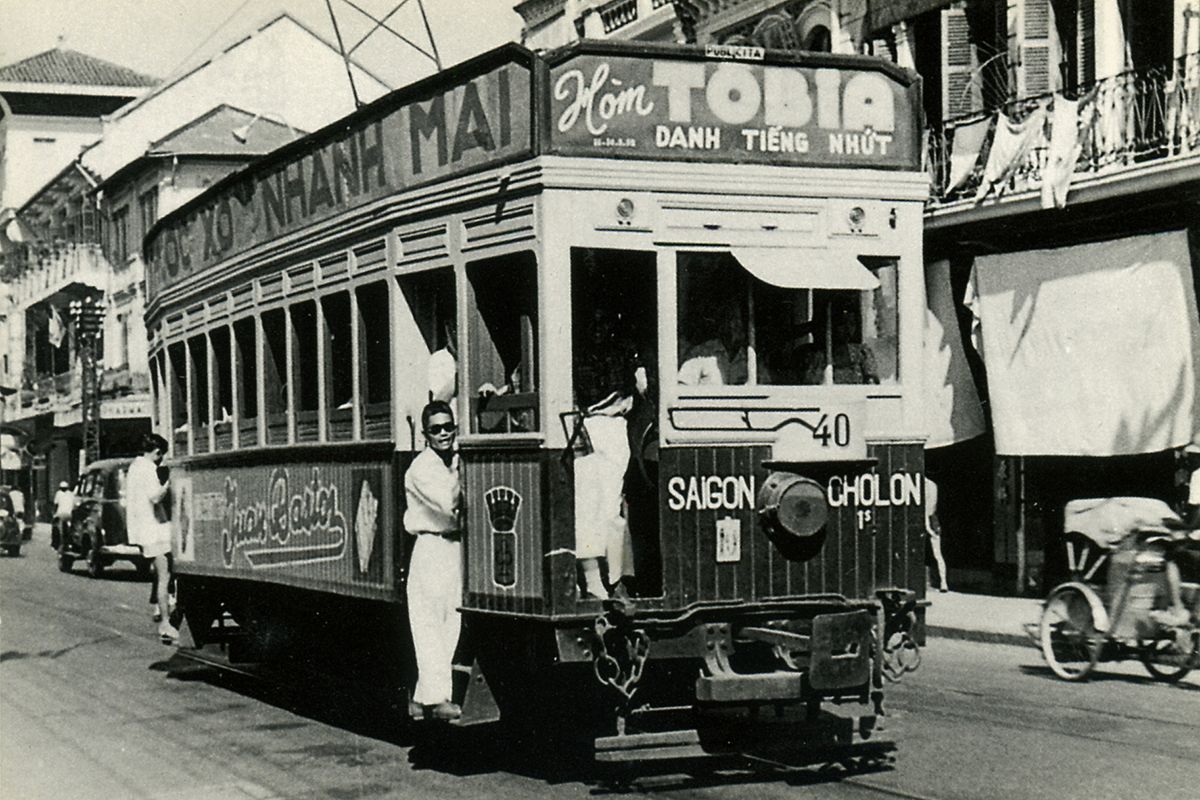
As ever-increasing levels of traffic congestion and air pollution turn many of Ho Chi Minh City’s road junctions into choking bottlenecks, many hopes are pinned on plans to construct a new urban railway network in the southern metropolis. Yet urban railways are hardly a new concept in this city, which was once home to one of Southeast Asia’s largest urban tramway networks.
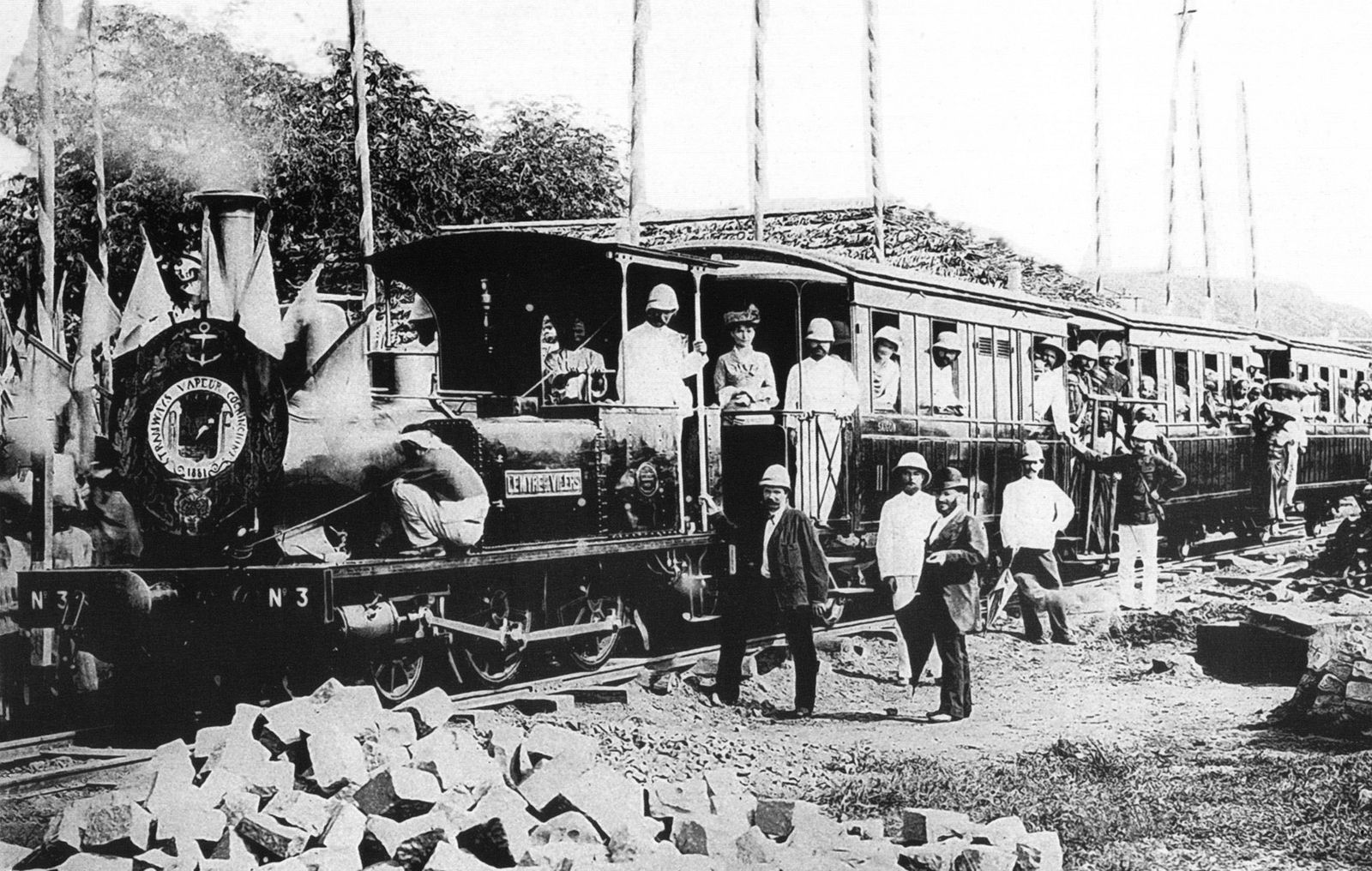
Indochina’s first mechanized rail-guided transportation system was the one-meter gauge Saigon–Cho Lon “high road” steam tramway, operated by the Societe Generale des Tramways a Vapeur de Cochinchine (SGTVC) and opened to the public on December 27, 1881.
Tiếp tục đọc “A Throwback to Saigon’s Original Tramway Network”
***
Du lịch Huế – Bài 1: Những gam màu chưa chịu sáng
04/07/2018 15:56

LTS: Sở hữu gần 900 di tích, trong đó có 87 di tích được công nhận là di tích cấp quốc gia và 60 di tích cấp tỉnh. Đặc biệt, tháng 12.1993 Quần thể di tích của Cố đô được UNESCO công nhận là Di sản Văn hóa Thế giới và đến tháng11.2003, văn hóa Huế một lần nữa được đăng quang khi Âm nhạc cung đình Huế: Nhã nhạc (triều Nguyễn) đã được UNESCO ghi tên vào danh mục các kiệt tác di sản phi vật thể của nhân loại. Điều đó chứng tỏ Huế đang sở hữu những di tích vào hàng bậc nhất ở cấp quốc gia và di sản mang giá trị ở tầm thế giới. Nhưng tỷ lệ nghịch với tiềm năng, thực tế ngành du lịch Huế trong những năm gần đây bị đánh giá là chậm phát triển và chưa tương xứng với tiềm năng vốn có. Vậy những nguyên nhân nào đã dẫn đến thực tế trên? Tiếp tục đọc “Du lịch Huế – 5 bài”
NĐT – 12:07 | Thứ sáu, 06/07/2018 1

VietNamNet Bridge – The scenery surrounding Gieng Troi (The Well of Heaven) is so beautiful and pristine that all travelers coming to the site not only feel tranquil, but also respectful to the nature all around.
![]() |
| Raft rewards: People sail on rafts on the stream. |
Travel blogger Nguyen Ca Dao and his friends decided to discover the site during the weekend in a bid to hide from the crowded city and their day to day busy lives. Tiếp tục đọc “Well of heaven – a big mystery to discover”
Ba Danh pagoda in the northern province of Ha Nam is set among stunning natural scenery, with a tranquil atmosphere and magnificent ancient architecture.
Ba Danh pagoda, known as Bao Son, is located in Danh hamlet, Ngoc Son commune, Kim Bang district in the northern province of Ha Nam. Tiếp tục đọc “Ancient architecture and natural beauty of Ba Danh pagoda in Ha Nam” |
VNA – 10/07/2018 00:01 GMT+7
Trong hơn một thập kỷ qua, Việt Nam đã có những chính sách và hành động được thế giới đánh giá cao, cụ thể như tuyền truyền nâng cao nhận thức cộng đồng, thành lập các trung tâm cứu hộ động vật hoang dã trong việc thực thi những cam kết về bảo vệ các loài động vật hoang dã, quý hiểm trong sách đỏ.
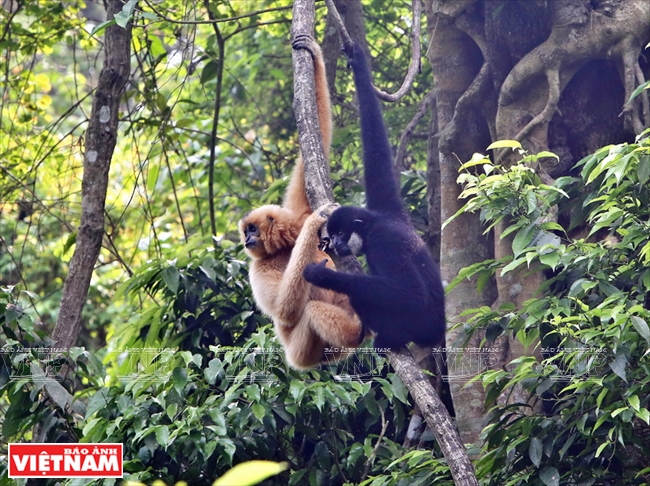
Trung tâm cứu hộ Linh Trưởng nguy cấp (EPRC) Cúc Phương hiện đang có 6 loài linh trưởng quý hiếm mà không nơi nào trên thế giới nuôi nhốt bảo tồn được. Ảnh: Công Đạt Tiếp tục đọc “Bảo vệ động vật hoang dã ở Việt Nam”