| East China Sea Tensions: Approaching a Slow Boil
Mounting tensions over the disputed Senkaku Islands have been a constant in Sino-Japanese relations since Tokyo purchased three of the five islands in 2012. For the last four years, Chinese coast guard vessels have regularly patrolled in the vicinity of the East China Sea islands and have often entered within the 12-nautical-mile territorial sea around the Senkakus, engaging in a cat-and-mouse game with their Japanese counterparts tasked with maintaining Tokyo’s control over the features. Meanwhile, People’s Liberation Army Air Force (PLAAF) patrols around the Senkakus and Japan’s southern islands have led to regular scrambles by the Japanese Air Self Defense Force. Tiếp tục đọc “CSIS – AMTI Brief – April 14, 2016” |
Chuyên mục: CSIS
CSIS Southeast Asia SIT-REP, April 9, 2016
CSIS Southeast Asia SIT-REP
This issue includes an analysis of Myanmar’s foreign policy outlook under the National League for Democracy government, an explainer on the Philippine presidential elections, and analyses on Vietnam’s challenges in dealing with China and the ASEAN Economic Community 2025’s blueprint, and much more. Links will take you to the full publications, multimedia, or to registration for upcoming programs when available. To jump to a section, select one of the following: Tiếp tục đọc “CSIS Southeast Asia SIT-REP, April 9, 2016”
CSIS – AMTI Brief – March 31, 2016
Developing a Scarborough Contingency Plan
by Gregory Poling and Zack Cooper
U.S. chief of naval operations Admiral John Richardson told Reuters on March 19 that the United States was monitoring increased Chinese activity around Scarborough Shoal. He warned, “I think we see some surface ship activity … survey type of activity … That’s an area of concern … a next possible area of reclamation.” Tiếp tục đọc “CSIS – AMTI Brief – March 31, 2016”
CSIS – Southeast Asia from Scott Circle – March 31, 2016
![]() |
Foreign Minister Aung San Suu Kyi Has China, Myanmar’s Military WatchingBy Phuong Nguyen (@PNguyen_DC), Associate Fellow, Chair for Southeast Asia Studies (@SoutheastAsiaDC), CSIS March 31, 2016 Myanmar experienced a number of firsts over the past week. The Union Parliament—which now counts former political prisoners, doctors, businesspeople, and poets among its ranks—on March 24 approved a new cabinet to serve under the incoming National League for Democracy (NLD) government, the first civilian government to rule the country in over 50 years. In a speech on Armed Forces Day on March 27, Commander-in-chief General Min Aung Hlaing urged Myanmar’s military to cooperate with the incoming government to help fulfill “the country’s fundamental needs of stability, solidarity, and development.” Tiếp tục đọc “CSIS – Southeast Asia from Scott Circle – March 31, 2016” |
Global Infrastructure Development
-
A Strategic Approach to U.S. Leadership
Contributor: Charles F. RiceMar 28, 2016China’s recent global infrastructure development initiatives serve to place it at the center of Asian regional and worldwide economic activity, while also meeting a critical need in the developing world. In marked contrast, the United States lacks a strategic approach to supporting global infrastructure investment. While the U.S. government does have the instruments in place to increase support for infrastructure investment, there is little coordination among relevant agencies, including the Overseas Private Investment Corporation, the Trade and Development Agency, and the Export-Import Bank. This report examines how the United States has approached infrastructure development in the past and how it is approaching it today with an eye toward practical recommendations to improve the United States’ ability to support infrastructure investment.
Publisher CSIS
President Xi Jinping’s “Belt and Road” Initiative
-
A Practical Assessment of the Chinese Communist Party’s Roadmap for China’s Global Resurgence
Mar 28, 2016President Xi Jinping’s “Belt and Road” Initiative highlights the influences shaping the genesis of the “One Belt, One Road” initiative, examines the balance China is seeking to strike between geostrategic ambitions and practical economic aims, and explores the mechanisms the Xi administration is establishing to manage its implementation. The report concludes by assessing potential pitfalls and making the call for an innovative U.S. approach to global infrastructure development.
Publisher CSIS
CSIS: Asia Maritime Transparency Initiative, March 22, 2016
|
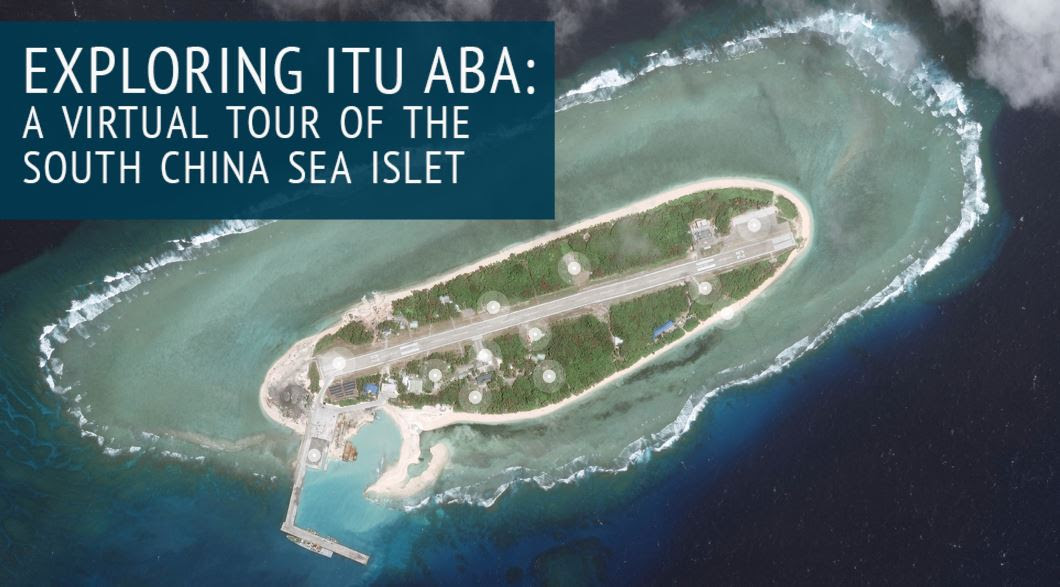
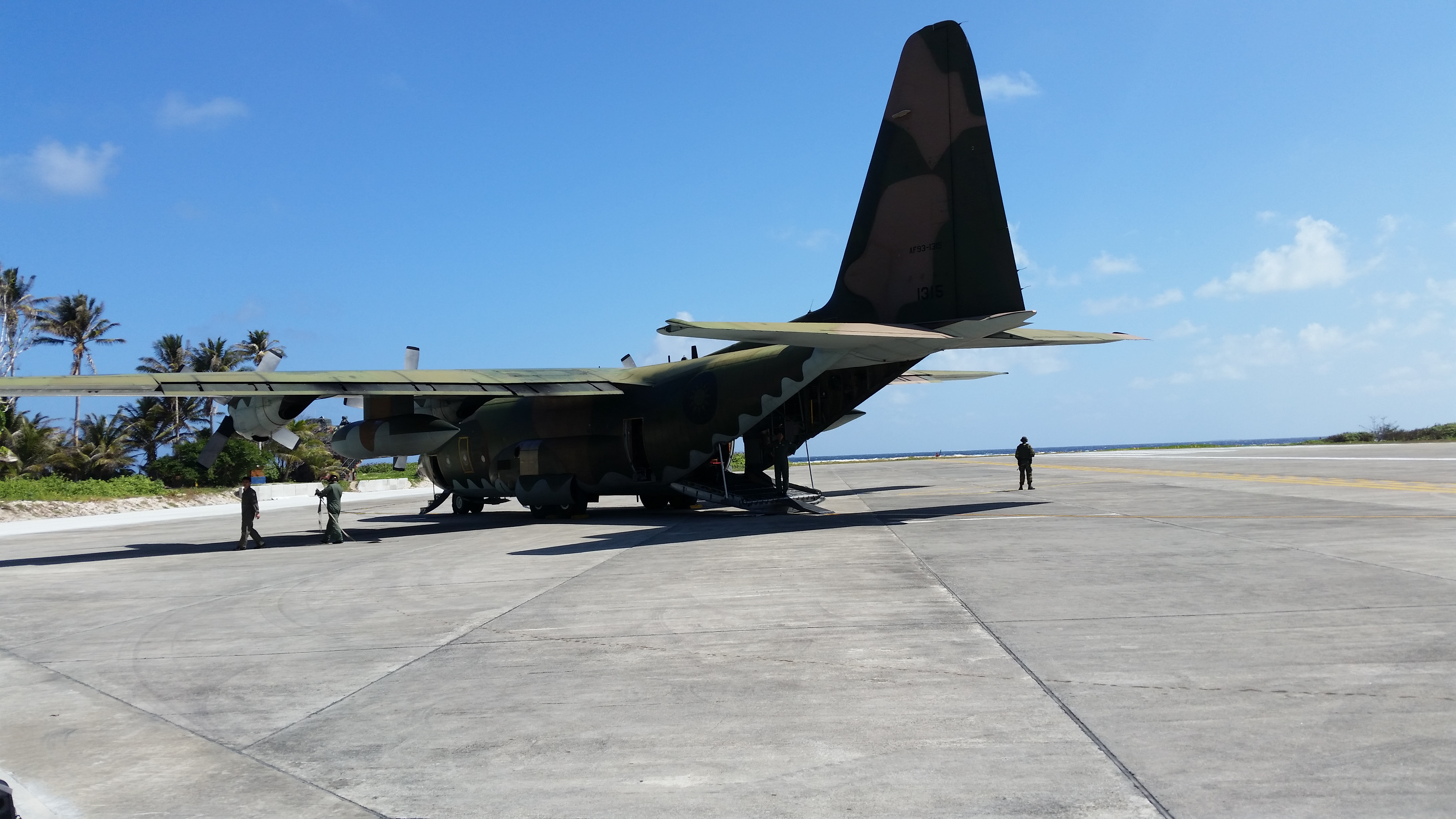
Is There Drinkable Water and Topsoil on Itu Aba?

Tiếp tục đọc “Is There Drinkable Water and Topsoil on Itu Aba?”
Will Indonesia, Provoked, Now Choose to Lead on the South China Sea?
A confrontation between Indonesian and Chinese law enforcement vessels in the South China Sea over the weekend could mark a turning point in Indonesian foreign policy under President Joko “Jokowi” Widodo, forcing him to choose between two of his top priorities: attracting foreign investment – particularly Chinese investment – to fund his ambitious infrastructure agenda; and a more assertive defense of Indonesian territorial integrity and sovereignty over its natural resources. That, in turn, could herald a significant shift in diplomacy over the South China Sea. Tiếp tục đọc “Will Indonesia, Provoked, Now Choose to Lead on the South China Sea?”
Japan: How Energy Security Shapes Foreign Policy
thediplomat_Five years after the nuclear meltdown at Fukushima, public debates over nuclear power are still having an impact on Japan’s energy mix — and that, in turn, helps shape Japanese foreign policy. The Diplomat speaks with Jane Nakano, a senior fellow in the Energy and National Security Program at the Center for Strategic and International Studies, about the connection between Japan’s energy security concerns and its foreign policy decision making.
The Diplomat: What effect do you think the indictment and impeding trial of the three former TEPCO executives will have on the public debate in Japan over the future of nuclear energy? What other energy options does Japan have?
Nakano: The current public apprehension over, or opposition to, nuclear power generation in Japan seems to stem from their loss of trust in nuclear safety and governance. It is unclear as to what extent the indictment of TEPCO officials five years later may serve to restore the public confidence in nuclear safety and governance.
Diversification will remain to be the key in enhancing Japan’s sense of energy security. As fossil fuels will remain important in Japan, as in most of the industrialized economies around the world, Japan is focused on using natural gas—which is the cleanest type of fossil fuels—and advancing clean coal technologies while promoting the greater use of wind and solar.
How dependent is Japan on oil imports from the Middle East, and how does this shape Japan’s foreign policy approach to the region? Tiếp tục đọc “Japan: How Energy Security Shapes Foreign Policy”
CSIS: Southeast Asia from Scott Circle – March 17, 2016
Southeast Asia Dances to the Tune of Japan’s Abe DoctrineBy Phuong Nguyen (@PNguyen_DC), Associate Fellow, Chair for Southeast Asia Studies (@SoutheastAsiaDC), CSIS March 17, 2016 In Southeast Asia, Japan can be said to enjoy unrivaled popularity. According to the 2015 Pew Global Attitudes survey, an average of about 80 percent of respondents surveyed across four Southeast Asian countries said they hold a favorable view of Japan. While China’s expanding military footprint in the disputed South China Sea has a headline-grabbing impact, Japan’s influence in this critical region is felt more steadfastly, but increasingly so, in recent years. Tiếp tục đọc “CSIS: Southeast Asia from Scott Circle – March 17, 2016” |
CSIS Southeast Asia SIT-REP, March 10, 2016
This issue includes an overview of U.S. policy toward Myanmar as the National League for Democracy government prepares to take power, and analyses on Australia’s 2016 Defence White Paper, Prime Minister Malcolm Turnbull’s shift on the South China Sea, and the role of ASEAN in defending rules and norms in the South China Sea. Links will take you to the full publications, multimedia, or to registration for upcoming programs when available. To jump to a section, select one of the following:
- Commentaries on Myanmar
- CogitAsia articles covering Australia, the South China Sea, and China
Commentaries
Deep insight into developments that move the dial
“Aung San Suu Kyi Is Key to Further Unlocking of U.S. Sanctions against Myanmar,” by Murray Hiebert (@MurrayHiebert1) Tiếp tục đọc “CSIS Southeast Asia SIT-REP, March 10, 2016”
CSIS Southeast Asia Sit-Rep – Feb 25, 2016
CSIS Southeast Asia Sit-Rep
This issue includes a preview of key developments related to the South China Sea this year, analyses on the path forward for the peace process in southern Philippines and the recent U.S.-ASEAN Special Leaders’ Summit in Sunnylands, and much more. Links will take you to the full publications, multimedia, or to registration for upcoming programs when available. To jump to a section, select one of the following:
- Commentaries on South China Sea
- CogitAsia articles covering the Philippines, the South China Sea,China, and ASEAN
- Recent Programs on China, and the Asia-Pacific
- Upcoming Programs on ASEAN, Vietnam, and Laos
CSIS: U.S. Shale Gas Sets Sail…Now What?
-
FEB 25, 2016On February 24, a tanker carrying liquefied natural gas (LNG) left the Sabine Pass LNG terminal off the coast of Louisiana. The first LNG cargo from Cheniere Energy Inc.’s Sabine Pass LNG Project is a significant milestone for the U.S. energy industry, marking the dawn of shale-based LNG exports by the United States. What other implications does the Sabine Pass export have for the United States? Does the shipment foretell the economic viability of U.S. LNG projects or the competitiveness of U.S. LNG exports? This Critical Question illustrates the significance of the Sabine Pass LNG shipment and considers the opportunities and challenges for the U.S LNG export business in the period of low energy prices. Tiếp tục đọc “CSIS: U.S. Shale Gas Sets Sail…Now What?”
CSIS: AMTI Brief – February 22, 2016
Another Piece of the Puzzle: China Builds New Radar Facilities in the Spratly Islands
China’s airstrip construction at Fiery Cross, Mischief, and Subi reefs, and more recently developments in the Paracel Islands, have dominated the South China Sea discussion. But capabilities being developed at its smaller Spratly Island outposts—Gaven, Hughes, Johnson South, and especially Cuarteron reefs—will prove equally important to Beijing’s long-term strategy. Tiếp tục đọc “CSIS: AMTI Brief – February 22, 2016”