VNY – Aug 28, 2016
Nếu đảng đối lập của Campuchia chiến thắng đảng của Hunsen, liệu rằng đất nước này có đi vào con đường thù địch với Việt Nam như thời Polpot hay không?
Conversations on Vietnam Development

VNY – Aug 28, 2016
Nếu đảng đối lập của Campuchia chiến thắng đảng của Hunsen, liệu rằng đất nước này có đi vào con đường thù địch với Việt Nam như thời Polpot hay không?
09:23 | 25/08/2016
Việc bà Aung San Suu Kyi – Cố vấn Nhà nước, Bộ trưởng Ngoại giao, Bộ trưởng Văn phòng Tổng thống Myanmar, chọn Trung Quốc thay vì Mỹ trong chuyến công du ngoài ASEAN đầu tiên (từ 17-21/8) cho thấy ưu tiên chính sách đối ngoại hàng đầu của chính quyền Myanmar hiện nay là phát triển quan hệ với nước láng giềng Trung Quốc.
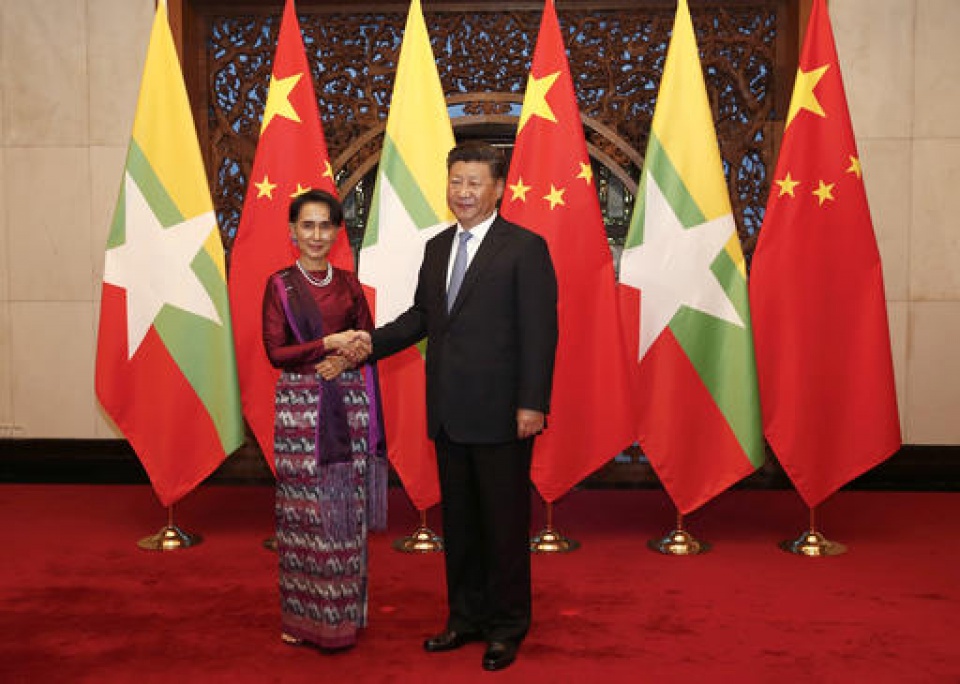 Bà Aung San Suu Kyi gặp Chủ tịch Trung Quốc Tập Cận Bình, ngày 19/8. (Nguồn: AP). Tiếp tục đọc “Quan hệ Myanmar – Trung Quốc sắp sang trang?”
NCBĐ – Thứ năm, 05 Tháng 11 2015 10:15
Có 2 lý do lý giải tại sao Việt Nam nên được đặt ưu tiên trong chính sách đối ngoại của Úc: Thứ nhất, Úc là cường quốc bậc trung cần phải đa dạng hóa các mối quan hệ. Thứ hai, giống như Việt Nam, Úc phải tìm cách quản lý, kiểm soát quan hệ với cả Mỹ và Trung Quốc vì những lý do lịch sử, kinh tế và chiến lược.
 Tiếp tục đọc “Những lợi ích chung trong mối quan hệ gần gũi hơn giữa Úc và Việt Nam”
VNY – Aug 26, 2016
Sau một loạt các hành động xích lại gần Trung Quốc của Campuchia, nhiều cư dân Việt đã đặt ra câu hỏi rằng có khi nào Campuchia sẽ giúp Trung Quốc đánh Việt Nam từ sau lưng hay không?
VNY – Aug 25, 2016
Việt Nam hiện đang có lực lượng đồn trú trên 21 điểm gồm đảo nổi, bãi đá ngầm, rạn san hô, là nước kiểm soát nhiều nhất các thực thể địa lý ở quần đảo Trường Sa.
05/08/2016 – 07:08 AM

Mekong không còn là vấn đề song phương giữa hai nước Lào – Việt Nam, mà cốt lõi là một sách lược Việt Nam đối với Trung Quốc trong toàn cảnh địa – chính trị hiện nay. Sự sống còn của Việt Nam, trong đó có đồng bằng sông Cửu Long (ĐBSCL) phải là ưu tiên số một trong mọi nghị trình của Bộ Chính trị, của Quốc hội và của cả Chính phủ. Tiếp tục đọc “Pak Beng – quân cờ domino thứ ba trong chuỗi đập Mekong”

Lãnh đạo các nước BRICS tại một cuộc họp thượng đỉnh.
***
K1: Giấc mơ BRIC
(ĐTTCO) – Tháng 9 năm nay đánh dấu tròn 10 năm bộ trưởng ngoại giao các nước BRIC (Brazil, Nga, Ấn Độ và Trung Quốc) họp mặt lần đầu tiên, mở màn cho các cuộc họp cấp cao sau đó của khối này. Khối này ra đời với những kỳ vọng rất lớn từ chính các thành viên lẫn những nhà đầu tư quốc tế, tuy nhiên liệu kỳ vọng đó đang thành hình, hay dần biến thành ảo mộng? Tiếp tục đọc “BRICS: Kỳ vọng và ảo mộng – 2 kỳ”
VNY – Aug 24, 2016
Đây là câu hỏi mà rất nhiều người đã tự hỏi hoặc đã tìm kiếm trên mạng. Các cơ quan tuyên truyền nhà nước đã không có lời đáp chính thức nên bỏ trống trận địa cho các luồng thông tin xuyên tạc về chủ đề này tha hồ hoành hành, nào là có ông cốp nào đó ra lệnh không được bắn trả TQ, nào là lãnh đạo Việt Nam đã bán đất bán biển cho Tàu, vân vân và vân vân…

Tiếp tục đọc “Hoàng Thành Thăng Long, quá khứ và tương lai – 3 kỳ”
VNY – Aug 23, 2016
Ngày nay một số thông tin nói rằng năm 1988 Việt Nam mất Gạc Ma là vì một vị lãnh đạo cấp cao nào đó đã ra lệnh cho bộ đội không được bắn trả quân Trung Quốc. Nhưng điều này liệu có đúng với thực tế diễn biến trận đánh đã diễn ra năm đó không?
The territorial tensions that are inflaming relations between China and its neighbours are due in part to a collapse in local fish stocks, which is pushing the Chinese fishing fleet into conflict with nearby states.
Friction between China and Japan in the East China Sea tends to flare shortly after China’s annual summer fishing ban — imposed to protect domestic fisheries — is lifted at the start of August. Similarly, diplomatic and military jostling in the South China Sea plays out against a backdrop of a steady stream of Chinese fishing boats captured in the waters of Indonesia and the Philippines, in what the Chinese foreign ministry has called China’s “traditional fishing grounds”.
Tiếp tục đọc “Chinese fishermen caught up in Asian geopolitical conflict”
Chủ nhật, 21/8/2016 | 10:00 GMT+7
VE – Chuyên gia hàng đầu về Mekong khẳng định các đập thủy điện của Trung Quốc giữ lại nước nhằm giảm lũ ở hạ nguồn gây tác động xấu đối với Việt Nam.

Tiếp tục đọc “Chuyên gia Việt cảnh báo tác hại khi Trung Quốc ‘giữ lũ’ Mekong”
VNY – Aug 21, 2016
Sau khi phân giới cắm mốc trên biên giới Việt Nam Trung Quốc xong, trên mạng xuất hiện một số thông tin tuyên truyền rằng Việt Nam đã để mất đất cho Trung Quốc ở một số nơi như ải Nam Quan, thác Bản Giốc và núi Lão Sơn (điểm cao 1509 ở Vị Xuyên – Hà Giang). Vậy sự thực ra sao?
Tiếp tục đọc “VN có mất đất cho TQ ở Nam Quan, Bản Giốc và Lão Sơn không?”
VNY – Aug 17, 2016
Hôm 16/8 vừa qua, mạng Sina đăng 1 bài đánh giá về radar vostok-E của Việt Nam và đặt trong tương quan so sánh với máy bay tàng hình J-20 của họ.
VNY – Aug 13, 2016
Đánh giá về việc Việt Nam đưa bệ phóng tên lửa ra Trường Sa, các chuyên gia của cả Nga và Mỹ đều cho rằng đây là động thái nhằm gửi thông điệp mạnh mẽ đến Trung Quốc.
 CVD
CVD 