September 8, 2020 — Asia Society Policy Institute Vice President for International Diplomacy and Security Daniel Russel examines some of the findings of ASPI’s new report Weaponizing the Belt and Road Initiative. The report explores relevant Chinese doctrine, highlights the involvement of China’s People’s Liberation Army with the BRI, and assesses the potential military and geostrategic advantages China accrues from BRI ports and other projects. (9 min., 59 sec.)
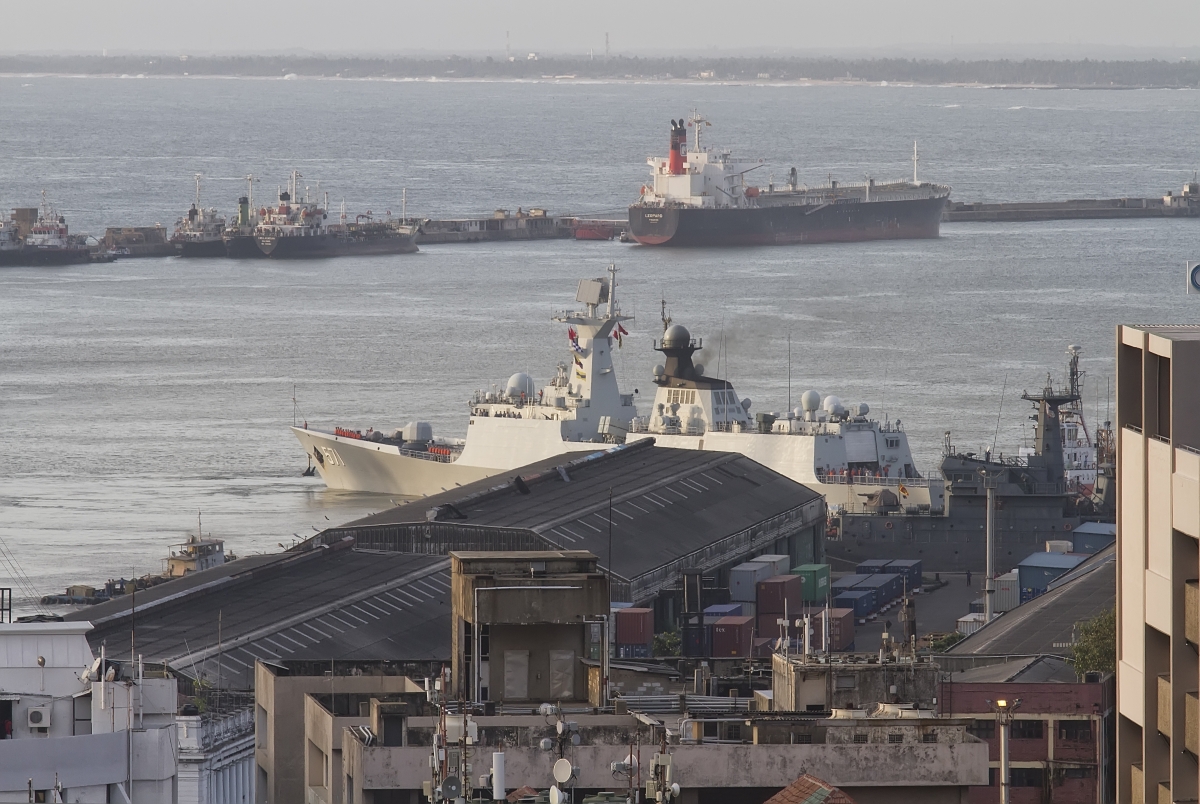
Chinese navy frigate Yuncheng 571 departing from Colombo’s port Sri Lanka. The Type 054A (NATO codename Jiangkai II) frigate is a Chinese multi-role warship class, the first of which entered service with the People’s Liberation Army Navy (a.v.Photography/Getty Images)
September 8th, 2020
China’s Belt and Road Initiative (BRI), launched by President Xi Jinping in 2013, is a massive international infrastructure program involving nearly 140 countries with over an estimated $1 trillion in projects related to energy, transportation, digital networks, and trade.
Chinese leaders frame the BRI as “win-win” cooperation focused solely on development and connectivity. Beijing has gone to great lengths to minimize BRI’s links to the People’s Liberation Army and to downplay the initiative’s geostrategic overtones. Nevertheless, many governments have become worried about ulterior motives behind BRI projects, many of which have dual-use commercial-military capabilities and are increasingly connected to Chinese digital technologies and networks and satellite systems.
The Asia Society Policy Institute’s – Weaponizing the Belt and Road Initiative – examines key BRI projects in the Indo-Pacific and explores relevant Chinese doctrine, the involvement of the People’s Liberation Army with BRI, and assesses the potential military and geostrategic advantages to China from BRI ports and other projects.
This project is led by ASPI Vice President for International Security and Diplomacy Daniel Russel, with support from ASPI Senior Program Officer Blake Berger. The project and the report benefitted from advisement from experts and officials in Singapore, Australia, Japan, Vietnam, China, and the United States as well as to the expert advisory group whose distinguished members generously shared their time and wisdom to support this effort.
Hơn ai hết, có bốn nhân vật đã định hình “căng thẳng chiến lược” thường được nhắc đến về Biển Đông
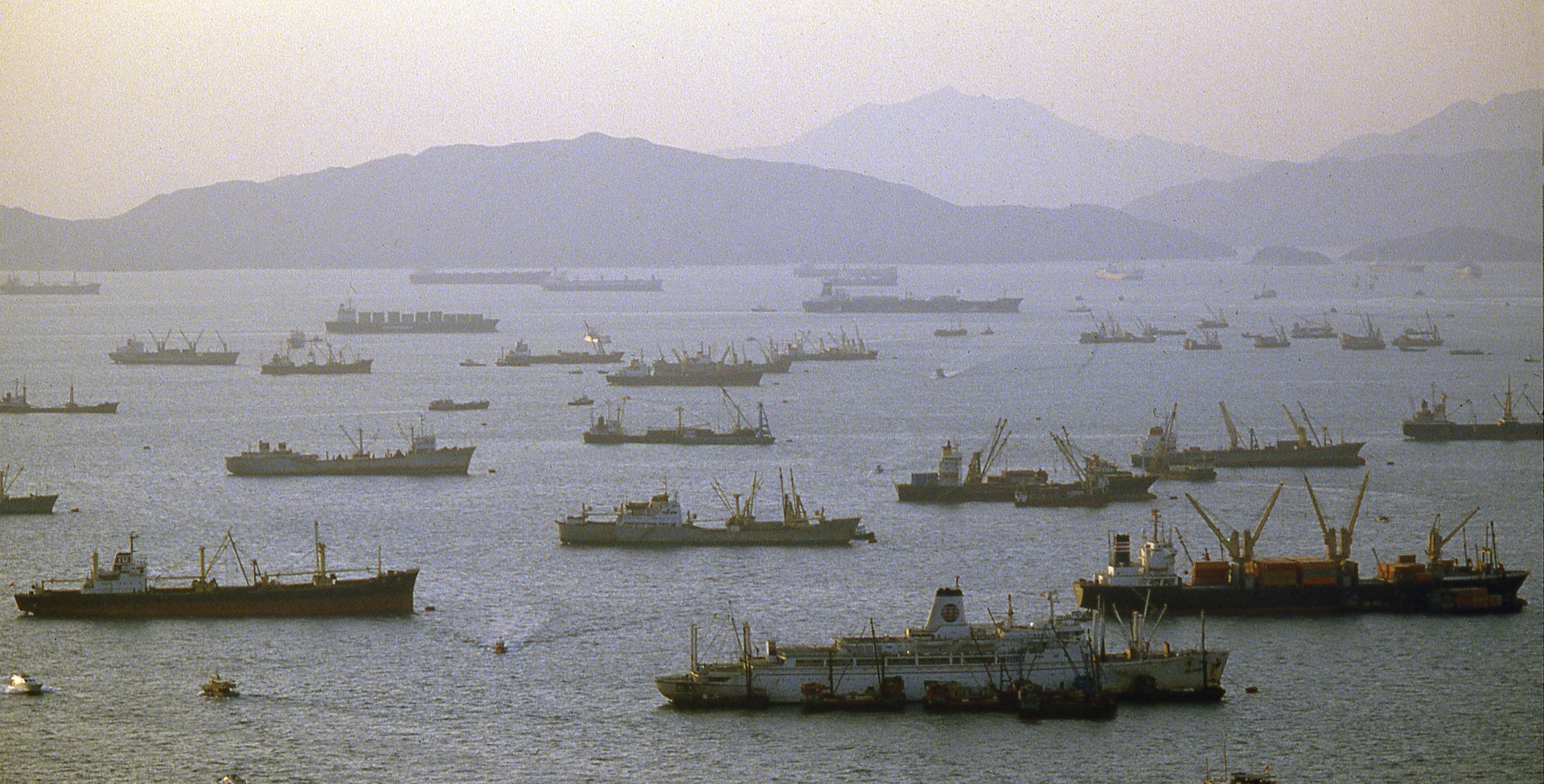
Biển Đông là vùng lãnh hải quan trọng nhất cho nền kinh tế thế giới — nơi mà ít nhất một phần ba thương mại toàn cầu thông thương qua lại. Đây cũng là vùng biển nguy hiểm nhất thế giới, nơi mà quân đội Hoa Kỳ và Trung Quốc có thể dễ dàng va chạm nhất.
Các tàu chiến của Trung Quốc và Mỹ gần như chỉ ngăn chặn được một số sự cố ở đó trong vài năm qua, và quân đội Trung Quốc đã cảnh báo về các máy bay phản lực của Mỹ bay phía trên. Vào tháng 7, hai quốc gia đã tiến hành các cuộc tập trận hải quân cạnh tranh trong vùng biển này. Với việc được gọi là “cạnh tranh chiến lược” ngày càng tăng giữa Washington và Bắc Kinh, nỗi lo sợ về một tai nạn có thể châm ngòi cho một cuộc đối đầu quân sự lớn hơn khiến các nhà chiến lược ở cả hai bên phải bận tâm.
Những căng thẳng này xuất phát từ bất đồng giữa hai nước về việc liệu Biển Đông có phải là lãnh thổ của Trung Quốc hay không, một cuộc cãi vã nói lên tranh chấp sâu sắc hơn về chủ quyền vùng biển, chủ quyền được quyết định ra sao, và các quyền di chuyển cơ bản trong các vùng biển đó. Tiếp tục đọc “BIỂN ĐÔNG: VÙNG BIỂN QUAN TRỌNG NHẤT TRÊN THẾ GIỚI”→
The Central Tibetan Administration welcomed the Tibetan Policy and Support Act passed by the US Congress, calling it a historic move and a clear message to China
The US Congress has passed a law that reaffirms the right of Tibetans to select the successor to His Holiness Dalai Lama.(Sonu Mehta/HT PHOTO)
The US Congress has passed a bill that reaffirms the right of Tibetans to choose a successor to their spiritual leader, the Dalai Lama. The law has been described by Dharamshala, the seat of the Tibetan government-in-exile, as a historic move and a clear message to China.
The Tibetan Policy and Support Act of 2020 (TPSA), which was passed by the US Senate, calls for the establishment of a US consulate in Tibet’s main city of Lhasa and underlines the absolute right of Tibetans to choose a successor to the Dalai Lama.
TTCT – “Vui sướng nhất thế giới hiện giờ là các lãnh đạo Trung Quốc…” – Phải chăng phát biểu của Tổng thống Donald Trump phản ánh quan hệ giữa ông và Bắc Kinh vào cuối trào? Phải chăng cơn lốc trừng phạt Trung Quốc vừa rồi của ông chỉ là những nước đi cuối trước khi dẹp bàn cờ?
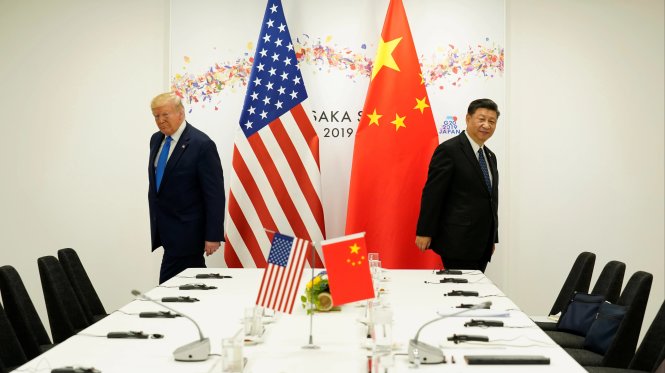
Ông Tập Cận Bình (phải) và ông Donald Trump ở hội nghị G20 Osaka, Nhật Bản 2019. Ảnh: Reuters
Song, có lẽ chính ông Trump cũng là một trong những nhà lãnh đạo “sung sướng” nhất hiện nay. Thứ bảy tuần rồi 5-12 tại Valdosta, bang Georgia, ông đi gặp các fan cứng trong một cuộc mittinh mà báo chí gọi là “cuộc tập hợp quần chúng đầu tiên kể từ bầu cử hôm 3-11”.
Số là ông đi vận động tranh cử cho hai thượng nghị sĩ cùng Đảng Cộng hòa trong cuộc bầu cử ở bang này sắp tới, mà nếu thắng, đảng của ông sẽ tiếp tục giữ được ưu thế ở Thượng viện. Trong khung cảnh toàn “người nhà” đó, ông có “bông đùa” chút cũng chẳng sao.
Vấn đề là ông không chỉ nói tới các nhà lãnh đạo Trung Quốc, mà còn nêu danh cả lãnh đạo Iran, cho thấy thiệt ra ông đang rất nghiêm chỉnh và chuyện trừng phạt Trung Quốc của ông không hề là do tùy hứng cá nhân.
Tất nhiên, cùng với Tổng thống Trump, còn có Ngoại trưởng Mike Pompeo. Ông Pompeo là ngoại trưởng cuối cùng của trào Trump và có thái độ gay gắt với Trung Quốc hơn nhiều so với những người tiền nhiệm. Tiếp tục đọc “Cơn thịnh nộ cuối cùng của ông Trump”→
CNA FILE PHOTO: An attendant walks past EU and China flags ahead of the EU-China High-level Economic Dialogue at Diaoyutai State Guesthouse in Beijing, China on Jun 25, 2018. (Photo: REUTERS/Jason Lee)
Taipei [Taiwan], December 3 (ANI): Despite the attempts by the authoritarian Chinese Communist Party (CCP) to curb freedom of expression, right to information, association and religion in Tibet, there has been a rise in domestic social media giving platform to voices challenging the government-sponsored news.
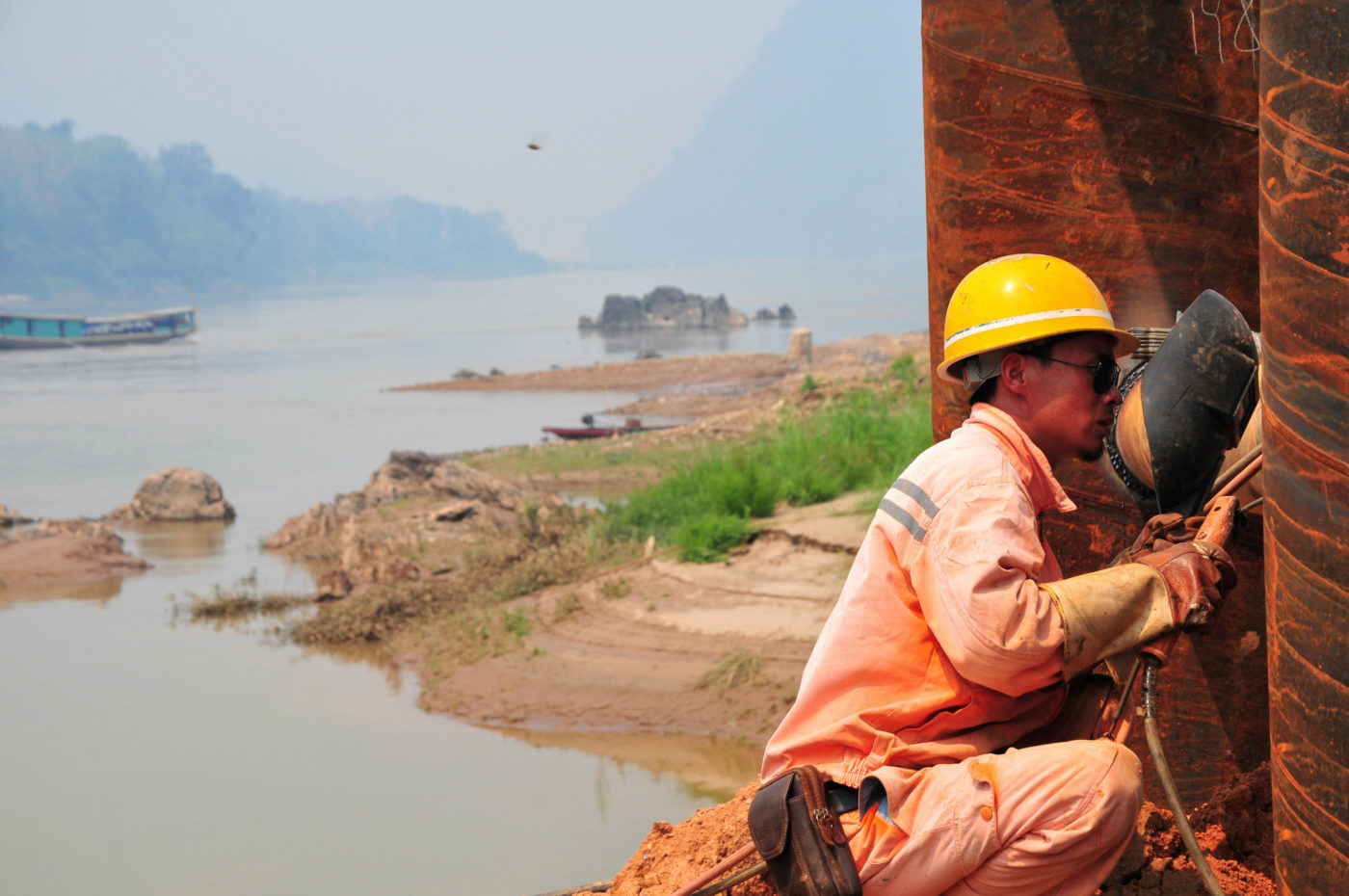
Một người thợ hàn làm việc trên cầu bắt ngang sông Mekong,
một phần của đường sắt cao tốc Trung Hoa-Lào. [Ảnh: Alamy]
Tác giả của Dưới Bóng Rồng (In the Dragon’s Shadow) nói với China Dialogue về ảnh hưởng ngày càng tăng của Trung Hoa và các dự án hạ tầng đầy tranh cãi trong khu vực.
Với các hệ quả lớn lao cho các cuộc bầu cử sắp tới ở Myanmar cùng với việc Hoa Kỳ nhảy vào việc cai quản dòng sông, khu vực Mekong đã trở thành một nơi tranh chấp cho các mục tiêu rộng lớn hơn của Trung Hoa ở Đông Nam Á (ĐNA).
Quyển sách mới của Sebastian Strangio, Dưới Bóng Rồng: ĐNA trong Thế kỷ Trung Hoa, dựa trên hơn một thập niên tường trình trong khu vực để khám phá ảnh hưởng của Trung Hoa từ Lào cho đến Indonesia. Đặc biệt là khu vực Mekong, có biên giới và lịch sử lâu dài với nước nầy và đang chụp lấy các dự án hạ tầng cơ sở quan trọng được Trung Hoa và các chánh phủ sở tại hậu thuẫn.
Sebastian Strangio, tác giả của Dưới Bóng Rồng: ĐNA trong Thế kỷ Trung Hoa
China Dialogue nói chuyện với Strangio về những thách thức mà Myanmar, Việt Nam, Cambodia, Thái Lan và Lào đang đối mặt.
Cuộc phỏng vấn được hiệu đính và cô động cho rõ ràng.
!–more–>
China Dialogue: Khi cuộc bầu cử ở Myanmar đến gần, đầu tư vào hạ tầng cơ sở của Trung Hoa đóng một vai trò nổi bật đối với nguy cơ của đảng Liên minh Dân chủ Quốc gia (National League for Democracy (NLD)). Làm thế nào NLD có thể quay mặt với các dự án hạ tầng cơ sở có ảnh hưởng lớn của Trung Hoa trong tương lai gần?
Strangio: Kể từ khi cuộc khủng hoảng Rohingya bùng nổ giữa 2016 và 2017, phản ứng của các quốc gia Tây phương đối với việc đàn áp khủng khiếp và man rợ nầy đã tạo bất hòa với Myanmar và cho phép Trung Hoa lấy lại phần đất đã mất trong thời gian nước nầy mở cửa về phía Tây trong năm 2011-12.
Trung Hoa đã đi một bước dài với ý định làm sống lại các dự án hạ tầng cơ sở bị đình chỉ và đẩy mạnh mục tiêu dài hạn của họ để thiết lập một hành lang trên bộ từ Yunnan (Vân Nam) đến Ấn Độ Dương. Đã có một số tiến bộ trong các dự án nầy, và Hành lang Kinh tế Trung Hoa-Myanmar được thiết lập như một hạng mục bao quát cho nhiều dự án hạ tầng cơ sở và kết hợp nầy.
Trên thực tế, không thực hiện được bao nhiêu. Cái ấn tượng chung của mọi người là chánh phủ Myanmar rất cẩn thận về các hệ quả của các dự án nầy. Mặc dù lệ thuộc nặng nề vào Trung Hoa, họ rất tinh tế để bảo đảm rằng các dự án nầy phục vụ quyền lợi của Myanmar. Tôi nghĩ chúng ta đã thấy việc tái thương lượng dự án cảng Kyaukpyu và cắt chi phí khoảng 6 tỉ USD. Chiến thắng gần như chắc của NLD trong các cuộc bầu cử sẽ duy trì mối liên hệ đầm ấm, nhưng tôi không nghĩ Trung Hoa sẽ được mọi thứ. Chánh phủ ở Naypyitaw rất cẩn trọng và lo ngại về việc quá lệ thuộc vào Beijing.
China Dialogue: Ông nghĩ chánh phủ Myanmar tức giận như thế nào về dự án đập Myitsone, với ảnh hưởng văn hóa và môi trường của nó?
Strangio: Một trong những lý do khiến đập Myitsone là cột thu lôi cho việc chống đối là vì việc đình chỉ là hành động công khai đầu tiên của chánh phủ để củng cố ràng buộc với Tây phương sau nhiều năm cô lập.
Chuyện hiếm thấy là người thiểu số như Kachin và người Burman đa số có thể đồng ý về – một vấn đề nhạy cảm của cả nước. Dự án Myitsone là một biểu tượng của chánh phủ bỏ qua quyền hạn và quyền lợi của các dân tộc thiểu số – trong việc phân phối điện bất công. Và sông Irrawaddy cũng là biểu tượng văn hóa của Myanmar, cái nôi của các nền văn minh cận đại. Ý nghĩ cho rằng nó sẽ bị bóp nghẹt bởi dự án đập khổng lồ của Trung Hoa cũng gây lo ngại lớn lao cho người đa số Burman.
Chánh phủ NLD ở trong tình thế khó khăn vì Trung Hoa muốn dự án tiếp tục lại và họ đã gây nhiều áp lực. Nhưng điều nầy sẽ gây thiệt hại lớn lao cho NLD vì dự án không được biết nhiều. Có thể nó sẽ được thu hẹp hay hủy bỏ để thay bằng các dự án thủy điện nhỏ hơn.
Ý kiến chống đập trong ngày cuối của chuyến viếng thăm Yangon của Xi Jinping
hồi tháng 1 năm 2020. [Ảnh: Alamy]
China Dialogue: Đồng bằng sông Cửu Long (ĐBSCL) ở rất xa 11 đập trên dòng chánh Mekong của Trung Hoa, nhưng thiêt hại nhiều nhất. Làm thế nào Việt Nam và các quốc gia Mekong khác có thể vận dụng việc cai quản xuyên biên giới tốt hơn để chống lại việc phát triển tàn phá trên Mekong?
Strangio: Rất khó vì đôi khi các đập của Trung Hoa là chuyện đã rồi (fait accompli). Đó là một thách thức vì các đập nầy đã được xây, thiệt hại đã xảy ra và các đập ở trong lãnh thổ Trung Hoa. Rất khó để kềm chế một siêu cường chỉ bằng luật lệ.
Nay, Trong Hoa có lợi thế lớn lao. [Các quốc gia Mekong] dựa vào nước chảy về phía nam của Trung Hoa. Nhưng tôi không rõ liệu Trung Hoa có ưu thế trong vấn đề nầy hay không. Với việc gia tăng công bố nhắm vào việc Trung Hoa bóp nghẹt dòng chảy sông Mekong, mặc dù có nghi vấn về kết quả của nghiên cứu, áp lực quốc tế lên vấn đề nầy càng ngày càng tăng. Đó có thể là lý do khiến Trung Hoa bắt đầu đáp ứng các quốc gia ở hạ lưu với lời hứa hợp tác chia sẽ dữ kiện. Nhưng tất cả hợp tác sẽ xảy ra tùy thuộc vào Beijing.
Rất khó để biết tổ chức nào như Ủy hội Sông Mekong, mà Trung Hoa không phải là thành viên, thật sự có thể làm để bó tay của Beijing. Tốt nhất, nó là một phần của chiến lược rộng lớn hơn nhằm làm áp lực với Trung Hoa về vấn đề nầy. Có cơ hội tốt để mọi thứ được cải thiện, và Trung Hoa sẽ minh bạch hơn về cái gì đang xảy ra với các đập ở thượng lưu, nhưng tôi nghĩ tất cả sẽ được thực hiện theo điều kiện của Trung Hoa.
China Dialogue: Hợp tác Hoa Kỳ-Mekong khá mới mẽ, ông nghĩ các quốc gia Mekong có thể được gì?
Strangio: Chánh phủ Hoa Kỳ đang tìm cách đối phó với Trung Hoa và không có gì ngạc nhiên với cam kết tài chánh và hứa hẹn cho khu vực, nhưng thành thật mà nói, nó là một tỉ lệ rất nhỏ so với cái mà Trung Hoa cung cấp qua cơ chế Hợp tác Lancang-Mekong (LMC), đi ra ngoài thủy học và chia sẻ dữ kiện. LMC đã trở thành một trụ cột chánh của BRI (Sáng kiến Vành đai và Con đường) và bao gồm các đặc khu kinh tế khổng lồ, cầu, đường sắt, đường ống và lưới điện.
Tôi thấy đây có vẻ là một dự án rất được hoan nghênh về phần của Hoa Kỳ, nhưng còn rất xa để chống lại ảnh hưởng lân cận của Trung Hoa với khu vực Mekong.
China Dialogue: Trong quyển sách, ông giải thích chi tiết về những thay đổi đã xảy ra trong thành phố Sihanoukville của Cambodia do đầu tư của Trung Hoa. Trong vài tuần qua, các nhà vận động môi trường đã bị bắt. Xã hội dân sự Cambodia có thể làm gì để chống lại?
Strangio: Nói thẳng ra, không có bao nhiêu. Chánh phủ Cambodia chưa bao giờ chấp nhận tính pháp lý của xã hội dân sự Cambodia trong việc lấy quyết định, cho dù đó là các dự án hạ tầng cơ sở hay việc cai quản. Trong quá khứ, có một ít không gian vì có sự hiện diện của các quốc gia viện trợ Tây phương và các quốc gia khác như Nhật Bản, giúp đỡ cho nhu cầu của chánh phủ. Nhưng điều đó đã thay đổi với sự trỗi dậy của Trung Hoa ở Cambodia.
Chánh phủ luôn luôn vạch các đường đỏ chung quanh các quyền lợi chánh trị được cố thủ và cái chúng ta đang thấy là những đường đỏ hội tụ vào không gian dân chủ còn lại. Các nhóm xã hội dân sự nay đối mặt với thách thức môi trường nhiều hơn 5 năm trước.
China Dialogue: Ở Lào, một trong những chi phí môi trường của đầu tư Trung Hoa là sự lệ thuộc vào các đồn điền độc canh ở phía bắc. Làm thế nào để chánh phủ Trung Hoa khuyến khích đầu tư có trách nhiệm hơn?
Strangio: Câu hỏi của anh giả thiết rằng chánh phủ Trung Hoa biết vấn đề và muốn sửa nó. Với các đồn điền chuối và dưa hấu trên khắp nước Lào, sự bất mãn được tạo ra thường do thái độ của các nhà thầu Trung Hoa.
Việc sử dụng hóa chất độc hại gây ra vấn đề y tế trong các cộng đồng, và chánh phủ Lào loan báo cấm sử dụng trong năm 2017, giới hạn các đồn điền chuối. Đây là một vấn đề rộng lớn hơn của chánh phủ [Trung Hoa].
Các dự án như thế có khuynh hướng làm xấu đi hình ảnh của chánh phủ. Mặc dù chánh phủ Trung Hoa kiểm soát trực tiếp, Beijing ở quá xa. Ngay nếu các nhà làm luật và hoạch định chánh sách ở Beijing thừa nhận các ảnh hưởng tiêu cực đối với người dân địa phương, các đường dây liên lạc quá mỏng để họ có thể điều khiển các dự án như thế.
China Dialogue: Sau khi sách được xuất bản, câu hỏi về kinh Kra, một kinh đào khổng lồ qua vùng núi ở phía nam Thái Lan nối Vịnh Thái Lan với Biển Andaman, lại ngẩng đầu lên trong chánh trị Thái. Từ khi đại sứ Trung Hoa đề nghị tài trợ dự án nầy như một phần của BRI trong năm 2018, nó quan trọng như thế nào trong các tham vọng lớn hơn của Trung Hoa trong Ấn Độ Dương?
Strangio: Nó là một trong những cái mà chánh phủ Trung Hoa muốn thấy tiến triển, nhưng tôi nghĩ họ cảm thấy rằng ngay trong tình huống tốt nhất, đây là một dự án khổng lồ liên quan đến nhiều năm thương lượng – chưa nói đến việc xây cất lớn lao phi thường. Tôi nghi ngờ chánh phủ Thái sẽ quan tâm đến sự tiến triển nầy. Việc phê chuẩn một ủy ban của [Thủ tướng] Prayut để xem xét dự án như một biện pháp để quăng cho Trung Hoa một cục xương.
Chi phí tổng cộng của dự án và các hệ quả về an ninh, cắt đứt người Hồi ở miền nam Thái Lan với phần còn lại của quốc gia, làm cho dự án nầy hầu như không thể tiến triển. Tôi nghĩ Trung Hoa muốn xúc tiến, nhưng tôi nghĩ họ không thực tế. Họ có nhiều kế hoạch để giảm sự lệ thuộc của họ vào Eo biển Malacca, và nhiều cái họ đang làm ở Myanmar trực tiếp liên hệ đến việc nầy: xây một hành lang trên bộ đến Ấn Độ Dương, tạo một lối thông thương ra biển về phía tây mà họ không có.
Sơ lược về tác giả
Tyler Rodney là chủ bút khu vực Đông Nam Á (ĐNA) của China Dialogue ở Bangkok, chú trọng đến khu vực Mekong. Tyler cộng tác với nhiều nhật báo, tạp chí, và đài phát thanh trên khắp Trung Hoa và ĐNA.
Prime Minister Scott Morrison says Australia’s pursuit of its national interests on the world stage has been wrongly interpreted as siding with the United States over China, declaring his government will not make a “binary choice” between the superpowers.
Finbarr Bermingham, Production Editor, Political Economy 21 November 2020
Hello again Global Impact readers, I’m getting some help this week with the newsletter. Finbarr Bermingham, my colleague on the Political Economy desk here at the South China Morning Post, will write it and I’m sure you’ll enjoy it.This week, we explain China’s new five-year plan and its implications for Asia and the world. Best, John
New five-year blueprint shows central planning is alive and well in China
On November 3, as Americans headed to the ballot box, China’s political elite were laying out their vision for the country’s trajectory over the next five years. China’s 14th Five-Year Plan generated less buzz and was carried by fewer television networks around the world, but it may shape the global future just as much as US voters’ decision to elect Joe Biden as their next president. It enshrines many of the policies pursued under the tightening grip of Xi Jinping over recent years, around economic self-sufficiency and stability, technological independence, military strength and poverty alleviation, and was developed alongside a longer-term blueprint for governance up to 2035. Tiếp tục đọc “China turns inward in new five-year plan due foreign conflicts”→
Pro-democracy Hong Kong lawmakers tell a news conference on November 11, 2020 that they will resign in solidarity with four colleagues disqualified by the city’s pro-Beijing authorities AFP/Anthony WALLACE
19 Nov 2020 08:29AM(Updated: 19 Nov 2020 08:36AM)
WASHINGTON: The United States, Britain, Australia, Canada and New Zealand on Wednesday (Nov 19) jointly accused China of violating its commitments following the disqualification of pro-democracy lawmakers from Hong Kong’s legislature.
Author Felix K. Chang is a senior fellow at the Foreign Policy Research Institute. He is also the Chief Operating Officer of DecisionQ, a predictive analytics company, and an assistant professor at the Uniformed Services University of the Health Sciences.
In October 2020, Hong Kong’s air traffic control denied a Taiwanese flight access to Pratas Island, a Taiwan-occupied feature in the South China Sea. It was the first time that had ever occurred. The refusal, likely prompted by Beijing, might seem to be just another way for China to put pressure on Taiwan, which it has long regarded as a renegade province. But more broadly, the incident reflects a marked change in not only how China sees Taiwan’s remote outposts, but also how confident China is in its ability to control the air and sea spaces of the South China Sea and its willingness to wield that power as a political tool.
The European Union (EU) needs China, given their close economic ties. And China needs the EU, particularly given the sharp escalation of tensions between Beijing and Washington.
But ties are starting to fray given recognition in most European capitals that China’s economic model is not compatible with theirs, that there are security risks from China’s increasingly assertive global outreach, and that China does not place the same value on human rights as they do. Tiếp tục đọc “China-EU relations: Can the EU have its cake and eat it too?”→





 Finbarr Bermingham, Production Editor, Political Economy

