China’s Digital Silk Road and the Global Digital Order

thediplomat.com

China’s Digital Silk Road is an ambitious vision to catalyze global digitalization. What will it mean for digital governance?

By Richard Ghiasy and Rajeshwari Krishnamurthy – April 13, 2021   

China’s Digital Silk Road (DSR) was launched in 2015 as a component of Beijing’s vast vision for global connectivity, the Belt and Road Initiative (BRI). Like the BRI, the DSR is not monolithic and involves many actors at all levels across the Chinese public and private sectors. It is amorphous and the line between official and unofficial DSR projects is often blurry. Comprehensive data on DSR investments is difficult to come by. According to one estimate, by 2018, DSR-related investments in digital infrastructure projects outside of China had reached $79 billion.

Tiếp tục đọc “China’s Digital Silk Road and the Global Digital Order”
Thái Lan sắp hưởng lợi khủng từ đường sắt Lào-Trung: Việt Nam đành “đứng ngoài cuộc chơi”?

VPDF –  20/01/2022 – 16:09

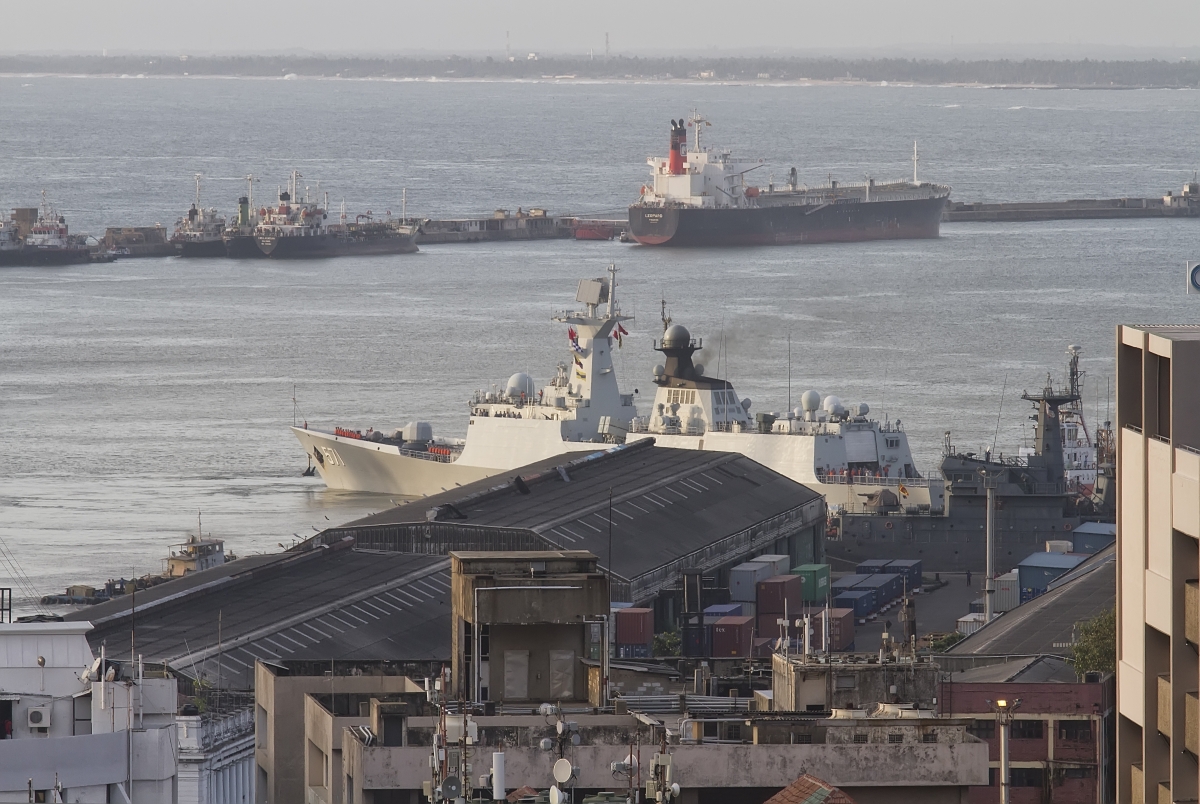
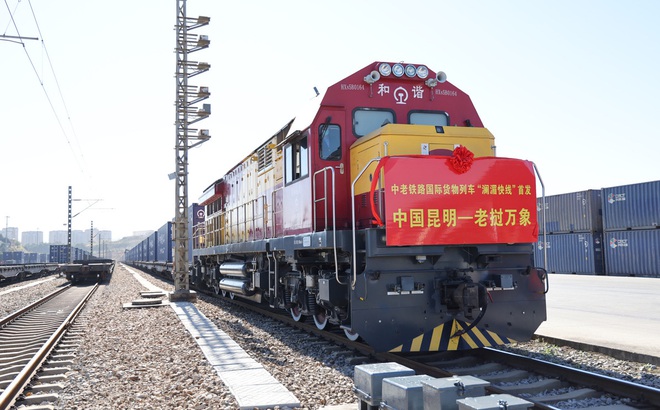
Thái Lan đã lên kế hoạch để tận dụng tuyến đường sắt Lào – Trung mới được khánh thành.

Thái Lan sắp hưởng lợi khủng từ đường sắt Lào-Trung: Việt Nam đành "đứng  ngoài

Thái Lan hưởng lợi từ đường sắt Lào – Trung

Theo China Daily, các chuyên gia cho biết Thái Lan sẽ thúc đẩy hơn nữa hoạt động thương mại quốc tế và kích thích nền kinh tế trong nước bằng cách tăng tốc kết nối với tuyến đường sắt Trung Quốc-Lào.

Tiếp tục đọc “Thái Lan sắp hưởng lợi khủng từ đường sắt Lào-Trung: Việt Nam đành “đứng ngoài cuộc chơi”?”

Campuchia: 30 năm nhìn lại

DANH ĐỨC 13/12/2021 6:00 GMT+7

TTCTThứ năm 14-11-1991, Hoàng thân Sihanouk hồi loan từ Bắc Kinh, cùng theo ông có hoàng tử Ranariddh. Chủ nhật 5-12-2021 vừa rồi, hoàng tử hồi hương từ Paris trong một quan tài, sau nhiều năm dài xa xứ. Cũng tuần rồi, Thủ tướng Hun Sen giới thiệu con trai cả là ứng viên thủ tướng thay ông. Trong 30 năm qua, Campuchia thay đổi chính thể, triều đại, nền kinh tế, song có một thứ không thay đổi: quan hệ với Trung Quốc.

9h sáng thứ hai 6-12-2021, báo Khmer Times hoan hỉ đăng tin: “Đại sứ Trung Quốc tại Campuchia Vương Văn Thiên cho biết dự kiến Campuchia sẽ sản xuất vắc xin Covid-19 vào năm tới”. Số là ông đại sứ sáng đầu tuần ấy dự lễ khánh thành một con đường ở tỉnh Prey Veng, nhân tiện báo tin tốt lành đó.

Ông Hun Sen (phải) và đại sứ Trung Quốc Vương Văn Thiên. Ảnh: AFP

Tiếp tục đọc “Campuchia: 30 năm nhìn lại”

Mỏ kim loại khủng ở Lào: Việt Nam dừng bước, “của hiếm” đổ hết sang Trung Quốc

vpdf – Ngày đăng: 09/12/2021 – 17:17

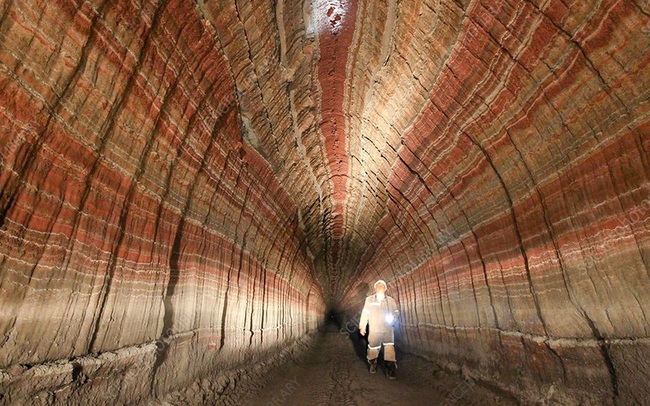
Dự kiến hàng triệu tấn kali khai thác ở Lào sẽ được xuất khẩu sang Trung Quốc nhờ tuyến đường sắt cao tốc mới khánh thành.

Mỏ kim loại khủng ở Lào: Việt Nam dừng bước, "của hiếm" đổ hết sang Trung

Tiếp tục đọc “Mỏ kim loại khủng ở Lào: Việt Nam dừng bước, “của hiếm” đổ hết sang Trung Quốc”

ASEAN needs more Belt and Road money, say ministers

asia.nikkei.com

China-led investments needed to assist COVID-damaged economies

Chinese high-speed trains are flagship Belt and Road Initiative projects that will dramatically improve connectivity in mainland Southeast Asia.    © APCK TAN, Nikkei staff writerSeptember 1, 2021 21:14 JST

SHANGHAI — Ministers from the Association of Southeast Asian Nations called on Wednesday for more multilateral investments through China’s Belt and Road Initiative to support economic recovery while the COVID-19 pandemic continues to depress regional economic growth.

Meeting online at a Belt and Road Summit, ASEAN ministers said the region has benefited from the infrastructure and digital connectivity already brought about by BRI, but new initiatives are needed to create opportunities amid pandemic-induced uncertainties.

Tiếp tục đọc “ASEAN needs more Belt and Road money, say ministers”

G7 approves B3W plan to push back China’s one belt one road

giThe adoption of the US-inspired “Build Back Better World” (B3W) project came after President Joe Biden and leaders met to address “strategic competition with China, the White House said.

By Feeds -13/06/2021165

China-belt-and-road
PC L Aqeel Ahmed

G7 leaders on Saturday adopted a rival plan to oppose China’s Belt and Road Initiative by helping build infrastructure in poorer nations in a “values-driven, high-standard and transparent” partnership.

The adoption of the US-inspired “Build Back Better World” (B3W) project came after President Joe Biden and leaders met to address “strategic competition with China and commit to concrete actions to help meet the tremendous infrastructure need in low- and middle-income countries”, the White House said.

Tiếp tục đọc “G7 approves B3W plan to push back China’s one belt one road”

How China Is Weaponizing the Belt and Road Initiative

September 8, 2020 — Asia Society Policy Institute Vice President for International Diplomacy and Security Daniel Russel examines some of the findings of ASPI’s new report Weaponizing the Belt and Road Initiative. The report explores relevant Chinese doctrine, highlights the involvement of China’s People’s Liberation Army with the BRI, and assesses the potential military and geostrategic advantages China accrues from BRI ports and other projects. (9 min., 59 sec.)

To download the report visit: https://asiasociety.org/policy-institute/weaponizing-belt-and-road-initiative

How China Outsmarted the Trump Administration

The Atlantic

While the U.S. is distracted, China is rewriting the rules of the global order.

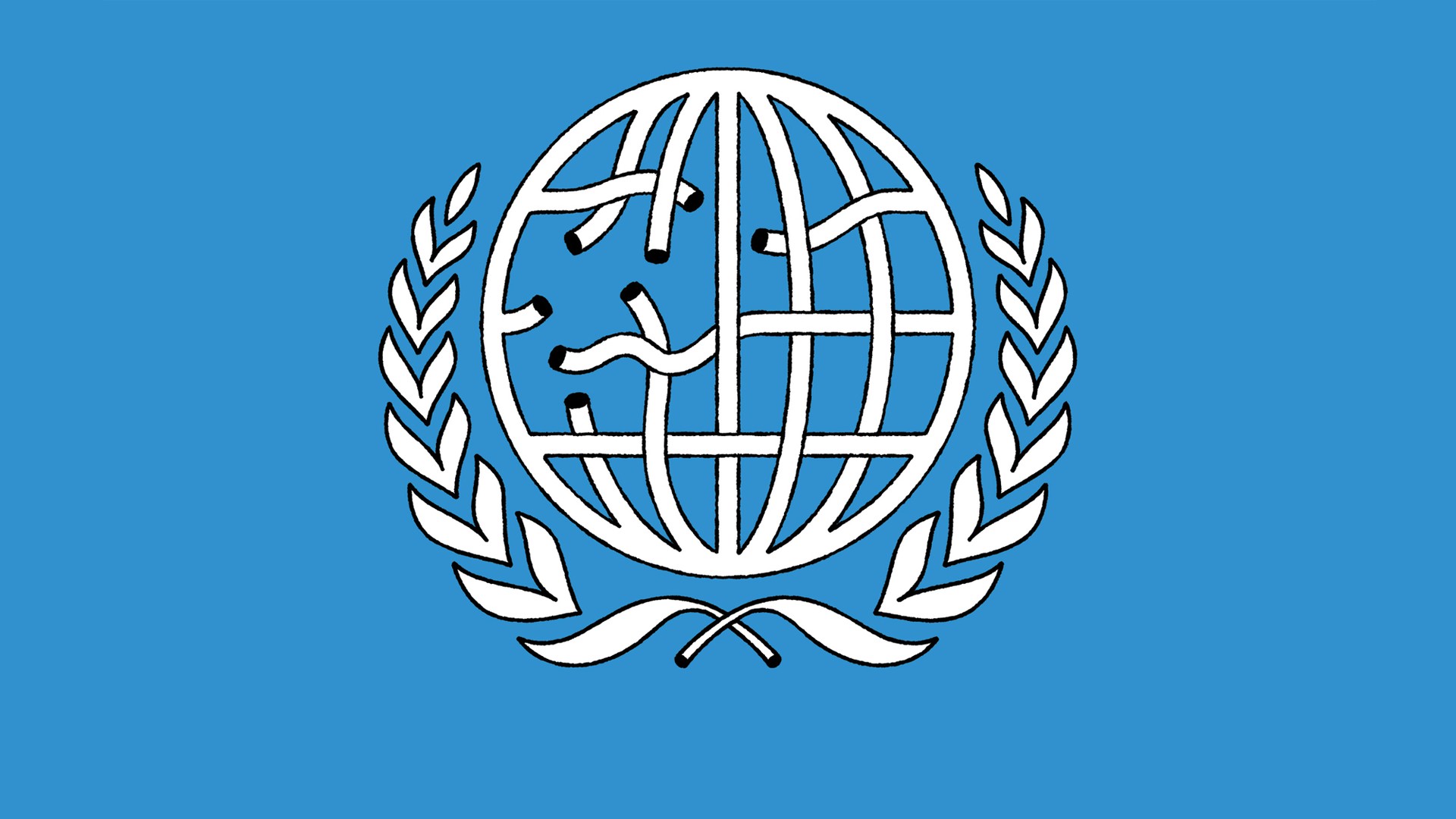
Illustration similar to UN logo with globe's latitude and longitude lines as a broken net
Lan Truong

Like ​The Atlantic? Subscribe to The Atlantic Daily​, our free weekday email newsletter.

Back in may, when President Donald Trump called for America to stop funding the World Health Organization, he presented a list of the WHO’s recent failures: the organization’s initial failure to flag the spread of the novel coronavirus; its initial failure to follow up when Taiwan—a country excluded from the WHO because of Chinese objections—inquired about evidence that seemed to indicate that the virus could be transmitted from one human to another; its initial failure to press China to accept an international investigation into the source of the virus. At the beginning of the pandemic, the WHO, which operates as a specialized agency of the United Nations, seemed to be one beat behind. It also seemed overly reliant upon biased information provided by the government of China.

Tiếp tục đọc “How China Outsmarted the Trump Administration”

Mỹ trừng phạt công ty Trung Quốc vì dự án tại Campuchia

16/09/2020 /Pháp luật TP.HCM

Mỹ trừng phạt một công ty Trung Quốc liên quan dự án khu du lịch tại Campuchia với cáo buộc phục vụ mục đích quân sự cũng như tham vọng “Vành đai và Con đường”.

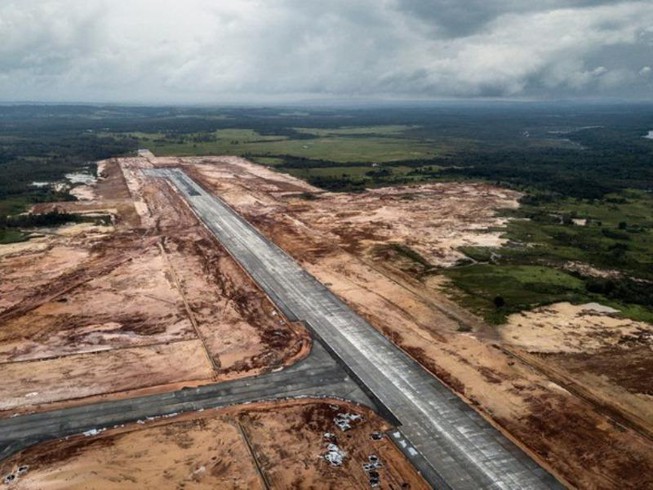
Đường băng đang được doanh nghiệp Trung Quốc xây dựng tại sân bay quốc tế Dara Sakor của Campuchia. (Ảnh: THE NEW YORK TIMES)

Tờ South China Morning Post  đưa tin Bộ Tài chính Mỹ hôm 15-9 đã trừng phạt công ty Union Development Group của Trung Quốc liên quan dự án khu du lịch Dara Sakor ở Campuchia, với cáo buộc chuyển đổi phục vụ mục đích quân sự và phục vụ tham vọng “Vành đai và Con đường”.

Động thái cho thấy cuộc cạnh tranh ngày càng gay gắt của Mỹ với Trung Quốc hiện đang lan sang khu vực Đông Nam Á. Tiếp tục đọc “Mỹ trừng phạt công ty Trung Quốc vì dự án tại Campuchia”

China’s belt and road: from Malaysia to Philippines, Asean projects face roadblocks

Chinese firms have since 2013 signed deals with Asean nations to build projects such as railways, bridges, dams and special economic zonesBut many have been slow to start, with negotiations over loan amounts, environmental concerns and corruption causing years-long delays

Murray Hiebert

Murray Hiebert

Published: 1:30pm, 8 Sep, 2020 SCMP

Workers from the China Communications Constructions Company at the construction site of the East Coast Rail Link project in Malaysia. Photo: AFP

Workers from the China Communications Constructions Company at the construction site of the East Coast Rail Link project in Malaysia. Photo: AFPBarrels of ink have been spent on hyping up the Belt and Road Initiative, which Beijing launched with great fanfare in 2013. But in the intervening years, the programme has faced a raft of challenges as it sought to move across China’s southern border into Southeast Asia.The RWR Advisory Group in Washington, which monitors belt-and-road projects around the world, estimates that China has started work on or completed projects totalling US$200 billion in Southeast Asia in the five years beginning in 2013. But that number seems inflated to someone who has visited most of the countries in recent years.

Tiếp tục đọc “China’s belt and road: from Malaysia to Philippines, Asean projects face roadblocks”

The coronavirus will not be fatal for China’s Belt and Road Initiative but it will strike a heavy blow

SCMP

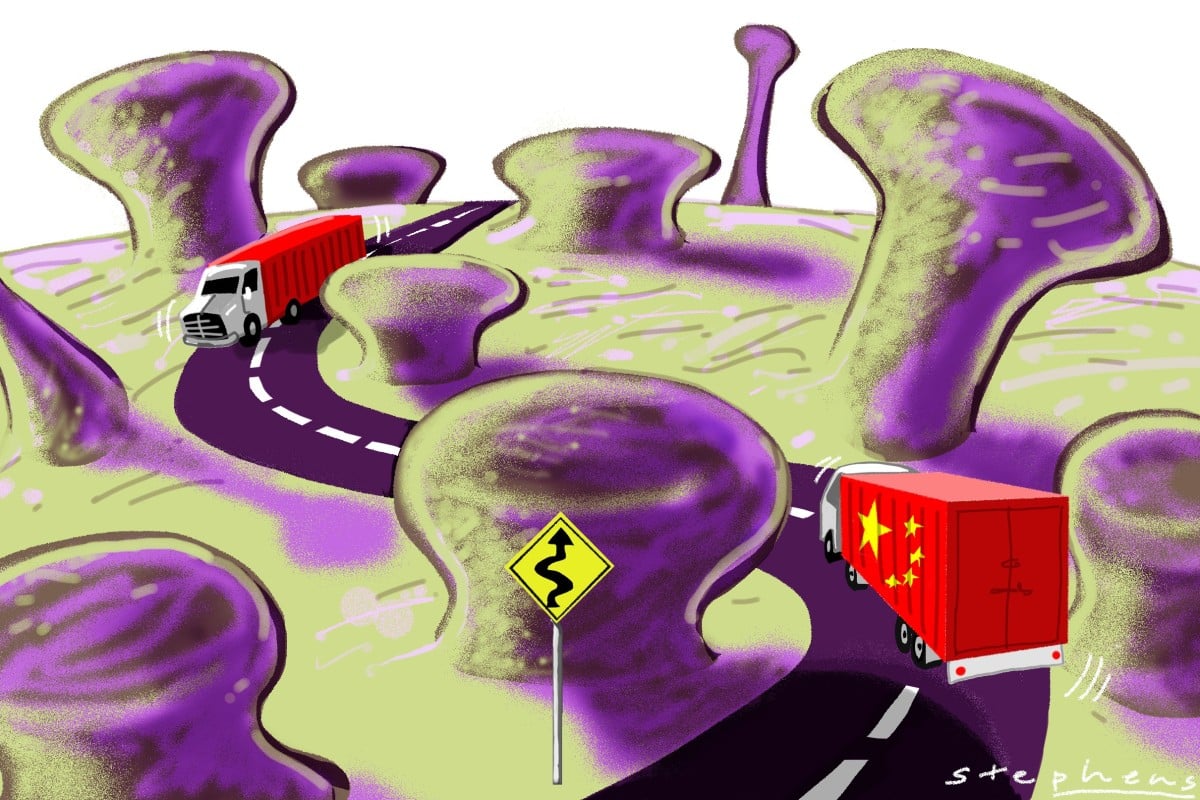
Projects face delays as the coronavirus prevents Beijing from supplying goods and people. And project resources will be diverted as China focuses on its own recovery. But the biggest casualty may be a loss of faith in Chinese-style connectivity

Illustration: Craig Stephens
Suddenly, a highly infectious virus has become China’s most prominent export. What began on January 3, when China

reported

44 cases of pneumonia in Wuhan, has become the Covid-19 global pandemic. Wuhan, the manufacturing centre that helped to power China’s flagship Belt and Road Initiative, has become the epicentre of a health crisis

shutting down

many of those projects.

The corridors that facilitate the flow of goods can be conduits for pathogens and disease. As Covid-19 spreads, is the Belt and Road Initiative at risk of becoming an infection thoroughfare?

Tiếp tục đọc “The coronavirus will not be fatal for China’s Belt and Road Initiative but it will strike a heavy blow”

Con đường đi lên và ngã ngựa của ‘tỷ phú Vành đai và Con đường’

VNE – Thứ năm, 13/12/2018, 00:00 (GMT+7)

Diệp Giản Minh, người gắn mác các khoản đầu tư nước ngoài là dự án Vành đai và Con đường, liên quan đến một tổ chức bị cáo buộc hối lộ hàng triệu USD.

Diệp Giản Minh, cựu chủ tịch CEFC China Energy. Ảnh: CNN.

Vào giữa những năm 1990, Diệp Giản Minh, sinh năm 1977, có công việc đơn giản trong một khu rừng. 20 năm sau, ông ta đứng trên một đế chế kinh doanh trị giá 44 tỷ USD. Nhưng giờ đây, đế chế đó đã sụp đổ và Diệp đang bị điều tra, theo CNN.

Chưa rõ những chuyện này xảy ra như thế nào. Nhưng có một điều rõ ràng: vào thời kỳ hoàng kim, công ty của Diệp, CEFC China Energy (Công ty Năng lượng Hoa tín), từng tỏ ra có liên quan chặt chẽ đến chính phủ Trung Quốc. Tiếp tục đọc “Con đường đi lên và ngã ngựa của ‘tỷ phú Vành đai và Con đường’”

Banks need to take Belt and Road environmental risks seriously

China’s banks supporting BRI projects should apply environmental risk-management policies and oversight, says Divya Narain

Article image
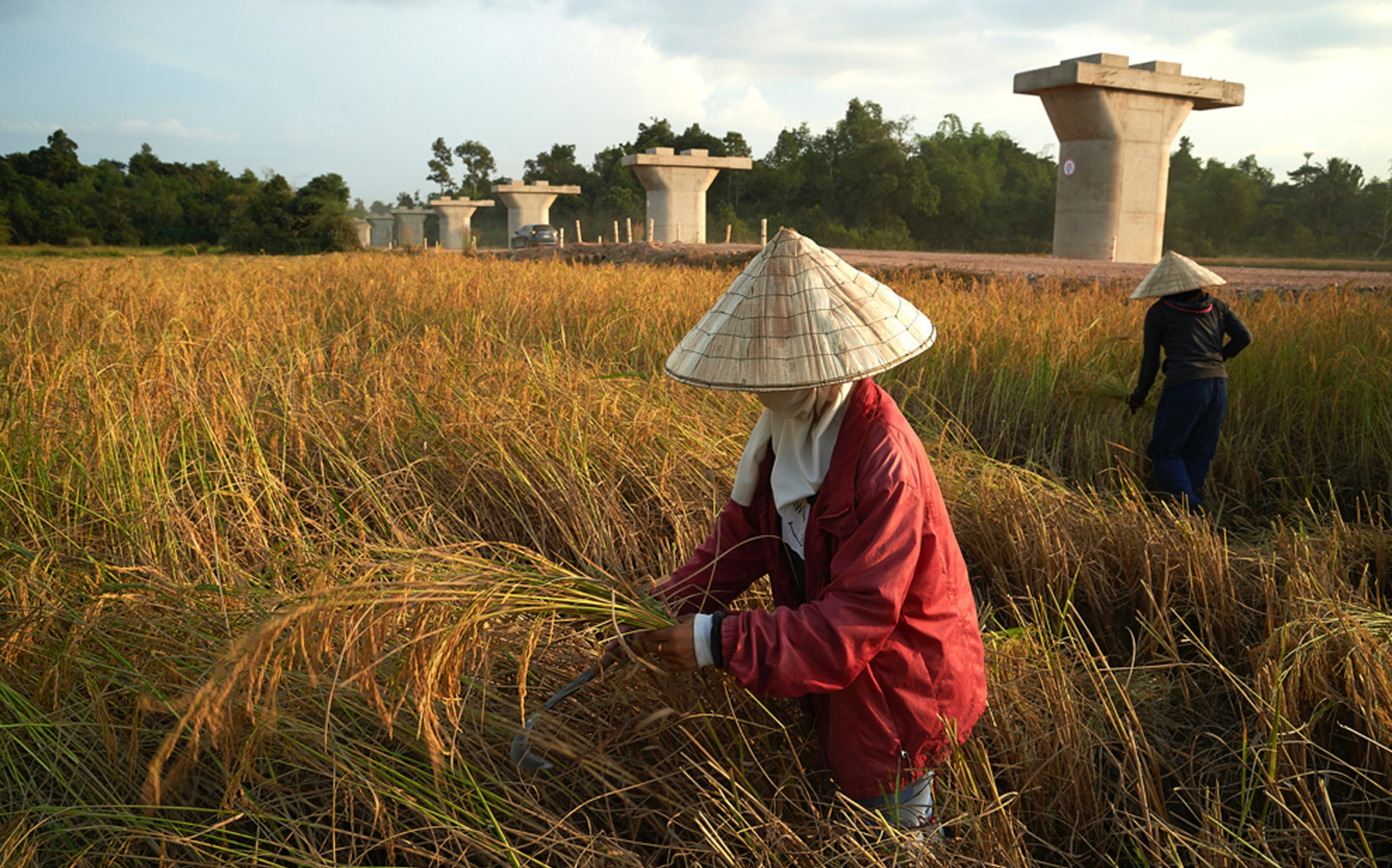
Rice harvesting near Vientiane in Laos. The pillars will support the Nam Khone bridge, the longest on the China–Laos high-speed railway (Image: Surya Chuen / China Dialogue)

China’s Belt and Road Initiative (BRI) is intended to catalyse the economies of countries around the globe.

Yet BRI projects overlap some of the most ecologically fragile places on earth. The multi-trillion-dollar initiative – to build transcontinental networks of roads, railways and ports, studded with dams, mines, power plants, and solar and wind farms – has its environmental impacts. These include air and water pollution, soil contamination and erosion, habitat and wildlife loss. Tiếp tục đọc “Banks need to take Belt and Road environmental risks seriously”

Tại sao Trung Quốc theo đuổi sáng kiến Vành đai và Con đường?

hoinhap.org.vn – Thứ hai, 04 Tháng 11 2019 07:13

vanh dai

Vì “Vành đai và Con đường” (BRI) đã được đưa vào Điều lệ Đảng Cộng Sản Trung Quốc như một sáng kiến đối ngoại đặc trưng của Chủ tịch Tập Cận Bình, thất bại của sáng kiến trên có thể làm giảm uy tín của Đảng Cộng Sản Trung Quốc, đồng thời đặt ra một thách thức lớn dành cho chính quyền Tập Cận Bình, sau khi chính quyền này đã chi hàng tỷ đô la đầu tư ra nước ngoài cho BRI. Tiếp tục đọc “Tại sao Trung Quốc theo đuổi sáng kiến Vành đai và Con đường?”