Western leaders have long criticized OPEC’s power to raise oil prices, and the bloc continues to influence the global market even as U.S. oil production has soared and alternative energies have come to the fore.
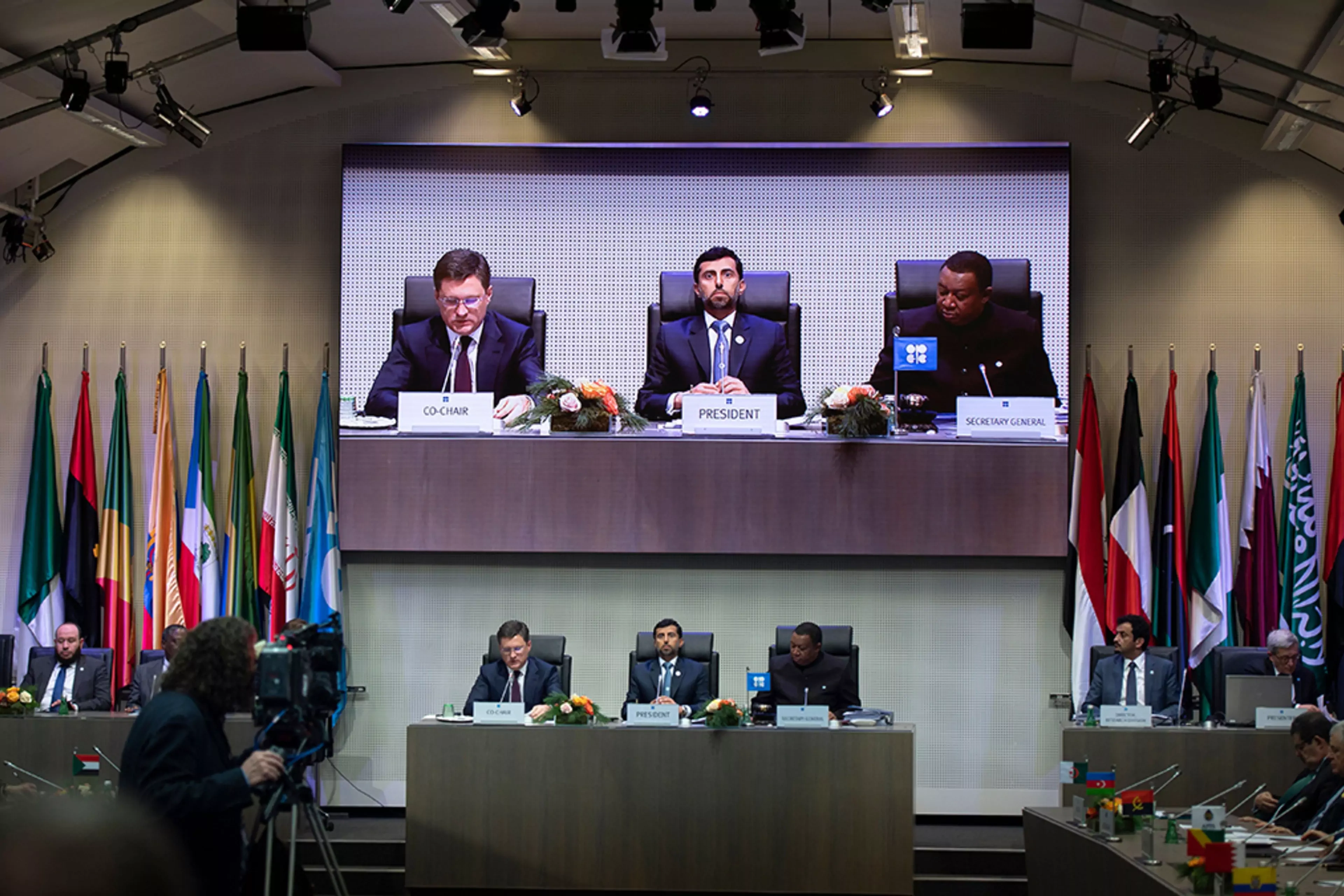
Russian and Emirati energy ministers speak alongside the OPEC secretary-general in Vienna. Joe Klamar/AFP/Getty Images
WRITTEN BY Anshu Siripurapu and Andrew Chatzky Last updated March 9, 2022 2:25 pm (EST)
Summary
The Organization of the Petroleum Exporting Countries (OPEC) is a group of oil-rich countries that together control nearly 40 percent of the world’s oil supply.
Russia’s war in Ukraine has caused global oil prices to surge, giving the bloc more leverage.
However, as the world shifts away from fossil fuels, OPEC’s power could diminish.
The Organization of the Petroleum Exporting Countries (OPEC) is a bloc of thirteen oil-rich member states spanning the Middle East, Africa, and South America. Combined, the group controls close to forty percent of world oil production. This dominant market position has at times allowed OPEC to act as a cartel, coordinating production levels among members to manipulate global oil prices. As a result, U.S. presidents from Gerald Ford to Donald Trump have railed against the oil cartel as a threat to the U.S. economy.
‘Breakthrough’ funded by G7+ investors misses deadline; Hanoi’s $15.5bn plan delayed
Leaders of ASEAN and G20 nations gather this month with climate change, and how to finance tackling it, looming large after one of the hottest summers on record. Illustration by Hiroko Oshima
SAYUMI TAKE and ERWIDA MAULIA, Nikkei staff writersSEPTEMBER 5, 2023 06:00 JST
TOKYO/JAKARTA — Last November, G20 leaders in Bali hailed what they said was a transformational climate change finance deal to help wean Indonesia off coal. Nine months on, not a single dollar of the $20 billion package has been spent on actively closing down fossil fuel projects.
As the Northern Hemisphere sweats out one of the planet’s hottest-ever summers, and G20 leaders prepare to gather again in India this month, the project that was supposed to provide a breakthrough model in paving the way for the developed world to assist emerging countries to reduce carbon while their economies grow remains mired in meetings on operational details.
Climate security refers to the impacts of the climate crisis on peace and security, particularly in fragile and conflict-affected settings.
Climate change impacts can trigger competition over natural resources, insecure livelihoods, and mass displacement, increasing the risk of social tensions and instability.
Investing in climate action can be an opportunity to strengthen cooperation, rebuild trust, and mend the social fabric in fragile and conflict-affected settings.
UNDP supports countries in fragile settings align responses to climate change with conflict prevention and peacebuilding actions.
What is climate security?
Climate security refers to the impacts of the climate crisis on peace and security, particularly in fragile and conflict-affected settings.
Climate change can exacerbate food, water, and livelihood insecurity, with cascading effects such as increased competition over natural resources, social disruptions, and displacement. This can lead to increased tensions, conflict, and instability in a country or region.
In settings where conflict already exists, the impacts of climate change can aggravate or prolong it, making it more difficult to reach and sustain peace. Conflict can in turn disrupt or impede climate action, either through the active destruction of energy, water, and agricultural assets, or by delaying or blocking mitigation and adaptation interventions.
Why does climate security matter?
By 2030, climate change could push up to 130 million more people into poverty, not only exacerbating existing vulnerabilities, including food and water insecurity, but also socio-economic fragility, and political grievances. Within already fragile settings, these impacts can escalate security challenges and worsen instability. Furthermore, climate-related security risks often affect women at disproportionate levels.
Không có bất cứ hàng hóa và sản phẩm nào được phép đưa vào thị trường châu Âu nếu chúng được sản xuất trên đất bị chặt phá rừng hay suy thoái rừng…
Sản phẩm sản xuất trên đất chặt phá rừng sẽ không được phép vào thị trường châu Âu. Ảnh: UNDP
Ngày 24/2, Chương trình Phát triển LHQ (UNDP), Liên minh châu Âu, và Tổng cục Lâm nghiệp trực thuộc Bộ Nông nghiệp và Phát triển nông thôn phối hợp tổ chức hội thảo kỹ thuật về sản xuất và thương mại nông sản không gây mất rừng.
Hội thảo là cơ hội để đại biểu lắng nghe ý kiến đa dạng từ các diễn giả với hiểu biết và kinh nghiệm quý giá liên quan tới sản xuất và thương mại nông sản không gây mất rừng.
Theo ông Patrick Haverman, Phó Trưởng Đại diện Chương trình Phát triển Liên hợp quốc (UNDP) tại Việt Nam, việc phá rừng và suy thoái rừng đang là những nguyên nhân quan trọng gây ra biến đổi khí hậu và mất mát đa dạng sinh học trên toàn cầu.
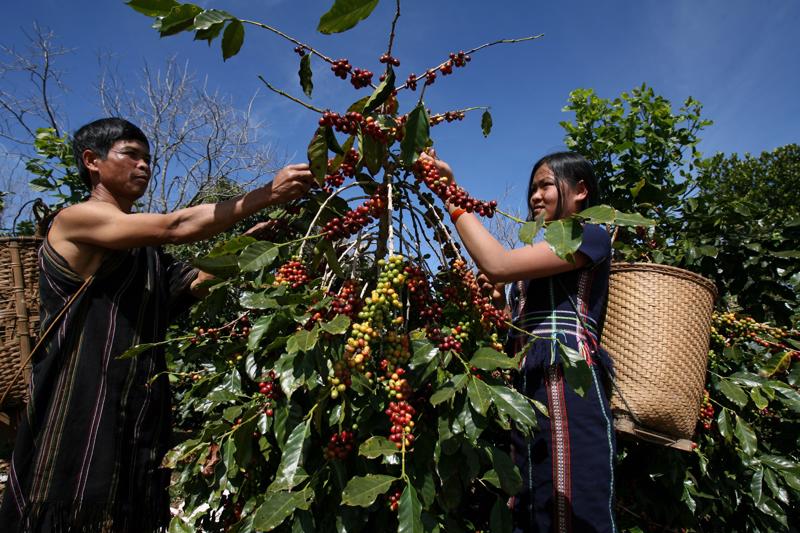
Các hàng hóa dự kiến sẽ chịu tác động bởi Quy định này gồm: Dầu cọ, đậu nành, gỗ, gia súc, ca cao, cà phê, cao su và một số sản phẩm có nguồn gốc từ đó (ví dụ: sôcôla, đồ nội thất, lốp xe, sản phẩm in).
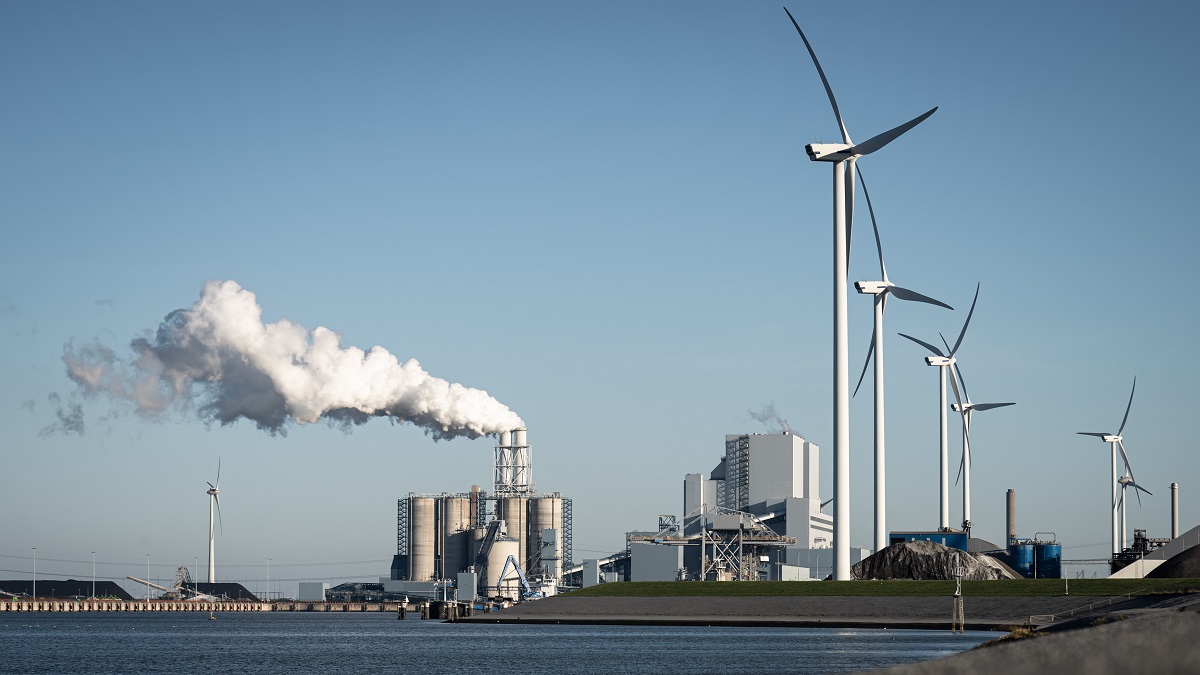
Sweltering heatwaves each year underline the need for a faster energy transition and speedier reform of international investment agreements (IIAs) to support the shift away from fossil fuels.
But many investment treaties, especially older ones, can hinder the transition. As countries try to cut ties with fossil fuels, oil and gas firms might use these treaties to challenge policy changes. An example is a coal phase-out claim against the Netherlands.
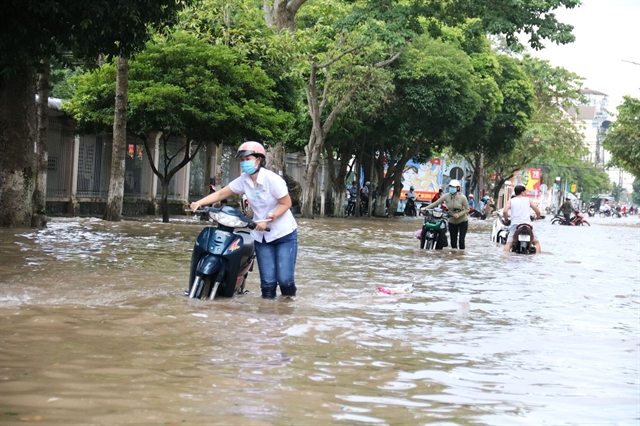
The region is also witnessing faster sea level rise than forecast, with all 13 cities and provinces of the delta are at high risk of flooding due to climate change.
People in Vĩnh Long Province struggled to get through a flooded street due to high tides. — VNA/VNS Photo Lê Thúy Hằng
HCM CITY — The Mekong (Cửu Long) Delta has seen significant strides in urban development, yet the increasing climate change risks mean long-term and practical strategies must be put in place for sustainable growth.
The delta currently has 211 urban areas, with an urbanisation rate of 32 per cent against that of the country at 40.5 per cent. These figures are predicted to rise in the near future.
The region is also witnessing faster sea level rise than forecast, with extreme weather phenomena that affect people’s livelihoods.
The Directorate for Standards, Metrology and Quality under the Ministry of Science and Technology has issued International Standardisation Organisation (ISO) standards regarding climate change adaption as a practical action to realise Vietnam’s net zero commitments.
VNA Wednesday, August 23, 2023 09:06 https://link.gov.vn/cxKMN5Hf
Hanoi (VNA) – The Directorate for Standards, Metrology and Quality under the Ministry of Science and Technology has issued International Standardisation Organisation (ISO) standards regarding climate change adaption as a practical action to realise Vietnam’s net zero commitments.
The standards named TCVN ISO 14090:2020 contain principles, requirements and guidelines to instruct organisations and sectors to adapt to climate change. They can be applied to every organisation of all sizes, local, regional, international, and at all types of business, corporation, sector, and natural resource manager.
The plaintiffs, who range in age from 5 to 22, successfully argued that the state’s refusal to consider climate change impacts before supporting fossil fuel development violated their right a clean environment under the Montana state constitution. Their lawsuit was the first to reach trial among several similar cases in the United States and is likely to bolster other actions seeking to use the legal system to force action on curbing emissions.
VHO- Có thể nói, hòn Trống Mái nằm ngay ở ví trí trung tâm của di sản thiên nhiên thế giới vịnh Hạ Long, là biểu tưởng du lịch nổi tiếng trong nước và quốc tế của vùng đất này, nhưng lại đang phải đối mặt với nhiều nguy cơ đổ, trượt nếu chính quyền, cơ quan chức năng sở tại không có ngay giải pháp bảo tồn cấp thiết.
Hòn Trống Mái được giới chuyên gia cảnh báo có nguy cơ cao bị gãy, trượt
Cuộc hội thảo góp ý cho Báo cáo tổng kết và các sản phẩm chính của nhiệm vụ khoa học công nghệ “Nghiên cứu đánh giá hiện trạng và các yếu tố ảnh hưởng làm cơ sở đề xuất các giải pháp bảo tồn hòn Trống Mái, vịnh Hạ Long” diễn ra từ hồi cuối tháng 7 vừa qua, tuy nhiên cho đến nay theo tìm hiểu của chúng tôi, các bên liên quan vẫn chưa có những động thái mạnh mẽ cho vấn đề “cấp cứu” biểu tượng có một không hai của di sản vịnh Hạ Long.
Còn nhớ vào cuối năm ngoái, chúng tôi cùng đoàn chuyên gia thuộc nhiều lĩnh vực khác nhau có chuyến tham quan vịnh Hạ Long, và một trong những điểm đến là hòn Trống Mái. Cơ duyên đưa đến địa điểm này không hề xuất phát từ sự tò mò hay chụp ảnh lưu niệm vì biểu tượng này đã nằm lòng trong sự yêu thích của biết bao du khách, mà trong đoàn có một chuyên gia về địa chất mong muốn mọi người có cái nhìn thực địa ở khoảng cách gần nhất có thể để nhận diện rõ hơn về sự ăn mòn đáng sợ đối với “hai chân” của hòn Trống Mái. Bằng con mắt chuyên môn, vị chuyên gia về địa chất đã cảnh báo rằng, với tốc độ xâm thực và bào mòn của sóng, gió và tác động của con người như hiện nay, chẳng bao lâu nữa độ kết cấu “hai chân” của hòn Trống Mái sẽ bị cưa đứt. Tại thời điểm đó có người nói đùa rằng, hòn Trống Mái đang đứng trên hai “que tăm” bởi trông nó rất chênh vênh, chung chiêng nhất là khi những đợt sóng cao ập vào. Vị chuyên gia còn nói thêm, cũng đã nhiều lần lên tiếng cảnh báo qua mối quan hệ công việc nhưng nhìn chung chưa mấy ai tin, hoặc nhận được câu trả lời đại loại như “trông thế thôi, nó còn vững chãi lắm”.
Southern Vietnam is the country’s food bowl. But water shortages are driving Mekong Delta farmers to despair, with many of them opting to move to other provinces to find work. Read: https://cna.asia/3ViZLjr
This report aims to contribute to growing conversations about coal finance mechanisms, particularly as they move from concept to reality. RMI believes that financial mechanisms can be a transformational tool in coal transition efforts—but only if implemented well. Ultimately, the devil will be in the detail as to how financial mechanisms are designed and governed to meet the critical needs of all stakeholders and help deliver a rapid and smooth pathway to a climate-safe future.
RMI’s report, Financing the Coal Transition, shows how financial mechanisms can complement policy and regulation to help achieve a rapid, equitable, and smooth coal transition.
The economics of power generation are shifting rapidly in favor of clean energy, challenging coal’s long history as a mainstay of economic development throughout the world. However, much more work needs to be done to transition the existing coal fleet in line with climate and development goals.
The privileged place coal has occupied in power generation for over a century has entrenched complex barriers—from the way that grids have been built to the incentive structures within electricity systems—that prevent markets from catching up to the economic trend toward clean energy. In the absence of solutions to address these barriers, the costs of uneconomic coal will fall largely on local communities through direct costs and unpriced impacts on local health and the environment.
The global community needs new solutions to address the social and economic complexities of the coal transition while responding to the urgency of the climate challenge. One set of solutions currently under development are the innovative financial mechanisms designed to support the transition from coal to clean energy.
This report helps make sense of the various financial mechanisms proposed to date, and models the impacts of using different financial mechanisms to transition existing coal power plants. While it finds that financial mechanisms have the potential to generate wins for both the climate and communities, it also recognizes the risks of using finance to support the coal transition. To manage these risks, RMI proposes five key principles to guide the design of credible financial mechanisms.
Five key principles to guide the design of financial mechanisms for coal transition
The climate crisis has begun to disrupt human societies by severely affecting the very foundations of human livelihood and social organisation. Climate impacts are not equally distributed across the world: on average, low- and middle-income countries suffer greater impacts than their richer counterparts. At the same time, the climate crisis is also marked by significant inequalities within countries. Recent research reveals a high concentration of global greenhouse gas emissions among a relatively small fraction of the population, living in emerging and rich countries. In addition, vulnerability to numerous climate impacts is strongly linked to income and wealth, not just between countries but also within them.
The aim of this report is twofold. It endeavours first to shed light on these various dimensions of climate inequality in a systematic and detailed analysis, focusing on low- and middle-income countries in particular. It then builds on these insights, together with additional empirical work and interviews with experts, to suggest pathways to development cooperation,and tax and social policies that tackle climate inequalities at their core.
Can progressive carbon taxes help alleviate poverty?
With unsustainable industrial development and unfettered capitalism driving climate change, it is no surprise that income inequality and carbon inequality are intrinsically linked. The latest report from the Intergovernmental Panel on Climate Change (IPCC) highlights the indisputable inequitable human impacts of climate change. Can climate policy interventions like carbon taxes address the complex and interconnected nature of global warming and wealth?
More money, more carbon
Research shows that the richest 1% are responsible for twice as much carbon pollution as the poorest half of humanity. Yet those living in low-income areas and who are already facing the multidimensional burdens of poverty will bear the brunt of the impacts of climate change.
The 2022 World Inequality report further emphasises the notion of “carbon inequality”, finding that global greenhouse-gas (GHG) emissions are concentrated amongst a small percentage of people: the top 10% of emitters are responsible for close to 50% of GHG emissions. As the findings show, this is not necessarily a “rich” vs “poor” country problem, as there are high emitters across all regions. Those high emitters, however, are almost always part of a high-income earning bracket.
If carbon taxes are effectively redistributed, they can fund policies that address both the social and environmental implications of climate change.
Can progressive carbon taxes help tackle carbon and income inequality?
Instruments like carbon taxes are essential to curbing emissions—something The Economist has argued for years. Some believe, however, that these types of policy interventions can be regressive, and end up disproportionately burdening low-income communities and small businesses while allowing richer, high-emitting individuals and corporations to continue to pollute—as long as they can pay. These concerns sparked the now infamous 2018 “yellow vest” protests in Paris.
Fortunately, if carbon taxes are effectively redistributed, they can fund policies that address both the social and environmental implications of climate change. Analysis shows that if every country adopted a uniform global carbon tax and returned revenues to citizens on an equal per-capita basis, it is possible to limit global warming to 2 degrees celsius by 2100 above pre-industrial levels. This type of redistributive carbon tax would also increase wellbeing, reduce inequality and could alleviate poverty across the world.
“Quan điểm là chắc chắn không thể đánh đổi và thực hiện như tỉnh Thái Bình đang làm được. Bởi khu vực này nằm trong nhiều chương trình liên quan đến ứng phó với biển đổi khí hậu theo Nghị quyết 102 của Quốc hội, và được nhiều tổ chức quốc tế đầu tư vào đây”.
Ông Đoàn Hoài Nam – Trưởng phòng Quản lý rừng đặc dụng, phòng hộ (Cục Lâm nghiệp)
TP – Đại diện Cục Lâm nghiệp – Bộ Nông nghiệp và Phát triển Nông thôn cho biết, việc điều chỉnh quy hoạch ở khu vực Bảo tồn thiên nhiên đất ngập nước Tiền Hải cần sự đồng thuận của các bộ, ngành. Tuy nhiên, sau khi gửi văn bản mang tính chất thông báo, UBND tỉnh Thái Bình lại im lặng không phản hồi và tự ra quyết định thay đổi quy hoạch khiến bộ hết sức ngỡ ngàng.
Trao đổi với PV Tiền Phong, ông Đoàn Hoài Nam – Trưởng phòng Quản lý rừng đặc dụng, phòng hộ, Cục Lâm nghiệp – cho biết, khu Bảo tồn thiên nhiên đất ngập nước Tiền Hải, một trong hai vùng lõi của khu Dự trữ sinh quyển châu thổ sông Hồng và được UNESCO công nhận là một trong những vùng lõi quan trọng của khu dự trữ sinh quyển thế giới.
Tiếp tục đọc “Vụ thu hẹp khu bảo tồn thiên nhiên Tiền Hải: ‘Không thể đánh đổi như Thái Bình’”→
The ruling, the first of its kind, is reverberating worldwide, especially among young climate activists. But it still faces hurdles.
Plaintiffs in the landmark Held v. Montana climate change lawsuit arrive at the Lewis and Clark County Courthouse on June 12 in Helena, Mont. (Robin Loznak/AFP/Getty Images)