
Thứ ba, 14/4/2020, 00:00 (GMT+7) VnExpress

Sợ con thức giấc, Bình chỉ đứng bên đầu giường nhìn chúng một lúc, rồi thở dài, bỏ ra phía trước chòi. Thạch Thị Bo Pha, vợ Bình đã thu xếp sẵn cho chồng ba bộ đồ lao động cũ mèm bỏ trong ba lô, mớ cá khô, chục hột vịt, một bao gạo chục ký cùng 600.000 đồng.
Đó là tất cả hành trang của người đàn ông 34 tuổi, cho cuộc tha phương cầu thực cách đó 300 km, giữa mùa hạn mặn khốc liệt, một sáng sớm tháng hai. Tiếp tục đọc “Ly hương nơi hạ nguồn Mekong”


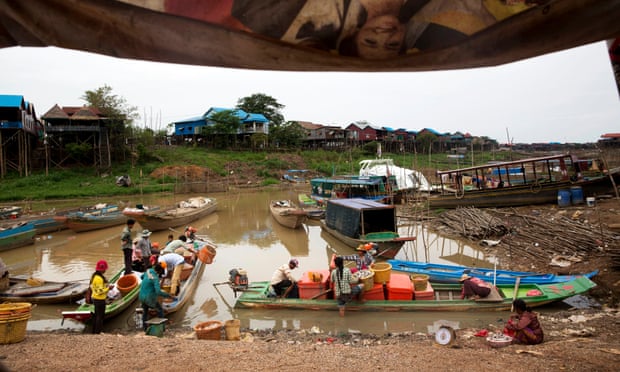
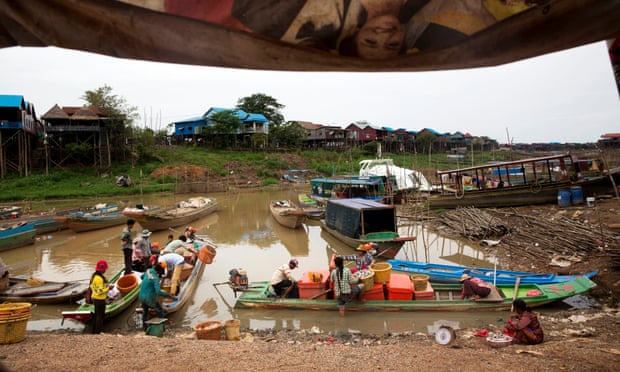
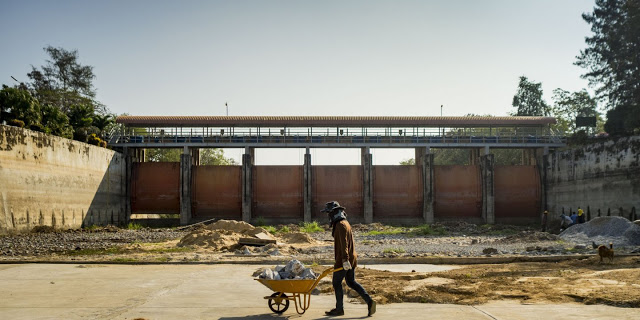
 At the end of the Vietnam War, agriculture in Vietnam employed around 75 per cent of the total workforce and produced roughly 10 million tons of rice, the country’s staple. The majority of Vietnam’s population of 50 million was significantly undernourished. Agricultural recovery was slow, blocked by the government’s collectivisation policies. Formal reform efforts through Directive 100 in 1981 partially freed up agricultural markets. They accelerated with doi moi (renovation) in 1986 and the Law on Land in 1988. The latter granted land use rights to households and stimulated a dramatic response from farmers.



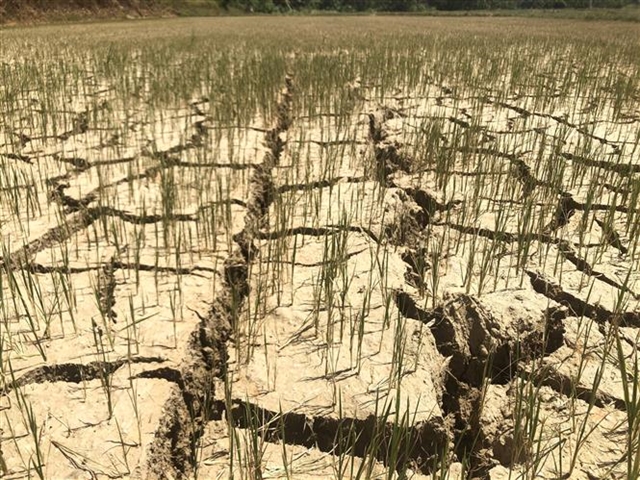
 PV Tây Bắc
  Thứ Bảy, ngày 22/06/2019 20:09 PM (GMT+7)
 CVD
CVD 