I am an attorney in the Washington DC area, with a Doctor of Law in the US, attended the master program at the National School of Administration of Việt Nam, and graduated from Sài Gòn University Law School. I aso studied philosophy at the School of Letters in Sài Gòn.
.
I have worked as an anti-trust attorney for Federal Trade Commission and a litigator for a fortune-100 telecom company in Washington DC.
I have taught law courses for legal professionals in Việt Nam and still counsel VN government agencies on legal matters.
I have founded and managed businesses for me and my family, both law and non-law.
I have published many articles on national newspapers and radio stations in Việt Nam.
In 1989 I was one of the founding members of US-VN Trade Council, working to re-establish US-VN relationship.
Since the early 90's, I have established and managed VNFORUM and VNBIZ forum on VN-related matters; these forums are the subject of a PhD thesis by Dr. Caroline Valverde at UC-Berkeley and her book Transnationalizing Viet Nam.
I translate poetry and my translation of "A Request at Đồng Lộc Cemetery" is now engraved on a stone memorial at Đồng Lộc National Shrine in VN.
I study and teach the Bible and Buddhism. In 2009 I founded and still manage dotchuoinon.com on positive thinking and two other blogs on Buddhism.
In 2015 a group of friends and I founded website CVD - Conversations on Vietnam Development (cvdvn.net).
I study the art of leadership with many friends who are religious, business and government leaders from many countries.
I have written these books, published by Phu Nu Publishing House in Hanoi:
"Positive Thinking to Change Your Life", in Vietnamese (TƯ DUY TÍCH CỰC Thay Đổi Cuộc Sống) (Oct. 2011)
"10 Core Values for Success" (10 Giá trị cốt lõi của thành công) (Dec. 2013)
"Live a Life Worth Living" (Sống Một Cuộc Đời Đáng Sống) (Oct. 2023)
I practice Jiu Jitsu and Tai Chi for health, and play guitar as a hobby, usually accompanying my wife Trần Lê Túy Phượng, aka singer Linh Phượng.
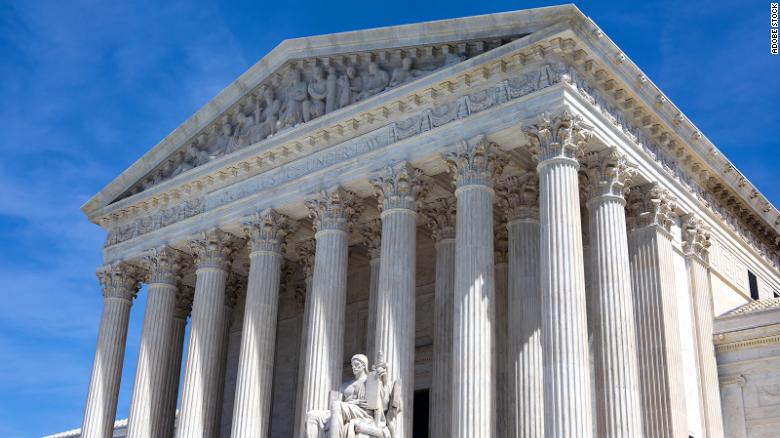
(CNN)In a stunning breach of Supreme Court confidentiality and secrecy, Politico has obtained what it calls a draft of a majority opinion written by Justice Samuel Alito that would strike down Roe v. Wade.
Tôi gặp vũng nước đọng bên rìa đám ruộng, rộng chừng chiếc đệm, khi đi ngang cánh đồng lúa chín ở miệt Láng Linh (huyện Châu Phú, An Giang) vài hôm trước.
Trước đây, vũng nước trên ruộng lúa sắp thu hoạch sẽ nhung nhúc cá – những con cá đã sống mấy tháng trời trên mảnh ruộng, lúc người ta xả nước để chuẩn bị thu hoạch lúa, chúng sẽ bị lùa lại trong các vũng nước đọng. Đa phần là cá rô đồng, cá sặc, cá lóc; móc sâu xuống bùn một chút là có cá chạch, lươn.
(CNN)This was the week when the war in Ukraine truly transitioned from one nation’s bloody fight for liberation against Russia’s vicious onslaught to a potentially years-long great power struggle.
Every day brought a sense of grave, historic events and decisions that will not just decide who wins the biggest land war between two countries in Europe since World War II, but will shape the course of the rest of the 21st century.
The annual Country Reports on Human Rights Practices – the Human Rights Reports – cover internationally recognized individual, civil, political, and worker rights, as set forth in the Universal Declaration of Human Rights and other international agreements. The U.S. Department of State submits reports on all countries receiving assistance and all United Nations member states to the U.S. Congress in accordance with the Foreign Assistance Act of 1961 and the Trade Act of 1974.
For nearly five decades, the United States has issued the Country Reports on Human Rights Practices, which strive to provide a factual and objective record on the status of human rights worldwide – in 2021, covering 198 countries and territories. The information contained in these reports could not be more vital or urgent given ongoing human rights abuses and violations in many countries, continued democratic backsliding on several continents, and creeping authoritarianism that threatens both human rights and democracy – most notably, at present, with Russia’s unprovoked attack on Ukraine.
VƯƠNG TRẦN – Thứ sáu, 15/04/2022 21:30 (GMT+7) Lao Động
Theo dự thảo Quy hoạch điện VIII mới nhất, quy mô đầu tư sẽ giảm gần 2 triệu tỉ đồng. Trong đó giảm đầu tư công suất nguồn khoảng 35.000MW, giảm đầu tư hệ thống truyền tải gần 300.000 tỉ đồng.
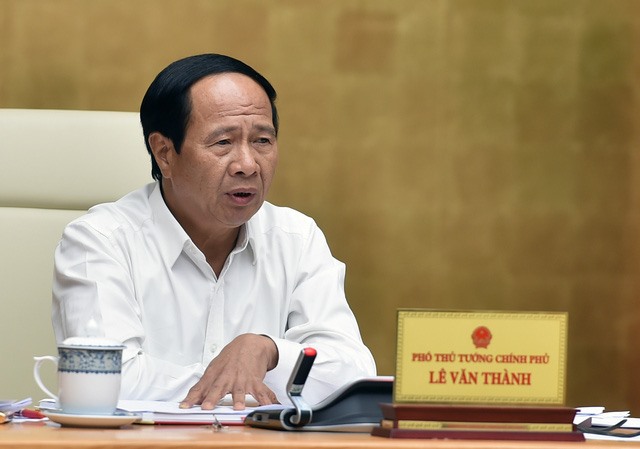
Phó Thủ tướng Chính phủ Lê Văn Thành chủ trì cuộc họp. Ảnh: Đức Tuân
Tiết kiệm đầu tư đường dây khoảng 13 tỉ USD
Hôm nay (15.4), Phó Thủ tướng Lê Văn Thành chủ trì hội nghị trực tuyến với các địa phương về hoàn thiện Quy hoạch phát triển điện lực quốc gia thời kỳ 2021-2030, tầm nhìn đến năm 2045 (Quy hoạch điện VIII).
Quy hoạch điện VIII là quy hoạch ngành quốc gia đặc biệt quan trọng, có độ phức tạp cao và được nhiều cơ quan, đơn vị, chuyên gia, nhà khoa học cũng như các địa phương trong cả nước đặc biệt quan tâm.
The Russia-Ukraine War could cost the global economy $950bn in 2022, but which countries will be hit hardest? ODI index ranks 118 LICs & MICs and finds Belarus, Armenia, Kyrgyz Republic & Lebanon are most vulnerable.
Lời tòa soạn: Như chúng tôi đã đề cập trong những số báo gần đây về vùng Đồng bằng sông Hồng là hợp lưu của những luồng di dân từ hàng ngàn năm trước cho đến đầu thời Đại Việt. Bài viết dưới đây của TS Nguyễn Tiến Đông tiếp tục dòng thảo luận ấy ở một khía cạnh cụ thể hơn: người Cham pa đã đóng góp như thế nào vào không gian văn hóa ngay tại kinh đô Đại Việt và vùng phụ cận.
Ngay trên chính Hoàng thành này, những dấu tích văn hóa Cham Pa đã hiển hiện khi các nhà khảo cổ học khai quật khu di tích 18 Hoàng Diệu. Trong ảnh, sinh viên đại học nghe nhà khảo cổ học Nguyễn Tiến Đông giới thiệu những di tích thời Lý – Trần (Khu A). Ảnh: Viện Khảo cổ học (2004).
Làm nhạt nhòa sự mô phỏng phương Bắc
Ngay từ buổi đầu của nền độc lập, nhà Tiền Lê đã cất quân đi đánh Cham Pa, sử cũ chép rằng:“Năm Nhâm Ngọ thứ 3[982]… Vua thân đi đánh nước Chiêm Thành thắng được. Trước đây, vua sai Từ Mục và Ngô Tử Canh sang sứ Chiêm Thành, bị họ bắt giữ, vua giận, mới đóng thuyền chiến, sửa binh khí, tự làm tướng đi đánh, chém được Phê-mỵ-thuế tại trận; Chiêm thành thua to; bắt sống được binh sĩ không biết bao nhiêu mà kể; bắt được kỹ nữ trong cung trăm người và một thầy tăng người Thiên Trúc…”(Ngô Sĩ Liên 1967).
Russia’s Continuing Ties to Southeast Asia—and How They Factor Into the Ukraine War: Part 1
Longstanding ties and weapons sales to a number of countries in Southeast Asia insulate Russia from ASEAN criticism over Ukraine war.
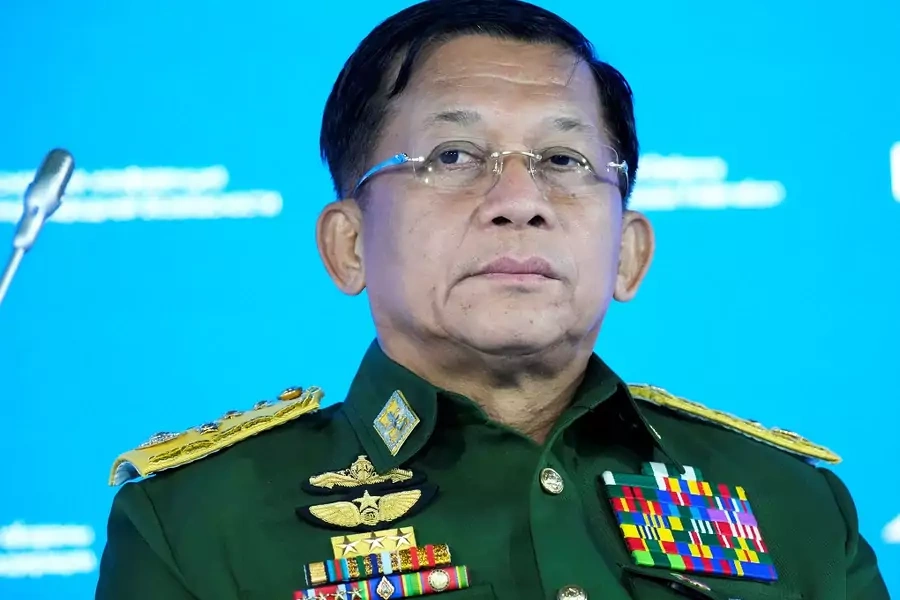
Commander-in-Chief of Myanmar’s armed forces, Senior General Min Aung Hlaing, attends the IX Moscow conference on international security in Moscow, Russia, on June 23, 2021. Alexander Zemlianichenko/Pool via Reuters
In recent years, Russia, which had not had much of a strategic or economic presence in Southeast Asia, has become a more involved player once again. It has cultivated close ties with Myanmar, regularly selling weapons to Myanmar and cultivating strategic ties. Particularly after the February 2021 Myanmar coup, when even Beijing seemed to have doubts about how the coup had destabilized the country and led to potential risks to China’s investments, Russia stood strongly behind the junta. Russian officials participated in a prominent military ceremony in Myanmar after the coup, Russian continued to supply large numbers of arms to the junta, even as it launched a scorched earth policy against coup opponents and ethnic minority groups, and the Kremlin invited junta leader Min Aung Hlaing to Moscow in June (before he had any major visits to Beijing), sending a strong signal of support to Naypyidaw.
Kỳ Nam và Trầm hương là sản phẩm đặc biệt nằm trong lõi của cây Gió. Ở Campuchia, cây Gió có tên là Can Krasna (Can, cannada: Trầm, Krasna: sẫm). Có lẽ từ âm ấy mà có tên khoa học bằng tiếng La tinh.
+ Tên khoa học : Aquilaria Crasna Pierre
+ Họ: Thymeleaceae
+ Bộ: Thyméales
+ Lớp: Song-tử-diệp
+ Ngành: Hiển hoa (bí tử)
Cây Gió là một loài đại mộc có thể cao 40-50 mét, vỏ màu xám có nhiều sợi có thể làm giấy được, gỗ mềm màu trắng. Lá không lông có 15-18 cặp gân. Trái là nang dài 4cm.
Trước thế kỷ thứ II, vùng đất của vương quốc Chăm Pa cổ đã được nhắc đến với tên Hồ Tôn Tinh (trong truyền thuyết), rồi tên huyện Tượng Lâm (thuộc quận Nhật Nam thời nhà Hán) khi nằm dưới sự thống trị của Trung Quốc. Lãnh thổ này được ghi nhận là từ miền Trung trở vào miền NamViệt Nam, thay đổi tùy thời kỳ. Từ 1694 đến 1832, chúa Chăm Pa (Trấn vương Thuận Thành) nằm dưới sự đô hộ của các chúa Nguyễn, vua nhà Tây Sơn và vua nhà Nguyễn cho đến lúc bị sáp nhập hoàn toàn.
We, the G7 Foreign Ministers of Canada, France, Germany, Italy, Japan, the United Kingdom, and the United States of America, and the High Representative of the European Union, condemn in the strongest terms the atrocities committed by the Russian armed forces in Bucha and a number of other Ukrainian towns. Haunting images of civilian deaths, victims of torture, and apparent executions, as well as reports of sexual violence and destruction of civilian infrastructure show the true face of Russia’s brutal war of aggression against Ukraine and its people. The massacres in the town of Bucha and other Ukrainian towns will be inscribed in the list of atrocities and severe violations of international law, including international humanitarian law and human rights, committed by the aggressor on Ukrainian soil.
In the presence of the Foreign Minister of Ukraine, Dmytro Kuleba, we expressed today our heart-felt solidarity with the Ukrainian people and our deepest condolences to the victims of this war and their families. We underline our unwavering support for Ukraine within its internationally recognised borders and express our readiness to assist further, including with military equipment and financial means, to allow Ukraine to defend itself against Russia’s aggression and to rebuild Ukraine.
We underscore that those responsible for these heinous acts and atrocities, including any attacks targeting civilians and destruction of civilian infrastructure, will be held accountable and prosecuted. We welcome and support the ongoing work to investigate and gather evidence of these and other potential war crimes and crimes against humanity, including by the ICC Office of the Prosecutor, the Commission of Inquiry mandated by the UN Human Rights Council, the Human Rights Monitoring Mission Ukraine of the OHCHR, and the OSCE’s mission of experts mandated by OSCE Participating States. We will provide investigative support, technical experts and funding. We will continue to promote accountability for all those complicit in Moscow’s war of choice, including the Lukashenka regime in Belarus. We are convinced that now is the time to suspend Russian membership of the Human Rights Council.
Russia must immediately comply with the legally binding order of the International Court of Justice (ICJ) to suspend the military operations that it commenced on 24 February 2022 in the territory of Ukraine. Further, we urge Russia to withdraw completely its military forces and equipment from the entire territory of Ukraine within its internationally recognised borders.
We warn against any threat or use of chemical, biological or nuclear weapons. We recall Russia’s obligations under international treaties of which it is a party, and which protect us all. Any use by Russia of such a weapon would be unacceptable and result in severe consequences. We condemn Russia’s unsubstantiated claims and false allegations against Ukraine, a respected member of the Biological and Toxin Weapons Convention and the Chemical Weapons Convention that is in compliance with its legal obligations under those instruments. We express concern about other countries and actors that have amplified Russia’s disinformation campaign.
We express our gravest concern with Russia forcefully seizing control of nuclear facilities, and other violent actions in connection with a number of nuclear facilities, nuclear and other radioactive material, which have caused and continue to pose serious and direct threats to the safety and security of these facilities and their civilian personnel, significantly raising the risk of a nuclear accident or incident, which endangers the population of Ukraine, neighbouring States and the international community.
We reiterate our demand that Russia upholds its obligations under international humanitarian law and desists from further blatant abuses. The Russian leadership must immediately provide for safe, rapid and unimpeded humanitarian access and make safe passages work, enabling humanitarian aid to be delivered to besieged cities and civilians to reach safety.
We commit to supporting the Government of Ukraine’s humanitarian coordination structure and to disburse humanitarian support quickly. We ask others to join in this effort. A humanitarian push including more funding is urgently needed for Ukraine and beyond as Russia’s ruthless war and actions are having massive consequences on global commodity and food prices. The resulting rise in food insecurity is being felt disproportionately by the most vulnerable. We stand in solidarity with our partners across the world who have to bear the rising price of President Putin’s unilateral choice to wage war in Europe. We will make coherent use of all instruments and funding mechanisms to address food insecurity, keep markets open, and build resilience in the agriculture sector on all continents. We will actively counter Russia’s narrative that Western sanctions have caused the rise in global food prices and call it out for what it is: a blatant lie.
In light of Russia’s ongoing aggression against Ukraine, carried out with Belarus’ complicity, we have already adopted unprecedented and coordinated economic and financial sanctions against Russia that impose a significant cost on its economy. We stress the necessity of further increasing the economic pressure inflicted on Russia and the Lukashenka regime in Belarus. Together with international partners, the G7 will sustain and increase pressure on Russia by imposing coordinated additional restrictive measures to effectively thwart Russian abilities to continue the aggression against Ukraine. We will work together to stop any attempts to circumvent sanctions or to aid Russia by other means. We are taking further steps to expedite plans to reduce our reliance on Russian energy, and will work together to this end.
We commend those neighbouring states to Ukraine that demonstrated great solidarity and humanity by welcoming Ukrainian refugees and third country nationals affected by the conflict. We confirm the need for increased international assistance and will continue to support these countries, including by receiving more refugees. President Putin’s war of aggression against Ukraine has already forced millions of civilians, especially women, children, and elderly, to flee their homes. Over 4.2 million crossed the border to other countries, almost all of them to the EU and the Republic of Moldova. We reiterate our concern about the risk to this vulnerable population, including the risk of human trafficking and our commitment to protect these refugees.
Ministers paid special attention to the Republic of Moldova, which hosts the largest group of refugees from Ukraine per capita. The Ministers agreed to further coordinate their assistance for Moldova’s humanitarian response and long-term resilience following the Moldova Support Conference co-hosted by Germany, France and Romania on 5 April in Berlin and the establishment of the Moldova Support Platform.
Southeast Asian nations have been rather subdued in their responses to Russia’s invasion of Ukraine, although all but two—Vietnam and Laos—voted in the United Nations in early March to condemn Moscow’s aggression. The fighting erupted thousands of miles away, but the effects, particularly of the sanctions imposed by the United States, Europe, Japan, Australia, and others, will still have economic reverberations in Southeast Asia.
Overall, Russia and Ukraine are relatively minor economic players in Southeast Asia, with Russia making up just over 0.64 percent of global trade with the region while Ukraine accounts for just 0.11 percent, according to ASEANstats. But Moscow’s Economic Development Ministry has said that it will work to boost trade and economic links with Asia to balance sanctions.