The US Energy Department’s hydrogen gamble: Putting the cart before the horse

February 28, 2023

Suzanne Mattei and David Schlissel and Dennis Wamsted, IEEFA
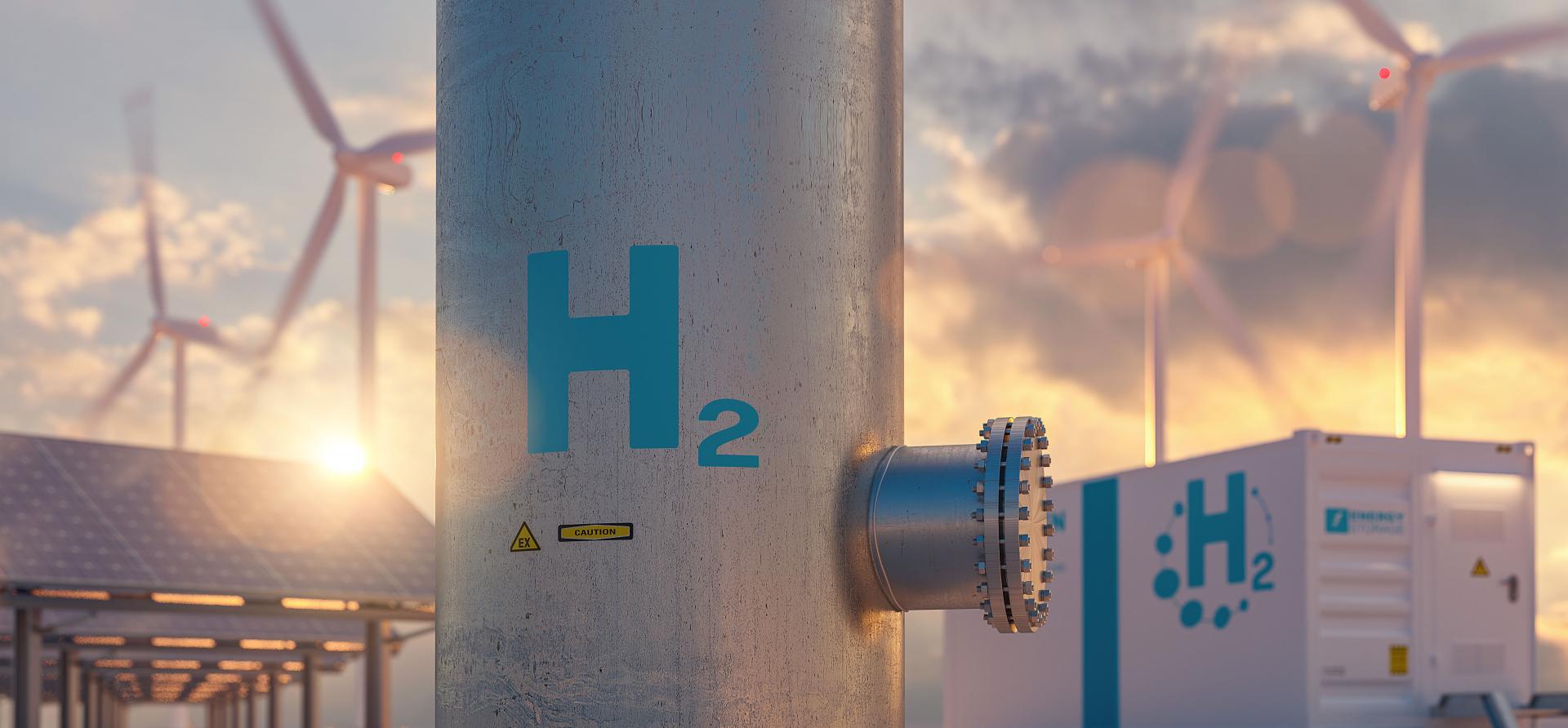
  

It’s a problem of timing. The U.S. Department of Energy (DOE) is about to make decisions on whether to fund methane-based hydrogen hubs, when it does not yet know whether such hubs will be clean enough to qualify—reliably and over the long term—for the grant of funding. Charging ahead without that knowledge is putting the cart before the horse.

The federal Bipartisan Infrastructure Act of 2021, Section 40314, authorizes the DOE to invest billions of dollars to commercialize technologies that strengthen U.S. energy independence and cut carbon emissions. The statute allocates $8 billion for building regional clean hydrogen hubs. These hubs are not experimental pilot projects (funding for which is established in another section of the law), but rather infrastructure development projects to establish jobs-generating, hydrogen-based industrial centers. The program is designed to encourage hydrogen production not only from electrolysis of water, but also from chemical processing of methane from natural gas—if the carbon emissions can be captured efficiently enough to qualify the project as “clean.”

Tiếp tục đọc “The US Energy Department’s hydrogen gamble: Putting the cart before the horse”

Russia sanctions and gas price crisis reveal danger of investing in “blue” hydrogen

May 23, 2022

Arjun Flora and Ana Maria Jaller-Makarewicz IEEFA

Download as PDF

Key Findings

Elevated gas prices and a future tight market means blue hydrogen is no longer a low-cost solution.

IEEFA estimates that blue hydrogen costs published by the UK government last year are now 36% higher, calling into question continued policy support for development of the technology.

Tiếp tục đọc “Russia sanctions and gas price crisis reveal danger of investing in “blue” hydrogen”

‘Noah’ and ‘Daren’ report good news about Venezuela. They’re deepfakes.

The avatars are the latest tool in Venezuela’s disinformation campaign, experts say

By María Luisa Paúl

March 2, 2023 at 5:00 a.m. EST Washington Post

(Illustration by Hailey Haymond/The Washington Post; iStock)

Hosts on Venezuelan state-owned television station VTV have been touting positive news coverage about their country from “una agencia gringa” — an American news agency. “This information isn’t coming from VTV, it’s not coming from me … these are numbers from an American news outlet,” one host exclaimed while showing clips of English-speaking anchors reporting favorably on Venezuela hosting baseball’s Caribbean Series and the country’s tourism industry.

Are you on Telegram? Subscribe to our channel for the latest updates on Russia’s war in Ukraine.

But the reporters in those videos aren’t real. Their names are Daren and Noah, and they’re computer-generated avatars crafted by Synthesia, a London-based artificial intelligence company.

Tiếp tục đọc “‘Noah’ and ‘Daren’ report good news about Venezuela. They’re deepfakes.”

The world after Taiwan’s fall

Read full articles on Pacific Forum:
Part one >>
Part two >>

Excerpt:

The study’s main finding is that Taiwan’s fall would have devastating consequences for the United States and many countries in the region and beyond. Regardless of how it happens (without or despite US/allied intervention), Taiwan’s fall to the PRC would be earth shattering. The PRC could eclipse US power and influence in the region once and for all. Taiwan’s fall could lead to the advent of a Pax Sinica where Beijing and its allies would pursue their interests much more aggressively and with complete impunity. Nuclear proliferation in several parts of the Indo-Pacific could also be the net result of Taiwan’s fall, leading to much more dangerous regional and international security environments. To several authors, it would thus be necessary to build an Asian equivalent to the North Atlantic Treaty Organization to prevent PRC adventurism and ultimately retake Taiwan.

Accordingly, the United States, its allies, and others should take major action—rapidly—to prevent such a development. In particular, the United States should lead an effort to strengthen collective deterrence and defense in the Indo-Pacific; this is especially important in the aftermath of the Russian invasion of Ukraine, which has shown territory takeovers still happen in the twenty-first century. The United States should also give serious consideration to establishing region-wide nuclear sharing arrangements; at a minimum, it should jumpstart research to examine the benefits, costs, and risks that such arrangements would bring to the Indo-Pacific security architecture, as well as assess the opportunities and challenges that such a development would present.

Read full articles on Pacific Forum:
Part one >>
Part two >>

Philippines files 10 protests against China in 2 months over South China Sea row

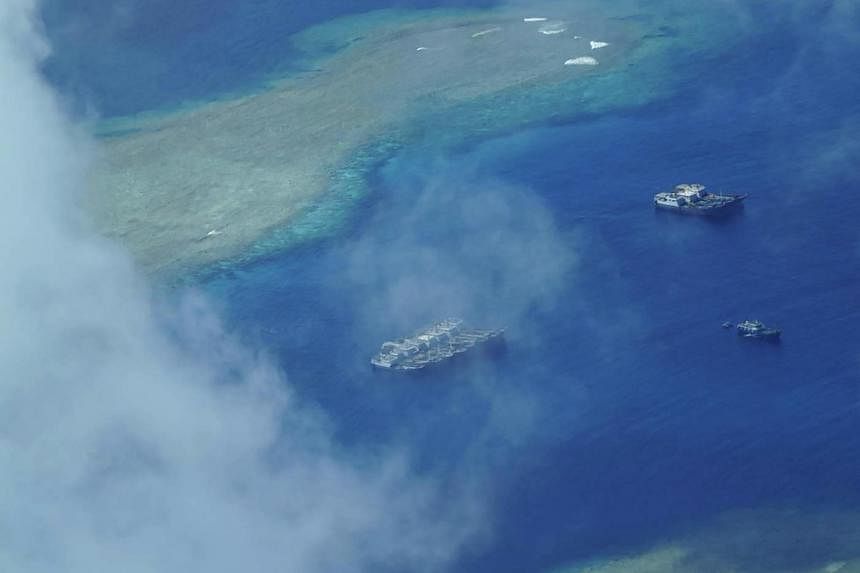
There has been a series of incidents between the Philippines and China over disputed territory in the South China Sea. PHOTO: AFP

UPDATED 7:13 CH 27 THG 2, 2023 SGT

MANILA – The Philippines has filed 10 diplomatic protests against China over alleged “violations” in the South China Sea barely two months into 2023, underscoring renewed tensions between the two nations over the disputed waters.

These form part of the 77 diplomatic protests filed against China under President Ferdinand Marcos Jr, the Philippines’ Department of Foreign Affairs said in a statement on Monday.

Tiếp tục đọc “Philippines files 10 protests against China in 2 months over South China Sea row”

The raging debate about smartphones and teenage mental health

February 27, 2023

Annie Flanagan for The New York Times
The phone in the room
Digital technology has caused the biggest changes to teenage life in many decades. Typical American teenagers spend about half of their waking hours on their smartphones. They are on the phones when they are alone at home and when they are hanging out with friends.
Tiếp tục đọc “The raging debate about smartphones and teenage mental health”

What is ZeroTrust Strategy?

TĐH: Traditional cybersecurity strategies are no longer sufficient for today’s cyberwar. The Zero Trust strategy is a new concept in cyberwar. To help understand this concept, I post here a paper by the US Department of Defense entitle “DOD Zero Trust Strategy.” This concept will involve not just DOD or military institutions, but also many private enterprises and individuals. Indeed, it involves the entire nation. I select the DOD presentation to post because, by nature of its job, DOD is probaly concerned about cybersecurity more than anyone else. Below is the Foreword of the DOD paper.

DOD ZERO TRUST STRATEGY

Download full paper >>

Foreword


Our adversaries are in our networks, exfiltrating our data, and exploiting the Department’s users. The rapid growth of these offensive threats emphasizes the need for the Department of Defense (DoD) to adapt and significantly improve our deterrence strategies and cybersecurity implementations. Defending DoD networks with high-powered and ever-more sophisticated perimeter defenses is no longer sufficient for achieving cyber resiliency and securing our information
enterprise that spans geographic borders, interfaces with external partners, and support to millions of authorized users, many of which now require access to DoD networks outside traditional boundaries, such as work from home. To meet these challenges, the DoD requires an enhanced cybersecurity framework built upon Zero Trust principles that must be adopted across the Department, enterprise-wide, as quickly as possible as described within this document.

Tiếp tục đọc “What is ZeroTrust Strategy?”

U.N. calls for Russia to leave Ukraine

[TĐH:Summarizing the ASEAN’s countries’ votes:

Members:

In favor (8): Bruinei, Indonesia, Cambodia, Thailand, Malaysia, Myanmar, Philippines, Singapore

Abstensions (2): Vietnam, Laos.

Observers (2): In favor: Papua New Guinea, Timor-Leste

Total: 10 in favors, 2 abstentions]

141 members of the 193-nation body voted in support of the nonbinding, largely symbolic resolution.

Monitors show result of a United Nations General Assembly vote for a U.N. resolution upholding Ukraine's territorial integrity and calling for a cessation of hostilities after Russia's invasion.

Monitors show result of a United Nations General Assembly vote for a U.N. resolution upholding Ukraine’s territorial integrity and calling for a cessation of hostilities after Russia’s invasion. | Bebeto Matthews/AP Photo

By MIA MCCARTHY, Reuters

02/23/2023 04:37 PM EST

The United Nations General Assembly on Thursday adopted a resolution calling for Russia to withdraw its troops from Ukraine, almost exactly one year after it invaded the neighboring country.

In the 193-member body, 141 members voted in support of the resolution, exceeding the two-thirds threshold needed to pass.

Tiếp tục đọc “U.N. calls for Russia to leave Ukraine”

UNDP: Institutional Bottlenecks and Viet Nam’s Prospects for Growth and Development

<object class="wp-block-file__embed" data="https://dcnreserve.files.wordpress.com/2023/02/policy-brief-institutional-bottlenecks-2023.02.15_v2.pdf&quot; type="application/pdf" style="width:100%;height:600px" aria-label="<b>policy-brief-institutional-bottlenecks-2023.02.15_v2policy-brief-institutional-bottlenecks-2023.02.15_v2Tải về

The North Atlantic Treaty

Washington D.C. – 4 April 1949

  • 04 Apr. 1949
  • |Last updated: 10 Apr. 2019 14:16

The Parties to this Treaty reaffirm their faith in the purposes and principles of the Charter of the United Nations and their desire to live in peace with all peoples and all governments.
They are determined to safeguard the freedom, common heritage and civilisation of their peoples, founded on the principles of democracy, individual liberty and the rule of law. They seek to promote stability and well-being in the North Atlantic area.
They are resolved to unite their efforts for collective defence and for the preservation of peace and security. They therefore agree to this North Atlantic Treaty :

Article 1

The Parties undertake, as set forth in the Charter of the United Nations, to settle any international dispute in which they may be involved by peaceful means in such a manner that international peace and security and justice are not endangered, and to refrain in their international relations from the threat or use of force in any manner inconsistent with the purposes of the United Nations.

Tiếp tục đọc “The North Atlantic Treaty”

China: The Global Security Initiative Concept Paper (full text)

Source: Xinhua

Editor: huaxia

2023-02-21 09:16:30


BEIJING, Feb. 21 (Xinhua) — China on Tuesday released “The Global Security Initiative Concept Paper.”

Please see the attachment for the full text of the Paper.  Enditem

Download Full text: The Global Security Initiative Concept Paper >>

READ FULL TEXT below

The Global Security Initiative

Concept Paper

  1. Background

The issue of security bears on the well-being of people of all countries, the lofty cause of world peace and development, and the future of humanity.

Today, our world, our times and history are changing in ways like never before, and the international community is confronted with multiple risks and challenges rarely seen before. Regional security hotspots keep flaring up, local conflicts and turbulence occur frequently, the COVID-19 pandemic persists, unilateralism and protectionism have risen significantly, and traditional and non-traditional security threats are entwined. The deficits in peace, development, security and governance are growing, and the world is once again at a crossroads in history.

Tiếp tục đọc “China: The Global Security Initiative Concept Paper (full text)”

China misreads the room in Munich

FEBRUARY 20, 2023

Noah

by Noah Barkin, GMF

China’s post-pandemic charm offensive with Europe was supposed to shift into overdrive this past week.

Instead, a visit by China’s top diplomat, Wang Yi, showed just how challenging it will be for Beijing to get its relationship with Europe back on track, at a time when China’s ties with Russia appear to be deepening and those with Washington are sinking to new depths.

Wang’s appearance at the Munich Security Conference, sandwiched between trips to Paris, Rome, Budapest, and Moscow, was the clearest illustration to date of the diplomatic dilemma China faces as it emerges from three years of self-imposed COVID isolation, the last of which clouded by the war in Ukraine.

Tiếp tục đọc “China misreads the room in Munich”

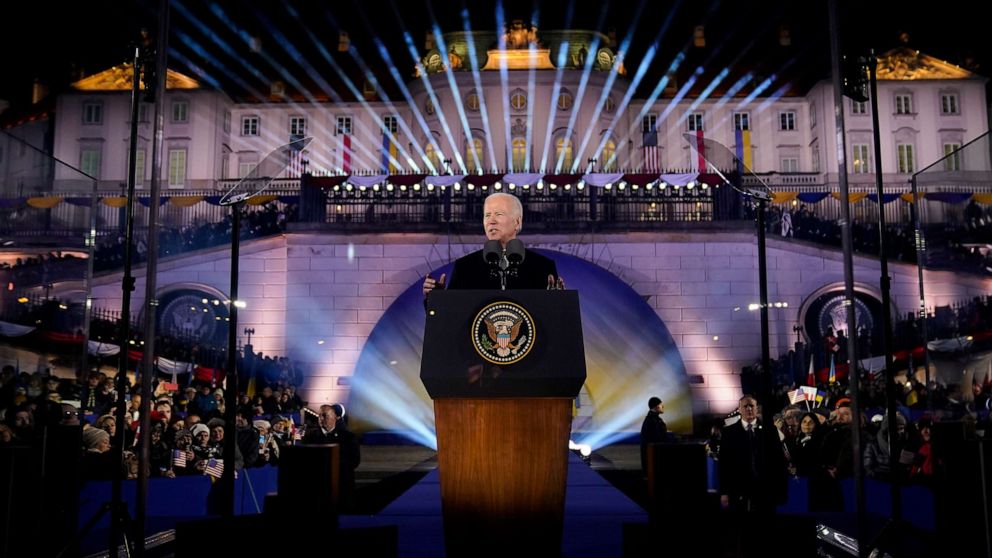
Biden speaks in Poland after surprise trip to Ukraine: ‘Kyiv stands strong’

“Ukraine is still independent and free,” Biden said in Warsaw.

ByLibby Cathey

February 22, 2023, 12:08 AM, ABC

‘Ukraine will never be a victory for Russia,’ Biden says

President Biden made remarks in Poland ahead of the anniversary of the war in Ukraine. Tiếp tục đọc “Biden speaks in Poland after surprise trip to Ukraine: ‘Kyiv stands strong’”

Wendy Sherman’s Remarks at Global China Event

US Department of State

REMARKS

WENDY R. SHERMAN, DEPUTY SECRETARY OF STATE

BROOKINGS INSTITUTION

WASHINGTON, DC

FEBRUARY 15, 2023

Good morning everyone. Thank you, Suzanne, for that introduction, and thank you to the team at Brookings for organizing today’s discussion.

You know, when we first talked about doing an event tied to your Global China program, the topic was, in a sense, evergreen. We could have planned this conversation virtually anytime.

The People’s Republic of China, the challenges it poses, the stakes for global norms and values, the strategies and policy choices demanded from the United States and our partners — these questions have stood front and center from the moment President Biden took office.

Tiếp tục đọc “Wendy Sherman’s Remarks at Global China Event”

Turmoil in global LNG markets is curbing long-term demand growth

February 15, 2023, IEEFA


Key Takeaways:

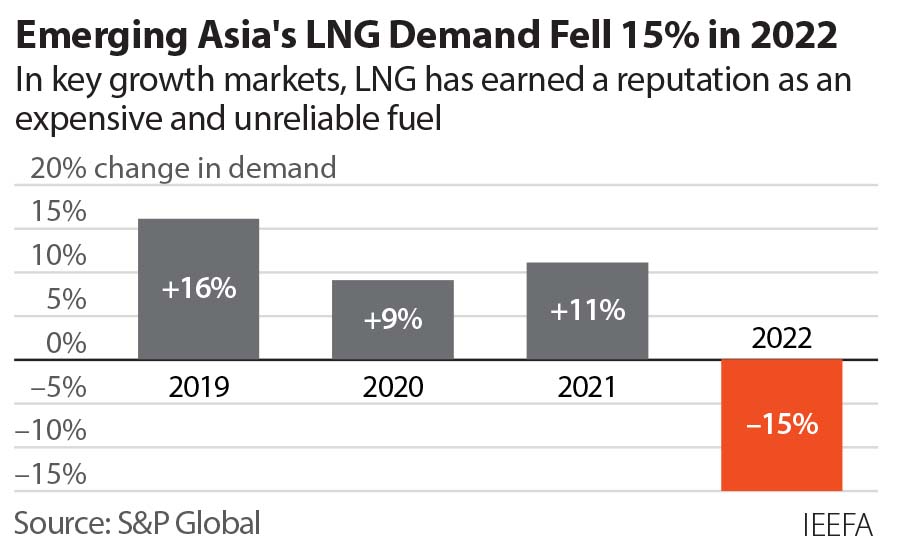
Russia’s invasion of Ukraine upended global LNG markets last year—spurring Europe to buy record amounts of LNG, and pushing prices to their highest level ever

In Asia, LNG has earned a reputation as an expensive and unreliable fuel source, clouding future demand

The EU is taking aggressive steps to trim gas consumption, which could render new LNG import capacity unneeded

Although LNG markets may remain tight for several years, the global LNG market will see a wave of new projects coming online in 2025-27—potentially leading to a supply-demand mismatch and financial risks for LNG suppliers and traders

_________

Tiếp tục đọc “Turmoil in global LNG markets is curbing long-term demand growth”