Changing Tides

The first international agreement to protect the world’s oceans aims to create “international parks” in the high seas.

By Jackie Gu, Reuters

PUBLISHED MARCH 30, 2023

After almost 20 years of negotiations, United Nations member countries have agreed upon an international treaty to protect oceans of the world that lie outside national borders.

These waters, known as “high seas,” occupy nearly two-thirds of the world’s oceans. Because they are considered international waters, they lie outside the jurisdiction of any state and have until now never been legally protected, meaning that the marine life in these areas has been under threat from a free-for-all of unregulated exploitation – including overfishing, pollution from ships and human-induced climate change.

Tiếp tục đọc “Changing Tides”

The world is hooked on junk food: how big companies pull it off

The Conversation, Academic rigour, journalistic flair

Published: March 29, 2023 10.26am BST

Author

  1. Agnes ErzseResearcher, SAMRC/Centre for Health Economics and Decision Science- PRICELESS SA, University of the Witwatersrand

Disclosure statement

Agnes Erzse is supported by the SAMRC/ Wits Centre for Health Economics and Decision Science, PRICELESS, University of Witwatersrand School of Public Health, Faculty of Health Sciences, Johannesburg South Africa (23108).

Partners

University of the Witwatersrand provides support as a hosting partner of The Conversation AFRICA.

View all partners

CC BY NDWe believe in the free flow of information
Republish our articles for free, online or in print, under Creative Commons licence.

It is almost impossible nowadays to listen to the radio, watch TV or scroll through social media without being exposed to an advertisement telling us that all we need for a little happiness and love is a sugary drink or a fast-food snack. There’s nothing that a tasty, affordable, ready-made meal cannot fix, we are asked to believe.

Over many decades our food environments have relentlessly been encouraging us to make choices that are harmful to our health, through pricing, marketing and availability. This rise in advertising has contributed to a growing global obesity crisis as well as nutrition deficiencies as more and more people opt to eat unhealthy food.

We each have the right to buy whatever we can afford. But commercial forces limit our freedom of choice more than we think. New evidence published in The Lancet shows that key causes of ill health – such as obesity and related noncommunicable diseases – are linked to commercial entities with deep pockets and the power to shape the choices people make. They do this by influencing the political and economic system, and its underlying regulatory approaches and policies.

Tiếp tục đọc “The world is hooked on junk food: how big companies pull it off”

Readout of President Joe Biden’s call with General Secretary Trong of Vietnam

MARCH 29, 2023 White House

  1. HOME
  2. BRIEFING ROOM
  3. STATEMENTS AND RELEASES

President Joseph R. Biden, Jr. spoke today with General Secretary Nguyen Phu Trong of Vietnam. President Biden reinforced the United States’ commitment to a strong, prosperous, resilient, and independent Vietnam, noting that 2023 is the 10thanniversary of the U.S.-Vietnam Comprehensive Partnership.  The two leaders discussed the importance of strengthening and expanding the bilateral relationship, while working together to address regional challenges such as climate change, ensuring a free and open Indo-Pacific, and the deteriorating environmental and security situation along the Mekong.  President Biden also emphasized the United States’ commitment to ASEAN centrality, respect for human rights, and cooperating with Vietnam on its ambitious climate goals.

Arming Vietnam: Widened International-security Relations in Support of Military-capability Development

20th March 2023 The International Institute for Strategic Studies

Vietnam faces a serious long-term security challenge from China’s growing assertiveness in the South China Sea, and its response has included efforts to strengthen its military capability, particularly in the maritime sphere. This report assesses the extent of these efforts and looks at how Hanoi has used a widened array of international security relationships to diversify Vietnam’s procurement for its armed forces and coastguard, while also developing its national defence industry. The report argues that international sanctions imposed on Russia in response to the war in Ukraine seem likely to amplify these trends.

Vietnam faces a major long-term security challenge from China’s growing assertiveness in the South China Sea, despite the two countries’ close economic ties. While bilateral tensions have manifested as a maritime grey-zone conflict, Hanoi is determined to strengthen Vietnam’s military capability to deter Chinese escalation, particularly through what appears to be a maritime anti-access/area denial strategy. It is doing this cautiously and incrementally and, since 2016, equipment procurement has slowed, most probably because of budgetary constraints. Although the Vietnam People’s Army (VPA) is likely to depend on equipment originally supplied by Russia for years to come, for multiple reasons Hanoi has begun to diversify its military procurement and to rely less on Russia. It has already made some limited equipment purchases for its armed forces and coastguard from a range of other international sources, most of them small and medium powers, including Israel, which is now Vietnam’s second-most important defence supplier. Hanoi has also tentatively developed security relations with India, Japan and the United States, but, so far, these larger powers have not supplied Vietnam with strategically important equipment. Vietnam is continuing to develop its indigenous defence industry, often through partnerships with international suppliers. This will allow it to strengthen its capacity to maintain, repair, overhaul and modify major defence equipment and to produce systems for specific VPA requirements. Sanctions imposed on Russia in response to its invasion of Ukraine in February 2022 and the subsequent war seem highly likely to amplify these trends. Consequently, integrating military equipment from diverse sources to maximise Vietnam’s capability to deter escalation and contend with grey-zone pressure may become an increasingly important task for the country’s defence industry.

Secretary-General’s remarks to the General Assembly on the request of an Advisory Opinion of the International Court of Justice on the Obligations of States in Respect of Climate Change [as delivered]

29 March 2023

Excellencies,

Ladies and gentlemen,

Earlier this month, the Intergovernmental Panel on Climate Change – IPCC – confirmed that humans are responsible for virtually all global heating over the last 200 years.

The IPCC report shows that limiting temperature rise to 1.5-degree is achievable, but time is running out.

The window is rapidly closing to avoid the worst impacts of the climate crisis. 

Tiếp tục đọc “Secretary-General’s remarks to the General Assembly on the request of an Advisory Opinion of the International Court of Justice on the Obligations of States in Respect of Climate Change [as delivered]”

Ten photographs that made the world wake up to climate change

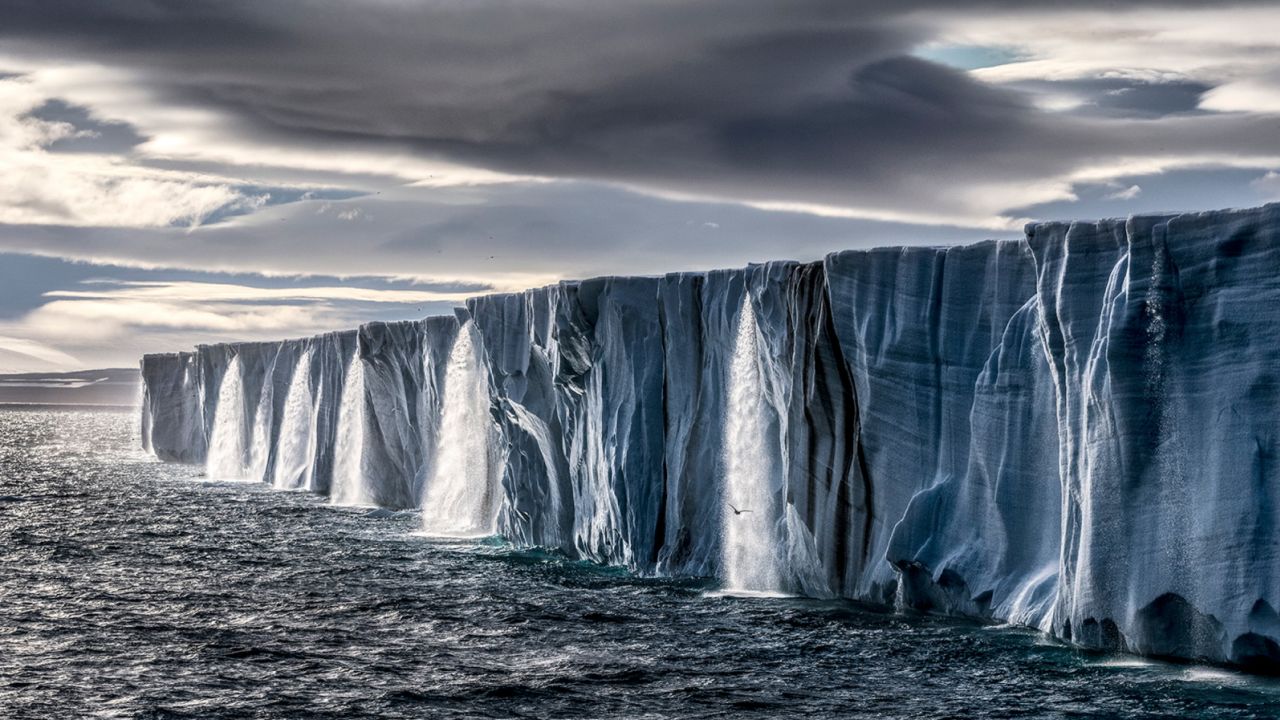
Waterfalls pour off a Nordaustlandet ice cap in Svalbard, Norway, during an unusually warm summer in 2014.

Waterfalls pour off a Nordaustlandet ice cap in Svalbard, Norway, during an unusually warm summer in 2014.Courtesy of Paul Nicklen

Ten photographs that made the world wake up to climate change

By Nell Lewis, CNN

Published 4:34 AM EDT, Wed March 29, 2023

Editor’s Note: Call to Earth is a CNN editorial series committed to reporting on the environmental challenges facing our planet, together with the solutions. Rolex’s Perpetual Planet initiative has partnered with CNN to drive awareness and education around key sustainability issues and to inspire positive action.CNN — 

Water cascading from a wall of ice with gray brushstrokes of clouds overhead makes for a beautiful image – but the story behind it is one of destruction; Earth’s glaciers are melting at an unprecedented rate due to human-caused climate change.

Canadian photographer Paul Nicklen remembers taking the photograph. It was August 2014, and temperatures in Svalbard, Norway, were unusually warm – hovering above 70 degrees Fahrenheit (21 degrees Celsius). As he came around the corner of an ice cap on Nordaustlandet island, he saw more than a dozen waterfalls pouring off its face.

“It was the most poetic, beautiful scene I’d ever seen, but it was also haunting and scary,” he recalls. The picture came to symbolize the realities of climate change and became Nicklen’s best-selling fine art image. It appeared multiple times in National Geographic, was used by Al Gore in his climate talks, and graced the cover of Pearl Jam’s 2020 album “Gigaton,” the title of which refers to the unit used to calculate ice mass.

Its beauty is central to its impact, believes Nicklen. “When you take a photograph that is in focus, properly exposed, moody and powerful, it creates a visceral reaction,” he says. “It has to be beautiful and engaging, it has to invite you in … and it has to have a conservation message.”

In 2014, Nicklen, along with his wife Cristina Mittermeier, and later joined by Andy Mann (both also award-winning photographers), co-founded the nonprofit organization SeaLegacy, which uses film and photography to raise awareness of climate issues and help protect the planet.

“Photography is one of the most effective and powerful tools we have to tell complex stories, like the story of climate change,” says Mittermeier.

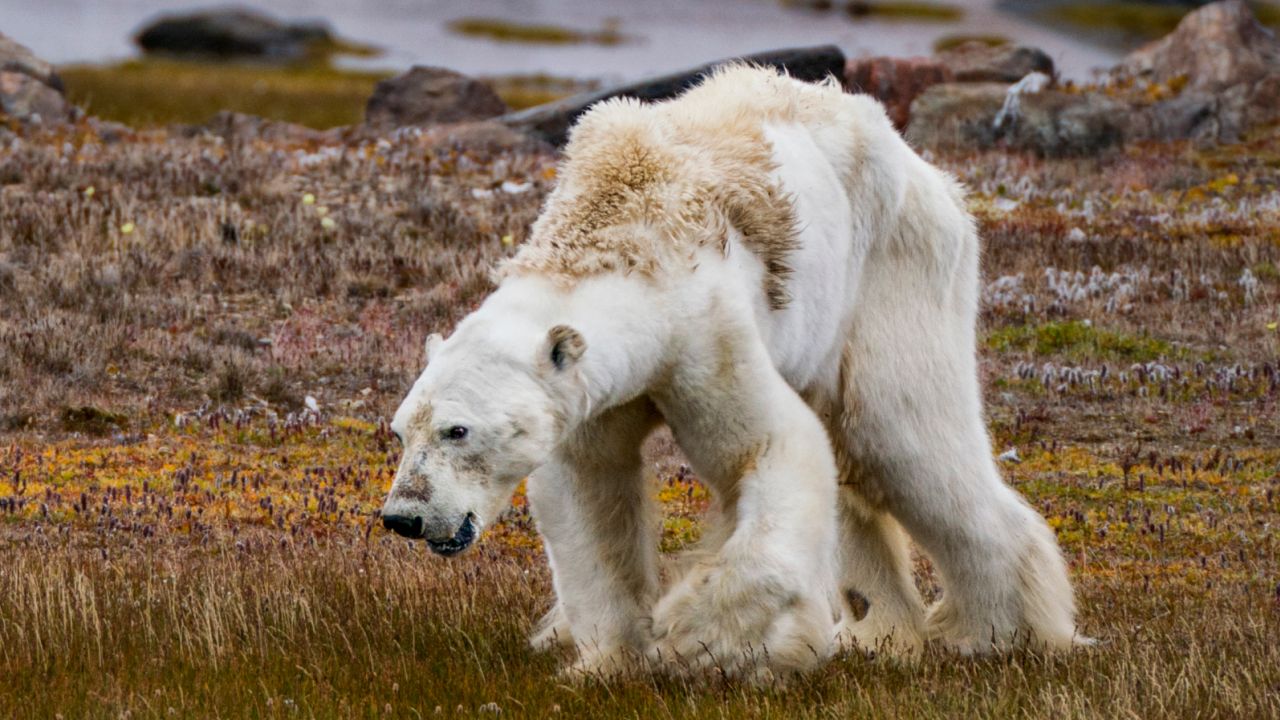
An emaciated polar bear staggers on the search for food. The photograph, taken in 2017, received widespread attention, sparking a conversation around climate change.

An emaciated polar bear staggers on the search for food. The photograph, taken in 2017, received widespread attention, sparking a conversation around climate change.Courtesy of Cristina Mittermeier

Tiếp tục đọc “Ten photographs that made the world wake up to climate change”

CFR: Daily News Brief, March 28, 2023

Image Daily News Brief March 28, 2023
Top of the Agenda

British, German Tanks Reach Kyiv as Ukraine Prepares for Spring Offensive

The first deliveries of British Challenger tanks and German Leopard 2 tanks reached the Ukrainian capital (FT), German and Ukrainian officials confirmed. Meanwhile, Ukrainian forces completed training (The Guardian) in the United Kingdom on how to use the Challenger tanks. Poland sent tanks to Ukraine late last month, and Spain is expected to do so by the end of the week.
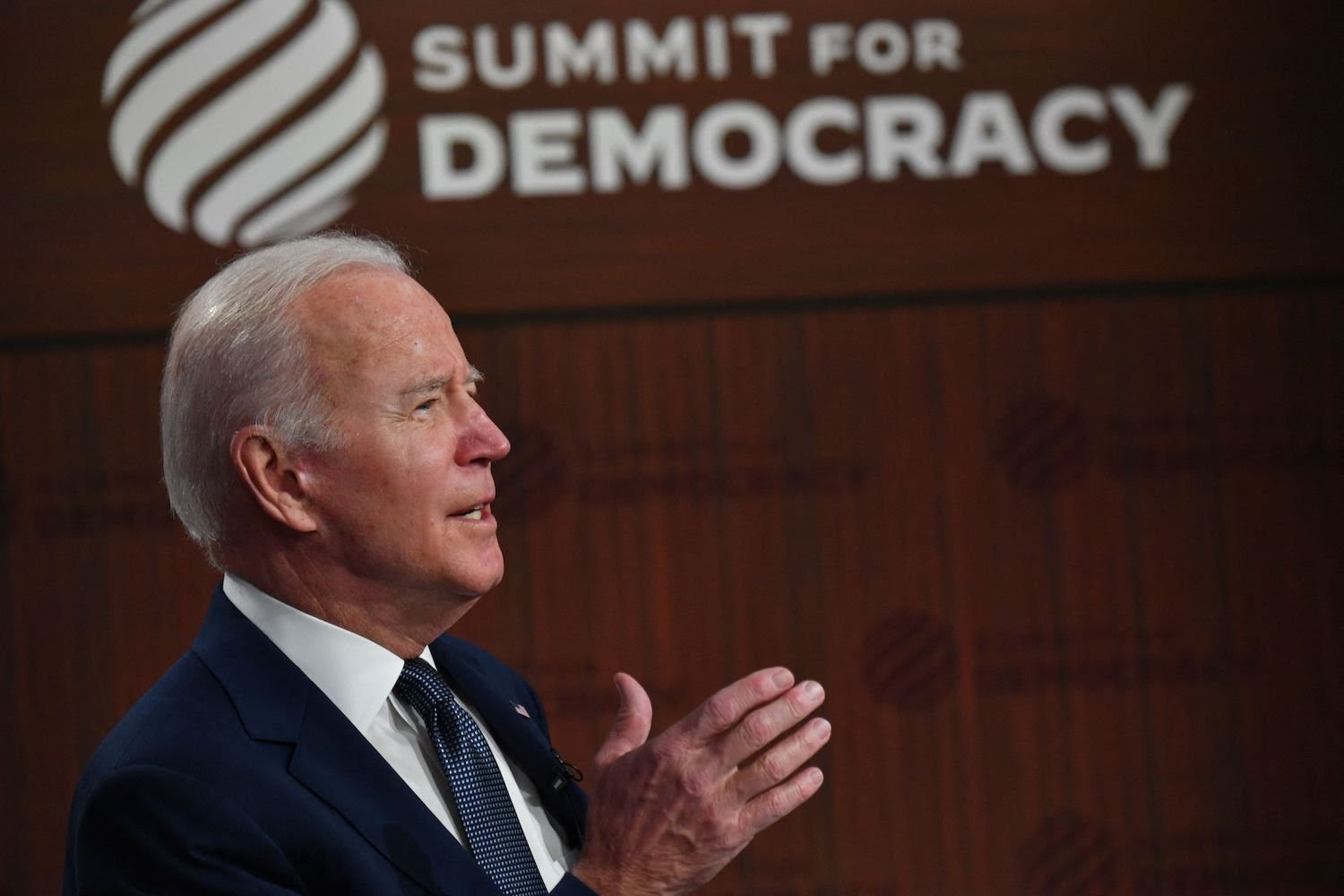
Ukraine’s spring counteroffensive against invading Russian forces will depend (BBC) on continued weapons support from the West, President Volodymyr Zelenskyy has said. He will give a virtual address today (AFP) to kick off U.S. President Joe Biden’s second annual Summit for Democracy. 
Tiếp tục đọc “CFR: Daily News Brief, March 28, 2023”

How to Read Xi’s Muscular Message on China’s Global Role

Xi Jinping used the annual legislative session to lock in his tenure as president and reinforce China’s assertive foreign policy and the reemergence of its economy.

Article by Ian Johnson

March 17, 2023 4:05 pm (EST)

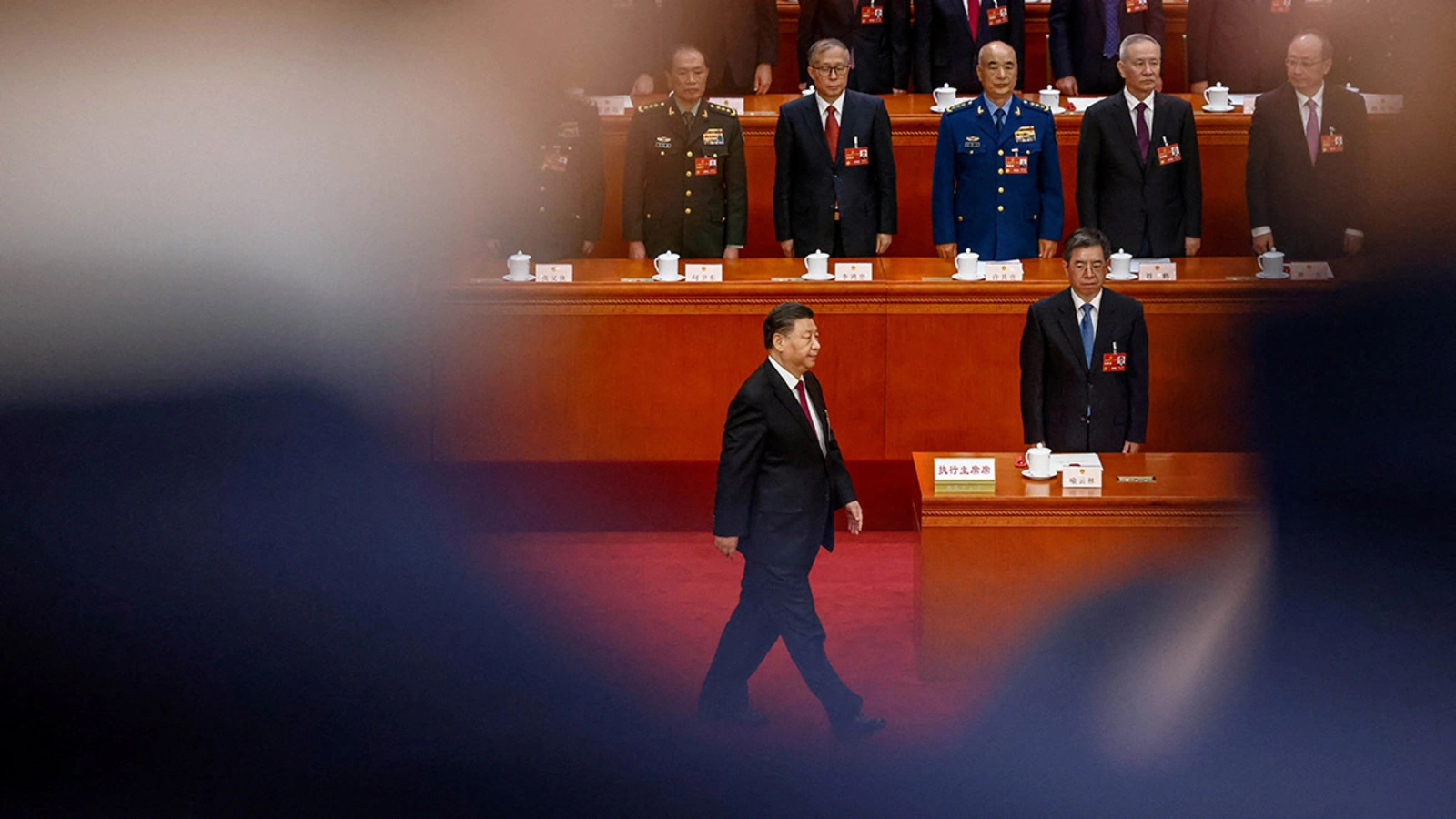
Chinese President Xi Jinping prepares to take his oath during the Third Plenary Session of the National People’s Congress.
Chinese President Xi Jinping prepares to take his oath during the Third Plenary Session of the National People’s Congress. Mark R. Cristino/Reuters

This month saw the Chinese rite of spring known as the lianghui, or “two sessions”: the annual meetings of the national advisory committee and the country’s parliament. Neither body holds much power, and it’s easy to write the whole exercise off as empty theater. Yet, public rituals are meant to deliver messages, and this year’s lianghui offered two important points: President Xi Jinping and his muscular foreign policy are here to stay, and China is back open for business after three years of fighting COVID-19—even if its return to growth is bolstered through unsustainable deficit spending.

Tiếp tục đọc “How to Read Xi’s Muscular Message on China’s Global Role”

A federal judge spoke at Stanford Law School. Chaos ensued.

March 24, 2023, The New York Times, Good Morning
By David Leonhardt
Stanford University.Ben Margot/Associated Press

A heckler’s veto
Stuart Kyle Duncan — a federal appeals court judge appointed by Donald Trump — visited Stanford Law School this month to give a talk. It didn’t go well.
Students frequently interrupted him with heckling. One protester called for his daughters to be raped, Duncan said. When he asked Stanford administrators to calm the crowd, the associate dean for diversity, equity and inclusion walked to the lectern and instead began her remarks by criticizing him. “For many people here, your work has caused harm,” she told him.
Tiếp tục đọc “A federal judge spoke at Stanford Law School. Chaos ensued.”

TikTok CEO in the hot seat: 5 takeaways from his first appearance before US Congress

Catherine Thorbecke

By Catherine Thorbecke, CNN

Updated 5:12 PM EDT, Thu March 23, 2023

03:15New YorkCNN — 

In his first appearance before Congress on Thursday, TikTok CEO Shou Chew was grilled by lawmakers who expressed deep skepticism about his company’s attempts to protect US user data and ease concerns about its ties to China.

It was a rare chance for the public to hear from the Chew, who offers very few interviews. Yet his company’s app is among the most popular in America, with more than 150 million active users.

Here are the biggest takeaways from Thursday’s hearing.

Washington has already made up its mind about TikTok

The hearing, which lasted for more than five hours, kicked off with calls from a lawmaker to ban the app in the United States and remained combative throughout. It offered a vivid display of the bipartisan push to crack down on the popular short-form video app and the company’s uphill battle to improve relations with Washington.

Washington Republican Rep. Cathy McMorris Rodgers, the chair of the House Energy and Commerce Committee, opened Thursday’s hearing by telling Shou: “Your platform should be banned.”

23 TikTok STOCK

The US government is once again threatening to ban TikTok. What you should know

Chew used his testimony to stress TikTok’s independence from China and play up its US ties. “TikTok itself is not available in mainland China, we’re headquartered in Los Angeles and Singapore, and we have 7,000 employees in the U.S. today,” he said in his opening remarks.

“Still, we have heard important concerns about the potential for unwanted foreign access to US data and potential manipulation of the TikTok US ecosystem,” Chew said. “Our approach has never been to dismiss or trivialize any of these concerns. We have addressed them with real action.”

Tiếp tục đọc “TikTok CEO in the hot seat: 5 takeaways from his first appearance before US Congress”

Summit for Democracy Snubs for Two Troublesome U.S. Allies

Foreign Policy Sitrep

The Biden administration is inviting around 120 countries to join its Summit for Democracy next week, but two of its NATO allies aren’t getting a call.

Turkey and Hungary have been left off the invitation list for the major summit, which Team Biden bills as one of its hallmark foreign-policy initiatives, meant to shore up democracies worldwide and stanch the rise of autocracies.

Backsliding. The spurning of two NATO allies, confirmed by three U.S. officials who spoke to SitRep, reflects a mounting concern with the degree of democratic backsliding in Turkey and Hungary, even though Washington is relying on both to support the West’s strategy against Russia as the war in Ukraine rages on—and needs both to approve Finland and Sweden’s bids to join NATO as full-fledged allies.

Tiếp tục đọc “Summit for Democracy Snubs for Two Troublesome U.S. Allies”

Xi and Putin Have the Most Consequential Undeclared Alliance in the World

It’s become more important than Washington’s official alliances today.

By Graham Allison, a professor of government at the Harvard Kennedy School.

MARCH 23, 2023, 5:42 PM

Chinese President Xi Jinping’s decision to visit Moscow this week in his first trip abroad since his reelection comes as no surprise to those who have been watching carefully. When one steps back and analyzes the relationship between China and Russia, the brute facts cannot be denied: Along every dimension—personal, economic, military, and diplomatic—the undeclared alliance that Xi has built with Russian President Vladimir Putin has become much more consequential than most of the United States’ official alliances today.

Tiếp tục đọc “Xi and Putin Have the Most Consequential Undeclared Alliance in the World”

AR6 Synthesis Report: Climate Change 2023

The Intergovernmental Panel on Climate Change (IPCC) is the United Nations body for assessing the science related to climate change.

Summary for Policy Makers >>

Longer Report >>

More information >>

Headline Statements

Headline statements are the overarching conclusions of the approved Summary for Policymakers which, taken together, provide a concise narrative.

ACurrent Status and Trends
Observed Warming and its Causes
A.1Human activities, principally through emissions of greenhouse gases, have unequivocally caused global warming, with global surface temperature reaching 1.1°C above 1850–1900 in 2011–2020. Global greenhouse gas emissions have continued to increase, with unequal historical and ongoing contributions arising from unsustainable energy use, land use and land-use change, lifestyles and patterns of consumption and production across regions, between and within countries, and among individuals (high confidence). {2.1, Figure 2.1, Figure 2.2}.
Observed Changes and Impacts
A.2Widespread and rapid changes in the atmosphere, ocean, cryosphere and biosphere have occurred. Human-caused climate change is already affecting many weather and climate extremes in every region across the globe. This has led to widespread adverse impacts and related losses and damages to nature and people (high confidence). Vulnerable communities who have historically contributed the least to current climate change are disproportionately affected (high confidence). {2.1, Table 2.1, Figure 2.2 and 2.3} (Figure SPM.1)
Current Progress in Adaptation and Gaps and Challenges
A.3Adaptation planning and implementation has progressed across all sectors and regions, with documented benefits and varying effectiveness. Despite progress, adaptation gaps exist, and will continue to grow at current rates of implementation. Hard and soft limits to adaptation have been reached in some ecosystems and regions. Maladaptation is happening in some sectors and regions. Current global financial flows for adaptation are insufficient for, and constrain implementation of, adaptation options, especially in developing countries (high confidence). {2.2, 2.3}
Current Mitigation Progress, Gaps and Challenges
A.4Policies and laws addressing mitigation have consistently expanded since AR5. Global GHG emissions in 2030 implied by nationally determined contributions (NDCs) announced by October 2021 make it likely that warming will exceed 1.5°C during the 21st century and make it harder to limit warming below 2°C. There are gaps between projected emissions from implemented policies and those from NDCs and finance flows fall short of the levels needed to meet climate goals across all sectors and regions. (high confidence) {2.2, 2.3, Figure 2.5, Table 2.2}
BFuture Climate Change, Risks, and Long-Term Responses
Future Climate Change
B.1Continued greenhouse gas emissions will lead to increasing global warming, with the best estimate of reaching 1.5°C in the near term in considered scenarios and modelled pathways. Every increment of global warming will intensify multiple and concurrent hazards (high confidence). Deep, rapid, and sustained reductions in greenhouse gas emissions would lead to a discernible slowdown in global warming within around two decades, and also to discernible changes in atmospheric composition within a few years (high confidence). {Cross-Section Boxes 1 and 2, 3.1, 3.3, Table 3.1, Figure 3.1, 4.3} (Figure SPM.2, Box SPM.1)
Climate Change Impacts and Climate-Related Risks
B.2For any given future warming level, many climate-related risks are higher than assessed in AR5, and projected long-term impacts are up to multiple times higher than currently observed (high confidence). Risks and projected adverse impacts and related losses and damages from climate change escalate with every increment of global warming (very high confidence). Climatic and non-climatic risks will increasingly interact, creating compound and cascading risks that are more complex and difficult to manage (high confidence). {Cross-Section Box.2, 3.1, 4.3, Figure 3.3, Figure 4.3} (Figure SPM.3, Figure SPM.4)
Likelihood and Risks of Unavoidable, Irreversible or Abrupt Changes
B.3Some future changes are unavoidable and/or irreversible but can be limited by deep, rapid and sustained global greenhouse gas emissions reduction. The likelihood of abrupt and/or irreversible changes increases with higher global warming levels. Similarly, the probability of low-likelihood outcomes associated with potentially very large adverse impacts increases with higher global warming levels. (high confidence) {3.1}
Adaptation Options and their Limits in a Warmer World
B.4Adaptation options that are feasible and effective today will become constrained and less effective with increasing global warming. With increasing global warming, losses and damages will increase and additional human and natural systems will reach adaptation limits. Maladaptation can be avoided by flexible, multi-sectoral, inclusive, long-term planning and implementation of adaptation actions, with co-benefits to many sectors and systems. (high confidence) {3.2, 4.1, 4.2, 4.3}
Carbon Budgets and Net Zero Emissions
B.5Limiting human-caused global warming requires net zero CO2 emissions. Cumulative carbon emissions until the time of reaching net-zero CO2 emissions and the level of greenhouse gas emission reductions this decade largely determine whether warming can be limited to 1.5°C or 2°C (high confidence). Projected CO2 emissions from existing fossil fuel infrastructure without additional abatement would exceed the remaining carbon budget for 1.5°C (50%) (high confidence). {2.3, 3.1, 3.3, Table 3.1}
Mitigation Pathways
B.6All global modelled pathways that limit warming to 1.5°C (>50%) with no or limited overshoot, and those that limit warming to 2°C (>67%), involve rapid and deep and, in most cases, immediate greenhouse gas emissions reductions in all sectors this decade. Global net zero CO2 emissions are reached for these pathway categories, in the early 2050s and around the early 2070s, respectively. (high confidence) {3.3, 3.4, 4.1, 4.5, Table 3.1} (Figure SPM.5, Box SPM.1)
Overshoot: Exceeding a Warming Level and Returning
B.7If warming exceeds a specified level such as 1.5°C, it could gradually be reduced again by achieving and sustaining net negative global CO2 emissions. This would require additional deployment of carbon dioxide removal, compared to pathways without overshoot, leading to greater feasibility and sustainability concerns. Overshoot entails adverse impacts, some irreversible, and additional risks for human and natural systems, all growing with the magnitude and duration of overshoot. (high confidence) {3.1, 3.3, 3.4, Table 3.1, Figure 3.6}
CResponses in the Near Term
Urgency of Near-Term Integrated Climate Action
C.1Climate change is a threat to human well-being and planetary health (very high confidence). There is a rapidly closing window of opportunity to secure a liveable and sustainable future for all (very high confidence). Climate resilient development integrates adaptation and mitigation to advance sustainable development for all, and is enabled by increased international cooperation including improved access to adequate financial resources, particularly for vulnerable regions, sectors and groups, and inclusive governance and coordinated policies (high confidence). The choices and actions implemented in this decade will have impacts now and for thousands of years (high confidence). {3.1, 3.3, 4.1, 4.2, 4.3, 4.4, 4.7, 4.8, 4.9, Figure 3.1, Figure 3.3, Figure 4.2} (Figure SPM.1; Figure SPM.6)
The Benefits of Near-Term Action
C.2Deep, rapid and sustained mitigation and accelerated implementation of adaptation actions in this decade would reduce projected losses and damages for humans and ecosystems (very high confidence), and deliver many co-benefits, especially for air quality and health (high confidence). Delayed mitigation and adaptation action would lock-in high-emissions infrastructure, raise risks of stranded assets and cost-escalation, reduce feasibility, and increase losses and damages (high confidence). Near-term actions involve high up-front investments and potentially disruptive changes that can be lessened by a range of enabling policies (high confidence). {2.1, 2.2, 3.1, 3.2, 3.3, 3.4, 4.1, 4.2, 4.3, 4.4, 4.5, 4.6, 4.7, 4.8}
Mitigation and Adaptation Options across Systems
C.3Rapid and far-reaching transitions across all sectors and systems are necessary to achieve deep and sustained emissions reductions and secure a liveable and sustainable future for all. These system transitions involve a significant upscaling of a wide portfolio of mitigation and adaptation options. Feasible, effective, and low-cost options for mitigation and adaptation are already available, with differences across systems and regions. (high confidence) {4.1, 4.5, 4.6} (Figure SPM.7)
Synergies and Trade-Offs with Sustainable Development
C.4Accelerated and equitable action in mitigating and adapting to climate change impacts is critical to sustainable development. Mitigation and adaptation actions have more synergies than trade-offs with Sustainable Development Goals. Synergies and trade-offs depend on context and scale of implementation. (high confidence) {3.4, 4.2, 4.4, 4.5, 4.6, 4.9, Figure 4.5}
Equity and Inclusion
C.5Prioritising equity, climate justice, social justice, inclusion and just transition processes can enable adaptation and ambitious mitigation actions and climate resilient development. Adaptation outcomes are enhanced by increased support to regions and people with the highest vulnerability to climatic hazards. Integrating climate adaptation into social protection programs improves resilience. Many options are available for reducing emission-intensive consumption, including through behavioural and lifestyle changes, with co-benefits for societal well-being. (high confidence) {4.4, 4.5}
Governance and Policies
C.6Effective climate action is enabled by political commitment, well-aligned multilevel governance, institutional frameworks, laws, policies and strategies and enhanced access to finance and technology. Clear goals, coordination across multiple policy domains, and inclusive governance processes facilitate effective climate action. Regulatory and economic instruments can support deep emissions reductions and climate resilience if scaled up and applied widely. Climate resilient development benefits from drawing on diverse knowledge. (high confidence) {2.2, 4.4, 4.5, 4.7}
Finance, Technology and International Cooperation
C.7Finance, technology and international cooperation are critical enablers for accelerated climate action. If climate goals are to be achieved, both adaptation and mitigation financing would need to increase many-fold. There is sufficient global capital to close the global investment gaps but there are barriers to redirect capital to climate action. Enhancing technology innovation systems is key to accelerate the widespread adoption of technologies and practices. Enhancing international cooperation is possible through multiple channels. (high confidence) {2.3, 4.8}

Vienna Convention on Diplomatic Relations (1961) & US Diplomatic Relations Act (1978) – Vienna Comvention on Consular Relations (1963)

  • Vienna Convention on Diplomatic Relations (1961)

Download from UN Website >>

  • [US] Diplomatic Relations Act (1978), to implement Vienna Convention on Diplomatic Convention

Download from goveinfo.gov >>

  • Vienna Convention on Consular Relations (1963)

Download from UN Website >>

  • Diplomatic and Consular Immunity: Guidance for Law Enforcementand Judicial Authorities (by ÚS Department of State, Office of Foreign Misions)

Download from Perma.cc >>