Southeast Asia is the world’s bilge dumping hotspot—what can be done to stop ships discharging waste oil?

eco-business.com

Satellite images have revealed the illegal discharge of waste oil and sludge from ships to be a daily occurrence in Indonesia, while Southeast Asia’s biodiverse waters suffer more from the problem than anywhere. What can be done to stop the destructive practice of bilge dumping?

Piracy. Illegal fishing. Slavery. The issues facing the shipping trade are increasingly well known and a highly traditional industry has at last started to confront them. But one important issue, which is as old as the trade itself, has been largely overlooked: bilge dumping.
Tiếp tục đọc “Southeast Asia is the world’s bilge dumping hotspot—what can be done to stop ships discharging waste oil?”

The History of China’s Green Energy Revolution

How Many Women Worldwide Are Single Moms?

BY STEVE CRABTREE AND SOFIA KLUCH
How Many Women Worldwide Are Single Moms?

STORY HIGHLIGHTS

  • Sub-Saharan Africa has the highest percentage of single mothers worldwide, at 32%.
  • U.S. among countries where single mothers have relatively low incomes

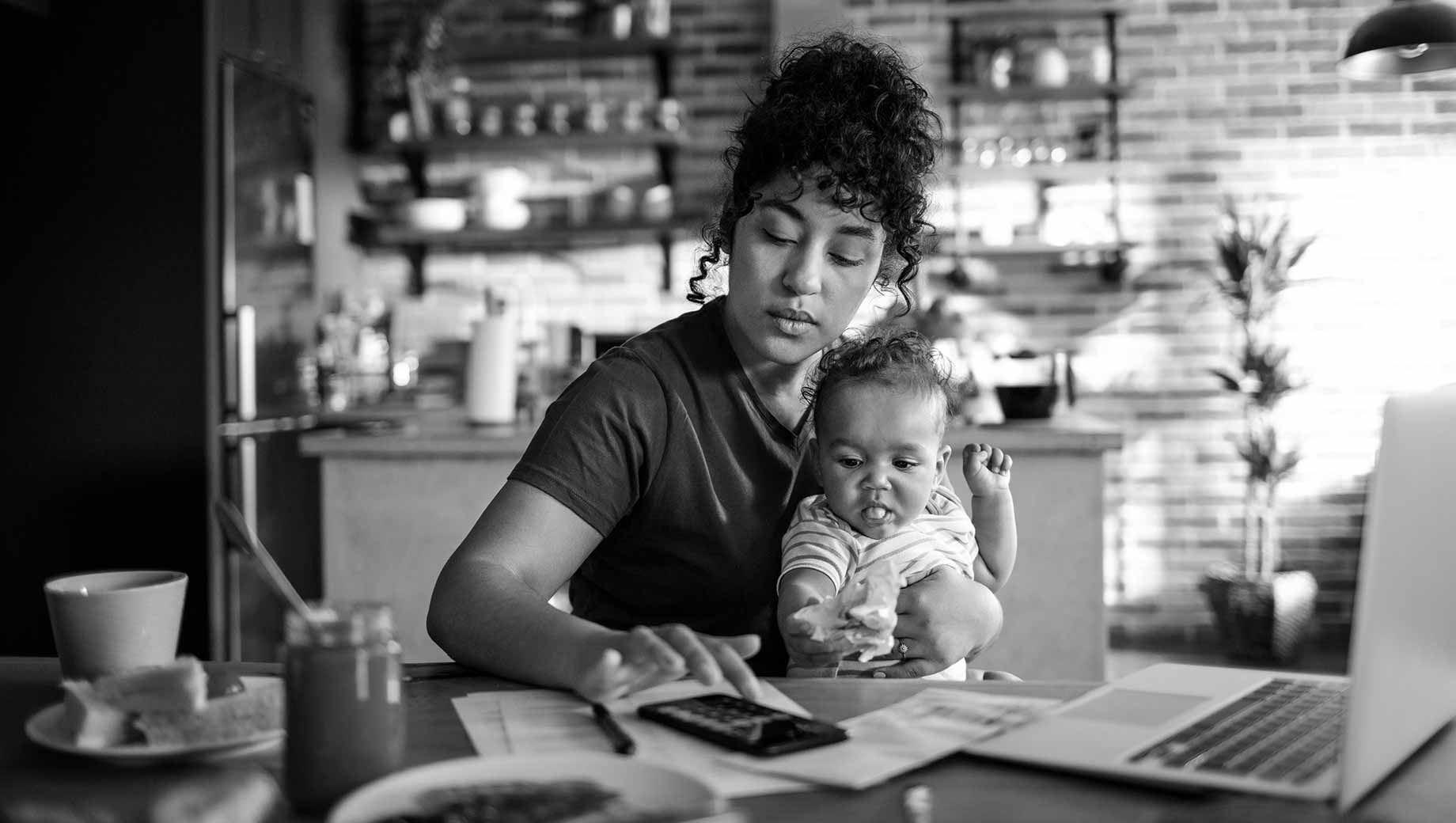
WASHINGTON, D.C. — Gallup finds that about one in eight women aged 18 to 60 worldwide — 13% — are unmarried and have children younger than 15 in their household. However, this figure is sharply higher in a few regions, especially sub-Saharan Africa at 32% and Latin America at 24%.

Women’s Family Status, by Region
Tiếp tục đọc “How Many Women Worldwide Are Single Moms?”

Hydrogen and decarbonisation of gas: false dawn or silver bullet?

This Insight continues the OIES series considering the future of gas. The clear message from previous papers is that on the (increasingly certain) assumption that governments in major European gas markets remain committed to decarbonisation targets, the existing natural gas industry is under threat. It is therefore important to develop a decarbonisation narrative leading to a low- or zero-carbon gas implementation plan.

Previous papers have considered potential pathways for gas to decarbonise, specifically considering biogas and biomethane , and power-to-gas (electrolysis) . This paper goes on to consider the potential for production, transport and use of hydrogen in the decarbonising energy system. Previous papers predominately focused on Europe, which has been leading the way in decarbonisation. Hydrogen is now being considered more widely in various countries around the world, so this paper reflects that wider geographical coverage. Tiếp tục đọc “Hydrogen and decarbonisation of gas: false dawn or silver bullet?”

Learning from Power Sector Reform Experiences: The Case of Vietnam

Policy Research Working Paper
1. State-centric institutions can rapidly and successfully develop a power sector with concerted efforts, notwithstanding the opportunity for well-regulated competition and private sector participation to improve efficiency and financial viability.
 
2. Gradual reform steps offer the opportunity to build consensus each step of the way and learn by doing. This can lead to different outcomes than expected, as policy drivers evolve.
 
3. The sequence of reforms matters. Introducing market mechanisms ahead of other vital elements may limit their effectiveness and make subsequent reform steps more difficult

Drought drives Vietnam’s Mekong Delta to declare state of emergency

scmp.com

  • A total of 33,000 hectares of rice fields have been damaged and nearly 70,000 households are suffering from a lack of water
  • Reasons for the drought and salinity intrusion include a lack of rain, growing water consumption and increased water storage in dams
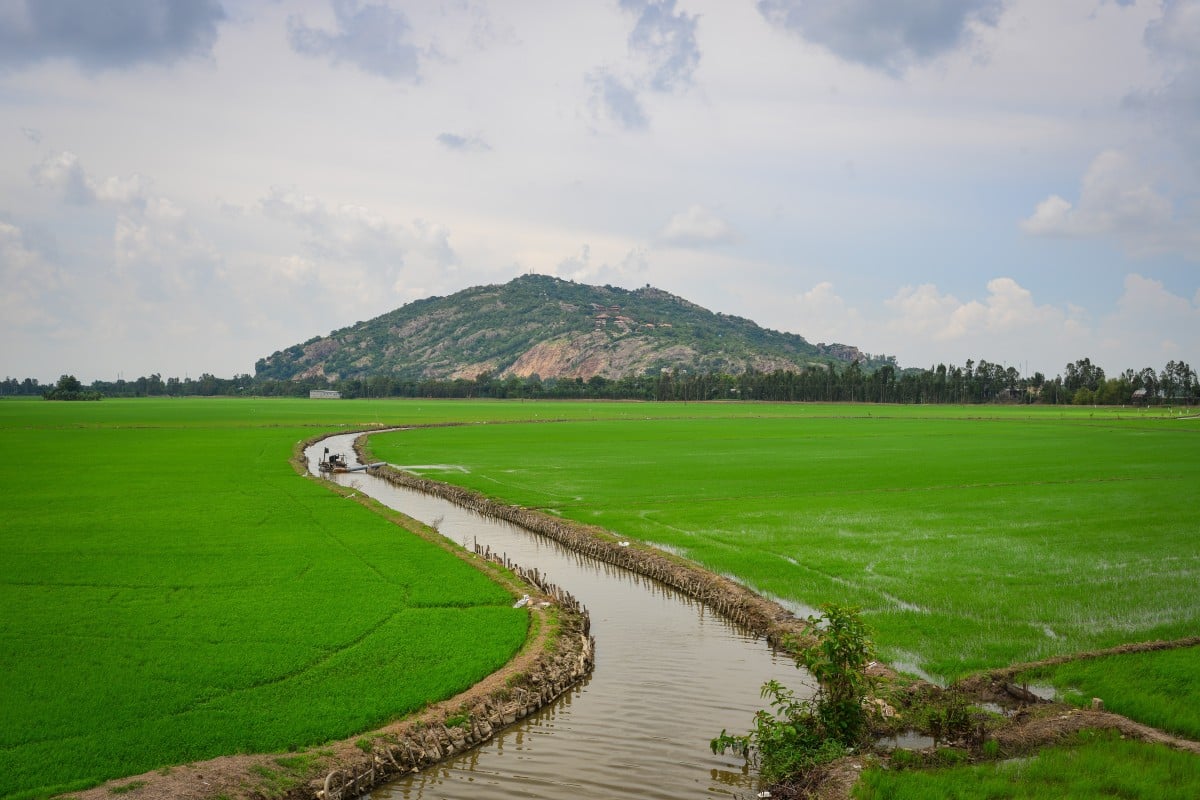
Rice fields in the Mekong Delta of Southern Vietnam. Photo: Shutterstock
Vietnam

’s prolonged drought, coupled with an extensive build-up of salinity, have driven five provinces in the country’s rice bowl to declare a state of emergency.

“This year’s drought and salinity have been way more devastating than what we saw four years ago,” said Nguyen Thien Phap, head of the water resources department in Tien Giang, one of the provinces that announced the emergency in the Mekong Delta.

Tiếp tục đọc “Drought drives Vietnam’s Mekong Delta to declare state of emergency”

THẬN TRỌNG KHI ĐƯA TIN VỀ DỊCH BỆNH COVID-19


Mạng lưới Báo chí Quốc Tế IJNet đưa ra 10 lời khuyên dành cho các nhà báo khi đưa tin về dịch bệnh COVID-19. Đây là kinh nghiệm từ nhiều phóng viên từ vùng dịch và đã từng đưa tin các dịch bệnh trước như Ebola. Media Climate Net dịch và giới thiệu.
—————-
“Nhiệm vụ của nhà báo là truyền đạt thông tin đáng tin cậy và có trách nhiệm tới công chúng. Đối diện với một cuộc khủng hoảng sức khỏe toàn cầu, giống như hiện tại chúng ta đang phải đối mặt với COVID-19, vai trò này trở nên quan trọng hơn bao giờ hết.

“Có rất nhiều lớp ‘sương mù thông tin’ trong khoảng thời gian này, và bạn có trách nhiệm băng qua lớp mây mù đó để có được một bức tranh rõ ràng.” – Michael Standaert, một nhà báo tự do tại Thâm Quyến, đã viết cho Bloomberg, The Guardian, Al Jazeera và nhiều báo khác cho hay. Anh đã viết về virus corona ở Trung Quốc kể từ khi dịch bùng phát vào tháng 12/2019.

Đặc biệt trong các cuộc khủng hoảng, các nhà báo cần phải biết cân bằng giữa việc thông báo cho công chúng và gieo rắc nỗi sợ hãi – mặc dù việc này khó như đi trên dây. “Bạn muốn tránh ru ngủ mọi người trong sự tự mãn,” TS.Stephen Morse, Giáo sư dịch tễ học tại Đại học Columbia cho biết. Tuy vậy bạn cũng không muốn thổi phồng nó lên đến mức tạo ra sợ hãi hoặc hoảng loạn vô căn cứ, ông nói thêm.

Ở Trung Quốc, nhiệm vụ này thậm chí còn trở nên khó khăn hơn khi đối mặt với sự kiểm duyệt của chính phủ. Standaert đã nhận thấy ngày càng khó khăn để thuyết phục các nguồn tin trả lời phỏng vấn, vì nhiều công dân Trung Quốc sợ bị cảnh báo hoặc khiển trách. “Thật điên rồ và đáng lo ngại khi một người dân bình thường nghĩ rằng họ không thể nói lên suy nghĩ của mình khi quan chức chính quyền địa phương chưa cho phép.” – Standaert nói với IJNet.

Tuy điều kiện khó khăn, các phóng viên như Standaert vẫn phải tiếp tục viết những câu chuyện về coronavirus. Để giúp các nhà báo trên toàn thế giới đưa tin tốt hơn về dịch bệnh này, IJNet đã biên soạn một danh sách các lời khuyên, những thận trọng cần có khi viết về COVID-19.

—————-
1. HIỂU ĐÚNG TÌNH HÌNH THỰC TẾ

Như bất kỳ cuộc khủng hoảng nào trên toàn thế giới, có rất nhiều thông tin và không phải tất cả đều tốt. Thông tin tràn lan trên Internet có thể đánh lừa khán giả, giống như hình ảnh người đàn ông nằm chết trên đường phố ở Vũ Hán được bao quanh bởi các nhân viên y tế. Bức ảnh này được mệnh danh là hình ảnh của cuộc khủng hoảng coronavirus Vũ Hán bởi tờ The Guardian – mặc dù không có bằng chứng nào cho thấy người đàn ông thực sự đã chết vì coronavirus.
Tiếp tục đọc “THẬN TRỌNG KHI ĐƯA TIN VỀ DỊCH BỆNH COVID-19”

Miền Tây oằn mình trong cơn khát

Hạn, mặn do biến đổi khí hậu cùng với hàng loạt đập thủy điện mọc lên ở thượng nguồn sông Mê Kông đang khiến các tỉnh đồng bằng sông Cửu Long khát nước ngọt trầm trọng.
Một con kênh chảy qua xã Bình Phan (H.Chợ Gạo, Tiền Giang) cạn trơ đáy /// Ảnh: Ngọc Dương


Một con kênh chảy qua xã Bình Phan (H.Chợ Gạo, Tiền Giang) cạn trơ đáy

Ảnh: Ngọc Dương

Tiếp tục đọc “Miền Tây oằn mình trong cơn khát”

Cần 2.500 tỉ đồng đầu tư dự án thủy lợi Cái Lớn- Cái Bé giai đoạn 2

thesaigontimes.vn

Thứ Bảy,  4/1/2020, 18:45 

(TBKTSG Online) – Bộ Nông nghiệp và Phát triển nông thôn đang cần đến 14.200 tỉ đồng để đầu tư các công trình thủy lợi ở Đồng bằng sông Cửu Long (ĐBSCL) giai đoạn 2021-2025, trong đó, dự án hệ thống thủy lợi Cái Lớn- Cái Bé giai đoạn 2 cần đến 2.500 tỉ đồng.

Dự án Cái Lớn- Cái Bé kiểm soát nguồn nước hơn 384.000 ha bán đảo Cà Mau

Sau nhiều tranh cãi, dự án thủy lợi Cái Lớn – Cái Bé được phê duyệt

Dự án Cái Lớn – Cái Bé có làm nghị quyết “thuận thiên” phá sản?

Tiếp tục đọc “Cần 2.500 tỉ đồng đầu tư dự án thủy lợi Cái Lớn- Cái Bé giai đoạn 2”

How have women’s legal rights evolved over the last 50 years?

blog.worldbank.org

Today, women have just three-quarters of the legal rights of men. In 1970, it was less than half. The Women, Business and the Law 2020 report presented results from our recent effort to document how laws have changed since 1970. This exceptional dataset has already facilitated ground-breaking research that shows that a country’s performance on the Women, Business and the Law index is associated with more women in the labor force, a smaller wage gap between men and women, and greater investments in health and education. We hope that sharing the data and reform descriptions on our website will lead to more evidence that will inspire policymakers to change their laws so that more women can contribute to economic growth and development. Tiếp tục đọc “How have women’s legal rights evolved over the last 50 years?”

‘It’s not that I want to sell my kid. I just need money’: The Philippine mothers who sell their babies

channelnewsasia.com 

In the Philippines, some new mothers who feel they cannot raise their own babies sell them in the illegal trade of child adoption.

A mother hold a baby in a park
A Filipino mother holds her two-month-old baby inside a park near the Port of Manila. She wants to sell him for adoption and use the money to start a new life. (Photo: Pichayada Promchertchoo)

MANILA: Christine holds her baby as she breastfeeds him in a quiet park near the Port of Manila. She has covered his small head with a piece of cloth to shield him from the burning sun. His eyes may be closed but the boy knows his mother is there. He grabs her with his tiny hands as she cradles him in her arms.

The baby is two months old, delicate and defenceless. His father died before he was born and his mother has become his sole protection, his only source of love and security. But he has no idea she wants to sell him as soon as she can. Tiếp tục đọc “‘It’s not that I want to sell my kid. I just need money’: The Philippine mothers who sell their babies”

3 WAYS TO TELL IF CORPORATIONS ARE GENUINE ABOUT FIGHTING CLIMATE CHANGE

ensia.com

When Larry Fink announced in mid-January he’d be putting solving the climate emergency at the center of his US$7.43 trillion investment company BlackRock’s strategy, even long-time critics acknowledged it was a huge deal. “It takes leadership and a certain kind of courage to admit that change is needed,” wrote Sierra Club executive director Michael Brune at CNBC. “Now we must keep the pressure on.”

BlackRock had earlier stated a commitment to “sustainability,” yet for years faced pressure from the Sierra Club and others over its investments in fossil fuels and Amazon deforestation. In a letter last month to shareholders, Fink promised measurable change: BlackRock would no longer invest in companies deriving 25% or more of their revenues from thermal coal.

Shortly after, however, the environmental and human rights group Urgewald calculated that less than 20% of the coal industry would be affected. “The scope of the policy is still far too limited and further steps will need to follow quickly,” it argued.

In January, CEO Larry Fink announced that BlackRock would make the environment a key consideration in shaping its investment policy. Photo courtesy of BlackRock, Inc.

This is a familiar cycle these days: A large company makes an impressive-sounding climate commitment, but on closer inspection the reality ends up being messier and less inspiring than it first appeared. For example: Microsoft pledges to go “carbon negative” by 2030, removing more carbon from the atmosphere than it emits, while donating to the election campaign of U.S. Senator Mitch McConnell, who has questioned the science of climate change and has a 7% lifetime score from the League of Conservation Voters.

Tiếp tục đọc “3 WAYS TO TELL IF CORPORATIONS ARE GENUINE ABOUT FIGHTING CLIMATE CHANGE”

The case for women running shift to renewables

In Southeast Asia, those with the knowledge, skills, capability and ambition to effect change in their communities are often women
Coal fired power station silhouette at sunset. Photo: iStockThere is a harsh truth that Southeast Asia must face. While the region remains one of the most vulnerable in the world to climate change, member states of the Association of Southeast Asian Nations are a long way behind on meeting their climate commitments.
Tiếp tục đọc “The case for women running shift to renewables”

Meet the female squad who clear out Vietnam’s unexploded bombs

Reuters.com

QUANG TRI, Vietnam (Reuters) – Two petite women in protective gear walk slowly down an empty field in Vietnam, carrying a large metal detector that clicks and whirrs, searching for unexploded ordnance.

Medic and safety officer Nguyen Thi Ha Lan supervises her teammates, the “landmine girls” as they are known, preparing to detonate a cluster bomb left behind from the war with the United States that ended in 1975.

It is one of many underneath the soil in Quang Tri province, north-central Vietnam.

Once the team is ready to detonate, Lan warns people to clear the area. A siren goes off and then an earthshattering boom. Tiếp tục đọc “Meet the female squad who clear out Vietnam’s unexploded bombs”