I'm from Hanoi, Viet Nam.
I'm an author of Dot Chuoi Non (dotchuoinon.com/author/hangbelu/), a blog on Positive thinking, founded by Dr. Tran Dinh Hoanh, an attorney in Washington DC.
I'm a co-founder of Conversations on Vietnam Development - cvdvn.net, a virtual think tank. I am a co-founder of two companies in Viet Nam working on children education services. I advise companies on STEAM education, English language education for children and students in Vietnam.
I'm studying the Buddha's teaching and the teaching of Jesus. I practice mindful living including meditation.
I hold a PhD on Sustainable Energy Systems from University of Lisbon and Aalto University.
I graduated from Hanoi University of Technology on Environmental Engineering. I obtained a Master degree of the same major from Stanford University and Nanyang Technological University.
My English-language blog at: hangbelu.wordpress/.
I play table tennis as a hobby.
Published October 28, 2021Last updated July 21, 2022
China has a massive amount of corporate debt. At $27 trillion, it boasts a debt-to-GDP ratio of 159%, almost 60% higher than the global rate and nearly twice that of the US, according to research published this month by S&P Global Ratings.
“China’s growth has been largely driven by two contours: One is credit, and the other is carbon,” says Eunice Tan, one of the report’s lead authors and head of credit research for S&P Global Ratings’ Asia-Pacific region.
Beijing now wants to tame both those economic engines—credit and carbon—while maintaining stability and control, and while continuing to hit GDP growth targets. On the carbon front, it has released a high-level policy framework outlining a path to peaking carbon emissions by 2030. On the credit front, the central bank has sought to tame debt in the property sector and shield banks from exposure to troubled developers.
Laos will be hard-pressed to meet its external debt obligations. Photo: Faceboo
Laos’ public debt could climb to nearly 95% of GDP by the end of 2022, making it one of the most heavily indebted and mostly likely to default nations in Asia, according to World Bank estimates published this month
Significantly, the World Bank’s already dire debt figures do not encompass all of the small Southeast Asian nation’s liabilities.
Asia Times’ reporting and analysisshow that Laos’ total debt, including other publicly guaranteed liabilities not included in headline figures, could take the state’s total financial obligations well over 100% of GDP for the first time ever this year. And that’s only the debt officially recognized by the Lao government.
High-profile initiatives to plant millions of trees are being touted by governments around the world as major contributions to fighting climate change. But scientists say many of these projects are ill-conceived and poorly managed and often fail to grow any forests at all.
It was perhaps the most spectacular failed tree planting project ever. Certainly the fastest. On March 8, 2012, teams of village volunteers in Camarines Sur province on the Filipino island of Luzon sunk over a million mangrove seedlings into coastal mud in just an hour of frenzied activity. The governor declared it a resounding success for his continuing efforts to green the province. At a hasty ceremony on dry land, an official adjudicator from Guinness World Records declared that nobody had ever planted so many trees in such a short time and handed the governor a certificate proclaiming the world record. Plenty of headlines followed.
But look today at the coastline where most of the trees were planted. There is no sign of the mangroves that, after a decade of growth, should be close to maturity. An on-the-ground study published in 2020 by British mangrove restoration researcher Dominic Wodehouse, then of Bangor University in Wales, found that fewer than 2 percent of them had survived. The other 98 percent had died or were washed away.
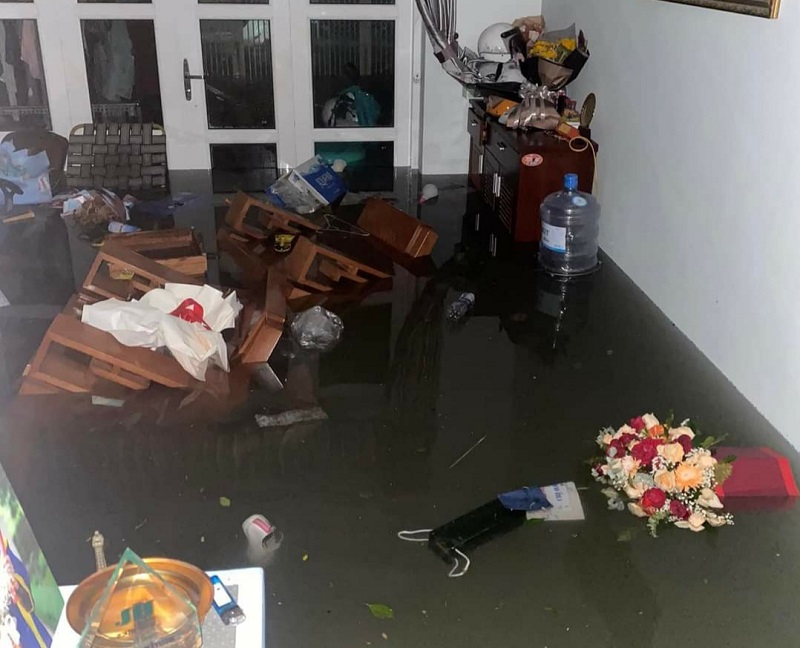
Đà Nẵng vừa trải qua trận lụt lịch sử. Nhiều người dân Thành phố phải thốt lên rằng, đây là trận ngập lụt chưa từng thấy. Vậy, trận ngập lụt kinh hoàng này đến từ những nguyên nhân nào?
Giáo dục giới tính và tình dục toàn diện (GDGTTDTD) là một quá trình dạy và học tích hợp trong chương trình giáo dục về các khía cạnh nhận thức, tâm lý, thể chất và xã hội của giới tính và tình dục. GDGTTDTD hướng tới trang bị cho trẻ em và thanh thiếu niên các kiến thức, kỹ năng, thái độ và giá trị cần thiết để giúp các em: nhận thức được sức khoẻ, lợi ích và giá trị con người của bản nhân mình; hình thành các mối quan hệ xã hội và quan hệ tình dục trên cơ sở tôn trọng lẫn nhau; nhận thức được lựa chọn của mình ảnh hưởng tới bản thân và người khác như thế nào; nhận thức cũng như đảm bảo việc bảo vệ các quyền của mình trong suốt cuộc đời.
Four years ago, I traveled around America, visiting historical archives. I was looking for documents that might reveal the hidden history of climate change – and in particular, when the major coal, oil and gas companies became aware of the problem, and what they knew about it.
I pored over boxes of papers, thousands of pages. I began to recognize typewriter fonts from the 1960s and ‘70s and marveled at the legibility of past penmanship, and got used to squinting when it wasn’t so clear.
What those papers revealed is now changing our understanding of how climate change became a crisis. The industry’s own words, as my research found, show companies knew about the risk long before most of the rest of the world.
Surprising discoveries
At an old gunpowder factory in Delaware – now a museum and archive – I found a transcript of a petroleum conference from 1959 called the “Energy and Man” symposium, held at Columbia University in New York. As I flipped through, I saw a speech from a famous scientist, Edward Teller (who helped invent the hydrogen bomb), warning the industry executives and others assembled of global warming.
– Đây được xem là bộ luật quốc gia thành văn đầu tiên trong lịch sử lập pháp nước nhà.- Hình thư gồm 3 quyển, trong đó bao gồm các quy định: + Tổ chức của triều đình, quân đội và hệ thống quan lại. + Biện pháp trừng trị đối với những hành vi nguy hiểm cho xã hội. + Sở hữu và mua bán đất đai, tài sản, quy định về thuế…
2
Thời Trần
Quốc triều hình luật
– Kế thừa nội dung của Hình thư từ thời Lý và bổ sung và điều chỉnh nhất định về hình phạt, thủ tục tố tụng và chế độ tư hữu đất đai, tài sản.
3
Thời vua Lê Thánh Tông
Bộ luật Hồng Đức
– Bao gồm 722 điều, chia thành 12 chương, 6 quyển.- Trong đó, có các nội dung về hành chính, hình sự, dân sự, hôn nhân gia đình và tố tụng.- Đây được đánh giá là thành tựu có giá trị đặc biệt quan trọng trong lịch sử pháp luật Việt Nam.
4
Thời Nguyễn
Bộ luật Gia Long
– Bao gồm 398 Điều, chia thành 22 quyển và 6 lĩnh vực.- Trong đó, có các nội dung quy định về: + Tổ chức nhà nước và hệ thống quan lại. + Tội danh và hình phạt. + Quản lý dân cư và đất đai. + Ngoại giao và nghi lễ cung đình. + Tổ chức quân đội và quốc phòng. + Xây dựng, bảo vệ đê điều, lăng tẩm.- Được đánh giá là một trong hai bộ luật tổng hợp có quy mô lớn và nội dung phong phú.
– Đây là bản án Hiến pháp đầu tiên của nước Cộng hòa xã hội chủ nghĩa Việt Nam sau khi chủ tịch Hồ Chí Minh công bố Bản Tuyên ngôn Độc lập.- Bản Hiến pháp này khẳng định quyền tự do dân chủ của dân tộc Việt Nam ta.- Bao gồm: 7 chương và 70 điều, trong đó có các nội dung quy định về: + Chính thể. + Nghĩa vụ quyền lợi của công dân. + Cơ cấu tổ chức của Nghị viên nhân dân, Chính phủ, HĐND, Ủy ban hành chính và cơ quan tư pháp.Kể từ ngày 19/12/1946 – Ngày Toàn quốc kháng chiến, Nhà nước Việt Nam đã ban hành 479 văn bản pháp luật, trong đó có 243 sắc lệnh, 46 Thông tư và 12 văn bản khác.
– Bao gồm 10 chương và 112 Điều. Trong đó, có các nội dung chính quy định về: + Chế độ chính trị, kinh tế và xã hội. + Trách nhiệm và quyền hạn của các cơ quan nhà nước. + Quyền và nghĩa vụ của mỗi công dân…Sau khi Hiến pháp 1959 được thông qua, hoạt động lập pháp của nước ta chỉ quan tâm đến lĩnh vực tổ chức bộ máy nhà nước, nghĩa vụ quân sự và pháp luật hình sự. Các lĩnh vực khác ít được quan tâm hơn.
– Hiến pháp này ra đời nhằm thể chế hóa đường lối chủ trưởng của Đảng Cộng sản Việt Nam trong giai đoạn mới. Đây là Hiến pháp của thời kỳ quá độ lên chủ nghĩa xã hội trong phạm vi cả nước.Bao gồm 12 chương và 147 Điều. Trong đó, có các nội dung chính quy định về: + Chính trị, kinh tế, văn hóa và xã hội. + Quyền và nghĩa vụ cơ bản của công dân. + Cơ cấu tổ chức và nguyên tắc hoạt động của cơ quan nhà nước.Đáng lẽ sau khi Hiến pháp này thông qua thì hệ thống pháp luật Việt Nam có một khởi sắc mới, tuy nhiên, thực tế hoạt động xây dựng pháp luật sau khi bản Hiến pháp này được thông qua không có được khởi sắc cần thiết.Hoạt động lập pháp tập trung chủ yếu về các lĩnh vực tổ chức bộ máy nhà nước, pháp luật hình sự, lĩnh vực quân sự…
– Hiến pháp này khẳng định Nhà nước phát triển kinh tế hàng hóa nhiều thành phần theo cơ chế thị trường định hướng XHCN, Nhà nước ghi nhận quyền tự do kinh doanh của công dân.- Bao gồm 12 chương và 147 Điều. Trong đó, có các nội dung chính quy định về: +Chế độ chính trị, kinh tế, văn hóa, xã hội, quốc phòng, an ninh. + Quyền và nghĩa vụ cơ bản của công dân. + Cơ cấu, nguyên tắc tổ chức và hoạt động của cơ quan nhà nước. + Thể chế hóa mối quan hệ giữa Đảng lãnh đạo, nhân dân làm chủ.- Từ sau khi Hiến pháp 1992 được thông qua, hệ thống pháp luật Việt Nam có những bước phát triển nhảy vọt
Sau gần 10 năm thi hành, Hiến pháp 1992 bộc lộ nhiều thiếu sót và bất cập so với thực tế, Nghị quyết 51 ra đời với mục đích hoàn thiện Hiến pháp 1992.Khẳng định rõ Nhà nước Cộng hòa xã hội chủ nghĩa Việt Nam là Nhà nước pháp quyền xã hội chủ nghĩa của nhân dân, do nhân dân, vì nhân dân. Quyền lực nhà nước thống nhất, có sự phân công và phối hợp giữa các cơ quan nhà nước trong việc thực hiện quyền lập pháp, hành pháp, tư pháp.
– Bao gồm 11 chương và 120 Điều, trong đó bao gồm các nội dung chính về: + Chế độ chính trị, kinh tế, văn hóa, xã hội, bảo vệ môi trường, giáo dục. + Quyền con người, quyền và nghĩa vụ cơ bản của công dân. + Tổ chức bộ máy nhà nước. + Bảo vệ Tổ quốc.- Hiến pháp 2013 ra đời đánh dấu bước hoàn thiện hoạt động lập pháp của nước nhà trong thời kỳ hội nhập và phát triển.>>> Xem chi tiết Phân tích toàn văn Hiến pháp 2013
We need only call to mind the first half of 2022 for an array of the extreme, energy-related global challenges we all face. Around the world, local versions of climate change effects—the temperatures, wildfires, droughts, storms, flooding—underscore how important it is for us to transition away from our overdependence on fossil fuels. And our energy sources don’t just have environmental implications but security ones as well. The Russian invasion of Ukraine is the latest rendition of the resource curse. At the heart of it all, fossil fuels are what enabled and amplified the murderous narcissism we see in Vladimir Putin and created a country with an unbalanced and unhealthy domestic economy able to profoundly destabilize energy flows and prices around the world.
The South China Sea (SCS) brings together its own assortment of these complex challenges and factors. Competing security concerns, resource needs, and nationalisms shape the motivations of the claimants. Much of the attention and conflict has centred on the oil and gas in the seabed. Estimates of SCS hydrocarbon volumes vary; only some of these resources are proven reserves that have been confirmed and measured, and are actually recoverable. But even in more generous assessments, the SCS only provides us with a small percentage of the global total of oil and gas reserves, and even less of the overall energy mix if we include non-fossil-fuel energy sources.
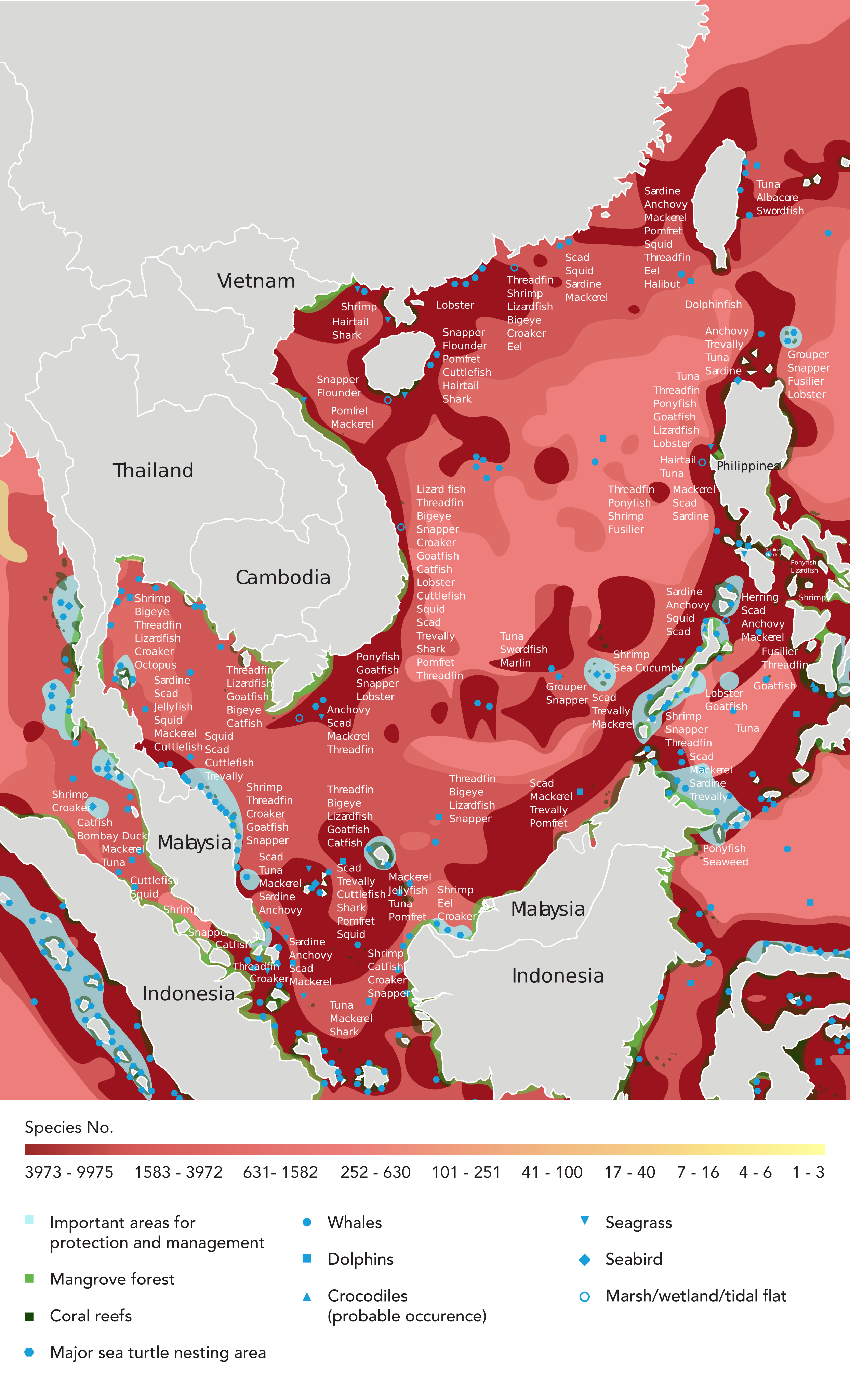
Beyond hydrocarbons, in a two-way tie with the adjacent Coral Triangle, the SCS has the highest level of marine biodiversity in the world. SCS fisheries feed and employ millions of people in the region. It’s true that conflict over these living marine resources also drives the territorial disputes in the region, and a wide variety of human activity degrades the SCS ecosystem. Yet drilling for hydrocarbons in the SCS threatens this vulnerable marine habitat even more, while also clearly contributing to geopolitical and security tensions in the region—and to climate change.
Given how destabilizing oil and gas pursuits have been for the SCS since the 1970s, we might ask ourselves whether we want to keep drilling for fossil fuels there. Do the costs and risks outweigh the benefits?
Download this 21-page report (button above) from Dr. Tabitha Grace Mallory, an inaugural John H. McArthur Research Fellow, an initiative of the Asia Pacific Foundation of Canada, and the Founder of China Ocean Institute and Affiliate Professor, Jackson School of International Studies, University of Washington.
Below, explore the rich marine biodiversity of the South China Sea, one of the most hotly-contested maritime jurisdictions on the planet, in this original map created by the author and APF Canada graphic designer Chloe Fenemore, based on historical and contemporary maps cited in the full report.
Tabitha Grace Mallory is the Founder of China Ocean Institute and Affiliate Professor, Jackson School of International Studies, University of Washington. Dr. Mallory specializes in Chinese foreign and environmental policy. She conducts research on China and global ocean governance and has published work on China’s fisheries and oceans policy.
Dr. Mallory is an inaugural John H. McArthur Research Fellow, an initiative of the Asia Pacific Foundation of Canada launched in 2021 to provide research opportunities for exceptional, mid-career scholars who are working on programs and research areas with direct relevance to Canada and Canada’s interests in Asia.
The costs of doing nothing vastly outweigh the costs of decarbonising a global economy which, since the Industrial Revolution, has been powered by fossil fuels. That may seem self-evident today, when catastrophic fires and floods offer daily reminders of how expensive continued inaction on climate change is. But 15 years ago, that insight was ground-breaking.
The 2006 Stern Review on the Economics of Climate Change, for which I was a senior economist, was the first time a G7 government had used economic analysis to spell out the case for urgently reducing greenhouse gas emissions. A decade and a half on, its conclusions and recommendations are as valid as ever.
CHANDANA POKUNA, Sri Lanka — Every day after 4 p.m., residents in this quiet, leafy village listen for the putt-putting of motorbikes on the sandy road next to their homes. When they hear it, they know to shut their doors and turn off their lights. Their children are instructed to run inside and not let anyone in.
A motorbike is the vehicle of choice for local debt collectors, who fan out through places like Chandana Pokuna, some 500 brick-faced, rundown houses in Sri Lanka’s rice-farming north central district of Polonnaruwa. The motorcycle men, agents of microlending companies, start work in the late afternoon, when they know residents will be at home.
WHEN AEDES AEGYPTI MOSQUITOES CARRY NATURAL BACTERIA CALLED WOLBACHIA, THEY REDUCE THE MOSQUITOES’ ABILITY TO TRANSMIT VIRUSES LIKE DENGUE, ZIKA, CHIKUNGUNYA AND YELLOW FEVER. FIND OUT HOW.
Mosquitoes pick up viruses by biting infected people. When they bite again, they can transmit the virus to the next person. This is how mosquito-borne diseases spread.
Mosquitoes do not naturally carry viruses – they can only get them from infected people.
Since only female mosquitoes bite humans, only female mosquitoes can transmit viruses.
The Aedes aegypti mosquito is the main transmitter of dengue, Zika, chikungunya and yellow fever viruses.
Aedes aegypti mosquitoes originated in Africa, but they have spread through tropical and subtropical regions around the world.
For Kasun Chameera, who lives in Sri Lanka’s densely populated capital Colombo, dengue fever is a disease which has afflicted many loved ones, including his brother.
“We fear death when we hear about dengue,” Chameera said. “It’s present almost everywhere in my district, and spreads faster in the city than in the villages.”
His brother “suffered a lot from it,” Chameera said. “For at least one to two months, he would be tired walking just 10 steps. We were very scared.”
Also known as breakbone fever because of the severe pain it can cause, the disease is a growing threat across Asia, where 70% of the world’s dengue cases occur. The virus is transmitted to humans through the bites of the female aedes aegypti and aedes albopictus mosquitoes, which thrive in both tropical and subtropical urban areas.
Worldwide, it is estimated to infect about 390 million people every year, with more than half of the global population now at risk.
Recent weeks have seen soaring cases in Singapore, Malaysia and Vietnam, despite the peak season usually lasting from June to October. Reported cases in Singapore topped the 10,000 mark in the first five months of this year, already exceeding the 5,258 cases reported in all of 2021.
In Japan, 461 cases were reported in 2019 — mainly found in travelers from Asian countries. But with the borders effectively closed during the pandemic, the number of cases dropped to 43 and eight in 2020 and 2021, respectively.
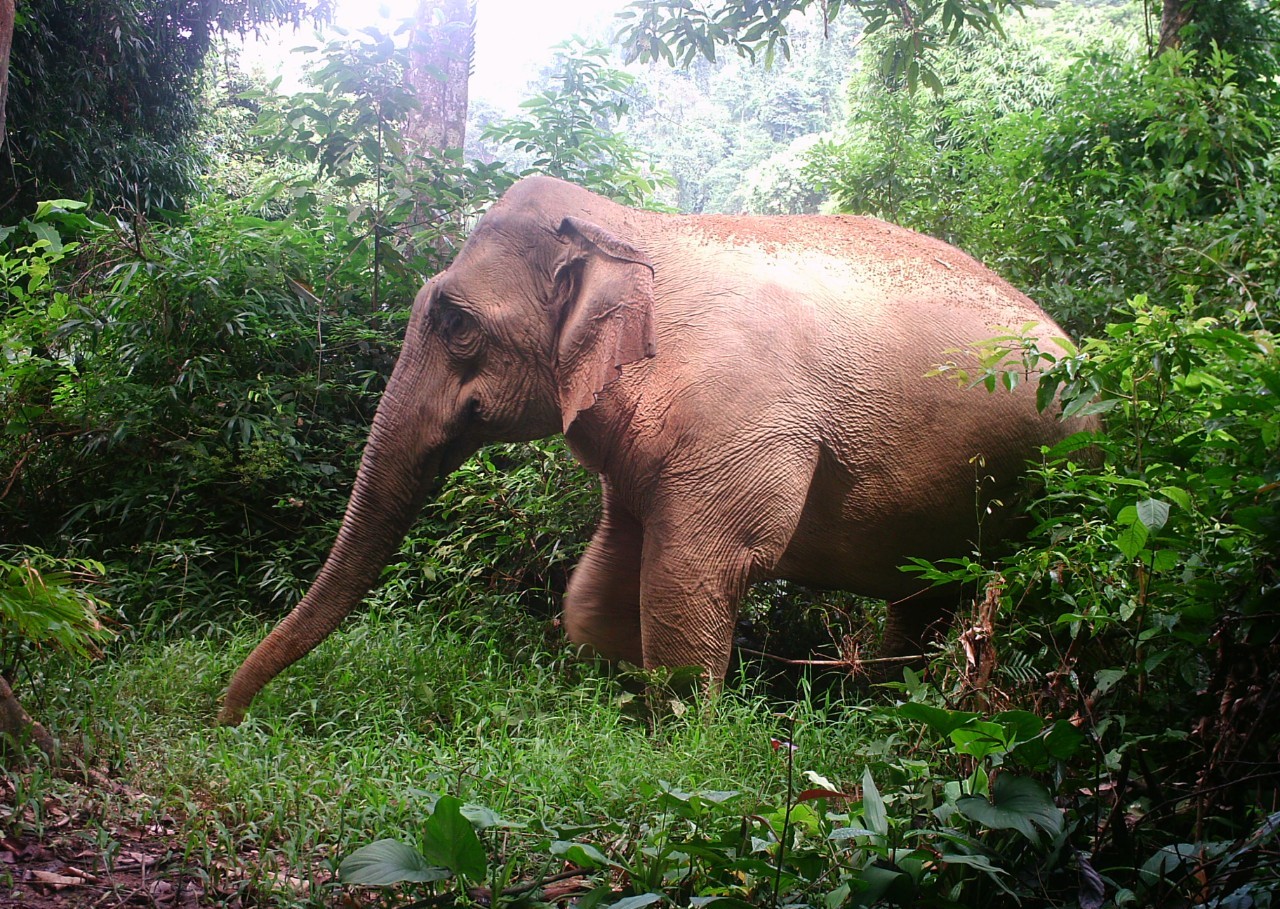
TTO – Ở Nghệ An, số voi tự nhiên nhiều thứ ba cả nước. Nhưng nhiều đàn voi trong số này là “đàn đơn lẻ”, chỉ còn một con sống đơn độc. Chúng thường xuyên về khu dân cư, xung đột với người, tàn phá hoa màu khiến chính quyền đau đầu tìm giải pháp.
Con voi rừng đơn độc ở Pù Mát – Ảnh: Vườn quốc gia Pù Mát cung cấp
Suốt nhiều năm qua, người dân hai xã Bắc Sơn và Nam Sơn (huyện Quỳ Hợp) đã làm đủ cách để ngăn voi rừng về phá hoại nhưng không hiệu quả.
Voi rừng về bản
Nhiều tháng nay, bà Lương Thị Danh (57 tuổi, bản Tăng, xã Nam Sơn, huyện Quỳ Hợp) thường mất ngủ vì bị voi rừng về quấy phá. Chỉ riêng tháng 8, con voi cái này đã năm đêm “thăm” nhà bà Danh, làm cuộc sống gia đình bà bị đảo lộn.
Mỗi lần voi rừng về, nhà bà Danh phải tất bật hô hào, đốt lửa, gõ chiêng xua đuổi. Tuy nhiên, con voi rừng cũng ngày càng dạn hơn. Lần gần nhất nó về, đã… trộm mất hũ măng chua nặng hơn 5kg bà Danh muối chưa kịp ăn. “Hôm đó, tôi để hũ măng ngoài hiên. Nó hay về nhà tôi, lục tung để trộm đồ ăn, cái gì để ở ngoài nhà mà trong tầm với nó là nó ăn hết mà đặc biệt là những thứ có chất mặn”, bà Danh kể. Những bụi chuối xung quanh nhà bà Danh giờ cũng chỉ còn lại phần gốc.
Vừa qua, trong khuôn khổ kỳ họp lần thứ 16 của Ủy ban liên chính phủ Công ước 2003 về bảo vệ di sản văn hóa phi vật thể, diễn ra tại Paris (Pháp), hồ sơ Nghệ thuật Xòe Thái đã được Tổ chức Giáo dục, Khoa học và Văn hóa Liên hợp quốc (UNESCO) ghi danh là Di sản văn hóa phi vật thể đại diện của nhân loại…
Xòe vòng là màn đồng diễn mà người xòe nối thành vòng tròn trong sự hòa đồng với tất cả mọi người, đây cũng là điệu xòe phổ biến nhất. Ảnh: Thanh Miền
Nghệ thuật Xòe Thái là loại hình múa truyền thống đặc sắc, chiếm vị trí quan trọng trong đời sống của cộng đồng người Thái ở 4 tỉnh Tây Bắc Việt Nam. Tiêu biểu là ở các huyện Phong Thổ, tỉnh Lai Châu; huyện Mường Lay, tỉnh Điện Biên; huyện Quỳnh Nhai, tỉnh Sơn La; thị xã Nghĩa Lộ, tỉnh Yên Bái. Theo PGS.TS Nguyễn Thị Hiền, nguyên Phó Viện trưởng Viện Văn hóa Nghệ thuật quốc gia Việt Nam, về cơ bản, xòe có ba loại chính: xòe nghi lễ, xòe biểu diễn và xòe vòng. Các điệu xòe nghi lễ và xòe biểu diễn thường kết hợp với đạo cụ, vì thế được gọi theo tên các đạo cụ như xòe khăn, xòe nón, xòe quạt, xòe sạp, xòe nhạc, xòe gậy, xòe hoa… Xòe vòng là màn đồng diễn mà người xòe nối thành vòng tròn trong sự hòa đồng với tất cả mọi người, đây cũng là điệu xòe phổ biến nhất.

 Laos will be hard-pressed to meet its external debt obligations. Photo: Faceboo