How many data centers are there in the USA

Businss Insider

Satellite images show how data centers are changing America’s landscape

Business insider

Suburban homes next to data centers
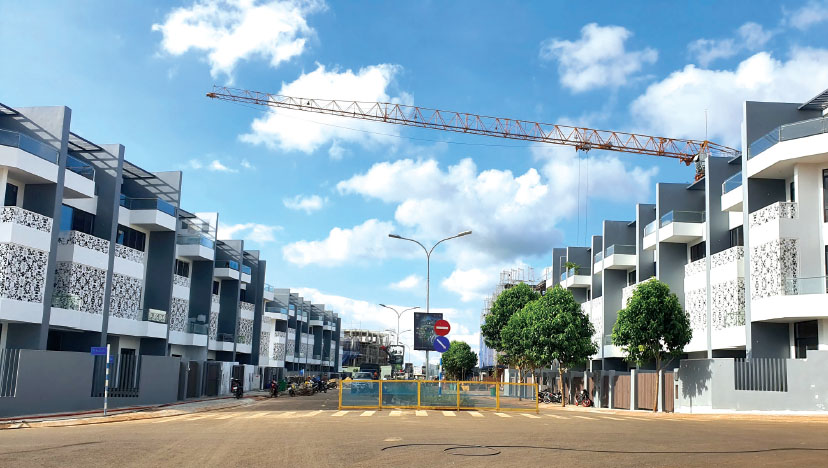
Data centers across the street from residential housing are not an uncommon scene in Virginia. 
  • There are over a thousand planned or existing data centers across the US, according to a BI investigation.
  • Major tech companies are racing to construct even more as the AI boom continues. But at what cost?
  • Satellite images show where these facilities are cropping up and why they’re a nuisance to many.

Build, baby, build. That’s the mantra behind the AI boom sweeping America.

This year, alone, Amazon, Meta, Microsoft, and Google are projected to spend about $320 billion in capex, mostly for AI infrastructure, according to an analysis of financial statements by Business Insider.

At the heart of this AI infrastructure growth are data centers that house the specialized hardware and high-speed networking equipment, driving the intensive computations behind large language models. However, AI needs more.

Because AI learns by processing increasingly large amounts of data, improving it requires more computational power, which in turn necessitates more data centers.

A BI investigation found 1,240 data centers across America are already built or approved for construction by the end of 2024.

Tiếp tục đọc “How many data centers are there in the USA”

Unprecedented and extremely rare, a tropical cyclone formed in the Malacca Strait of Malaysia – for the first time in the history

Cyclone Senyar https://en.wikipedia.org/wiki/Cyclone_Senyar

Westernpacificweather

Facts regarding this extremely rare cyclone.

• The first tropical cyclone in recorded history to form in the Strait of Malacca.

• The first tropical cyclone to make landfall in the western part of Peninsular Malaysua in history.

• The first tropical cyclone to have been named in the Strait of Malacca by the India Meteorological Department (IMD)

• The second most-southerly named storm by IMD since naming storms in the North Indian Ocean (IMD) began in 2004.

• The first tropical cyclone to make landfall in Sumatra Indonesia in the month of November in recorded history.

• The strongest landfalling tropical cyclone in the Sumatra on record, surpassing cyclone in in 2001.

• The first named landfalling tropical cyclone in Indonesia in the NIO basin.

• The second landfalling tropical cyclone in the Northern Hemisphere part of Indonesia in history.

• The first tropical cyclone to make landfall in Indonesia for the month of November since 03S in 2001.

• The third tropical cyclone to make landfall in the whole Malaysia in history – after Greg (1996) and Vamei (2001) (NOAA archives).

Vật dụng thiết yếu trong hàng cứu trợ thảm hoạ: Đồ lót và băng vệ sinh

VGEM

Giữa nhiều mặt hàng cứu trợ quen thuộc, có một số vật phẩm gần đây được nhắc đến nhiều hơn – băng vệ sinh và đồ lót sạch. Đây là tín hiệu đáng mừng vì những sản phẩm vệ sinh và kinh nguyệt – vốn rất thiết yếu với phụ nữ và trẻ em gái – đã được nhìn nhận đúng vai trò của chúng trong các gói cứu trợ khẩn cấp.

Tuy nhiên, đâu đó vẫn có người hoài nghi về tầm quan trọng của băng vệ sinh và đồ lót sạch: “Đồ cá nhân sao lại đưa vào danh sách?”, “Người ta cần ăn, cần uống, đâu cần băng vệ sinh?”… Những phản ứng ấy cho thấy vẫn tồn tại khoảng cách trong nhận thức về kinh nguyệt, đặc biệt là trong cứu trợ thiên tai – khi những nhu cầu cơ bản nhất lại trở nên khó tiếp cận hơn bao giờ hết.

🚨 BĂNG VỆ SINH, ĐỒ LÓT SẠCH LÀ NHU CẦU THIẾT YẾU

Trong bối cảnh biến đổi khí hậu, thiên tai đang trở nên bất thường, dữ dội và khó dự đoán với nhiều quốc gia, trong đó có Việt Nam. Khi thiên tai xảy ra, hàng nghìn, thậm chí là chục nghìn hộ dân phải sơ tán hoặc rơi vào cảnh thiếu thốn trầm trọng: mất điện, thiếu nước sạch, khan hiếm thực phẩm, nhà cửa hư hại, đường sá bị chia cắt khiến nhiều nơi bị cô lập.

Tiếp tục đọc “Vật dụng thiết yếu trong hàng cứu trợ thảm hoạ: Đồ lót và băng vệ sinh”

Time for Vietnam to Resolve Its Renewable Energy Legal Quagmire

fulcrm.sg Published 19 Nov 2025 Le Hong Hiep

In Vietnam, an impasse over feed-in-tariffs for renewable energy producers threatens foreign investors’ confidence in government policies

Afestering legal crisis is threatening to derail Vietnam’s energy development plans. 173 solar and wind projects, representing about US$13 billion in investments, are stuck in limbo due to ongoing disputes regarding their feed-in-tariffs (FITs) – the guaranteed payments that the government would pay for their contribution to the power grid. This situation raises concerns about Vietnam’s business environment and the consistency of its economic policy. If Vietnam does not resolve these disputes promptly, the country could face significant legal, financial, and reputational repercussions.

Between 2018 and 2021, Vietnam experienced a significant boom in renewable energy, primarily fuelled by the government’s commitment to offer attractive 20-year FITs to investors for projects that began commercial operations before designated deadlines. However, in 2023, an investigation by the Government Inspectorate found that many of these projects had not obtained their Construction Completion Acceptance (CCA) certificates before their Commercial Operation Date (COD). Following the inspection, the Ministry of Industry and Trade issued a new circular, effective June 2023, stipulating that renewable energy projects must obtain a CCA certificate before being recognised for COD. This effectively disqualified the affected projects from receiving the original FIT rates.

Tiếp tục đọc “Time for Vietnam to Resolve Its Renewable Energy Legal Quagmire”

Tỷ lệ phụ nữ tham gia lực lượng lao động cao hơn không đồng nghĩa với có cơ hội làm việc tốt hơn

[English below]

World Bank

Việt Nam nằm trong những quốc gia có tỷ lệ phụ nữ tham gia lực lượng lao động cao nhất khu vực Đông Á – Thái Bình Dương. Tuy nhiên, tỷ lệ cao không đồng nghĩa với việc làm chất lượng hay cơ hội tiếp cận việc làm tốt hơn.

Tại Việt Nam và các nước trong khu vực, nhiều người, đặc biệt là phụ nữ và thanh niên, vẫn chủ yếu làm các công việc có năng suất thấp hoặc công việc phi chính thức. Trong khi đó, dân số trong độ tuổi lao động đang thu hẹp đúng vào lúc việc nâng cao kỹ năng và năng suất trở nên quan trọng hơn bao giờ hết để duy trì tăng trưởng.

👩‍💼 Vậy Việt Nam cần làm gì để tạo nhiều việc làm chất lượng hơn, nâng cao năng suất và tăng khả năng chống chịu cho nền kinh tế?

Tìm hiểu thêm trong báo cáo mới nhất của Ngân hàng Thế giới: https://www.worldbank.org/vi/publication/east-asia-and-pacific-economic-update

In Viet Nam and across the region, many people, especially women and youth, remain in low-productivity or informal jobs. At the same time, the working-age population is shrinking just as strengthening skills and productivity becomes more critical than ever to sustain growth.

👩‍💼So what will it take for Viet Nam to create more quality jobs, boost productivity, and build a more resilient economy

Find out more in World Bank’s latest report: https://www.worldbank.org/en/publication/east-asia-and-pacific-economic-update

Lũ dữ ở miền Trung và bài học thủy điện xả nước cứu dân được ‘trả tiền’

vietnamnet.vn Nguyễn Phước ThắngTrường Đại học Hòa Bình

Qua trận lũ lụt lịch sử tại các tỉnh miền Trung lại dấy lên câu chuyện thủy điện xả lũ. Thế giới đã giải bài toán này bằng những công cụ tài chính sòng phẳng và chế tài hình sự nghiêm khắc.

Hãy hình dung giả định phòng điều khiển của một nhà máy thủy điện với không khí căng như dây đàn. Mực nước trong hồ đang nhích dần lên từng centimet. Bên ngoài, mưa vẫn xối xả. Trên bàn điều khiển là văn bản chỉ đạo của Ban chỉ huy phòng chống thiên tai: “Vận hành xả lũ với lưu lượng từ 0 đến 5.000 m³/s”.

Đây chính là lúc tư duy “đánh đu” xuất hiện. Với chủ đầu tư, nước trong hồ là tiền. Mỗi mét khối nước xả qua đập tràn thay vì chạy qua tuabin là một khoản doanh thu bị dòng nước cuốn trôi vĩnh viễn. Nếu xả sớm để đón lũ theo kịch bản an toàn nhất, nhưng sau đó mưa dừng và lũ không về, nhà máy sẽ đối mặt với rủi ro kép: mất nước để phát điện cho mùa khô năm sau và tuabin bị mài mòn nhanh chóng do phải vận hành ở cột nước thấp.

Vì tiếc rẻ “vàng trắng” và vì mệnh lệnh hành chính cho phép một biên độ quá rộng (từ 0 đến 5.000), người vận hành thường chọn cách “câu giờ”. Họ xả cầm chừng, “nhỏ giọt” 200-300 m³/s vào buổi sáng với hy vọng cơn mưa sẽ ngớt. Đó là một ván cược với thiên nhiên.

Tiếp tục đọc “Lũ dữ ở miền Trung và bài học thủy điện xả nước cứu dân được ‘trả tiền’”

BHP liable for 2015 Brazil dam collapse, UK court rules in mammoth lawsuit

reuters.com

  • BHP found liable for 2015 dam disaster by London court
  • Lawsuit was brought by over 600,000 Brazilians
  • BHP intends to appeal, says settlements cut claim in half

BHP (BHP.AX), opens new tab is liable for the 2015 collapse of a dam in southeastern Brazil, London’s High Court ruled on Friday, in a lawsuit the claimants’ lawyers previously valued at up to 36 billion pounds ($48 billion).

The Reuters Daily Briefing newsletter provides all the news you need to start your day. Sign up here.

Hundreds of thousands of Brazilians, dozens of local governments and around 2,000 businesses sued BHP over the collapse of the Fundao dam in Mariana, southeastern Brazil, which was owned and operated by BHP and Vale’s (VALE3.SA), opens new tab Samarco joint venture.

Brazil’s worst environmental disaster unleashed a wave of toxic sludge that killed 19 people, left thousands homeless, flooded forests and polluted the length of the Doce River.

A separate claim against Vale was filed in Dutch courts in 2024 on behalf of nearly 1,000 businesses and more than 77,000 individuals hit by the dam break.

Judge Finola O’Farrell said in her ruling that continuing to raise the height of the dam when it was not safe to do so was the “direct and immediate cause” of the dam’s collapse, meaning BHP was liable under Brazilian law.

BHP said it would appeal against the ruling and continue to fight the lawsuit.

BHP’s President Minerals Americas Brandon Craig said in a statement that 240,000 claimants in the London lawsuit “have already been paid compensation in Brazil”.

“We believe this will significantly reduce the size and value of claims in the UK group action,” he added.

RBC Capital Markets analyst Marina Calero said a final resolution was unlikely before 2030, with significant uncertainty around which claims would ultimately be considered valid.

The debris of the municipal school of Bento Rodrigues district, which was covered with mud after a dam owned by Vale SA and BHP Billiton Ltd burst, is pictured in Mariana

“Based on BHP’s estimates of overlap with Brazil’s compensation scheme, Vale and BHP could each face roughly $2.2 billion in additional payments,” Calero said in a note.

CLAIMANTS CELEBRATE MAJOR RULING

Gelvana Rodrigues da Silva, who lost her seven-year-old son Thiago in the flood, said in a statement: “Finally, justice has begun to be served, and those responsible have been held accountable for destroying our lives.”

“The judge’s decision shows what we have been saying for the last 10 years: it was not an accident, and BHP must take responsibility for its actions,” she added.

The claimants’ lawyers accused BHP, the world’s biggest miner by market value, of “cynically and doggedly” trying to avoid responsibility as the mammoth trial began in October.

BHP contested liability and said the London lawsuit duplicated legal proceedings and reparation and repair programmes in Brazil.

In the trial’s first week, Brazil signed a 170 billion reais ($31 billion) compensation agreement with BHP, Vale and Samarco, with BHP saying nearly $12 billion has been spent on reparation, compensation and payments to public authorities since 2015.

BHP said after Friday’s judgment that settlements in Brazil would reduce the size of the London lawsuit by about half.

A second trial to determine the damages BHP is liable to pay is due to begin in October 2026.

($1 = 0.7451 pounds)

($1 = 5.4039 reais)

Reporting by Sam Tobin. Additional reporting by Clara Denina. Editing by Kate Holton and Mark Potter

Our Standards: The Thomson Reuters Trust Principles.

Thủy điện trong tâm lũ miền Trung: Không phải “tội đồ”, nhưng không thể vô can

 danviet.vn Tư Giang Thứ bảy, ngày 22/11/2025 08:03 GMT+7

Cần phân biệt rõ ràng: Thủy điện không tạo ra lũ, nhưng cách vận hành hồ chứa có thể khiến lũ nặng hơn hoặc nhẹ đi. Và mùa lũ năm nay ở miền Trung đã phơi bày những giới hạn rất nghiêm trọng của cách vận hành ấy.

Thủy điện trong tâm lũ miền Trung

Những ngày vừa qua, dải đất từ Quảng Trị đến Khánh Hòa trải qua một đợt lũ mà nhiều cán bộ phòng chống thiên tai phải gọi là “nghiệt ngã nhất trong nhiều năm”.

Mưa lớn trên diện rộng, nước dồn về nhanh, thủy triều dâng, hàng loạt con sông vượt báo động 3; riêng sông Ba tại trạm Củng Sơn đã vượt đỉnh lũ lịch sử năm 1993 tới 1,09 mét. 

Hơn 52.000 ngôi nhà tại 128 xã, phường chìm sâu trong nước, nhiều khu dân cư bị chia cắt trong nhiều ngày, lực lượng cứu hộ không thể tiếp cận, nhiều nơi nguy cơ thiếu lương thực rất rõ rệt.

Trong lúc đó, người dân hạ du nhìn thấy những cửa xả trắng xóa mở hết công suất và đặt câu hỏi mà năm nào mùa mưa bão cũng lặp lại: “Nếu thủy điện không xả, có lũ lớn như thế này không?”.

Lực lượng tỉnh Đắk Lắk ưu tiên đưa người già, phụ nữ và trẻ em ra khỏi vùng nguy  trước. Ảnh Công Nam

Câu hỏi ấy có thể hiểu được, nhưng nó chỉ là bề nổi của một câu chuyện phức tạp hơn nhiều. Những trận mưa năm nay không phải mưa lớn bình thường, chúng là một dạng mưa cực đoan, vượt qua mọi kịch bản lịch sử.

Và hệ thống thủy điện – vốn được kỳ vọng là tấm lá chắn của hạ du – đã bước vào trận chiến này với một chiếc khiên quá mỏng.

Trường hợp Sông Ba Hạ là minh chứng rõ nhất. Khi lưu lượng nước về hồ tăng vọt lên hơn 16.000 m³/giây, công ty vận hành buộc phải xả với mức 16.100 m³/giây, mức cao nhất từ trước đến nay.

Ông Nguyễn Đức Phú, Tổng Giám đốc Công ty Thủy điện Sông Ba Hạ, khẳng định trên báo chí, việc xả hoàn toàn nằm trong quy trình và nếu không xả kịp thời thì “hồ sẽ mất an toàn, kéo theo thảm họa lớn hơn cho toàn bộ vùng hạ du”.

Về mặt kỹ thuật, điều đó đúng khi lưu lượng về quá lớn, hồ không có quyền lựa chọn giữa “xả” và “không xả”, mà chỉ có lựa chọn giữa “xả có kiểm soát” và “vỡ đập”.

Nhưng nói vậy không có nghĩa là trách nhiệm được phủi sạch. Bởi điểm then chốt không nằm ở thời điểm xả mà nằm ở tình trạng của hồ trước khi lũ đến. Nhiều hồ trong khu vực giữ mực nước cao suốt thời gian dài đầu mùa mưa. Riêng Sông Ba Hạ duy trì mức hơn 102–105m trước khi mưa lớn xuất hiện. Khi đó, dung tích phòng lũ gần như bằng không.

Hồ chứa không đón được lũ thì lũ sẽ đè hồ, và hồ bắt buộc phải đẩy nước xuống hạ du gần tương đương lượng nước về. Đó là lỗi vận hành mang tính hệ thống, không thể chỉ quy về kỹ thuật viên trực ca.

Một nghịch lý nữa là người dân luôn được nghe cụm từ “xả đúng quy trình”, nhưng thông tin cảnh báo lại không đến được với họ, hoặc có đến thì cũng muộn… Nhiều người chỉ kịp thấy nước lên đến bậc cửa, rồi đến chân giường, rồi đến nửa mái nhà mà không biết hồ đã bắt đầu xả từ bao giờ, xả bao nhiêu, nước còn lên bao nhiêu nữa.

Một quy trình đúng trên giấy nhưng không đến được tay người dân thì không thể coi là đúng trong thực tế. Trong thời đại mà dữ liệu có thể cập nhật theo phút, việc hạ du mù mờ thông tin đến mức không kịp trở tay là điều khó chấp nhận.

Đặt trong bối cảnh ấy, không thể chỉ trích thủy điện một chiều, nhưng cũng không thể bênh vực thủy điện bằng cách đổ hết lên trời, lên mưa và lên “tình huống bất khả kháng”.

Cần phân biệt rõ ràng: Thủy điện không tạo ra lũ, nhưng cách vận hành hồ chứa có thể khiến lũ nặng hơn hoặc nhẹ đi. Và mùa lũ năm nay đã phơi bày những giới hạn rất nghiêm trọng của cách vận hành ấy.

Tuy vậy, cũng phải nhìn nhận công bằng rằng các hồ vẫn thực hiện được một phần nhiệm vụ cắt lũ. Sông Ba Hạ báo cáo đã cắt được 93 triệu m³ trong 19 giờ đầu và thêm 53 triệu m³ trong ngày tiếp theo. 

Nếu toàn bộ lượng nước khổng lồ ấy lao thẳng xuống hạ du theo địa hình dốc – đặc trưng của miền Trung – thì mức độ tàn phá sẽ còn lớn hơn nhiều.

Cần tư duy mới để vận hành hồ chứa

Không thể vì một trận xả lũ cực đại mà phủ nhận vai trò điều tiết của hồ chứa; càng không thể quên rằng hồ còn giữ nước cho mùa khô – điều tối quan trọng với Tây Nguyên và Nam Trung Bộ, nơi hạn hán ngày càng khốc liệt.

Nhưng tất cả những điều đó chỉ đúng khi hồ được vận hành bằng một tư duy mới, phù hợp với một kiểu khí hậu đã bước sang giai đoạn bất định. Không thể giữ nước cao quanh năm chỉ để tối ưu hóa phát điện mà hy sinh dung tích phòng lũ; cũng không thể trông chờ vào các kịch bản lịch sử trong khi thực tế đang vượt ra khỏi mọi số liệu quá khứ. 

Và càng không thể để người dân hạ du chịu cảnh “biết sau cùng” trong một trận lũ mà từng phút đều quyết định chuyện sinh tử.

Tác giả bài viết, nhà báo Hoàng Tư Giang. Ảnh: DV

Bối cảnh thiệt hại nặng nề buộc Chính phủ phải hành động khẩn cấp. Trong công điện ngày 21/11, Thủ tướng đã yêu cầu các tỉnh rà soát toàn bộ quy trình vận hành hồ chứa; đồng thời phân bổ ngay 700 tỷ đồng hỗ trợ bốn tỉnh bị thiệt hại nặng nhất: Khánh Hòa 200 tỷ, Lâm Đồng 200 tỷ, Gia Lai 150 tỷ, Đắk Lắk 150 tỷ.

Quy mô hỗ trợ lớn cho thấy mức độ phá hủy của lũvượt khỏi khả năng tự khắc phục của từng địa phương. Đây không chỉ là hỗ trợ tài chính trước mắt, mà là lời cảnh tỉnh rằng hệ thống ứng phó thiên tai hiện nay chưa đủ mạnh để chống đỡ trước các đợt mưa cực đoan.

Trận lũ này vì thế cần được xem như một dấu mốc quan trọng để nhìn lại toàn bộ hệ thống quản trị hồ chứa.

Phòng lũ phải là nhiệm vụ trung tâm, không thể đứng sau mục tiêu phát điện; mực nước hồ trước mùa mưa phải được hạ xuống theo một ngưỡng bắt buộc; dự báo khí tượng phải gắn chặt với vận hành hồ theo thời gian thực; cảnh báo xả lũ phải tới được từng thôn, từng buôn, từng hộ dân; và dung tích phòng lũ phải được tính toán lại theo mô hình khí hậu mới.

Thủy điện không phải “tội đồ” khi lũ lụt miền Trung năm nay quá khắc nghiệt và khó đoán định. Nhưng nếu cách vận hành, cách phối hợp và cách cảnh báo vẫn như cũ, mỗi trận lũ lớn sẽ lại biến thủy điện thành “nghi phạm quen mặt”, còn người dân hạ du vẫn là những người hứng chịu cuối cùng.

Và đó là điều một quốc gia hướng tới quản trị hiện đại, an toàn và phát triển bền vững có trách nhiệm không thể để lặp lại cho dân.

See What’s Driving Deforestation Alerts on Global Forest Watch

globalforestwatch.org Oct 20, 2025

Screenshot 2025-10-16 184230

Global Forest Watch’s (GFW) deforestation alerts provide information about loss of tree cover in near-real-time, making them a critical tool for those working to combat deforestation. Existing alerts on GFW have been used to help Indigenous and local communities protect their forests, halt and prosecute environmental crimes and protect threatened wildlife.

However, in the past, alerts only let users know there’s been a disturbance without identifying a cause, other than a few limited classes such as fires.

Now, new drivers of deforestation alerts data is available on GFW that shows the causes of alerts across the tropics. This innovative data set uses an AI method to assign drivers to GFW’s integrated deforestation alerts in the three major forested regions in the tropics, allowing users to see what’s driving loss in near-real-time in these regions for the first time.

Critically, this information helps users distinguish between tree cover loss from natural and human causes, enabling more targeted action from those managing forests and reducing the need for costly field visits. Further, the data also provides more rapid information to estimate ecological impacts and supports better understanding of carbon emissions related to forest disturbances.

Tiếp tục đọc “See What’s Driving Deforestation Alerts on Global Forest Watch”

Global Infrastructure Resilience Report 2025 

CDRI.world

GIR 2025 report emphasizes the urgent need to incorporate resilience into infrastructure planning and investment. It shows that economic losses from service disruptions after disasters are, on average, 7.4 times higher than direct infrastructure damage.  

The report emphasizes the importance of risk assessments, faster reconstruction, and governance reforms to reduce these losses. It advocates for localized risk modelling, institutional readiness, and innovative financing, including insurance and risk pooling. Businesses must also build end-to-end resilience across supply chains.  

With over 75 case studies, GIR 2025 provides actionable insights across key pillars, including technology, finance, governance, and nature-based solutions. It calls for global cooperation to ensure infrastructure systems can withstand, adapt to, and recover from disasters, turning resilience into a driver of sustainable, inclusive growth. 

Key points

  • Economic losses from service disruptions exceed direct infrastructure damage costs.
  • Faster reconstruction halves the GDP impact compared to delayed recovery efforts.
  • Risk assessments guide resilient investments and infrastructure planning decisions.
  • Businesses need resilient supply chains to reduce disaster vulnerabilities.
  • Financing resilience requires layered tools like insurance and risk pooling.
  • Governance reforms strengthen infrastructure recovery and long-term development stability.

Download

The lights dim on Laos’ brief Bitcoin dream

mekoneye.com By Võ Kiều Bảo Uyên 17 November 2025 at 14:50

Four years after it first approved Bitcoin mining projects powered by surplus hydropower, Laos is beginning to rethink whether the energy-hungry industry — now linked to massive transnational cryptocurrency scams — is worth keeping alive

High-rise buildings stand in the Boten Special Economic Zone in northern Laos, near the border with China. The area is suspected to be a hotspot for scam operations, including schemes that store fraudulent money in crypto for later laundering. PHOTO: Thanh Hue

Houaphanh Province, LAOS — Bitcoin is a world far away from 19-year-old Chai, an ethnic Hmong and a college student who has never owned a computer. 

But its shadow has already crept into his mountainous village, where power outages are common—often a side effect of the vast energy demands elsewhere, including cryptocurrency mining.

Despite the national grid being connected to his remote community seven years ago, he and his classmate studied by candlelight, oil lamp, or mobile flashlight at night to prepare for university entrance exams. The blackout worsens during the dry seasons when hydropower drops. 

Tiếp tục đọc “The lights dim on Laos’ brief Bitcoin dream”

Tai nạn lao động năm 2024: Tăng cả số vụ, số người chết và thiệt hại kinh tế

cuocsongantoan

Thông báo tình hình tai nạn lao động do Bộ Lao động – Thương binh và Xã hội (công bố tháng 2/2025) cho thấy, năm 2024 cả nước đã xảy ra 8.286 vụ tai nạn lao động, làm 8.472 người bị nạn, trong đó 727 người chết, 1.690 người bị thương nặng. So với năm 2023, số vụ tai nạn tăng 892 vụ, số người bị nạn tăng 919 người, và số người chết tăng 28 người – một xu hướng đáng lo ngại, gióng lên hồi chuông báo động về an toàn lao động.

Không chỉ dừng lại ở thiệt hại về người, tổn thất kinh tế do tai nạn lao động năm 2024 ước tính lên tới hơn 43.000 tỷ đồng, tăng gần 26.000 tỷ đồng so với năm trước. Thiệt hại này bao gồm chi phí thuốc men, điều trị, mai táng, bồi thường, và tổn thất sản xuất – một gánh nặng không nhỏ đối với doanh nghiệp, xã hội và đặc biệt là các gia đình người lao động.

Tai nạn lao động năm 2024: Tăng cả số vụ, số người chết và thiệt hại kinh tế
Các đội thi Công ty Thủy điện Quảng Trị thực hiện phần thi thực hành sơ cấp cứu tai nạn lao động. Ảnh: Trang Sinh.

Tiếp tục đọc “Tai nạn lao động năm 2024: Tăng cả số vụ, số người chết và thiệt hại kinh tế”

TP.HCM trước nguy cơ “dời đô” vì chìm dần

Sụt lún nghiệm trọng đang xảy ra tại TP.HCM thực tế đã được nghiên cứu và cảnh báo cách đây hơn 15 – 20 năm. Tuy nhiên, chính sách phát triển đô thị ở đây khi tính đến nguy cơ sụt lún vẫn xìu xìu ển ển.

TP.HCM đang ‘chìm dần’ và ‘chìm’ nhanh thứ 2 thế giới. Nếu Việt Nam tiếp tục chậm trễ trong quy hoạch và xây dựng, Việt Nam sẽ giống Indonesia khi phải di dời thủ đô do thành phố Jakarta đang chìm dần. Tương lai có thể tệ hơn khi TP.HCM bị lún nhiều gấp 4 lần Jakarta.

Đào Thu Hằng

***

TP HCM ‘chìm dần’

VNE – Thứ tư, 29/10/2025, 06:00 (GMT+7)

Mỗi năm nước biển dâng một cm, tốc độ lún bình quân của TP HCM 2-5 cm khiến nhiều khu vực địa hình thấp, nền đất yếu đang “chìm dần”.

Tiếp tục đọc “TP.HCM trước nguy cơ “dời đô” vì chìm dần”

Writing on the Wall: Resistance Art in Palestine

yalejournal.org

By Sheridan Gunderson

It has many names. In Hebrew: “separation wall.” In Arabic: “wall of Apartheid.” In the media: “West Bank barrier,” “security fence,” “Apartheid wall,” or simply, “The Wall.” Whatever you call it, upon completion, it will encircle the West Bank stretching 708 kilometers (440 miles).[1]

Grey concrete slabs eight meters high and three meters thick snake around the landscape, annexing Palestinians from their farmland, communities, and places of work. About 80 percent of Palestinians separated from their land by the wall have not received permits from Israeli authorities to cultivate their fields.[2]

Mario
Check Point Donkey

In 2007, the section of the wall in the Palestinian town of Bethlehem attracted the attention of the England-based street artist and political activist known as “Banksy.” He and other graffiti artists transplanted an annual, London-based pop-up art display known as “Santa’s Ghetto” to Bethlehem where Banksy painted four stencils on the wall. Some of the art born out of this project can still be seen today. While other pieces have been painted over, the site remains what could be the world’s largest fluid art installation. Over the course of just a few months in 2021, new art constantly appeared.

Tiếp tục đọc “Writing on the Wall: Resistance Art in Palestine”

10 Years After a Breakthrough Climate Paris Agreement, Here’s Where We Are

nytimes.com Nov. 7, 2025

Almost exactly 10 years ago, a remarkable thing happened in a conference hall on the outskirts of Paris: After years of bitter negotiations, the leaders of nearly every country agreed to try to slow down global warming in an effort to head off its most devastating effects.

The core idea was that countries would set their own targets to reduce their climate pollution in ways that made sense for them. Rich, industrialized nations were expected to go fastest and to help lower-income countries pay for the changes they needed to cope with climate hazards.

So, has anything changed over those 10 years? Actually, yes. Quite a bit, for the better and the worse. For one thing, every country remains committed to the Paris Agreement, except one. That’s the United States.

Tiếp tục đọc “10 Years After a Breakthrough Climate Paris Agreement, Here’s Where We Are”