Fukushima’s Nuclear Wastewaters Have Been Released. Now What?

34,303 views Oct 10, 2023 #Radioactive#CNAInsider#Japan

Japan has completed phase one of wastewater release from the Fukushima-Daiichi nuclear disaster. Despite assurances from the government and IAEA representatives that the water’s radioactive particles, specifically Tritium, are not harmful, many in Japan and the region are not appeased.

Insight’s Genevieve Woo travels across Fukushima to find out what has happened since the release. She finds fishermen off the coast of Japan who are worried about their livelihoods. Meanwhile, China and Hong Kong seafood curbs continue. What repercussions will the wastewater have on Japan and its neighbours? What has happened one month after the water release? And does the data support further release of waters?

00:00 Introduction

01:30 Activists protest discharge of radioactive water

05:34 Treating radioactive wastewater before release

08:07 Fukushima’s fishermen unhappy

13:00 Impact on Fukushima’s tourism industry

17:59 People living near the plant react to the release

23:42 How much radiation is there really?

28:18 Distrust towards TEPCO and the Japanese government

35:08 China’s import ban on Japanese seafood

37:13 Does the rest of Japan have fears about the wastewater release?

42:41 Japan’s future nuclear power plans

=============== ABOUT THE SHOW: Insight investigates and analyses topical issues that impact Asia and the rest of the world.

Fukushima wastewater issue will further divide a nation, split families, and cause ‘atomic divorce’

thebulletin.org By Maxime Polleri | October 17, 2023

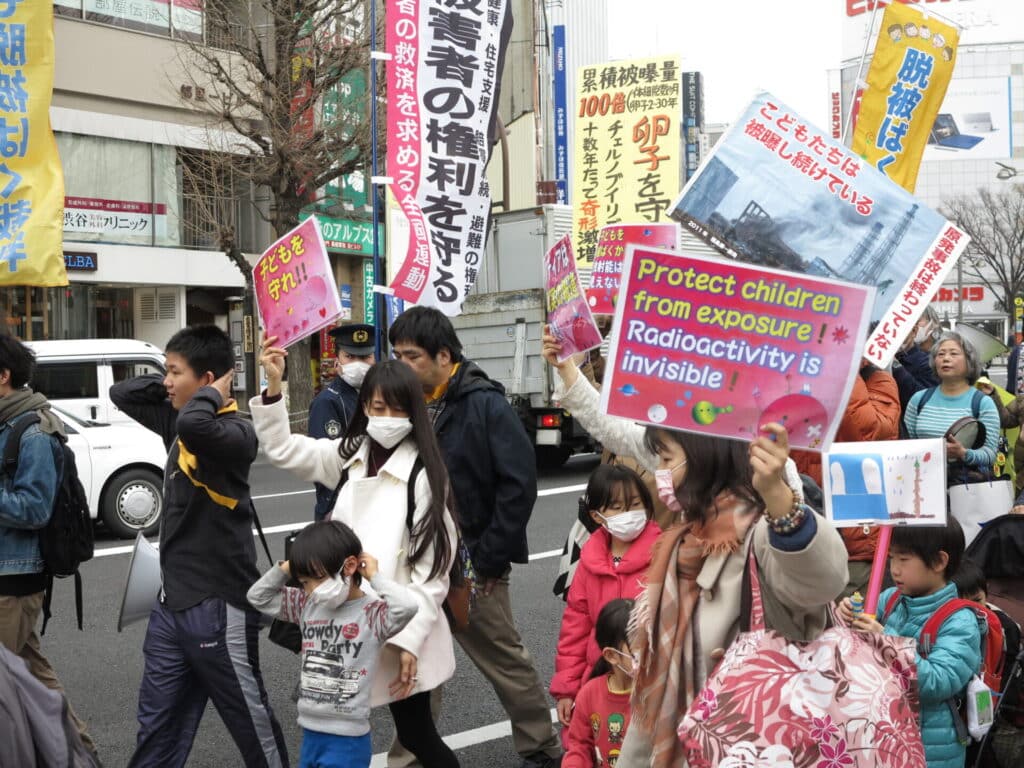
 Mothers march in Tokyo against radiation exposure risks five years after the Fukushima nuclear disaster on March 5, 2016. (Photo by Maxime Polleri)Share
In a bid to dispel seafood worries around the release of Fukushima nuclear wastewater into the ocean, Japan’s Prime Minister Fumio Kishida ate an array of sashimi late in August; the raw fish ranged from flounder to sea bass caught in the Fukushima area. It is “safe and delicious,” he joyfully declared during a public relations effort to revitalize the fishing industry, which has been affected by a Chinese seafood ban and consumer anxieties over the wastewater release.

Many applauded Kishida’s comment, which echoes the same government narrative around post-Fukushima food safety, as well as his firm support for the release of tritium-contaminated water—a discharge process that the International Atomic Energy Agency stated complies with operational safety limits for radiation.

But as someone who studied the aftermath of the Fukushima nuclear disaster for more than a decade, I believe that this decision will irreversibly erode public trust and create irreparable long-lasting tensions. During my years of research in Japan as an anthropologist, I witnessed first-hand how state policies around Fukushima’s economic recovery are fragmenting communities, which constitutes an enduring catastrophe of its own.

Tiếp tục đọc “Fukushima wastewater issue will further divide a nation, split families, and cause ‘atomic divorce’”

Why Is Britain Retreating from Global Leadership on Climate Action?

Yale Environment 360

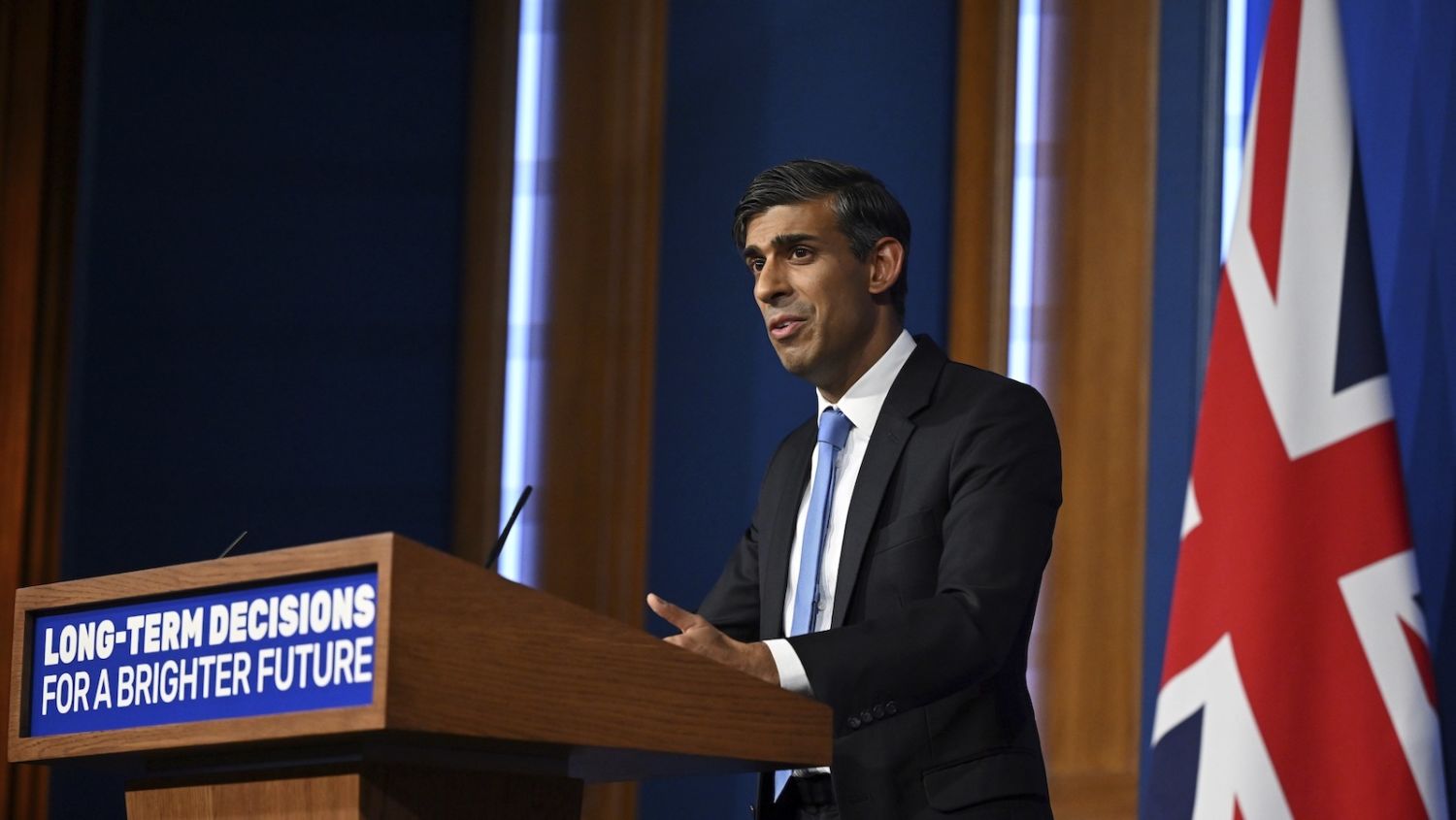
Prime Minister Rishi Sunak announcing last month that the U.K. will delay the phaseout of gasoline and diesel cars.
Prime Minister Rishi Sunak announcing last month that the U.K. will delay the phaseout of gasoline and diesel cars. JUSTIN TALLIS / POOL VIA AP

While Britain has long been a leader in cutting emissions, Prime Minister Rishi Sunak is now implementing a stunning reversal of climate-friendly policies, with new plans to “max out” oil production. Business leaders have joined environmentalists in condemning the moves.

BY FRED PEARCE • OCTOBER 17, 2023

In 1988, British Prime Minister Margaret Thatcher became the first world leader to take a stand on fighting climate change. Last month, exactly a quarter-century later, her successor Rishi Sunak tore up a cross-party consensus on the issue that had survived the intervening eight general elections and replaced it with a populist assault on what had been his own government’s environmental policies.

Thatcher, who trained as a chemist before entering politics, took her stand at a packed meeting of the country’s most prestigious science body, the Royal Society, on September 27, 1988. She told the assembly that “we are creating a global heat trap which could lead to climate instability” and promised action to curb global warming and achieve “stable prosperity”.

Tiếp tục đọc “Why Is Britain Retreating from Global Leadership on Climate Action?”

Amazon River hits lowest level in over a century

reuters.com

The Amazon River fell to its lowest level in over a century on Monday at the heart of the Brazilian rainforest as a record drought upends the lives of hundreds of thousands of people and damages the jungle ecosystem.

Rapidly drying tributaries to the mighty Amazon have left boats stranded, cutting off food and water supplies to remote villages, while high water temperatures are suspected of killing more than 100 endangered river dolphins.

Advertisement · Scroll to continue

Tiếp tục đọc “Amazon River hits lowest level in over a century”

Commission of Inquiry finds further evidence of war crimes in Ukraine

UN.org

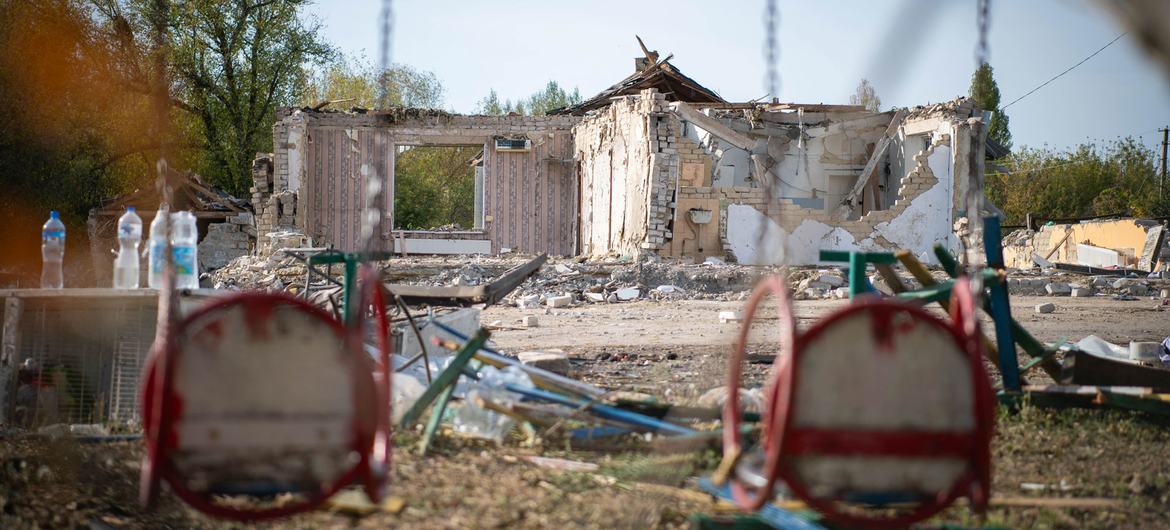
A playground lies in ruins near  in the village of Groza in eastern Ukraine.

© Yevhen Nosenko

A playground lies in ruins near in the village of Groza in eastern Ukraine.

Facebook Twitter Print Email

Human Rights

A new UN report has found continued evidence of war crimes and human rights violations committed by Russian authorities in Ukraine, including torture, rape and the deportation of children. 

Tiếp tục đọc “Commission of Inquiry finds further evidence of war crimes in Ukraine”

Explainer: What is international humanitarian law?

UN.org

© UNICEF/Eyad El Baba

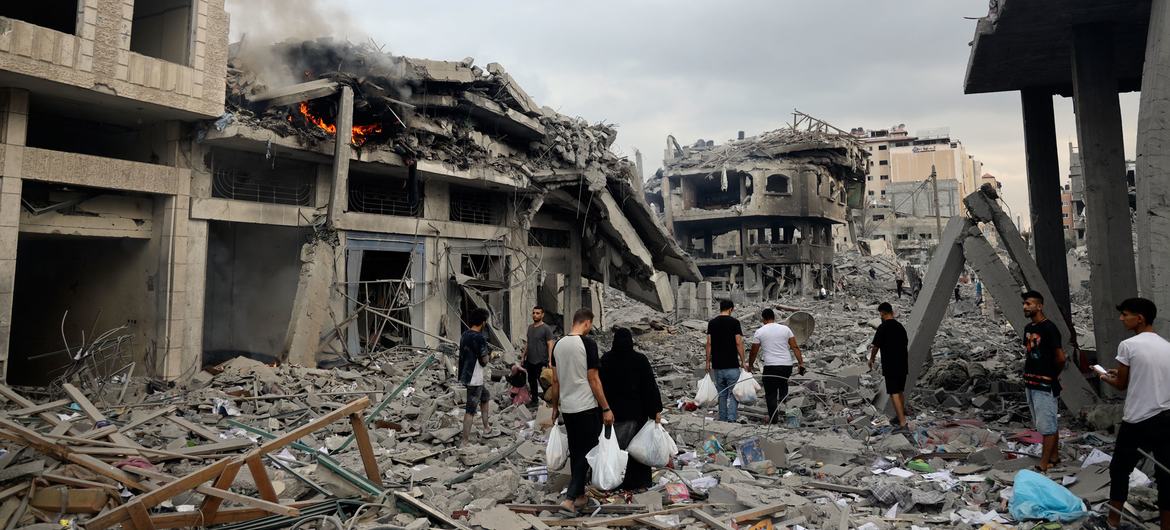
Families flee their shattered homes in Tal al-Hawa neighbourhood in Gaza city.

Human Rights

While aid workers serving conflict-affected civilian populations depend on a set of laws to protect them, some warring parties violate these global agreements, from targeting hospitals and schools to blocking aid workers from reaching civilians with lifesaving goods and services.

But, what exactly are the rules of war and what happens when they are broken?

To find out more about international humanitarian law, known by its acronym IHL, UN News spoke with Eric Mongelard at the UN human rights office, OHCHR.

Here’s what you need to know:

Rules of war

International humanitarian law is as old as war. From passages in the Bible and Quran to medieval European codes of chivalry, this ever-growing set of rules of engagement aims to limit a conflict’s effects on civilians or non-combatants.

The laws represent “the very minimum rules to preserve humanity in some of the worst situations known to mankind,” Mr. Mongelard said, noting that the rules of war apply the moment an armed conflict has begun.

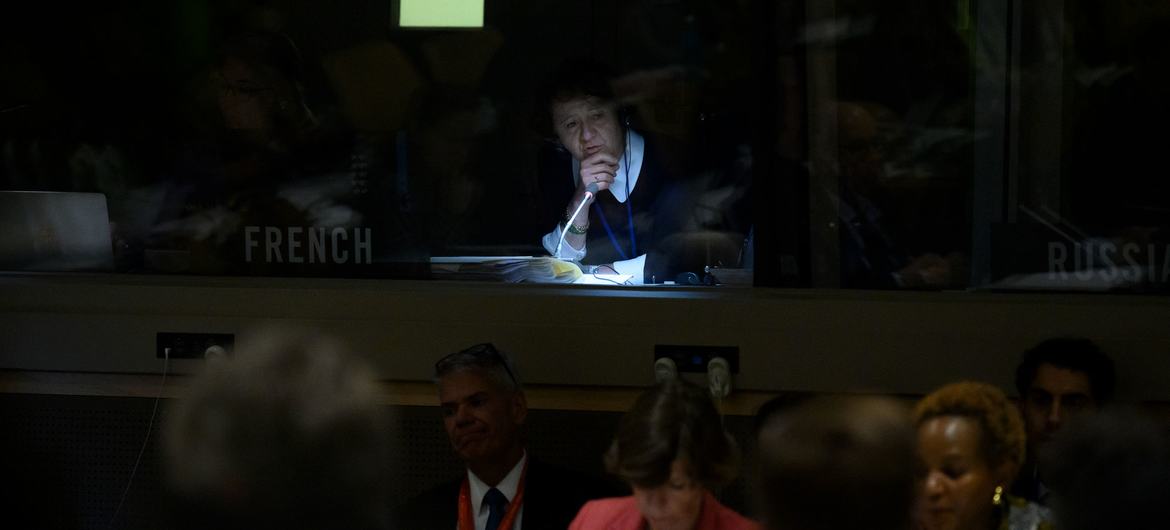
A UN interpreter works during a debate on international humanitarian law.
Tiếp tục đọc “Explainer: What is international humanitarian law?”

United Nations Committee on the Exercise of the Inalienable Rights of the Palestinian People – NGO ACTION NEWS19 October 2023

Click here for the PDF version 
Puede encontrar aquí los números de “Noticias de Acción de las ONG” en español. 
Priere de trouver ci-joint les bulletins “NGO Action News” en français. للحصول على الترجمة العربية لأنباء عن أعمال المنظمات غير الحكومية، يرجى زيارة هنا  

Middle East 
On 18 October, the Cairo Institute for Human Rights Studies published an article expressing dismay over the bombing of Al Ahli Arabi Baptist Hospital in Gaza and calling, among other things, for the ICC to implement an investigation into crimes committed by all parties since 7 October and initiate prosecution of those implicated in crimes.  Tiếp tục đọc “United Nations Committee on the Exercise of the Inalienable Rights of the Palestinian People – NGO ACTION NEWS19 October 2023”

I mourn the loss of Australia’s Indigenous voice vote – and won’t forgive the media’s mendacity

theguardian.com Thomas Keneally

Thomas Keneally

The polls had been favourable until a brutal press campaign kicked in against this kindly, long-overdue change

  • Thomas Keneally is the author of the Booker-winning Schindler’s Ark

Wed 18 Oct 2023 13.26 BST

Last Sunday, many in Australia profoundly mourned the loss of the Indigenous voice to parliament referendum, the greatest kindly amendment ever to be proposed for the Australian constitution, those dreary old articles of association by which our states and territories rub along together in far-flung federation.

When the referendum was announced in March this year, it was as a result of a message to mainstream Australia from Indigenous Australia, a statement made at Uluru near Alice Springs by Aboriginal representatives. They suggested constitutional recognition of the Aboriginal race’s ancient discovery and ownership of Australia, and proposed that their community’s disadvantages in modern Australia could be addressed through a group of Aboriginal delegates who would advise on federal laws affecting Aboriginal Australians.

https://9f16b9aa9979ae753e00d73da3e26298.safeframe.googlesyndication.com/safeframe/1-0-40/html/container.html

The ownership matter is no longer as controversial as it once was. In the 1970s a Torres Strait Islander named Eddie Mabo was shocked to hear that his garden on Murray Island belonged to the crown. He undertook a long, brave journey from regional courts all the way to the high court, to prove that his tropic garden was not the crown’s, but his own. That decision in 1992 declared that Indigenous Australians had never ceded sovereignty over their land. There were cries that every white-owned house and swimming pool would be imperilled, but the truth was that the decision allowed the Aboriginal people to claim in reality traditional and unalienated, as in not yet purchased under title and built-upon, land. With that decision began the custom of the “welcome to country”: a local tribesman, or at least an Aboriginal Australian, briefly, as a small polite gesture, welcoming people to public events and citing the local tribe and its elders, men and women, past and present. This will continue to be the practice; an acknowledgment of the established fact.

Tiếp tục đọc “I mourn the loss of Australia’s Indigenous voice vote – and won’t forgive the media’s mendacity”

24 hours with … climate negotiator Vicente Paolo Yu III

eco-business.com

Brokering for the environment for the G77, the biggest negotiating bloc of low-income countries, comes with both challenges and triumphs, says the Filipino lawyer. He shares what it is like to spend sleepless nights at the climate meetings, ahead of COP28.

Vice Yu COP24
Vicente Paolo Yu III, known by his nickname Vice, at COP24 in Katowice, Poland in 2018. Image: Vice Yu

By Hannah Alcoseba Fernandez

It is 12 midnight on the last Saturday before the conclusion of the world’s biggest climate summit. 

The Conference of the Parties (COP) to the United Nations Framework Convention on Climate Change (UNFCCC) are two-week gatherings that have been held yearly for almost three decades in a bid to make major resolutions to combat worsening impacts of global warming.

The crowd of delegates from nearly 200 countries, dozens of world leaders and hundreds of the biggest companies and nonprofits has dissipated. At the venue, negotiators, however, are huddling in a room to grapple with the final wording of text that could potentially shift the discourse on climate change for the long term. Most of them have not eaten a proper meal, and are surviving on energy bars and the water served for free at the venue.

This is a typical scene into the last hours at  the COPs, said Vicente Paolo Yu III, coordinator for the biggest negotiating bloc of low-income countries at the conference, the Group of 77 (G77) and China. The Asian superpower is not classified a developed country under international standards and has provided consistent support to the G77 on climate issues.

Tiếp tục đọc “24 hours with … climate negotiator Vicente Paolo Yu III”

Định kiến giới ngay trong sách giáo khoa ảnh hưởng gì đến học sinh?

thanhnien.vn 02/05/2023 17:03 GMT+7

Hàng ngàn học sinh nói sách giáo khoa mang định kiến giới khi nam giới thường gắn với công việc được cho rằng có địa vị cao, trong khi nghề nghiệp của nữ giới có địa vị thấp hơn hoặc chỉ đóng vai trò phụ tá.

Nghề nghiệp của nam giới thường có địa vị cao

Khi khảo sát gần 7.000 học sinh về định kiến giới ở trường học, tổ chức Saigon Children’s Charity (saigonchildren) và Viện Nghiên cứu quản lý phát triển bền vững (MSD) cho hay phần lớn học sinh nói sách giáo khoa thường gắn nhân vật nam với các công việc đòi hỏi sức mạnh hoặc kỹ thuật cao, chẳng hạn như bác sĩ, cảnh sát, luật sư và kỹ sư. Ngược lại, nhân vật nữ thường liên quan đến hoạt động giáo dục hoặc chăm sóc như giáo viên, nội trợ, y tá hoặc thư ký.

Trong sách giáo khoa, nghề nghiệp của nam giới thường có địa vị cao - Ảnh 1.
Ghi nhận của học sinh về việc làm của các nhân vật trong sách giáo khoa, theo báo cáo của tổ chức Saigon Children’s Charity và Viện Nghiên cứu quản lý phát triển bền vững

“Những địa vị được miêu tả dành riêng cho hai giới trong sách giáo khoa hàm chứa định kiến, với phần lớn các nghề nghiệp do nam giới đảm nhận là những việc có địa vị cao, trong khi các nghề nghiệp được khắc họa dành cho nữ giới có địa vị thấp hơn hoặc nữ giới chỉ đảm nhận vai trò là phụ tá cho ngành nghề của nam giới”, nhóm nghiên cứu nhấn mạnh trong báo cáo công bố ngày 27.4.

Với kết quả khảo sát như trên, nhóm nghiên cứu chỉ ra rằng việc thể hiện các nghề nghiệp khác nhau trong sách giáo khoa dựa trên giới tính có thể ảnh hưởng đáng kể đến lựa chọn nghề nghiệp và vai trò trong xã hội của học sinh, đặc biệt ở Việt Nam, nơi vai trò giới và thứ bậc xã hội truyền thống vẫn còn ảnh hưởng mạnh mẽ đến kỳ vọng của xã hội.

Điều này cũng ảnh hưởng đến nguyện vọng chọn ngành của nữ sinh, khi các em có thể tự cho rằng khả năng của bản thân bị giới hạn trong một số ngành nghề được cho là “phù hợp” với giới tính, hoặc không có hứng thú để tìm hiểu về các lĩnh vực khác, chẳng hạn như khoa học, công nghệ, kỹ thuật và toán học (STEM).

Trong sách giáo khoa, nghề nghiệp của nam giới thường có địa vị cao - Ảnh 2.
Ở chủ đề về nghề nghiệp tương lai trong sách giáo khoa tiếng Anh lớp 12 chương trình hiện hành, nam giới gắn với công việc bác sĩ, kỹ sư, còn nữ giới là giáo viên, phục vụ

Tiếp tục đọc “Định kiến giới ngay trong sách giáo khoa ảnh hưởng gì đến học sinh?”

Nhóm ‘nhặt sạn định kiến giới trong sách giáo khoa Tiếng Việt’ đoạt giải nhất Hội thi Sáng kiến Giới

tamviet.tienphong.vn 30/09/2023 | 20:02

TPO – Chiều 30/9, Khoa Giới và Phát triển tại Học viện Phụ nữ Việt Nam đã tổ chức trao giải mùa thứ 3 cho Hội thi Sáng kiến Giới. 

Cụ thể, chiều 30/9, Khoa Giới và Phát triển tại Học viện Phụ nữ Việt Nam, đơn vị tổ chức Dự án “Thanh niên tham gia thay đổi định kiến giới, thúc đẩy bình đẳng giới tại Việt Nam”, đã trao giải mùa thứ 3 cho Hội thi Sáng kiến Giới.

https://image.tienphong.vn/w1000/Uploaded/2023/tpuokbj/2023_09_30/screen-shot-2023-09-30-at-182854-2973.png
Tiến sĩ Nguyễn Tuấn Minh, đại diện Ban tổ chức trao giải cho sinh viên.

Buổi Lễ được dẫn dắt bởi TS. Dương Kim Anh, Phó Giám đốc Học viện Phụ nữ Việt Nam và Trưởng Khoa Giới và Phát triển, cùng ông Đào Ngọc Ninh, Phó viện trưởng Viện Tư vấn Phát triển Kinh tế Xã hội Nông thôn và Miền núi (CISDOMA). Sự kiện diễn ra trong không khí phấn khích của chuỗi hoạt động chào mừng tân sinh viên khóa K11 và kỷ niệm 8 năm thành lập Khoa Giới & Phát triển.

Tiếp tục đọc “Nhóm ‘nhặt sạn định kiến giới trong sách giáo khoa Tiếng Việt’ đoạt giải nhất Hội thi Sáng kiến Giới”

Countries are still falling short in developing textbooks free of gender-based stereotypes

UNESCO.org Global Education Monitoring Report

2020 Gender Report DOWNLOAD PDF

The Beijing Declaration and Platform for Action called on countries to develop curricula, textbooks and teaching aids free of gender-based stereotypes for all levels of education, including teacher training

Textbooks can perpetuate stereotypes by associating certain characteristics with particular groups. Inappropriate images and descriptions can make students from non-dominant backgrounds feel misrepresented, misunderstood, frustrated and alienated.

Textbooks are powerful factors in construction of gender identities. They transmit knowledge and present social and gender norms, shaping the world view of children and young people. Gender norms and values not only shape attitudes and practices but also influence aspirations and dictate expected behaviours and attributes for males and females (Heslop, 2016). In some contexts, textbooks are the first – and sometimes only – books a young person reads, and so can have a lasting impact on their perceptions. That means that, through textbooks, discriminatory norms and values can be challenged. Strategic objective B.4 of the Beijing Declaration and Platform for Action called on countries to develop curricula, textbooks and teaching aids free of gender-based stereotypes for all levels of education, including teacher training, in cooperation with all concerned – publishers, teachers, public authorities and parents’ associations.

WOMEN ARE UNDER-REPRESENTED IN TEXTBOOKS

In many countries, girls and women are under-represented in textbooks, and when they are included, they are depicted in traditional roles. In Afghanistan, women were almost completely absent from grade 1 textbooks published in the 1990s. Since 2001, they have been represented more frequently, but usually in passive and domestic roles, shown as mothers, caregivers, daughters and sisters. They are mostly represented as dependent, with teaching being the only career open to them (Sarvarzade and Wotipka, 2017). A review of 95 primary and secondary compulsory education textbooks in the Islamic Republic of Iran showed that women accounted for 37% of images. About half the images showing women were related to family and education, while work environments appeared in less than 7%. There were no images of women in about 60% of Farsi and foreign language textbooks, 63% of science textbooks and 74% of social science textbooks (Paivandi, 2008).

Tiếp tục đọc “Countries are still falling short in developing textbooks free of gender-based stereotypes”

Tan Hoa Village, Vietnam named as Best Tourism Village 2023 by UN World Tourism Organization – Tân Hóa, Quảng Bình được Tổ chức Du lịch thế giới vinh danh “Làng du lịch tốt nhất thế giới” năm 2023.

UNWTO.org

Tân Hoá village is known as the “seasonal flooded zone” of Quang Binh province, where during the rainy season the flood water can submerge the whole village. Tân Hoá used to be one of the poorest villages in Quang Binh province. Since 2011, when tourism activities were adopted by Tân Hoá village, many people have acquired stable jobs and, subsequently, their quality of life has improved significantly. 

The village is situated in the vicinity of Phong Nha-Ke Bang National Park, benefiting from unique natural conditions and a rustic charm. The village has been recognized by the provincial People’s Committee as an ecological and cave tourism area within the Tu Lan cave system. Surrounded by primary forests, limestone mountains, and the tranquil Rao Nan river, Tân Hóa village exhibits a simple and enduring beauty that leaves a lasting impression on visitors. 

Tân Hoá Tourism Village is a pioneering tourism business model that promotes collaboration between enterprises and the local community, aiming for mutual benefits. Oxalis Adventure, as its partner, has implemented a clear and comprehensive business strategy based on three fundamental principles: safety, conservation, and involvement of the local people.

The Village and Oxalis Adventure believe that involving local people in the tourism business is a strategic approach rather than just a responsibility. They have gradually trained the local people to become proficient in serving tourists and transitioned from community involvement into community ownership on services that they deliver. 

HIGHLIGHTS


Tiếp tục đọc “Tan Hoa Village, Vietnam named as Best Tourism Village 2023 by UN World Tourism Organization – Tân Hóa, Quảng Bình được Tổ chức Du lịch thế giới vinh danh “Làng du lịch tốt nhất thế giới” năm 2023.”

The Countries Most in Debt to China

statista.com INTERNATIONAL LOANS by Katharina Buchholz,Mar 29, 2023

Infographic: The Countries Most in Debt to China | Statista

DESCRIPTION This chart shows global debt levels cause by direct loans from China (as percentage of GDP) in 2021.

According to World Bank data analyzed by Statista, countries heavily in debt to China are mostly located in Africa, but can also be found in Central Asia, Southeast Asia and the Pacific. As the new preferred lender to low-income countries, China held 37 percent of these nations’ debt in 2020. Just 24 percent of the countries’ bilateral debt comes from the rest of the world that year.

The “New Silk Road” project, which finances the construction of port, rail and land infrastructure across the globe, has created much debt to China for participating countries. At the end of 2021, of the 98 countries for whom data was available, Pakistan ($27.4 billion of external debt to China), Angola (22.0 billion), Ethiopia (7.4 billion), Kenya (7.4 billion) and Sri Lanka (7.2 billion) held the biggest debts to China. The countries with the biggest debt burdens in relative terms were Djibouti and Angola, followed by the Maldives and Laos, which opened a debt-laden railway line to China last year. The President of the World Bank, David Malpass, has called the level of debt many countries once again hold “unsustainable”.

The Paris Club used to hold the majority of low-income countries’ debt before it was restructured and largely forgiven after the turn of the millennium for qualifying, developing countries. Whether such a process will be available for Chinese debt is unclear. As of 2021, China had officially lent around $180 billion to low and middle-income countries, up from just around $40 billion in 2010.

Chinese loans have higher interest rates than those from international institutions like the International Monetary Fund or The World Bank or bilateral loans from Paris Club countries, and also have shorter repayment windows. Their setup is closer to commercial loans concerning their conditions of repayment, confidentiality as well as their objectives of funding specific infrastructure projects instead of pursuing development goals in general.

The Covid-19 pandemic has complicated the already difficult repayment of Chinese loans even more. According to the Financial Times, the country had to renegotiate loans worth $52 billion in 2020 and 2021 – more than three times the amount that met this fate in the two previous years. One such case was Sri Lanka – also among China’s biggest debtors – which in 2022 was the first Asian country in two decades to default on its debt.

Disinformation surge threatens to fuel Israel-Hamas conflict

reuters.com

By Stephanie BurnettStephen Farrell and Hardik Vyas October 18, 20238:39 PM GMT+7 Updated 10 hours ago

Aftermath of Israeli strikes

[1/2]A dove flies over the debris of houses destroyed in Israeli strikes, in Khan Younis in the southern Gaza Strip October 11, 2023. REUTERS/Ibraheem Abu Mustafa/File Photo Acquire Licensing Rights

Summary

  • Fake or misleading posts proliferate after Hamas attack
  • Cyber distortions deepen enmity in region and beyond
  • Acrimony online can have real world consequences

AMSTERDAM/LONDON, Oct 18 (Reuters) – As the Israel-Hamas war rages, regulators and analysts say a wave of online disinformation risks further inflaming passions and escalating the conflict in an electronic fog of war.

An explosion at a Gaza hospital that killed hundreds of Palestinians on Tuesday is the latest focus of the surge of activity as supporters of both sides in the battle between Israel and Hamas try to bolster their own side’s narrative and cast doubts on the other’s.

Tiếp tục đọc “Disinformation surge threatens to fuel Israel-Hamas conflict”