I'm from Hanoi, Viet Nam.
I'm an author of Dot Chuoi Non (dotchuoinon.com/author/hangbelu/), a blog on Positive thinking, founded by Dr. Tran Dinh Hoanh, an attorney in Washington DC.
I'm a co-founder of Conversations on Vietnam Development - cvdvn.net, a virtual think tank. I am a co-founder of two companies in Viet Nam working on children education services. I advise companies on STEAM education, English language education for children and students in Vietnam.
I'm studying the Buddha's teaching and the teaching of Jesus. I practice mindful living including meditation.
I hold a PhD on Sustainable Energy Systems from University of Lisbon and Aalto University.
I graduated from Hanoi University of Technology on Environmental Engineering. I obtained a Master degree of the same major from Stanford University and Nanyang Technological University.
My English-language blog at: hangbelu.wordpress/.
I play table tennis as a hobby.
For nearly 60 days, no food, fuel, medicine or other item has entered the Gaza Strip, blocked by Israel. Aid groups are running out of food to distribute. Markets are nearly bare. Palestinian families are left struggling to feed their children. We discussed that with out guest Arwa Damon, founder of the International Network for Aid, Relief and Assistance (INARA)
The World Food Programme runs out of food in Gaza as Israeli blockade continues
The World Food Programme has run out of food 54 days after Israel imposed a complete blockade on the Gaza Strip. NBC News’ Matt Bradley reports on what families in Gaza are facing as Israel’s blockade continues.
WFP runs out of food stocks in Gaza, warns of famine
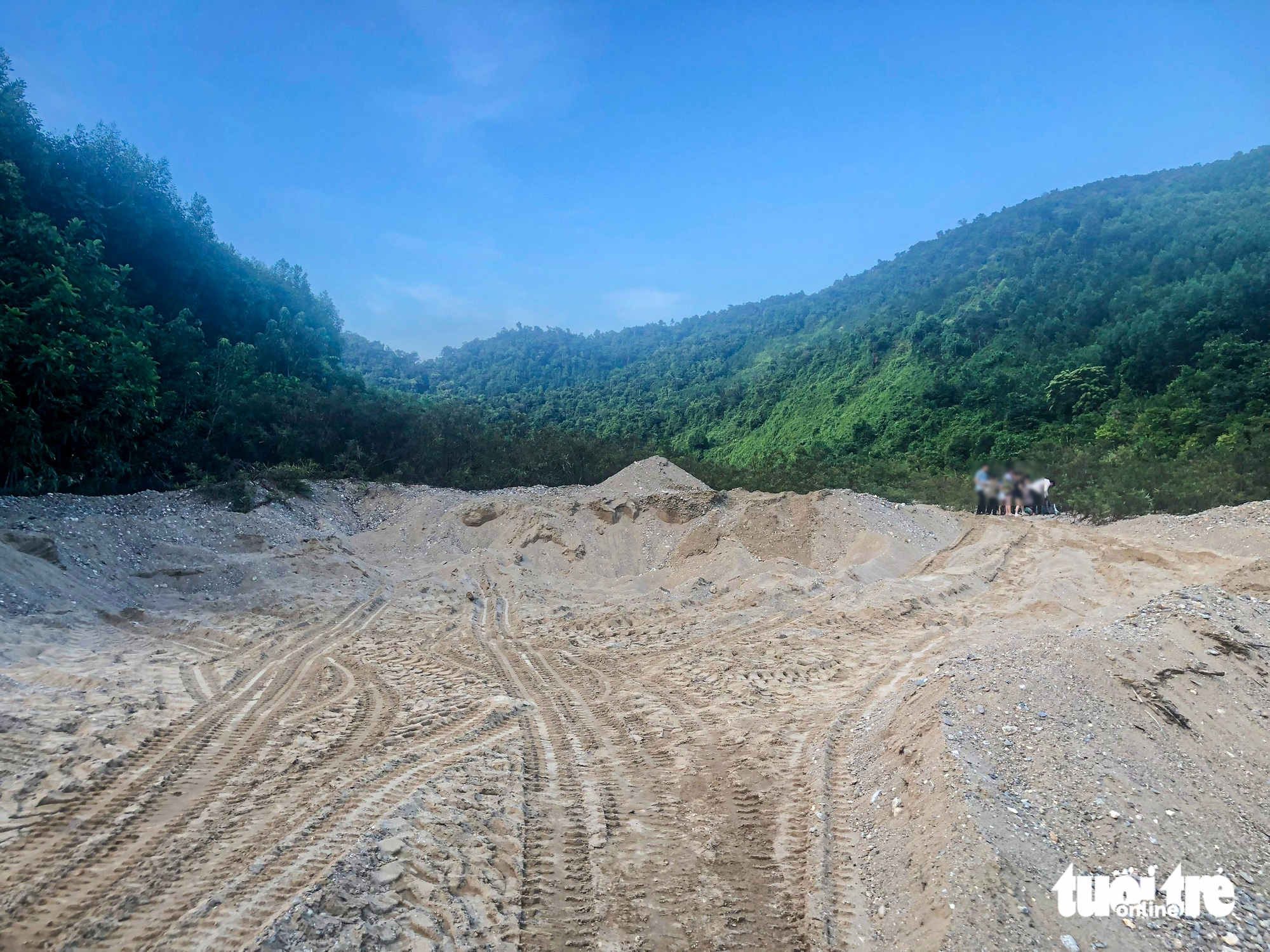
Tại khu vực thượng nguồn sông Cu Đê (Đà Nẵng), một đoạn sông Bắc đang bị những kẻ trộm cát cày xới, xâm hại đến cảnh quan và môi trường tự nhiên.
Hình ảnh tại hiện trường bãi khai thác cát trái phép ở một đoạn sông Bắc (xã Hòa Bắc, huyện Hòa Vang, Đà Nẵng) – Ảnh: THANH NGUYÊN
Xe múc, phương tiện âm thầm đào trộm cát
Xã Hòa Bắc (huyện Hòa Vang) đang được xây dựng thành điểm du lịch sinh thái ở Đà Nẵng với nhiều con suối trong lành. Vào mùa hè, dòng sông Cu Đê và những con suối nằm ở thượng nguồn như sông Bắc thu hút đông đảo người dân và du khách đến vui chơi, nghỉ mát.
Tuy nhiên, một đoạn sông Bắc đang bị “cày xới” bởi các đối tượng khai thác cát lậu.
00:01:44
Xe múc đào trộm cát trên thượng nguồn sông Cu Đê ở Đà Nẵng, chính quyền nói gì? – Video: THANH NGUYÊN
Theo ghi nhận của Tuổi Trẻ Online, tình trạng khai thác cát trái phép ở khu vực này đã diễn ra được một thời gian.
Trước đó vào tháng 8-2024, phóng viên ghi nhận nhiều người đã đưa máy móc, xe tải tiến về khu vực sông Bắc (phía trên vũng Bọt) để múc trộm cát.
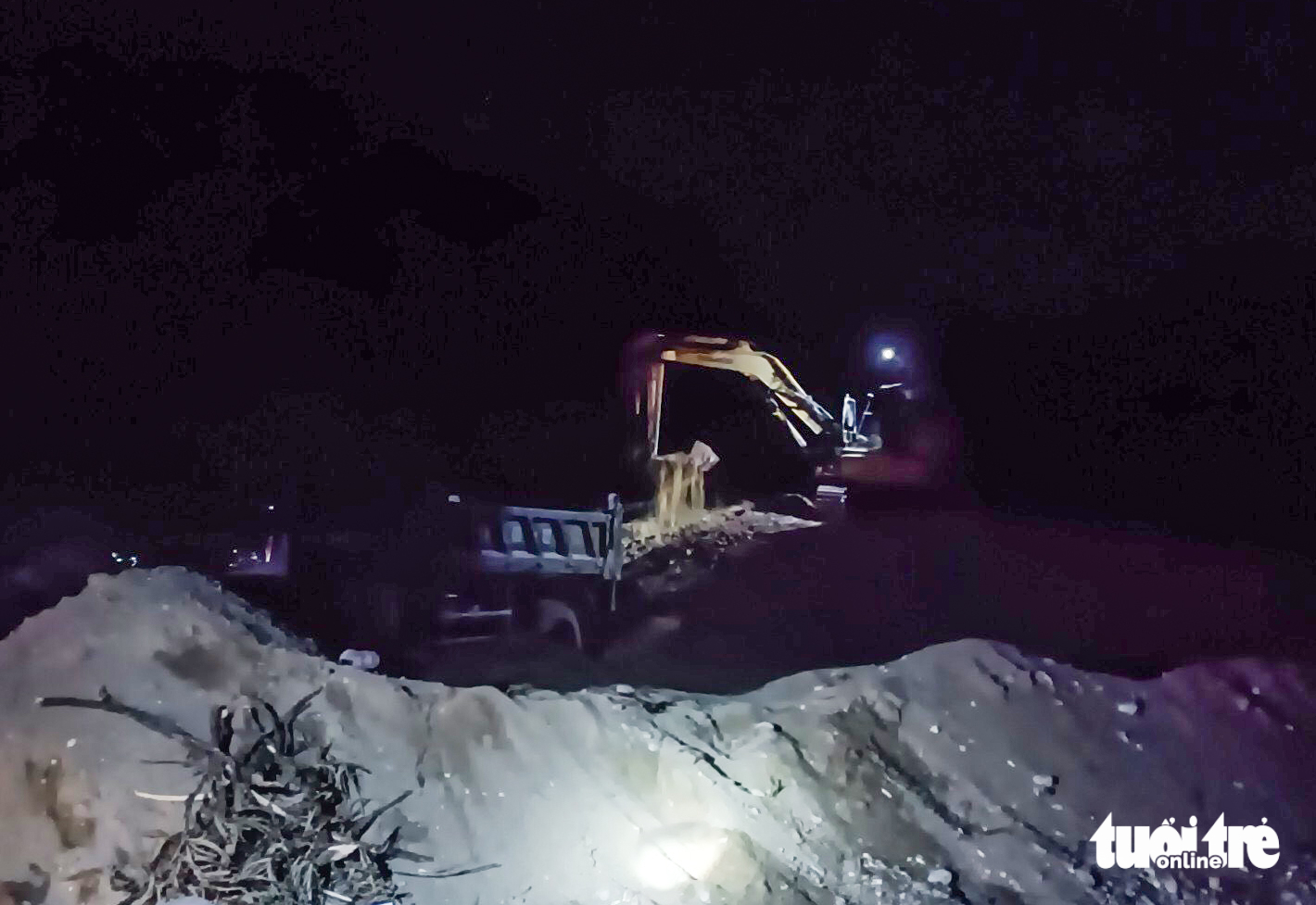
Các hoạt động khai thác cát trái phép này thường diễn ra vào ban đêm hoặc rạng sáng để tránh bị lực lượng chức năng phát hiện.
Theo ghi nhận, khoảng 22h, một người lái xe tải chở theo máy xúc tiếp cận đến điểm khai thác. Người này nhanh chóng xúc cát đổ đầy thùng xe tải dưới ánh sáng lờ mờ của chiếc đèn pin.
Hình ảnh khai thác cát trái phép trong đêm – Ảnh: THANH NGUYÊN
Trước khi chở cát rời đi, người này gom cát lại thành đống để thuận tiện cho việc khai thác lần tiếp theo.
Sau một thời gian, các hoạt động khai thác tạm ngưng khi nước suối dâng cao vào mùa mưa cuối năm 2024. Tuy nhiên, thời gian gần đây, việc khai thác cát trộm tái diễn ở khu vực này. Các đối tượng tiếp tục tuồn đi nhiều m3 cát, sỏi dọc bờ suối.
Hậu quả để lại là một đoạn bờ suối bị cày xới, biến dạng, nguy cơ làm thay đổi dòng chảy và tiềm ẩn nhiều nguy cơ sạt lở vào mùa mưa.
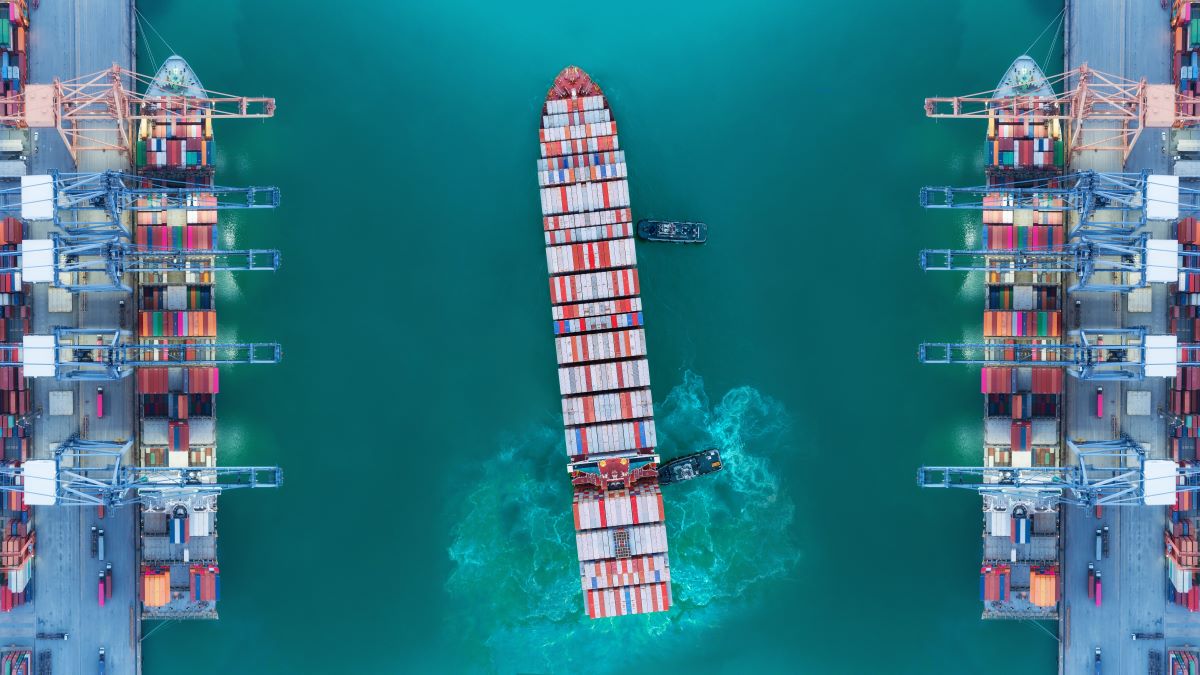
Maritime transport moves over 80% of goods traded worldwide. Country-level seaborne trade data is vital for shaping better transport, trade and investment policies.
UN Trade and Development (UNCTAD) released on 15 April newseaborne trade data. For the first time, the dataset includes country-level statistics.
Maritime transport is the backbone of global trade, moving over 80% of goods traded worldwide by volume. It connects global value chains, carrying raw materials and semi-processed goods to production hubs and delivering finished products to consumers. These flows are vital for industrialization, economic growth and job creation.
Seaborne trade has evolved over the decades, shaped by containerization, the rise of developing economies and shifting production and consumption patterns. Today, digitalization, geopolitics and the push for sustainability and climate resilience are redefining the sector.
A clearer picture of who ships what – and how much
Reliable, up-to-date country-level data is key to understanding trade flows and guiding better transport and trade policies and investment decisions.
Built from official trade data reported by governments to UN Comtrade, the new dataset offers a more accurate and comparable view of global maritime cargo movements, helping countries to:
Monitor trade performance and competitiveness.
Assess integration into global supply chains and trade networks.
Inform port and transport infrastructure investment decisions.
Track progress on Sustainable Development Goal 9.1.2 to develop quality, reliable, sustainable and resilient infrastructure – for which maritime freight and port cargo volumes are indicators.
Data highlights developing countries’ rising share of maritime trade
Historically, developing countries served mainly as loading hubs – major exporters of raw materials but marginal importers of manufactured goods. But this has evolved since the 1970s, driven by structural changes such as the oil crises, trade liberalization, increased private sector participation in port operations, the rise of container shipping and reforms to liner shipping alliances.
The shift accelerated in the early 2000s as developing countries increased trade among themselves – including in raw materials, oil and manufactured goods. Their share of global maritime freight rose from 38% in 2000 to 54% in 2023. The surge was led by Asia, with China driving much of the growth.
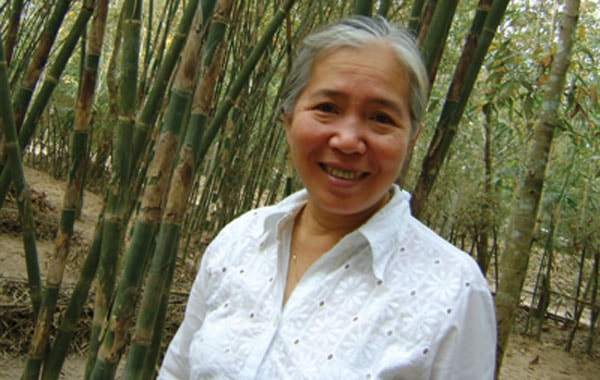
Tiến sĩ Diệp Thị Mỹ Hạnh là người đưa ra ý tưởng, sau đó trực tiếp xây dựng Làng tre Phú An (Bến Cát, Bình Dương) – một bảo tàng tre lớn nhất trong khu vực Đông Nam Á và năm 2010 đã nhận được giải thưởng Xích đạo (Equator Prize) của Liên Hiệp Quốc về đa dạng sinh học.
Tiến sĩ Diệp Thị Mỹ Hạnh là người đưa ra ý tưởng, sau đó trực tiếp xây dựng Làng tre Phú An (Bến Cát, Bình Dương) – một bảo tàng tre lớn nhất trong khu vực Đông Nam Á và năm 2010 đã nhận được giải thưởng Xích đạo (Equator Prize) của Liên Hiệp Quốc về đa dạng sinh học.
Đọc E-paper
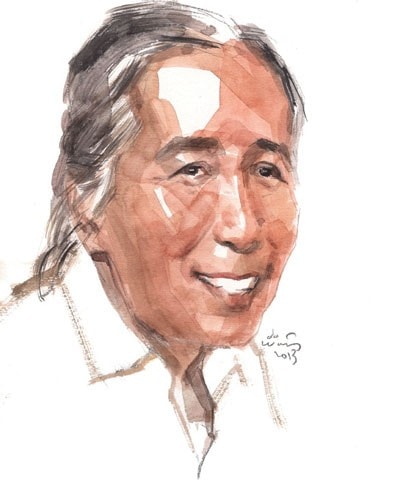
TS Diệp Thị Kiều Trang – Tranh: Hoàng Tường
Bà nhiệt tình và thân thiện với tất cả những ai đến chơi hay tìm hiểu về Làng tre, từ những học sinh tiểu học đến các vị khách nước ngoài chỉ kịp ghé tham quan lúc đã hơn 9 giờ tối.
Bà có vẻ bề ngoài mạnh mẽ và lạc quan nên không mấy ai biết được bà đã phải trăn trở mỗi đêm để tìm cách duy trì làng tre này. Chúng tôi mở đầu câu chuyện với bà bằng câu hỏi thành thực: “Động cơ nào thúc đẩy bà xây dựng Làng tre?” và bà vui vẻ trả lời.
Rất nhiều người thắc mắc vì sao tôi từ bỏ cuộc sống an nhàn cùng gia đình, con cái ở nước ngoài để về đây lăn lộn với Làng tre. Ngay cả tôi cũng không thể lý giải được. Có lẽ vì tôi mê tre quá.
Với tôi, cây tre không chỉ là một loài thực vật vô tri vô giác, mà gần như là một thực thể sống, biết yêu thương và vui buồn. Vì vậy, tôi đã đưa những giống tre từ cao nguyên về trồng ở trên vùng đất đắp cao hay trồng gần những chiếc cầu khỉ của miền Tây và làm thêm dòng kênh nhân tạo để cây… đỡ nhớ nhà!
* Có đặc điểm gì ở tre khiến bà mê loài cây này đến thế?
– Theo quan niệm của người phương Đông, cây tre, cây trúc tượng trưng cho mẫu người quân tử với những tính cách kiên cường, ngay thẳng mà hòa hiếu, độ lượng. Quần thể tre cho thấy một xã hội thuận hòa kỷ cương, theo quy luật “Tre già măng mọc”, chứ không phải tranh sống theo kiểu “Cá lớn nuốt cá bé”.
Tôi thấy vui khi công việc của mình đã “minh oan” cho cây tre nhiều điều. Chẳng hạn dân gian thường cho rằng phải qua vài chục năm, tre mới nở hoa. Khi nở hoa, tất cả mọi tinh hoa, mọi chất dinh dưỡng mà cây tạo ra được đều tập trung trong những bông hoa, chất dinh dưỡng dự trữ trong thân cây cũng bị tiêu hao hết nên tre sẽ chết.
Tuy nhiên, sau khi nghiên cứu, tôi thấy nhiều giống tre mỗi năm trổ hoa một lần, có cây hai, ba năm trổ hoa một lần mà không chết.
That is an average of 30 children killed every day over the past 535 days.
Since October 7, 2023, Israel has killed at least 17,400 children, including 15,600 who have been identified. Many more remain buried under the rubble, most presumed dead.
Many of the surviving children have endured the trauma of multiple wars, and all of them have spent their lives under the oppressive shadow of an Israeli blockade, affecting every aspect of their existence from birth.
What is left of Gaza’s children?
About half of Gaza’s 2.3 million residents are children.
Over the past 17 months, Israeli attacks have left their homes in ruins, destroyed their schools, and overwhelmed their healthcare facilities.
To put this in perspective, if you had a room of 100 children:
2 have been killed
2 are missing, presumed dead
3 have been wounded, many critically
5 have been orphaned or separated from their parents
5 require treatment for acute malnutrition
The rest of the children bear the invisible scars of war, trauma that affects their mental health, safety and future.
(Al Jazeera)
Who were these children Israel killed?
They were the sons and daughters of Gaza, each with a life that should have been filled with innocence and the joy of childhood.
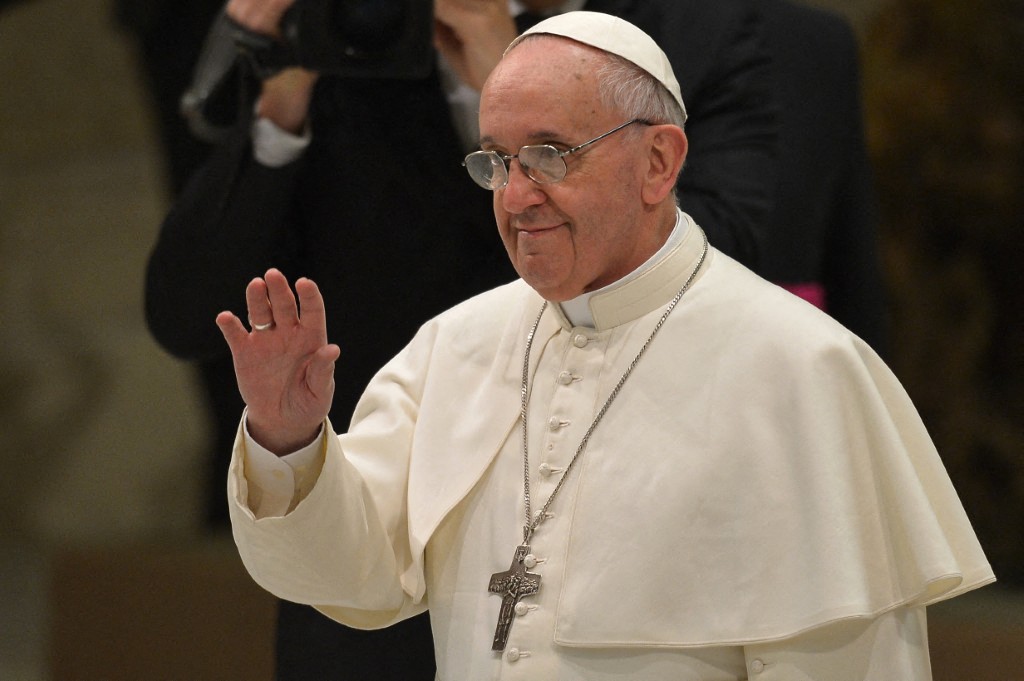
Trong suốt 12 năm làm giáo hoàng, Giáo hoàng Francis luôn gắn liền với sự khiêm nhường, giản dị, hy sinh vì người nghèo, nỗ lực vì các đối thoại giữa các tôn giáo, vì môi trường, vì bình đẳng giới và hòa bình thế giới.
Giáo hoàng Francis, vị cha chung của Giáo hội Công giáo – Ảnh: AFP
Giáo hoàng Francis tên thật là Jorge Mario Bergoglio, sinh ngày 17-12-1936 tại Buenos Aires, Argentina. Ngài là con cả trong số năm anh chị em. Trước khi trở thành linh mục, Giáo hoàng Francis từng là kỹ sư hóa học và làm nhiều công việc khác nhau để kiếm sống như làm bảo vệ cho một hộp đêm.
Khi mới 21 tuổi, ngài mắc viêm phổi nặng và phải cắt bỏ một phần phổi. Sau lần bạo bệnh ấy, với khát vọng dâng hiến đời mình cho Thiên Chúa và phục vụ cộng đồng, chàng thanh niên Bergoglio quyết định gia nhập Dòng Tên và bắt đầu con đường tu trì vào năm 1958.
Ngày 12-3-1960, Giáo hoàng Francis tuyên khấn lần đầu, khởi đầu đời sống tu trì. Ba năm sau, ngài hoàn tất chương trình học triết học và thần học. Đến ngày 13-12-1969, thầy Bergoglio được thụ phong linh mục.
Dưới đây mình chép lại một lá thư của liệt sĩ Đồng Thế Thức, gửi từ chiến trường (miền Nam) cho cha mẹ và gia đình ở miền Bắc trong thời gian kháng chiến chống Mỹ những năm 1970s.
Liệt sĩ Đồng Thế Thức là bác ruột của mình, bác là anh trai của mẹ. Bác Thức sinh năm 1942, lớn hơn mẹ 14 tuổi. Bác học xong cấp 3 là nhập ngũ. Theo mẹ kể lại, bác Thức hy sinh vào khoảng năm 1974 tại Tây Ninh. Bức thư này không ghi rõ ngày tháng, nhưng theo mẹ kể có lẽ bác viết tầm năm 1973. Trong thư bác nói về niềm tin ngày thống nhất đang rất gần rồi, “con sẽ trở về trên chuyến tàu Sài Gòn – Hà Nội”. Thêm nữa thời chiến, liên lạc rất khó khăn, cho nên có khi gửi thư cả vài năm mới đến được tay người nhà nên không biết chính xác thư viết khi nào. Đây là một bức thư hiếm hoi bác gửi về được tới gia đình trong những năm chiến đấu ở chiến trường miền Nam.
Lá thư này có đề địa chỉ là hòm thư. 86558YK – B11. Thời đó khi nói đến đi Bê (B) tức là đi vào chiến trường miền Nam. Từ năm 1960, các khu vực tác chiến quân sự có tên gọi quy ước A là miền Bắc, B là miền Nam, C là Lào và Đ là Cam pu chia (sau đổi thành K). Tất cả cán bộ từ Bắc đi B đều phải đi theo những con đường tuyệt bí mật, không ai biết đường đi của ai. Hơn nữa, bác Thức đóng quân tại Tây Ninh, là nơi căn cứ của Trung Ương Cục Kháng Chiến Miền Nam, phải cực kỳ bí mật không thể biên thư tuỳ tiện để lộ tung tích. Những ai đi B là dù không nói, là biết không hẹn ngày trở về.
Trong thư có một số chữ bị mờ nhìn không còn rõ. Mình cố gắng chép lại để nguyên văn từng dấu chấm, phẩy, dấu cảm thán. Có một số câu đọc nghe có vẻ không hoàn chỉnh. Điều này có lẽ là do, như trong như bác nói, lá thư phải viết trong hoàn cảnh nhanh và rất vội để gửi cho người quen mang ra ngoài Bắc. Vì cơ hội này không hề dễ dàng gặp được trong chiến trường. Cho nên phải viết thật nhanh và vội, vì vậy có lẽ cũng rất nhiều hồi hộp và cảm xúc.
The 180,000 names were part of a list of 800,000 Rohingya that Bangladesh submitted to Myanmar in six batches, Bangladesh government says.
Rohingya refugees wait at the World Food Programme distribution centre to buy grocery items in Cox’s Bazaar [File: Mohammad Ponir Hossain/Reuters]
Published On 4 Apr 20254 Apr 2025
Myanmar has confirmed that 180,000 Rohingya refugees living in Bangladesh since fleeing their homeland are eligible to return, the Bangladeshi government has said.
Friday’s announcement, following talks in Bangkok, offered a possible breakthrough in the long-stalled repatriation process, although many Rohingya refugees say all of them should be allowed to go home.
The top 10 oil1 producers and share of total world oil production2 in 20233
Country
Million barrels per day
Share of world total
United States
21.91
22%
Saudi Arabia
11.13
11%
Russia
10.75
11%
Canada
5.76
6%
China
5.26
5%
Iraq
4.42
4%
Brazil
4.28
4%
United Arab Emirates
4.16
4%
Iran
3.99
4%
Kuwait
2.91
3%
Total top 10
74.59
73%
World total
101.81
1Oil includes crude oil, all other petroleum liquids, and biofuels. 2 Production includes domestic production of crude oil, all other petroleum liquids, and biofuels and refinery processing gain. 3 Data source: U.S. Energy Information Administration, International Energy Statistics, Total oil (petroleum and other liquids) production, as of April 11, 2024
The top 10 oil1 consumers and share of total world oil consumption in 20222
Country
Million barrels per day
Share of world total
United States
20.01
20%
China
15.15
15%
India
5.05
5%
Russia
3.68
4%
Saudi Arabia
3.65
4%
Japan
3.38
3%
Brazil
3.03
3%
South Korea
2.55
3%
Canada
2.41
2%
Germany
2.18
2%
Total top 10
61.08
61%
World total
99.95
1Oil includes crude oil, all other petroleum liquids, and biofuels. 2 Data source: U.S. Energy Information Administration, International Energy Statistics, Total oil (petroleum and other liquids) consumption, as of April 11, 2024
MANILA, Feb 3 (Reuters) – The Philippines, among the world’s largest rice importers, declared on Monday a food security emergency to bring down the cost of rice, which it said has stayed elevated despite lower global prices and a reduction in rice tariffs last year.
The declaration, which was widely expected, will allow the government to release buffer stocks to help bring down retail prices of the national staple, Agriculture Secretary Francis Tiu Laurel said in a statement, adding it would remain in effect until the price situation improves.
Despite efforts to liberalise rice imports and reduce tariffs, the agriculture department said, the domestic market has been slow to respond, with retail prices surpassing expectations.
Half of the 300,000 metric tons buffer stock the National Food Authority currently holds could be released over the next six months to ensure supply for emergencies and disaster response, it added.
The annual rate of increase in rice prices in the Philippines hit a 15-year high of 24.4% in March last year, but has since moderated to 0.8% in December, helping keep overall inflation for 2024 within the government’s 2% to 4% target.
Last year, the Philippines lowered tariffs on rice and extended existing tariff cuts on some other commodities to combat inflation and ensure ample supply
The pups are cute – and great for PR – but they’re modified grey wolves. The real work is being done with their red cousinsThu 10 Apr 2025 15.50 BSTShare109
I’ve been waiting for this. Ever since researchers almost brought a wild goat species back from extinction in 2003, it was only a matter of time until someone came forward and said they had successfully “de-extincted” a species. Now, it has happened.
This week, American biotech company Colossal Biosciences announced it had resurrected the dire wolf, an animal that went extinct at the end of the last ice age. Colossal released a video that invited viewers to “experience the first dire wolf howls heard in over 10,000 years”.
But these are not dire wolf howls, and these are not dire wolves. To make the pups, scientists edited the DNA inside grey wolf cells to make it more dire wolf-like. Twenty changes were made to 14 different genes involved in coat colour, body size and skull shape. Then the cells were used for cloning.
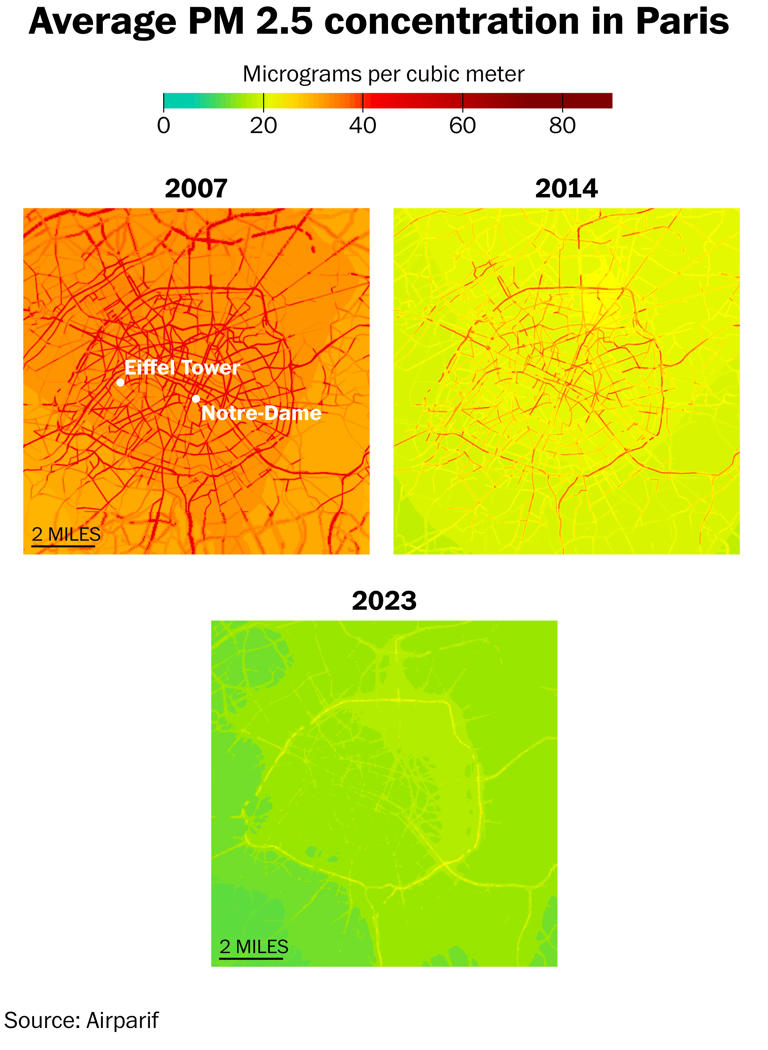
Over the past 20 years, Paris has undergone a major physical transformation, trading automotive arteries for bike lanes, adding green spaces and eliminating 50,000 parking spaces.
Part of the payoff has been invisible — in the air itself.
Airparif, an independent group that tracks air quality for France’s capital region, said this week that levels of fine particulate matter (PM 2.5) have decreased 55 percent since 2005, while nitrogen dioxide levels have fallen 50 percent. It attributed this to “regulations and public policies,” including steps to limit traffic and ban the most polluting vehicles.
Paris said au revoir to cars. Air pollution maps reveal a dramatic change.
Air pollution heat maps show the levels of 20 years ago as a pulsing red — almost every neighborhood above the European Union’s limit for nitrogen dioxide, which results from the combustion of fossil fuels. By 2023, the red zone had shrunk to only a web of fine lines across and around the city, representing the busiest roads and highways.





 CVD
CVD 