I'm from Hanoi, Viet Nam.
I'm an author of Dot Chuoi Non (dotchuoinon.com/author/hangbelu/), a blog on Positive thinking, founded by Dr. Tran Dinh Hoanh, an attorney in Washington DC.
I'm a co-founder of Conversations on Vietnam Development - cvdvn.net, a virtual think tank. I am a co-founder of two companies in Viet Nam working on children education services. I advise companies on STEAM education, English language education for children and students in Vietnam.
I'm studying the Buddha's teaching and the teaching of Jesus. I practice mindful living including meditation.
I hold a PhD on Sustainable Energy Systems from University of Lisbon and Aalto University.
I graduated from Hanoi University of Technology on Environmental Engineering. I obtained a Master degree of the same major from Stanford University and Nanyang Technological University.
My English-language blog at: hangbelu.wordpress/.
I play table tennis as a hobby.
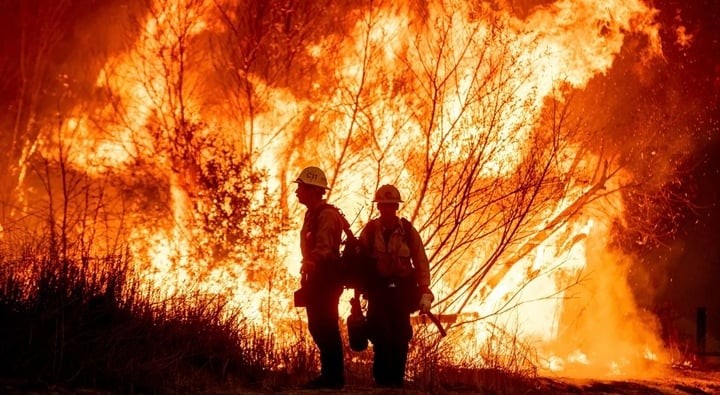
Trong hai tháng đầu năm 2025, diện tích rừng bị thiệt hại tăng 64% so với cùng kỳ năm 2024, với tổng diện tích 145,4 ha. Ngoài thiệt hại do cháy thì tình trạng chặt phá rừng cũng gia tăng mạnh, với mức tăng lên đến 43% so với cùng kỳ năm trước.
Báo cáo kinh tế – xã hội tháng 2 và 2 tháng đầu năm 2025 của Cục thống kê (Bộ Tài chính) cho thấy, diện tích rừng bị thiệt hại trong tháng 2/2025 là 73,1 ha, tăng 34,7% so với cùng kỳ năm trước. Trong đó: Diện tích rừng bị cháy là 17,1 ha, gấp 39,7 lần tập trung ở Cao Bằng 10,0 ha, Bắc Kạn 3,8 ha, Lai Châu 2,0 ha; diện tích rừng bị chặt, phá là 56,0 ha, tăng 4,0%.
Diện tích rừng bị thiệt hại tăng mạnh (Ảnh minh hoạ).
Tính chung hai tháng đầu năm 2025, diện tích rừng bị thiệt hại là 145,4 ha, tăng 64,0% so với cùng kỳ năm trước, trong đó diện tích rừng bị cháy là 19,4 ha, gấp 27 lần; diện tích rừng bị chặt, phá là 126,0 ha, tăng 43,3%.
mekongeye.com Produced in partnership with the Putlizer Center
Long-term intensive chemical use in Laos’ banana farms has degraded the country’s once-fertile soil, and it may take nearly half a century to restore it.
Laos’ fertile soil and its proximity to China have created ideal conditions for banana cultivation to meet the surging demand from Chinese consumers.
This fruit frenzy has attracted Chinese companies to seek farmland in Laos, a landlocked country that has embraced a “green agriculture” approach to combat poverty.
With government approval, the sector has expanded, offering jobs, infrastructure development, and revenue from land once considered undervalued.
However, an investigation by Mekong Eye and the Rainforest Investigations Network (RIN) reveals that the fruit plantation boom has left a legacy of soil degradation and uncertain livelihoods for many local farmers.
OUDOMXAY & BOKEO, LAOS – Northern Laos is experiencing soil degradation after years of monocropping and widespread chemical use on banana farms operated by Chinese entrepreneurs.
Thiep doesn’t remember the name of the Chinese fruit company that leased his family’s land, only that it was one of the first to arrive in his northern Lao village in 2007.
After a decade of monocropping bananas, the company left and then returned the land to his family. But in the interim, the earth had changed in ways Thiep and his household couldn’t have anticipated.
“The soil is unusually hard and dry, not like it used to be. We had to replace the plow with a stronger one just to break the ground,” Thiep recalled.
His family members invested extra effort into its first rice crop after reclaiming the plotland. That year, they enjoyed a bumper harvest that was more than they had before the arrival of the Chinese company. But it was the last time they saw such abundance.
“The yield kept decreasing after that,” Thiep said, planting seedlings in the flooded paddy. “Before we leased it out, this plot produced 60 bags of rice. Now it’s down to 30, not enough for the family to eat.”
Nearly two decades ago, Chinese entrepreneurs, attracted by geographic proximity, blanketed northern Laos with banana plantations.
Exporting bananas to China quickly became an economic mainstay, replacing the long reliance on subsistence rice farming. The plantations not only created local jobs but also increased income for households leasing their land to companies.
But investment capital is bittersweet: it may have provided the region with a ladder out of the depths of poverty, but it has ushered in new perils.
Some local workers have reportedly fallen ill or died after pesticide spraying on farms.
Young Hmong workers rest after long hours of labor on a banana plantation in Oudomxay province, northern Laos. Many, including children under 15, face direct exposure to hazardous agricultural chemicals used in the plantations.
A 2017 study, conducted with the Lao government’s involvement, found that agricultural chemicals – used intensively and without consistent management on banana plantations – had poisoned rivers and soil, and harmed the health of residents and plantation workers.
Among the chemicals identified were paraquat – a highly toxic herbicide banned in several countries, including Laos and China – and chlorothalonil, a hazardous substance banned in the EU in 2020 due to its potential to pollute groundwater and cause cancer.
Facing the issue, an official from the Ministry of Industry and Commerce verbally stated in early 2017 that the Prime Minister’s Office had ordered a ban on all commercial banana cultivation, according to the Laos News Agency. However, our reporter was unable to find any official orders on public platforms dating back to 2016.
Tàu Vịnh Xanh được thiết kế cao hơn quy chuẩn, nhưng không có thiết bị phát tín hiệu cấp cứu tự động, cơ quan giám sát không sớm phát hiện khi tàu bị ngắt GPS.
Tàu Vịnh Xanh 58 chở 46 hành khách và 3 thuyền viên rời bến cảng Bãi Cháy, tỉnh Quảng Ninh lúc 12h55 ngày 19/7, đến 13h30 khi gần hang Đầu Gỗ thì bị giông gió xô lật úp, tất cả người trên tàu rơi xuống biển. Đến 14h05, tàu mất kết nối GPS. Vị trí tàu lật cách bến Tuần Châu hơn một km, cách đất liền ba km.
Tại cuộc họp chiều 20/7, đại tá Hoàng Văn Thuyết, Chính ủy Bộ Chỉ huy quân sự tỉnh Quảng Ninh, cho biết 15h30 đơn vị tiếp nhận tin báo tai nạn đầu tiên, tức sau hai tiếng xảy ra sự cố và sau 10 phút đã triển khai tàu cứu hộ tới hiện trường. Lý do cứu hộ cứu nạn chậm, theo đại tá Thuyết là sau khi tàu lật, trời xuất hiện mưa đá, giông gió tiếp tục đến khoảng 15h nên thông tin tai nạn được báo chậm.
A warning to our viewers – the images in this report are deeply disturbing.
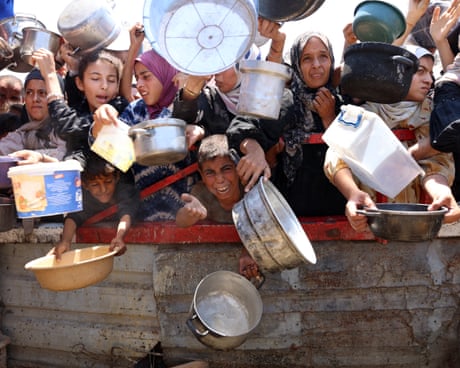
Israel’s ongoing blockade on Gaza has led to an alarming rise in the number of people who have been starved to death. Gaza’s health ministry says 19 Palestinians have died of hunger in 24 hours.
The UN says it’s receiving ‘desperate messages of starvation’ while aid is stockpiled just outside and remains blocked.
Columbia Climate School identifies 65 ‘Red Zone’ nations across four separate climate scenarios.
43 nations in Sub-Saharan Africa, eight in Latin America and the Caribbean, six in Asia-Pacific, six in the Middle East, and two in Europe are most at-risk.
With support from The Rockefeller Foundation, the “Climate Finance Vulnerability Index” aims to help close the gap between risk assessments and funding allocations.
El Hierro, hòn đảo nhỏ trong quần đảo Canary của Tây Ban Nha, ghi dấu ấn lịch sử vào hè năm ngoái khi sử dụng toàn bộ nguồn năng lượng điện tái tạo trong 28 ngày liên tục.
El Hierro hiện là hòn đảo duy nhất trên thế giới đạt được kỳ tích như vậy. Theo báo cáo, hòn đảo 1,1 triệu năm tuổi này đang trên con đường đạt được khả năng tự cung tự cấp 100% năng lượng sạch nhờ vào gió và nước.
Nhà máy thủy điện Gorona del Viento là nguồn điện chính trên đảo, cung cấp năng lượng cho khoảng 11.000 cư dân. Nhà máy tận dụng địa hình của hòn đảo, kết hợp với những hồ nước ở những độ cao khác nhau tạo ra thủy điện và năng lượng gió từ ngoài khơi Đại Tây Dương.
Nhà máy điện hoạt động bằng cách khai thác năng lượng từ các tua-bin gió công nghiệp, được xây dựng trên sườn đồi. Vào những ngày gió lớn, công suất dư thừa từ trang trại gió 11,5 megawatt (MW), giúp bơm nước ngọt từ một hồ chứa nhỏ gần bến cảng của hòn đảo đến một lưu vực lớn hơn tại một miệng núi lửa cao khoảng 700m so với mực nước biển.
#CNAInsider We chart the evolution of nuclear power, from the first controlled chain reaction to today’s small, micro modular reactors and the pursuit of fusion. New designs are being tailored to meet the energy needs of remote communities, AI infrastructure, and climate-conscious cities.
The episode highlights how nuclear power is being adapted to local contexts, featuring China’s pebble-bed reactor, Finland’s underground district heating plant, and Indonesia’s floating nuclear concept. It also examines Westinghouse’s portable microreactor and the fusion research underway at ITER in France and KSTAR in South Korea. Engineers, scientists, and policy experts weigh in on how nuclear energy is being reimagined to deliver clean, reliable power in a rapidly changing world.
Indonesia’s Floating Nuclear Power Plant Plan To Power Thousands Of Its Islands
How Small Nuclear Reactors Are Transforming Power Grids In China & Finland
Massive glacial bursts are becoming more frequent and more dangerous due to the climate crisis, experts tell Mukesh Pokhrel, warning: ‘They are not going to stop anytime soon’
Wednesday 16 July 2025 12:25 BST
Up until a disastrous day earlier this month, more than 150 trucks crossed daily over a border bridge between Nepal and China. Known by locals as the Miteri Pul (Friendship Bridge), the Rasuwagadhi crossing served as the main trade route between the two countries, with over $50m of goods passing over it last year alone.
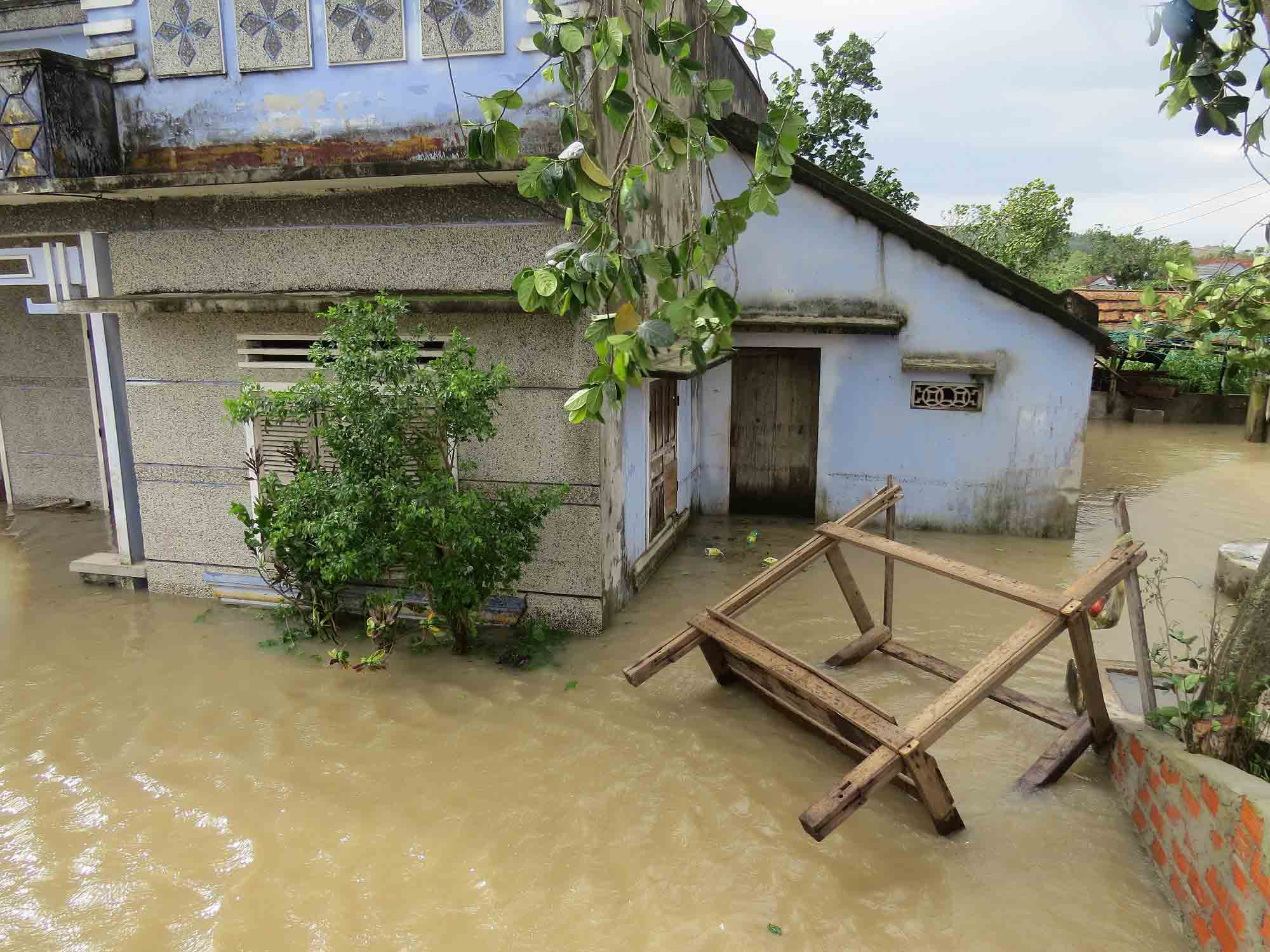
But on the 8 July, floodwaters tore through northern Nepal’s Rasuwa district, sweeping away parts of this critical border highway. According to the National Disaster Risk Reduction & Management Authority, seven people lost their lives, and 20 were missing, including six Chinese nationals.
The Chinese nationals were working on a 200 megawatt hydro project in the Tirsuli River, which was also damaged by the floods. Initial estimates suggest Nepal has sustained losses of over $100m in the incident as a whole.
Tuy nhiên, thực tế vẫn còn một số vướng mắc cục bộ như: thời gian làm thủ tục vay vốn lâu, rườm rà, mức vay thấp, thời hạn vay ngắn,… khiến sinh viên gặp khó khăn khi tiếp cận với chính sách tín dụng của Ngân hàng Chính sách xã hội.
Bàn về vấn đề này, trao đổi với phóng viên Tạp chí điện tử Giáo dục Việt Nam, Tiến sĩ Bùi Liên Hà – Trưởng phòng Công tác chính trị và sinh viên, Trường Đại học Ngoại thương cho biết, chính sách tín dụng cho sinh viên của Ngân hàng Chính sách xã hội nhằm hỗ trợ các em hoàn cảnh khó khăn có tiền đóng học phí, mua dụng cụ, và các phương tiện phục vụ học tập.
Below, we show the share of Iran’s oil exports by destination.
Country
Share of Iran’s Crude Oil Exports
🇨🇳 China
89%
🇸🇾 Syria
6%
🇦🇪 United Arab Emirates
3%
🇻🇪 Venezuela
2%
In 2023, a staggering 89% of Iran’s oil exports went to China, a sharp rise from just 25% in 2017.
This surge followed renewed U.S. sanctions in 2018, which isolated Iran from most global oil buyers.
Iran is among the world’s largest oil producers, and in recent years, China has become its most critical customer both economically and geopolitically.
As hostilities in the region intensify–marked by U.S. attacks on Iranian nuclear infrastructure and Iranian missile strikes on American bases in Qatar and Iraq—China’s access to Iranian oil is increasingly at risk.
This is because the Strait of Hormuz, a critical route for China’s oil imports, could be disrupted by further conflict or Iranian retaliation.
While Iran supplies only about 13% of China’s total oil imports, the relationship is strategically important, offering China discounted crude and reinforcing its broader regional influence amid Western pressure.
As global supply chains pivot towards low-emissions production, Australia will need to lead, or risk being left behind. The country’s challenge is not a lack of technology, capital, or ambition. It’s a gap in policy architecture. Without bankable demand, Australia’s most promising clean commodity projects – green iron, sustainable aviation fuel, and clean ammonia – remain stuck at the starting line.
To meet that challenge, we propose a new demand-side policy model: the Clean Commodities Trading Initiative (CCTI) – a flagship example of green energy statecraft. At its heart is a new tool for national transformation: Clean Commodity Credits that reward innovation and emissions savings.
A market-friendly mechanism to kickstart large-scale clean production.
Green energy statecraft is a strategic approach to governance that uses the clean energy transition to simultaneously advance a nation’s economic, environmental, social, and geostrategic goals. Unlike conventional industry policy, which focuses on domestic market corrections, statecraft treats clean energy as key to national security and prosperity – used to build alliances, secure supply chains, boost productivity, and shape global rules.
The European Union, China, Japan, and South Korea are all pursuing variations of green energy statecraft. Australia must do the same – on its own terms, with tools suited to its advantages, institutions, and budget.
Microplastics have permeated the region’s food chain, hitting countries like Indonesia and the Philippines the hardest. The programme Insight looks at the health risks and what is being done to boot plastic from our plates.
A study found that in nearly 94 per cent of fish sampled from Jakarta Bay, their gills and guts were laced with microplastics.
JAKARTA and MANILA: Milkfish — grilled, fried or floating in fragrant soup — is a staple on Indonesian dining tables. Its flesh is tender, its flavour delicately sweet.
What has no taste, however, would be the microplastics inside its body.
A study last year found that in nearly 94 per cent of fish sampled from Jakarta Bay, their gills and guts were laced with these toxic fragments, each no larger than five millimetres.
“If the microplastics are absorbed by fish and then consumed by humans, it means they’ll accumulate in humans,” warns Widodo Setiyo Pranowo, principal investigator at Indonesia’s National Research and Innovation Agency. “That’s dangerous.”
TN&MTXu hướng gọi đồ ăn trực tuyến đang làm gia tăng nhanh chóng lượng rác thải nhựa, tạo áp lực nặng nề đến môi trường toàn cầu.
“Núi” rác nhựa sau mỗi lần đặt đồ ăn trực tuyến
Thị trường giao đồ ăn trực tuyến tại Việt nam ngày càng hoạt động sôi nổi với nhiều thương hiệu. Vào năm 2018, Việt Nam chỉ có một vài thương hiệu giao thức ăn như Now, Lala (rút lui khỏi thị trường sau vài tháng hoạt động), Vietnammm (đã được Baemin mua lại) thì đến 2023, có ít nhất là 8 doanh nghiệp đang hoạt động trong ngành. Một số thương hiệu nổi bật có thể kể đến như: Shopee Food, GrabFood, GoFood, Baemin,…
Theo khảo sát của công ty nghiên cứu thị trường Q&Me, trong giai đoạn cách ly xã hội, có 75% người dân sống ở Hà Nội và TP. Hồ Chí Minh đã sử dụng dịch vụ đặt đồ ăn online giao tận nhà. Đến thời điểm hiện tại, thói quen đó vẫn được nhiều người duy trì bởi sự tiện ích mà nó đem lại.
Al Jazeera English The US and Israel attacked Iran – saying it cannot have nuclear weapons – while the Islamic Republic denies trying to build one. The two are among nine countries armed with such weapons. So who decides who can have nuclear arms? And have the Israeli and US attacks increased the risks that more countries will want them?
Presenter: Adrian Finighan
Guests: Tariq Rauf, former head of verification and security policy coordination at International Atomic Energy Agency. Laicie Heeley, nuclear arms control and non-proliferation specialist, editor-in-chief of Inkstick Media in Washington DC. Tariq Ali, historian, editor at New Left Review journal in London.