
scmp.com Published: 6:00pm, 12 Feb 2026
At a time when other popular parts of Asia are struggling with dwindling tourist numbers, how is Vietnam hitting record numbers of visitors?
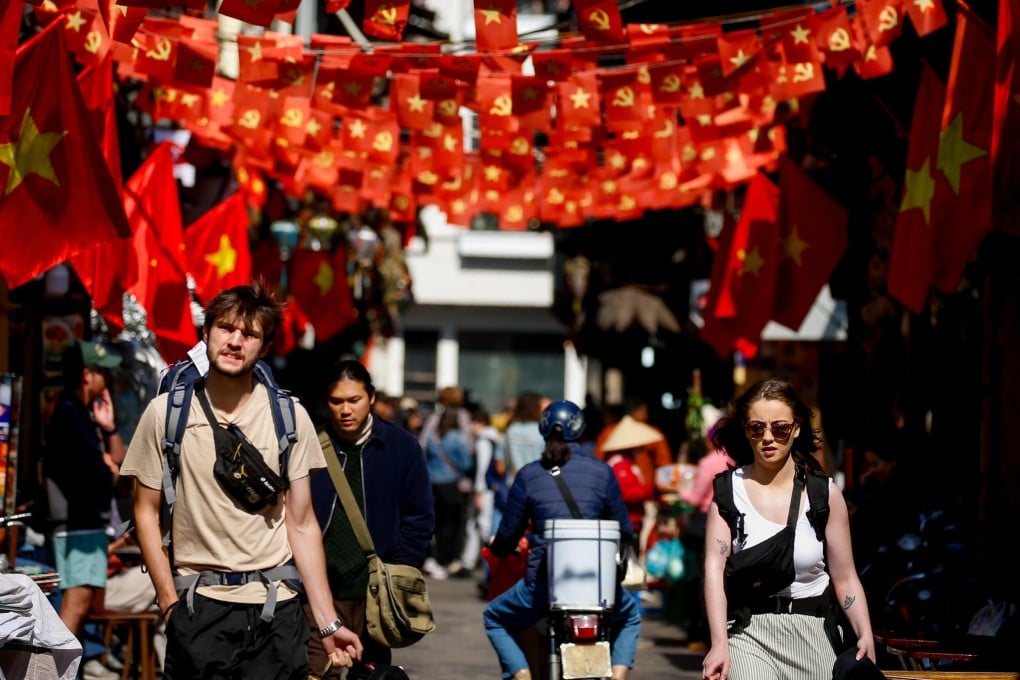
Vietnam has kicked off the new tourism year by shattering records. According to the national tourism authority, VNAT, almost 2.5 million international visitors arrived in January – the highest number ever recorded in a single month and an 18.5 per cent jump over the previous year.
While these figures represent an economic triumph, they also highlight a shifting geopolitical map.
Travellers are increasingly bypassing the smouldering border disputes between Thailand and Cambodia in favour of the relative stability found in Hanoi and Ho Chi Minh City. However, this new-found “stability” brings its own set of growing pains.
This surge is being driven by a diversifying demographic.
While most visitors still hail from within Asia, European arrivals are climbing significantly. VNAT credits this boom to eased visa rules – such as the 45-day visa-free stay for German citizens – alongside a rise in direct international flights and Vietnam’s growing reputation as a premier long-haul winter escape.
And above all, the country offers a diverse mix of nature, culture and beach holidays.
The country’s appeal lies in its geographic diversity, starting in the north.
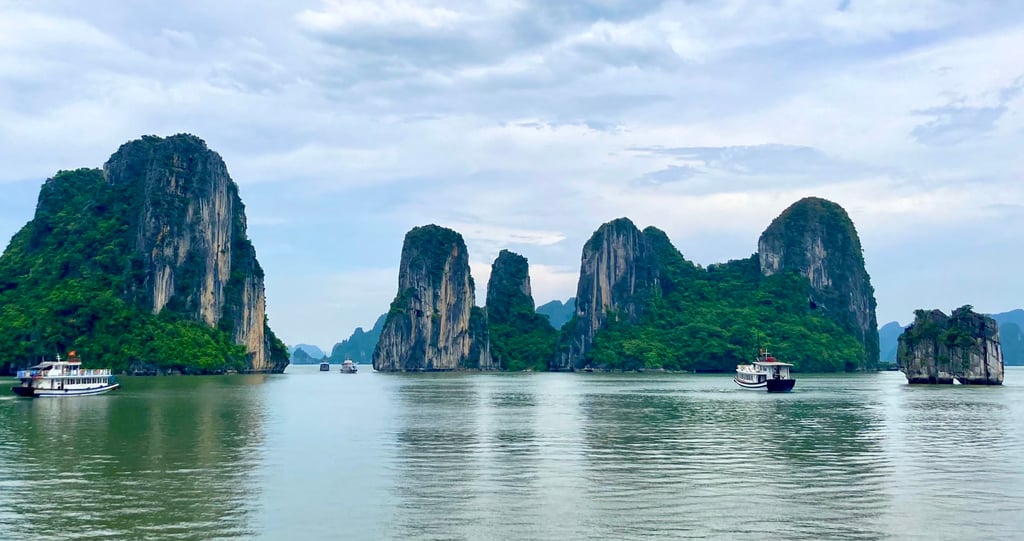
Ha Long Bay’s spectacular Unesco-listed limestone cliffs remain a primary draw.

Nearby, the capital city of Hanoi offers a lively labyrinth of history in its Old Quarter. In particular, the famous “Train Street” provides a literal thrill as locomotives rattle past cafe tables; yet, it also serves as a poignant reminder of the narrow line between authentic local life and a city struggling to manage its own popularity.
Moving into central Vietnam, the narrative shifts from urban bustle to heritage and nature. The imperial city of Hue and the picturesque lanterns of Hoi An sit alongside the sandy beaches of Da Nang.
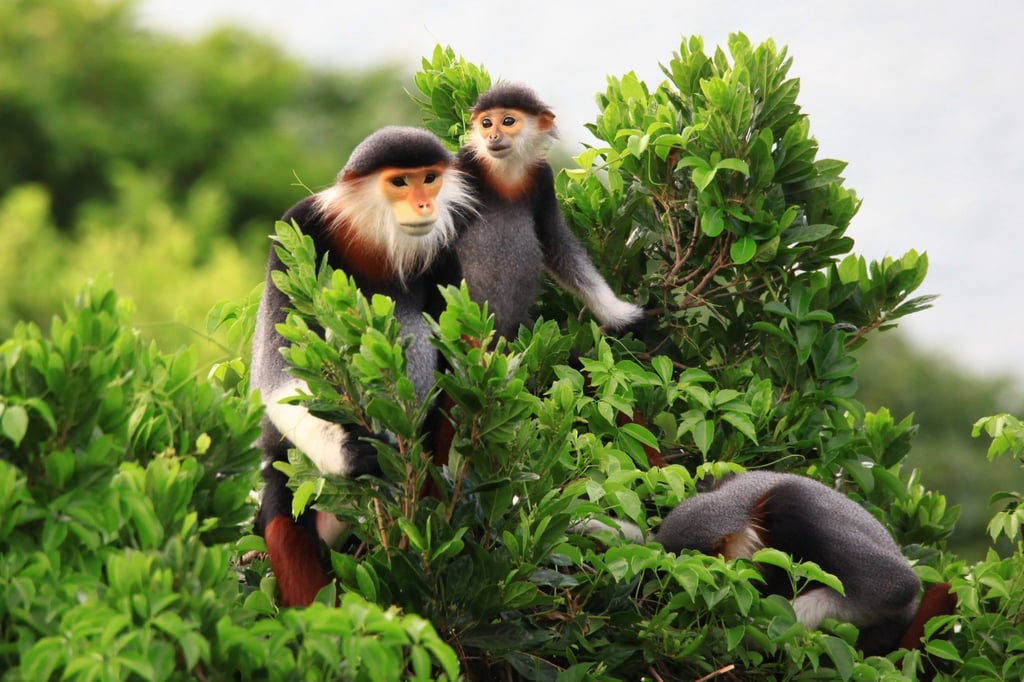
But the environmental stakes are rising just around the corner on the Son Tra peninsula. While the rare red-shanked douc – often called the world’s most beautiful monkey – is a major draw for ecotourists, increasing foot traffic now threatens the very jungle they call home.
The journey continues south to the coastal hub of Nha Trang before reaching the vibrant economic metropolis of Ho Chi Minh City. As the gateway to the Mekong Delta, the city formerly known as Saigon leads travellers to a vast expanse of fertile fields and river branches flowing into the South China Sea.
The final frontier of this boom is Phu Quoc. Located in the Gulf of Thailand, the island has long been marketed as a postcard-perfect escape spared from mass tourism. However, the reality is changing.
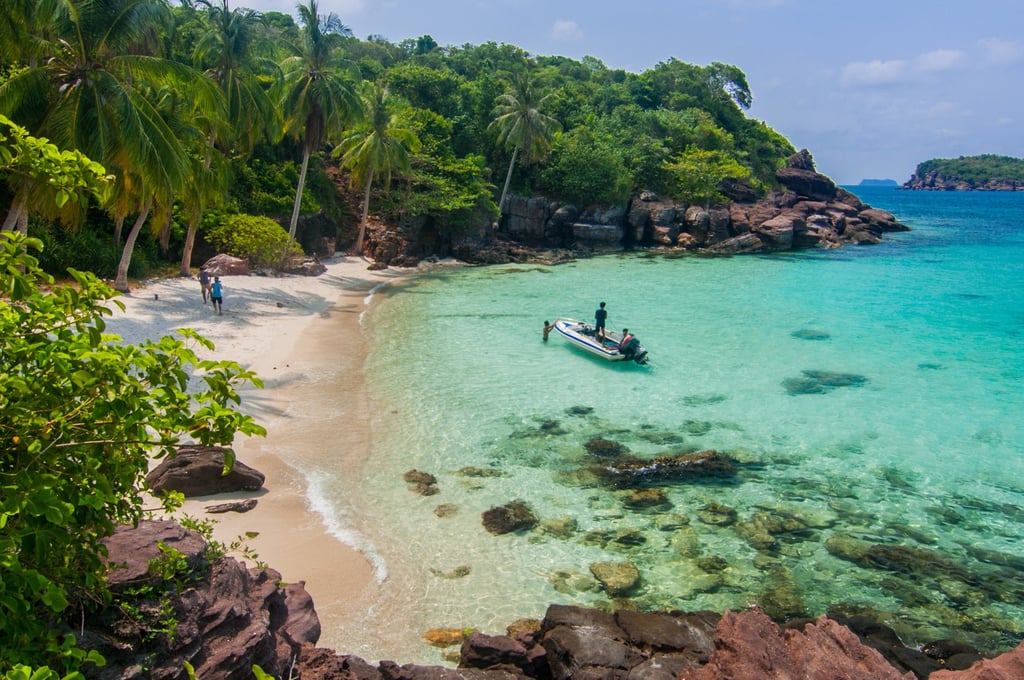
During the peak season from November to April, these shores now contend with overcrowding and the rapid infrastructure development required to house millions.
Ultimately, Vietnam’s record-breaking start to the year raises a critical question: Can the country’s infrastructure and fragile ecosystems truly survive their own success?

 CVD
CVD 