
Think Hazard.org Global Facility for Disaster Reduction and Recovery (GFDRR)
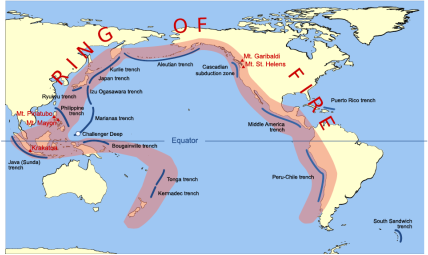
In the area you have selected (Vietnam) tsunami hazard is classified as medium according to the information that is currently available. This means that there is more than a 10% chance of a potentially-damaging tsunami occurring in the next 50 years. Based on this information, the impact of tsunami should be considered in different phases of the project for any activities located near the coast. Project planning decisions, project design, and construction methods should take into account the level tsunami hazard. Further detailed information should be obtained to adequately account for the level of hazard.
Climate change impact: The areas at risk of tsunami will increase as global mean sea level rises. According to the IPCC (2013), global mean sea level rise depends on a variety of factors, and estimates for 2100 range from ~20 cm to nearly 1 m. However, regional changes in sea level are difficult to predict. Projects in low-lying coastal areas such as deltas, or in island states should be designed to be robust to projected increases in global sea level.
Recommendations
- TECHNICAL EXPERTISE: Engage qualified local or international experts, with experience in the local area, to determine the tsunami risk to your project. Request their assistance in design, implementation and maintenance planning to minimise tsunami threat. More information
- REGULATIONS: Check with local authorities to identify any local regulations concerning tsunami hazard and impacts. Ensure that the project conforms to existing tsunami avoidance zone land use planning regulations, flood regulations and any existing plans for warning and evacuation. More information
- LOCAL IMPACT: Consider the effect that the destruction or serious damage to buildings and infrastructure associated with the planned project could have on the local population and environment. More information
- UTILITIES AND ACCESS: Consider the impact of tsunami inundation on the availability and function of: transport, communications, water, sanitation and energy infrastructure, and public health for continued operation of the project. More information
- CRITICAL INFRASTRUCTURE CONSIDERATIONS: If the project is involves the development of critical infrastructure (e.g., a hospital, fire station, or power transmission line), investigate the cascading effect of vulnerable network dependencies of the project (e.g. power supply and computer and communication networks) that may impact the project, even if the project itself is not inundated. More information
- EARLY WARNING SYSTEMS: Early warning may be required to enable successful evacuation and to enable temporary shut-down of the project if this could reduce consequential and compounding damage. Consider the requirements for successful evacuation of the project location in case of a warning (e.g., adequate transportation, evacuation routes, and safe refuges by undertakeing evacuation planning and exercises. More information
- INSURANCE : Consider purchasing insurance to cover potential losses to the project. While insurance does not prevent injuries or deaths, or save communities, it can certainly reduce financial losses and enable the project to recover from the effects of the earthquake and regain its function more quickly. More information
Contacts
- Vietnam Earthquake Information and Tsunami Warning CenterWebsitehttp://igp-vast.vn/index.php/en/organization/vietnam-earthquake-information-and-tsunami-warning-center
About ThinkHazard!
ThinkHazard! is a new web-based tool enabling non-specialists to consider the impacts of disasters on new development projects. Users of ThinkHazard! can quickly and robustly assess the level of river flood, earthquake, drought, cyclone, coastal flood, tsunami, volcano, and landslide hazard within their project area to assist with project planning and design.
ThinkHazard! is a simple flagging system to highlight the hazards present in a project area. As such, a user is only required to enter their project location – national, provincial or district name. The results interface shows a user whether they require high, medium or low awareness of each hazard when planning their project.
ThinkHazard! also provides recommendations and guidance on how to reduce the risk from each hazard within the project area, and provides links to additional resources such as country risk assessments, best practice guidance, additional websites. ThinkHazard! also highlights how each hazard may change in the future as a result of climate change.
The ThinkHazard! methodology is documented here.
Developed by

In partnership with




The following organizations have contributed data and / or expert input to the development of this tool:
The tool code is open source, to encourage other users to adapt the tool to their needs. The code can be found on Github.Current instance version is .
Source of Administrative boundaries: The Global Administrative Unit Layers (GAUL) dataset, implemented by FAO within the CountrySTAT and Agricultural Market Information System (AMIS) projects.
ThinkHazard! is available under the GNU General Public Licence, Version 3, 29 June 2007. Text content is licenced under CC-BY-SA. Classified hazard levels are licenced under CC-BY. Original hazard data are licenced under their original terms, which are contained in the associated layer metadata.
The data was published for the last time on Tue Jun 30 15:57:03 2020.
For more information, please read the full disclaimer.

 CVD
CVD 