The term Vietnamese understood as “descendants from Vietnam” and Chinese as “citizens of China”, or people who pratice Han Chinese culture are not the same.
Now drink a sip of coffee, fasten your seatbelt and prepare for the ride.
I’m kidding. Prepare to read my story.
To cut it short, my answer is NO. Vietnamese do not descend from China.
The terms China as well as Vietnam as countries didn’t exist until recent centuries. Our dynasties, and civilizations, however date back thousands of years ago.
Chủ tịch Hội thủy lợi Việt Nam cho biết trước đây khi ngành thủy lợi làm quy hoạch cho các lưu vực ở miền Trung, sông nào cũng có dung tích phòng lũ. Song khi thay đổi đầu mối quản lý, với việc xây dựng ồ ạt nhiều dự án thủy điện, các bộ ngành phối hợp không chặt chẽ, nên dung tích phòng lũ ở miền Trung gần như không có hoặc không đáng kể.
Nhật ký lũ trên cột nhà ông Nguyễn Văn Biên (82 tuổi) ở Hội An, Đà Nẵng, năm nay khắc thêm một dấu mốc mới – 2025, vượt tất cả năm lịch sử ông từng ghi dấu trước đó – 1964, 1999, 2007, và 2009.
Trận lũ Giáp Thìn diễn ra 61 năm trước vẫn là nỗi ám ảnh với ông Biên. Nước lũ ngập quá căn nhà cổ một tầng. Chàng thanh niên 20 tuổi cùng cha mẹ vác theo 3 kg gạo, gói vài bộ áo quần, bơi qua trú tạm ở căn nhà hai tầng đối diện. Họ thất thần nhìn dòng nước lũ nhấc bổng những căn nhà tranh, và cuốn trôi không ít phận người xấu số.
“Không có ngôi nhà hai tầng đó, chắc mình cũng giống họ”, ông nhớ lại.
Không ai thống kê số người tử nạn năm đó. Nhưng ông Biên chắc chắn nó gây thiệt hại hơn cả trận “đại hồng thuỷ” năm 1999, khiến 595 người chết và mất tích tại 10 tỉnh, thành, trong đó Quảng Nam (cũ) và Đà Nẵng là 110 người.
Ký ức từ những trận lũ lịch sử trở thành bài học cho nhiều thế hệ sống nơi tâm lũ như ông Biên. Khi tích lũy đủ tiền để sửa nhà năm 2018, ông ngẫm ngập phố cổ chưa năm nào quá 3 m, nên quyết định nâng sàn tầng hai cao hơn mặt đường 4 m, và cách mặt sông Hoài chừng 5 m. Đêm 30/10, nước lũ lên nhanh, ngập đến 2,5 m cột nhà, vượt cả mốc lũ năm 1964. Lúc ấy, ông lo sợ lịch sử lặp lại, phải tính đến phương án xấu nhất sẽ gọi cứu hộ thế nào.
May mắn, nước chưa lên tới tầng hai, nhưng ngập đến ngày thứ 5 mới rút, ít ngày sau lại lên lại. Trong hơn 10 ngày từ 22/10 đến 3/11, người dân Hội An chạy lũ ba lần. Toàn thành phố Đà Nẵng (sau sáp nhập) ghi nhận 15 người chết và 3 mất tích, thấp hơn nhiều con số năm 1999.
It is supposed that different cultures lead to different results.
China, Japan, South Korea and Vietnam belong to the Sinosphere cultural circle and are influenced by Confucian culture; India, Pakistan, Bangladesh, Nepal, Sri Lanka belong to the Indosphere and are influenced by Hindu culture.
The world is facing an unprecedented housing crisis. According to the latest UN-Habitat estimates, 318 million people are homeless, while 2.8 billion people—over a third of the global population—lack access to adequate housing. Behind these stark figures lie deep inequalities that undermine social progress and human dignity.
Adequate housing is more than shelter, it is a foundation for stability, health, education, and opportunity. Without a safe and secure home, individuals are more vulnerable to poverty, exclusion, and poor health outcomes. Homelessness also carries a heavy social cost, eroding trust, cohesion, and the potential for societies to thrive.
The housing challenge is global but manifests differently across contexts. In rapidly urbanizing regions, millions live in informal settlements or slums, where basic services are scarce and conditions unsafe. Today, 1.1 billion people live in such informal settlements, with 90 percent concentrated in Africa and Asia. Conflict, economic inequality, climate change, and natural disasters are major drivers of displacement and housing insecurity, pushing millions into precarious living conditions.
The urgency of the crisis was underlined at the UN-Habitat Assembly in Nairobi (29–30 May 2025), where Member States adopted the UN-Habitat Strategic Plan for 2026–2029. The plan places affordable housing, secure land tenure, and access to basic services at the heart of global priorities. Leaders called for bold and coordinated action, stressing that housing must be treated as a human right and a cornerstone of sustainable development.
The right to adequate housing is embedded in international human rights instruments and explicitly tied to the 2030 Agenda for Sustainable Development. Goal 11 commits the international community to make cities and human settlements inclusive, safe, resilient, and sustainable. Addressing homelessness and housing insecurity is therefore essential to achieving the SDGs and ensuring that no one is left behind.
Tackling homelessness and inadequate housing requires integrated strategies at local, national, and global levels:
Scaling up affordable housing initiatives through innovative financing, public-private partnerships, and policy reforms.
Expanding social protection systems to prevent families from falling into homelessness.
Investing in resilient housing solutions to adapt to the realities of climate change and disasters.
Strengthening community-based models such as cooperatives and housing associations that empower people to participate in shaping their own futures.
Homelessness is not inevitable. With coordinated action and commitment, the global community can reverse these trends. As the world prepares for the Second World Summit for Social Development in Doha, 4-6 November 2025, the message is clear: accelerating social progress requires that every person has access to a safe, secure, and dignified place to call home.
PGS. Trương Quang Thông– Đại học Kinh tế TPHCM (UEH)
Kinh nghiệm quốc tế cho thấy Việt Nam là ngoại lệ trong khu vực. Ở Trung Quốc, người mua căn hộ thứ hai phải đặt cọc tối thiểu 60-70% và trả lãi suất cao hơn 30% so với căn đầu tiên. Còn Hàn Quốc thì cấm hoàn toàn vay thế chấp để mua nhà thứ hai ở các “khu đầu cơ” (speculative zones). Đảo quốc Singapore áp dụng quy định “Loan-to-Value ratio” rất chặt chẽ, giới hạn 45% cho căn thứ hai và 35% cho căn thứ ba (Monetary Authority of Singapore, 2023).
(KTSG) – Giá nhà không chỉ phản ánh cung – cầu vật chất, mà còn là tấm gương phản chiếu của chính sách phân phối cơ hội. Khi tín dụng và thuế đều ưu ái người đã có tài sản, hệ thống trở nên bất công, và bất động sản trở thành nơi tích tụ rủi ro tài chính lẫn khủng hoảng niềm tin.
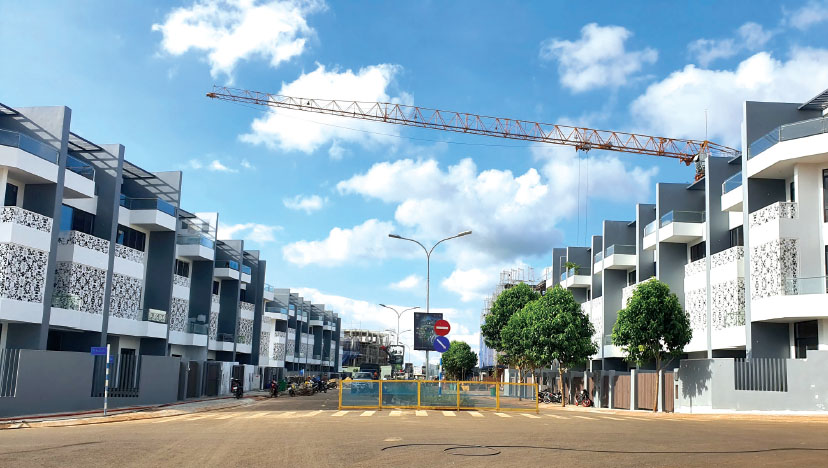
Nhà đất vẫn trở thành biểu tượng của thành công và nơi trú ẩn an toàn cho vốn tư nhân. Ảnh: N.K
Trong ba thập niên qua, Việt Nam đã chứng kiến những đợt tăng giá bất động sản mạnh nhất khu vực Đông Nam Á. Giá căn hộ tại trung tâm TPHCM và Hà Nội cao gấp 20-30 lần thu nhập bình quân năm của một người lao động có kỹ năng trung bình (World Bank, 2023). Mức chênh lệch này cao gấp 3 lần so với Thái Lan và gần gấp 4 lần so với Hàn Quốc trong những giai đoạn so sánh tương tự.
Singapore is reporting an increase in sightings of “shadow fleet” tankers carrying sanctioned cargo off its shores. These vessels often conceal their identities, change flags and switch off tracking systems. Most are old and poorly maintained, increasing the risk of accidents and environmental disasters. Experts say they pose serious safety concerns in one of the world’s busiest shipping lanes.
Al Jazeera’s Patrick Fok reports from Singapore. Jennifer Parker is a specialist in maritime law and security at the University of New South Wales and a former naval officer. She said shadow fleets are hard to track because they operate outside normal rules.
Question: Do the Vietnamese think their country is in Northeast Asia (East Asia) and not Southeast Asia?
Answer: The majority of the Vietnamese know their country has frequently joined the Southeast Asian game “Seagame”. Recently, Vietnam become a host of the 31st Seagame in Hanoi City.
Geographically yes it is in Southeast Asia but culturally not Southeast Asians. Why? It’s not like other southeast Asian who have strong Indian influences. Vietnamese culture is close to Chinese and other East Asians furthermore they have just ruled their southeast asia’s territory in the past 200 years after defeated Cham. Meanwhile others (Southeast Asians) have been settled for thousands year and create distinct culture in this region apart from South Asia and East Asia.
Burmese (Myanmar), Indonesians, Malaysians, Bruneians, Thais, Cambodians, Laotians are Indianized countries who shared similarities. Take a look on their traditional clothes and lets compare to this Vietnamese
Improved aid access means there is no longer famine in Gaza, but the war-ravaged territory still faces emergency conditions, a UN-backed global hunger monitor said on Friday. Israel denied that there is a food shortage in Gaza, where around 1.6 million people are expected to face crisis levels of food insecurity in the coming months.
Theo Thủ tướng Phạm Minh Chính, chỉ tính riêng năm 2025 đã có 564 dự án được khởi công, khánh thành với tổng mức đầu tư trên 5,14 triệu tỉ đồng. Trong đó có những công trình ‘lớn chưa từng có’, có ý nghĩa lịch sử.
Trưa 19.12, Thủ tướng Phạm Minh Chính đã phát lệnh khởi công, khánh thành đồng loạt 234 dự án, công trình trên cả nước, quy mô 3,4 triệu tỉ đồng, chào mừng Đại hội đại biểu toàn quốc lần thứ XIV của Đảng.
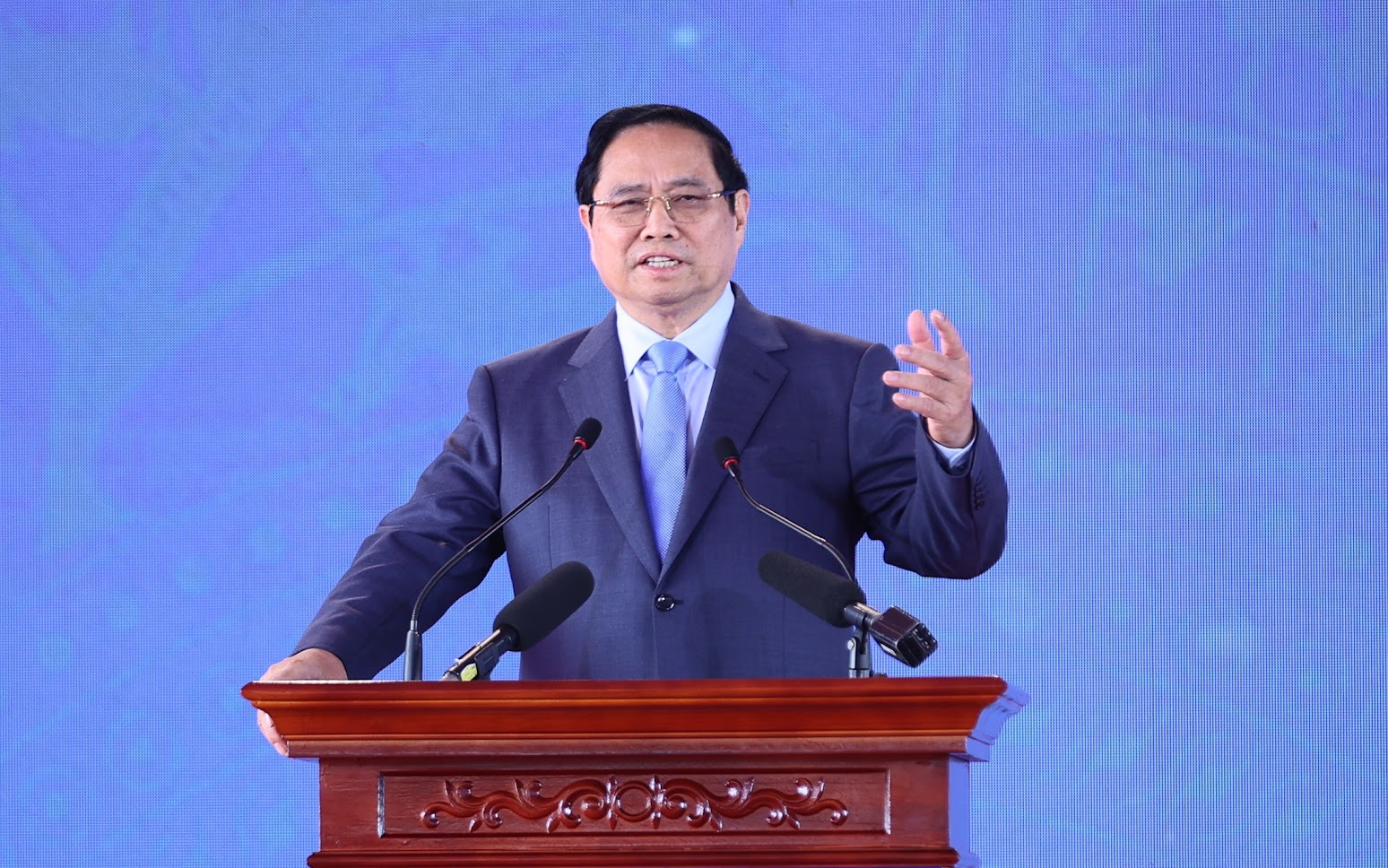
Thủ tướng Phạm Minh Chính phát lệnh khởi công, khánh thành sáng 29.12
Nhắc lại ngày 19.12.1946, khi Bác Hồ kêu gọi toàn quốc kháng chiến, Thủ tướng nhấn mạnh, tinh thần “toàn quốc kháng chiến” năm xưa nay đã trở thành ngọn đuốc soi đường để toàn Đảng, toàn dân, toàn quân ta thực hiện thắng lợi Nghị quyết Đại hội Đảng toàn quốc lần thứ XIII, hiện thực hóa 2 mục tiêu chiến lược 100 năm. Tiếp tục đọc “Thủ tướng: Những viên gạch đầu tiên cho công trình tương lai, tầm nhìn ‘vượt thời đại’”→
Bà Nguyễn Thị Như Loan, Chủ tịch Công ty Quốc Cường Gia Lai bị cáo buộc hưởng lợi, chịu trách nhiệm cá nhân hơn 297 tỉ đồng.
Cục Cảnh sát điều tra tội phạm về tham nhũng, kinh tế, buôn lậu (C03) Bộ Công an vừa hoàn tất kết luận điều tra vụ án vi phạm quy định về quản lý, sử dụng tài sản nhà nước gây thất thoát, lãng phí; đưa hối lộ; nhận hối lộ; lợi dụng chức vụ, quyền hạn trong khi thi hành công vụ; thiếu trách nhiệm gây hậu quả nghiêm trọng xảy ra tại Tập đoàn Công nghiệp Cao su Việt Nam, Tổng công ty Cao su Đồng Nai, Công ty Cao su Bà Rịa, UBND TP.HCM, Bộ Nông nghiệp và Môi trường và các đơn vị liên quan. Vụ việc xảy ra trong giai đoạn 2009 – 2011.
I see Asia as a collective rather than individual countries
I would say that each major country in Southeast Asia has some unique history and is little known for something.
Vietnam-Former communist powerhouse that defied the USA in the famed first Vietnam war. Today, Vietnam is still one of the largest nation in SEA with much economic potential.






 CVD
CVD 