
- Vietnam’s Communist Party has made dealing with plastic waste a ‘prioritised mission’, but its green policies could yet prove unenforceable
- There’s a pressing need for more incentives, not just punishments – and enhanced cooperation within Asean on the issue

Published: 10:00am, 26 Nov, 2023 scmp
Vietnam is grappling with a critical plastic waste crisis. Each year, the country generates 1.8 million tonnes of plastic waste, about one-third of which ends up in the ocean. This constitutes 6 per cent of global marine plastic pollution and makes it the world’s fourth-largest emitter.
Not only does this exacerbate Vietnam’s environmental challenges, but it also casts a shadow over its international reputation as the nation has pledged robust commitments to sustainable dvelopment and the green transition.
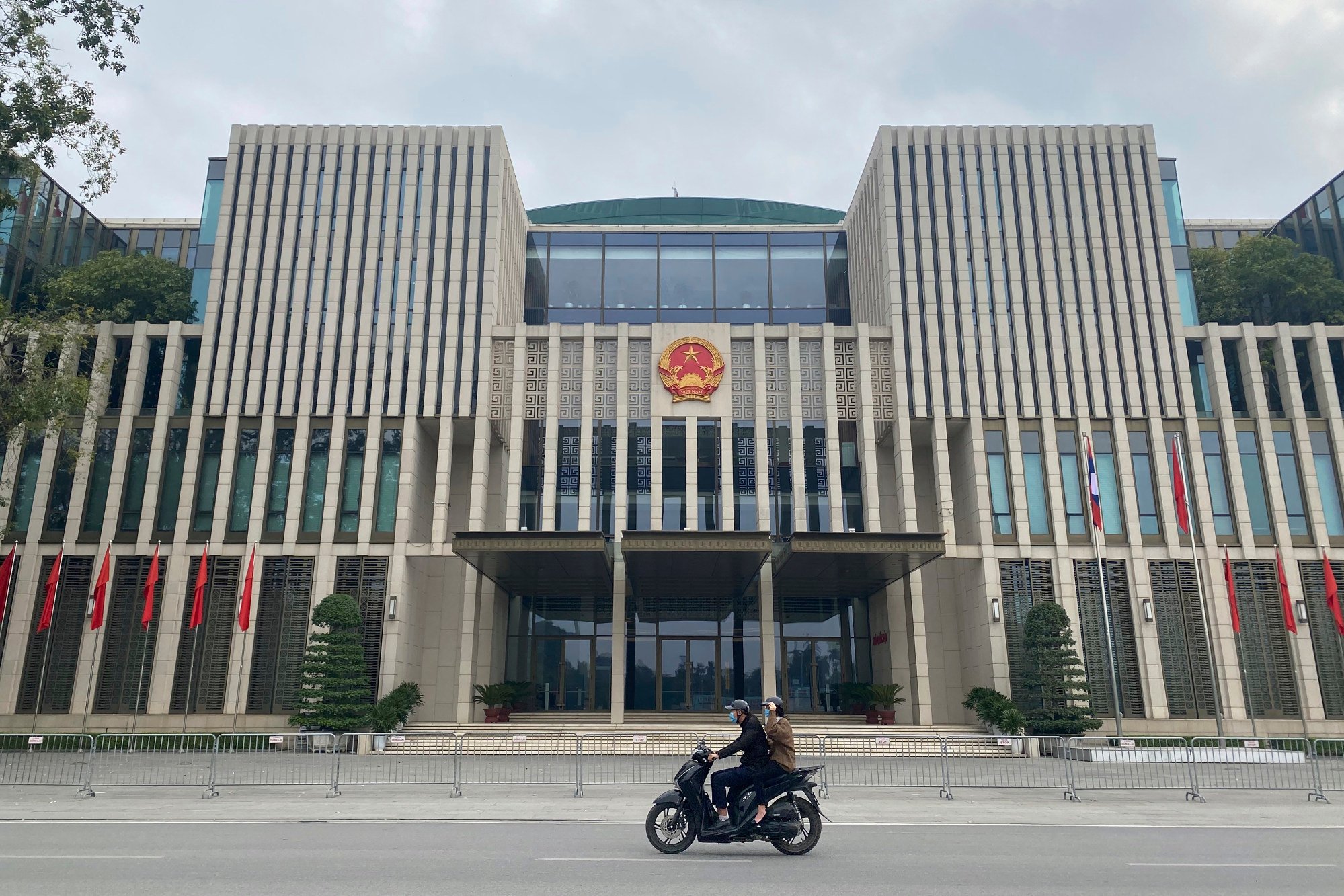
The Communist Party of Vietnam has sought to deal with plastic waste as a “prioritised mission”, as specified in its highest-level policy documents. Former Prime Minister Nguyen Xuan Phuc also started a national campaign against plastic waste, employing a narrative often reserved for the country’s most important political missions.
Addressing plastic waste in Vietnam involves navigating complex challenges across three primary sources: industrial production, household consumption, and imported plastic scrap. Each demands tailored policy solutions and presents different challenges.
After the amended Environmental Protection Law came into effect last year, Vietnam became one of the first Southeast Asian countries to enforce an extended producer responsibility (EPR) policy. This regulation requires producers and importers to manage their products’ full life cycle, either through recycling or contributing to Vietnam’s Environmental Protection Fund. By January, EPR is set to apply to tyres, batteries, motor oil, and products using plastic bags, extending to electronics in 2025 and vehicles in 2027.
However, the practicality of enforcing EPR within a constrained timeline remains questionable. It will first require a fundamental shift in the perception of Vietnam as a low-cost manufacturing base with lax environmental norms. This is underscored by the fact that 68 per cent of companies with foreign direct investment in Vietnam were found to be in violation of environmental regulations.
Climate change: is Vietnam missing the wood for a billion trees? 16 Jun 2021
In addition, it seems Vietnam’s EPR policy was brought into effect without adequate consultations with the businesses it affects. This has sparked complaints over exorbitant and impractical recycling fees. Compounding these challenges is Vietnam’s limited recycling infrastructure, capable of processing merely a third of its total plastic waste. Consequently, the EPR policy risks becoming ineffectual – theoretically sound, yet practically unenforceable. In such a scenario, rather than advancing sustainable development, it may devolve into yet another bureaucratic impediment for businesses.
Addressing the issue of household consumption, particularly of single-use plastic products that constitute 72 per cent of Vietnam’s plastic waste, poses similar challenges. The government has adopted a robust supply-side approach, planning to ban the production and importation of single-use plastic bags by 2026. This extends to retail establishments such as supermarkets, hotels, restaurants, and resorts. Various awareness campaigns have also been launched to encourage a plastic-free lifestyle among consumers. Yet, the impact of these measures has been limited. On average, each of the country’s 26 million households uses 1kg (2.2 pounds) of plastic bags each month, with 80 per cent of it ending up discarded. A recent policy shift mandates sorting plastic waste at the source by 2025 to help solve this practice. However, considering past failures in enforcing similar regulations, the effectiveness of this new initiative is yet to be determined.
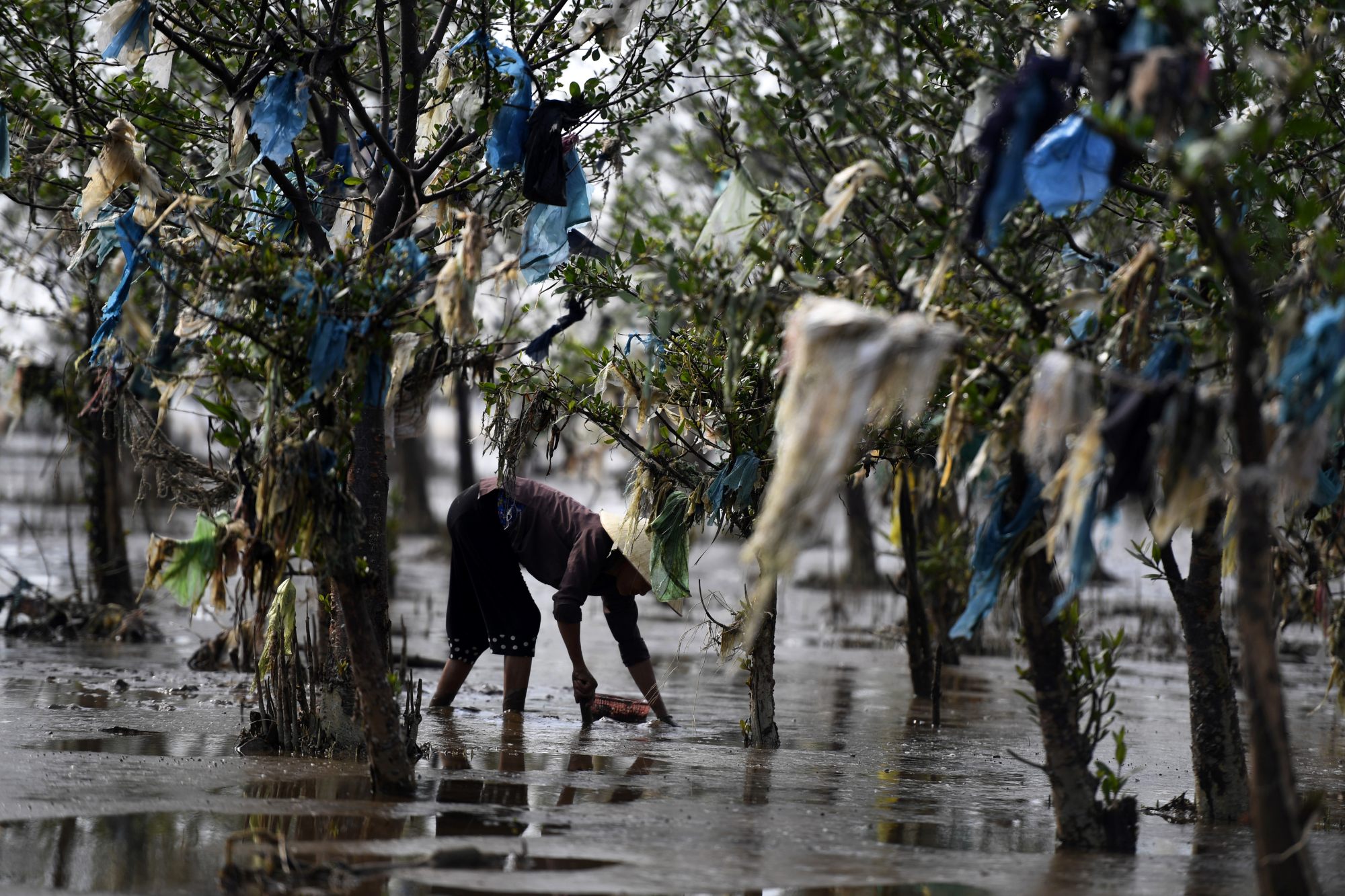
Vietnam’s third major source of plastic waste is imported scrap – an issue that garnered minimal attention until 2018, when unclaimed containers of imported waste at major Vietnamese ports sparked public outrage. It unfolded in the wake of China’s ban that year on plastic waste imports, leaving Vietnam, alongside other Southeast Asian nations, vulnerable to becoming new dumping grounds. In 2018, Vietnam saw a 62 per cent surge in plastic-waste imports, a trend that forced the government to implement stringent measures. Yet Vietnam still ranked as the world’s fifth-largest importer of plastic scrap by the end of 2022. As imported scrap accounts for as much as 25 per cent of Vietnam’s total plastic waste, this trend exacerbates the strain on its already overstretched recycling facilities.
DAILY
Opinion Newsletter
Thought-provoking commentary and Op-ed content, curated daily by our world-class editorial team.
By submitting, you consent to receiving marketing emails from SCMP. If you don’t want these, tick here
By registering, you agree to ourT&CandPrivacy Policy
Confronting Vietnam’s complex plastic-waste dilemma necessitates a multipronged strategy. On the policy front, the government has established a robust regulatory framework to deal with the plastic-waste crisis. However, the real test lies in the implementation and enforcement of these policies. Furthermore, changing consumer behaviour towards a more environmentally friendly lifestyle is also a challenge. The government has introduced many strict measures, including hefty fines for littering and not sorting waste properly, as well as proposed compulsory community service for violators.
Vietnam’s environmental movement faces crackdown as another activist jailed for tax evasion
Yet case studies in Japan and Germany have shown that in addition to “sticks”, or punitive measures, incentives (“carrots”) are also necessary. For instance, consumers can be incentivised to recycle plastic bottles if they receive a refund for returning them. Making recycling facilities more accessible in public venues is also essential. In the long term, it is imperative to integrate the “three Rs” (Reduce, Reuse, and Recycle) into societal norms.
Engaging the private sector and civil-society organisations is crucial in bolstering the government’s efforts in these areas. Consequently, the lack of support for private recycling businesses and recent crackdowns on environmental NGOs not only hampers productivity in waste management but also undermines the potential for effective, society-driven solutions.
Furthermore, considering the transnational nature of plastic pollution – with six Southeast Asian nations featuring among the top 10 global marine plastic polluters – there is a pressing need for enhanced cooperation within Asean. In 2021, the bloc launched the Regional Action Plan for Combating Marine Debris in the Asean Member States (2021-2025).
Vietnam’s youth opt for ‘lying flat’ amid crushing stress of economic boom12 Nov 2023
The plan, which is supported and funded by the World Bank and multi-donor trust fund PROBLUE, includes building a regional platform for EPR knowledge. This will bolster Vietnam’s efforts to combat plastic waste. Furthermore, by collaborating with neighbouring countries, Vietnam has the opportunity to adopt and adapt good practices like Singapore’s planned deposit-refund scheme and Thailand’s Public-Private Partnership for Plastic and Waste Management. In addition, regional collaboration could facilitate the pooling of resources and expertise, as shown in the case of regional action plan. This will benefit Vietnam and Southeast Asia in combating the common environmental challenge.
Nguyen Khac Giang is a Visiting Fellow at the Vietnam Studies Programme of the ISEAS – Yusof Ishak Institute. He was previously Research Fellow at the Vietnam Centre for Economic and Strategic Studies. This commentary was first published on ISEAS – Yusof Ishak Institute’s commentary website fulcrum.sg.

 CVD
CVD 