
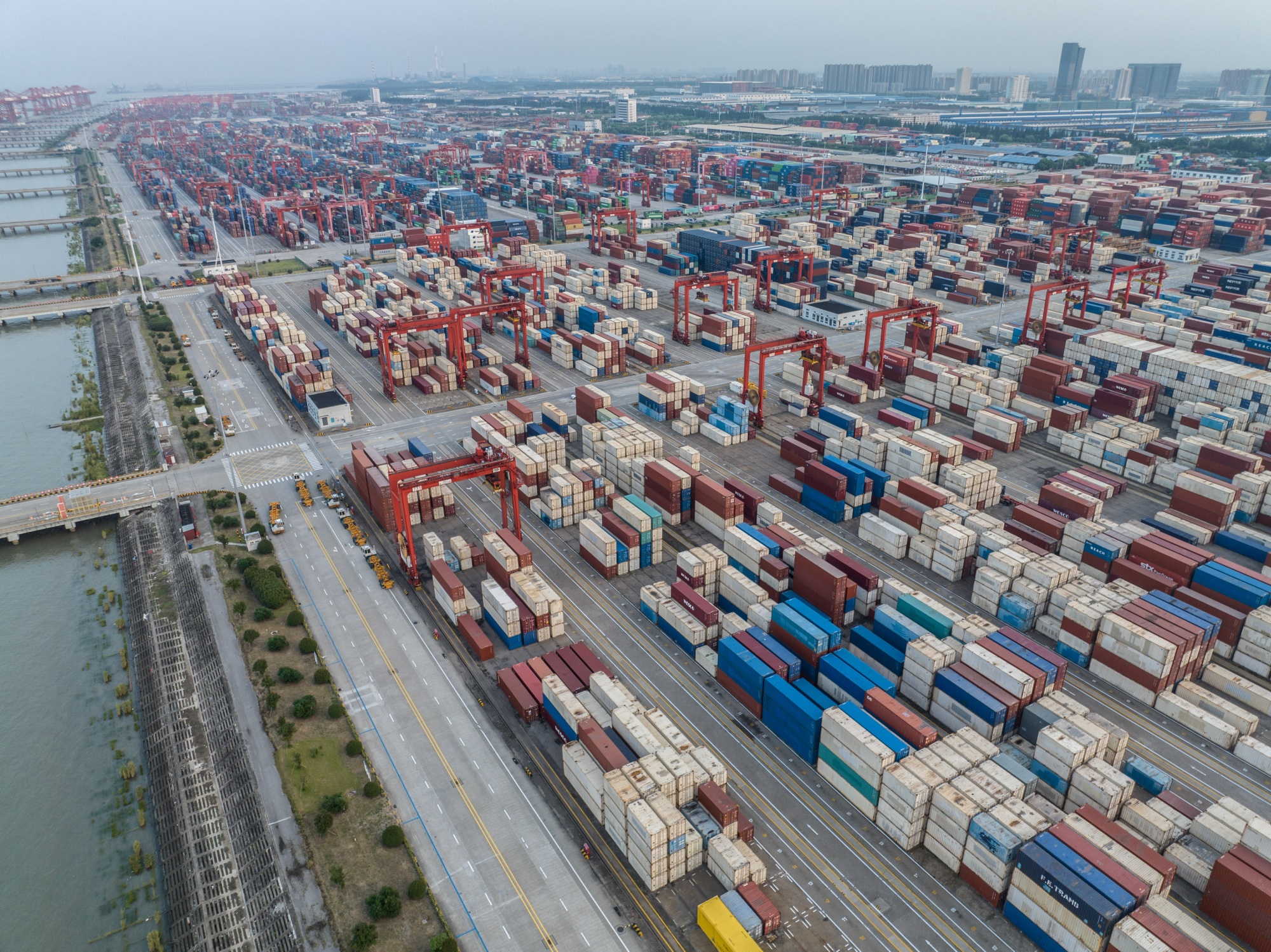
Today, I’ll tell you all you need to know about the slowdown in the world’s second-biggest economy.
If I had to use one word to describe the current situation, it would be fragile. The economic data we’ve gotten over the past few months have largely painted a gloomy picture. Chinese households are spending less than expected and saving more instead. Businesses are borrowing and investing at a reduced pace. And while the overall jobs situation has been stable, unemployment among the country’s youth has jumped so much that Beijing decided to stop releasing the data.
As downbeat as all that is, it is important to note the economy is not crashing. Economists are still expecting Chinese gross domestic product to grow 5.1% this year, 4.5% next year and 4.6% in 2025. By comparison, the US is forecast to grow 2% this year, 0.9% next year and 1.9% in 2025.
China’s Slowing Growth Trend
Economy faces sub-5% expansion for three straight years if forecasts pan outhttps://www.bloomberg.com/toaster/v2/charts/6794a86ea2bd5a29db9d88fbb0f5e7a2.html?brand=business&webTheme=business&web=true&hideTitles=true
Sources: Bloomberg, National Bureau of Statistics, JPMorgan Chase & Co.
So, what’s the big deal?
Let’s take the longer view. In the first 19 years of this century — up to right before the pandemic hit — the American economy grew on average about 2% each year. That means expected growth for the US is still where it’s been for the past two decades.
China’s trajectory tells a different story. The economy expanded on average 9% a year from 2000 to 2019. Now China’s growth seems to be slowing to about half that pace. With a medley of challenges on the horizon ranging from enormous levels of debt to a rapidly aging population, that rate could drop off even more.
A major slowdown in China raises a lot of questions for the global economy and would have consequences for everyone who benefits from Chinese consumer and manufacturing demand. Will Boeing need to make so many jets? Should French wineries plant so many acres? Do Australian miners need that much equipment?
There are also going to be implications on the geopolitical front. An economy that grows more slowly also produces more modest increases in tax revenue. That means President Xi Jinping’s government may have some tough choices when it comes to subsidizing technological development, spreading largesse around the developing world and buying weapons that shift the balance of power in the Pacific.
Things could change. Beijing could have the perfect policy response for the problems that ail China’s economy and stabilize growth at a relatively robust pace. Or the government could end up making some ill-advised decisions that make things worse.
To get the best sense of where China’s economy is headed, and what it might mean for the rest of the world, here are the five things you should be paying attention to and the stories that will help you understand them.
Property Market
The biggest drag on China’s economy right now is the country’s depressed real estate market. Home prices are falling, developers are defaulting and people are angry. Beijing has been trying to steady the sector by cutting interest rates and making sure builders can get access to financing, but nothing has been able to turn the tide just yet.
New Home Prices in China
Month-over-month change in new residential real estate priceshttps://www.bloomberg.com/toaster/v2/charts/a4fa8efb4966a9f0744b725f2978a6db.html?brand=business&webTheme=business&web=true&hideTitles=true
Source: National Bureau of Statistics 70-city averages compiled by Bloomberg Intelligence
Excludes state-subsidized housing.
-
- The debt-fueled housing market is having another meltdown
-
- Here’s what’s at stake as China cleans up its property mess: QuickTake
-
- Official data shows a housing slump, but it’s worse than you think
-
- Evergrande’s rise, fall and debt restructuring: QuickTake
-
- The nation is easing home purchasing rules to boost the economy
-
- Big-city homeowners are cashing out as the wealth dream fades
Policy Support
Financial markets have been hoping Xi will pull out the policy “bazooka” to combat the slowdown. What they’ve gotten instead is a steady stream of incremental measures that have largely disappointed. That reticence may reflect a confidence among policymakers that the economy is strong enough to persist through the current headwinds. It might also betray a worry that today’s cure will sow the start of tomorrow’s disease.
-
- Run It Cold: Why Xi is letting the economy flail
-
- Everything China is doing to juice its flagging economy
-
- Global funds are abandoning China’s blue chips
-
- China stock investors are pinning their hopes on a revival
-
- The country has a new central bank chief to see things through
Local Debt
In the aftermath of the Lehman Brothers collapse in 2008, China opened the stimulus floodgates to keep its economy afloat. It worked. Not only did China make it through the financial crisis relatively unscathed, it also became the main engine for global growth. But it came at a cost: Local governments that began borrowing during the crisis to build infrastructure kept doing so until they’d racked up some $9 trillion of off-balance-sheet debt. As slower economic growth and a miserable property market sap tax revenues now, it’s not clear how that money will be paid back.
Rising Financial Stress For China LGFVs
More vehicles are missing payments on short-term debthttps://www.bloomberg.com/toaster/v2/charts/015d129268ba068f03a23b00f3a56746.html?brand=business&webTheme=business&web=true&hideTitles=true
Source: Huaan Securities Co.
-
- That $9 trillion debt problem is getting worse, insiders say
-
- Xi doesn’t have an easy fix to these multiplying economic problems
-
- The big local debt mess is about to get even messier
-
- All you need to know about the LGFVs dealing with debt: QuickTake
-
- Investors are slashing LGFV bond tenors
-
- Another debt risk warning? China’s $400 billion pension
Economic Targets
Every March in Beijing, China’s premier stands in front of the National People’s Congress and gives the government an annual target for economic growth. It’s as public a benchmark of official performance as you get in the country. The only time they missed the target by a substantial margin was last year, when Covid lockdowns dragged on growth. If we see a slip this year below the expansion target of about about 5%, there will be a lot of motivation for policymakers to do more.
Economists Trim China Forecasts
Outlook darkens as data for second-largest economy flashes warning signshttps://www.bloomberg.com/toaster/v2/charts/3206074d87ebdc1c03512dcf4f715dcb.html?brand=business&webTheme=business&web=true&hideTitles=true
Source: Bloomberg survey
-
- Economists are trimming their forecasts and expecting more support
-
- Some good news: The factory slump may be bottoming out
-
- But there are other problems, like deflation: QuickTake
-
- Is China in a “balance sheet recession” or not?
-
- The reluctance on stimulus will cap growth this year
-
- Fitch laid out one factor that may cause it to rethink China’s rating
Global Response
There is wide range of opinion on whether China’s economic ascendance has been positive or negative for the world. But just about everyone would agree that the world has been indelibly changed as a result. China is now a cornerstone of the global economy and one so big that its wobbles elicit concern in capitals around the globe.
-
- Need proof? Here’s how the slowdown is rippling worldwide
-
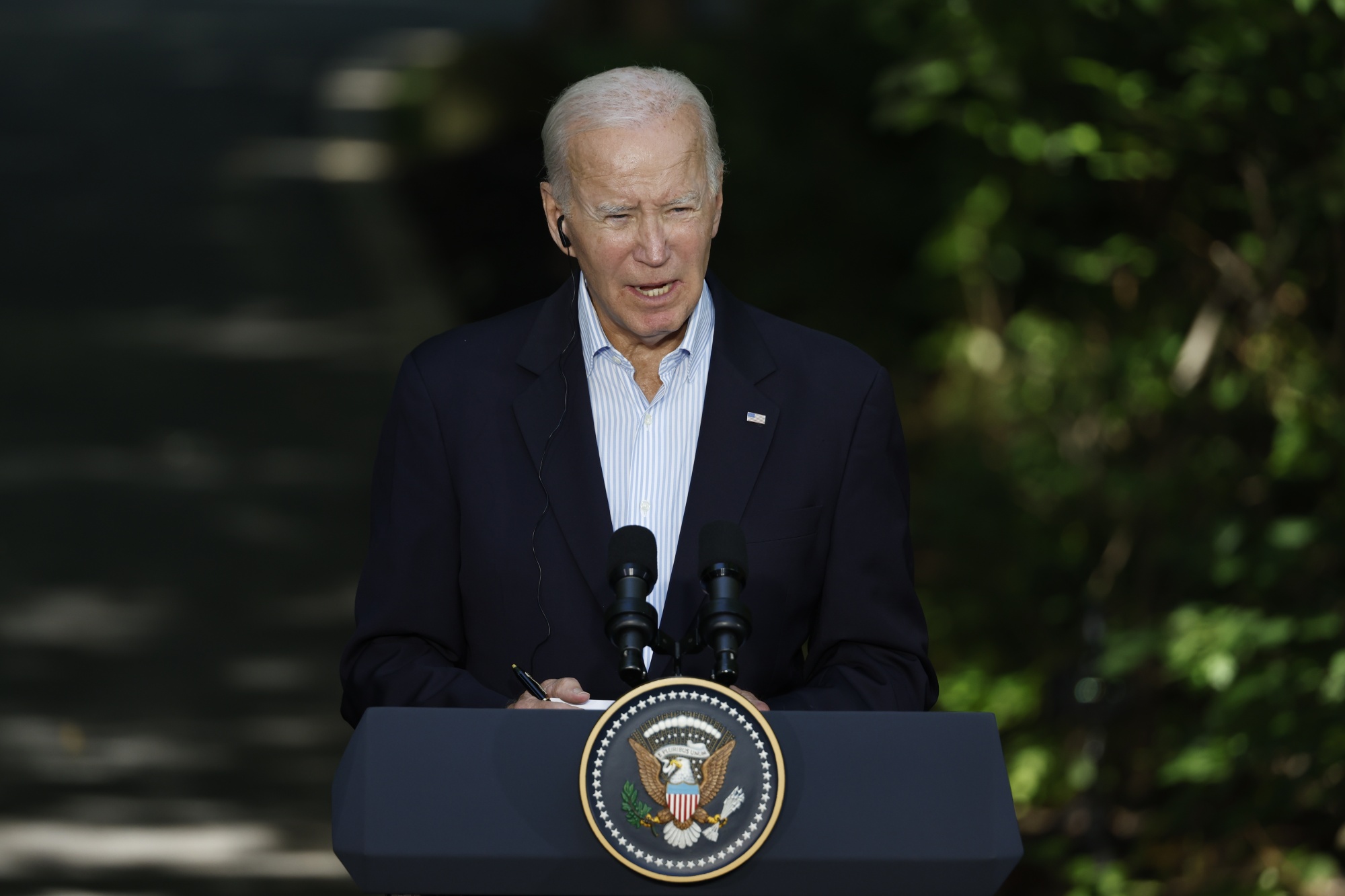
- US President Joe Biden called China a “ticking time bomb”
-
- Apple’s iPhone supply chains are splintering
-
- The US, though, can still grow even with a China drag
-
- But Brazil bet big on China and that could be costly

 CVD
CVD 