
| The President’s Inbox Recap: Critical Minerals and China by Michelle Kurilla, Guest Contributor  The digging of raw nickel ore near Sorowako, Indonesia’s Sulawesi island, on January 8, 2014. REUTERS/Yusuf Ahmad The latest episode of The President’s Inbox is live, and we’ve revived the practice of posting a weekly episode recap on The Water’s Edge. This week, Jim sat down with Morgan Bazilian, the Director of the Payne Institute and a professor of public policy at the Colorado School of Mines. They discussed the role of critical minerals in geopolitical competition with China. Here are four takeaways from the conversation: 1. Critical minerals are essential for the green energy transition. Lithium, cobalt, nickel, copper, and other minerals are critical to building the batteries, electrical grids, and solar facilities needed to move away from fossil fuels. Demand for lithium alone is predicted to increase thirteen-fold by 2040 and could become a sticking point in the green energy transition. Nor is demand for critical minerals limited to the energy sector; they’re widely used to manufacture everything from smartphones to advanced weaponry. 2. China dominates the critical mineral supply chain. A few countries sit atop vast mineral reserves. Seventy-five percent of the world’s known lithium reserves are found in Argentina, Bolivia, and Chile. The Democratic Republic of the Congo possess more than half the world’s cobalt reserves. Indonesia has more than 20 percent of the world’s nickel reserves. Regardless of where mines might be located, China owns or finances many of them. As recently as 2020, China owned and financed fifteen of the nineteen cobalt mines in the DROC. China also dominates the refining process. It controls 65 percent of cobalt refining, nearly 60 percent of the lithium refining, and as much as 95 percent of manganese refining. This dominance gives China leverage over customers, something it has used in the past. In 2010, China stopped exporting rare earth elements (a subset of critical minerals essential to electronics manufacturing) to Japan amid heightened tensions between the two countries. 3. The United States can lessen its dependence but doing so will take time. The United States is working with its allies and partners to lessen potential vulnerabilities to disruptions in critical mineral supply. The recently signed Mineral Security Partnership with Australia, Canada, the United Kingdom, France, Germany, Japan, South Korea, and others would allow investments in mining infrastructure abroad by the United States through the Export-Import Bank. The United States is currently negotiating a deal with the EU that would harmonize rules governing critical minerals used in electric batteries. The United States struck a similar deal with Japan last month. President Biden could also invoke the Defense Production Act to rapidly increase domestic investment in critical minerals. But all of these steps will take time to produce results. It can take more than sixteen years to make a new mine operational. There’s been pushback to investments in mining and processing due to their harmful environmental impacts, and both Democratic and Republican lawmakers have voiced concern about a need for congressional oversight in the trade agreements. 4. Technological advancements could lessen supply chain vulnerabilities. Technology has a long history of solving scarcity problems. Critical minerals could provide yet another example. For example, progress is being made on developing sodium batteries. They don’t require either cobalt or nickel as lithium batteries do. Even better for the United States, Wyoming sits on top of more than 90 percent of the world’s main industrial source of sodium. But it would take time to scale up sodium battery production and ease doubts about their durability, let alone ramp up construction of sodium battery factories to compete with China and get the rest of the world onboard. Shortly after Jim and Morgan talked, Chile nationalized its lithium reserves, citing economic and environmental concerns. Chile isn’t the first country to make this move. Mexico did the same last year. If you’re looking to read more of Morgan’s work, check out the piece he co-wrote earlier this year for Foreign Affairs arguing that the United States needs to rework its supply chains at home and abroad to “win the energy battle of the twenty-first century.” In another article for Foreign Policy, he and his co-authors warned America’s dependency on the critical minerals that China dominates poses a national security risk. He also co-wrote a piece for the Wilson Center’s New Security Beat blog that argued the United States needs to diversify its supply chains globally and domestically so that its climate mitigation strategies and military readiness are not in competition with one another.Read Original Post |
Ngày đăng: Tháng Tư 28, 2023
How online searches for ‘Ukraine’ and ‘Taiwan’ are censored in China: study
Thousands of combinations of keywords attract either no matches on internet platforms or redirect to approved content, Canadian research group saysThree-month project shows infringement of ‘rights to freely access political and religious content’

Sylvie Zhuang in Beijing
Published: 7:58pm, 28 Apr, 2023, SCMP
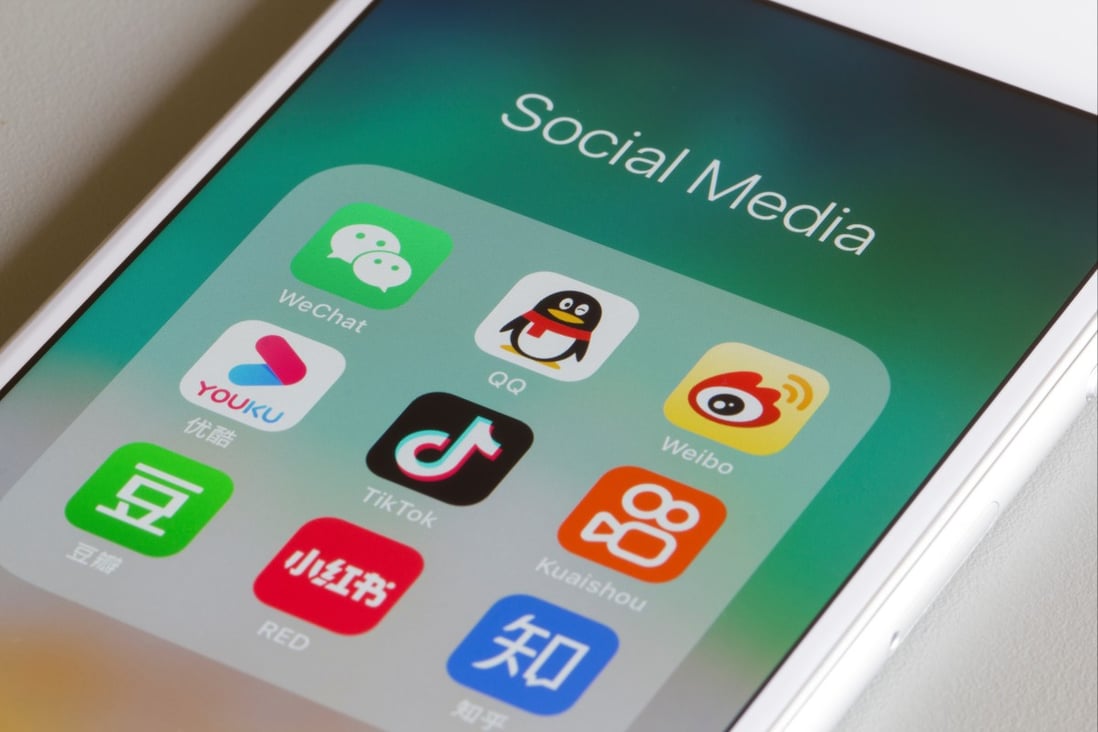
A Canadian study has detailed censored search terms about the war in Ukraine on Chinese platforms. Photo: Shutterstock Images
“Ukraine” and “Taiwan” are among a wide range of newly discovered keyword combinations censored by Chinese search engines and social media platforms, according to a study by a group of Canadian researchers.
In a report released on Wednesday, researchers from the University of Toronto’s Citizen Lab said they looked at eight platforms accessible in China and found “60,000 unique censorship rules used to partially or totally censor search results”.
Tiếp tục đọc “How online searches for ‘Ukraine’ and ‘Taiwan’ are censored in China: study”Rùa Hoàn Kiếm ở hồ Đồng Mô qua đời
tienphong.vn 24/04/2023 | 09:34
TPO – Cá thể rùa Hoàn Kiếm ở hồ Đồng Mô, một trong 3 cá thể rùa Hoàn Kiếm được ghi nhận chính thức trên thế giới đã qua đời, làm hẹp dần hy vọng khôi phục loài rùa quý hiếm nhất thế giới.
Nguồn tin của Tiền Phong xác nhận, cá thể rùa Hoàn Kiếm ở hồ Đồng Mô đã qua đời. Xác rùa nổi lên trên mặt hồ Đồng Mô hai ngày qua. Nguyên nhân cái chết của cá thể rùa cực kỳ quý hiếm này đang được các cơ quan chức năng làm rõ.
Theo một chuyên gia trong lĩnh vực bảo tồn, cá thể rùa Hoàn Kiếm ở hồ Đồng Mô có thể đã chết nhiều ngày trước khi nổi lên mặt nước, như chuyện từng xảy ra với cụ rùa Hồ Gươm cuối cùng. Cá thể này có chiều dài toàn thân 156cm, chiều dài mai rùa 98cm, chiều rộng mai rùa 76cm, cân nặng 93kg.
Theo nhận định, cá thể rùa Hoàn Kiếm bị chết nhiều khả năng chính là cá thể rùa đã được bẫy bắt thành công vào năm 2020. Khi đó, các nhà bảo tồn đã bẫy bắt thành công một cá thể rùa Hoàn Kiếm có cân nặng 86kg, chiều dài mai 99,5cm, rộng mai 75,5cm.
China and Taiwan: A Torrid Backstory
Tensions between the United States and China over Taiwan have been on the rise. Here’s what lies behind them.
Monday, April 17th, 2023 New York Times
This transcript was created using speech recognition software. While it has been reviewed by human transcribers, it may contain errors. Please review the episode audio before quoting from this transcript and email transcripts@nytimes.com with any questions.
Sabrina Tavernise: From “The New York Times,” I’m Sabrina Tavernise. And this is “The Daily.” [MUSIC PLAYING]
The posturing between the US and China has been intensifying in recent weeks, especially when it comes to Taiwan. Today, my colleague, Edward Wong, on why China is so fixated on Taiwan and how the US got in the middle of it.
It’s Monday, April 17.
So, Ed, Taiwan has been back in the news again for the past few weeks. Tell us why.
Edward Wong: Well, Sabrina, we saw tensions spike this month over Taiwan. Earlier this month, the president of Taiwan, Tsai Ing-wen, stopped in Los Angeles on her way back to Taiwan from Central America. Archived Recording (Tsai Ing-Wen)
Tiếp tục đọc “China and Taiwan: A Torrid Backstory”Remarks by President Biden and President Yoon Suk Yeol of the Republic of Korea in Joint Press Conference

An Giang: Đưa nghệ thuật múa Óc Eo vào trường học
Thứ tư, 26/04/2023 00:15 (GMT+7)
(ĐCSVN) – Đưa giáo dục di sản văn hoá tới học sinh, ngay tại khu di tích quốc gia đặc biệt Óc Eo – Ba Thê là một phương pháp rất hiệu quả để tuyên truyền, giáo dục truyền thống lịch sử văn hóa; giúp thế hệ trẻ nâng cao hiểu biết, thêm tự hào về di tích, thêm trân trọng tiền nhân và cùng ra sức giữ gìn các di tích của địa phương.

Điệu múa Óc Eo do diễn viên Trung tâm Văn hoá Nghệ thuật An Giang biểu diễn
Nghệ thuật múa Óc Eo
Theo một nghiên cứu của TS. Nguyễn Khánh Trung Kiên, Phó Viện trưởng Viện Khoa học xã hội vùng Nam Bộ, khoảng 2.000 năm trước, vùng đất An Giang từng là thời kỳ phát triển rực rỡ của văn hóa Óc Eo, với sự xuất hiện của một “đô thị” quan trọng của quốc gia cổ Phù Nam vào đầu Công nguyên.
Nơi đây từng có một thời hoàng kim với những hoạt động kinh tế nông nghiệp và thương mại sôi động, là điểm dừng quan trọng của những tuyến hàng hải đường dài kết nối phương Đông và phương Tây.
Tiếp tục đọc “An Giang: Đưa nghệ thuật múa Óc Eo vào trường học”
Campuchia và sự trỗi dậy của một cường quốc nhỏ
NCLS – Tháng Tư 19, 2023

Thủ tướng Hun Sen, kỹ năng chính trị và kiến thức của ông là vô song. CPP
Kavi Chongkittavorn
19 Tháng Tư, 2023
Biên dịch: GaD
Đối với Samdech Akka Moha Sena Padei Techo Hun Sen [Lãnh chúa chỉ huy quân sự tối cao Hun Sen], Thủ tướng Campuchia, thời gian là tất cả. Do đó, không có gì ngạc nhiên khi nhà lãnh đạo tại vị lâu nhất thế giới gần đây đã phát tín hiệu rằng ông sẽ từ chức chính trường. Không thể tin được, phải không? Ông từng nói rằng ông sẽ nắm quyền cho đến năm 90 tuổi. Nếu ông ta không nói trực tiếp điều đó, sẽ không ai tin. Quyết định được cân nhắc cẩn thận của ông được đưa ra vào thời điểm quan trọng nhất do các điều kiện bên trong và bên ngoài hiện tại và những hậu quả lâu dài có thể xảy ra.
Quan trọng hơn, nó cũng chứng tỏ khả năng của Hun Sen vượt qua mọi cơn gió chính trị đang ập đến mình. Sức mạnh bền bỉ ấy là đặc biệt nhờ bản năng chính trị của ông – điều mà người Campuchia sẽ mô tả là “Noyubuy..Ascha Nas!” Và, nó đang lan rộng ra bên ngoài đất nước.
Tiếp tục đọc “Campuchia và sự trỗi dậy của một cường quốc nhỏ”
Asia’s prolonged April heatwave concerns scientists
‘Exceptional’ conditions raise fears about a hotter 2023

Countries across Asia suffered soaring April temperatures, prompting warnings from scientists that 2023 could set new heat records as climatic patterns change and global warming accelerates. Temperatures climbed to highs of 45C in Myanmar, 44.5C in India and 41.9C in China, according to the climatologist and weather historian Maximiliano Herrera, with Thailand and Laos breaking all-time high records.
At least 13 people were reported to have died from heat stroke in Mumbai, India, while parts of Bangladesh endured power cuts as electricity demand surged in the unusual conditions. More than 100 weather stations in China recorded all-time high temperatures for April.
Tiếp tục đọc “Asia’s prolonged April heatwave concerns scientists”
 CVD
CVD 