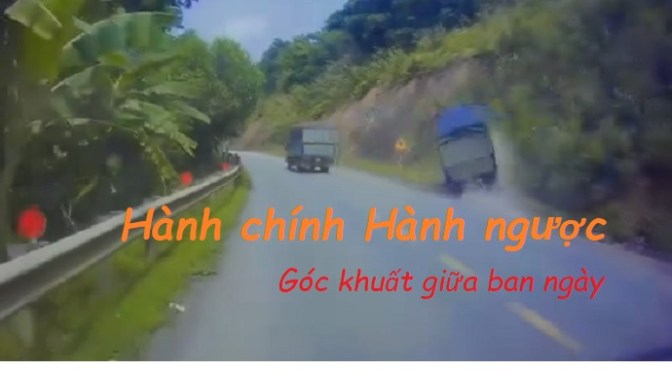
Trời nóng quá thì chỉ ngón tay vào El Nino, trời lạnh quá thì chỉ ngón tay vào La Nina, mình chẳng thấy mình sai để chỉ vào mình?
Cách đây 10 năm, “TSKH-KTS. Ngô Viết Nam Sơn nhận định: ‘Xây nhà cao tầng dọc bờ sông khu Ba Son, Tân Cảng, Cảng Sài Gòn… sẽ tạo thành bức tường chắn gió thổi vào phía trong. Chắc chắn những công trình này xây xong thì các khu đất phía trong Sài Gòn sẽ ngày càng nóng hơn, không có gió, không thông thoáng, bị chắn tầm nhìn…’”Tiếp tục đọc “Sài Gòn sẽ nóng hơn với cao ốc Ba Son, Tân Cảng”→
Trẻ em vùng cao nhảy múa, đeo bám xin tiền tại các điểm du lịch như Sapa và Hà Giang diễn ra nhiều năm nay cho thấy sự thiếu quyết tâm của chính quyền địa phương trong việc bảo vệ trẻ em và hỗ trợ bố mẹ các em có sinh kế ổn định.
Thực trạng nhức nhối này rất cần chính quyền các cấp có chính sách tạo việc làm ổn định cho gia đình trẻ vùng cao. Đối với trẻ em, cần tạo điều kiện để các em đến trường đầy đủ. Các em cũng cần được học ngoại ngữ và được dạy về văn hóa của dân tộc mình để đứng vững trước tác động tiêu cực của ngành du lịch.Tiếp tục đọc “Nhức nhối vấn nạn trẻ em mưu sinh ở các “điểm nóng” du lịch vùng cao”→
Lối đi tự mở qua đường sắt (không rào chắn, không tín hiệu, tầm nhìn kém) cộng với việc người dân chủ quan, cố tình vượt đường ray khi tàu gần đến đang trở thành nguyên nhân chính gây nhiều vụ tai nạn nghiêm trọng.
Nguyên nhân của tình trạng này là do nhiều lối đi tồn tại lâu năm, là đường duy nhất vào khu dân cư nên khó xóa bỏ nếu chưa có đường gom thay thế, trong khi việc đầu tư cần nhiều thời gian và kinh phí. Hiện cả nước vẫn còn hàng nghìn điểm giao cắt nguy hiểm, riêng tuyến Bắc – Nam có hơn 1.000 điểm tiềm ẩn rủi ro.
Ở TP.HCM, những chiếc xe thu gom rác tự chế như xe ba gác, xe lôi thường chở rác chất cao cồng kềnh, không che chắn, bốc mùi hôi thối và làm rơi vãi nước rỉ rác, gây ô nhiễm môi trường và mất mỹ quan đô thị. Nguy hiểm hơn, phần lớn phương tiện không đảm bảo an toàn kỹ thuật, trong khi người điều khiển lại thường xuyên vi phạm luật giao thông như không đội mũ bảo hiểm, lái xe một tay, dừng đỗ tùy tiện, tiềm ẩn nguy cơ tai nạn và ùn tắc.
Nhờ giá thành rẻ, hiệu quả cao và dễ tìm mua, thuốc bảo vệ thực vật (BVTV) được nông dân Việt ưa chuộng sử dụng để phòng dịch bệnh và tăng năng suất cây trồng. Tuy nhiên, việc lạm dụng thuốc BVTV không chỉ gây ô nhiễm môi trường, làm suy thoái đất, mà còn ảnh hưởng trực tiếp đến sức khỏe của người nông dân và cộng đồng.Tiếp tục đọc “Giúp nông dân thoát khỏi vòng xoáy thuốc bảo vệ thực vật”→
Đồ chơi trẻ em mang tính bạo lực như súng, dao, kiếm… gây ảnh hưởng tiêu cực tới tâm lý và hành vi của trẻ. Tuy nhiên, mặt hàng cấm này vẫn được bày bán công khai mà không mấy khi bị xử lý. Nhiều bố mẹ cũng thản nhiên mua đồ chơi bạo lực cho con mình mà không nhận ra tác hại của chúng.Tiếp tục đọc “Hiểm họa đồ chơi bạo lực trẻ em”→
Việc quản lý khoáng sản còn nhiều lỗ hổng, dẫn đến khai thác lỏng lẻo, thất thoát lớn và lãng phí tài nguyên. Nguyên nhân do cơ chế “xin–cho”, ít đấu giá và giám sát yếu.
Tình trạng khai thác trái phép và lãng phí khoáng sản đi kèm (đất, đá thải…) diễn ra phổ biến, gây ô nhiễm, sạt lở và nghịch lý thừa vẫn bỏ – thiếu vẫn cần vật liệu xây dựng.
Cần áp dụng triệt để Luật Địa chất và Khoáng sản, phân nhóm khoáng sản, tính tiền theo sản lượng thực tế, phân cấp cho địa phương, tăng đấu giá minh bạch và ứng dụng công nghệ giám sát, để hướng tới mục tiêu khai thác khoáng sản hiệu quả, giảm lãng phí, bảo vệ môi trường và phát triển bền vững.
Bài viết dưới đây miêu tả 3 con sông lớn ở 3 miền Bắc, Trung, Nam VN là sông Hồng, sông Cửu Long và hệ thống Vu Gia – Thu Bồn, nhưng cũng là miêu tả toàn bộ sông ngòi VN. Dù dòng nước vẫn chảy nhưng bản chất của sông đã bị thay đổi hoàn toàn.
Sông bị biến dạng dẫn dến vùng hạ du bị xói lở, những ngôi làng ven biển bị biến mất, bãi biển du lịch cũng bị biến mất… Sông bị biến dạng vì sông bị cạn kiệt phù sa. Nguyên nhân chính là do đập thủy điện và khai thác cát.
Số lượng các giải chạy Marathon tại VN ngày một tăng nhưng lại đi kèm với nhiều giải kém chất lượng và mang tính thương mại hóa. Không ít giải chạy tổ chức thiếu chuyên nghiệp gây ảnh hưởng tới giao thông, đời sống của người dân và nghiêm trọng hơn là đến tính mạng của người tham gia chạy bộ.
Đã đến lúc cơ quan chức năng cần tăng cường quản lý và nâng chuẩn mực tổ chức giải chạy để các giải Marathon thực sự là sân chơi vui khỏe và an toàn cho mọi người.
Hàng nghìn trụ sở dư sau sắp xếp hành chính đang bị bỏ hoang, xuống cấp. Đồng thời, việc xử lý trụ sở chưa triệt để, còn dễ dẫn đến sử dụng sai mục đích hoặc tư nhân hóa gây thất thoát, lãng phí tài sản công và đất đai. Nếu được quy hoạch và chuyển đổi công năng hợp lý, các trụ sở này có thể phục vụ nhà ở xã hội, y tế, giáo dục hoặc các dịch vụ công cộng, vừa tiết kiệm chi phí, vừa phát triển kinh tế, đô thị và xã hội.
Xây dựng lăng mộ cho tổ tiên và người thân là nhu cầu chính đáng của nhiều gia đình Việt. Tuy nhiên, tại nhiều khu vực nông thôn, việc làm này thường diễn ra tự phát gây ảnh hưởng tiêu cực tới môi trường, đời sống sinh hoạt và sản xuất nông nghiệp của người dân.
Vấn đề này đòi hỏi cơ quan chức năng và chính quyền địa phương cần sớm quy hoạch khu vực nghĩa trang tập trung, có phương án di dời ngôi mộ ở khu dân cư và xử phạt hành vi cố ý xây dựng mộ trái phép. Đồng thời, cần khuyến khích người dân làm tang lễ văn minh và sử dụng hình thức hỏa táng nhằm bảo vệ môi trường và sử dụng quỹ đất hợp lý.
I was born after the war. So as a child, I didn’t hate any country. Because I have no feeling of war even though I know how bad it is.
I watched a lot of animated movies on TV (mostly foreign films, because at that time, Vietnam did not produce many films). I figured out the unique characteristics of each country and now I call those things “culture”.
After classes at school, I became more and more aware of the unique cultural characteristics of Vietnam. When I compare the similarities and differences of cultures, I am even more proud of my culture. Probably because all cultures are equally unique and wonderful.
I wish I could do something in the future to plant a Vietnamese flag on the international market. I want to share more about my people’s culture to the world.
When I went to Quora, I met people like Huijian Wu, Goodi Shang, Cheong Tee,… They propagate stupid things like “Vietnam is an inferior nation”, “Vietnamese people are actually Han Chinese, Vietnamese leaders changed their writing so that the Vietnamese could no longer see their Han ancestors,”… They make up stories about Vietnamese history!!!
That is the cause.
The US or French government also sometimes opposes the Vietnamese government. But the Americans, the French and the Japanese for the most part don’t care much, they behave more politely. And some Chinese people keep showing their level of ignorance which makes me very uncomfortable.
Rác thải công nghệ tại Việt Nam đang tăng rất nhanh, đặc biệt là rác điện tử (điện thoại, laptop, thiết bị gia dụng) và rác thải mới như tấm pin năng lượng mặt trời. Các loại rác này chứa nhiều kim loại nặng và hóa chất độc hại, gây nguy cơ lớn cho môi trường và sức khỏe cộng đồng.
Mặc dù Việt Nam đã có quy định như Luật Bảo vệ môi trường 2020 và cơ chế trách nhiệm mở rộng của nhà sản xuất (EPR), việc thực hiện vẫn còn nhiều hạn chế do hạ tầng thu gom – tái chế chưa đồng bộ, công nghệ xử lý còn lạc hậu và doanh nghiệp chưa thực hiện nghiêm túc. Trong tương lai, lượng rác thải công nghệ và tấm pin mặt trời sẽ tăng mạnh (dự báo hàng trăm nghìn tấn), vì vậy cần hoàn thiện chính sách, tăng đầu tư công nghệ tái chế hiện đại, xây dựng hệ thống thu gom hiệu quả và nâng cao ý thức người dân, doanh nghiệp.
Question: Why does Vietnam not want to become a neutral country like Switzerland? Why has Vietnam switched itself from pro-Russia, pro-China, anti-America to pro-America, anti-China? Why can’t Vietnam be consistent?
Answer: I think that your questions are interesting.
First of all, Why does Vietnam not want to become a neutral country like Switzerland?
I think that Vietnam has always wanted to become the Switzerland of Asia. However, the reality is different quite far from Vietnam’s wish.
Switzerland lies between these greatest Empires between France, Italy, Germany, and Austria (Former part of Austria-Hungary Empire) which this country could use one of them to re-balance with the others if it faces aggression from one. Together with its hard terrain, its strong fighting against invaders, having poor natural resources, most of the great powers in Europe agree about the neutral status for Switzerland. It means that its neutral status requires many factors but one of the most important things is that others agree with it. If not, Switzerland could have not become neutral.
So, we could sum up some factors to help Switzerland keeping its neutrality as follows;