Thách thức xử lý rác thải công nghệ và các tấm pin năng lượng mặt trời

Rác thải công nghệ tại Việt Nam đang tăng rất nhanh, đặc biệt là rác điện tử (điện thoại, laptop, thiết bị gia dụng) và rác thải mới như tấm pin năng lượng mặt trời. Các loại rác này chứa nhiều kim loại nặng và hóa chất độc hại, gây nguy cơ lớn cho môi trường và sức khỏe cộng đồng.

Mặc dù Việt Nam đã có quy định như Luật Bảo vệ môi trường 2020 và cơ chế trách nhiệm mở rộng của nhà sản xuất (EPR), việc thực hiện vẫn còn nhiều hạn chế do hạ tầng thu gom – tái chế chưa đồng bộ, công nghệ xử lý còn lạc hậu và doanh nghiệp chưa thực hiện nghiêm túc. Trong tương lai, lượng rác thải công nghệ và tấm pin mặt trời sẽ tăng mạnh (dự báo hàng trăm nghìn tấn), vì vậy cần hoàn thiện chính sách, tăng đầu tư công nghệ tái chế hiện đại, xây dựng hệ thống thu gom hiệu quả và nâng cao ý thức người dân, doanh nghiệp.

Nguyễn Bảo Ngọc

Tiếp tục đọc “Thách thức xử lý rác thải công nghệ và các tấm pin năng lượng mặt trời”

Why does Vietnam not want to become a neutral country like the Switzerland? Why has Vietnam switched itself from pro-Russia, pro-China, anti-America to pro-America, anti-China? Why can’t Vietnam be consistent?

QUORA

Profile photo for Lucia Millar

Lucia Millar · 

Lives in AsiacUpdated 4y

Question: Why does Vietnam not want to become a neutral country like Switzerland? Why has Vietnam switched itself from pro-Russia, pro-China, anti-America to pro-America, anti-China? Why can’t Vietnam be consistent?

Answer: I think that your questions are interesting.

First of allWhy does Vietnam not want to become a neutral country like Switzerland?

I think that Vietnam has always wanted to become the Switzerland of Asia. However, the reality is different quite far from Vietnam’s wish.

Switzerland lies between these greatest Empires between France, Italy, Germany, and Austria (Former part of Austria-Hungary Empire) which this country could use one of them to re-balance with the others if it faces aggression from one. Together with its hard terrain, its strong fighting against invaders, having poor natural resources, most of the great powers in Europe agree about the neutral status for Switzerland. It means that its neutral status requires many factors but one of the most important things is that others agree with it. If not, Switzerland could have not become neutral.

So, we could sum up some factors to help Switzerland keeping its neutrality as follows;

Tiếp tục đọc “Why does Vietnam not want to become a neutral country like the Switzerland? Why has Vietnam switched itself from pro-Russia, pro-China, anti-America to pro-America, anti-China? Why can’t Vietnam be consistent?”

Gian nan đòi lại tiền chuyển khoản nhầm

Tại VN, trường hợp nhận tiền chuyển khoản nhầm mà không chịu trả lại ngày càng trở nên phổ biến. Dù pháp luật đã có quy định xử lý hành vi này nhưng trên thực tế, người nhận tiền mà không hoàn trả rất ít khi bị xử phạt còn người chuyển khoản nhầm lại gặp nhiều khó khăn khi muốn lấy lại tiền. Tiếp tục đọc “Gian nan đòi lại tiền chuyển khoản nhầm”

Thực trạng chậm cập nhật biển báo sau sáp nhập

Sau sáp nhập hành chính, hệ thống biển báo giao thông chưa được cập nhật kịp thời, còn sử dụng địa danh cũ, thiếu thống nhất và đôi khi sai lệch thông tin, đặc biệt trên các tuyến quốc lộ khu vực miền Trung – Tây Nguyên. Tình trạng này gây nhầm lẫn, khó khăn cho người tham gia giao thông, làm tăng nguy cơ mất an toàn và ảnh hưởng đến công tác quản lý, cứu hộ, vận chuyển. Nguyên nhân chủ yếu do việc triển khai còn chậm, liên quan nhiều cơ quan và thiếu sự phối hợp đồng bộ.

Giải pháp đặt ra là cần xây dựng lộ trình cụ thể, ưu tiên điều chỉnh tại các tuyến đường trọng điểm, tăng cường tuyên truyền để người dân nắm rõ thay đổi; đồng thời có thể tạm thời sử dụng song song địa danh cũ – mới, hoàn thiện quy chuẩn và nâng cao phối hợp giữa các cơ quan liên quan.

Nguyễn Bảo Ngọc

Tiếp tục đọc “Thực trạng chậm cập nhật biển báo sau sáp nhập”

Cần một chiến lược tổng thể cho vỉa hè TPHCM

“Vỉa hè tại Thành phố Hồ Chí Minh vừa là lối đi của người dân, vừa là không gian mưu sinh của hàng trăm nghìn lao động, đồng thời là một phần văn hóa đường phố đặc trưng của đô thị. Tuy nhiên, cách quản lý nhiều năm qua chủ yếu vẫn xoay quanh các chiến dịch lập lại trật tự ngắn hạn. Căn nguyên của vấn đề nằm ở chỗ Thành phố chưa có một chiến lược quy hoạch và quản trị vỉa hè mang tính hệ thống.”

“TPHCM đang đứng trước yêu cầu phải chuyển sang một cách tiếp cận căn cơ hơn: quy hoạch và tổ chức lại vỉa hè như một cấu phần của hạ tầng đô thị. Một chiến lược tổng thể không chỉ giải quyết tình trạng lấn chiếm mà còn phải bảo đảm quyền đi bộ, tổ chức sinh kế vi mô và nâng cao chất lượng không gian công cộng.” (Trích).

Nguyễn Bảo Ngọc

Tiếp tục đọc “Cần một chiến lược tổng thể cho vỉa hè TPHCM”

Tăng quyền cho trẻ em gái dân tộc thiểu số để chấm dứt nạn tảo hôn

Tảo hôn vẫn diễn ra dai dẳng ở nhiều nhóm dân tộc thiểu số tại Việt Nam. Để giải quyết tình trạng này, Nhà nước cần tạo mọi điều kiện nhằm giúp trẻ em DTTS, đặc biệt là trẻ em gái, được dễ dàng tiếp cận các cơ hội học tập và tìm kiếm việc làm. Khi thấy tương lai rộng mở phía trước, các em gái DTTS sẽ thêm vững tin trên con đường học tập và tự chủ kinh tế. Từ đó, các em có thể làm chủ cuộc đời mình và góp phần nâng cao nhận thức cộng đồng để đẩy lùi nạn tảo hôn.

An An

  1. Non cao còn lời ru buồn? (Bài 1): “Giấc mơ hẹp”
  2. Tảo hôn ở các dân tộc thiểu số đã giảm nhưng vẫn phức tạp
  3. Những giải pháp tăng cường quyền tiếp cận giáo dục cho trẻ em gái dân tộc thiểu số

***

Non cao còn lời ru buồn? (Bài 1): “Giấc mơ hẹp”

(vhds.baothanhhoa.vn) – Tảo hôn. Học sinh bỏ trường, bỏ lớp đi… “lấy chồng”, rồi lại làm bố, làm mẹ ở cái tuổi “ăn chưa no, lo chưa tới”. Giấc mơ đời, vì thế cứ quẩn quanh…

Thứ 6, 27/06/2025 | 08:00 GMT+7

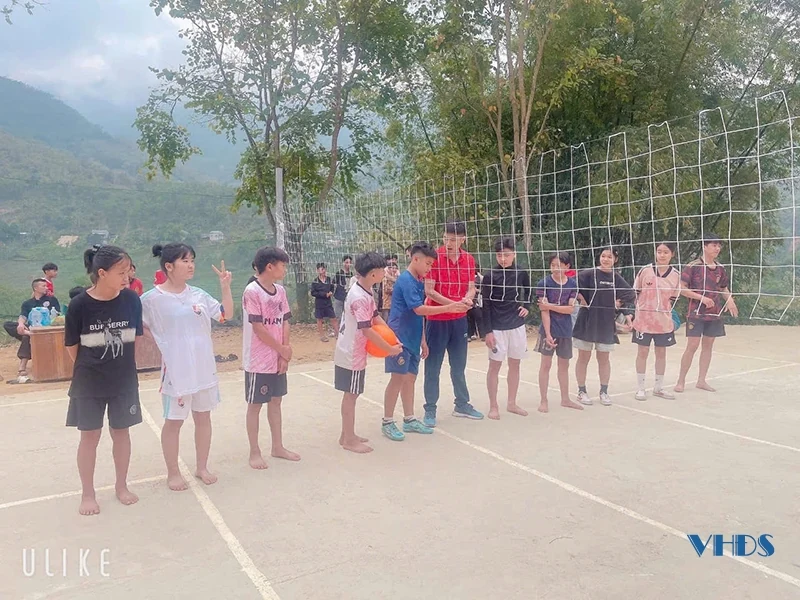
Non cao còn lời ru buồn? (Bài 1): “Giấc mơ hẹp”Trường PTDT Bán trú THCS Trung Lý (Mường Lát) tổ chức cho học sinh thi bóng chuyền.
Tiếp tục đọc “Tăng quyền cho trẻ em gái dân tộc thiểu số để chấm dứt nạn tảo hôn”

Minh bạch dữ liệu trong cuộc chiến chống ô nhiễm không khí 

Ô nhiễm không khí đe dọa trực tiếp tới sức khỏe và tính mạng con người. Tại Việt Nam, tình trạng này đang ở mức báo động, đặc biệt ở Hà Nội và TP.HCM. Đáng nói, số liệu về chất lượng không khí tại nhiều địa phương vẫn còn mù mờ, khiến người dân không nắm rõ mức độ ô nhiễm nơi mình sinh sống.

Trước thực trạng này, minh bạch dữ liệu không khí là yếu tố then chốt giúp Nhà nước, người dân và toàn xã hội ý thức rõ về tình trạng không khí và các nguồn gây ô nhiễm. Từ đó, mới có các giải pháp cải thiện không khí hiệu quả và quyết liệt hơn.

An An

  1. Người chết do ô nhiễm không khí nhiều hơn tai nạn giao thông, COVID-19
  2. Không rõ nguồn ô nhiễm, giải pháp sẽ ‘mịt mù’
  3. Minh bạch thông tin trong cuộc chiến chống ô nhiễm không khí
  4. Cải thiện không khí, tìm lại bầu trời xanh: Việt Nam nên học gì từ quốc tế?

***

09/02/2025 17:41 GMT+7

Người chết do ô nhiễm không khí nhiều hơn tai nạn giao thông, COVID-19

DƯƠNG LIỄU, QUANG THẾ

Theo nghiên cứu của WHO, hơn 60.000 người tử vong năm 2016 do bệnh tim, đột quỵ, ung thư phổi, phổi tắc nghẽn mạn tính, viêm phổi ở Việt Nam đều có liên quan tới ô nhiễm không khí.

Chết do ô nhiễm không khí nhiều hơn tai nạn giao thông, COVID19? - Ảnh 1.

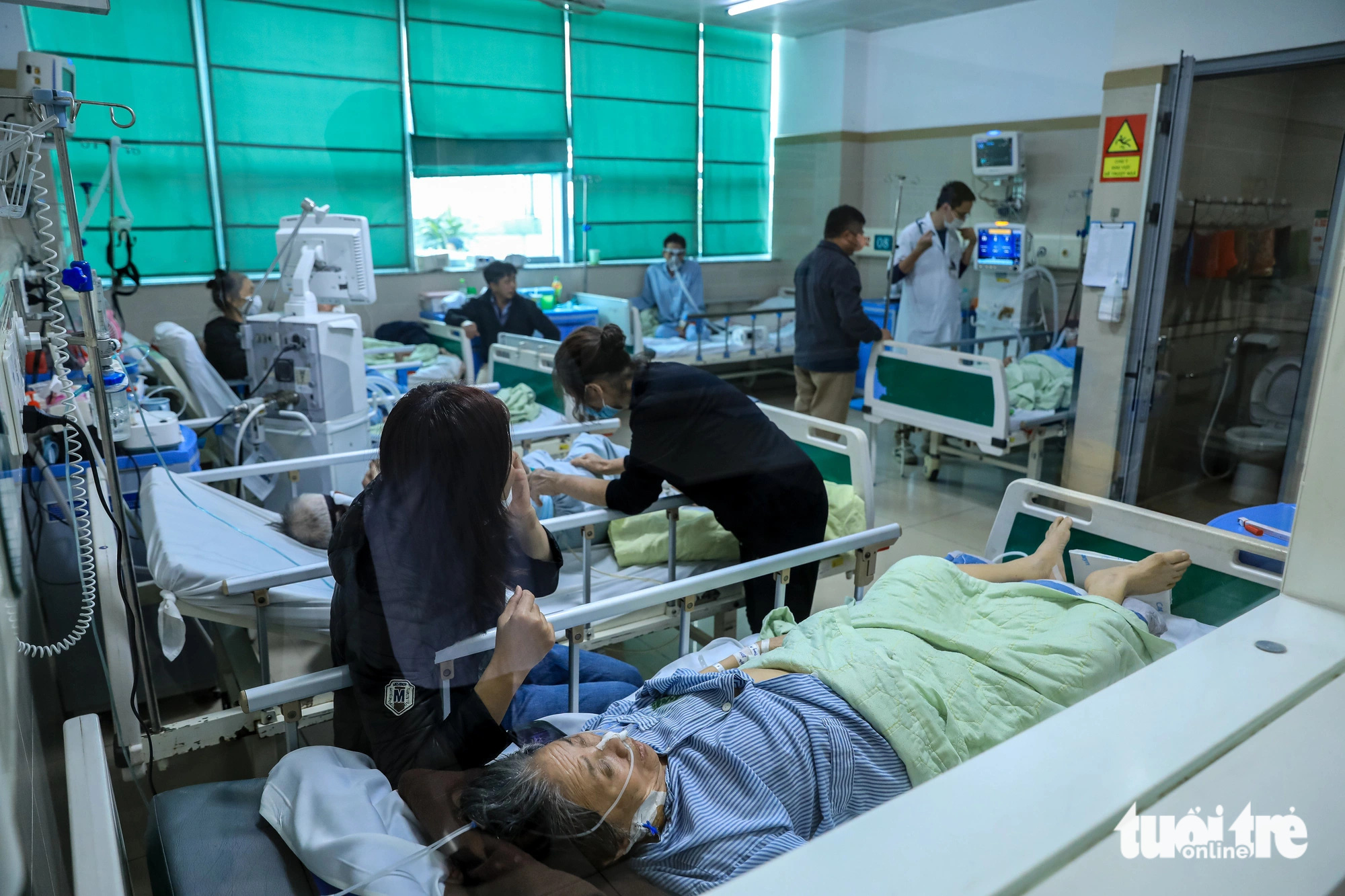
Bệnh nhân tại phòng cấp cứu ở Trung tâm Hô hấp – Bệnh viện Bạch Mai – Ảnh: DANH KHANG


Theo Chương trình môi trường Liên hợp quốc (UNEP), 9 trong số 10 người đang hít thở không khí có chứa mức độ ô nhiễm vượt quá giới hạn cho phép của Tổ chức Y tế thế giới (WHO) đã khuyến cáo. Tiếp tục đọc “Minh bạch dữ liệu trong cuộc chiến chống ô nhiễm không khí “

Vietnam officially has a much lower GDP (PPP) per capita than Greece. Why do cities in Vietnam nevertheless look much more modern, clean, and developed than those in Greece?

QUORA

Profile photo for Ha Pham

Ha Pham · Lives in Hanoi, Vietnam 4y

Vietnam officially has a much lower GDP (PPP) per capita than Greece. Why do cities in Vietnam nevertheless look much more modern, clean, and developed than those in Greece?

Vietnam has a lower GDP (PPP) per capita than Greece because it has a big population, about 10 times of Greece. In fact, Vietnam GDP is nearly double Greece in nominal value and more than triple in PPP.

List of countries by GDP (PPP)

Of Vietnam GDP, the 2 largest metropolitans of Hanoi (and 3 surrounding provinces) and Saigon (and 3 surrounding provinces) contribute upto 60% approximately USD 0.7T (PPP), about double size of Greece as a whole. That’s being said Greece is just on par with 2 biggest cities in Vietnam. Moreover, Greece is fully grown as it is developed, but Vietnam is still growing, this moment is not the limit of Vietnam. You can see in the very near future, each of the 2 cities of Vietnam will surpass Greece. Vietnam apparantly has better human and financial resources than at least a Greece after debt crisis.

Tiếp tục đọc “Vietnam officially has a much lower GDP (PPP) per capita than Greece. Why do cities in Vietnam nevertheless look much more modern, clean, and developed than those in Greece?”

Among Thailand, the Philippines, Malaysia, and Vietnam, which country will be the 1 trillion economies the soonest? Why?

Profile photo for Lucia Millar

Lucia Millar · Lives in Asia Updated 4y

Among Thailand, the Philippines, Malaysia, and Vietnam, which country will be the 1 trillion economy the soonest? Why?

Question: Among Thailand, the Philippines, Malaysia, and Vietnam, which country will be the 1 trillion economies the soonest? Why?

Answer: From the source of IMF, in the GDP PPP index, after Indonesia and Thailand, Vietnam has already become the 1 trillion-dollar economy in 2020. Also, I think that the Philippines and Malaysia will also be the trillion-dollar economy in the next few years. Myanmar will be the potential candidate to become the trillion-dollar economy but it is still far away to get this point.

Vietnam:

(Ho Chi Minh City, Vietnam)

(Vietnam: Gross domestic product (GDP) in current prices from 1984 to 2021

[1] )

Tiếp tục đọc “Among Thailand, the Philippines, Malaysia, and Vietnam, which country will be the 1 trillion economies the soonest? Why?”

Why is Vietnam still a poor country despite all the resources it had?

Profile photo for Neel Patel

Neel Patel · Lives in Vietnam7y

Because Vietnam had possibly the worst possible set of circumstances post WWII of any country in the entire world. First, the French did not immediately give it independence the way the British did with India. Instead Vietnam had to fight a war against France, which later turned into a war against the US. In the process millions died and millions more left, often the educated and businessman Vietnamese who were important to the economy. A lot of the country was devastated. Then after Vietnam finally gained its independence completely in the 1970’s (way later than countries like Indonesia, India, Philippines, etc), it had to fight wars with Cambodia and China.

All along western sanctions were still imposed until the 90’s. Diplomatic relations with the US were not re-established until the 90’s. The economy in the 70’s and 80’s did not do well because it was closed off from the rest of the world and heavily socialist and dependent on the USSR. Finally around 1986 the government at least reformed the economy to be more free market. Since that time Vietnam has grown fast. It is now a stable country with one of the fastest growing economies in the world.

Tiếp tục đọc “Why is Vietnam still a poor country despite all the resources it had?”

Why is Vietnam so lucky to get Chinese culture? Why can’t the Philippines have Chinese and Japanese culture too? Why didn’t China invade the Philippines?

Profile photo for Anh Lam

Anh Lam · Knows Vietnamese3y

It’s not correct to say that Vietnam has Chinese culture. This is downplaying the unique development of Vietnamese culture.

Vietnamese culture is Chinese-like to untrained foreign eyes (like Korean/Japanese) but once you are familiar, you can see the unique styles to Vietnam, for example the curved roofs of Vietnamese traditional architecture.

Tiếp tục đọc “Why is Vietnam so lucky to get Chinese culture? Why can’t the Philippines have Chinese and Japanese culture too? Why didn’t China invade the Philippines?”

Will Vietnam economy pass Thailand in the next 15 years?

Profile photo for Arkaneh Urairat

Arkaneh Urairat · Have just returned to Thailand: 8-year-ago 3y

Will Vietnam economy pass Thailand in the next 15 years?

15 years- so near and yet so far, isn’t it? But some say 20–30 years.

Let’s get real.

Yesterday, all Thai TV viewers were made to see a piece of the news —how Vietnam’s VinFast the first lot of EV vehicles were made to line up waiting for docking on board to ship to the US… the sight that raises everyone’s eye brows.

However, it’s no surprise with Vietnam is one of the few countries to record positive economic growth during the pandemic

Tiếp tục đọc “Will Vietnam economy pass Thailand in the next 15 years?”

Are the Vietnamese people basically from China?

Profile photo for Tuan Vu

Tuan Vu · B.A. in International Relations, Ho Chi Minh City University of Social Sciences and HumanitiesUpdated 7y

Are the Vietnamese people basically from China?

The term Vietnamese understood as “descendants from Vietnam” and Chinese as “citizens of China”, or people who pratice Han Chinese culture are not the same.

Now drink a sip of coffee, fasten your seatbelt and prepare for the ride.

I’m kidding. Prepare to read my story.

To cut it short, my answer is NO. Vietnamese do not descend from China.

The terms China as well as Vietnam as countries didn’t exist until recent centuries. Our dynasties, and civilizations, however date back thousands of years ago.

Tiếp tục đọc “Are the Vietnamese people basically from China?”

Why is East Asia (China, Japan, Korea, Vietnam) so much more developed than South Asia (India, Pakistan, Bangladesh, Nepal, Sri Lanka)? Is it because the governments there are efficient or the people are hard-working?

Profile photo for CaiLei

CaiLei · Lives in China (1975–present) Updated 1y

Why is East Asia (China, Japan, Korea, Vietnam) so much more developed than South Asia (India, Pakistan, Bangladesh, Nepal, Sri Lanka)? Is it because the governments there are efficient or the people are hard-working?

It is supposed that different cultures lead to different results.

China, Japan, South Korea and Vietnam belong to the Sinosphere cultural circle and are influenced by Confucian culture; India, Pakistan, Bangladesh, Nepal, Sri Lanka belong to the Indosphere and are influenced by Hindu culture.

Tiếp tục đọc “Why is East Asia (China, Japan, Korea, Vietnam) so much more developed than South Asia (India, Pakistan, Bangladesh, Nepal, Sri Lanka)? Is it because the governments there are efficient or the people are hard-working?”