Cuộc chiến pháp lý Philippines – 
Trung Quốc bắt đầu

06/07/2015 08:22 GMT+7

TTNgày 7-7, phiên điều trần đầu tiên về vụ Philippines kiện các tuyên bố chủ quyền vô lý của Trung Quốc trên Biển Đông sẽ diễn ra tại Tòa án trọng tài thường trực (PCA) ở The Hague (Hà Lan).

Người dân Philippines biểu tình phản đối hành vi xâm lấn của Trung Quốc ngày 19-6 - Ảnh: Reuters
Người dân Philippines biểu tình phản đối hành vi xâm lấn của Trung Quốc ngày 19-6 – Ảnh: Reuters

Theo Reuters, phái đoàn quan chức Chính phủ Philippines và các luật sư Mỹ đã lên đường đến The Hague để tranh luận rằng PCA có quyền xử lý vụ kiện. Dẫn đầu phái đoàn của Manila là Ngoại trưởng Albert Del Rosario.

Năm 2013, chính quyền Philippines nộp đơn lên LHQ đòi khẳng định quyền khai thác trong vùng đặc quyền kinh tế (EEZ) của nước này trên Biển Đông. Trung Quốc đòi chủ quyền phần lớn diện tích Biển Đông, bao gồm rất nhiều bãi đá và bãi cạn mà Philippines cho rằng nằm trong EEZ của nước này. Tiếp tục đọc “Cuộc chiến pháp lý Philippines – 
Trung Quốc bắt đầu”

A fair and effective Code of Conduct for the South China Sea

AMTI – In 2002, ASEAN and China signed the Declaration on the Conduct of Parties in the South China Sea (DOC) that promised to “enhance favourable conditions for a peaceful and durable solution of differences and disputes among countries concerned.” Unfortunately, thirteen years on, the claimant countries are no closer to a solution for any of the disputes, while coercive and other unilateral acts are steadily accumulating into serious tensions. What is needed now is a Code of Conduct (COC) that not only overcomes the DOC’s weaknesses but also addresses the new challenges that have arisen since 2002. Tiếp tục đọc “A fair and effective Code of Conduct for the South China Sea”

The importance of evidence: Fact, fiction and the South China Sea

By Bill Hayton, TN News

Friday, June 12, 2015 16:42

A Chinese coast guard ship (back) sails next to a Vietnamese coast guard vessel (front) near China's oil drilling rig in Vietnam's exclusive economic zone in the South China Sea, May 14, 2014.A Chinese coast guard ship (back) sails next to a Vietnamese coast guard vessel (front) near China’s oil drilling rig in Vietnam’s exclusive economic zone in the South China Sea, May 14, 2014.

In just a few weeks, international judges will begin to consider the legality of China’s ‘U-shaped line’ claim in the South China Sea. The venue will be the Permanent Court of Arbitration in The Hague and the Court’s first step – during deliberations in July – will be to consider whether it should even consider the case. China’s best hope is that the judges will rule themselves out of order because if they don’t, and the Philippines’ case proceeds, it’s highly likely that China will suffer a major embarrassment. Tiếp tục đọc “The importance of evidence: Fact, fiction and the South China Sea”

Để bảo vệ chủ quyền và tự do hàng hải

19/06/2015 09:55 GMT+7

TTTừ tháng 5-2014, tức cùng thời điểm với vụ giàn khoan Hải Dương 981, báo chí Trung Quốc bắt đầu đưa tin về việc triển khai bồi đắp các thực thể tại quần đảo Trường Sa.

Đến nay, tháng 6-2015, sau hơn một năm, Trung Quốc đã và đang hoàn thành việc bồi đắp bãi Vành Khăn, Xu Bi, Tư Nghĩa, Gaven (nằm dưới mặt biển khi thủy triều cao) và đá Chữ Thập, Châu Viên, Gạc Ma (cao hơn mặt biển khi thủy triều dâng). Nước này đã xây dựng trái phép trên các thực thể được cải tạo đó nhiều cơ sở hạ tầng, bến cảng, hệ thống viễn thông, dân sự và quân sự. Các hình ảnh vệ tinh gần đây nhất cho thấy Trung Quốc đang hoàn thành đường băng dài 3km trên đá Chữ Thập.

SO SÁNH MỨC ĐỘ XÂM PHẠM

Việc Trung Quốc đưa giàn khoan Hải Dương 981 vào vùng đặc quyền kinh tế Việt Nam đã xâm phạm vùng biển thuộc quyền chủ quyền của Việt Nam. Việc bồi đắp các thực thể tại Trường Sa nghiêm trọng hơn rất nhiều, là sự xâm phạm nghiêm trọng chủ quyền của Việt Nam đối với các thực thể đó, đồng thời xâm phạm quyền chủ quyền của Việt Nam trên các vùng biển lân cận. Tiếp tục đọc “Để bảo vệ chủ quyền và tự do hàng hải”

Massive island-building and international law

June 15, 2015

AMTI. CSIS – Within the short span of a year, China’s rapid construction of artificial islands in the disputed Spratlys has radically changed the geographical and security landscapes in the South China Sea.

This island construction has so far created over eight million square metres of real estate in the open sea, outstripping other countries’ reclamation activities by far, and shows no sign of abating. Hundreds of millions of tons of sand and coral have been dredged from the seabed and dumped atop fragile coral reefs that are vital components of the maritime ecology. Marine experts expect that the work has already caused disastrous and essentially irreversible environmental impacts. Tiếp tục đọc “Massive island-building and international law”

Biển Đông dậy sóng tại Hội nghị Liên Hiệp Quốc

TNTại Liên Hiệp Quốc, đại diện Việt Nam và Philippines đều lên tiếng cảnh báo về hậu quả từ những hoạt động bồi đắp quy mô lớn phi pháp ở Biển Đông.
Trung Quốc xây đại công trình phi pháp ở đá Gạc Ma thuộc Trường Sa - Ảnh: Mai Thanh Hải
Trung Quốc xây đại công trình phi pháp ở đá Gạc Ma thuộc Trường Sa – Ảnh: Mai Thanh Hải

Từ ngày 8 – 12.6 (giờ địa phương) tại trụ sở của Liên Hiệp Quốc ở thành phố New York, Mỹ diễn ra Hội nghị lần thứ 25 các quốc gia thành viên Công ước Liên Hiệp Quốc về luật Biển (UNCLOS) với sự tham dự của 136/167 quốc gia thành viên cùng các nước quan sát viên và nhiều tổ chức quốc tế.

Tiếp tục đọc “Biển Đông dậy sóng tại Hội nghị Liên Hiệp Quốc”

Southeast Asia’s Geopolitical Centrality and the U.S.-Japan Alliance

JUN 11, 2015

CSIS – Building on a careful analysis of Southeast Asia’s recent history, politics, economics, and place within the Asia Pacific, this report looks forward two decades to anticipate the development of trends in the region and how they will impact the U.S.-Japan alliance. How will Southeast Asian states come to grips with the political and economic rise of China? How will they modernize their military forces and security relationships, and what role can the United States and Japan play? How will they manage their disputes in the South China Sea, and how will they pursue greater regional integration? These questions will prove critical in understanding Southeast Asia’s role in the Asia Pacific, and in the U.S.-Japan alliance, in the decades ahead.

Publisher CSIS/Rowman & Littlefield
ISBN 978-1-4422-4086-5 (pb); 978-1-4422-4087-2 (eBook)


Sabah’s Shadow on the South China Sea

• By Jay L. Batongbacal I May 27, 2015

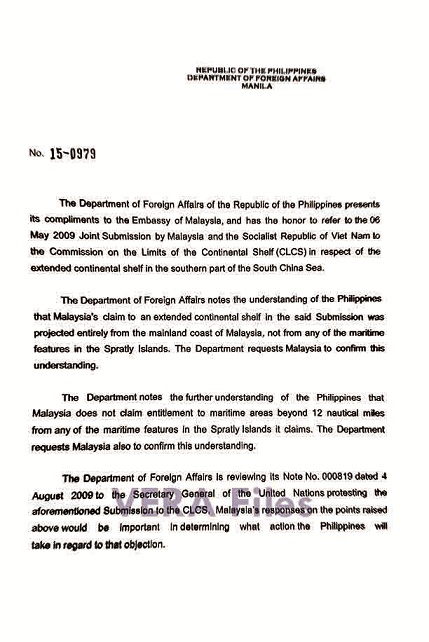
cogitasia – Philippine media went into a minor frenzy with the startling news that Manila purportedly offered Kuala Lumpur a quid pro quo in March: dropping the Philippine claim to North Borneo (Malaysia’s Sabah State) in exchange for Malaysian support for Manila’s arbitration case over the South China Sea. The media reports were quickly denied by the Philippines Department of Foreign Affairs, which noted the total absence of any reference to such a deal in the note that set off the firestorm. Recently, President Benigno Aquino III had to reiterate that his administration was not dropping the claim, prompting Malaysia to summon the Philippine Charge d’Affaires. Tiếp tục đọc “Sabah’s Shadow on the South China Sea”